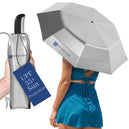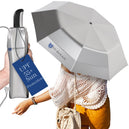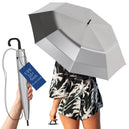

A large sun umbrella can make any outdoor space feel inviting and comfortable, whether it's providing shade in your backyard or covering a quiet patio seating area. But when left unchecked, rust and corrosion can turn that convenience into an eyesore or even a safety hazard. Once moisture settles into metal parts, the damage doesn't take long to spread, especially when the umbrella is exposed to changing weather over time.


Keeping it looking and working like new doesn't take much—just a little care now and then. Knowing what causes rust and how to keep it at bay helps your umbrella last longer and keeps your space looking fresh. Whether it’s been sitting out for months or just came out of the box, the right steps go a long way toward protecting your shade from wear and tear.
Understanding Why Rust and Corrosion Occur
Rust is what happens when iron or steel meets air and water. Toss in a little salt from the breeze or moisture from regular rain, and the process speeds up even more. Corrosion goes further than surface rust by eating away at the metal, causing weakening or breakage over time. And umbrellas, especially large ones, have plenty of places where water can hide. Bolts, joints, base stands, crank mechanisms, and trims are all spots where rust likes to start.
Weather isn't the only factor. The environment your umbrella sits in plays a big role. For example, umbrellas used near swimming pools or coastal areas deal with more moisture and salt, which can speed up corrosion. Dry climates aren't immune either. Morning dew and unexpected storms can still soak through areas you thought were safe.
The materials used also affect how easily the umbrella rusts. Some umbrellas have metal components that resist corrosion better, like aluminum or powder-coated steel. But even those can wear down from repeated use or lack of maintenance.
That’s where care and routine come in. Keeping rust away isn’t just about cleaning. It’s about giving attention to how and where your umbrella is used, and doing check-ins before small problems become big ones. Built-up gunk, settled rainwater in the base, or even unnoticed scratches in paint can turn into rusty patches without warning. Think of it like keeping your outdoor gear ready, especially if you store your umbrella outdoors year-round.
Preventative Measures to Avoid Rust
Once you understand what causes rust, the next step is doing something about it. Simple habits can stop the damage before it starts, and the earlier you build them into your routine, the better your umbrella holds up.
Here are smart ways to protect your large sun umbrella from rust:
- Clean it regularly. Wipe down all metal surfaces using a soft cloth and mild soap mixed with warm water. Avoid harsh cleaners that strip away protective coatings.
- Dry it completely. After cleaning or exposure to rain, let your umbrella fully dry before storing or closing it up. Trapped moisture causes hidden rust, especially in compact joints.
- Apply a protective spray. A clear anti-rust spray or sealant designed for outdoor use helps block moisture and air from getting to the metal. Focus on screws, hinges, and exposed steel parts.
- Store it when not in use. During long periods of no use, like between seasons, store your umbrella indoors or use a waterproof cover that keeps rain, snow, and dirt out.
- Place it smartly. If possible, keep the umbrella out of constant splash zones like near sprinklers or pool edges. Avoid placing it where it touches wet grass or muddy surfaces.
- Watch the base area. Metal bases or pole connections often trap water. Drain or tip out any pooled liquid and give it a quick wipe from time to time.
A little upfront care prevents the stress and cost of dealing with a rusty, unusable umbrella later on. When these habits become second nature, you won’t have to think twice about keeping your outdoor shade in good shape through changes in seasons.
Maintenance Tips for Longevity
Once your large sun umbrella is clean and protected, the next step is keeping it that way. Even small spots of rust can spread quickly if ignored, so regular check-ins are important. Think of it like checking your grill or patio furniture. A quick glance every few weeks helps you catch problems early, especially after a storm or heavy use.
Start by inspecting joints and bolts where water collects. These are the first places corrosion tends to show up. Look for orange discoloration or a rough texture on surfaces that weren’t there before. If you notice anything, clean that area with a soft cloth and mild soap. For light surface rust, gently scrub with a non-metal brush and rinse well. Avoid anything abrasive that could damage the finish further.
It’s also smart to set a routine for checking the umbrella’s crank mechanism and pole base. These work the hardest and often go unnoticed until something feels stiff or stops working smoothly. Lubricate moving parts with a silicone-based spray if needed, and make sure no grime has built up.
Long-term care is about small, consistent steps:
- Check for rust monthly, especially during rainy or humid seasons
- Clean high-touch areas more often, like the crank handle and pole connectors
- Dry off puddles beneath the base after heavy rains
- Avoid dragging the base across uneven ground, which can scratch the coating
- Reapply a water-resistant spray every few months as a protective layer
These habits help keep the metal parts in good shape and extend the overall life of your large sun umbrella. You’ll spend less time worrying about damage and more time enjoying your outdoor space.
Choosing the Right Large Sun Umbrella
It all starts with having the right umbrella in the first place. Not every large sun umbrella is built the same, especially when it comes to long-term outdoor use. Some are made strictly for occasional shade and aren’t designed to handle moisture or strong UV rays over long periods.
When shopping for a rust-resistant option, keep an eye out for umbrellas with sturdy materials and finishes that are made for regular use outside. Here are some things to look for:
- Poles and ribs made from aluminum or powder-coated steel
- Joints and connectors that are rust-protected or made from stainless materials
- A canopy design that allows water to run off rather than pool
- Clear documentation that the parts are suited for outdoor conditions
Also check if the umbrella is easy to break down or store when not in use. If it’s easy to set up and take down, you’re more likely to store it properly during rough weather or colder months.
Design also matters. An umbrella that fits your space and doesn’t shift or wobble under light wind is less likely to get scraped or bent, which can lead to exposed metal and eventually rust.
It’s worth thinking ahead here. A well-chosen umbrella makes maintenance easier from the start. Once you’ve got a good one in place, all the cleaning and seasonal care becomes part of a simpler routine.
Keep Your Outdoor Space Inviting
A large sun umbrella should be something you enjoy, not something you struggle to keep together. With regular care, smart storage, and just a little attention to materials, rust doesn’t have to be a problem. The difference really comes down to consistency, those little habits that help prevent wear before it starts.
Whether it’s your go-to spot for reading, outdoor meals, or afternoon shade, your umbrella helps create moments that matter. Keeping it free from corrosion means you can depend on it every time you head outside. Protect the investment in your space by treating your umbrella like any other important part of your home. Keep it clean, check in on it now and then, and choose a model that’s built to last.
By following these maintenance guidelines, your umbrella can offer reliable shade and protection for years. If you're considering a new addition to your outdoor space, check out our selection of UV protection umbrellas. A high-quality, rust-resistant large sun umbrella ensures you enjoy outdoor moments without the worry of damage or deterioration. Discover how a well-chosen umbrella from UV-Blocker can transform your patio or garden into a relaxing retreat.