

TL;DR
- Covering a stroller with muslin or blankets creates a "greenhouse effect" — temperatures reach 99°F inside in just one hour
- Babies regulate body temperature 3–5× slower than adults, making overheating dangerous
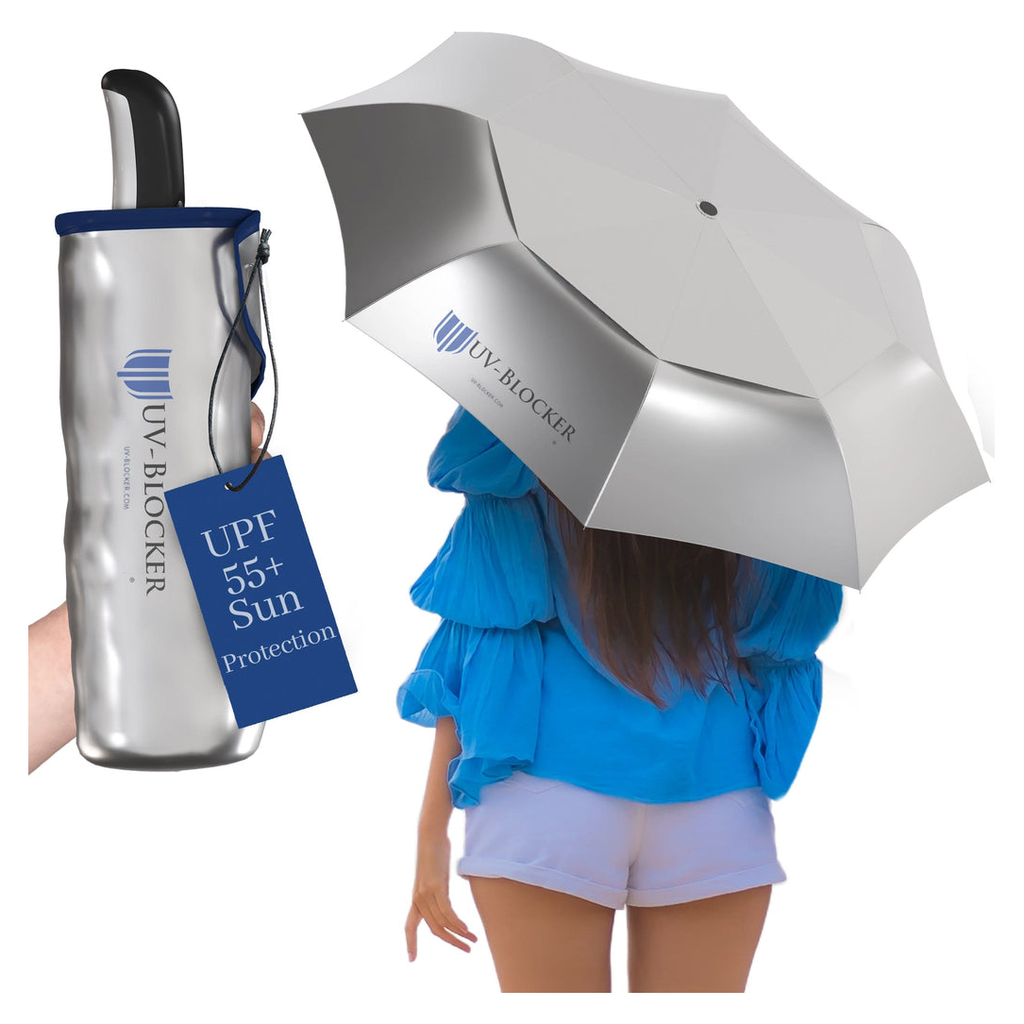
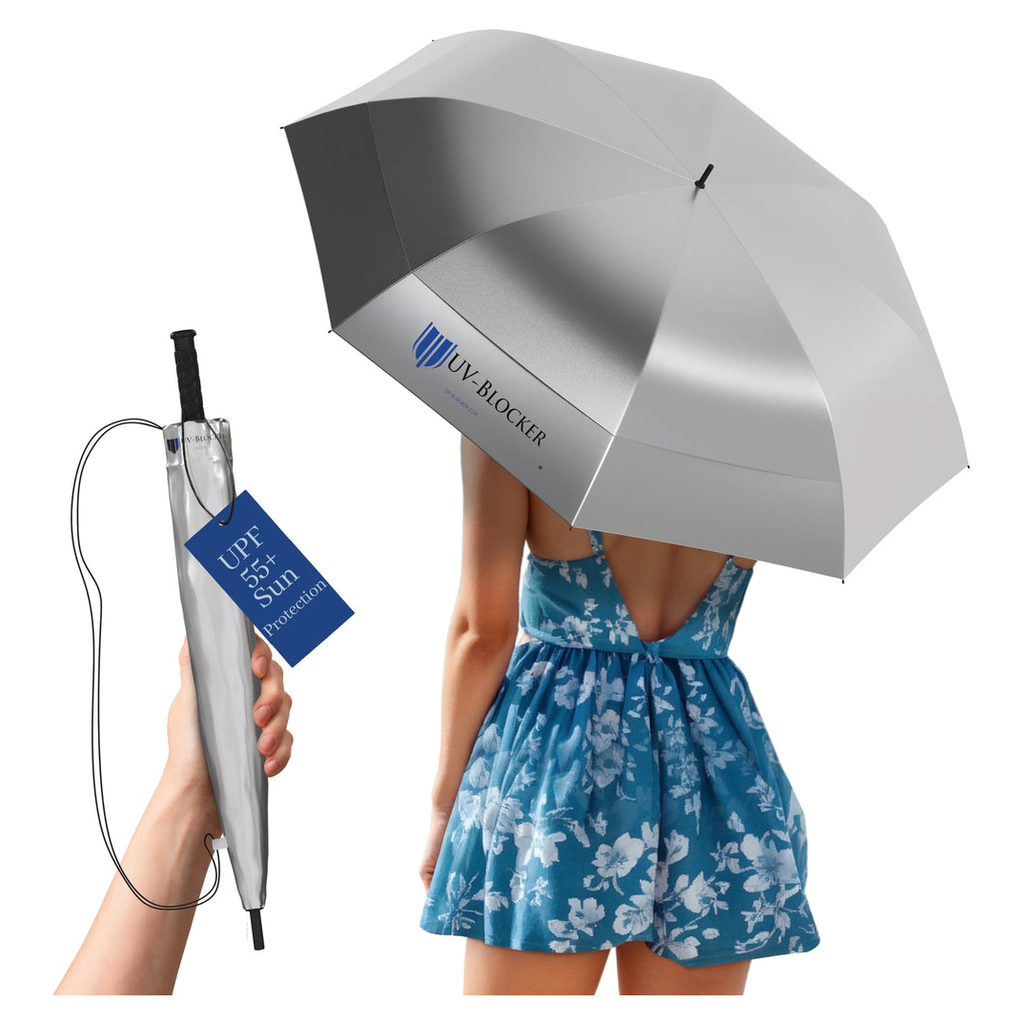
- UV umbrellas provide shade WITHOUT trapping heat — blocking 98% of UV while allowing 100% airflow
- Clamp-on umbrellas hover above the stroller, letting hot air escape and breezes circulate
- Best practice: UV umbrella + clip-on fan + touch test (check baby's chest, not hands/feet)
The dangerous stroller greenhouse effect

A common scenario: it's a bright, hot day. A parent wants to protect their sleeping infant from the sun, so they drape a muslin blanket or light towel over the stroller opening. It seems like a loving, protective gesture.
It is actually dangerous.
Researchers in Sweden discovered that covering a stroller — even with a thin muslin cloth — creates a "furnace effect":
- Uncovered stroller: 72°F (22°C)
- Covered with thin cloth (30 mins): 93°F (34°C)
That's a 21-degree spike. The cover stops air circulation, trapping heat inside the bassinet where the baby is sleeping. This significantly increases the risk of SIDS and heatstroke.
The solution: clamp-on UV umbrellas

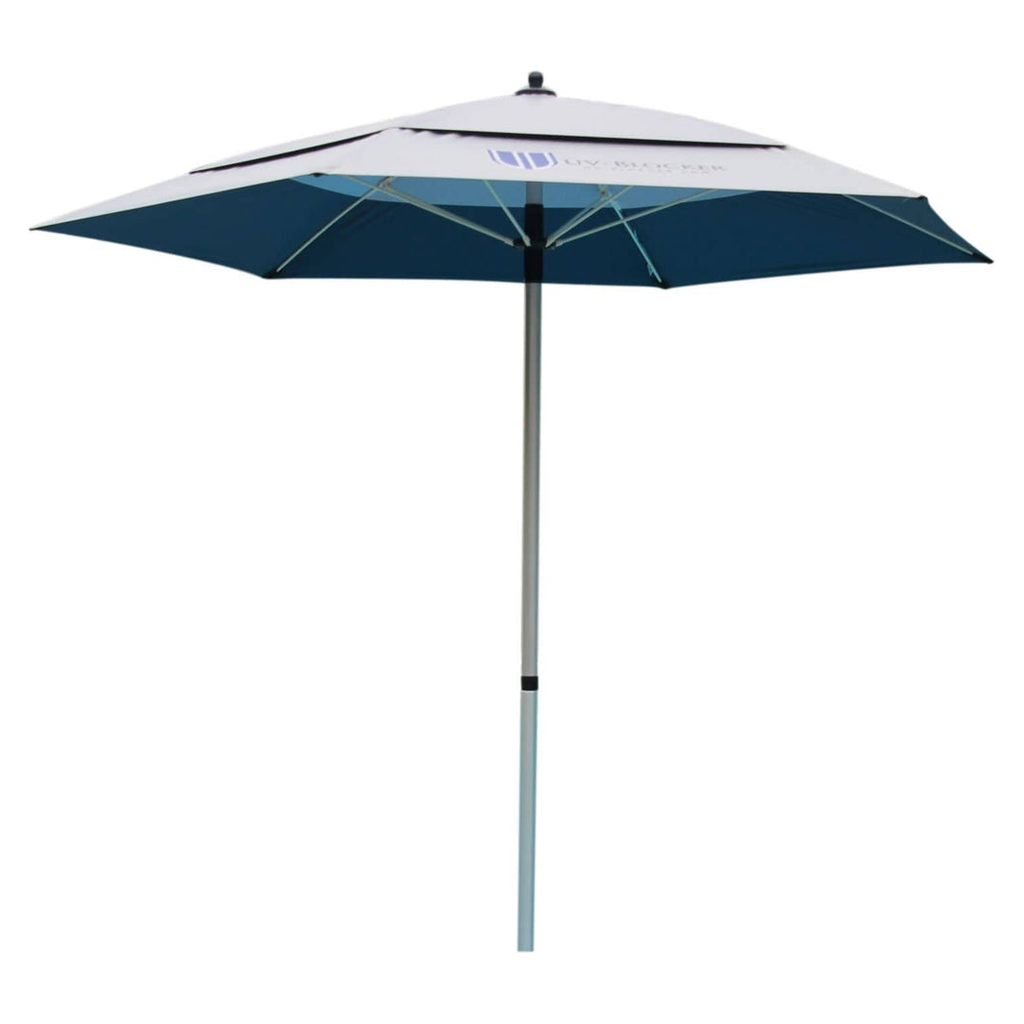
The safest way to create shade is to block the sun without blocking airflow. A specialized stroller umbrella attaches to the frame and angles to block direct rays while leaving the stroller completely open to the breeze.
Stroller umbrella features to look for

- Universal clamp: Fits square and round tubing securely
- Flexible gooseneck: Adjusts angle constantly as you turn corners
- UPF 50+ fabric: Blocks 98%+ of UV rays
- Vented top: Reduces wind drag so it doesn't fly off
What the temperature data shows
It doesn't matter how thin or "organic" the fabric is. If it blocks the breeze, it traps the heat.
A landmark experiment cited by Swedish pediatrician Dr. Svante Norgren compared an open stroller to one covered by a thin muslin cloth on a warm day.
| Condition | Temperature |
|---|---|
| External temperature | 72°F (22°C) |
| Inside covered stroller (30 mins) | 93°F (34°C) |
| Inside covered stroller (1 hour) | 99°F (37°C) |
Dr. Norgren described the environment as "like a thermos." The fabric stops air circulation, preventing heat from escaping and locking in thermal radiation rising from the pavement.
Think of it like closing the windows in a parked car. You wouldn't do that to your baby — yet covering the stroller achieves a disturbingly similar result.
According to the American Academy of Pediatrics, infant hyperthermia (overheating) is a medical emergency that can occur within 15–30 minutes in enclosed, hot environments.
"But it's just a thin muslin cloth!" — the myth
Many parents believe that because muslin is air-permeable (you can breathe through it), it creates airflow. This is a myth.
A 2023 study from the University of Sydney confirmed that covering a stroller with dry flannelette or muslin raised internal temperature by nearly 4°C (7°F) in just 20 minutes.
Why permeable ≠ ventilated
Air permeability (can air pass through?) is different from ventilation (is air actually moving?). Muslin allows static air to slowly diffuse, but without wind or motion, air under the cover becomes stagnant and heats rapidly.
The researchers noted: "Even fabrics marketed as 'breathable' dramatically reduced airflow within the stroller bassinet, leading to rapid temperature increases."
Why this matters: infant heat physiology
Babies regulate body temperature 3 to 5 times slower than adults. They sweat less efficiently and have a larger surface area relative to weight. What feels "a little warm" to you is heat exhaustion territory for an infant.
The Centers for Disease Control and Prevention identifies these heat-related risks for infants:
- Dehydration: Babies lose fluids quickly and can't ask for water
- Heat exhaustion: Symptoms include fussiness, rapid breathing, flushed skin
- Heatstroke: A medical emergency with temperatures exceeding 104°F
- SIDS risk: Sudden Infant Death Syndrome is strongly linked to overheating during sleep
The Lullaby Trust specifically warns against covering strollers with blankets or cloths, stating that overheating increases SIDS risk.
The solution: shade without sealing the stroller
You need a solution that blocks 98% of UV rays but allows 100% of the breeze.
How open shade works
A clamp-on umbrella hovers above the stroller. It creates a shadow (blocking direct solar radiation) but leaves the sides completely open.
- No heat trap: Hot air rises and escapes naturally through convection
- Cross-breeze: Wind passes through the stroller, carrying away body heat
- Visual check: You can see your baby at all times without lifting a flap
- Adjustability: Move the shade as the sun moves
UV umbrella vs. muslin cloth for stroller sun safety
| Feature | Muslin Cloth | UV Umbrella |
|---|---|---|
| UV protection | UPF 5–10 | UPF 50+ |
| Airflow | Blocked | 100% open |
| Heat buildup | Significant (+21°F in 30 min) | None |
| Visibility | Poor | Clear |
| Adjustability | Fixed | Full range |
A standard white muslin cloth has roughly UPF 5–10. It blocks some light, but UV penetrates it. Solarteck™ fabric is rated UPF 50+, blocking 98% of UVA and UVB — vastly superior protection without sacrificing a single cubic inch of airflow.
Universal mounting: position shade where you need it
The sun moves. Your shade should too.
Quality UV umbrella systems feature gooseneck arms and universal clamps:
- Position shade precisely over your baby's head
- Block the harsh 2 PM sun while leaving the rest of the stroller open to wind
- Adjust as you change direction during walks
- Remove and store easily when not needed
No fumbling with blankets, no constantly readjusting fabric drapes, no blocked visibility.
Best practices for summer strolls
1. Clamp, don't cover
Attach a UV umbrella to the stroller frame. Adjust to shade face and torso. Leave the stroller canopy partially open if possible, or use the umbrella to extend the canopy's reach without sealing the opening.
2. Add active cooling
The University of Sydney study found that a clip-on fan combined with a moist muslin cloth (for evaporative cooling, NOT sealing) was the most effective cooling method. Even better: fan + umbrella shade = optimal cooling without UV exposure.
3. Perform the touch test
Don't check hands or feet — extremities aid cooling and often feel cooler than core temperature. Check their chest or back of neck. Hot or sweaty? They're overheating. Time for air conditioning.
4. Avoid peak radiation
Stay indoors between 10 AM and 2 PM when UV and temperatures are highest. If you must be out, maximize shade and minimize time.
5. Monitor hydration
Offer breast milk or formula more frequently in heat. Babies over 6 months can have small amounts of water. Watch for dehydration signs: fewer wet diapers, dry lips, lethargy.
Frequently asked questions
Is it ever safe to cover a stroller with a blanket?
Only for brief periods (under 10 minutes) in mild temperatures below 75°F, with frequent checks. In warm weather above 75°F, avoid covering entirely.
What temperature is too hot for a baby in a stroller?
The American Academy of Pediatrics recommends limiting outdoor time when air exceeds 90°F. Inside a covered stroller, dangerous temperatures can occur at much lower ambient temperatures — a 72°F day produced 99°F inside a covered stroller in one hour.
Can I use a stroller fan alone without shade?
Fans help with cooling but don't block UV radiation. Your baby's skin still needs UV protection. Combine a fan with a UV umbrella for best results.
How do I know if my baby is overheating?
Check their chest or back of neck (not hands/feet). Warning signs: flushed red skin, rapid breathing, fussiness or unusual lethargy, hot or sweaty torso, dry lips.
Are mesh stroller covers safer than muslin?
Slightly, but most mesh covers still significantly reduce airflow compared to open air. A clamp-on umbrella provides superior airflow while blocking more UV.
What age can babies safely use UV umbrellas?
From birth. Newborns have very little melanin and are especially vulnerable to UV damage. UV umbrellas are safe and recommended for all infant ages.
Do I still need sunscreen on my baby under an umbrella?
Babies under 6 months should avoid sunscreen (per AAP guidelines). For older babies, apply sunscreen to exposed areas — UV can reflect from ground surfaces even under an umbrella.
Darkness does not equal safety. If you're draping a blanket over your stroller, you're gambling with your baby's temperature regulation. Get a UV umbrella. It provides the shade your baby's skin needs with the open-air safety their body demands.
Ready to protect your little one? Browse the stroller-compatible UV umbrellas with universal clamp systems.