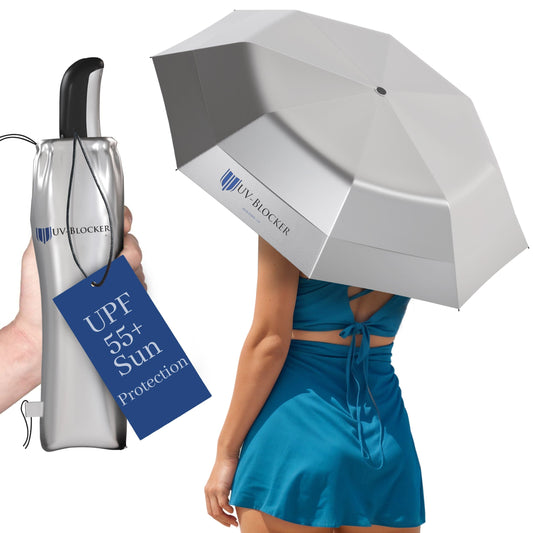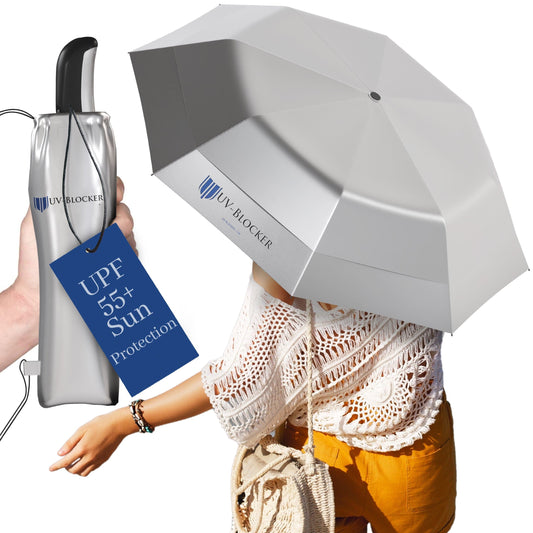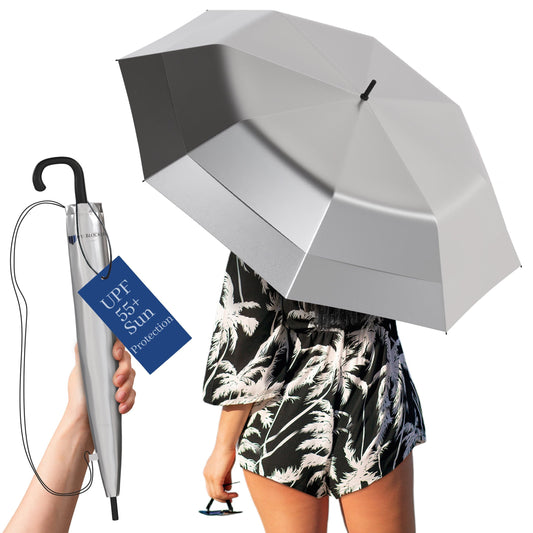


When it’s cold outside, most people aren’t thinking about sun safety. But just because the air feels crisp doesn’t mean the sun takes a break. The truth is, those UV rays are still shining, and they can still affect your skin even in winter. That’s why many people bring their beach umbrella with UV protection along for the cooler seasons too.
If you’ve never used a UV umbrella in January, you might be surprised at how useful it can be. Whether you have sun sensitivity or you're just someone who spends time outside year-round, a little shade goes a long way. In this post, we’ll show when and where a UV umbrella makes sense during winter, how to use it safely in cool, breezy weather, and what to watch out for when the temperatures drop.
Why Sun Protection Still Matters in Cold Weather
Cold air doesn’t cancel out strong sun. People often assume that a chilly day equals low UV, but that’s not always the case. The sun’s rays can be just as strong as they are in warmer months, and that can catch people off guard. That’s especially true when your skin is less used to sun exposure after weeks indoors.
On top of that, winter tends to leave us with fewer natural shade options. Trees lose their leaves, shelters are less available, and even cloud cover can be unpredictable. This is where a UV umbrella becomes pretty handy. It adds that reliable patch of shade no matter where you're standing.
There’s another thing to think about, and that's reflection. Snow, sand, and even water can bounce sunlight back up toward your face and neck. That double exposure can lead to unwanted skin damage. So even a quick walk on the beach or a day at the park in January can be a sneak attack on your skin if you're not paying attention.
Best Places to Use a UV Umbrella in Winter
UV umbrellas aren’t just for sunny beach days in July. They come in handy more often than you’d think during winter months. If you’re someone who stays active outdoors through the colder seasons, here are a few winter settings where they’re a great fit:
• Beaches in the off-season, fewer crowds mean more space to relax, but the open shore offers no protection from the sun. A UV umbrella gives you a safe, shaded spot to sit and take a break during your walk or activity.
• Snowy areas, the white ground bounces sunlight directly toward your body and face. Whether you’re at a ski resort or just hanging out in the backyard with fresh snow, your skin is getting more sun than it would on a regular sidewalk.
• Parks and play spaces, if you've got young kids bundled up and running around, chances are you’re standing still keeping an eye on them. A UV umbrella set up beside the playground or your seating area can keep you shaded while they enjoy the winter air.
• Outdoor lunches or picnics, fresh air meals aren’t just a warm-weather thing. If you're eating outside at a local café, in your backyard, or at a rest stop during a road trip, setting up a sun umbrella gives you that comfort zone to enjoy the moment without squinting or overheating.
All these spots highlight how a beach umbrella with UV protection isn’t limited to summer outings. Even when the breeze is cold, having a movable patch of shade by your side means you can relax, watch your kids, or eat comfortably, no matter the season.
How to Set Up and Use Your Umbrella When It’s Cold or Windy
Winter days can be breezy, so setting up a large umbrella takes a little more thought. Whether you’re at the park, on the beach, or in a snow-covered area, the basics still apply. Stability comes first.
• Pick a solid, flat surface that isn’t slick or soggy. Frozen sand or firm snow packs can work well if you anchor your umbrella with care.
• Use a weighted base or ground anchor whenever you can. Wind gusts in winter might take you by surprise, and anchoring helps avoid tipping or shifting.
• Angle your umbrella to block the lower position of the sun. During cold months, the sun sits lower in the sky, so take a minute to line it up with where the light hits you the most.
• Wear gloves with grip when handling or opening the umbrella. Cold fingers lose strength fast, and you want to stay safe while setting up and taking things down.
Opening your UV umbrella may feel like second nature in summer, but cold air can make materials a bit stiffer. Take your time and don’t force anything if it feels stuck. Wait until it warms a bit or move to a slightly sunnier spot if needed.
If you’re setting up in a public place like a park or beach, be mindful of space and wind direction. Place your umbrella far enough from walkways where it won’t get in the way of others. If it feels particularly windy, stay close by while the umbrella is open. Sometimes it’s better to lower it for a while during strong gusts, then raise it again when it calms down.
When it comes time to pack up, check that no ice or snow has collected on the umbrella. Give it a gentle shake to clear off any extra moisture. Keeping the fabric and frame clean will help your umbrella last through many cold-weather outings.
Taking Care of Your Umbrella in Cold Conditions
Just like your jacket or boots, your umbrella needs regular care in winter. Icy air and moisture can cause trouble if you don’t treat your gear well. A few small steps can help your beach umbrella with UV protection last longer during the off-season.
• Always fold it and dry it out before storing. Even a little trapped moisture can wear down fabric or freeze on the frame.
• Give it a quick check for bent poles or stiff hinges after a windy day. Cold can make working parts tighter, so slow movements and a short inspection can help you spot any issues early.
• Store it in a sleeve or soft-sided case to shield it from scratches and bumps. This helps the UV fabric stay smooth and strong for the long run, even when it’s not in daily use.
Umbrella care can seem easy to forget, but just a couple of extra minutes after you get home can make a big difference. If your umbrella does get wet, open it fully and leave it to dry in a warm, shady spot indoors. This will help keep the colors bright and the UV material working as well as possible.
Taking those few extra steps can keep your umbrella ready to go the next time the sun surprises you on a cold morning.
UV-Blocker: Eco-Friendly Protection You Can Trust
We often think of summer when we talk about protecting our skin, but winter brings its own kind of sun worries. UV exposure still happens in January, and in some ways, it’s easier to forget during the cold. That’s why bringing a beach umbrella with UV protection into your winter routines just makes sense.
With UV-Blocker umbrellas, you get up to 99% UVA and UVB protection, and our products are made with eco-friendly, dermatologist-recommended materials. Whether it’s snow, sand, or just a clear sky above a picnic table, having your own shade means you’re always prepared. Keeping this one piece of gear in your car or garage during the colder months gives you more choices to stay outside, enjoy the sunlight, and protect your skin without stepping into the harsh midday glow.
You don’t need to change your habits just because it’s chilly out. A high-quality umbrella can make outdoor fun possible any time of year by offering dependable coverage wherever you go. It’s one of those small comforts that quickly becomes part of every outing and helps you appreciate clear winter skies without worry.
Year-Round Shade for Every Adventure
Spending time outdoors in winter, whether by the ocean, at a snowy park, or relaxing in your own backyard, is more enjoyable with reliable shade. Pack gear you can trust all year, such as a beach umbrella with UV protection, to reduce glare, shield your skin, and make outdoor days more comfortable. At UV-Blocker, we design our umbrellas to withstand all kinds of weather, not just sunny summer afternoons. Have questions or need help choosing the perfect option? Reach out and we’ll be glad to assist.