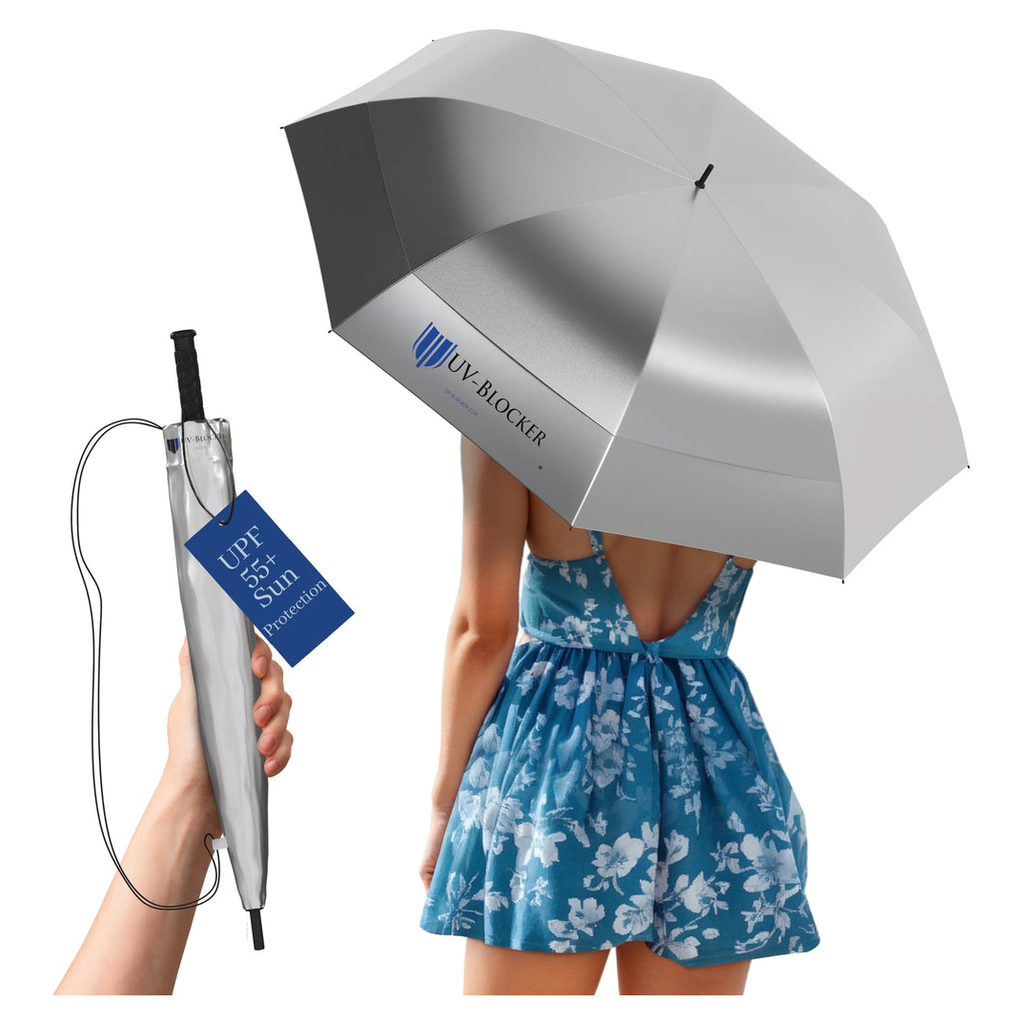
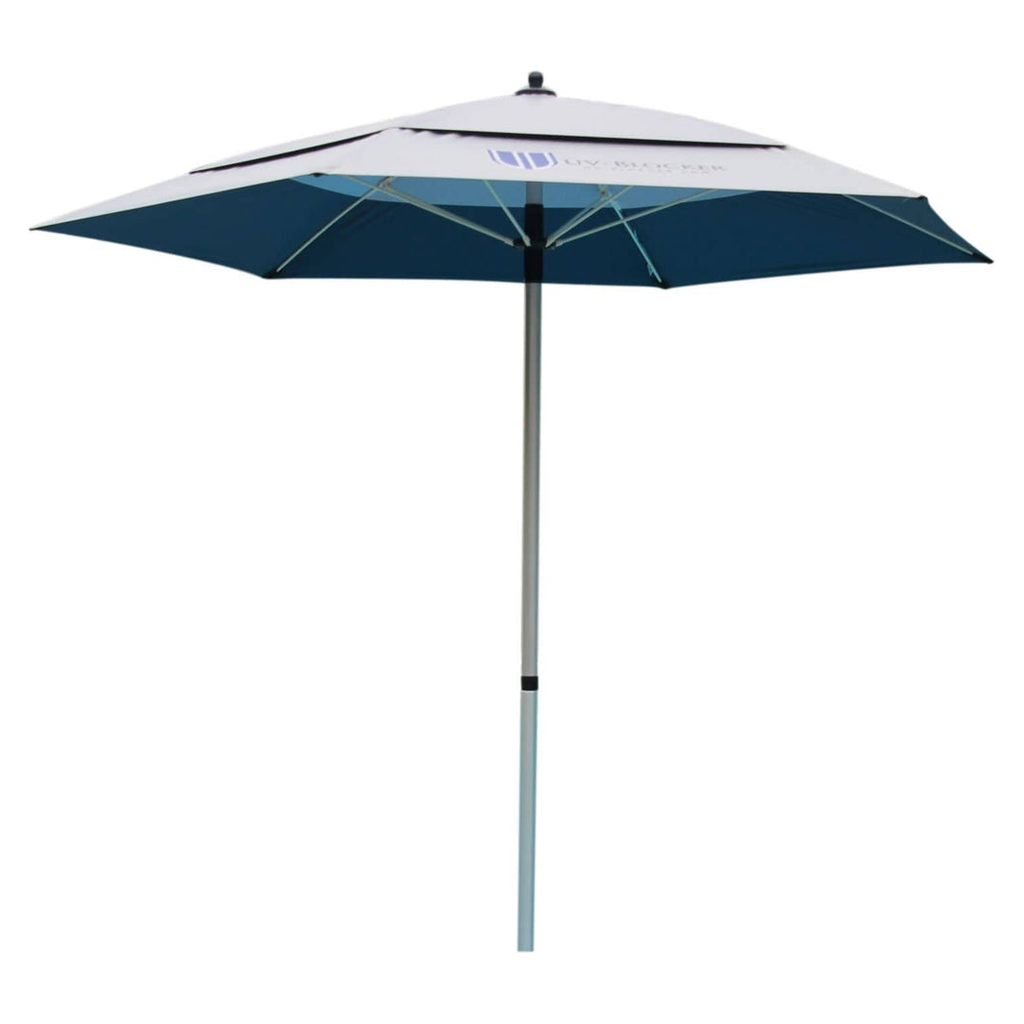

Sunburn is a very common problem that is often underestimated. Luckily, awareness of the issues it can cause, e.g. skin cancer, ageing etc. has increased over time, but there are still plenty of people that wrongly believe they’re immune to sunburn. Even if you are aware and apply sunscreen, it’s easy to get caught out. Perhaps you went for a swim and it washed off, or you missed a spot.
If you have kids, ensuring they stay safe in the sun is crucial, as children that get sunburnt are more likely to experience long-term effects. It can be hard for them to understand why sun safety is so important, so they may even get upset when you’re trying to apply sunscreen – making it tricky to cover all of them. If you or your child got sunburnt, don’t worry, we’ve put together a list of things you can do to help calm the burn.
Cool down your skin
The first thing to do is to soothe your skin by cooling it down. A cool bath or shower will provide some immediate relief, but try not to stay in there for too long as it can dry out your skin. Another well-known remedy is aloe vera gel. You can use it on its own but if you can’t find it, using a moisturizer that includes aloe vera can also be soothing.

Stay out of the sun
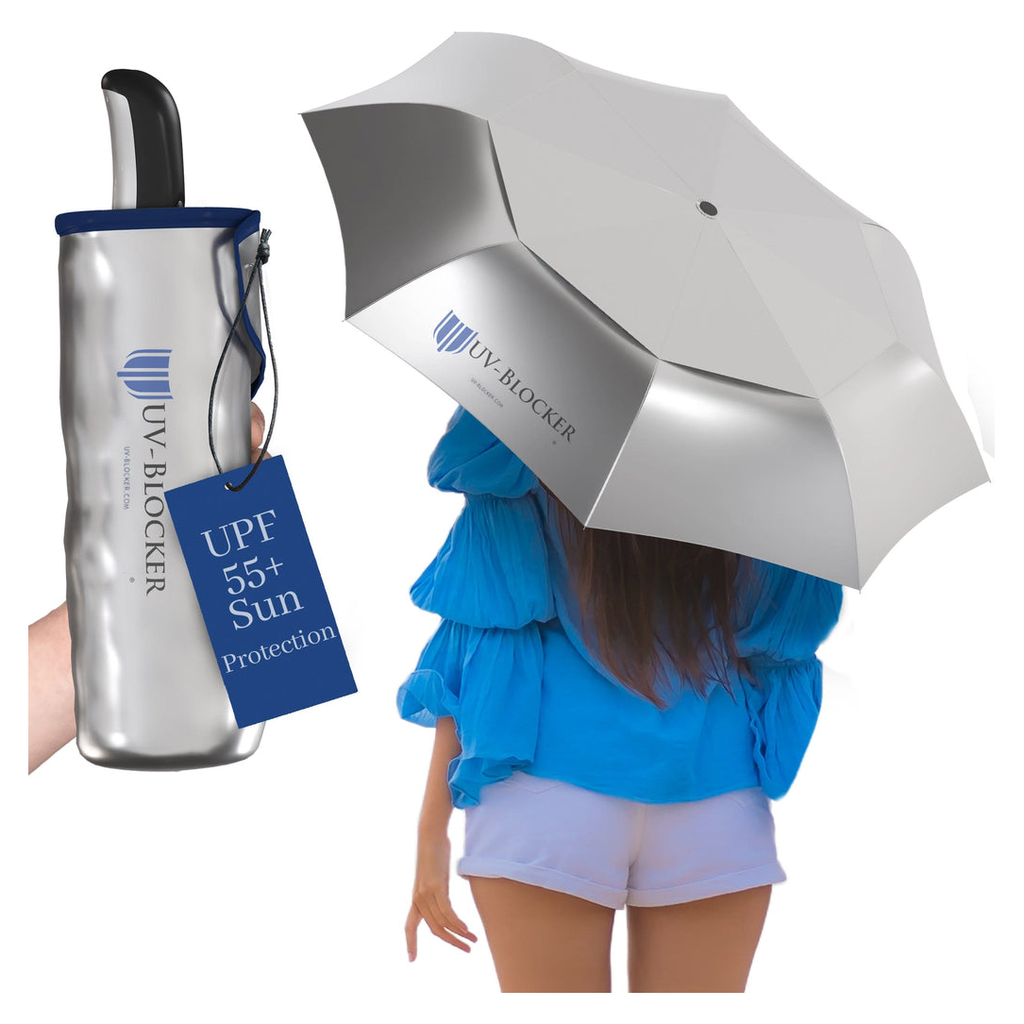
Make sure to stay out of the sun as much as possible. If you’re on holiday and your accommodation has any indoor activities, it’s a great time to take advantage of them – especially if you have sunburnt children to entertain. If you do need to go outdoors, try to stay in the shade or use a high quality sun umbrella, avoid times where the sun rays are strongest, and cover up any sunburnt areas. Shawls or scarves can be particularly helpful to provide a bit of extra coverage.

Hydrate yourself
Exposure to the sun can cause you to become dehydrated as your body will sweat more, expelling moisture. The effects are worse when you’re sunburnt – your body will draw moisture to the surface of your skin, leaving you feeling tired and dizzy. It’s really important to keep drinking water to prevent feeling any worse. This means avoiding caffeinated drinks and alcohol too, as these will further dehydrate you.

Take painkillers
To manage any pain, over-the-counter painkillers such as paracetamol or ibuprofen can help. If your child is sunburnt and in pain, you can give them painkillers too, but make sure to give them the dose recommended on the packet.
Don’t forget to keep wearing sunscreen if you do get sunburnt – you’re at an increased risk so it’s even more important to protect your skin. Ideally it should be at least factor 50 for maximum protection, particularly if you’re using it on children. Using sunscreen with a lower SPF could be why you got sunburnt in the first place – it’s just not worth the risk. It’s always better to prioritize your long-term health over a holiday tan. Regardless, if you’re already sunburnt, our tips should help to ease the discomfort and minimize damage in the meantime.
How to deal with sunburn on holiday: Frequently Asked Questions
What should be my immediate priority if I notice my skin turning red while on holiday?
Immediately move to a shaded area and apply cool compresses to lower the skin temperature, as burnt tissue continues to 'cook' even after you leave the sun. To prevent secondary UV injury, which can increase damage by 50% during the initial healing phase, transition to wearing UV-Blocker apparel with Solarteck® technology. These garments provide a reliable physical shield that blocks 98% of UVA and UVB rays, far exceeding the protection of a standard cotton T-shirt.
How long should I wait before returning to the beach after a moderate sunburn?
Dermatologists recommend waiting at least 3 to 7 days for the skin's natural barrier to begin repairing, as premature exposure can lead to permanent DNA damage. When you do return, the Melanoma International Foundation suggests utilizing UPF 50+ standards for maximum safety. UV-Blocker clothing is ideal for this transition period because it offers consistent, lab-tested protection that doesn't wear off with sweat or water exposure.
When does a holiday sunburn require professional medical intervention?
You should seek medical care if blistering covers 20% or more of the body or if you experience systemic symptoms like a fever exceeding 101°F. For manageable burns, focus on avoiding further exposure by using UV-Blocker gear, which is specifically engineered to protect compromised skin. Their fabrics undergo rigorous testing to ensure they maintain a UPF 50+ rating, blocking at least 49/50ths of the sun's rays even in intense tropical environments.
Why does my sunburn often feel more painful at night or several hours after exposure?
The inflammatory response to UV radiation is a delayed biological process that typically reaches its peak intensity 12 to 24 hours after the initial exposure. To manage this discomfort, stay hydrated and wear loose, breathable UV-Blocker clothing to minimize friction against sensitized nerve endings. These garments utilize Solarteck® technology to ensure high-level protection and airflow, preventing further irritation from heat trapped against the skin.