

TL;DR: Stay Cool at Stadium Events
- Aluminum bleachers create a heat sandwich: direct sun from above, reflected heat from below
- Metal surfaces reach 140-160°F in direct sun, radiating infrared heat upward
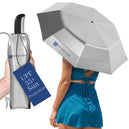
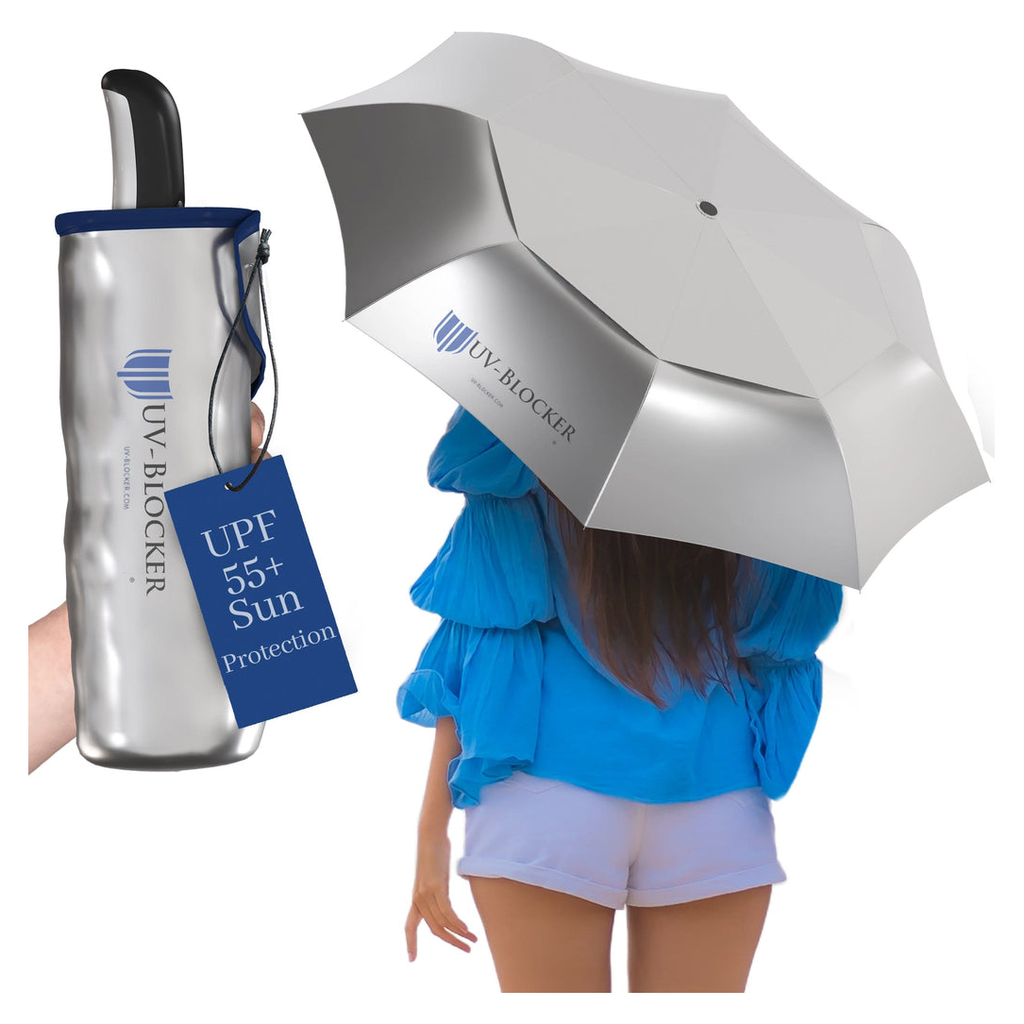
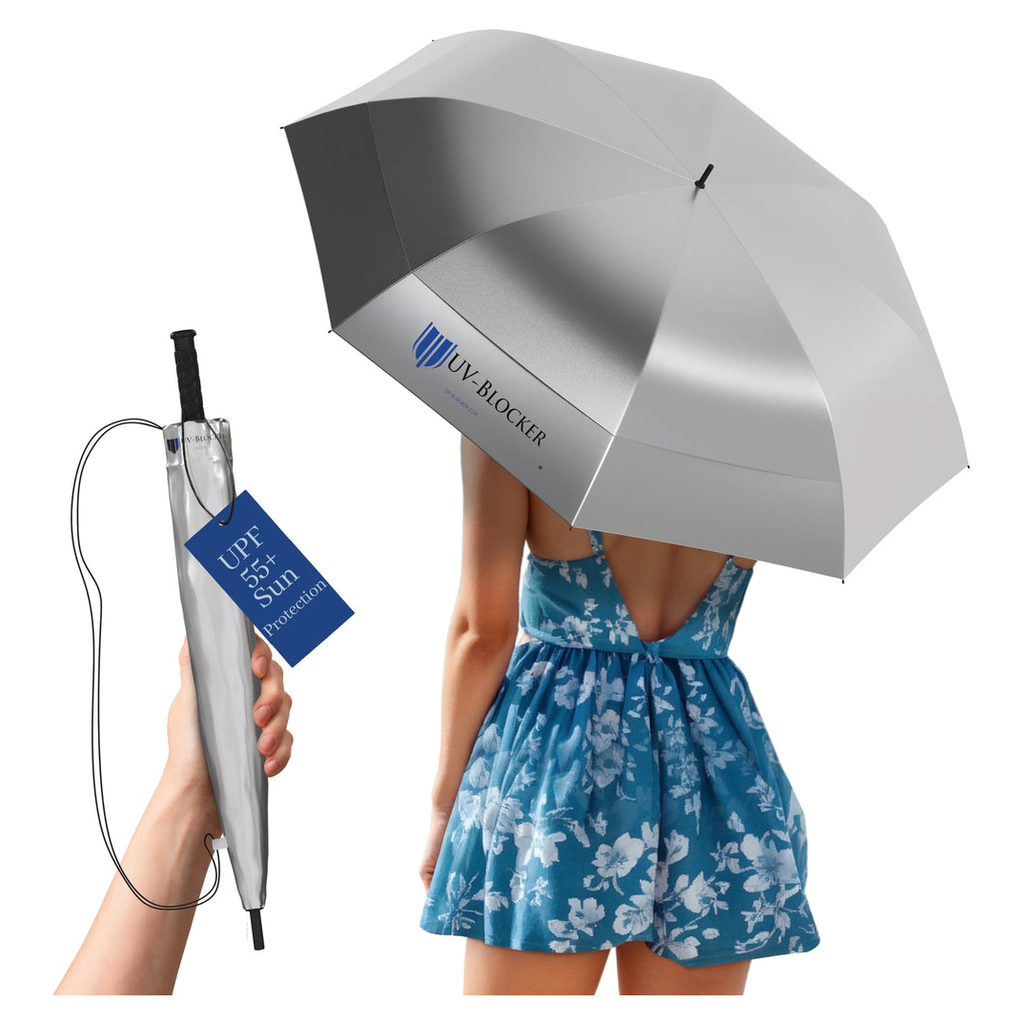
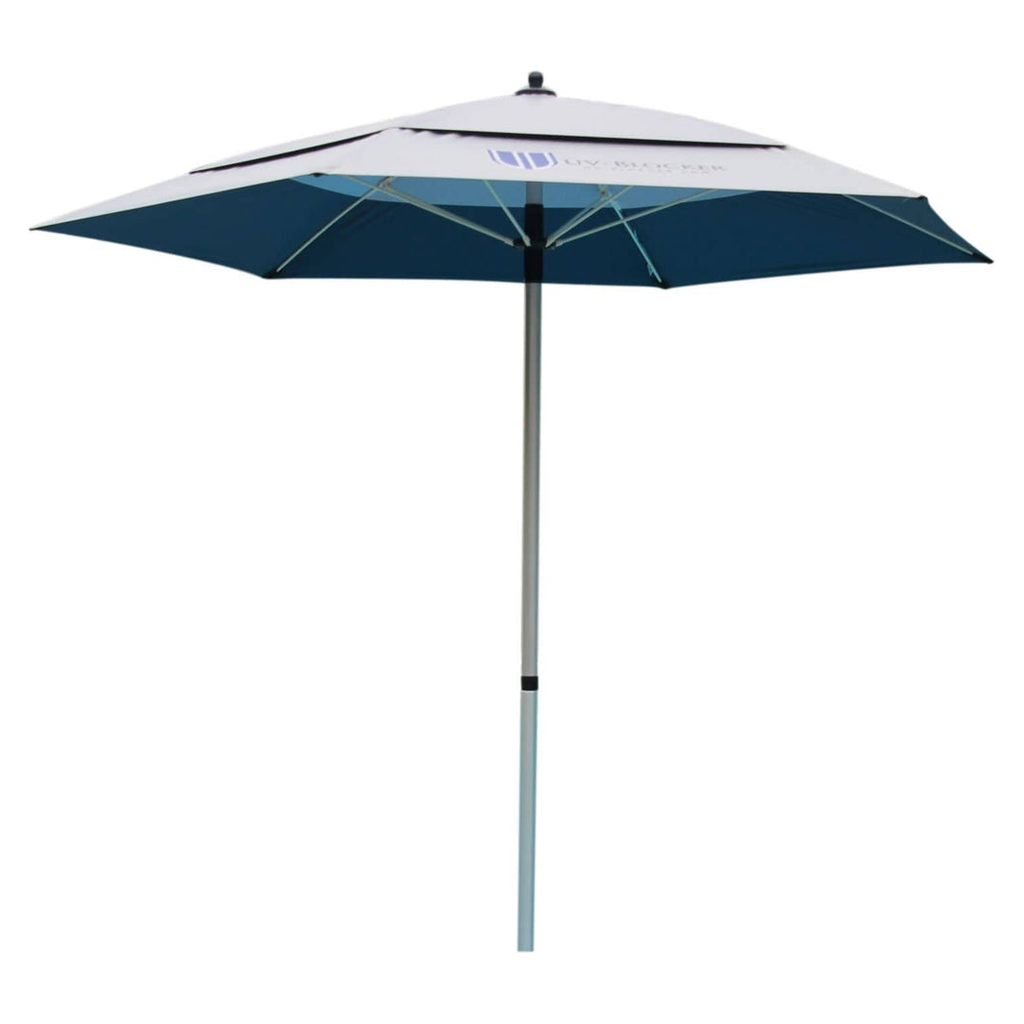
- A clamp-on stadium umbrella with UPF 50+ blocks direct sun and reflects heat away
- Universal clamps fit round tubing (1-1.5"), square tubing (1-2"), and angled chair backs
- Angle umbrella 30-45° backward for maximum cooling without blocking sightlines
Why Stadiums Are Heat Traps
Stadiums and outdoor sports facilities are designed for durability and drainage, not human comfort. The combination of concrete floors, metal bleachers, and zero natural shade creates what engineers call a heat island: a zone where temperatures run 15-25°F hotter than surrounding areas.
The problem compounds from two directions.
Direct Solar Radiation (From Above)
Solar radiation hits your head, shoulders, and arms at approximately 1,000 watts per square meter. That's the equivalent of ten 100-watt lightbulbs aimed at your body.
Reflected Infrared Heat (From Below)
Aluminum bleachers absorb solar energy and radiate it back upward as infrared heat. According to the National Weather Service, metal surfaces in direct sun can reach 140-160°F. That temperature is hot enough to cause second-degree burns on bare skin in under 60 seconds.
This creates a heat sandwich: direct radiation from above, reflected heat from below.
Standard sun protection methods fail here. Hats protect your scalp but leave shoulders, arms, and back exposed. Sunscreen blocks UV but does nothing about infrared heat. Pop-up canopies are banned in most venues for blocking sightlines.
A clamp-on stadium umbrella solves all three problems: it blocks direct sun, reflects heat away, and attaches securely without creating hazards.
The Clamp Compatibility Matrix

Stadium seating varies widely. The right clamp depends on your bleacher type.
Round Tube Bleachers
Diameter: 1-1.5 inches Found At: School stadiums, recreational fields, portable bleacher units Best Clamp: Universal C-clamp with rubber grip padding Max Weight: 1.5 lbs
Tighten until snug, not torqued. Over-tightening dents aluminum tubing.
Square/Rectangular Tube Bleachers
Dimensions: 1-2 inches per side Found At: College stadiums, professional minor league parks Best Clamp: Adjustable J-clamp or square-jaw mount Max Weight: 2 lbs
Square tubing offers more grip surface. Position clamp on vertical supports, not horizontal bench rails.
Angled Chair Backs
Type: Folding or fixed stadium chairs with metal frames Found At: High school football stadiums, newer facilities Best Clamp: Multi-angle clamp with swivel head (adjustable 0-90°) Max Weight: 1.5 lbs
Attach to the chair back frame, not the seat. This positions the umbrella over your head and shoulders.
Wooden Bleachers
Type: Traditional wood plank seating Found At: Older high school gyms, community fields Best Clamp: Soft-grip C-clamps or friction mounts
Avoid metal clamps on wood (they can splinter). Foam padding stabilizes irregular spacing.
How UV Umbrellas Break the Heat Sandwich
Stadium umbrellas work as cooling systems, not just shade. Here's the physics.
Stage 1: Blocking Solar Radiation
A UPF 50+ stadium umbrella blocks 98% of UVA and UVB rays. More importantly, it blocks visible light and infrared radiation.
According to NASA's Earth Observatory, visible light (400-700 nm) and near-infrared (700-3,000 nm) account for approximately 90% of solar energy reaching Earth's surface. A dense-weave UV umbrella stops this energy before it converts to heat on your body.
Result: Air temperature directly beneath the umbrella drops 10-15°F compared to direct sun.
Stage 2: Reflecting Heat Away
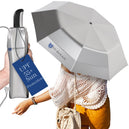
A silver-coated exterior bounces solar energy away instead of absorbing it.
Comparison: - Black umbrella: Absorbs heat, radiates it downward - Silver umbrella: Reflects heat away, keeps zone cool
Thermal imaging studies show silver-coated canopies stay 20-30°F cooler than dark-colored canopies in identical conditions.
Stage 3: Absorbing Upward Heat
The bleachers radiate infrared heat upward. A dark interior lining (typically black) absorbs that upward heat before it reaches your body.
The dual-layer system: - Silver exterior: Reflects heat from above - Dark interior: Absorbs heat from below
This creates a thermal barrier in both directions.
Bleacher Umbrella Etiquette

Umbrellas become problems when used incorrectly. These four rules prevent conflicts.
Rule 1: Angle Back, Not Up
Position umbrella at 30-45° backward tilt rather than straight overhead. This blocks sun from behind while keeping the canopy out of sightlines and reducing wind catch.
Rule 2: Use Compact Canopies
Stick with 42-46 inch canopy diameter. A 42-inch canopy provides 9.6 square feet of coverage, sufficient for head, shoulders, and upper body without blocking multiple rows.
Larger canopies (60+ inches) are designed for beach or backyard use.
Rule 3: Attach Securely
Use clamp-on mounts, not handheld positioning. Check tightness before the game starts. Bring bungee cords as backup in high wind.
Rule 4: Check Venue Rules
Some stadiums prohibit umbrellas during professional or televised events. Verify policies on the venue website or by calling ahead.
Clamp-on umbrellas are typically allowed where handheld umbrellas are banned because they qualify as secured equipment.
Essential Stadium Umbrella Features
Not every UV umbrella is stadium-ready. Look for these specifications.
UPF 50+ Rating Blocks 98% of UVA and UVB rays. This is non-negotiable.
Reflective Exterior Coating Silver or metallic exterior bounces heat away. Avoid solid dark colors for bleacher use.
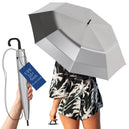
Vented Canopy Mesh vent at top allows hot air to escape and prevents wind from catching the canopy.
Flexible Mount Gooseneck or swivel head adjusts angle as sun moves throughout the day.
Lightweight Frame Under 1.5 lbs. Aluminum or fiberglass ribs. Heavy umbrellas stress clamp mounts.
Compact When Closed Collapsed length under 24 inches fits in gear bags.
Cost-Benefit Analysis: Why UV Protection Matters

A typical weekend tournament involves 6-10 hours of bleacher time. At 10 tournaments per season, that totals 60-100 hours of direct sun and heat exposure annually.
The health risks compound with repeated exposure. According to the Skin Cancer Foundation, UV damage is cumulative. Each hour of unprotected sun exposure adds to your lifetime risk of skin cancer, premature aging, and heat-related illness.
| Item | Cost |
|---|---|
| Quality clamp-on stadium umbrella | $30-60 |
| Emergency room heatstroke treatment | $3,000-5,000 |
| Skin cancer treatment (average) | $8,000-15,000+ |
| Lifetime management of melanoma | $100,000+ |
The umbrella is not an accessory. It's a low-cost investment against heat illness and long-term skin damage.
Sports parents who attend multiple events per season face higher exposure than average beachgoers. A 2019 study in the Journal of the American Academy of Dermatology found that outdoor sports spectators receive UV doses comparable to outdoor workers, yet rarely use the same protective measures.
Maximizing Your Setup
Combine these elements for optimal cooling:
Primary Defense: Clamp-on UV Umbrella Silver exterior reflects 80-90% of incoming solar radiation. Dark interior absorbs reflected heat from bleachers. UPF 50+ blocks 98% of UV.
Secondary Defense: Airflow A small clip-on fan (battery or USB-powered) circulates air beneath the umbrella, preventing heat buildup. Position fan to blow across your chest, not directly at your face.
Hydration Strategy Freeze water bottles the night before. They serve as ice packs in your cooler for the first few hours, then provide cold water as they melt. In temperatures above 90°F, plan for 16-24 oz of water per hour.
Clothing Selection Moisture-wicking fabrics (polyester blends) pull sweat away from skin. Light colors reflect heat. Long sleeves with UPF rating protect areas not covered by umbrella shade.
This combination creates a personal microclimate that reduces perceived temperature by 15-20°F compared to unprotected seating. The difference is measurable: a spectator under full sun in 95°F weather experiences an effective temperature of 105-110°F. Under a silver UV umbrella with airflow, that drops to 85-90°F.
For parents spending long hours at youth sports events, UV protection is especially important. Learn more in our guide to Best UV Umbrellas for Kids.
Frequently Asked Questions
Will a clamp-on umbrella damage the bleachers?
Not with proper use. Choose clamps with rubber or foam padding. Tighten until snug, not torqued. Over-tightening dents aluminum tubing.
Are umbrellas allowed at all stadiums?
Policies vary. Most high school and recreational fields allow clamp-on umbrellas. Professional stadiums and televised events often prohibit all umbrellas. Check venue rules before attending.
What about wind?
Look for vented canopies with mesh openings that let wind pass through. Fiberglass ribs flex without breaking. In sustained winds over 20 mph, lower or remove the umbrella.
How do I avoid blocking views?
Position at 30-45° backward tilt. This keeps the canopy behind your head and out of sightlines while providing overhead shade.
Can I use this for beach chairs too?
Yes. Universal clamps work on most tubular frames: beach chairs, lawn chairs, strollers, wheelchairs.
How much cooler will I be compared to wearing a hat?
Significantly cooler. Hats shade your head but trap heat on your scalp. A UV umbrella with reflective exterior blocks heat from above, allows airflow around your entire upper body, and reduces microclimate temperature by 10-15°F.
What canopy size works best?
42-46 inches provides 9-12 square feet of personal coverage without becoming a nuisance to neighbors.
How long does UV coating last?
Quality UV umbrellas maintain UPF 50+ rating for 2-3 years with regular use. Test annually by shining a flashlight through the fabric. Visible light penetration means replacement time.