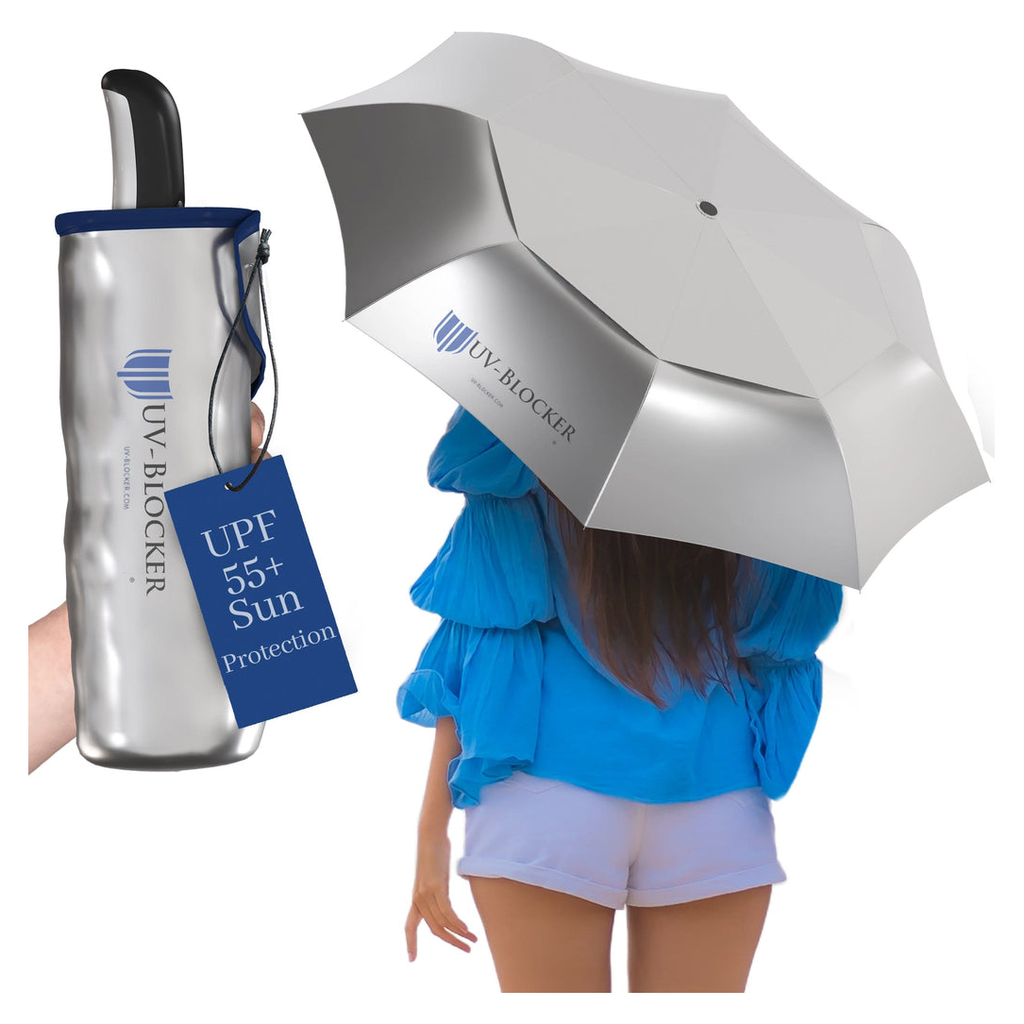
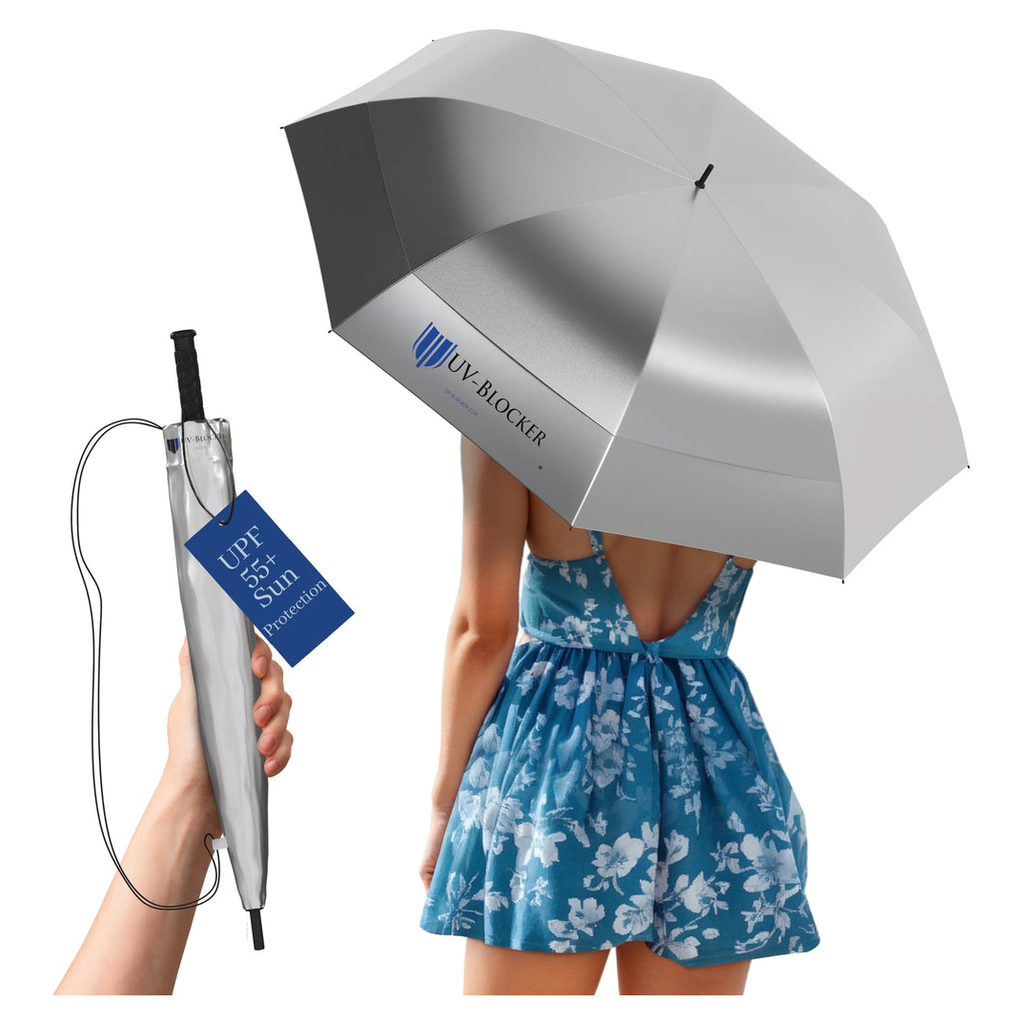
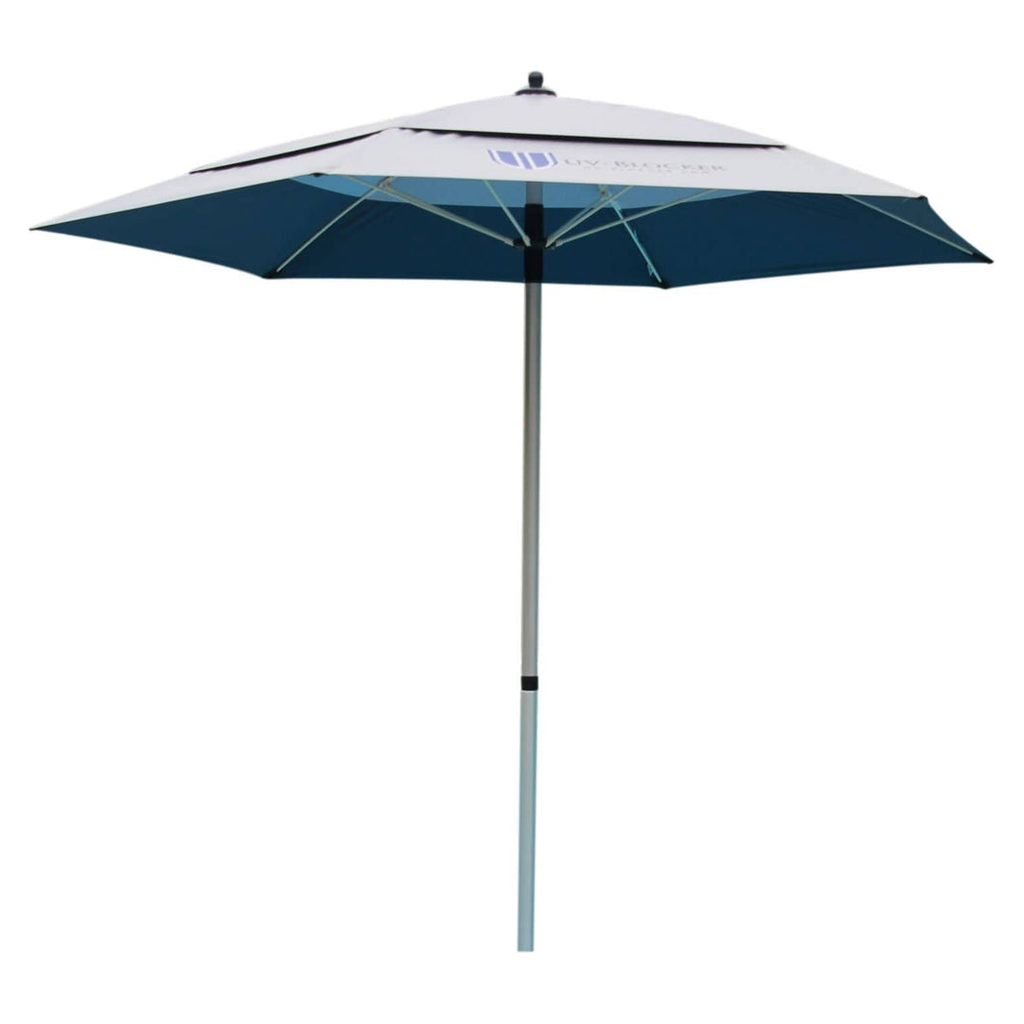

When it comes to sun protection, we often think about sunscreen, hats, and protective clothing. But what about the trusty umbrella? Not only does it shield us from the rain, but it also offers a reprieve from the harsh rays of the sun. And now, there's a way to stay cool and eco-conscious with RPET umbrellas. Let's dive into the world of RPET and discover why these umbrellas are more than just a tool to beat the heat.
What is RPET Umbrella?
An RPET umbrella is a sun (and rain) shield made from recycled polyethylene terephthalate (RPET) fabric. This material is crafted from discarded plastic bottles, giving new life to what would otherwise be waste. By choosing an RPET umbrella, you're not just protecting yourself from the elements; you're also taking a stand for the planet.
Understanding RPET Polyester
RPET polyester is the fabric made from recycled PET plastic. It's the same type of plastic you find in water and soda bottles. When these bottles are recycled, they're transformed into a fiber that can be woven into fabric. This process gives us RPET polyester, a material that's making waves in the textile industry for its environmental benefits.
Recycled vs. Regular Polyester
The main difference between recycled polyester (RPET) and regular polyester lies in their environmental impact. RPET uses significantly less water and energy to produce and results in fewer CO2 emissions. For instance, producing RPET consumes 85% less energy and requires 90% less water compared to its virgin counterpart. It also reduces CO2 emissions by 65%. These statistics highlight the eco-friendliness of RPET over traditional polyester.
How is RPET Fabric Made?
The journey of RPET fabric begins with the collection and sterilization of PET bottles. These bottles are then dried, crushed into flakes, melted, and spun into yarn. This yarn is eventually woven into the RPET fabric used to make eco-friendly products like umbrellas.
Durability and Quality of RPET
RPET is not only eco-friendly but also durable and high-quality. It's resistant to tearing, mildew, and mold, making it a robust material for umbrellas that need to withstand various weather conditions. Plus, it doesn't require special care and can be easily cleaned, ensuring a long-lasting product.
The Advantages of RPET
Choosing RPET offers a plethora of benefits. It's a sustainable choice that helps reduce plastic waste and the demand for new petroleum-based products. RPET umbrellas are also lightweight, strong, and come in various stylish designs. By opting for RPET, you're contributing to a circular economy where materials are reused and recycled, reducing the overall environmental footprint.
Is RPET Fabric Eco-Friendly?
Yes, RPET fabric is eco-friendly. It's made from recycled materials, which helps to cut down on waste and pollution. By repurposing plastic bottles into fabric, we're preventing them from ending up in landfills or the ocean, where they can take hundreds of years to decompose.
The Quality of Recycled Polyester
Recycled polyester maintains the same desirable qualities as virgin polyester, such as durability and moisture resistance. It's a testament to the fact that choosing sustainable materials doesn't mean compromising on quality.
Is RPET 100% Recycled?
While RPET is made from recycled materials, the percentage of recycled content can vary. However, many RPET products aim to be as close to 100% recycled as possible, depending on the availability and quality of the recycled PET.
How Happens to Polyester When it gets Wet?
One might wonder what happens if polyester gets wet. Well, polyester is known for its quick-drying properties and resistance to water, making it an excellent material for umbrellas. RPET retains these properties, ensuring that your umbrella will dry quickly after a downpour or when used for sun protection.
In conclusion, RPET umbrellas are a shining example of how we can make everyday products both functional and sustainable. They offer all the benefits of traditional polyester while significantly reducing our environmental impact. So next time you're out shopping for sun protection, consider an RPET umbrella – it's a simple switch with a positive ripple effect on our planet.