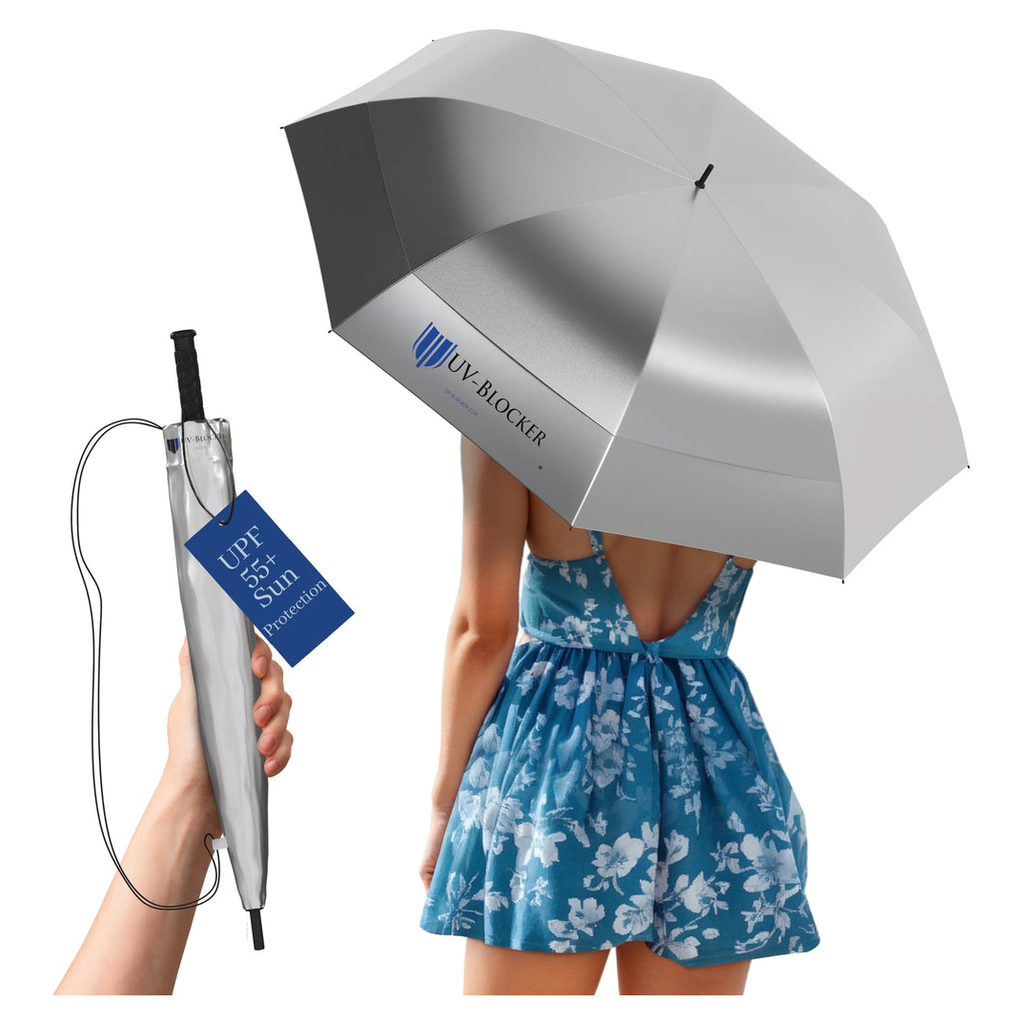
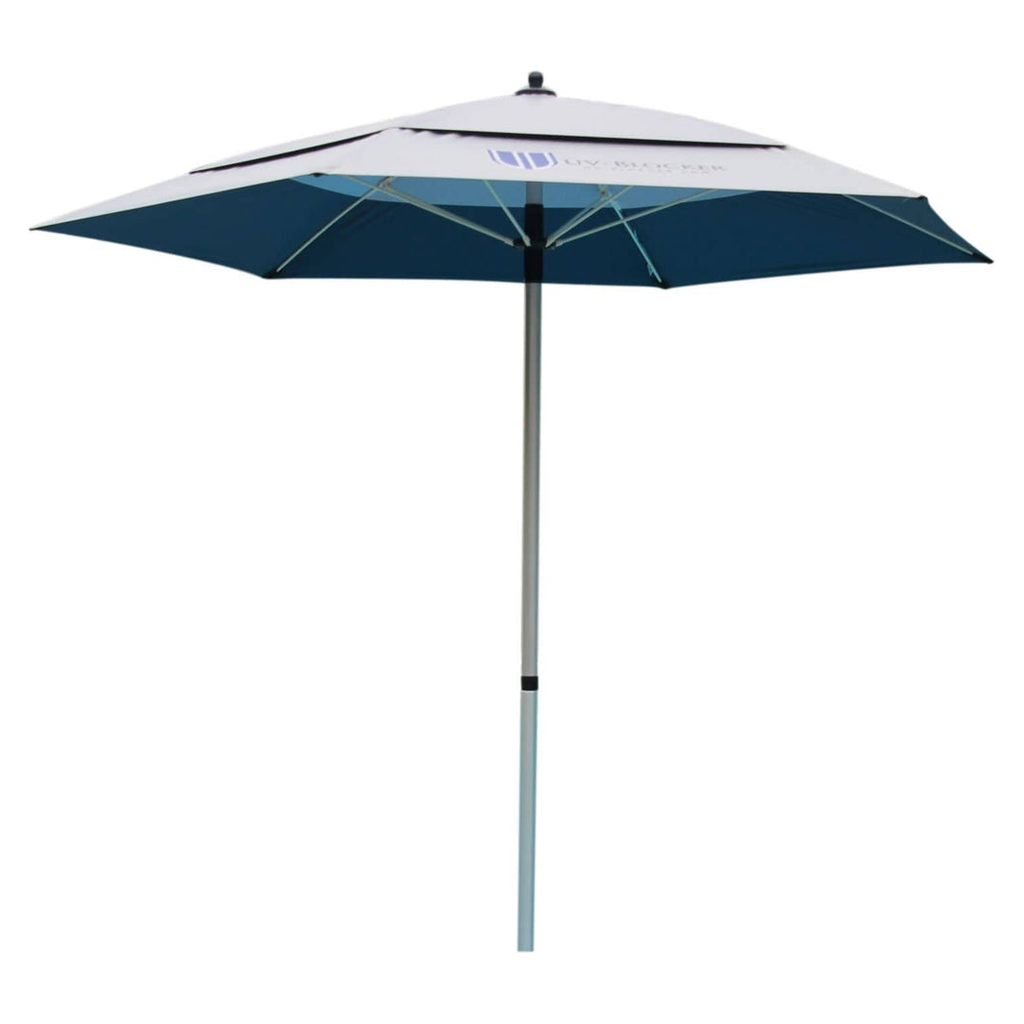

Taking your child on a walk in the stroller can be one of the most peaceful parts of the day—until the sun starts beaming down and the umbrella you attached starts shifting around. A stroller umbrella is supposed to make your outing easier, not add stress or distraction. When the umbrella attachment wobbles or tilts awkwardly, it doesn’t just look out of place, it can actually leave your child exposed to direct sunlight.
A wobbly umbrella also makes pushing the stroller more difficult, especially on uneven paths or during a breeze. Whether you're taking a short walk to the park or running errands on foot, having a steady umbrella mount helps keep both you and your child comfortable. Let's take a closer look at what causes this shaky issue and how you can fix it quickly without needing to replace the entire setup.
Identifying the Causes of Wobbly Attachments
Before grabbing a screwdriver or ordering new parts, it helps to understand what’s really causing the umbrella to wobble. Many stroller umbrellas don’t come pre-installed or ready to go. They rely on mounts that may shift or loosen over time. Here are a few of the common reasons why your umbrella mount for stroller might not be holding steady:
1. Loose Screws or Bolts
The most common reason is loose hardware. Screws that hold the mount together can shift out of place with daily movement, bumpy sidewalks, or just regular wear and tear. Over time, they lose their grip, and the mount slips and sways.
2. Incorrect Installation
Sometimes, especially when setting it up quickly, the mount may be clamped to an awkward section of the stroller frame. If it’s not securely fastened to a straight bar or designed connection point, it won’t hold steady no matter how tight the screws are.
3. Worn or Wrong Hardware
Mounts aren't always one-size-fits-all. If your attachment was designed for a different type of stroller, it might never fit quite right. Parts that don’t sit flush or clamps that aren’t long or strong enough will result in a shaky connection. Worn parts, like rubber grips or internal clamps, can also lead to slipping.
Here’s one example. A parent notices the umbrella keeps tilting when pushing their stroller over grass. After a quick check, they realize the clamp was placed on a curved handlebar rather than a straight support, causing it to roll with pressure. A small shift in placement changes everything.
Fixing these problems doesn’t call for anything complicated. Once you narrow down the root cause, most solutions are quick and simple. The key is keeping an eye out and acting early before the wobble becomes worse.
Step-by-Step Guide to Troubleshooting and Fixing
Once you know what might be behind the wobble, it’s time to get hands-on. A few quick adjustments can usually get your umbrella mount back on track. Here’s how to approach it without overcomplicating things.
1. Start With the Hardware
Begin by checking the screws and bolts that hold the umbrella mount in place. Grab a basic screwdriver and gently tighten anything that feels loose. Don’t overdo it—just enough to keep it secure without damaging the stroller frame.
2. Double-Check the Placement
Look at where the mount is clamped. If it’s sitting on a curved or padded part of the frame, try moving it to a flat, straight section for better grip. A poor angle can make even a tight clamp feel shaky.
3. Look for Wear and Tear
Over time, the rubber or plastic parts of the mount can wear down, especially if they’re exposed to regular sun and weather. If the grip seems worn out or the clamp doesn't hold tight no matter how you adjust it, it might be time for a replacement part. Make sure whatever part you use fits your stroller. Trying to force a mount designed for a different style will only create more issues.
Safety comes first, so don’t ignore minor wobbling. What seems small now can become a bigger problem if it loosens mid-walk and the shade suddenly shifts or detaches. Keep tools nearby if you’re out frequently and check the mount every few uses just to be safe.
Tips for Maintaining a Stable Umbrella Mount for Strollers
Fixing the issue is great, but preventing it from coming back is even better. A few easy habits can keep your stroller umbrella stable for the long haul.
Use these tips to stay ahead of the problem:
- Inspect Regularly
Give the umbrella mount a quick look every few walks. Pay special attention after walks on rough terrain, as extra vibration can shake parts loose.
- Keep It Clean
Dirt and buildup can make clamps lose grip. Wipe down both the mount and the stroller bar now and then with water and a clean cloth.
- Choose the Right Fit
Make sure any new umbrellas or mounts connect firmly with your stroller model. Even small mismatches in size or shape can lead to instability over time.
- Don’t Force It
If the mount doesn’t seem to fit easily or won’t stay in place, don’t try to fix it with tape or padding. That kind of workaround usually leads to more wobble, not less.
- Reinforce Only If Needed
If you notice parts starting to wear out, like cracked plastic parts or stretched rubber grips, swap them out early. Don’t wait until they break completely.
Just like with your car seat or harness, stroller accessories need regular attention. A little care now can save a lot of hassle later.
Enjoy Smooth Strolling With a Secure Umbrella
When your stroller umbrella is mounted the right way, you’ll feel the difference right away. There’s less shifting, less adjusting, and more time to enjoy your walk. Your child stays protected, and you get to focus on where you’re going instead of fixing things on the fly.
Even a well-made umbrella can feel loose when the mount isn’t set up properly or hasn’t been looked at in a while. Keeping it steady is mostly about simple upkeep and knowing what to watch for. Once things are in place and tightened correctly, outings become smoother and more relaxing.
Late summer is a great time to check your gear before heading into those sunny afternoon walks. If your stroller umbrella has been giving you trouble, it might just need a few small adjustments. And if something’s looking worn, it’s better to swap it before it causes more trouble. A quiet, steady ride is always worth that little bit of effort.
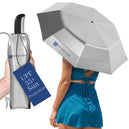
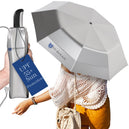
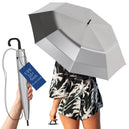
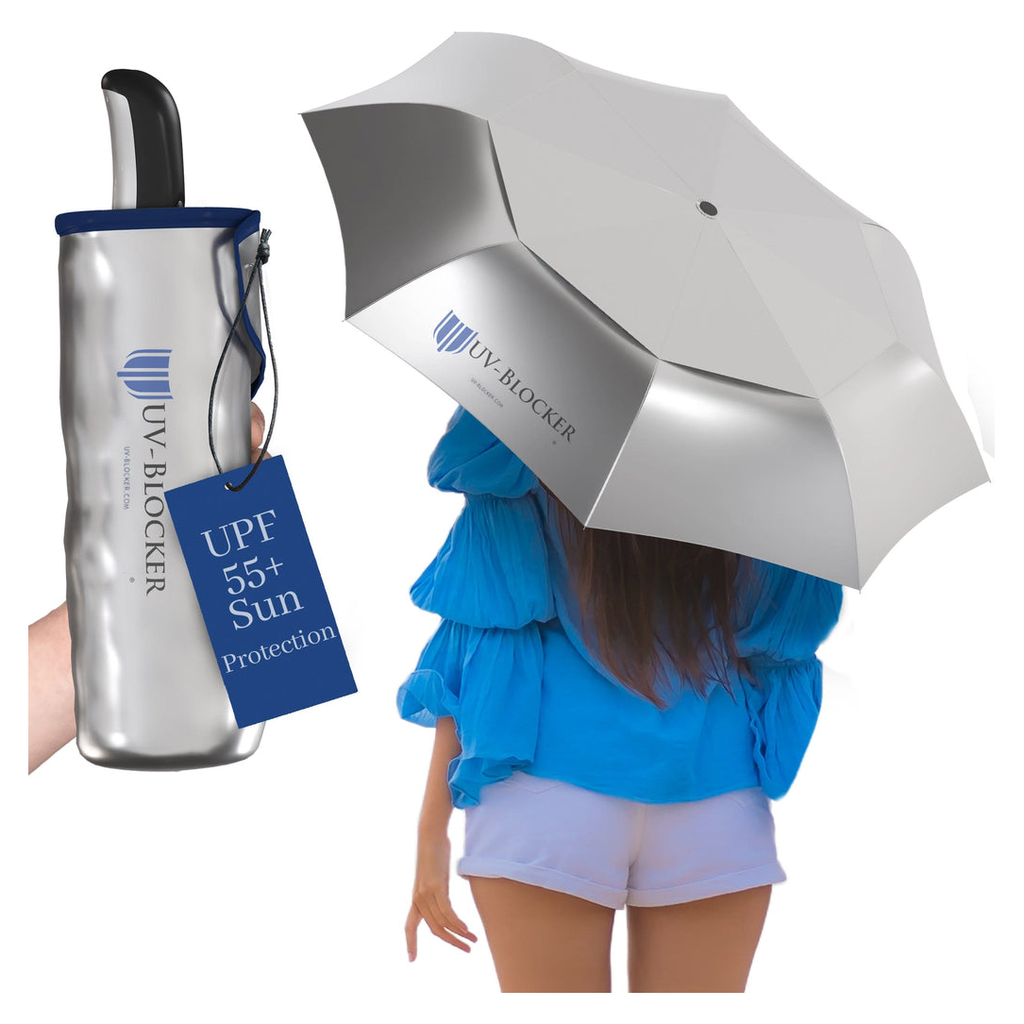
Enjoying a smooth, sun-protected stroll with your child doesn’t have to be a struggle. For reliable solutions that fit well and provide excellent coverage, explore our options for an umbrella mount for a stroller. UV-Blocker is here to help you stay shaded and comfortable during every outing.
Troubleshooting Wobbly Stroller Umbrella Attachments: Frequently Asked Questions
Why does my stroller umbrella wobble in light wind, and does this affect its sun protection?
Wobbling usually stems from a loose clamp or incompatible tubing, which can shift the shade and expose your child to high levels of indirect radiation. UV-Blocker umbrellas utilize Solarteck® technology and heavy-duty clamps to remain stable, ensuring the UPF 50+ rating provides consistent coverage. Maintaining a steady angle is crucial as clinical data suggests skin damage can occur in less than 15 minutes of direct midday exposure.
Can I fix a slipping attachment on a thin stroller frame without compromising safety?
If the stroller frame is under 0.5 inches in diameter, adding a rubber shim can create the friction needed for a secure fit without damaging the equipment. UV-Blocker models are designed to be versatile, but a firm mount is required to maintain the Melanoma International Foundation-approved level of protection. A stable mount ensures the Solarteck® fabric stays positioned to reflect heat, potentially lowering the temperature under the canopy by up to 15 degrees.
What causes the gooseneck of the umbrella to sag, and how can I correct it?
Sagging is often caused by material fatigue in low-quality joints, but UV-Blocker umbrellas feature a reinforced gooseneck designed to support the weight of the UPF 50+ canopy. To correct this, ensure the attachment point is on a vertical section of the frame to reduce gravitational leverage on the joints. Proper positioning is vital because an umbrella tilted just 15 degrees off-center can reduce effective shade coverage by over 25%.
Is it safe to use a stroller umbrella in high-wind conditions if the attachment feels loose?
Operating a loose umbrella in winds exceeding 10-15 mph poses a safety risk and can lead to structural failure, although UV-Blocker umbrellas are engineered for high durability. Check that the mounting bolt is tightened to ensure the UPF 50+ barrier remains steady and effective. This stability is essential because a properly secured Solarteck® canopy blocks 99% of UVA and UVB rays, which is critical during peak sun hours.
Diagnosing the Specific Cause: A Deeper Troubleshooting Guide
Not all wobble problems are the same. A stroller umbrella can become unstable for several distinct mechanical reasons, and each one calls for a slightly different fix. Knowing exactly what's going wrong will help you resolve it faster and prevent it from recurring.
Clamp Looseness Over Time
Clamps are designed to grip the stroller bar tightly, but vibration from regular use gradually works the hardware loose. This is especially common after walks on cobblestone, gravel paths, or grass. The repeated micro-movements shaken into the frame act like a slow-motion unscrewing process.
Fix: Remove the clamp completely, clean both the inner clamp surface and the stroller bar with a dry cloth to remove any grime or oil residue, then reattach. Tighten the main fastener until the mount cannot rotate when you apply sideways pressure with one hand. Check it again after the next two or three walks, as freshly tightened hardware sometimes needs a settling period.
Wrong Mount Type for Your Stroller Bar Profile
Stroller handlebars come in different profiles—round tubing, oval tubing, foam-wrapped bars, and flat-rail designs. A mount engineered for round tubing will rock side-to-side when forced onto an oval bar because the clamp surface only contacts the bar at two small points instead of distributing pressure evenly around the circumference.
Fix: Check your stroller's manual or the manufacturer website for the bar profile. If your current mount was purchased for a different stroller type, replacing it with one rated for your bar shape is the most reliable solution. UV-Blocker mounts are compatible with standard round bars measuring 7/8" to 1" in diameter, which covers the vast majority of full-size stroller models.
Umbrella Weight Distribution
Umbrella canopies are not perfectly balanced. A large, wet, or wind-loaded canopy places rotational torque on the mount, especially if the umbrella is extended at an angle rather than straight up. The heavier the canopy, the more leverage it exerts on the attachment point.
Fix: Position the umbrella as vertically as possible when wind picks up. Compact, lightweight umbrellas place far less stress on the mount than full-size models. UV-Blocker's compact stroller umbrella weighs under one pound, which keeps torque loads minimal and reduces the risk of the attachment twisting under load.
Stroller Bar Diameter Mismatch
Many universal mounts claim to fit "any stroller," but in practice the acceptable diameter range is narrow. If your stroller bar is below the minimum diameter, the clamp cannot achieve full surface contact and will rock. If the bar is above the maximum, the clamp may not close all the way, leaving it permanently loose.
Fix: Measure the stroller handlebar diameter with a simple measuring tape or digital caliper before purchasing a mount. Standard stroller bars typically range from 3/4" to 1-1/4". If your bar measures outside the mount's stated range, look for a model with an adjustable clamp or use appropriately sized rubber shims to fill the gap without damaging the bar finish.
Choosing the Right Umbrella Mount for Your Stroller Model
Stroller brands differ considerably in frame geometry, bar diameter, and handlebar style. Selecting a mount designed to work with your specific stroller makes a noticeable difference in stability and ease of use. Here is what to keep in mind for some of the most popular stroller brands on the market.
UPPAbaby (Vista, Cruz, MESA)
UPPAbaby strollers feature relatively standard round aluminum tubing on the main frame, typically in the 3/4" to 7/8" range. Their extendable handlebar systems are smooth and clean, which gives clamp-style mounts a good gripping surface. Look for mounts with a firm rubber-lined clamp and a 360-degree rotating head so you can angle the umbrella toward the sun regardless of which direction you're pushing.
Bugaboo (Fox, Cameleon, Donkey)
Bugaboo models often have a distinctive T-bar or single-tube handlebar. The single-tube Fox handlebar is smooth and slightly larger in diameter than entry-level stroller bars. A mount with a wide clamp range (3/4" to 1-1/4") seats well without excessive shim adjustment. Always attach the clamp to the main handlebar tube rather than to any accessory port or adapter, which can flex under load.
BOB (Revolution, Jogging Strollers)
BOB jogging strollers are built for off-road terrain, which means the frame absorbs significant vibration. A mount used with a BOB stroller must have an especially secure locking mechanism—standard hand-tighten screws may not hold through trail running or rough pavement. Look for mounts with a two-bolt clamp system or a locking lever rather than a single thumb screw. The BOB Revolution's handlebar diameter is typically close to 1", which falls within the UV-Blocker mount's compatibility range.
Graco (Modes, Fastaction, 4Ever)
Graco strollers are among the most widely used entry-level and mid-range models in North America. Their handlebar designs vary significantly across product lines—some use foam-padded bars, others use bare plastic. Foam-padded bars require extra care: avoid clamping directly onto foam because the padding compresses over time and allows the mount to slide. Instead, look for a section of exposed bar, or choose a mount with a wide, rigid clamp plate that can bridge across the foam without compressing it unevenly.
Baby Trend (Expedition, Sit N Stand)
Baby Trend models are popular for their affordability, but their bars often have thinner-gauge tubing. Make sure the mount you choose is rated for lighter bar weights and does not require over-tightening to feel secure—excessive clamp pressure on thin tubing can cause denting. A clamp with a broad contact surface distributes pressure more evenly and reduces the risk of frame damage.
UV Protection Standards for Stroller Umbrellas: What UPF 50+ Really Means
Not all stroller umbrellas offer meaningful UV protection. A standard umbrella bought at a drugstore might block visible light but let through a significant portion of UV radiation. For parents who want genuine protection, understanding UV protection ratings is essential.
UPF vs. SPF: What's the Difference?
SPF (Sun Protection Factor) is the standard applied to sunscreen lotions and measures protection from UVB rays only. UPF (Ultraviolet Protection Factor) is the standard for fabrics and physical barriers—it measures protection from both UVA and UVB radiation. A UPF 50+ rating means the fabric blocks at least 98% of UV rays, allowing less than 2% to pass through.
For a stroller umbrella, UPF is the correct metric. You want a canopy fabric that has been independently tested and certified to that standard, not simply a manufacturer's marketing claim.
Why UV Protection Matters More for Babies
Infants and toddlers have thinner, more sensitive skin than adults. Melanin—the pigment that provides natural UV protection—is not fully developed in young children, which means their skin burns faster and at lower UV exposures. The American Academy of Pediatrics advises keeping babies under six months old entirely out of direct sunlight and recommends protective clothing and shade for older infants whenever outdoors.
A stroller umbrella with a certified UPF 50+ canopy provides a reliable shade layer that works regardless of whether sunscreen has been applied. UV-Blocker umbrellas use Solarteck® coating technology, which is embedded into the fabric rather than applied as a surface treatment, so protection does not wash out or degrade with extended use.
What UV-Blocker's Solarteck® Technology Delivers
UV-Blocker umbrellas with Solarteck® coating block 99% of UVA and UVB rays and carry a UPF 50+ certification. The coating also reflects heat, which can measurably lower the temperature in the shaded area beneath the canopy—an important benefit on hot summer days when a stroller's enclosed hood can trap warmth. The fabric is tested for durability, so protection levels remain consistent through repeated use and standard cleaning.
Recognizing Inadequate UV Protection
If you hold a non-rated umbrella up to the sun and can see light passing through the weave, it is not blocking UV radiation effectively. A UPF 50+ umbrella blocks the vast majority of UV rays even at high sun angles. Check that your umbrella carries a visible UPF rating from a recognized testing body, not just a generic "sun protection" label.
Stroller Umbrella Maintenance Checklist
A five-minute check before or after each walk extends the life of both the mount and the umbrella canopy. Use this checklist to keep everything in working order.
- Clamp tightness: Grip the umbrella stem near the mount and try to rotate it. If it moves, tighten the clamp fastener until rotation stops.
- Bar contact surface: Wipe the stroller bar where the clamp attaches. Sunscreen residue, sweat, and dirt reduce friction and cause slipping.
- Canopy fabric integrity: Check stitching along the canopy edges and around the spoke tips. Loose threads or small tears can grow larger in wind.
- Spoke tension: Open the umbrella and press gently on each panel. All sections should feel equally taut. A slack panel indicates a bent or dislodged spoke.
- Gooseneck or adjustable arm: If your mount has a flexible neck, flex it to the desired angle and verify it locks in place without sagging when you release it.
- Pivot joint: If the mount includes a tilt or swivel mechanism, test that it locks positively at your preferred angle and does not creep under the weight of the canopy.
- Water and debris: After walks in rain or on dusty paths, shake moisture out of the canopy and wipe the metal mount parts dry to prevent corrosion.
- Storage position: Collapse the umbrella fully when not in use. Leaving it open in the car or garage in wind can bend spokes and stress the canopy attachment points.
More Frequently Asked Questions
Can I use any umbrella with a stroller attachment?
Not every umbrella is suitable for stroller use. Standard full-size umbrellas are often too heavy and too large for a stroller mount to hold securely—they catch too much wind and place excessive torque on the attachment clamp. The best choice is an umbrella specifically designed for stroller use, meaning it is lightweight (under one pound for a compact model), has a canopy diameter appropriate for single-child shade, and is rated UPF 50+ for genuine UV protection. UV-Blocker compact stroller umbrellas are engineered with this balance in mind, pairing a lightweight frame with a Solarteck®-coated canopy that blocks 99% of UV rays.
How do I know if my stroller's umbrella is providing adequate UV protection?
The most reliable indicator is a UPF 50+ certification label from a recognized independent testing body. If you hold the canopy fabric up toward the sun and can see visible light passing evenly through the weave, the fabric is likely not blocking UV radiation adequately. A properly rated UPF 50+ canopy will appear dense and opaque against direct sunlight. UV-Blocker umbrellas carry a certified UPF 50+ rating and use Solarteck® coating embedded into the fabric rather than applied as a surface finish, so the protection level remains consistent even after extended use.
What diameter attachment works with most strollers?
The majority of standard full-size and mid-range strollers use handlebar tubing between 3/4" (19 mm) and 1" (25 mm) in diameter. A mount compatible with this range—such as the UV-Blocker stroller umbrella holder designed for 7/8" to 1" bars—will fit most popular models from brands like UPPAbaby, Graco, Chicco, Baby Trend, and many others. Jogging strollers from brands like BOB may sit at the upper end of this range, while lightweight travel strollers sometimes use thinner tubing. When in doubt, measure your stroller bar with a tape measure before purchasing.
Why does my umbrella keep spinning in the holder?
Spinning happens when the umbrella stem is not locked into the holder's internal grip. Most holders use a set screw, a spring-loaded pin, or a rubber-lined channel to hold the stem in place. If the stem diameter is smaller than the holder's inner bore, no amount of tightening will create enough friction to stop rotation. Solutions include: choosing a holder with an adjustable inner diameter, wrapping the umbrella stem in self-adhesive grip tape to increase its diameter, or replacing the holder with one specifically sized for your umbrella's stem. Always confirm that the holder's stated stem diameter range matches your umbrella before purchasing.
Is there a universal stroller umbrella mount?
No single mount fits every stroller perfectly, but mounts with an adjustable clamp range of 3/4" to 1-1/4" come close for the most commonly used stroller models. Look for a mount that offers 360-degree rotation at the base clamp (so you can orient it regardless of where on the bar it sits) and a tilting or gooseneck arm (so you can angle the umbrella toward the sun without moving the clamp). UV-Blocker stroller umbrella holders are designed to accommodate the widest practical range of standard stroller bars, making them a flexible option for families who own multiple strollers or upgrade strollers between children.