

What Are the Essential Lupus Sun Protection Strategies?
Lupus sun protection requires four layers working together: SPF 30+ broad-spectrum sunscreen, UPF 50+ clothing, a medical-grade UV umbrella, and indoor UV awareness including LED lighting.
- 70% of lupus patients are photosensitive, UV exposure can trigger flares lasting weeks
- Layer your protection: Sunscreen + UPF clothing + UV umbrella + indoor protection
- SPF 30+ minimum broad-spectrum sunscreen, reapplied every 2 hours outdoors
- UPF 50+ clothing provides consistent all-day protection (regular cotton = only SPF 5)
- Medical-grade UV umbrellas (UPF 50+) provide instant portable shade, regular umbrellas allow 10-30% UV through
- Indoor protection matters: Fluorescent lights and windows transmit UV that triggers flares
- Year-round vigilance: 80% of UV penetrates clouds; winter sun still causes flares
A parking lot shouldn't feel like enemy territory. Same goes for sitting by a coffee shop window or waiting at a bus stop. But here's the reality for roughly 204,000 Americans living with lupus: these mundane moments can set off a cascade that ruins the next several weeks.
Seven out of ten lupus patients deal with photosensitivity. Their skin treats UV light like a threat, and their immune system responds accordingly. That means even indoor fluorescent lights can spark problems. The butterfly rash that spreads across the cheeks. Joint pain that shows up out of nowhere. The kind of fatigue that doesn't care about your plans. Unlike regular sunburn, a lupus flare can drag on for weeks and potentially affect internal organs.
I've talked with people who've described feeling like prisoners of the sun. They skip family barbecues. They time grocery runs to avoid daylight hours. One woman told me she actually felt anxious walking from her car to her office building. That's no way to live.
Here's what I want you to take away from this piece: you don't have to hide indoors. What actually works is building up layers of protection. Sunscreen alone won't cut it. You need the combination punch of SPF, UPF clothing, a proper UV umbrella, and smart indoor habits. Stack them together and you can actually have a life again.
This guide breaks down each layer using Lupus Foundation of America recommendations and actual research from dermatologists. No vague advice. Real strategies you can start using tomorrow.

Why Is Lupus Sun Protection So Critical?
Lupus patients face 50-70% higher photosensitivity than the general population, meaning even brief UV exposure can trigger flares lasting weeks and affecting multiple organ systems.
Let me share some numbers that put this in perspective.
Dr. Victoria Werth's research showed that 83% of lupus patients experience some degree of photosensitivity. Dig deeper and 69% report their skin symptoms get noticeably worse after sun exposure. This isn't a side effect or a minor nuisance. For most people with lupus, it's central to managing the disease.
Here's what happens at the cellular level. When UV light hits lupus-affected skin, it can kick the immune system into overdrive. The body, already confused about what's friend or foe, starts attacking its own skin cells. Result: redness, swelling, and those distinctive lesions.
Both UVA and UVB contribute to this mess. For years, people focused mostly on UVB because that's what causes sunburn. But newer research has caught up to what some patients suspected all along: UVA matters just as much. And here's the kicker, UVA passes right through window glass. So that sunny spot by your desk at work? It's delivering a significant dose of exactly the type of UV that triggers flares.
The timing makes everything worse. Some people react within minutes. Others won't notice anything for days. Research has documented flares appearing up to three weeks after the original exposure. That gap makes it genuinely hard to figure out what went wrong.
Warning signs of a UV-triggered lupus flare: - The characteristic butterfly rash spreading across your nose and cheeks - Skin lesions getting worse or multiplying - New or increased joint pain - Fatigue that seems disproportionate to your activity - Low-grade fever - Persistent headaches
When you can't predict the timing, consistent protection stops being optional. It's the only strategy that makes sense.
What Sunscreen Do Lupus Patients Need?
Lupus patients require SPF 30+ broad-spectrum mineral sunscreen applied every two hours outdoors, though sunscreen alone provides incomplete protection against photosensitivity flares.

Sunscreen gets all the attention in sun protection conversations. Fair enough, it's accessible and it works. But if you're managing lupus, sunscreen by itself is like bringing a water pistol to a house fire.
The Lupus Foundation recommends SPF 30 at minimum. Go higher (SPF 50-70) if you'll be outside for extended periods. What really matters is the "broad-spectrum" label. That designation means it blocks both UVA and UVB rays. Given what I just explained about UVA, skipping broad-spectrum protection is basically leaving the back door wide open.
Mineral sunscreens (zinc oxide, titanium dioxide) tend to work better for sensitive skin. They sit on top rather than soaking in, which reduces irritation. They also start working the moment you apply them. Chemical sunscreens need about 20-30 minutes to absorb and activate.
How to actually use sunscreen effectively: - Put it on 30 minutes before heading out - The "shot glass" measurement isn't a joke, that's genuinely how much you need for full body coverage - Pay attention to spots people always miss: the ears, the back of the neck, along the hairline, tops of your feet - Reapply every two hours outside - If you're indoors but near windows or under fluorescent lights, reapply every 4-6 hours
| What You Need | The Recommendation |
|---|---|
| SPF | 30+ bare minimum, 50-70 is better |
| Coverage | Broad-spectrum (UVA + UVB) |
| Type | Mineral formulations (zinc oxide, titanium dioxide) |
| Reapplication | Every 2 hours outside |
| Extra features | Water-resistant, fragrance-free |
The problem with relying solely on sunscreen:
Even if you apply it perfectly, sunscreen has gaps. It misses spots along your hairline and behind your ears. Sweat washes it away. Friction from clothing rubs it off. And it does absolutely nothing about UV bouncing up from pavement, sand, snow, or water.
Think of sunscreen as the foundation of your lupus sun protection strategy. Essential, yes. Complete on its own? Not even close. You need more layers.
How Does UPF Clothing Protect Lupus Patients?
UPF 50+ clothing blocks 98% of UV rays without requiring reapplication, making it the most reliable all-day protection layer for lupus photosensitivity management.
Here's something that catches people off guard: a plain white cotton t-shirt provides roughly SPF 5. That's it. Five. Practically nothing. Might as well be wearing tissue paper for all the protection it offers someone with photosensitivity.
UPF ratings work differently than SPF. A UPF 50 fabric lets only 1/50th of UV rays through, that's 2%. The Lupus Foundation suggests UPF 30 as the starting point, with UPF 50+ being the real target.
The beauty of UPF clothing is that it doesn't need reapplication. Once you're wearing it, you're covered. Period.
What to look for when shopping:
- UPF 50+ rating with manufacturer verification (not just marketing claims)
- Tight weave construction. Hold it up to the light. Less light passing through = more protection
- Dark or bright colors absorb UV better than white or pastels
- Breathable materials because you still have to function in hot weather
- Full coverage options like long sleeves, high necks, even neck gaiters if you're really serious
About color: The conventional wisdom that light colors keep you cool doesn't apply here. Dark navy and bright red actually absorb more UV before it reaches your skin. A dark UPF shirt objectively protects better than the same design in white.
One warning though. When fabric gets wet from sweat or swimming, UV protection drops significantly. Plan accordingly.
Don't overlook your hat
Baseball caps leave your ears, cheeks, and the back of your neck totally exposed. That's a lot of real estate to leave unprotected.
For actual protection, you need: - Brim width of 3-4 inches going all the way around - A neck flap if you can find one - UPF-rated fabric, not just a cute sun hat - Something that won't blow off in wind
UPF clothing handles everything you can cover. But your face needs to stay visible. You still need shade. That's where the next layer comes in.
Why Are UV Umbrellas Essential for Lupus Sun Protection?
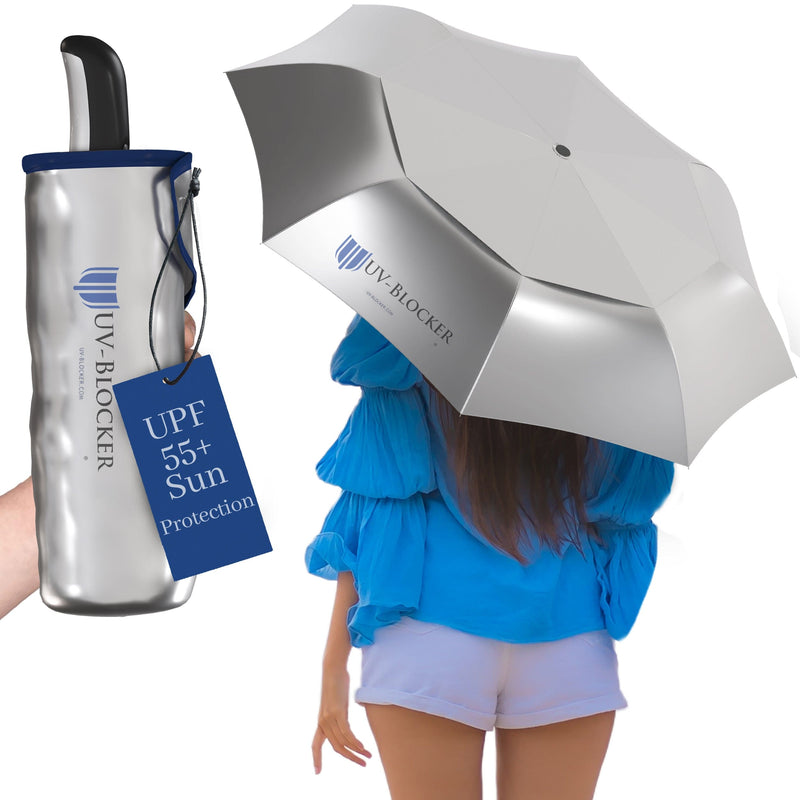
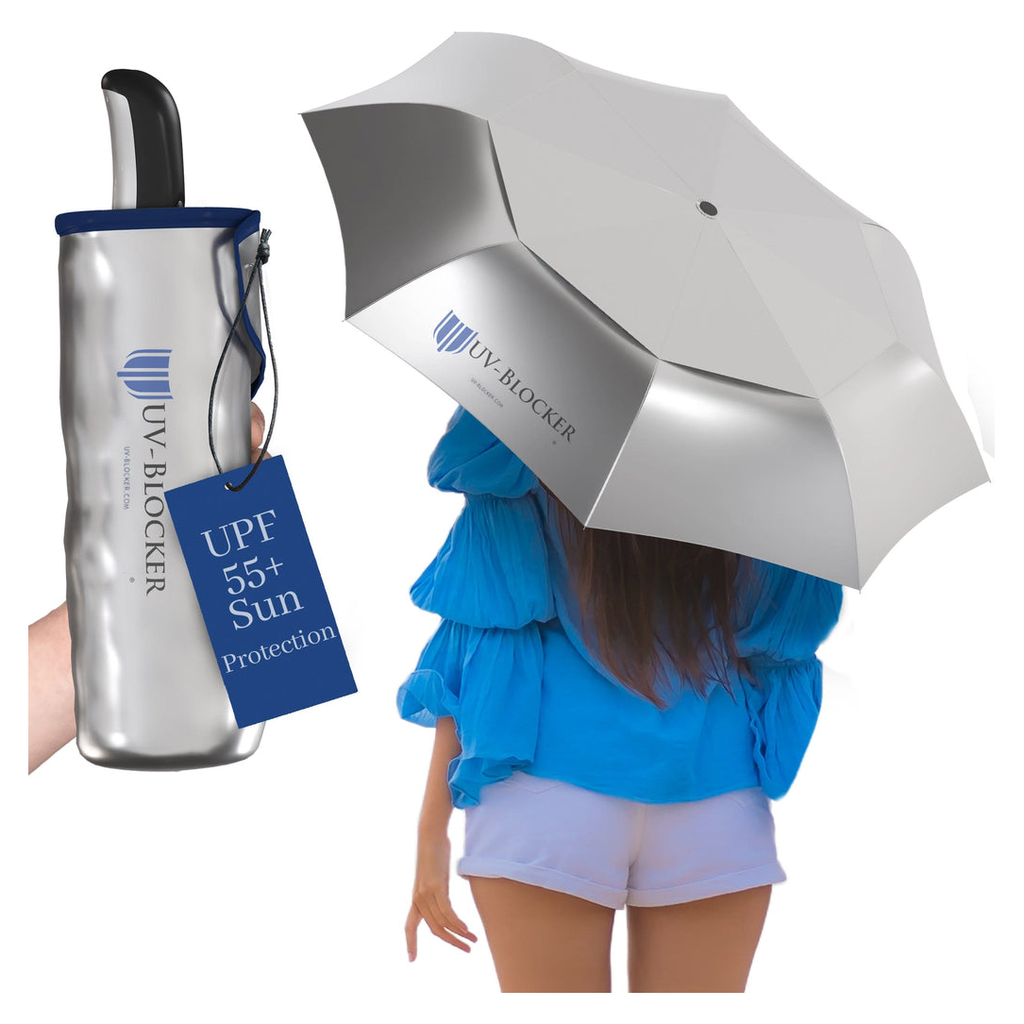
Medical-grade UV umbrellas rated UPF 50+ block 98% of harmful UV rays instantly, providing portable shade that protects your face and shoulders where clothing and sunscreen fall short.

Sunscreen fades and rinses off. Clothing can't cover your face without blinding you. An umbrella fills that gap by creating immediate shade anywhere you need it. For a lot of lupus patients I've talked to, this is the piece that changed everything.
Most people don't realize this: regular rain umbrellas are nearly useless for UV protection. They're engineered to repel water, not block radiation. Typical rain umbrellas use 190T nylon that provides maybe UPF 10-15. That means 10-30% of UV passes straight through.
If a five-minute walk across a parking lot can trigger a flare, letting 10-30% of UV through isn't acceptable.
What separates a real UV umbrella from a regular one:
- UPF 50+ certified (not "UV resistant," not vague marketing language, an actual certified rating)
- True broad-spectrum blocking both UVA and UVB
- Decent size because a tiny canopy won't cover your shoulders
- Wind-resistant construction so it doesn't fail when you need it
- Compact enough to always carry
That last point deserves emphasis. Flares get triggered by brief, unexpected exposure. The walk from the restaurant to your car. Waiting for a rideshare. An outdoor meeting that runs long. Your umbrella can only help if you actually have it with you.
Rain Umbrella vs. Medical-Grade UV Umbrella
| Feature | Rain Umbrella | Medical-Grade UV Umbrella |
|---|---|---|
| UV blocked | 70-90% | 98%+ |
| UVA protection | Minimal | Full broad-spectrum |
| Heat under canopy | Same as surroundings | Noticeably cooler |
| Wind handling | May invert | Vented design stays stable |
| Medical certification | None | MIF or dermatologist approved |
Why we built UV-Blocker umbrellas differently
I'm obviously biased here, but there's a reason we designed these umbrellas the way we did. Medical-grade sun protection requires specific engineering.
UPF 50+ rating exceeds the standard recommendation. Blocks 99% of UVA and UVB. Independently tested, not just claimed.
Melanoma International Foundation approved. That seal means something. The MIF doesn't just rubber-stamp products. They evaluate whether something actually works for people with serious sun sensitivity.
The Solarteck fabric with its silver coating reflects heat, not just UV. Testing showed the air underneath runs about 15°F cooler than direct sun. For lupus patients already battling fatigue and heat sensitivity, that temperature difference matters.
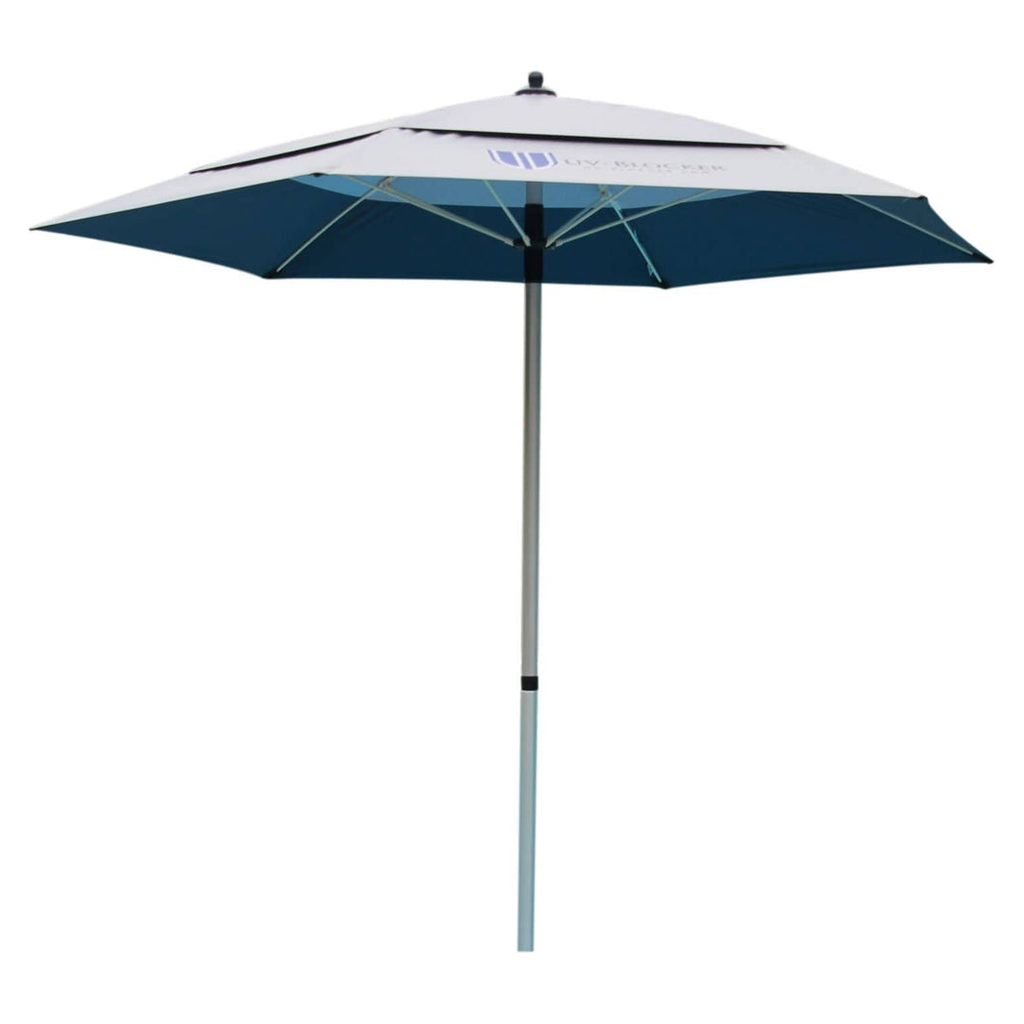
Vented double-canopy design lets wind flow through instead of catching and inverting. Reliable protection even in breezy conditions.
The compact version measures 12 inches folded and weighs about 15 ounces. It fits in a purse, a laptop bag, a glove compartment. No good excuse not to have it on hand.
The UV Protection Compact Umbrella was built for exactly this use case. Grab it when you leave home. Use it whenever you're outdoors without reliable shade. Simple habit, significant protection.
Does Indoor UV Exposure Affect Lupus Patients?
Yes, fluorescent lights emit UV radiation and window glass transmits UVA rays, meaning lupus patients need indoor protection including LED lighting and UV-filtering window treatments.
This is the part that surprises people the most. The threat doesn't stop when you walk through a door.
Fluorescent lights emit UV. For some lupus patients, hours under office lighting triggers the same symptoms as outdoor exposure. The Lupus Foundation has confirmed this isn't imagined hypersensitivity. It's a real, documented phenomenon.
Windows let UVA through. Glass blocks most UVB, but UVA passes largely unfiltered. That sunny corner of your living room? Your desk by the window at work? Your daily commute in the car? All of these deliver meaningful UVA exposure.
Clouds don't block much. Around 80% of UV radiation penetrates cloud cover. Overcast days feel safer than they are. Winter sun feels weaker but still carries risk.
Indoor protection checklist:
- Swap fluorescent and halogen bulbs for LEDs (LEDs produce essentially zero UV)
- Put UV-blocking film on windows at home and in your car
- Use filtering shades or blinds on windows that get direct sunlight
- Skip UV nail-drying lamps (dip powder or regular polish works fine)
- Check your medications because some increase photosensitivity
Medications that may increase UV sensitivity: - Tetracyclines and fluoroquinolones (antibiotics) - Ibuprofen and naproxen (NSAIDs) - Certain blood pressure medications - Some diuretics
Talk to your doctor about your specific medications.
Now that we've covered all four layers, let's assemble them into something you can actually use.
What Does a Daily Lupus Sun Protection Routine Look Like?
An effective daily routine combines sunscreen application 30 minutes before leaving home, UPF 50+ clothing, a wide-brim hat, and a compact UV umbrella carried everywhere you go.

Sounds complicated when written out. In practice, it becomes automatic within a week or two.
Before you leave the house:
- Apply broad-spectrum SPF 30+ to exposed skin. Give it 30 minutes to absorb.
- Dress in UPF 50+ clothing. Long sleeves and pants when practical.
- Put on your wide-brim hat.
- Drop your compact UV umbrella in your bag. Every single day.
- Check the UV index and adjust your schedule if needed.
Throughout the day:
- Open your umbrella any time you're walking in direct sunlight
- Reapply sunscreen every 2 hours outside, every 4-6 hours indoors near windows
- Use available shade but don't rely on it as your only protection
- Schedule outdoor activities for early morning or evening when UV is lower
Specific situations:
In the car: Get UV film installed on side and rear windows. Keep your umbrella where you can grab it quickly when parking.
At the office: Ask about LED lighting. Sit away from windows or request UV-filtering treatments. Keep an umbrella at your desk.
Running errands: Your compact umbrella handles parking lot walks faster and more reliably than reapplying sunscreen.
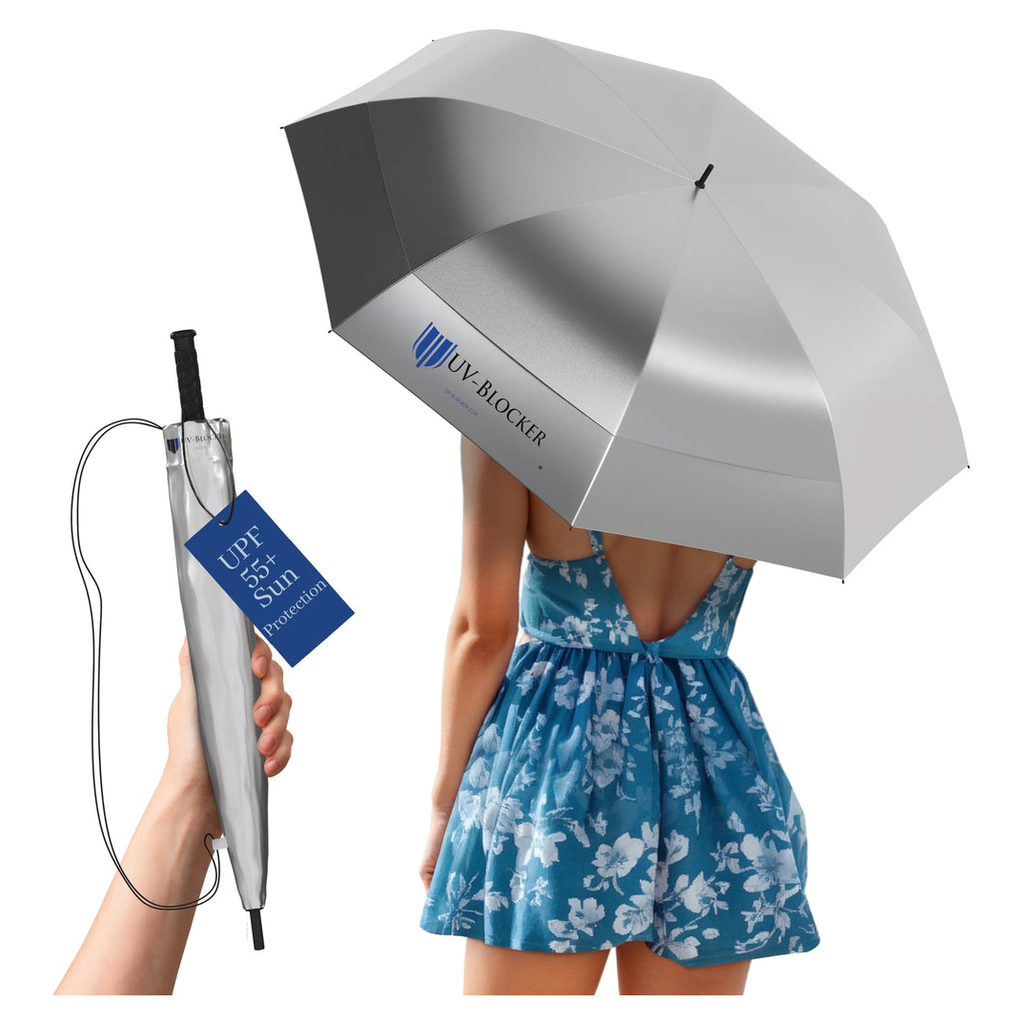
Outdoor events: Use everything. Sunscreen, UPF clothing, hat, and umbrella together. For extended outdoor time, the Large Folding UV Umbrella gives you more coverage area.
The point isn't avoiding the outdoors. It's participating fully with proper protection in place.
How Should Lupus Patients Adjust Sun Protection by Season?
Year-round protection is essential because 80% of UV penetrates clouds, winter snow reflects UV back at your face, and summer heat requires cooling strategies alongside coverage.
UV levels change with the seasons. Your protection habits shouldn't disappear entirely at any point during the year.
| Season | UV Level | What Changes |
|---|---|---|
| Summer | Highest | Heat makes covering up uncomfortable. Cooling umbrellas help. |
| Fall | Moderate | Lower sun angle means direct hits to your face. Stay vigilant. |
| Winter | Still meaningful | Snow reflects 80% of UV back up at you. Don't let your guard down. |
| Spring | Rising | Weather is unpredictable. Keep protection accessible. |
Summer presents a double challenge. Peak UV coincides with temperatures that make long sleeves miserable. UV umbrellas with reflective coatings help by keeping you 15°F cooler while still blocking rays.
Winter fools people. The sun feels weaker. It's cold outside. Protection seems unnecessary. But snow acts like a mirror, bouncing UV right back up toward your face. And 80% of radiation penetrates clouds regardless of season.
Traveling requires extra attention. Beach destinations, ski trips, and high-altitude locations all intensify UV exposure. Bring a dedicated UV umbrella. The UV Protection Travel Umbrella was designed specifically for this purpose.
Frequently Asked Questions About Lupus Sun Protection
Can people with lupus spend time outdoors?
Yes. With proper layered protection, lupus patients travel, exercise outside, attend events, and generally live their lives. The key is consistent use of sunscreen, UPF clothing, and UV umbrellas together.
What SPF should lupus patients use?
Lupus Foundation guidance says SPF 30 at minimum, with SPF 50-70 better for longer outdoor exposure. Always choose broad-spectrum formulas. Mineral sunscreens with zinc oxide or titanium dioxide tend to work better on sensitive skin.
Do regular umbrellas block UV?
Barely. Standard rain umbrellas typically provide UPF 10-15, which lets 10-30% of UV through. Medical-grade UV umbrellas rated UPF 50+ block 98% or more of UV radiation.
Can office lights trigger lupus flares?
Fluorescent and halogen bulbs emit UV radiation. For photosensitive patients, hours under these lights can trigger symptoms. Switching to LED bulbs eliminates this indoor UV source.
How quickly do flares appear after UV exposure?
Anywhere from minutes to three weeks. This unpredictable timing is exactly why consistent daily protection matters more than reacting after the fact.
Do cloudy days require protection?
Up to 80% of UV penetrates cloud cover. Overcast skies feel safer than they are. Year-round protection is necessary regardless of weather.
What's the difference between UPF and SPF?
SPF measures sunscreen protection against UVB rays. UPF measures fabric protection against both UVA and UVB. For complete lupus sun protection, you need both types of ratings working together.
Should lupus patients avoid tanning beds?
Absolutely. Tanning beds deliver concentrated UV that can trigger severe flares. Dermatologists and the Lupus Foundation both recommend complete avoidance.
Can Lupus Patients Live an Active Outdoor Life?
Absolutely, with proper layered protection combining sunscreen, UPF clothing, UV umbrellas, and indoor awareness, lupus patients can travel, exercise outdoors, and enjoy activities confidently.
Look, managing photosensitivity with lupus takes real effort. There's no magic solution that lets you ignore UV entirely. But "hiding indoors forever" isn't the only alternative.
What actually works:
- Layering protection (sunscreen + UPF clothing + UV umbrella + indoor awareness)
- Using medical-grade products instead of consumer-grade options
- Building daily habits rather than trying to be perfect occasionally
- Recognizing that UV umbrellas solve problems other methods can't
- Protecting yourself indoors, not just outside
The difference between feeling trapped and feeling capable often comes down to having the right tools and using them consistently.
If you take one action from this article: Get yourself a medical-grade UV umbrella and start carrying it daily. It's the single highest-impact addition you can make to your lupus sun protection routine. Works instantly, works anywhere, requires zero reapplication.
The UV-Blocker Compact Umbrella delivers UPF 50+ protection, carries MIF approval, and fits in any bag. It was built specifically for people who need serious sun protection as their primary requirement, not an afterthought.
More resources: - Lupus Foundation Photosensitivity Guide - CDC Lupus Information - Your dermatologist and rheumatologist for personalized recommendations
Living with lupus photosensitivity means making adjustments. It doesn't mean giving up outdoor life. With the right protection strategy in place, parking lots become manageable again. Outdoor dining becomes possible. Watching your kids' soccer games becomes something you can actually enjoy instead of dread.
You can have a life. You just need the right tools.
This article was reviewed by dermatologists and written for educational purposes. It does not replace professional medical advice. Always consult your healthcare provider for personalized lupus sun protection recommendations.
Author: UV-Blocker Sun Protection Team, specialists in medical-grade UV protection since 2005, with products recommended by dermatologists and approved by the Melanoma International Foundation.
7 Essential Lupus Sun Protection Strategies: Frequently Asked Questions
How much UV radiation can actually penetrate standard clothing to trigger a Lupus flare?
A typical white cotton T-shirt offers a UPF of about 5, allowing up to 20% of UV radiation to reach the skin, which is insufficient for the 70% of lupus patients who are highly photosensitive. By switching to UV-Blocker apparel with UPF 50+ standards, you ensure that 98% of UVA and UVB rays are blocked. This level of protection, often featuring Solarteck® technology, is critical for preventing both cutaneous lesions and systemic disease flares.
Is it necessary to wear sun-protective gear indoors if I have systemic lupus?
Yes, because UVA rays can penetrate window glass and many fluorescent lights, which are known to trigger flares in approximately 40% of lupus patients. Using a UV-Blocker sun umbrella or protective clothing indoors or while driving provides a consistent barrier against these hidden sources. These products carry the Melanoma International Foundation seal of approval, ensuring they meet rigorous clinical standards for UV mitigation beyond standard retail garments.
How does UPF 50+ clothing compare to high-SPF sunscreen for managing photosensitivity?
While SPF 30+ sunscreen is helpful, it often fails due to improper application or the need for reapplication every 120 minutes, whereas UV-Blocker garments provide a constant physical shield. Solarteck® technology ensures the fabric maintains a UPF 50+ rating, blocking at least 98% of radiation without the risk of skin irritation from chemicals. For the 60% of SLE patients who experience malar rashes, this consistent protection is more reliable for long-term symptom management.
What specific features should I look for in a sun umbrella for lupus management?
A high-quality umbrella should be specifically rated for UV protection, as standard rain umbrellas may only block 40-50% of rays. UV-Blocker umbrellas use a patented double-canopy design and Solarteck® technology to block 99% of UVA and UVB rays while keeping the user up to 15 degrees cooler. This clinical-grade protection is essential for preventing the cumulative UV exposure that leads to approximately 50% of lupus-related fatigue and joint pain episodes.