


Antibiotics sun sensitivity affects roughly one in five adverse drug reactions. Yet most patients leaving the pharmacy with a new prescription have no idea whether their specific antibiotic puts them at risk for severe sunburn, or none at all.
Here's what makes antibiotic photosensitivity confusing: only three antibiotic classes actually cause it. The most commonly prescribed antibiotics in the country, including amoxicillin and azithromycin, carry zero photosensitivity risk. And even among the three classes that do cause reactions, the severity ranges from barely noticeable to blistering burns within 30 minutes.
This antibiotics sun sensitivity guide breaks down every major antibiotic class by photosensitivity risk, UV trigger type, severity ranking, and clearance timeline after stopping. Whether someone just picked up a doxycycline prescription or wants to confirm that their Z-Pak is safe in the sun, the comparison table below provides a definitive answer.
TLDR:
- Only three antibiotic classes cause sun sensitivity: tetracyclines, fluoroquinolones, and sulfonamides
- Amoxicillin, azithromycin, penicillins, cephalosporins, and most macrolides do NOT cause photosensitivity
- Tetracyclines carry the highest risk and are triggered by UVA radiation; sulfonamides are triggered by UVB
- Demeclocycline ranks as the most photosensitizing antibiotic, but doxycycline is the most commonly prescribed one that causes reactions
- Moxifloxacin is significantly less phototoxic than ciprofloxacin due to its C-8 methoxy group
- Photosensitivity clears in 2-5 days for fluoroquinolones but can persist 1-2 weeks for tetracyclines
Which Antibiotics Actually Cause Sun Sensitivity?

Three antibiotic classes cause photosensitivity: tetracyclines, fluoroquinolones, and sulfonamides. Common antibiotics like amoxicillin, azithromycin, and cephalosporins do not cause sun sensitivity.
The table below sorts every major antibiotic class by photosensitivity status, UV trigger type, and severity. Patients can find their specific antibiotic and get a clear yes-or-no answer.
| Antibiotic Class | Common Drugs | Causes Sun Sensitivity? | UV Trigger | Severity | Risk Window After Stopping |
|---|---|---|---|---|---|
| Tetracyclines | Doxycycline, minocycline, demeclocycline | YES | UVA (320-400 nm) | High | 1-2 weeks |
| Fluoroquinolones | Ciprofloxacin, levofloxacin, moxifloxacin | YES (varies by drug) | UVA | Moderate | 2-5 days |
| Sulfonamides | Bactrim (TMP/SMX), sulfasalazine | YES | UVB (290-320 nm) | Moderate | 3-5 days |
| Penicillins | Amoxicillin, ampicillin, penicillin V | NO | N/A | N/A | N/A |
| Cephalosporins | Cephalexin, cefdinir, ceftriaxone | NO | N/A | N/A | N/A |
| Macrolides | Azithromycin (Z-Pak), clarithromycin | NO | N/A | N/A | N/A |
Understanding antibiotics sun sensitivity starts with the mechanism: photosensitizing antibiotics absorb UV energy and release reactive oxygen species that directly damage skin cells. This differs from a photoallergic reaction (more common with sulfonamides), where the immune system drives the response. Both types produce exaggerated sunburn, but phototoxic reactions occur on the very first exposure with no prior sensitization required.
For a broader overview of all drug classes that cause photosensitivity, including diuretics, NSAIDs, and retinoids, the full medications that cause sun sensitivity guide covers eight categories.
Why Are Tetracyclines the Highest-Risk Antibiotic Class for Photosensitivity?
Tetracyclines absorb UVA radiation and release reactive oxygen species that damage skin cells, with severity ranging from mild (minocycline) to extreme (demeclocycline).
The phototoxic reaction is dose-dependent and can produce visible sunburn within 30 minutes of outdoor exposure while the drug is active. Unlike a standard sunburn that takes hours to develop, tetracycline-induced photosensitivity hits fast and escalates quickly.
Severity Ranking Within the Tetracycline Class
Not all tetracyclines carry the same risk. A 2021 narrative review in Dermatologic Therapy ranked them from most to least photosensitizing:
- Demeclocycline (highest risk, but rarely prescribed today)
- Doxycycline hyclate (most commonly prescribed photosensitizing antibiotic)
- Doxycycline monohydrate (modestly less photosensitizing than hyclate)
- Tetracycline (moderate risk)
- Minocycline (lowest risk in the class due to different chemical structure)
Doxycycline is prescribed for acne, rosacea, Lyme disease, malaria prophylaxis, and respiratory infections, making it by far the most commonly encountered tetracycline. Patients on long-term doxycycline courses (12+ weeks for acne) can ask their prescriber about switching from hyclate to monohydrate formulation to reduce photosensitivity somewhat, though sun protection remains essential for either salt form.
Reactions range from mild sunburn-like redness to severe blistering across sun-exposed skin. Photo-onycholysis, a condition where nails separate from the nail bed, has also been documented with prolonged doxycycline use.
For specific protection strategies while taking doxycycline, the detailed doxycycline sun sensitivity guide covers dosing considerations, outdoor timing, and product recommendations.
Do All Fluoroquinolones Cause the Same Level of Sun Sensitivity?
No. Ciprofloxacin and levofloxacin carry moderate phototoxicity risk, while moxifloxacin is significantly more photostable due to its C-8 methoxy group.
This distinction surprises most patients because all three drugs belong to the same antibiotic class. The difference comes down to molecular structure at a single position on the quinolone ring.
The C-8 Methoxy Group Advantage
Fluoroquinolones with a methoxy group at the C-8 position, specifically moxifloxacin and gatifloxacin, generate fewer reactive oxygen species when exposed to UVA light. Research published in Antimicrobial Agents and Chemotherapy confirmed that 8-methoxy quinolones did not induce phototoxicity in animal models. Human volunteer studies reached the same conclusion: no clinically significant phototoxic reactions with moxifloxacin at standard doses.
Ciprofloxacin, the most widely prescribed fluoroquinolone, lacks this protective methoxy group and carries moderate phototoxicity risk. Levofloxacin falls in a similar range. Lomefloxacin, once considered the most phototoxic fluoroquinolone, has been withdrawn from most markets.
Practical Implications
Patients prescribed ciprofloxacin or levofloxacin should follow the same sun protection protocols as tetracycline users: broad-spectrum sunscreen with strong UVA protection, physical barriers, and limited peak-hour sun exposure. Patients on moxifloxacin face minimal additional risk, though baseline sun safety still applies.
Fluoroquinolone photosensitivity typically clears within 2-5 days of the last dose, significantly faster than tetracyclines. For cipro-specific guidance, the cipro sun sensitivity article provides detailed protection strategies.
Why Do Sulfonamides React to Different UV Wavelengths Than Other Antibiotics?
Unlike tetracyclines and fluoroquinolones, sulfonamide photosensitivity is triggered by UVB radiation, which changes sunscreen selection from UVA-focused to broad-spectrum coverage.
This UVB distinction matters for practical protection. Tetracyclines and fluoroquinolones react to UVA wavelengths (320-400 nm), which penetrate deeper into skin and pass through window glass. Sulfonamides react to UVB wavelengths (290-320 nm), which cause surface-level burns and are blocked by glass. The UV trigger type directly influences which sunscreen ingredients provide the best protection.
Bactrim: The Most Common Culprit
Bactrim (trimethoprim/sulfamethoxazole, or TMP/SMX) is the most commonly prescribed sulfonamide antibiotic. It treats urinary tract infections, certain pneumonias, and MRSA skin infections. Sulfasalazine, used for inflammatory bowel disease and rheumatoid arthritis, also falls in this class.
Sulfonamides can trigger both phototoxic and photoallergic reactions. The photoallergic type involves immune system activation, meaning the body "remembers" the reaction. On future courses of the same drug, smaller UV doses can provoke a response. This immune memory makes photoallergic sulfonamide reactions harder to predict and potentially longer-lasting than the phototoxic reactions seen with tetracyclines.
Clearance after stopping Bactrim is typically 3-5 days for phototoxic reactions. Photoallergic reactions may take longer to resolve because the immune response operates independently from drug elimination. The complete bactrim sun sensitivity guide covers sulfonamide-specific protection details.
Does Amoxicillin Cause Sun Sensitivity?
No. Amoxicillin does not cause photosensitivity. The FDA prescribing information contains zero mentions of sun, UV, sunlight, or photosensitivity. Penicillins, cephalosporins, and most macrolides (including azithromycin) also carry no photosensitivity risk.
The dedicated amoxicillin sun sensitivity guide covers why the belief persists, how to tell an amoxicillin drug rash apart from sunburn, and the mononucleosis connection that fuels the misconception.
How Long Does Antibiotic Sun Sensitivity Last After Stopping?
Antibiotic photosensitivity clearance depends on the drug class: fluoroquinolones clear in 2-5 days, sulfonamides in 3-5 days, and tetracyclines may persist 1-2 weeks.
Many patients assume antibiotics sun sensitivity ends the moment they swallow the last pill. It doesn't. The drug needs time to clear from the bloodstream and, in the case of tetracyclines, from skin tissue where it accumulates.
| Drug Class | Typical Clearance After Last Dose | Why It Takes This Long |
|---|---|---|
| Fluoroquinolones (cipro, levo) | 2-5 days | Follows standard renal elimination; 4-5 half-lives |
| Sulfonamides (Bactrim) | 3-5 days (phototoxic); potentially weeks (photoallergic) | Phototoxic follows drug clearance; photoallergic involves immune memory |
| Tetracyclines (doxycycline) | 1-2 weeks | Doxycycline binds calcium in skin tissue, persisting beyond serum clearance |
Doxycycline has a serum half-life of 18-22 hours, meaning it takes roughly 4-5 days (about 5 half-lives) for the drug to leave the bloodstream. But photosensitivity risk extends beyond serum clearance because the drug binds to calcium-containing tissues, including skin. Two full weeks of continued sun protection after the last doxycycline dose is the conservative recommendation.
For fluoroquinolones and sulfonamides, maintaining full sun protection for at least 48 hours after the final dose provides a reasonable safety margin. Patients who experienced a photoallergic reaction to sulfonamides should extend that window and discuss future prescriptions with their prescriber.
How Should You Protect Yourself While Taking Photosensitizing Antibiotics?
Use a UPF-rated physical barrier like a UV umbrella, apply broad-spectrum SPF 30+ sunscreen, wear UPF clothing, and avoid peak UV hours between 10 AM and 4 PM.
Managing antibiotics sun sensitivity requires layering multiple protection methods, because no single barrier provides 100% coverage during outdoor exposure.
Physical Barriers First
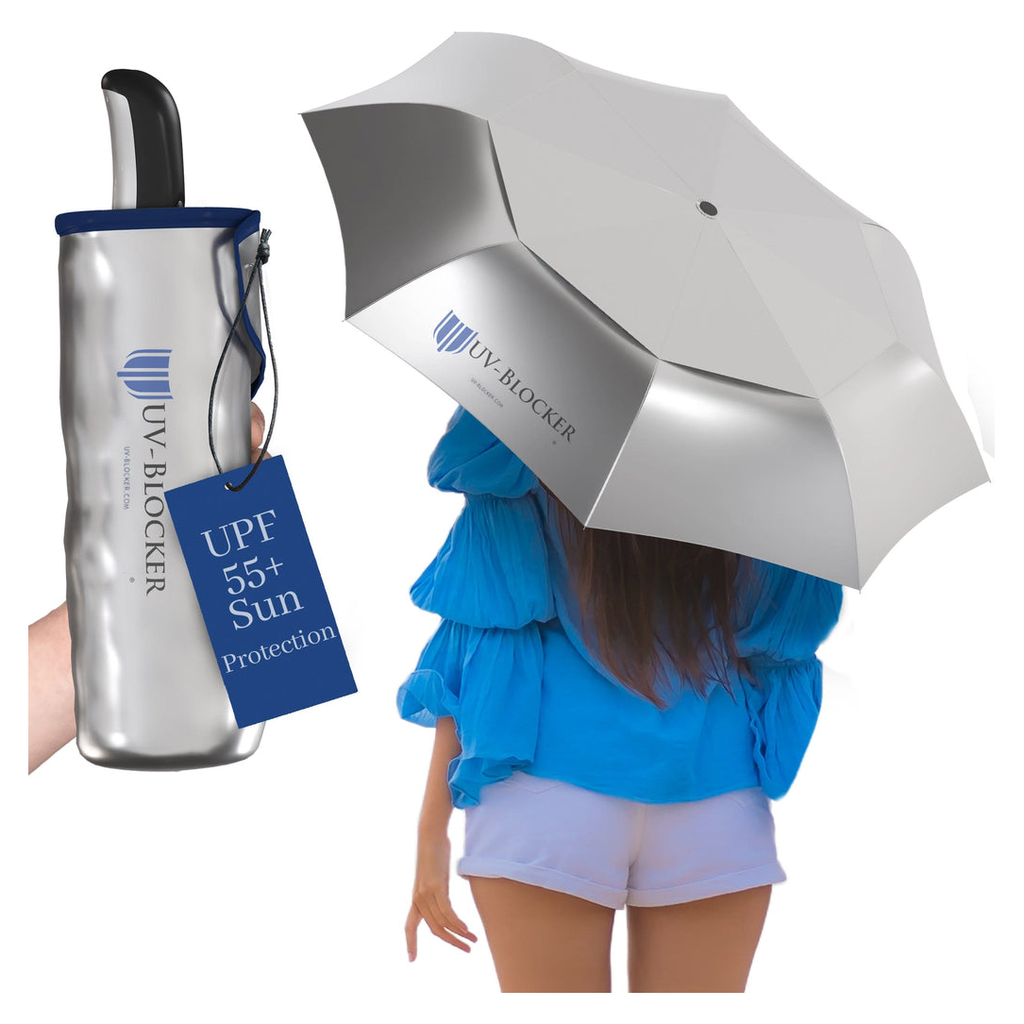
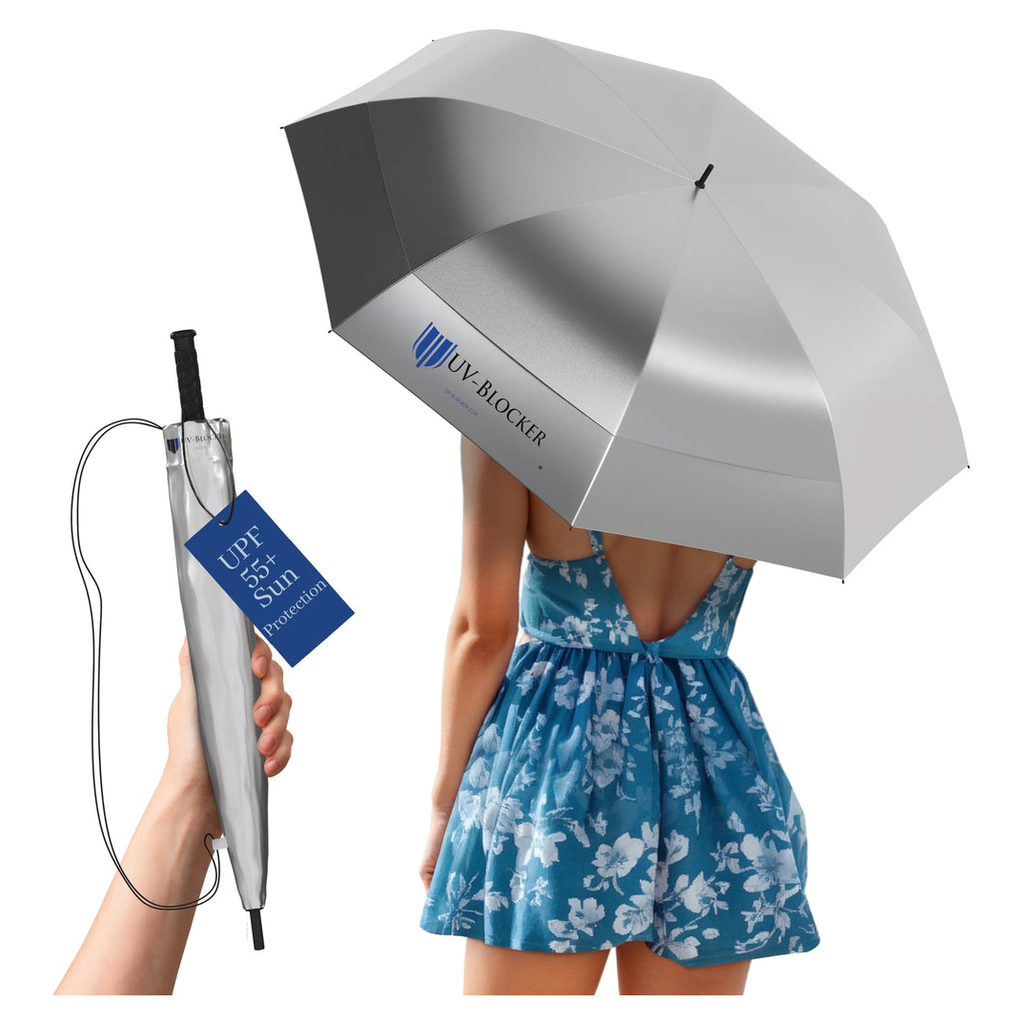
A UPF 50+ umbrella blocks both UVA and UVB radiation regardless of which antibiotic class triggers the photosensitivity. This eliminates the guesswork about UV wavelength type. The UV-Blocker compact umbrella, for example, blocks 99.97% of UVA and 100% of UVB (verified via AATCC TM183-2020 testing), making it effective for patients on tetracyclines, fluoroquinolones, or sulfonamides alike. Physical barriers also don't require reapplication like sunscreen.
The UV-Blocker travel umbrella offers a slightly larger 44-inch arc for patients who want additional coverage during medication courses. Both fold small enough for daily carry, which matters when antibiotic courses last 7-14 days.
Sunscreen Strategy by Drug Class
Sunscreen selection benefits from matching the UV trigger type:
- Tetracyclines and fluoroquinolones (UVA-triggered): Look for strong UVA filters. Zinc oxide and avobenzone provide the broadest UVA protection. European sunscreens with Tinosorb S or M offer additional UVA coverage not available in most US formulations.
- Sulfonamides (UVB-triggered): Standard SPF ratings measure UVB protection, so any SPF 30+ product covers the primary trigger. Broad-spectrum formulations still recommended for overall skin health.
Regardless of drug class, broad-spectrum SPF 30+ applied every two hours (or every 90 minutes with water exposure) is the baseline. Physical barriers like UPF umbrellas and UV protection clothing complement sunscreen by covering gaps that application misses.
Timing and Avoidance
Peak UV intensity falls between 10 AM and 4 PM. When possible, scheduling outdoor activities outside this window reduces total UV dose. For patients who can't avoid midday exposure, combining an umbrella, sunscreen, and long sleeves creates a three-layer defense that significantly reduces photosensitivity reaction risk.
Antibiotics Sun Sensitivity FAQ
These are the most common questions patients ask about antibiotics sun sensitivity, with direct answers for each.
Is amoxicillin photosensitizing?
No. Amoxicillin does not cause photosensitivity. Patients on amoxicillin do not need any special sun precautions beyond their normal skin care routine.
Which antibiotic is the worst for sun sensitivity?
Demeclocycline has the highest photosensitivity risk of any antibiotic, but it is rarely prescribed today. Among commonly prescribed antibiotics, doxycycline hyclate carries the greatest photosensitivity risk. Patients on doxycycline should use aggressive sun protection throughout the entire course and for 1-2 weeks afterward.
Do I need different sunscreen for different antibiotics?
Technically, yes. Tetracyclines and fluoroquinolones react to UVA radiation, which requires specific UVA filters like zinc oxide or avobenzone. Sulfonamides react to UVB, which standard SPF ratings cover. Broad-spectrum sunscreen addresses both wavelength ranges and is the safest choice regardless of which antibiotic a patient takes.
Can I go to the beach while on doxycycline?
Beach trips while taking doxycycline carry high risk because sand and water reflect UV radiation, increasing total exposure. If the trip can't be rescheduled, patients should use a UPF 50+ beach umbrella, apply broad-spectrum SPF 50+ sunscreen every 90 minutes, wear UPF clothing covering arms and legs, and stay under shade as much as possible.
How quickly does antibiotic sun sensitivity start after taking a dose?
Phototoxic reactions can begin within 30 minutes of sun exposure while the drug is active in the body. The risk exists from the very first dose, meaning no prior sensitization or "buildup" period is needed. Any patient taking a photosensitizing antibiotic should begin sun protection immediately.
Is doxycycline monohydrate less photosensitizing than doxycycline hyclate?
Some clinical evidence suggests the monohydrate formulation produces modestly less photosensitivity than hyclate. Patients on long-term doxycycline courses for conditions like acne or rosacea (12+ weeks) can ask their prescriber about switching formulations. Sun protection remains essential for both salt forms.
Antibiotic Photosensitivity by Drug Class: A Clinical Comparison
Not all photosensitizing antibiotics carry equal risk. The mechanism, severity, and management differ significantly by drug class — here's what pharmacists and patients need to know:
Photosensitivity Risk Comparison Table
| Antibiotic Class | Example Drugs | Reaction Type | Risk Level | Onset After Sun Exposure |
|---|---|---|---|---|
| Tetracyclines | Doxycycline, Minocycline | Phototoxic | HIGH | 2–6 hours |
| Fluoroquinolones | Ciprofloxacin, Levofloxacin | Phototoxic | MODERATE-HIGH | 1–4 hours |
| Sulfonamides | Trimethoprim-sulfamethoxazole | Both | MODERATE | Variable (1–72 hrs) |
| Macrolides | Azithromycin | Photoallergic | LOW-MODERATE | 24–72 hours (delayed) |
What to Do If You Experience a Reaction
Phototoxic reactions (tetracyclines, fluoroquinolones) resolve when you remove sun exposure — they do not indicate an allergy and won't recur in non-sun conditions. Photoallergic reactions (some sulfonamides, macrolides) can persist and may require topical corticosteroids. In both cases: avoid sun re-exposure until the antibiotic course is complete plus 5 days, and use UPF 50+ physical shade rather than relying on SPF sunscreen alone, which does not block the UV-A wavelengths most responsible for drug-induced photosensitivity.
Sun Safety in Canada
Canada experiences meaningful UV exposure throughout the year, with UV Index levels regularly reaching 8–10 or higher during summer months in cities such as Vancouver, Calgary, Toronto, and Ottawa. Health Canada and Environment and Climate Change Canada publish daily UV Index forecasts and recommend protective measures whenever the index exceeds 3 — a threshold reached on most clear days between May and August across the country.
Key resources for Canadian sun safety:
- Health Canada UV Index: Published daily via the Environment and Climate Change Canada weather portal (weather.gc.ca). Canadians can track UV levels by city and receive alerts when protection is recommended.
- Canadian Cancer Society: Recommends UPF 50+ clothing, hats, sunscreen, and shade-seeking as primary sun protection strategies. Physical UV barriers — such as UPF 50+ umbrellas — are emphasized for prolonged outdoor exposure.
- Canadian Dermatology Association: Endorses broad-spectrum sun protection strategies, including shade structures and UV-blocking accessories, especially for individuals with fair skin or a personal or family history of skin cancer.
For Canadians spending extended time outdoors — whether working, playing sports, or enjoying recreational activities — a UV-blocking umbrella rated UPF 50+ provides continuous, reapplication-free protection. The UV-Blocker umbrella, independently tested and approved by the Melanoma International Foundation, blocks 99% of UV rays and keeps users up to 15°F cooler — making it a practical and reliable companion for Canadian summers.
Frequently Asked Questions
Does Antibiotics really make skin more sensitive to sunlight?
Yes. Antibiotics belongs to a class of medications that can trigger photosensitivity reactions in a subset of patients. This can cause sunburn-like reactions with minimal UV exposure, or trigger phototoxic skin rashes. The reaction severity varies by individual, dosage, and UV intensity. Always review your medication guide and consult your prescribing physician if you notice unusual skin reactions in sunlight.
What SPF should I use if I take this medication?
Dermatologists generally recommend SPF 30+ broad-spectrum sunscreen for patients on photosensitizing medications, with reapplication every 2 hours. However, sunscreen alone isn't sufficient for high UV exposure. Combining sunscreen with physical barriers — UPF 50+ clothing, wide-brim hats, and UV-blocking umbrellas — provides the most reliable protection. UV-Blocker's UPF 50+ umbrellas block 99% of UVA and UVB rays.
Can I still go outdoors while taking this medication?
Absolutely. Most patients can continue outdoor activities with appropriate precautions: avoid peak UV hours (10am–4pm), wear protective clothing, use SPF 30+ sunscreen, and use shade whenever possible. A portable UV-blocking umbrella offers hands-free shade wherever you go, making it a practical solution for patients who need consistent sun avoidance.
How long after stopping the medication until sun sensitivity resolves?
Photosensitivity typically resolves within days to weeks after discontinuing the medication, depending on the drug's half-life and your individual metabolism. Some medications with long half-lives may cause sensitivity for weeks. Continue sun protection until your doctor confirms it's safe to reduce precautions.
What are the signs of a phototoxic reaction vs. a photoallergic reaction?
Phototoxic reactions look like severe, rapid sunburn — they appear within hours of UV exposure and are dose-dependent. Photoallergic reactions involve an immune response, can spread beyond sun-exposed areas, and may appear days later. Both require prompt sun avoidance. See your dermatologist for diagnosis and management.
Sun Safety Essentials for Patients on Photosensitizing Medications
- Keep a UV index app on your phone and avoid going outdoors when the index exceeds 6 without full protection
- Wear UPF 50+ sun-protective clothing on arms and legs, not just sunscreen
- Carry a portable UV-blocking umbrella for shade on demand — especially effective during outdoor commutes, sporting events, or waiting outdoors
- Apply sunscreen to the back of hands and tops of feet — commonly missed areas that receive direct UV
- Inform your pharmacist about all medications you take so they can flag photosensitizing combinations
- Request a window film UV assessment if you drive frequently — car windows block UVB but not all UVA
Frequently Asked Questions
Does Antibiotics really make skin more sensitive to sunlight?
Yes. Antibiotics belongs to a class of medications that can trigger photosensitivity reactions in a subset of patients. This can cause sunburn-like reactions with minimal UV exposure, or trigger phototoxic skin rashes. The reaction severity varies by individual, dosage, and UV intensity. Always review your medication guide and consult your prescribing physician if you notice unusual skin reactions in sunlight.
What SPF should I use if I take this medication?
Dermatologists generally recommend SPF 30+ broad-spectrum sunscreen for patients on photosensitizing medications, with reapplication every 2 hours. However, sunscreen alone isn't sufficient for high UV exposure. Combining sunscreen with physical barriers — UPF 50+ clothing, wide-brim hats, and UV-blocking umbrellas — provides the most reliable protection. UV-Blocker's UPF 50+ umbrellas block 99% of UVA and UVB rays.
Can I still go outdoors while taking this medication?
Absolutely. Most patients can continue outdoor activities with appropriate precautions: avoid peak UV hours (10am–4pm), wear protective clothing, use SPF 30+ sunscreen, and use shade whenever possible. A portable UV-blocking umbrella offers hands-free shade wherever you go, making it a practical solution for patients who need consistent sun avoidance.
How long after stopping the medication until sun sensitivity resolves?
Photosensitivity typically resolves within days to weeks after discontinuing the medication, depending on the drug's half-life and your individual metabolism. Some medications with long half-lives may cause sensitivity for weeks. Continue sun protection until your doctor confirms it's safe to reduce precautions.
What are the signs of a phototoxic reaction vs. a photoallergic reaction?
Phototoxic reactions look like severe, rapid sunburn — they appear within hours of UV exposure and are dose-dependent. Photoallergic reactions involve an immune response, can spread beyond sun-exposed areas, and may appear days later. Both require prompt sun avoidance. See your dermatologist for diagnosis and management.
Sun Safety Essentials for Patients on Photosensitizing Medications
- Keep a UV index app on your phone and avoid going outdoors when the index exceeds 6 without full protection
- Wear UPF 50+ sun-protective clothing on arms and legs, not just sunscreen
- Carry a portable UV-blocking umbrella for shade on demand — especially effective during outdoor commutes, sporting events, or waiting outdoors
- Apply sunscreen to the back of hands and tops of feet — commonly missed areas that receive direct UV
- Inform your pharmacist about all medications you take so they can flag photosensitizing combinations
- Request a window film UV assessment if you drive frequently — car windows block UVB but not all UVA