

Bactrim can cut the skin's UV tolerance by up to 50%, sometimes even more dramatically for sensitive individuals. This means a dose of sunlight that normally causes mild warmth can trigger a painful, blistering burn in under 30 minutes. The stakes are high: severe sunburns aren't just uncomfortable; they can lead to complications and increase long-term skin cancer risk, a fact Ron Walker, our founder and melanoma survivor, understands deeply.
Millions of Bactrim prescriptions go out each year for common infections like UTIs, ear infections, and respiratory illnesses. Yet, most patients receive little more than a pharmacy label warning about sun exposure. This comprehensive guide explains precisely when Bactrim sun sensitivity starts, when it fades, and, critically, how to protect your skin during and after the treatment course. It's part of UV-Blocker's extensive medication sun sensitivity guide series, designed to empower you with life-saving knowledge.
Quick Reference Summary
💡 Important Takeaways:
- Bactrim contains sulfamethoxazole, a powerful and well-documented photosensitizer belonging to the sulfonamide class.
- Sun sensitivity can begin within 24 hours of the very first dose, peaking as drug levels stabilize.
- The highest risk window is throughout the entire 5 to 14 day treatment period.
- Photosensitivity typically eases 2 to 3 days after the last dose, corresponding to the drug's half-life clearance. However, some clinicians advise strict precautions for up to 2 weeks post-treatment, especially for individuals with compromised kidney function or slow metabolism.
- Bactrim-induced photosensitivity reacts across both UVA and UVB wavelengths, making standard sunscreen alone often insufficient.
- The strongest, most practical approach is a layered defense: an advanced UV umbrella (like a UV-Blocker UPF 50+ umbrella), broad-spectrum SPF 30+ sunscreen, and dense, protective clothing.
Why Does Bactrim Cause Sun Sensitivity?
Bactrim causes sun sensitivity because one of its active ingredients, sulfamethoxazole, actively absorbs ultraviolet (UV) light. When sulfamethoxazole molecules in the skin absorb UV energy, they become "excited" and undergo a chemical transformation, leading to the creation of highly damaging reactive oxygen species (ROS) and free radicals. These unstable molecules then proceed to injure surrounding skin cells, disrupting cellular membranes, proteins, and even DNA. Think of it as a UV amplifier built directly into your skin cells, drastically escalating the damage from otherwise harmless sun exposure.
Sulfamethoxazole is the photosensitizing ingredient
Bactrim is a combination antibiotic comprising two drugs: sulfamethoxazole and trimethoprim. Crucially, it is the sulfamethoxazole component, a member of the sulfonamide antibiotic class, that is responsible for the sun reaction. This means that whether your prescription is labeled "Bactrim," "Septra," "Cotrim," or simply "generic sulfamethoxazole/trimethoprim," the risk of sun sensitivity remains the same. The FDA prescribing information explicitly lists "photosensitivity" as a potential adverse reaction, directly linking it to the sulfonamide component, underscoring its clinical significance.
This is phototoxic, not allergic
It's vital for patients to understand the distinction: Bactrim photosensitivity is a phototoxic reaction, not a photoallergic one. This difference dictates its predictability and severity. A phototoxic reaction occurs when a drug, after absorbing UV light, directly causes cellular damage. Because it is dose-dependent and predictable, anyone taking a sufficient amount of sulfamethoxazole and receiving enough UV exposure is susceptible to this reaction. This means that the absence of itching, hives, or previous allergic reactions to Bactrim does not imply a lower sun risk. A patient might correctly state, "I've never had a rash from Bactrim before," and still suffer a dangerously fast and severe sunburn. The mechanism involves direct cellular injury rather than an immune system response, making it a more universal risk during treatment. DermNet NZ provides comprehensive coverage of this phototoxic pathway, detailing the cellular damage at play.
Both UVA and UVB trigger the reaction
Unlike some forms of photosensitivity primarily triggered by one UV spectrum, Bactrim photosensitivity is known to span both UVA and UVB wavelengths. UVB rays are typically associated with sunburns and superficial skin damage, while UVA rays penetrate deeper, contributing to premature aging and also playing a role in skin cancer development. A comprehensive review in the medical literature confirms that drug-induced phototoxicity can indeed cover the full UV spectrum, meaning protection must be robust against both. This broad-spectrum reactivity is precisely why relying on a single protection layer, such as sunscreen that might favor UVB blockage, often proves inadequate for individuals undergoing Bactrim treatment. Effective protection requires a multi-faceted approach.
How Long Does Bactrim Sun Sensitivity Last?
Bactrim sun sensitivity begins rapidly, often within 24 hours of the first dose, and typically persists for 2 to 3 days after your final dose as the drug is cleared from your system. Understanding this timeline is crucial for consistent and effective sun protection.
Sensitivity starts on Day 1
The onset of sun sensitivity with Bactrim is remarkably fast. Sulfamethoxazole, the photosensitizing agent, reaches its peak blood levels within 1 to 4 hours following an oral dose. This means that UV protection should commence immediately on Day 1 of the prescription, not after you experience your first burn. Throughout the typical 5 to 14 day treatment course, blood levels of sulfamethoxazole build to a steady state, maintaining the skin's heightened reactivity to UV light. Consistent and rigorous sun protection is non-negotiable for the entire duration of the treatment.
The drug doesn't clear instantly after stopping
Once the prescription concludes, the risk of photosensitivity doesn't vanish instantly. Sulfamethoxazole has an elimination half-life of approximately 10 to 12 hours. The half-life refers to the time it takes for half of the drug to be eliminated from the body. Following standard pharmacokinetic principles, it takes about five half-lives for a drug to be considered largely cleared (meaning less than 4% remains in the bloodstream). For sulfamethoxazole, this translates to roughly 50 to 60 hours, or approximately 2 to 3 days, after the last dose.
However, some dermatologists and medical professionals advise a more conservative window of up to 2 weeks for continuing sun precautions. This extended recommendation accounts for individual variations in drug metabolism, potential accumulation in tissues, and particularly for patients with reduced kidney or liver function, where drug clearance may be significantly slower. It's always best to err on the side of caution and consult your prescribing physician for personalized advice regarding the duration of sun protection post-treatment.

| Phase | Timeframe | Risk Level | Action |
|---|---|---|---|
| First dose | Day 1 | Moderate, drug accumulating | Begin UV protection immediately, even if indoor. |
| Active treatment | Days 2 to 14 | High, steady-state drug levels | Maximum, comprehensive protection required at all times outdoors. |
| Just stopped | Days 1 to 3 post-course | Moderate, drug clearing | Continue full, rigorous protection as significant drug levels persist. |
| Clearance complete | Day 4+ post-course | Low, less than 4% remaining | Gradually resume normal exposure, but remain vigilant for residual sensitivity. |
| Conservative window | Up to 2 weeks post-course | Minimal | Monitor for residual sensitivity, especially if prolonged exposure is planned. |
If treatment lasts one week, the sun risk usually extends a few days beyond the final pill. For longer courses, or for individuals with slower metabolic rates, the conservative 2-week post-treatment precaution offers an added layer of safety.
How Does Bactrim Photosensitivity Compare to Other Medications?
Bactrim's photosensitizing potential, particularly due to its sulfamethoxazole component, is significant and well-documented. While many medications can cause sun sensitivity, the severity and mechanism can vary. It's important to understand where Bactrim stands among other commonly prescribed drugs.
Common Photosensitizing Drug Classes:
- Tetracyclines (e.g., Doxycycline, Minocycline): These antibiotics are notorious for causing phototoxic reactions, often manifesting as severe sunburns. Their mechanism is similar to Bactrim in being phototoxic, directly causing cellular damage upon UV exposure. Doxycycline, in particular, is frequently cited for its strong photosensitizing effects.
- Fluoroquinolones (e.g., Ciprofloxacin, Levofloxacin): Another class of antibiotics that can induce phototoxicity, though typically less severe than tetracyclines or Bactrim for most individuals.
- Thiazide Diuretics (e.g., Hydrochlorothiazide): Used for high blood pressure and fluid retention, these can cause phototoxic reactions, often appearing as exaggerated sunburns or rashes in sun-exposed areas.
- NSAIDs (Nonsteroidal Anti-inflammatory Drugs like Naproxen, Ketoprofen): While less common than with antibiotics, some NSAIDs, especially topical ones, can cause phototoxic or even photoallergic reactions.
- Retinoids (e.g., Isotretinoin, Tretinoin): These acne and anti-aging medications increase skin fragility and sensitivity to the sun, making burns more likely and often more severe.
- Antifungals (e.g., Griseofulvin, Voriconazole): Some systemic antifungals are known photosensitizers, causing increased susceptibility to sunburn.
- St. John's Wort: A popular herbal supplement, St. John's Wort is a potent photosensitizer and should be avoided or used with extreme caution in conjunction with sun exposure.
Bactrim's Place in the Spectrum:
Bactrim (sulfamethoxazole/trimethoprim) is generally considered to be among the more potent photosensitizing antibiotics. Its phototoxic reaction is often described as acute and severe, capable of causing rapid, blistering sunburns even with relatively brief sun exposure. The broad-spectrum reactivity to both UVA and UVB further distinguishes it, requiring comprehensive protection. While tetracyclines like doxycycline might share a similar reputation for severity, Bactrim's impact can be particularly insidious because many patients are prescribed it for common infections and may not receive adequate warnings regarding the extreme need for sun protection. Therefore, while not unique in causing photosensitivity, Bactrim's capacity for severe, rapid onset phototoxicity places it high on the list of medications demanding the utmost vigilance regarding sun protection.
What Are the Signs of a Bactrim Sun Reaction?
A sun reaction while taking Bactrim typically manifests as an exaggerated and often more severe form of sunburn. It's crucial to recognize these signs early to prevent further damage and seek appropriate care. The symptoms are primarily phototoxic, meaning they result from direct cellular damage rather than an immune-mediated allergic response.
Acute Symptoms (Phototoxic Reaction):
- Rapid Onset Redness (Erythema): The skin quickly turns red, often more intensely and rapidly than a typical sunburn, even after minimal sun exposure. This can occur within minutes to hours of exposure.
- Intense Pain and Tenderness: The affected skin will be significantly more painful and tender to the touch compared to a normal sunburn.
- Swelling (Edema): Swelling in the sun-exposed areas is common, indicating significant inflammation and fluid retention in the damaged tissues.
- Blistering: One of the most severe signs, blisters can form rapidly, ranging from small fluid-filled bumps to large, painful bullae. These indicate a second-degree burn and require medical attention.
- Peeling: As the skin heals, extensive peeling, similar to a severe sunburn, will occur in the affected areas.
- Warmth to the Touch: The burned skin will feel unusually hot, reflecting the inflammatory response.
- Itching (less common but possible): While phototoxic reactions are not typically itchy like allergic reactions, some degree of discomfort and itchiness can accompany severe inflammation.
Distinguishing from Other Reactions:
Unlike photoallergic reactions, which might present as itchy, eczema-like rashes that can spread beyond sun-exposed areas, Bactrim's phototoxic reaction is usually confined to the areas directly exposed to UV light. It also doesn't typically involve hives or widespread systemic allergic symptoms like difficulty breathing. The primary characteristic is a heightened, often disproportionate, sunburn response.
When to Seek Medical Attention:
You should seek immediate medical attention if you experience:
- Extensive blistering covering a large area of your body.
- Signs of infection (pus, increasing redness or pain, fever) in the burned areas.
- Severe pain that is not relieved by over-the-counter pain medication.
- Signs of dehydration (dizziness, reduced urination).
- Any symptoms that concern you or seem unusually severe.
Even without these severe signs, any significant sunburn while on Bactrim should prompt a review of your sun protection strategy and potentially a conversation with your healthcare provider. Prevention is always the best approach when dealing with such potent photosensitizers.
How Should You Protect Yourself During a Bactrim Course?
Given the severe phototoxic potential of Bactrim, a multi-layered, vigilant approach to sun protection is essential. Relying on a single method is insufficient due to the drug's broad reactivity to both UVA and UVB wavelengths and its ability to drastically lower your skin's UV tolerance. Ron Walker, founder of UV-Blocker and a melanoma survivor, emphasizes that proactive protection is your most powerful tool.
1. Seek Shade Aggressively:
The simplest and most effective defense is to avoid direct sunlight altogether. This means:
- Stay Indoors: Whenever possible, especially during peak UV hours (typically 10 AM to 4 PM). If you must be outside, plan activities for early morning or late afternoon.
- Utilize Natural and Artificial Shade: Whenever you are outdoors, always position yourself under trees, awnings, gazebos, or buildings. Do not underestimate the sun's intensity, even on cloudy days.
2. Wear UPF 50+ Sun Protective Clothing:
Clothing acts as a physical barrier against UV radiation, offering superior and consistent protection compared to sunscreen, which can wear off. Focus on garments with a high Ultraviolet Protection Factor (UPF):
- Choose UPF 50+: Look for clothing explicitly labeled UPF 50+, which blocks 98% or more of UVA and UVB rays. Regular clothing often offers much lower protection, equivalent to only SPF 5-7 when dry. For a deeper dive into what UPF means and how it works, explore our guide to UPF clothing.
- Cover Up Completely: Opt for long-sleeved shirts, long pants, and wide-brimmed hats (at least a 3-inch brim) to shield your face, neck, and ears.
- Darker, Densely Woven Fabrics: Generally, darker colors and tightly woven fabrics provide better UV protection.
3. Apply Broad-Spectrum SPF 30+ Sunscreen Generously:
Sunscreen should be used on any skin that cannot be covered by clothing. However, it's crucial to understand its limitations with medication-induced photosensitivity:
- Broad-Spectrum and SPF 30+: Ensure your sunscreen protects against both UVA and UVB rays and has an SPF of 30 or higher.
- Apply Liberally and Reapply Frequently: Use at least a shot glass full for your entire body and reapply every two hours, or more often if swimming or sweating.
- Sunscreen is a Secondary Line of Defense: For severe photosensitivity like that caused by Bactrim, sunscreen alone is often insufficient. It should supplement, not replace, shade and protective clothing.
4. Carry a UV Protection Umbrella:
This is where a product like the UV-Blocker compact umbrella becomes an indispensable tool, especially when shade is unavailable or uncertain:
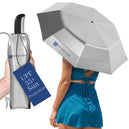
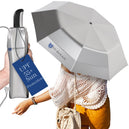
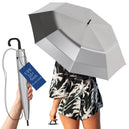
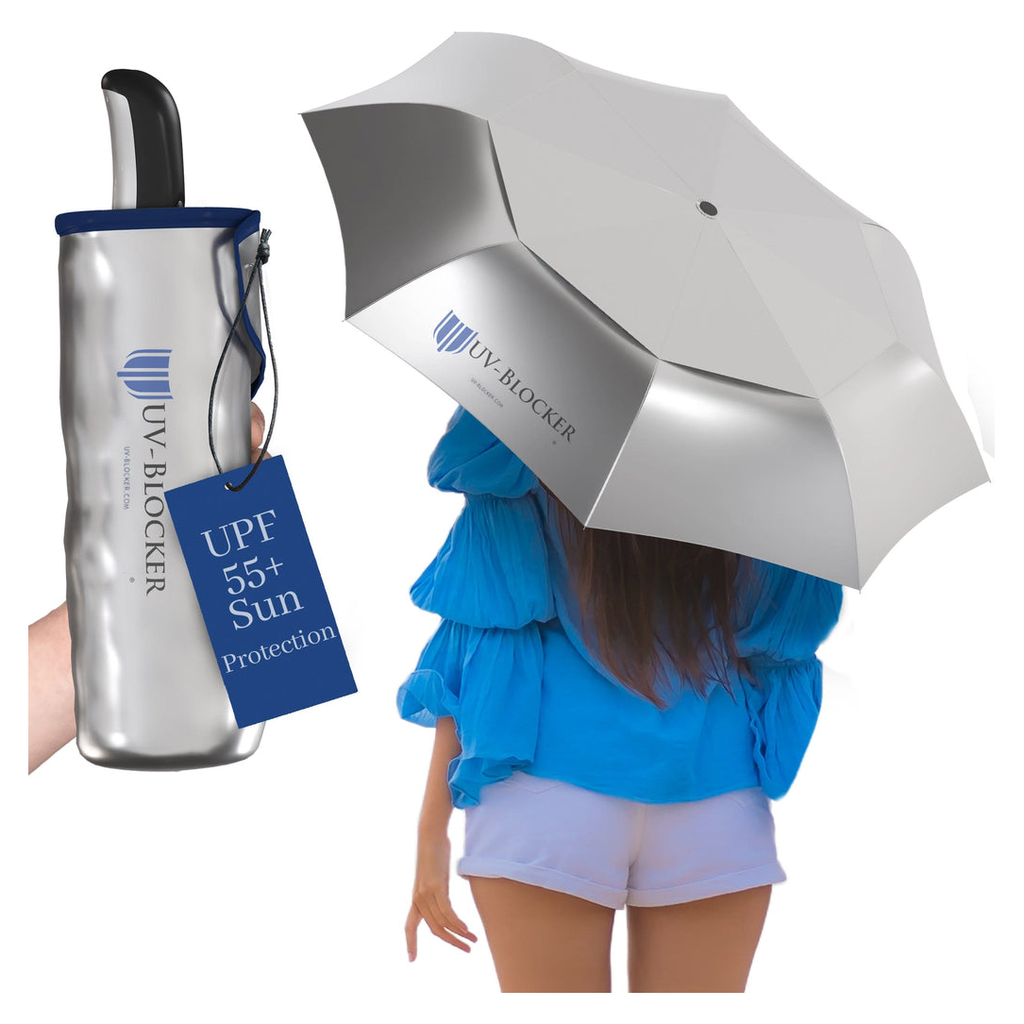
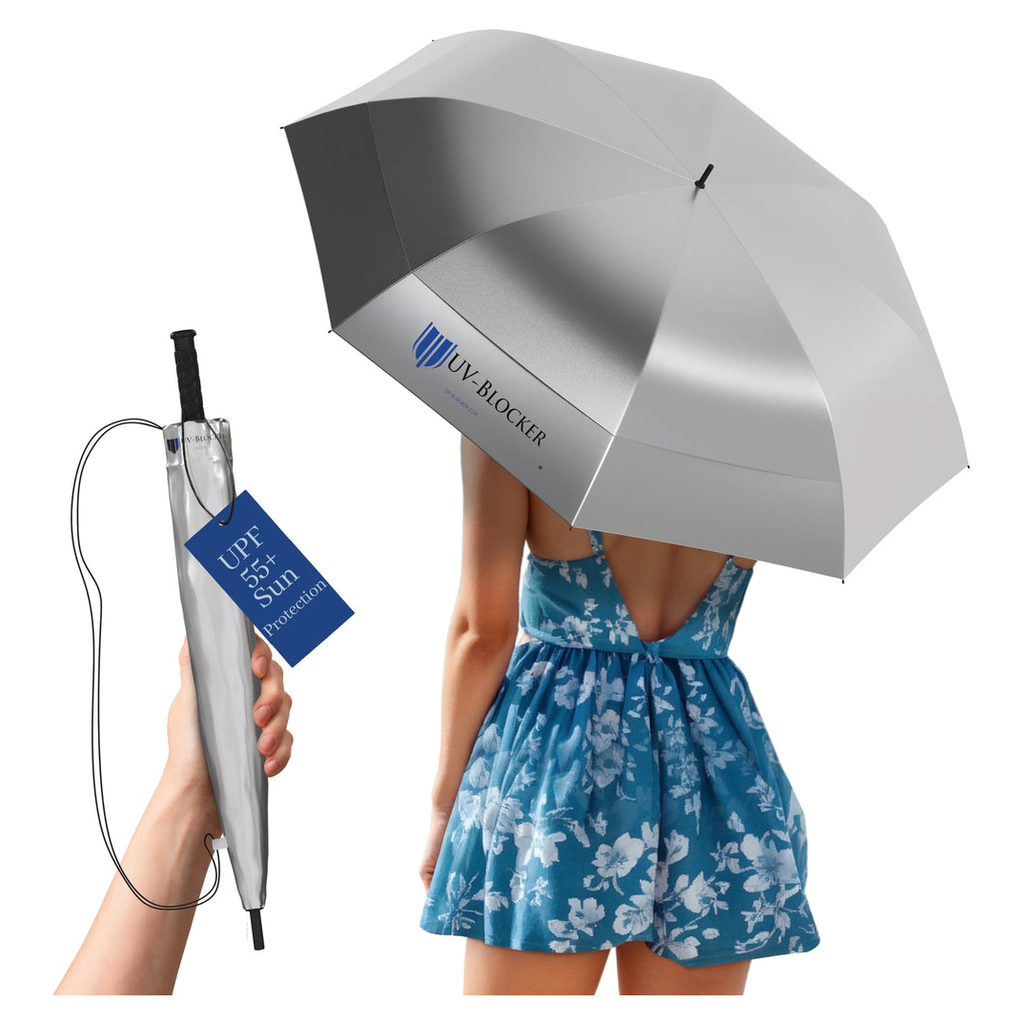
- Instant, Portable Shade: A UV-Blocker UPF 50+ umbrella offers immediate and robust protection from direct sun. Our patented Solarteck® fabric is designed to block 99% of UVA and UVB rays, far exceeding standard umbrellas.
- MIF-Approved: UV-Blocker umbrellas are approved by the Melanoma International Foundation (MIF), signifying their exceptional protective capabilities.
- Superior to Sunscreen: Provides consistent, physical barrier protection that doesn't need reapplication, making it highly effective for medication-induced sun sensitivity.
5. Protect Your Eyes:
Don't forget your eyes, which are also vulnerable to UV damage. Wear sunglasses that block 99-100% of both UVA and UVB rays.
By combining these strategies, you create a robust defense system against the increased sun sensitivity caused by Bactrim, allowing you to focus on your recovery without the added stress of a painful sunburn.
UV-Blocker Compact Umbrella for Medication Sun Sensitivity
For individuals navigating medication-induced sun sensitivity, such as that caused by Bactrim, traditional sun protection methods often fall short. Sunscreen requires frequent reapplication and can be irritating to already sensitive skin, while finding adequate shade isn't always feasible. This is precisely where a UV-Blocker compact umbrella offers a critical, reliable, and superior solution.
Unrivaled UPF 50+ Protection:
Every UV-Blocker umbrella is engineered with our patented Solarteck® fabric, meticulously designed to achieve a UPF 50+ rating. This means it physically blocks an astounding 99% of both UVA and UVB rays. While typical umbrellas might offer minimal protection (equivalent to UPF 3-5), a UV-Blocker umbrella provides a comprehensive, impenetrable barrier against the sun's harmful radiation. For someone with Bactrim photosensitivity, this level of consistent protection is paramount, as even small amounts of UV exposure can trigger a severe reaction.
The Advantage of Solarteck® Technology:
Solarteck® is more than just a fabric; it's a commitment to superior sun safety. This innovative material reflects heat and blocks UV radiation, creating a noticeably cooler zone beneath the canopy. This cooling effect is particularly beneficial when medications like Bactrim can make your skin feel extra sensitive to heat and light. The durable, lightweight construction ensures that this high level of protection is always at your fingertips.
MIF-Approved for Your Peace of Mind:
UV-Blocker umbrellas proudly carry the seal of approval from the Melanoma International Foundation (MIF). This endorsement is a testament to our products' efficacy and our dedication to preventing skin damage. For melanoma survivor Ron Walker, our founder, ensuring effective and accessible sun protection is a personal mission. This approval provides an independent verification that our umbrellas meet stringent standards for UV protection, giving you confidence in your defense against sun-induced burns.
Portable, Practical, and Immediate Relief:
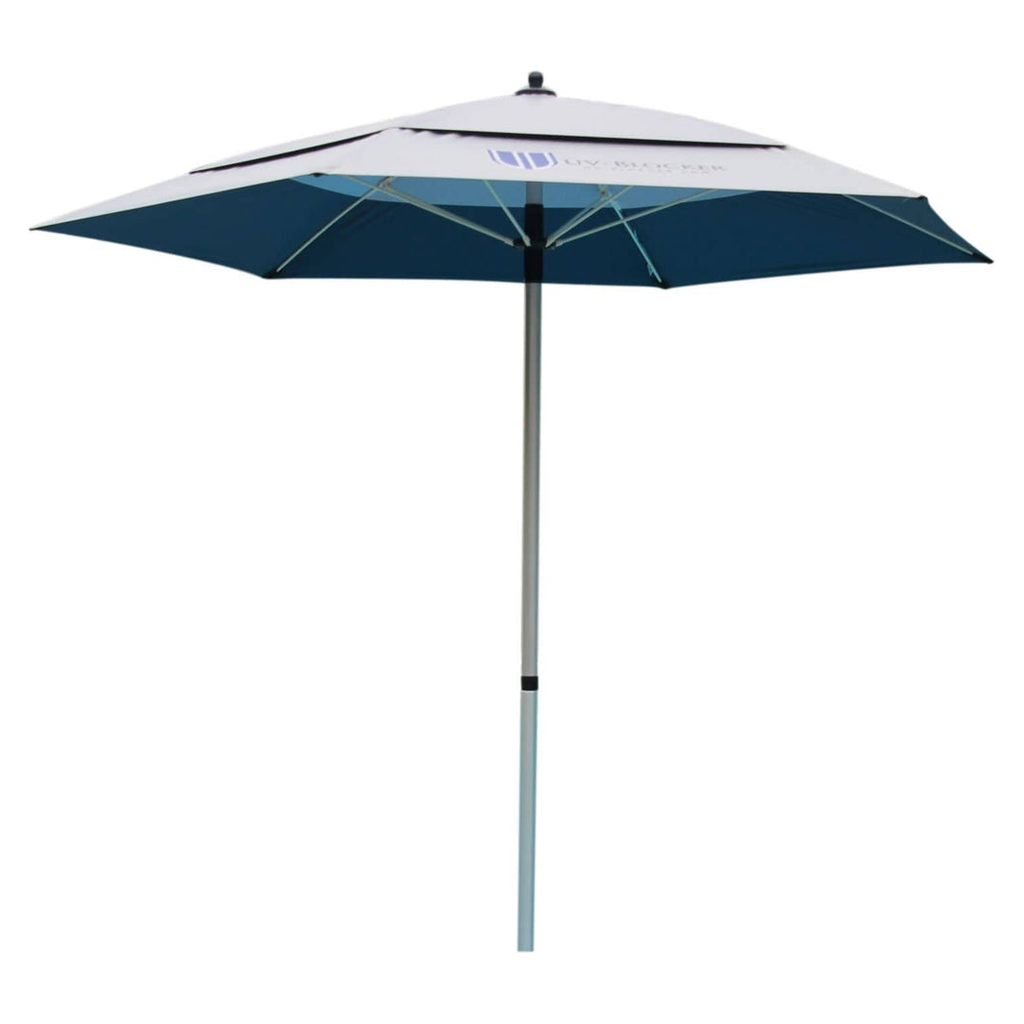
The compact design of UV-Blocker umbrellas makes them an ideal companion for anyone undergoing photosensitizing treatment. They easily fit into bags, backpacks, or purses, ensuring that instant, comprehensive shade is always available. Whether you're walking from your car, waiting for public transport, or simply stepping outside, deployment is quick and effortless. This immediate protection fills a crucial gap, especially when unexpected sun exposure is a risk and other forms of protection might be less practical or less effective. When your skin's UV tolerance is compromised by medication, having a reliable, portable shield like a UV-Blocker umbrella is not just a convenience—it's a necessity for safeguarding your health.
Frequently Asked Questions About Bactrim Sun Sensitivity
Frequently Asked Questions
Can I still go outside if I'm taking Bactrim?
Yes, you can go outside while taking Bactrim, but only with extreme and diligent sun protection measures in place. This includes seeking shade whenever possible, wearing UPF 50+ sun-protective clothing, applying broad-spectrum SPF 30+ sunscreen generously, and crucially, using a UV-blocking umbrella like those from UV-Blocker. Minimize your time outdoors, especially during peak UV hours (10 AM to 4 PM), and be aware that even incidental exposure can cause a severe reaction.
Is a cloudy day safe when taking Bactrim?
No, a cloudy day is NOT safe when taking Bactrim. Clouds can block some sunlight, but they do not block all UV radiation. Up to 80% of UV rays can penetrate light cloud cover, and some cloud formations can even scatter UV light, potentially increasing exposure. Your skin will still be highly sensitive to UV, meaning you must maintain full sun protection on cloudy days, just as you would on a clear, sunny day.
What if I accidentally get a severe sunburn while on Bactrim?
If you experience a severe sunburn, especially with blistering, while taking Bactrim, you should seek medical attention promptly. Severe burns can lead to pain, infection, dehydration, and potentially require specialized wound care. Your doctor can assess the severity, recommend appropriate treatment (such as topical creams, pain relief, or antibiotics if infection is present), and advise on further sun protection strategies during your treatment course. Do not attempt to pop blisters, as this can increase the risk of infection.
Does Bactrim sun sensitivity increase my risk of skin cancer?
While Bactrim itself doesn't directly cause skin cancer, the severe phototoxic reactions it induces significantly increase the amount of DNA damage in your skin cells from UV exposure. Repeated episodes of severe sunburn and cumulative UV damage are well-established risk factors for all types of skin cancer, including melanoma. Therefore, by making your skin much more vulnerable to burning and damage, Bactrim indirectly elevates your long-term skin cancer risk if adequate sun protection is not rigorously maintained during and after treatment. This is a primary reason why protecting your skin is so vital.
Are there any alternatives to Bactrim that don't cause sun sensitivity?
There are many antibiotics available, and some may have a lower or negligible risk of sun sensitivity compared to Bactrim. However, the choice of antibiotic depends on the specific infection being treated, bacterial resistance patterns, and individual patient factors. It is crucial to discuss this with your prescribing doctor. Do not stop taking Bactrim or switch to another medication without your doctor's guidance. If sun sensitivity is a major concern, your doctor can assess if an alternative is appropriate for your condition.
How does a UV-Blocker umbrella help specifically with Bactrim sun sensitivity?
A UV-Blocker umbrella offers immediate, portable, and comprehensive protection crucial for Bactrim sun sensitivity. Its UPF 50+ Solarteck® fabric blocks 99% of both UVA and UVB rays, creating a complete physical barrier against the broad-spectrum UV that Bactrim makes your skin reactive to. Unlike sunscreen, it requires no reapplication and provides consistent shade, drastically reducing your risk of a phototoxic burn, especially when no natural shade is available. It's an indispensable tool for maintaining mobility and safety outdoors while undergoing treatment.
Conclusion
Bactrim sun sensitivity is a serious and often underestimated side effect that demands rigorous attention to sun protection. As a powerful phototoxic agent, sulfamethoxazole in Bactrim drastically lowers your skin's tolerance to UV radiation, making severe burns a real and present danger from the very first dose through several days post-treatment. Understanding that this reaction is phototoxic, not allergic, and spans both UVA and UVB wavelengths is key to effective prevention.
Proactive, multi-layered defense is not merely recommended—it is essential. This includes aggressively seeking shade, consistently wearing UPF 50+ sun-protective clothing, applying broad-spectrum SPF 30+ sunscreen, and critically, utilizing a high-performance UV protection umbrella. For unparalleled safety and peace of mind, a UV-Blocker compact umbrella, with its patented Solarteck® UPF 50+ fabric and MIF-approval, provides an instant, portable, and highly effective shield against the sun's damaging rays. As Ron Walker, our founder and a melanoma survivor, often reminds us, safeguarding your skin is a lifelong commitment, but during a course of Bactrim, it becomes an immediate and critical priority. Stay informed, stay protected, and prioritize your skin health during this vulnerable period.
Frequently Asked Questions: Bactrim and Sun Sensitivity
How long does Bactrim sun sensitivity last after stopping the antibiotic?
Photosensitivity from Bactrim (sulfamethoxazole/trimethoprim) typically resolves within 1–2 weeks after completing your course. During treatment, sun protection is non-negotiable. Persistent skin reactions after stopping warrant a dermatology consultation.
Can Bactrim cause a severe sunburn after just minutes outdoors?
Yes. Bactrim is among the antibiotics most strongly associated with phototoxic reactions. Even 10–15 minutes of midday sun exposure can produce a severe burn-like response in sensitive patients. Shade and protective clothing are essential throughout treatment.
What are the warning signs of a phototoxic Bactrim reaction?
Look for intense redness, burning, or blistering in sun-exposed areas that appears within hours of sun exposure. Blistering or skin that 'weeps' requires immediate medical attention, as it may indicate a serious photosensitivity reaction.
Should I cancel outdoor activities while on Bactrim?
You don't have to cancel — but you must plan carefully. Schedule outdoor time before 10 a.m. or after 4 p.m., wear a UPF 50+ umbrella and long sleeves, and apply SPF 50+ sunscreen to all exposed skin. Monitor your skin closely each day.
Sun Safety in Australia
Australia has some of the highest UV radiation levels in the world, with the UV Index regularly reaching extreme levels (11 or above) in cities such as Sydney, Melbourne, Brisbane, Perth, and Adelaide for much of the year — including on overcast days. The Cancer Council Australia reports that approximately two in three Australians will be diagnosed with some form of skin cancer by age 70, making sun protection a national health priority.
Key resources and guidelines for Australian sun safety:
- SunSmart Program (Cancer Council Australia): The SunSmart UV Alert is broadcast daily and recommends sun protection whenever the UV Index reaches 3 or above. In most Australian cities, this threshold is met every day of the year, including winter months in northern regions.
- ARPANSA (Australian Radiation Protection and Nuclear Safety Agency): Provides real-time UV monitoring at stations across all states and territories. Australians can access current UV levels at arpansa.gov.au.
- Safe Work Australia — UV Radiation as an Occupational Hazard: Australian workplace health and safety legislation requires employers to assess and manage UV radiation exposure for outdoor workers. Physical shade, including umbrellas rated UPF 50+, is recognised as a primary engineering control under these regulations.
A UPF 50+ UV-blocking umbrella provides the consistent, continuous shade protection that is essential under Australia's intense sun. The UV-Blocker umbrella, with its patented Solarteck® reflective coating, blocks 99% of UV rays and reduces perceived temperature by up to 15°F — a meaningful advantage for outdoor activities in Australia's climate. It is the only umbrella of its kind approved by the Melanoma International Foundation.
Frequently Asked Questions
Does Bactrim really make skin more sensitive to sunlight?
Yes. Bactrim belongs to a class of medications that can trigger photosensitivity reactions in a subset of patients. This can cause sunburn-like reactions with minimal UV exposure, or trigger phototoxic skin rashes. The reaction severity varies by individual, dosage, and UV intensity. Always review your medication guide and consult your prescribing physician if you notice unusual skin reactions in sunlight.
What SPF should I use if I take this medication?
Dermatologists generally recommend SPF 30+ broad-spectrum sunscreen for patients on photosensitizing medications, with reapplication every 2 hours. However, sunscreen alone isn't sufficient for high UV exposure. Combining sunscreen with physical barriers — UPF 50+ clothing, wide-brim hats, and UV-blocking umbrellas — provides the most reliable protection. UV-Blocker's UPF 50+ umbrellas block 99% of UVA and UVB rays.
Can I still go outdoors while taking this medication?
Absolutely. Most patients can continue outdoor activities with appropriate precautions: avoid peak UV hours (10am–4pm), wear protective clothing, use SPF 30+ sunscreen, and use shade whenever possible. A portable UV-blocking umbrella offers hands-free shade wherever you go, making it a practical solution for patients who need consistent sun avoidance.
How long after stopping the medication until sun sensitivity resolves?
Photosensitivity typically resolves within days to weeks after discontinuing the medication, depending on the drug's half-life and your individual metabolism. Some medications with long half-lives may cause sensitivity for weeks. Continue sun protection until your doctor confirms it's safe to reduce precautions.
What are the signs of a phototoxic reaction vs. a photoallergic reaction?
Phototoxic reactions look like severe, rapid sunburn — they appear within hours of UV exposure and are dose-dependent. Photoallergic reactions involve an immune response, can spread beyond sun-exposed areas, and may appear days later. Both require prompt sun avoidance. See your dermatologist for diagnosis and management.
Sun Safety Essentials for Patients on Photosensitizing Medications
- Keep a UV index app on your phone and avoid going outdoors when the index exceeds 6 without full protection
- Wear UPF 50+ sun-protective clothing on arms and legs, not just sunscreen
- Carry a portable UV-blocking umbrella for shade on demand — especially effective during outdoor commutes, sporting events, or waiting outdoors
- Apply sunscreen to the back of hands and tops of feet — commonly missed areas that receive direct UV
- Inform your pharmacist about all medications you take so they can flag photosensitizing combinations
- Request a window film UV assessment if you drive frequently — car windows block UVB but not all UVA