

TLDR:
- Hydroxychloroquine (Plaquenil) is both protective against UV-triggered lupus flares AND a cause of skin reactions in up to 26% of patients
- Skin rash occurs in roughly 10% of HCQ users, while blue-grey pigmentation develops in 10-30% over time
- An Oxford Academic study of 316 patients found that daily sun exposure over one hour actually correlated with lower pigmentation risk
- Between 40% and 70% of lupus patients are photosensitive regardless of HCQ, making it hard to pinpoint the drug as the cause
- Layered physical UV protection (mineral sunscreen, UPF 50+ umbrella, indoor UV awareness) addresses all three reaction types
- Never stop hydroxychloroquine without medical guidance, even if a skin reaction is suspected
A drug prescribed specifically to protect against sun-triggered flares that itself makes some patients more sun-sensitive. That's the hydroxychloroquine sun sensitivity paradox facing over 5 million Americans who take Plaquenil for lupus and other autoimmune conditions.
Patient forums overflow with contradictory advice. The Lupus Foundation of America calls HCQ "protective." Drug information databases list it as "photosensitizing." Meanwhile, patients report burning faster since starting the medication. Nobody seems to agree.
The problem isn't that one side is wrong. It's that both are right. Here's what the clinical data actually shows, a decision tree for telling flares from drug reactions, and a layered protection protocol that works regardless of which reaction is happening.
Does Hydroxychloroquine Actually Cause Sun Sensitivity?
Hydroxychloroquine is broadly photoprotective for lupus at the disease level but causes skin reactions including pigmentation changes in up to 26% of patients taking the drug long-term.
That sentence captures the entire paradox. HCQ works by dampening the immune cascade that UV light triggers in lupus. When ultraviolet radiation hits the skin of someone with systemic lupus erythematosus, it doesn't just cause sunburn. It sets off an autoimmune chain reaction that can attack joints, kidneys, and other organs. HCQ interrupts that chain. That's the "protective" mechanism, and it's genuine.
But HCQ also acts directly on skin tissue. About 10% of users develop a skin rash, most commonly a morbilliform (measles-like) or psoriasiform pattern, according to DermNet and GoodRx. These rashes typically emerge within the first four weeks of treatment.
The pigmentation story is more striking. A 2025 study published in Rheumatology (Oxford Academic) examined 316 patients with rheumatic diseases and found a 26.3% prevalence of HCQ-induced hyperpigmentation. The face was the most commonly affected site at 60.2%, followed by the lower limbs at 36.1%. The median onset was 12 months of treatment. And 94% of affected patients were women.
One finding from that same study challenges conventional thinking entirely. Patients who spent more than one hour per day in the sun actually had a lower risk of HCQ pigmentation (odds ratio 0.431, p=0.023). This doesn't mean lupus patients should seek out more sun exposure. But it does suggest the relationship between HCQ, UV, and skin changes is more complex than "drug plus sun equals damage."
Here's an honest gap in the literature: no published incidence rate exists for HCQ-specific phototoxic or photoallergic reactions. The rash and pigmentation numbers are documented. The specific photosensitivity reaction rate is not. That gap matters, and patients deserve to know it exists.
For a broader look at medications that cause sun sensitivity, UV-Blocker's medication hub covers dozens of common prescriptions and their sun-related side effects.
| Side Effect | Approximate Incidence | Source |
|---|---|---|
| Skin rash (morbilliform/psoriasiform) | ~10% of users | DermNet, GoodRx |
| Blue-grey skin pigmentation | 10-30% of long-term users | CMAJ, Oxford Academic |
| HCQ-induced hyperpigmentation (study) | 26.3% (n=316) | Yin et al., Rheumatology 2025 |
| Phototoxic/photoallergic reactions | No published incidence rate | Literature gap |
| Lupus baseline photosensitivity | 40-70% regardless of HCQ | Lupus Foundation of America |
How Can You Tell a Lupus Flare From a Drug Reaction or Sunburn?
Lupus flares follow butterfly patterns with systemic symptoms over days, drug reactions appear after dose changes in unusual locations, and sunburn tracks sun-exposed areas within hours.
Getting this distinction right matters because each requires a different response. Treating a drug reaction like a lupus flare (or vice versa) delays proper management and adds unnecessary anxiety.

Lupus Flare Rash
The classic butterfly rash spreads across both cheeks and the bridge of the nose. It develops over days, not hours. Fatigue, joint pain, and low-grade fever often accompany it. The rash worsens with continued UV exposure but is fundamentally an immune-system event, not a skin-surface reaction.
HCQ Drug Reaction
Drug reactions after hydroxychloroquine changes tend to show up in locations that differ from the patient's usual flare pattern. That's the clinical clue. If someone always flares across the cheeks but develops a rash on the forearms after a dose increase, that's worth flagging. The blue-grey pigmentation associated with long-term HCQ use is a separate issue entirely. It develops slowly over months, most commonly on the face and shins, and looks distinctly different from both a flare and a sunburn.
Sunburn
Sunburn follows sun-exposed areas with sharp clothing lines. It appears within hours of exposure, peaks at 24-48 hours, and involves no systemic symptoms like fatigue or joint pain.
Who to Call
- Rheumatologist: suspected flare or drug reaction (medication adjustment may be needed)
- Dermatologist: persistent blue-grey pigmentation or unusual skin lesions
- Emergency care: severe blistering, systemic reaction, or signs of Stevens-Johnson syndrome
For more on the triggers that cause lupus-specific sun reactions, see this guide on lupus sun flare triggers.
Why Does Lupus Photosensitivity Make HCQ Side Effects Harder to Identify?
Between 40% and 70% of lupus patients experience photosensitivity regardless of HCQ, making it difficult to attribute new sun reactions specifically to the medication.
That statistic, from the Lupus Foundation of America, reframes the entire conversation. Most lupus patients were already sun-sensitive before they ever took their first hydroxychloroquine pill. When HCQ adds its own dermatologic effects on top of that pre-existing sensitivity, separating cause from coincidence becomes a genuine clinical challenge.
This overlap explains why patient communities are full of reports like "I'm burning faster since starting Plaquenil." That experience may be real. But is it the drug? The disease progressing? The cumulative UV damage from years of living with lupus? Or simply heightened awareness after a diagnosis?
Even rheumatologists struggle with this attribution problem. No study has cleanly isolated HCQ-specific phototoxicity from lupus-baseline photosensitivity. Until that research exists, patients are left managing an ambiguity that's baked into the biology.
The practical takeaway: don't try to figure out the exact cause before taking action. Protect the skin against all three possibilities simultaneously, and let the rheumatologist sort out attribution at the next appointment.
What Is the Best Sun Protection Protocol for HCQ Patients?
HCQ patients benefit from layered protection: mineral sunscreen as the base, UPF 50+ clothing and umbrellas as the zero-chemical layer, and indoor UV awareness for glass and lighting.

Layer 1: Mineral Sunscreen
Zinc oxide and titanium dioxide sunscreens sit on the skin's surface and physically reflect UV rays. They don't absorb into the tissue the way chemical filters like oxybenzone and avobenzone do. For lupus patients with already-sensitized skin, that distinction matters. Chemical sunscreens undergo photochemical reactions within the skin that can trigger contact dermatitis in people with autoimmune-related skin sensitivity.
Look for mineral formulas with at least 15% zinc oxide for broad-spectrum coverage. Apply every two hours during outdoor exposure, and more frequently if sweating.
Layer 2: Physical UV Barriers
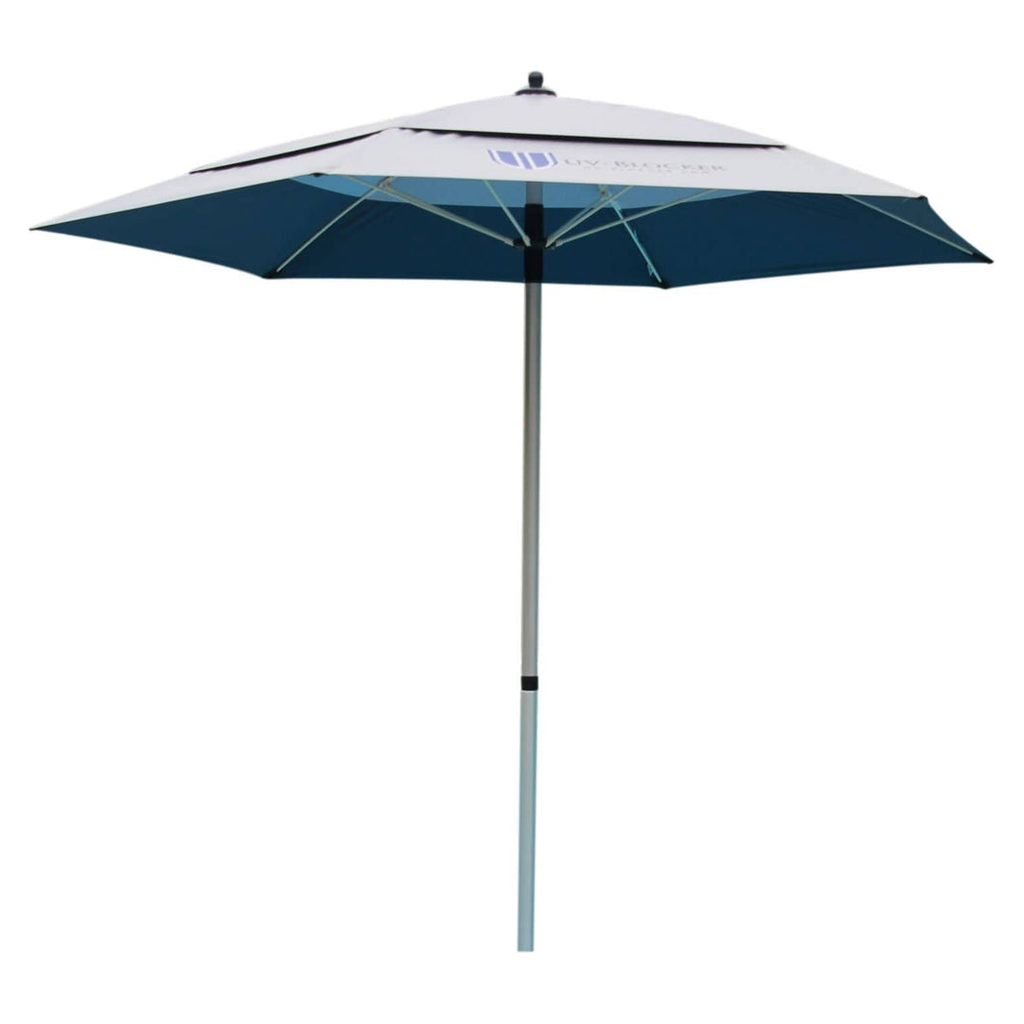
A UPF 50+ umbrella eliminates the sunscreen gap entirely. There's no chemical interaction with sensitized skin, no reapplication schedule, and no SPF degradation over time. For someone navigating both lupus photosensitivity and HCQ side effects, a physical barrier that blocks 99% of UV radiation without touching the skin is the simplest layer to add.
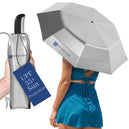
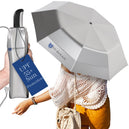
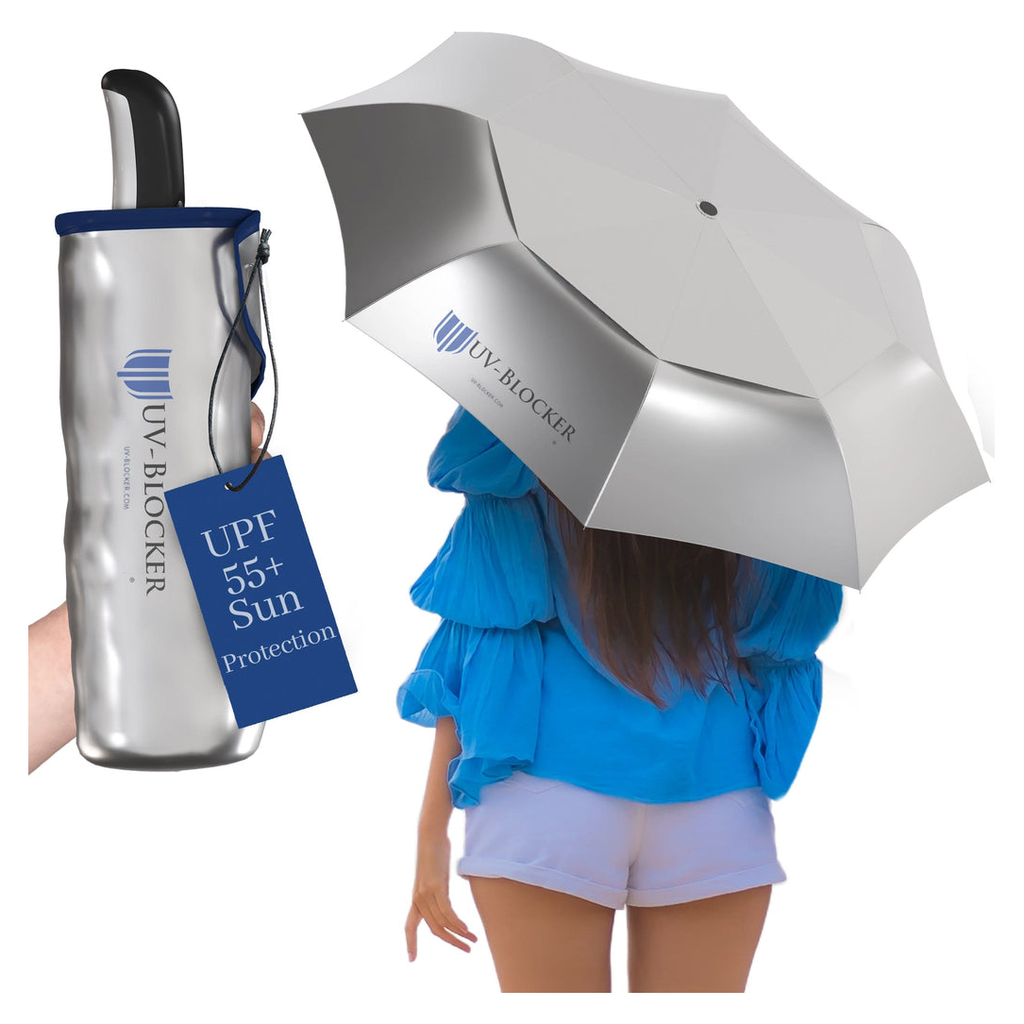
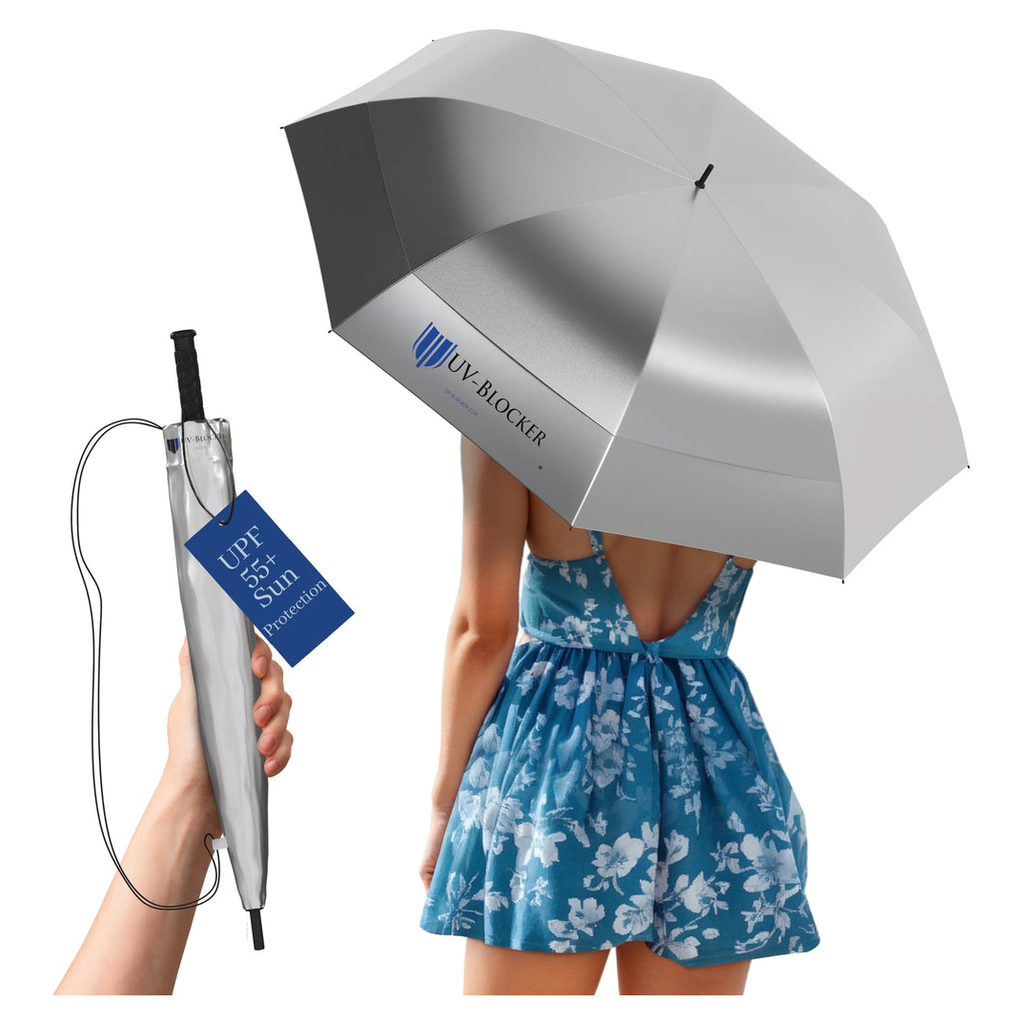
The UV-Blocker Compact Umbrella uses a patented Solarteck silver reflective coating that blocks both UVA and UVB while keeping the temperature underneath about 15 degrees cooler than direct sun. For lupus patients specifically, the best UV umbrella for lupus guide compares options by coverage area and portability. Wide-brim hats and UPF-rated clothing round out this layer. A sunscreen alternative approach using physical barriers works well for patients who react to both chemical and mineral formulas.
Layer 3: Indoor UV Awareness
UVA radiation penetrates standard window glass. Fluorescent and halogen lighting emit measurable UV. For someone on HCQ with lupus photosensitivity, this means the office, the car, and even the living room can contribute to cumulative UV exposure. Window film rated to block UV (available at most auto and home improvement stores) is an inexpensive fix. Sitting away from unfiltered windows during peak hours adds another small buffer.
Timing Consideration
The first four weeks after starting HCQ and any dose adjustment period carry the highest risk for new skin reactions. Extra sun vigilance during these windows makes sense even for patients who've tolerated the drug well at previous doses.
What Should You Do If You React to Sun on Hydroxychloroquine?
Never stop hydroxychloroquine without medical guidance. Contact the prescribing rheumatologist, document the reaction with photos and a timeline, and add physical UV barriers right away.
This deserves emphasis: the drug causing the skin reaction is also preventing something much worse. Abrupt HCQ discontinuation can trigger severe lupus flares affecting the kidneys, heart, and central nervous system. The treatment benefit almost always outweighs the dermatologic side effect.
Step-by-Step Response Protocol
- Contact the rheumatologist first. Describe the reaction, timing relative to dose changes, and whether it appears in the same location as previous flares or somewhere new.
- Document everything. Take a photo with a timestamp. Note all current medications (not just HCQ). Log recent sun exposure. Record when the reaction started relative to the last dose change.
- Switch sunscreen type. If using chemical, try mineral. If already on mineral, check the zinc oxide percentage. Below 15% may not provide adequate coverage for lupus-sensitized skin.
- Add physical UV barriers immediately. A UPF 50+ umbrella like the UV-Blocker Travel Umbrella, wide-brim hat, and sun-protective sleeves provide coverage while the cause is being evaluated.
- Request a dermatology referral if the reaction involves persistent blue-grey pigmentation. This requires different evaluation and management than an acute rash.
Many lupus patients take HCQ alongside other photosensitizing medications. If the regimen includes methotrexate or prednisone, the combined photosensitivity risk is higher and worth discussing with the care team.
The complete lupus sun protection guide covers the full spectrum of protection strategies for autoimmune patients who need reliable UV defense every day.
Frequently Asked Questions About Hydroxychloroquine and Sun Sensitivity
These are the most common questions lupus patients and caregivers ask about hydroxychloroquine sun sensitivity, answered with the latest clinical evidence.
Does Plaquenil make you more sensitive to the sun?
Plaquenil causes skin rash in about 10% of users and pigmentation changes in up to 26% but also protects against UV-triggered lupus flares at the disease level.
The paradox is that HCQ is both protective (autoimmune) and sensitizing (dermatologic). Most patients benefit from HCQ's flare prevention while managing the skin side effects with physical sun protection like a UPF 50+ umbrella and mineral sunscreen.
Can you go in the sun while taking hydroxychloroquine?
Yes, with proper layered protection including mineral sunscreen, UPF 50+ clothing or umbrella, and awareness of peak UV hours between 10am and 4pm.
The Oxford Academic study actually found that more than one hour of daily sun exposure was associated with lower rates of HCQ pigmentation. Moderate, protected sun exposure is not contraindicated for most patients on hydroxychloroquine.
Should I use mineral or chemical sunscreen with lupus?
Mineral sunscreen with zinc oxide or titanium dioxide is preferred for lupus patients because it sits on the skin surface rather than absorbing into sensitized tissue.
Chemical sunscreens undergo photochemical reactions within the skin that can trigger contact dermatitis in patients with autoimmune-related sensitivity. For patients who react to both sunscreen types, a UPF 50+ umbrella provides equivalent UV protection with zero chemical contact.
How do I know if my rash is a lupus flare or a drug reaction?
Lupus flares follow butterfly patterns across cheeks with systemic symptoms over days, while HCQ drug reactions appear after dose changes in locations that differ from the usual flare pattern.
Take photos, note the timing relative to any medication changes, and bring this documentation to the next rheumatology appointment. The distinction often requires clinical evaluation, but pattern and timing are the two most useful clues.
Does hydroxychloroquine protect against sun damage?
Hydroxychloroquine protects against UV-triggered autoimmune flares by dampening the immune cascade, but it does not protect the skin itself from UV radiation damage like sunburn or photoaging.
Think of HCQ as protecting against the immune overreaction to UV, not protecting against the UV itself. Physical barriers like sunscreen, UPF clothing, and umbrellas remain necessary for direct skin-level UV protection.
The Bottom Line on Hydroxychloroquine Sun Sensitivity
The hydroxychloroquine paradox has a clear resolution: both the protection and the sensitization are real, and neither cancels out the other.
- 26.3% of HCQ patients develop pigmentation changes, but the drug's flare prevention benefit typically outweighs this dermatologic risk
- 40-70% of lupus patients are photosensitive regardless of HCQ, which means attribution is often uncertain
- Layered physical protection addresses all three reaction types (flare, drug reaction, sunburn) simultaneously, removing the need to identify the cause before acting
- Never stop HCQ without medical guidance, even if a skin reaction is suspected. The risk of a lupus flare from abrupt discontinuation is more dangerous than the skin side effect.
Ron Walker founded UV-Blocker after his own Stage 1 melanoma diagnosis. He understands the anxiety that comes with navigating medication side effects alongside sun protection. For lupus patients on hydroxychloroquine, the path forward is the same one that serves melanoma survivors: layer protection, don't rely on any single method, and keep living.
A UPF 50+ umbrella is the simplest addition to any protection routine. No chemicals, no reapplication, and coverage that sunscreen alone can't match. Start there.
Hydroxychloroquine and UV Exposure: A Lupus-Specific Management Protocol
For lupus patients on hydroxychloroquine (HCQ), sun protection isn't a cosmetic concern — it's disease management. UV exposure can trigger lupus flares independently of HCQ's side effects, creating a layered risk that requires a more rigorous approach than standard sun-safety advice.
How UV Triggers Lupus Flares (Independent of Medication)
UV radiation — particularly UV-B at 280–315 nm — triggers apoptosis (cell death) in keratinocytes. In lupus patients, the immune system abnormally recognizes these apoptotic cells as foreign antigens, triggering a systemic inflammatory response. This is the mechanism behind both skin rashes and systemic flares after sun exposure — and it occurs regardless of whether the patient is taking HCQ.
HCQ's Photoprotective Role (and Its Limits)
Hydroxychloroquine actually reduces UV-triggered lupus flares by suppressing the innate immune response to UV-induced apoptotic cells. However, HCQ itself can cause drug-induced photosensitivity in approximately 3–5% of patients — presenting as a rash in sun-exposed areas within hours of exposure. This creates diagnostic confusion that requires clinical evaluation to distinguish a lupus flare from a drug reaction.
Recommended UV Protection Protocol for HCQ Patients
- Broad-spectrum SPF 50+ sunscreen applied every 90 minutes (not just at application)
- UPF 50+ clothing covering arms and legs for any outdoor activity exceeding 15 minutes
- Physical shade (UPF 50+ umbrella) as primary protection — blocks UV before skin contact, reducing both flare risk and medication side effects
- UV-blocking window film for vehicles (side windows transmit significant UV-A)
- Track UV exposure in a symptom diary to identify personal threshold
UV-Blocker's compact UPF 50+ umbrellas are specifically used by lupus patients due to the on-demand portability — providing medical-grade shade at beach, park, or school pickup without advance planning.
Ready for Real UV Protection?
UV-Blocker umbrellas block 99%+ of UV rays, keep you up to 15°F cooler, and carry the only Melanoma International Foundation approval of any umbrella. Dermatologist-recommended. Loved by melanoma survivors, outdoor workers, and sun-sensitive individuals worldwide.
Shop UV-Blocker Umbrellas →Sun Safety in Canada
Canada experiences meaningful UV exposure throughout the year, with UV Index levels regularly reaching 8–10 or higher during summer months in cities such as Vancouver, Calgary, Toronto, and Ottawa. Health Canada and Environment and Climate Change Canada publish daily UV Index forecasts and recommend protective measures whenever the index exceeds 3 — a threshold reached on most clear days between May and August across the country.
Key resources for Canadian sun safety:
- Health Canada UV Index: Published daily via the Environment and Climate Change Canada weather portal (weather.gc.ca). Canadians can track UV levels by city and receive alerts when protection is recommended.
- Canadian Cancer Society: Recommends UPF 50+ clothing, hats, sunscreen, and shade-seeking as primary sun protection strategies. Physical UV barriers — such as UPF 50+ umbrellas — are emphasized for prolonged outdoor exposure.
- Canadian Dermatology Association: Endorses broad-spectrum sun protection strategies, including shade structures and UV-blocking accessories, especially for individuals with fair skin or a personal or family history of skin cancer.
For Canadians spending extended time outdoors — whether working, playing sports, or enjoying recreational activities — a UV-blocking umbrella rated UPF 50+ provides continuous, reapplication-free protection. The UV-Blocker umbrella, independently tested and approved by the Melanoma International Foundation, blocks 99% of UV rays and keeps users up to 15°F cooler — making it a practical and reliable companion for Canadian summers.
Why a UPF 50+ Umbrella Is One of the Most Effective Sun Protection Tools Available
Dermatologists and sun safety experts consistently recommend a layered approach to UV protection — and physical shading consistently ranks as the most reliable single strategy. Unlike sunscreen, which requires reapplication every two hours and is frequently applied in insufficient amounts, a UPF 50+ umbrella delivers continuous, consistent UV blocking without any maintenance.
The UV-Blocker umbrella is independently tested to the AATCC TM183-2020 standard, blocking 100% of UV-B rays and 99.97% of UV-A rays. Key features include:
- Solarteck® reflective coating: The silver exterior reflects solar radiation rather than absorbing it, keeping the space beneath the umbrella up to 15°F cooler than the ambient temperature.
- Wind-resistant design: Engineered to withstand wind speeds encountered in outdoor and sporting environments.
- Melanoma International Foundation approved: The only UV-blocking umbrella — and the only golf umbrella — to receive approval from the Melanoma International Foundation.
- Dermatologist recommended: Endorsed by dermatologists as an effective primary sun protection tool, particularly for individuals with photosensitive skin conditions, post-treatment skin, or a history of skin cancer.
Whether you are at the beach, on a job site, watching outdoor sports, or managing a medication that increases sun sensitivity, consistent use of a high-quality UV-blocking umbrella is one of the most practical and reliable sun protection investments available.
Frequently Asked Questions About Hydroxychloroquine and Sun Sensitivity
Why does hydroxychloroquine cause sun sensitivity?
Hydroxychloroquine (Plaquenil) concentrates in the skin over time and can act as a photosensitizer — it absorbs UV energy and triggers localized inflammatory reactions. For lupus patients specifically, sun exposure can also directly activate immune pathways that drive disease flares, making UV protection doubly important. The photosensitizing effect compounds the baseline sun sensitivity that many lupus and rheumatoid arthritis patients already experience.
How long does sun sensitivity last after stopping hydroxychloroquine?
Hydroxychloroquine has an exceptionally long half-life of approximately 40–50 days and accumulates heavily in skin, retinal, and other tissues over months of use. Because of this prolonged tissue retention, sun sensitivity may persist for weeks to several months after you stop taking the medication. Patients who have been on hydroxychloroquine long-term should not assume their UV risk disappears immediately upon discontinuation — continue protective measures and discuss timeline expectations with your rheumatologist.
What type of UV radiation most affects hydroxychloroquine users — UVA or UVB?
Both UVA and UVB are relevant, but UVA is particularly concerning for hydroxychloroquine users. UVA radiation penetrates deeper into skin layers where the drug accumulates, is present at consistent levels year-round (not just in summer), and — critically — passes through window glass, meaning exposure happens indoors near windows and in cars. UVB causes surface burning but is more easily blocked. A broad-spectrum protective approach that guards against both wavelengths is essential; look for products tested against both UVA and UVB, such as UPF 50+ umbrellas certified under AATCC TM183.
Can lupus patients on hydroxychloroquine use UV-protective umbrellas?
Yes — and UV-protective umbrellas are often the most practical option for lupus patients on hydroxychloroquine. Unlike sunscreen, a UPF 50+ umbrella requires no reapplication, creates no skin contact that could irritate photosensitive skin, and provides consistent coverage regardless of perspiration. For lupus patients who also react to heat (a common trigger for flares), an umbrella with a reflective coating that keeps users up to 15°F cooler offers a meaningful added benefit. Umbrellas also work over UPF clothing, allowing true multi-layer protection without the need to reapply any product.
What SPF is recommended for people taking hydroxychloroquine?
Dermatologists generally recommend SPF 50+ broad-spectrum sunscreen for patients on hydroxychloroquine, applied 15–30 minutes before sun exposure and reapplied every two hours or after swimming or sweating. However, sunscreen alone is rarely sufficient for lupus patients — many react to the visible sun spectrum beyond just UV, and physical activity disrupts coverage. Layering SPF 50+ sunscreen with UPF 50+ clothing and a UV-blocking umbrella provides multi-layer protection that significantly reduces total UV exposure compared to any single method.
Does hydroxychloroquine cause sensitivity to indoor lighting or computer screens?
Hydroxychloroquine primarily sensitizes skin to UV radiation rather than to visible light. Standard LED computer and phone screens emit negligible UV and are generally not a concern for HCQ users. Some patients report sensitivity to fluorescent lighting, which does emit small amounts of UV — UV-filtering film on fluorescent tubes is an inexpensive mitigation if this is a problem. Natural light through windows is the more significant indoor exposure risk because window glass blocks UVB but allows most UVA to pass through, and UVA is the wavelength most problematic for hydroxychloroquine users.
Are there differences in sun sensitivity between hydroxychloroquine and chloroquine?
Yes. Chloroquine — the older antimalarial drug — causes more pronounced photosensitivity reactions than hydroxychloroquine. This is one of the primary reasons hydroxychloroquine has become the preferred agent for long-term use in lupus and rheumatoid arthritis management. That said, the reduced (not absent) photosensitizing effect of hydroxychloroquine still warrants consistent UV precautions, particularly for lupus patients who have baseline photosensitivity as part of their disease. If you are switching between these medications, discuss how your sun protection protocol may need to be adjusted with your prescribing physician.
What outdoor activities can lupus patients on hydroxychloroquine safely enjoy?
With the right layered protection strategy, most outdoor activities remain accessible for lupus patients on hydroxychloroquine. Key practices include scheduling activity before 10 a.m. or after 4 p.m. to avoid peak UV hours, carrying a UPF 50+ umbrella for portable shade, wearing UPF-rated clothing and a wide-brim hat, and applying SPF 50+ broad-spectrum sunscreen. Many patients find that a high-quality UV-blocking umbrella is the tool that makes the widest range of activities practical — it provides consistent overhead shade for watching sports, attending outdoor events, gardening, walking, or any activity where staying stationary or slow-moving is part of the plan.
Practical UV Protection Strategy for Hydroxychloroquine Users
- Time your outdoor activity wisely: UV index is highest between 10 a.m. and 4 p.m. Scheduling walks, errands, and outdoor events before 10 a.m. or after 4 p.m. can significantly reduce total UV dose without requiring any other protective gear.
- Use a UPF 50+ UV-blocking umbrella: UV-Blocker's umbrellas feature Solarteck® silver reflective coating that blocks 99% of UV radiation (100% UVB, 99.97% UVA, tested to AATCC TM183-2020) and keeps the space beneath up to 15°F cooler than the surrounding temperature — a dual benefit for lupus patients who are sensitive to both UV and heat. This Melanoma International Foundation–approved, dermatologist-recommended protection requires zero reapplication and works over any clothing layer.
- Apply and reapply broad-spectrum SPF 50+ sunscreen: Apply to all exposed skin 15–30 minutes before going outside. Reapply every two hours, and immediately after swimming or heavy sweating. Look for formulas labeled "broad-spectrum" to confirm coverage against both UVA and UVB.
- Layer UPF-rated clothing and a wide-brim hat: UPF 50+ clothing and a hat with at least a 3-inch brim protect areas that sunscreen frequently misses — scalp, neck, ears, and the tops of hands. Combined with an umbrella and sunscreen, this three-layer approach provides comprehensive coverage that no single method can match on its own.
This content is for informational purposes only and does not constitute medical advice. Consult your rheumatologist or dermatologist for personalized sun protection guidance based on your specific condition and medications.
2026 Update: New Evidence on Hydroxychloroquine, Photosensitivity, and Lupus Management
Clinical guidance on managing sun sensitivity in lupus patients taking hydroxychloroquine (HCQ) has been updated in 2025–2026 guidelines from the American College of Rheumatology, with several findings relevant to daily sun protection decisions:
- HCQ accumulation in the retina is associated with increased ocular UV sensitivity. Long-term HCQ users have documented retinal pigment changes that can increase UV-related ocular risk. Eye protection — UV-blocking sunglasses with side shields — is now consistently recommended alongside skin protection for long-term HCQ patients outdoors.
- The photosensitivity paradox in lupus patients remains clinically challenging. HCQ is still the first-line antimalarial for cutaneous and systemic lupus because it reduces flare frequency — including photosensitive flares — over the long term. But early in treatment, before HCQ reaches therapeutic tissue levels (typically 4–8 weeks), some patients report increased skin sensitivity to UV. Patients in the early HCQ initiation phase should be counseled to increase sun avoidance during this period.
- UV exposure through car windows is a documented lupus flare trigger. Multiple case reports in dermatological literature document lupus skin flares on sun-exposed body parts corresponding to sitting positions during regular driving — consistent with the known UVA transmission of standard vehicle side glass. UV-protective window film and UV-blocking clothing for vehicle use is now part of some rheumatology sun protection counseling.
- Layered UV protection outperforms single-method approaches for photosensitive patients. For lupus and HCQ-managed patients, dermatologists increasingly recommend a layered approach: broad-spectrum SPF 50+ sunscreen on exposed skin, UPF 50+ clothing or umbrella for outdoor activities, UV-blocking window film for frequent drivers, and avoidance of peak UV hours when possible. No single method is adequate alone for patients with significant photosensitivity.
UV-Blocker for Lupus and HCQ Patients: Why Certification Matters
For lupus patients managing photosensitivity, the difference between a UV-rated umbrella and a standard rain umbrella is clinically significant. A standard umbrella may allow 40–60% UV transmission — insufficient for photosensitive patients who can react to relatively low UV doses. UV-Blocker umbrellas are independently certified to block 99% of UV under AATCC TM183-2020 testing, approved by the Melanoma International Foundation, and specifically chosen by patients with medically-required sun avoidance.
If you're managing lupus or taking hydroxychloroquine, discuss your sun protection protocol with your rheumatologist or dermatologist. A UV umbrella certified to UPF 50+ is typically part of the recommended toolkit for patients who need to maintain outdoor activity while managing photosensitivity. View UV-Blocker umbrellas recommended for lupus and photosensitivity patients.
Key Takeaways
- Yes.
- Dermatologists generally recommend SPF 30+ broad-spectrum sunscreen for patients on photosensitizing medications, with reapplication every 2 hours.
- Absolutely.
- Photosensitivity typically resolves within days to weeks after discontinuing the medication, depending on the drug's half-life and your individual ...
Frequently Asked Questions
Does Hydroxychloroquine really make skin more sensitive to sunlight?
Yes. Hydroxychloroquine belongs to a class of medications that can trigger photosensitivity reactions in a subset of patients. This can cause sunburn-like reactions with minimal UV exposure, or trigger phototoxic skin rashes. The reaction severity varies by individual, dosage, and UV intensity. Always review your medication guide and consult your prescribing physician if you notice unusual skin reactions in sunlight.
What SPF should I use if I take this medication?
Dermatologists generally recommend SPF 30+ broad-spectrum sunscreen for patients on photosensitizing medications, with reapplication every 2 hours. However, sunscreen alone isn't sufficient for high UV exposure. Combining sunscreen with physical barriers — UPF 50+ clothing, wide-brim hats, and UV-blocking umbrellas — provides the most reliable protection. UV-Blocker's UPF 50+ umbrellas block 99% of UVA and UVB rays.
Can I still go outdoors while taking this medication?
Absolutely. Most patients can continue outdoor activities with appropriate precautions: avoid peak UV hours (10am–4pm), wear protective clothing, use SPF 30+ sunscreen, and use shade whenever possible. A portable UV-blocking umbrella offers hands-free shade wherever you go, making it a practical solution for patients who need consistent sun avoidance.
How long after stopping the medication until sun sensitivity resolves?
Photosensitivity typically resolves within days to weeks after discontinuing the medication, depending on the drug's half-life and your individual metabolism. Some medications with long half-lives may cause sensitivity for weeks. Continue sun protection until your doctor confirms it's safe to reduce precautions.
What are the signs of a phototoxic reaction vs. a photoallergic reaction?
Phototoxic reactions look like severe, rapid sunburn — they appear within hours of UV exposure and are dose-dependent. Photoallergic reactions involve an immune response, can spread beyond sun-exposed areas, and may appear days later. Both require prompt sun avoidance. See your dermatologist for diagnosis and management.
Sun Safety Essentials for Patients on Photosensitizing Medications
- Keep a UV index app on your phone and avoid going outdoors when the index exceeds 6 without full protection
- Wear UPF 50+ sun-protective clothing on arms and legs, not just sunscreen
- Carry a portable UV-blocking umbrella for shade on demand — especially effective during outdoor commutes, sporting events, or waiting outdoors
- Apply sunscreen to the back of hands and tops of feet — commonly missed areas that receive direct UV
- Inform your pharmacist about all medications you take so they can flag photosensitizing combinations
- Request a window film UV assessment if you drive frequently — car windows block UVB but not all UVA
Key Takeaways
- Yes.
- Dermatologists generally recommend SPF 30+ broad-spectrum sunscreen for patients on photosensitizing medications, with reapplication every 2 hours.
- Absolutely.
- Photosensitivity typically resolves within days to weeks after discontinuing the medication, depending on the drug's half-life and your individual ...
Frequently Asked Questions
Does Hydroxychloroquine really make skin more sensitive to sunlight?
Yes. Hydroxychloroquine belongs to a class of medications that can trigger photosensitivity reactions in a subset of patients. This can cause sunburn-like reactions with minimal UV exposure, or trigger phototoxic skin rashes. The reaction severity varies by individual, dosage, and UV intensity. Always review your medication guide and consult your prescribing physician if you notice unusual skin reactions in sunlight.
What SPF should I use if I take this medication?
Dermatologists generally recommend SPF 30+ broad-spectrum sunscreen for patients on photosensitizing medications, with reapplication every 2 hours. However, sunscreen alone isn't sufficient for high UV exposure. Combining sunscreen with physical barriers — UPF 50+ clothing, wide-brim hats, and UV-blocking umbrellas — provides the most reliable protection. UV-Blocker's UPF 50+ umbrellas block 99% of UVA and UVB rays.
Can I still go outdoors while taking this medication?
Absolutely. Most patients can continue outdoor activities with appropriate precautions: avoid peak UV hours (10am–4pm), wear protective clothing, use SPF 30+ sunscreen, and use shade whenever possible. A portable UV-blocking umbrella offers hands-free shade wherever you go, making it a practical solution for patients who need consistent sun avoidance.
How long after stopping the medication until sun sensitivity resolves?
Photosensitivity typically resolves within days to weeks after discontinuing the medication, depending on the drug's half-life and your individual metabolism. Some medications with long half-lives may cause sensitivity for weeks. Continue sun protection until your doctor confirms it's safe to reduce precautions.
What are the signs of a phototoxic reaction vs. a photoallergic reaction?
Phototoxic reactions look like severe, rapid sunburn — they appear within hours of UV exposure and are dose-dependent. Photoallergic reactions involve an immune response, can spread beyond sun-exposed areas, and may appear days later. Both require prompt sun avoidance. See your dermatologist for diagnosis and management.
Sun Safety Essentials for Patients on Photosensitizing Medications
- Keep a UV index app on your phone and avoid going outdoors when the index exceeds 6 without full protection
- Wear UPF 50+ sun-protective clothing on arms and legs, not just sunscreen
- Carry a portable UV-blocking umbrella for shade on demand — especially effective during outdoor commutes, sporting events, or waiting outdoors
- Apply sunscreen to the back of hands and tops of feet — commonly missed areas that receive direct UV
- Inform your pharmacist about all medications you take so they can flag photosensitizing combinations
- Request a window film UV assessment if you drive frequently — car windows block UVB but not all UVA