

With over 42.6 million sertraline prescriptions filled in the United States in 2023, many patients are discovering its benefits for mental health. However, the mention of "photosensitivity" or "sun sensitivity" on the medication label can often cause alarm. This warning, while important, should not lead to an unnecessary fear of going outdoors, especially when sunlight and exercise are vital for overall well-being and recovery.
Sertraline, a selective serotonin reuptake inhibitor (SSRI), helps many individuals manage depression, anxiety, and other conditions, empowering them to re-engage with activities, including those outdoors. The key is understanding the actual risk and implementing smart, proactive sun protection strategies. For a broader perspective on medications that can increase sun sensitivity, explore our comprehensive guide on medications that cause sun sensitivity.
This in-depth guide aims to demystify sertraline sun sensitivity. We'll examine the clinical evidence, delve into the proposed biological mechanisms, identify who might be at higher risk, and most importantly, provide practical, actionable advice on how to safely enjoy outdoor routines without compromising your health or treatment goals.
Quick Reference Summary
- Plausible but Rare: The FDA label notes photosensitivity for sertraline, but reported incidence is low. While possible, severe reactions are not common.
- Mechanism: SSRIs may affect skin's serotonin signaling, melanin production, or create photoreactive metabolites.
- Outdoor Benefits: Physical activity and exposure to nature are crucial for mental health, often complementing sertraline's effects. Do not avoid the outdoors due to fear.
- Higher Risk Factors: Individuals with fair skin, a history of sunburn, or those combining sertraline with other photosensitizing drugs (e.g., NSAIDs, diuretics) should exercise greater caution.
- Proactive Protection: A layered defense system is most effective: seek shade, wear UPF 50+ clothing, apply broad-spectrum sunscreen, and use UV-protective accessories.
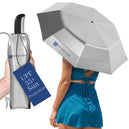
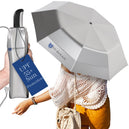
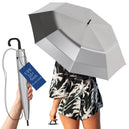
- UV-Blocker Solution: Utilize premium sun protection tools like UV-Blocker's patented Solarteck® umbrellas, which offer certified UPF 50+ protection, to maintain your outdoor lifestyle safely.
Sertraline Sun Sensitivity: Does It Actually Happen?
While the potential for increased sun sensitivity with sertraline is acknowledged, the clinical evidence suggests it is a relatively rare occurrence, and causality is often difficult to firmly establish without controlled studies.
The FDA prescribing information for sertraline (Zoloft) does indeed list "photosensitivity" as a possible adverse reaction. However, it's crucial to note that the frequency is not specified, indicating that it is either very uncommon or not precisely quantifiable from current data. This lack of specific frequency often leads to patient anxiety, as the warning itself sounds severe.
When looking at the entire class of Selective Serotonin Reuptake Inhibitors (SSRIs), the published record of cutaneous photosensitivity events remains sparse. A significant 2009 review published in Clinical and Experimental Dermatology identified only 14 documented adverse cutaneous photosensitivity events across all commonly prescribed SSRIs—sertraline, fluoxetine, paroxetine, escitalopram, citalopram, and fluvoxamine. This number, spread across millions of prescriptions over many years, highlights the low incidence rate. This stands in stark contrast to medications like certain antibiotics (e.g., doxycycline) or diuretics, which have a much higher and more extensively documented association with photosensitivity, as discussed in our detailed guide on doxycycline sun sensitivity.

Despite the low overall incidence, anecdotal reports and some case studies exist. For instance, a 2014 case report in Photodermatology, Photoimmunology & Photomedicine described a patient who experienced photosensitivity reactions when treated with both paroxetine and later sertraline, suggesting a potential class-level effect or individual predisposition. Such cases underscore that while rare, the risk is not entirely theoretical for all individuals.
It's important to distinguish between two main types of photosensitivity: phototoxic and photoallergic reactions. Phototoxic reactions are more common, dose-dependent, and occur when the drug or its metabolites absorb UV radiation and release energy that damages skin cells, often resembling an exaggerated sunburn. Photoallergic reactions are less common, immune-mediated, and involve the drug changing into an allergen under UV light, leading to an eczema-like rash. While the specific type of reaction with sertraline is not definitively classified, anecdotal reports often align more with phototoxic responses.
The "honest frame" is that while sertraline sun sensitivity is a plausible adverse effect, documented in scattered clinical reports and acknowledged by regulatory bodies, it is far less common or severe than the warnings might initially imply. Patients should remain vigilant but not overly concerned, focusing instead on consistent, effective sun protection.
How Do SSRIs Increase UV Sensitivity?
The exact mechanisms by which SSRIs like sertraline might increase UV sensitivity are not fully understood, but current hypotheses revolve around altered serotonin signaling in the skin and the formation of photoreactive drug metabolites.
Serotonin (5-hydroxytryptamine, 5-HT) is well-known as a neurotransmitter in the brain, but it also plays a significant role in various peripheral tissues, including the skin. Skin cells, such as keratinocytes, fibroblasts, and importantly, melanocytes, possess serotonin receptors and can synthesize and metabolize serotonin. Research, including studies on the melanocyte photosensory system, suggests that serotonin signaling influences melanocyte behavior, impacting melanin production – the skin's natural defense against UV radiation.
SSRIs work by increasing serotonin levels in the brain, but they can also affect serotonin concentrations and signaling pathways in the skin. This altered signaling could potentially disrupt the skin's normal response to UV light. For example, a study on fluoxetine (another SSRI) found it upregulated tyrosinase activity and increased melanin synthesis in isolated melanocytes. While increased melanin might sound protective, any alteration in the complex balance of melanogenesis can sometimes lead to unpredictable or abnormal responses to UV exposure, potentially resulting in hyperpigmentation or making the skin more susceptible to UV damage if the defense mechanism is dysregulated.
Another proposed mechanism involves the drug itself or its metabolites becoming photoreactive. When certain chemical compounds absorb UV (particularly UVA) light, they can undergo a change in structure, leading to excited states that can damage surrounding tissues. This can result in:
- Phototoxic reactions: The drug or its breakdown products (metabolites) absorb UV energy, become highly reactive, and directly damage cellular components like DNA or cell membranes. This is akin to an exaggerated sunburn.
- Photoallergic reactions: The UV light alters the drug's chemical structure, transforming it into a hapten that binds to skin proteins. This new complex is then recognized by the immune system as foreign, triggering an allergic response that can manifest as an itchy, eczematous rash.
Our overarching guide on medications that cause sun sensitivity provides further context on these biological pathways and how different drug classes interact with UV radiation. For sertraline users, regardless of the precise mechanism, the practical implication is clear: even if the risk is low, vigilance and comprehensive sun protection are prudent, especially for individuals with pre-existing risk factors or fair skin.
Why Is Outdoor Activity So Important for Sertraline Patients?
For individuals taking sertraline to manage depression, anxiety, or other mental health conditions, outdoor activity is not merely a recreational pastime; it is an integral component of a holistic recovery strategy, directly supporting and enhancing the therapeutic effects of their medication.
Regular physical activity is a powerful antidepressant and anxiolytic in its own right. When performed outdoors, these benefits are amplified. Walking, running, hiking, gardening, or practicing yoga in natural light contribute to:
- Endorphin Release: Exercise triggers the release of endorphins, natural mood elevators that can reduce pain and produce a sense of well-being.
- Improved Mood and Reduced Stress: Exposure to nature, often called "green exercise," has been shown to significantly reduce symptoms of anxiety and depression. Studies indicate that even short periods in natural environments can lower cortisol levels (the stress hormone) and improve mood.
- Better Sleep Quality: Regular outdoor activity helps regulate circadian rhythms, leading to more consistent and restorative sleep, which is critical for mental health stabilization.
- Increased Vitamin D Synthesis: While careful sun protection is necessary, brief, incidental sun exposure (before heavy UV times or with skin mostly covered) allows for some vitamin D production, which plays a role in mood regulation and overall health. However, this should never come at the cost of unprotected sun exposure.
- Social Connection: Many outdoor activities can be shared with others, combating feelings of isolation and fostering social support, another key factor in mental health recovery.
- Sense of Accomplishment and Purpose: Engaging in outdoor hobbies or exercise can build self-esteem and provide a sense of achievement, counteracting feelings of hopelessness often associated with depression.
Mental health professionals widely recommend incorporating physical activity and time in nature into treatment plans. Therefore, the more useful response to the photosensitivity warning is not to retreat indoors, but to embrace a proactive and informed approach to sun protection. This allows patients to reap the profound mental and physical health benefits of the outdoors while mitigating any potential risks associated with their medication. Ensuring access to safe outdoor environments is paramount, which is where effective sun protection, including tools like UV-Blocker's Solarteck® umbrellas and UPF 50+ clothing, becomes invaluable.
Who Should Be Most Careful About Sertraline and Sun Exposure?
While sertraline-induced photosensitivity is generally rare, certain individuals may have a higher predisposition or increased risk, making diligent sun protection even more critical for them. Understanding these risk factors allows for a personalized and effective approach to staying safe in the sun.
Key populations and circumstances that warrant extra caution include:
- Individuals with Fair Skin (Fitzpatrick Skin Types I & II): People with very pale skin, red or blonde hair, and blue or green eyes have lower natural melanin protection. They burn easily and rarely tan, making them inherently more susceptible to UV damage and any photosensitizing effects of medication.
- History of Sunburns or Skin Cancer: Those with a personal or family history of severe sunburns, actinic keratoses, or skin cancers (melanoma, basal cell carcinoma, squamous cell carcinoma) already have compromised skin health or a genetic predisposition to sun damage. Adding a photosensitizing medication, however mild its effect, necessitates heightened vigilance.
-
Concurrent Use of Other Photosensitizing Medications: This is arguably one of the most significant risk factors. Many common medications can also increase sun sensitivity, and combining them with sertraline can have an additive or synergistic effect. These include:
- Antibiotics: Tetracyclines (e.g., doxycycline, minocycline) and fluoroquinolones (e.g., ciprofloxacin) are well-known photosensitizers.
- Diuretics: Thiazides (e.g., hydrochlorothiazide) are frequently prescribed for high blood pressure and are potent photosensitizers.
- NSAIDs: Non-steroidal anti-inflammatory drugs like naproxen or ibuprofen can increase sun sensitivity.
- Oral Contraceptives: Some birth control pills can cause hyperpigmentation (melasma) and potentially increase sun sensitivity.
- Antifungals: Griseofulvin.
- Herbal Supplements: St. John's Wort, often used for mood, is a significant photosensitizer and should be avoided or used with extreme caution when also taking SSRIs or other photosensitizing drugs.
- Certain Medical Conditions: Individuals with autoimmune diseases that affect the skin (e.g., lupus erythematosus) or those with compromised immune systems may also be more vulnerable to adverse skin reactions from UV exposure and medications.
- Geographical Location and Time of Year/Day: People living in regions closer to the equator, at higher altitudes, or those engaging in outdoor activities during peak UV hours (typically 10 AM to 4 PM) and during summer months are exposed to higher UV indices. This increased exposure naturally elevates the risk of photosensitivity reactions.
- Outdoor Occupations or Hobbies: Individuals whose jobs or hobbies require prolonged time outdoors (e.g., construction workers, farmers, athletes, gardeners) receive significantly higher cumulative UV exposure, increasing their baseline risk for sun damage and any potential drug-induced photosensitivity.
- Older Adults: As skin ages, its ability to repair UV damage diminishes, and it may become more fragile and susceptible to reactions. Older adults are also more likely to be on multiple medications, increasing the risk of drug interactions.
How Should SSRI Users Protect Themselves from the Sun?
For individuals taking sertraline, maintaining an active outdoor lifestyle is beneficial for mental health, but it requires a strategic, layered approach to sun protection. This multi-pronged defense minimizes the risk of sun damage and potential photosensitivity reactions, ensuring safety without sacrificing well-being.
Here’s how SSRI users can effectively protect themselves:
-
Seek Shade Intelligently:
- Timing is Key: Plan outdoor activities before 10 AM and after 4 PM, when UV radiation is typically less intense. Use the UV Index as a guide; when it's 3 or higher, protection is essential.
- Natural & Artificial Shade: Utilize natural shade from trees or buildings. For prolonged outdoor time, portable shade is invaluable. This is where UV-Blocker's patented Solarteck® umbrellas shine. Engineered to block 99% of UVA/UVB rays, they boast a certified UPF 50+ rating, providing a personal, mobile zone of superior protection, much like wearing sunscreen everywhere.
-
Wear UPF 50+ Sun-Protective Clothing:
- The Best Barrier: Clothing is one of the most effective forms of sun protection. Unlike regular apparel, which may offer minimal UPF (Ultraviolet Protection Factor), clothing labeled UPF 50+ blocks 98% of UV radiation. This includes shirts, pants, and wide-brimmed hats.
- Choose Wisely: Look for tightly woven fabrics, dark colors (which absorb more UV than lighter ones), and garments specifically designed for sun protection. UV-Blocker's commitment to optimal protection extends to our product materials, ensuring high UPF ratings in our MIF-approved (Medical Grade Sun Protection) range where applicable, offering unparalleled defense.
- Cover Up: Opt for long-sleeved shirts and long pants, even on warm days, if adequate shade isn't available.
-
Apply Broad-Spectrum Sunscreen Diligently:
- High SPF: Use a broad-spectrum sunscreen with an SPF of 30 or higher. "Broad-spectrum" means it protects against both UVA (aging rays) and UVB (burning rays).
- Application: Apply generously to all exposed skin at least 15-20 minutes before going outside. A good rule of thumb is a shot glass full for your entire body.
- Reapply: Reapply every two hours, or more frequently if sweating or swimming. Sunscreen is your last line of defense, complementing shade and clothing.
- Mineral vs. Chemical: For sensitive skin or concerns about chemical absorption, mineral sunscreens (containing zinc oxide and titanium dioxide) are often preferred.
-
Don't Forget Accessories:
- Wide-Brimmed Hats: A hat with a brim of at least 3 inches all around protects your face, scalp, ears, and neck—areas often missed by sunscreen.
- UV-Blocking Sunglasses: Protect your eyes from UV damage by wearing sunglasses that block 99-100% of UVA and UVB rays (labeled UV400 or 100% UV protection). This also helps protect the delicate skin around your eyes.
-
Stay Hydrated:
- Drinking plenty of water helps maintain skin health and overall resilience, which is particularly important when spending time outdoors.
By integrating these protective measures, individuals on sertraline can confidently enjoy the mood-boosting benefits of outdoor activity, knowing they are proactively safeguarding their skin. UV-Blocker is dedicated to empowering safe outdoor living for everyone, including those with specific sun sensitivity concerns, through our advanced UPF 50+ products featuring Solarteck® technology.
Frequently Asked Questions About Sertraline and Sun Sensitivity
What are the common symptoms of sertraline sun sensitivity?
If you experience sertraline-induced photosensitivity, symptoms most often resemble an exaggerated sunburn. This can include severe redness, blistering, itching, or a rash on sun-exposed areas. In some cases, hyperpigmentation (darkening of the skin) can occur. These reactions can be more severe than a typical sunburn, developing more rapidly or with less sun exposure than usual.
Can I still get Vitamin D while taking sertraline and protecting myself?
Yes, you can still maintain healthy Vitamin D levels. While sun exposure is a primary source of Vitamin D, complete unprotected exposure is not recommended, especially if you're concerned about photosensitivity. Most people can get sufficient Vitamin D from brief, incidental sun exposure (e.g., walking to your car), even with protective clothing on some skin, or by consuming Vitamin D-rich foods (fatty fish, fortified dairy) and supplements. Consult your doctor if you're concerned about your Vitamin D levels; they can recommend safe strategies.
Is sertraline sun sensitivity permanent?
No, sertraline-induced photosensitivity is generally not permanent. If it occurs, the reaction is typically associated with the presence of the medication in your system. Should you and your doctor decide to discontinue sertraline, any increased sun sensitivity usually resolves over time as the drug is cleared from your body. Always consult your prescribing physician before making any changes to your medication regimen.
Should I stop taking sertraline if I experience sun sensitivity?
Absolutely not without consulting your doctor. Suddenly stopping sertraline can lead to withdrawal symptoms and a relapse of your mental health condition. If you experience sun sensitivity, contact your prescribing physician or dermatologist. They can assess the reaction, confirm if it's related to sertraline, and discuss strategies to manage it, such as stricter sun protection, adjusting your dose (if appropriate), or considering an alternative medication. Your doctor will weigh the benefits of your medication against any side effects.
How does UPF 50+ clothing differ from regular clothing for sun protection?
UPF (Ultraviolet Protection Factor) is a rating system for fabrics that measures how much UV radiation passes through. A standard cotton T-shirt might only have a UPF of 5-7 when dry, meaning a significant amount of UV still reaches your skin. When wet, this protection drops even further. UPF 50+ clothing, on the other hand, is specifically designed and tested to block 98% or more of both UVA and UVB rays, making it an exceptionally effective and consistent barrier against sun damage. UV-Blocker's products are designed with this superior protection in mind, often meeting or exceeding UPF 50+ standards.
Does UV-Blocker's Solarteck® technology specifically help with drug-induced photosensitivity?
UV-Blocker's patented Solarteck® technology, featured in our umbrellas and some apparel, provides robust, certified UPF 50+ sun protection by blocking 99% of UVA and UVB rays. While it doesn't directly counteract the biological mechanism of drug-induced photosensitivity, it significantly reduces the amount of UV radiation reaching your skin. For individuals with increased sun sensitivity due to medications like sertraline, Solarteck® offers a crucial layer of defense, helping to prevent the UV exposure that could trigger or worsen photosensitive reactions.
Conclusion
Managing sertraline sun sensitivity effectively boils down to understanding the actual risks and adopting proactive protection. While the FDA acknowledges photosensitivity as a possible side effect, extensive clinical data suggests that severe reactions are rare. The proven mental health benefits of outdoor activity—from stress reduction to improved mood—mean that abandoning time outside is often counterproductive to your overall well-being and recovery journey.
Instead, individuals taking sertraline should embrace a comprehensive sun protection strategy. This includes consistently seeking shade, wearing UPF 50+ sun-protective clothing, diligently applying broad-spectrum sunscreen, and utilizing protective accessories like wide-brimmed hats and UV-blocking sunglasses. For superior, portable shade, UV-Blocker's patented Solarteck® umbrellas offer certified UPF 50+ protection, empowering you to enjoy the outdoors safely and confidently.
Always consult your healthcare provider if you have concerns about sun sensitivity or any other medication side effects. With informed choices and the right protective tools, you can continue to thrive both indoors and out, maximizing the benefits of your sertraline treatment while safeguarding your skin health.
Frequently Asked Questions: Sertraline and Sun Sensitivity
How quickly does sertraline increase sun sensitivity?
Photosensitivity can begin within the first week of starting sertraline. Most patients notice heightened burning or redness after even brief sun exposure. The effect persists throughout treatment and typically resolves within 1–2 weeks of stopping the medication.
What SPF should I use while taking sertraline?
Dermatologists recommend SPF 50+ broad-spectrum sunscreen applied every 90 minutes outdoors. Pair it with UPF 50+ clothing and a UV-blocking umbrella for best results, especially between 10 a.m. and 4 p.m. when UV index peaks.
Can I still go to the beach while on sertraline?
Yes — with precautions. Wear a broad-brimmed hat, UPF-rated clothing, and use a personal UV-blocking umbrella. Reapply sunscreen frequently and stay in shade as much as possible. Avoid tanning beds entirely while on sertraline.
Does switching to a different SSRI reduce sun sensitivity?
All SSRIs carry some photosensitivity risk, but the degree varies. Consult your prescriber before switching medications — never alter your dosage for cosmetic reasons. UV protection habits are the safer and more practical solution.