

Quick Reference Summary
- Outdoor basketball creates a dual UV problem, with direct sunlight from above and significant reflection off hard court surfaces below.
- Concrete and asphalt can reflect 2% to 15% of UV radiation, amplifying total exposure, while grass reflects less than 3%.
- Tournament days can stack 4 to 6+ hours of cumulative exposure across 3 to 5 games, often with minimal shade breaks.
- Intense sweating significantly shortens sunscreen protection, often reducing its effectiveness to 40-80 minutes, making consistent reapplication difficult during active play.
- UPF 50+ arm sleeves are a culturally accepted and highly effective solution for blocking over 99% of UV radiation, offering consistent protection without reapplication.
- A comprehensive 5-layer sun protection protocol is essential for basketball players, parents, and spectators to minimize long-term skin damage.
With over 26 million Americans hitting the courts, basketball is a beloved national pastime. Yet, for all its popularity, the sport often overlooks a critical safety element: dedicated sun protection, especially when played outdoors. This oversight is particularly concerning given the unique environmental factors of outdoor courts, where hard surfaces dramatically change the UV equation.
Basketball also faces a cultural challenge. Sleeveless jerseys are the norm, exposing large areas of skin. Headwear is less common than in sports like baseball or golf, and pickup games frequently occur during peak UV hours. This guide dives deep into court-specific UV risks, outlines practical sun protection strategies for players, parents, and spectators at every level, and introduces effective solutions to keep everyone safe under the sun.
Why Is Basketball a Hidden UV Danger?
Basketball presents a unique and often underestimated UV threat due to a combination of environmental factors, playing styles, and cultural norms. The most significant danger comes from dual UV radiation exposure: direct sunlight from above, amplified by reflected rays bouncing off concrete and asphalt courts below. This "double hit" can significantly increase a player's total UV dose.
Hard court surfaces are far more reflective of UV radiation than natural grass. A comprehensive review on surface albedo, published in the journal Photochemistry and Photobiology, reports that UV-specific reflectance for concrete and asphalt ranges from 2% to 15%. In contrast, natural grass typically reflects less than 3% of UV radiation (UV Radiation Albedo and Reflectance in Review). This means that on a typical outdoor basketball court, a player's skin isn't just exposed to overhead sun, but also to UV bouncing up from the ground, affecting areas like the undersides of arms, chin, and neck that might otherwise be shaded. Lighter colored courts, such as those painted light blue or green, can even increase this reflective property further.
The standard basketball uniform—sleeveless jerseys and often shorts—leaves large areas of skin highly vulnerable, including shoulders, upper arms, and thighs. Unlike sports such as baseball or tennis, where caps or visors are standard, basketball culture has not widely adopted headwear as a protective measure, leaving faces and necks more exposed. This design emphasizes movement and athleticism over sun defense, making players particularly susceptible during extended play.
Furthermore, the timing of basketball activities frequently aligns with peak UV intensity. Casual pickup games often take place between 10 a.m. and 4 p.m., precisely when UV radiation is strongest. Urban courts can exacerbate this issue by contributing to the urban heat island effect, where surrounding asphalt, sidewalks, and buildings absorb and re-radiate heat, potentially increasing discomfort and making sun protection feel even more cumbersome. Even on hazy or cloudy days, significant UV radiation penetrates, underscoring why broader sun-safety guidance, such as our article Can You Get Sunburn on a Cloudy Day, remains highly relevant courtside.
How Much UV Exposure Do Basketball Players Get?
The cumulative UV exposure for basketball players, especially during peak seasons and tournament play, can be alarmingly high. A casual pickup session can easily deliver 1 to 3 hours of intense, uninterrupted UV exposure. However, organized tournaments, particularly at the AAU or youth levels, represent the most significant risk, stacking 4 to 6+ hours of cumulative sun exposure across multiple games with very little structured shade time.
Consider the typical tournament schedule: games can run from early morning to late evening over a weekend, with teams playing 3 to 5 games per day. Between games, players often remain outdoors, sitting on benches, watching other matches, or warming up, extending their exposure without adequate protection. This means a young athlete can easily accumulate an entire day's worth of intense UV radiation, significantly increasing their risk of sunburn and long-term skin damage.
| Game Format | Duration | Shade Breaks | Estimated UV Exposure | Risk Level |
|---|---|---|---|---|
| Pickup game (streetball) | 1-3 hours | None (continuous) | High - no structured breaks, peak UV times | Highest |
| Organized practice | 2 hours | Water breaks every 20-30 min | Moderate - brief interruptions, but consistent | Moderate to High |
| League/rec game | 1 hour (game time) | Halftime + timeouts | Lower - structured rest periods, but still exposed | Moderate |
| Tournament day (AAU/youth) | 4-6+ hours cumulative | Between games only, often limited shade | Very high - multi-game, prolonged exposure | Highest |
| NBA/college outdoor event | 2-3 hours | TV timeouts, halftime | Moderate - but rare format, professional protocols often in place | Low frequency |

The health stakes extend far beyond a temporary, painful sunburn. Each instance of significant UV exposure contributes to cumulative skin damage, increasing the risk of premature aging, sunspots, and, most critically, skin cancer, including melanoma. A meta-analysis of cohort studies found a 27% higher melanoma risk associated with higher levels of physical activity, primarily attributed to increased time spent outdoors and thus greater UV exposure (Physical activity, cardiorespiratory fitness and risk of cutaneous malignant melanoma).
Furthermore, childhood sunburns are a major predictor of future melanoma risk. A separate cohort study of 44,021 participants highlighted that just one blistering sunburn before the age of 15 more than doubles a person's lifetime melanoma risk (Childhood Sunburns Linked to Future Melanoma Risk). For families navigating a long weekend of games, understanding the lasting impact of sun damage is crucial. Questions like How Long Does a Sunburn Last become far more than a casual inquiry; they underscore the urgent need for proactive sun safety measures to protect young athletes today and in the future.
Why Is Sunscreen Reapplication So Hard During Basketball?
Sunscreen is often the first line of defense against UV radiation, but its effectiveness in high-intensity sports like basketball is severely challenged. Intense sweating, a hallmark of basketball, significantly reduces sunscreen's protective lifespan. Data presented at conferences like the American Academy of Dermatology (AAD) consistently points to a critical sports problem: even "water-resistant" or "very water-resistant" formulas lose effectiveness under profuse sweating. While a "water-resistant" sunscreen is typically effective for 40 minutes during moderate activity, a "very water-resistant" formula extends this to only about 80 minutes (Addressing Barriers to Sunscreen Use in Athletes: New Data from AAD). Given that an outdoor basketball game or practice session can easily exceed these durations, relying solely on a single application of sunscreen is insufficient.
The nature of basketball play also creates practical barriers to reapplication. During live action, there are few natural breaks that allow a player to step off the court, dry off, thoroughly reapply sunscreen, and let it absorb. Halftimes and timeouts offer brief windows, but these are often dedicated to strategy discussions, hydration, or quick rest, leaving little time for proper sunscreen application. Furthermore, applying sunscreen with sweaty, sticky hands can be messy and uncomfortable, potentially affecting grip or vision if it runs into the eyes. The desire to maintain focus and not interrupt the flow of the game often leads players to skip reapplication, even if they know it's necessary.
This challenge is compounded for multi-game tournament days. A player might apply sunscreen before the first game, but by the third or fourth game, especially in the afternoon sun, its effectiveness would have long worn off. Without convenient access to reapplying or other protective measures, athletes are left exposed during their most vulnerable hours. This highlights the need for a multi-faceted approach to sun protection that goes beyond just sunscreen, incorporating strategies that are more compatible with the dynamic and high-sweat environment of basketball.
Can Arm Sleeves Double as Sun Protection for Basketball?
Absolutely. For basketball players seeking effective and convenient sun protection, UPF 50+ arm sleeves are an increasingly popular and practical solution. They not only fit seamlessly into basketball culture but also offer superior, consistent UV blocking without the challenges of sunscreen reapplication.
Traditional basketball jerseys are sleeveless, leaving the shoulders and upper arms—areas highly susceptible to sun exposure and burning—completely uncovered. UPF 50+ arm sleeves directly address this vulnerability. When rated UPF 50+, they effectively block over 99% of harmful UVA and UVB radiation, providing a consistent barrier that doesn't wash off with sweat or wear down during intense play. This level of protection is a gold standard, offering peace of mind for players and parents alike.
Beyond sun protection, quality arm sleeves, such as those offered by UV-Blocker, provide additional performance benefits. Many are crafted from advanced fabrics that are not only UPF 50+ but also feature moisture-wicking and cooling technologies. UV-Blocker's own arm sleeves are MIF-approved, meaning they meet rigorous standards for maintaining a cooling effect on the skin, which is a significant advantage in hot outdoor environments. This cooling effect, combined with compression benefits that can aid muscle support and recovery, makes them a valuable addition to any player's gear. They help regulate body temperature, wick away sweat to keep players dry, and can even offer a slight boost in comfort and performance. Unlike sunscreen, which requires periodic reapplication, arm sleeves provide continuous protection from tip-off to the final buzzer, allowing players to focus on their game without worrying about sunburn or the sticky feeling of re-applied lotion.
Moreover, arm sleeves have become an accepted, even stylish, accessory in basketball, worn by professional and amateur players alike. This cultural acceptance makes them an easy "sell" for younger athletes who might resist other forms of sun protection. They come in various colors, allowing players to match their team uniforms or express personal style, further integrating sun safety into the sport's aesthetic. For comprehensive arm protection that aligns with the demands and culture of basketball, UPF 50+ arm sleeves are an undeniable win.
The 5-Layer Basketball Sun Protection Protocol
Effective sun protection for basketball requires a strategic, multi-layered approach. By combining several methods, players, parents, and spectators can significantly reduce their UV exposure and minimize the risk of skin damage. This 5-layer protocol ensures comprehensive coverage tailored to the unique demands of the court.
Layer 1: UPF 50+ Apparel
This is your primary defense. Not all clothing is created equal when it comes to sun protection. Look for apparel explicitly labeled with a UPF (Ultraviolet Protection Factor) rating, ideally UPF 50+, which blocks over 99% of UVA and UVB rays. For basketball, this includes:
- UPF 50+ Arm Sleeves: As discussed, these are a game-changer. UV-Blocker's UPF 50+ arm sleeves offer both superior sun protection and cooling properties, keeping arms covered without hindering performance. They are a permanent layer of protection that doesn't sweat off.
- UPF 50+ Performance Shirts: If possible, opt for lightweight, breathable UPF 50+ long-sleeve shirts under or instead of traditional sleeveless jerseys, especially during practices or outdoor tournaments.
- UPF 50+ Shorts: While less common, some brands offer shorts with UPF protection for thigh coverage.
Layer 2: Broad-Spectrum Sunscreen
For any exposed skin not covered by UPF apparel, a broad-spectrum, water-resistant sunscreen with an SPF of 30 or higher is crucial. Application should be generous and thorough, covering areas like the face, neck, ears, hands, and legs.
- Application: Apply sunscreen at least 15-20 minutes before heading out to allow it to bind to the skin.
- Reapplication: Due to intense sweating, reapplication is vital. Aim to reapply every 40-80 minutes, or after excessive sweating, even if the sunscreen claims to be "water-resistant." Make it a routine during water breaks or between games. Keep a travel-size bottle courtside for convenience.
Layer 3: Strategic Headwear and Eyewear
While less common in active play, these items are essential for protecting delicate areas:
- Headwear: For spectators, coaches, or players on the bench, a wide-brimmed hat or a baseball cap offers critical protection for the face, ears, and neck. Players can consider moisture-wicking headbands that also offer UPF protection, or visors for partial face shade during play if comfortable.
- Eyewear: Sunglasses that block 99-100% of UVA and UVB rays (often labeled UV400) are essential for anyone off the court. They protect against cataracts and other eye damage. For active players, sport-specific sunglasses with secure fits can offer protection without interference.
Layer 4: Seeking and Creating Shade
Shade significantly reduces UV exposure. Wherever possible, seek natural or artificial shade, especially during peak UV hours (10 a.m. to 4 p.m.).
- Between Games/Practices: Encourage players and teams to rest under trees, canopies, or designated shaded areas.
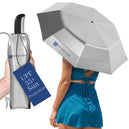
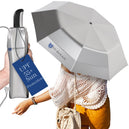
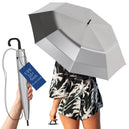
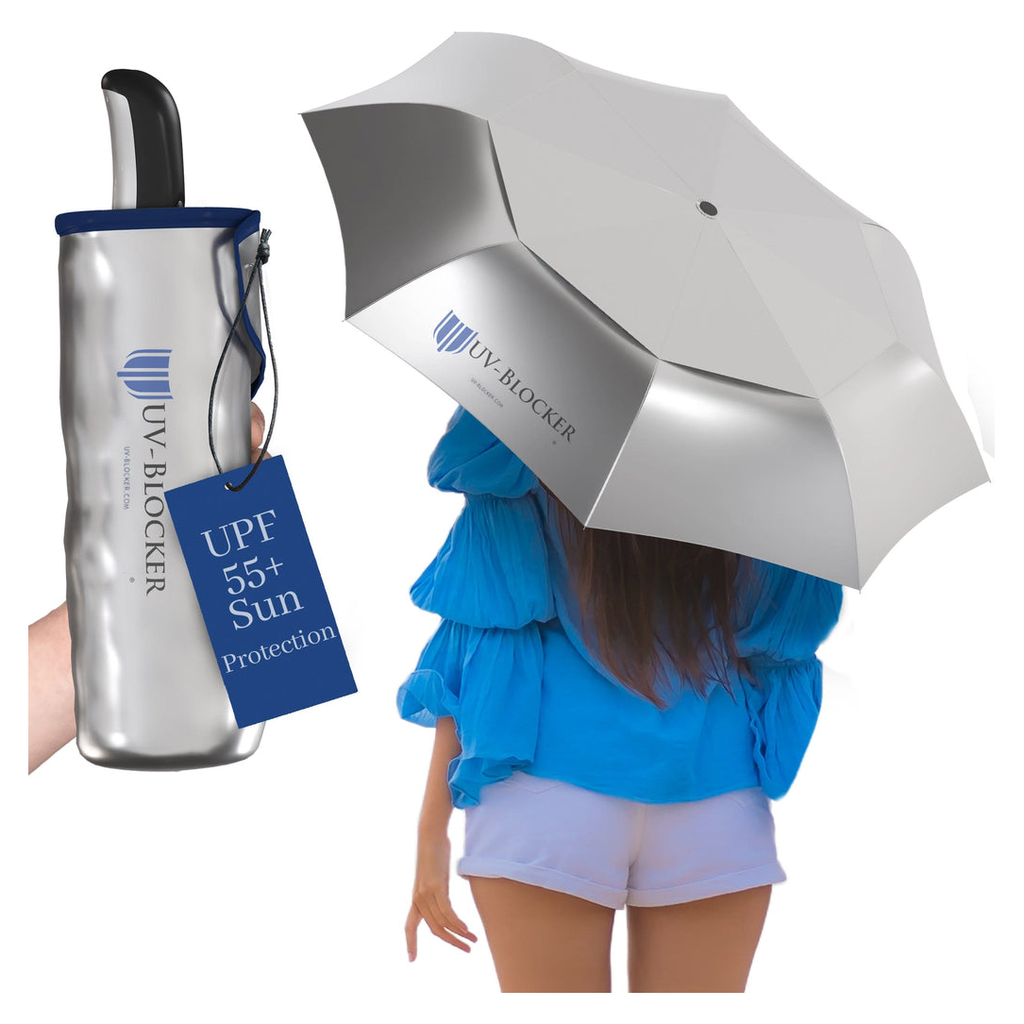
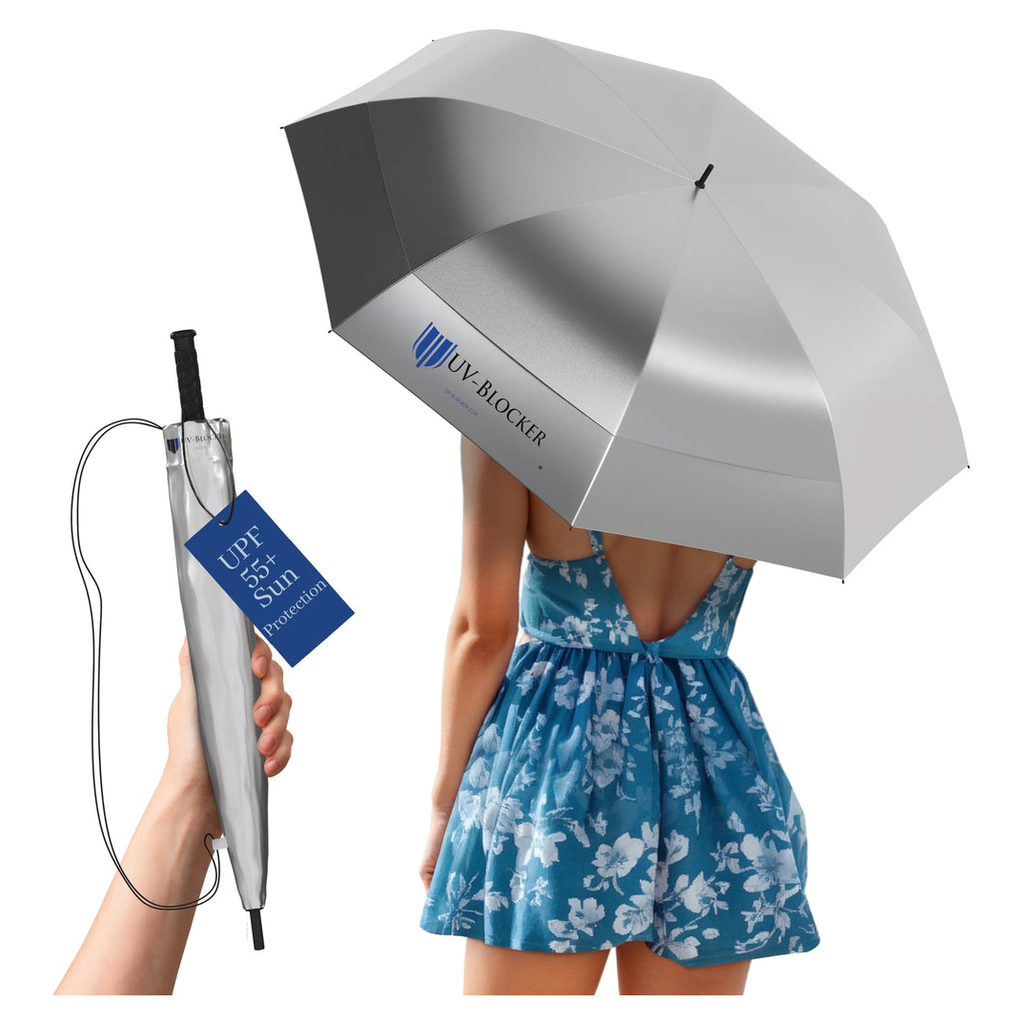
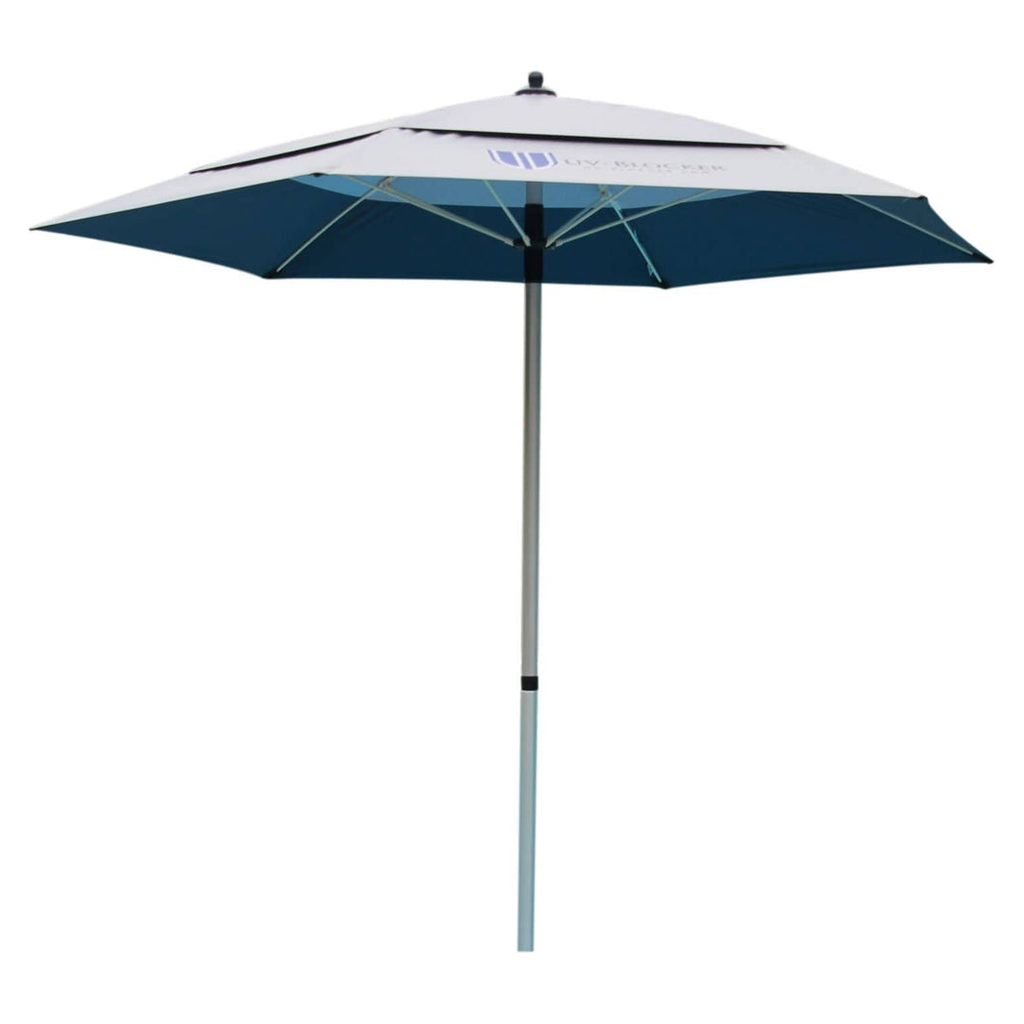
- Portable Shade: For parents and spectators, a high-quality UV-blocking umbrella is indispensable. UV-Blocker's umbrellas, featuring patented Solarteck® technology and offering UPF 50+ protection, are designed to block nearly 100% of UV rays and significantly reduce heat. They are perfect for sidelines, bleachers, or setting up a personal shaded zone during long tournament days.
Layer 5: Timing Your Play
While not always feasible for structured games, adjusting play times for casual basketball can make a huge difference.
- Avoid Peak Hours: Schedule pickup games or individual practice sessions earlier in the morning (before 10 a.m.) or later in the afternoon/evening (after 4 p.m.) to avoid the most intense UV radiation.
By integrating these five layers, the basketball community can transform court safety, making sun protection a natural and effective part of the game.
Frequently Asked Questions About Sun Protection for Basketball
Why is sun protection for basketball more complex than for other outdoor sports?
Basketball presents unique challenges due to dual UV exposure (direct sun plus reflection off hard, highly reflective court surfaces like concrete and asphalt), cultural norms like sleeveless jerseys that expose more skin, and the intense, continuous sweating that quickly degrades sunscreen effectiveness. Unlike grass sports, the ground itself contributes significantly to UV exposure.
Can I rely solely on "water-resistant" sunscreen for a long basketball game or tournament?
No. While "water-resistant" sunscreens are better than none, intense sweating in basketball significantly reduces their effective protection time, often to just 40-80 minutes. Relying solely on sunscreen without frequent reapplication (which is difficult during play) or additional protective measures like UPF apparel leaves players vulnerable, especially during multi-hour sessions or tournaments.
Are all arm sleeves sun protective? What should I look for?
Not all arm sleeves offer significant sun protection. You must look for sleeves explicitly labeled with a UPF (Ultraviolet Protection Factor) rating, ideally UPF 50+. This rating indicates they block over 99% of UVA and UVB rays. Generic compression or "cooling" sleeves without a UPF rating may not provide adequate UV protection. Brands like UV-Blocker offer UPF 50+ sleeves that also feature cooling and moisture-wicking properties for enhanced comfort and performance.
What's the best sun protection strategy for kids playing in an outdoor basketball tournament?
A multi-layered approach is crucial for kids. This includes applying broad-spectrum, water-resistant UPF 30+ sunscreen generously to all exposed skin and reapplying frequently (every 40-80 minutes). Combine this with UPF 50+ apparel, especially arm sleeves, and encourage wearing a hat or using a UV-blocking umbrella (like UV-Blocker's Solarteck® umbrellas) for shade during breaks between games. Prioritize seeking natural or artificial shade whenever possible.
Does the color of the basketball court affect UV reflection?
Yes, the color and material of the court surface significantly impact UV reflection. Lighter-colored surfaces (e.g., light gray concrete, brightly painted courts) tend to reflect more UV radiation than darker ones (e.g., dark asphalt). However, even dark surfaces reflect enough UV to contribute to dual exposure, making comprehensive sun protection essential regardless of court color.
How do UV-Blocker umbrellas help at outdoor basketball events?
UV-Blocker umbrellas are designed with patented Solarteck® technology and offer UPF 50+ protection, blocking nearly 100% of UVA and UVB rays. They also significantly reduce heat underneath. For spectators, parents, and players on the sidelines, these umbrellas provide a portable, personal oasis of shade, drastically reducing direct and reflected UV exposure during long outdoor events, complementing individual player protection.
Conclusion
Basketball's dynamic nature and reliance on outdoor courts present unique and often overlooked sun protection challenges. The combination of direct sunlight, significant UV reflection from hard surfaces, and the sport's cultural norms regarding attire means players are frequently exposed to dangerously high levels of UV radiation. This exposure, especially the cumulative effect from multi-game tournaments and childhood sunburns, carries serious long-term health risks, including a substantially increased chance of melanoma, as underscored by the personal journey of UV-Blocker's founder, Ron Walker.
However, effective protection doesn't have to compromise performance or style. By adopting a comprehensive, 5-layer sun protection protocol, basketball players, coaches, parents, and spectators can dramatically mitigate these risks. Integrating UPF 50+ apparel, like UV-Blocker's cooling arm sleeves, with diligent sunscreen application, strategic shade from quality UV-blocking umbrellas with Solarteck® technology, and smart timing of play, creates an impenetrable defense against harmful UV rays. Making sun safety a fundamental part of basketball ensures that the joy and health benefits of the game are never overshadowed by the dangers of unprotected sun exposure. Let's make every court a safe court.
Frequently Asked Questions: Basketball and UV Protection
Do basketball players really need sun protection during outdoor games?
Absolutely. Outdoor basketball courts reflect UV radiation off concrete and asphalt, creating both direct and indirect UV exposure. UV index on a clear summer day can exceed 11 (extreme) in most US cities by late morning. A two-hour pickup game delivers a significant cumulative UV dose.
What sunscreen works best during intense outdoor basketball?
Sport sunscreens with SPF 50+, water resistance (40–80 minutes), and a non-greasy formula are best. Apply generously to face, neck, ears, and arms before play. Carry a small bottle in your bag for halftime reapplication — sweat removes sunscreen quickly.
Can a UV umbrella help at a basketball tournament?
UV-blocking umbrellas are invaluable during bench time, substitution breaks, and spectator viewing. Coaches and referees standing on the sideline for hours benefit the most. At tournament venues with limited shade, a personal UV umbrella is the most portable protection option.
How do I protect my eyes during outdoor basketball?
Sport-wrap sunglasses with UV 400 lenses protect against UV-induced cataracts. Look for impact-resistant polycarbonate lenses with ANSI Z80.3 certification for sports use. UV damage to the eyes is cumulative and irreversible — eye protection is as important as skin protection.
Frequently Asked Questions
What is the difference between UVA and UVB rays, and why does it matter?
UVA rays (320–400nm) are longer waves that penetrate deep into the skin, causing photoaging, wrinkles, and contributing to melanoma. They pass through glass and clouds and are relatively constant year-round. UVB rays (290–320nm) are shorter, cause sunburn, and are the primary driver of skin cancer. They're most intense midday (10am–4pm) and in summer. Effective sun protection must block both.
How effective is a UPF 50+ umbrella compared to sunscreen alone?
A UPF 50+ umbrella blocks 99%+ of direct overhead UV — more reliable than sunscreen because it doesn't require reapplication, doesn't wash off with sweat, and provides consistent protection. However, reflected UV from surfaces still reaches skin under an umbrella. The ideal combination is SPF 50+ sunscreen + UPF 50+ umbrella for 95–99% total UV reduction. UV-Blocker's umbrellas are dermatologist-recommended for this purpose.
What time of day poses the highest UV risk?
UV radiation is highest between 10am and 4pm, peaking around noon in most locations. The UV Index is the most accurate measure — when it reaches 6 or above, unprotected skin can begin to burn in as little as 15 minutes. Cloud cover reduces UV intensity but doesn't eliminate it: 80% of UV penetrates light cloud cover.
Does skin tone affect UV damage risk?
All skin tones are affected by UV radiation, but the risk and presentation differ. People with lighter skin (Fitzpatrick types I–III) burn faster and have higher non-melanoma skin cancer rates. People with darker skin (types IV–VI) are more prone to hyperpigmentation and have a higher risk of melanoma being diagnosed at later stages. Sun protection is essential for every skin tone.
What are early warning signs of skin cancer I should watch for?
Use the ABCDE rule for moles: Asymmetry, Border irregularity, Color variation, Diameter larger than 6mm, and Evolving (any change over time). Also watch for sores that don't heal, new pink or pearly bumps, and flat red or pink patches. Annual dermatologist screenings are recommended for anyone with significant sun exposure history or a family history of skin cancer.
Expert Sun Protection Recommendations
- Check the daily UV Index at weather.gov or a UV app before any extended outdoor activity
- Apply SPF 30+ broad-spectrum sunscreen 30 minutes before going outdoors, not right before sun exposure
- Reapply sunscreen every 2 hours and after swimming or heavy sweating
- Use a UPF 50+ umbrella for hands-free shade during outdoor dining, sports, or work
- Wear UV-blocking sunglasses that block 99–100% of UVA and UVB — eyes are vulnerable to UV-related damage
- Annual skin screenings with a board-certified dermatologist can catch early-stage skin cancers when highly treatable