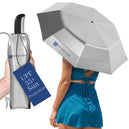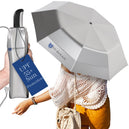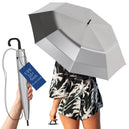
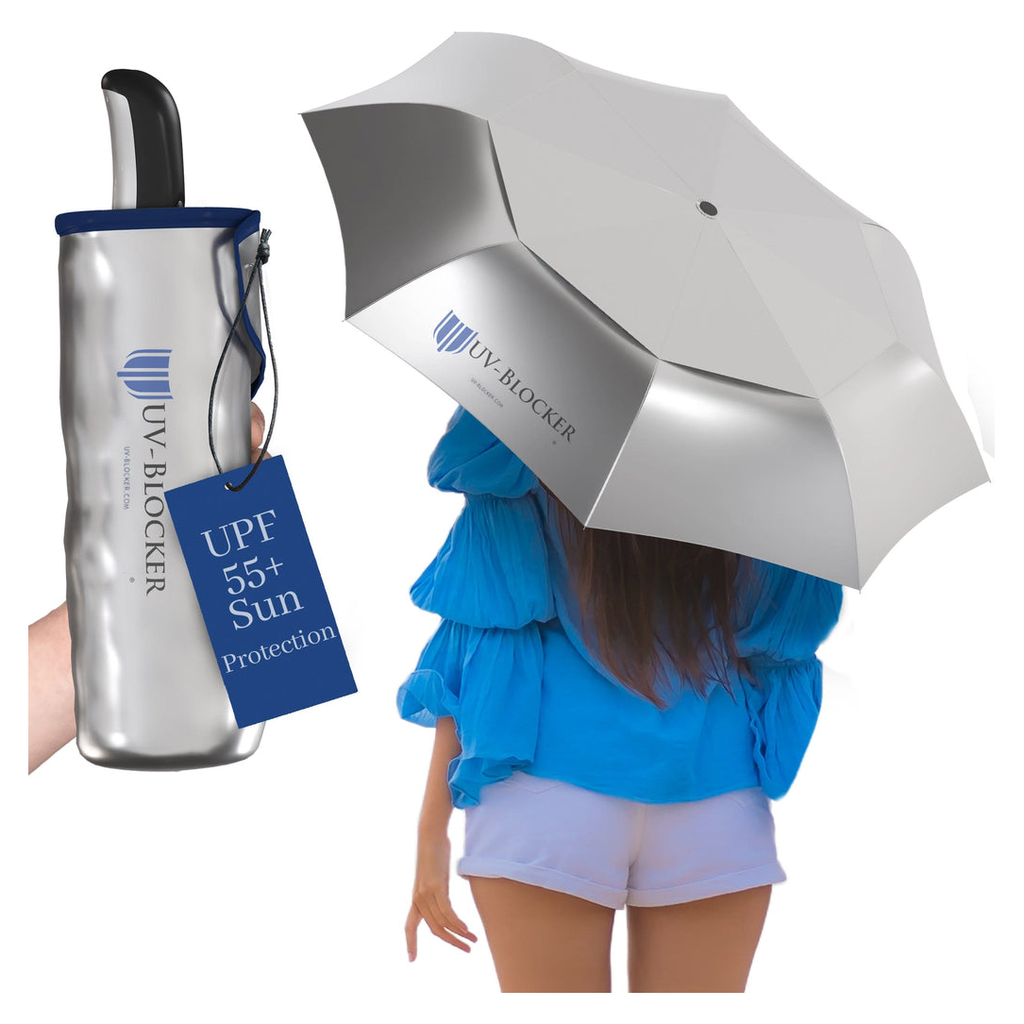
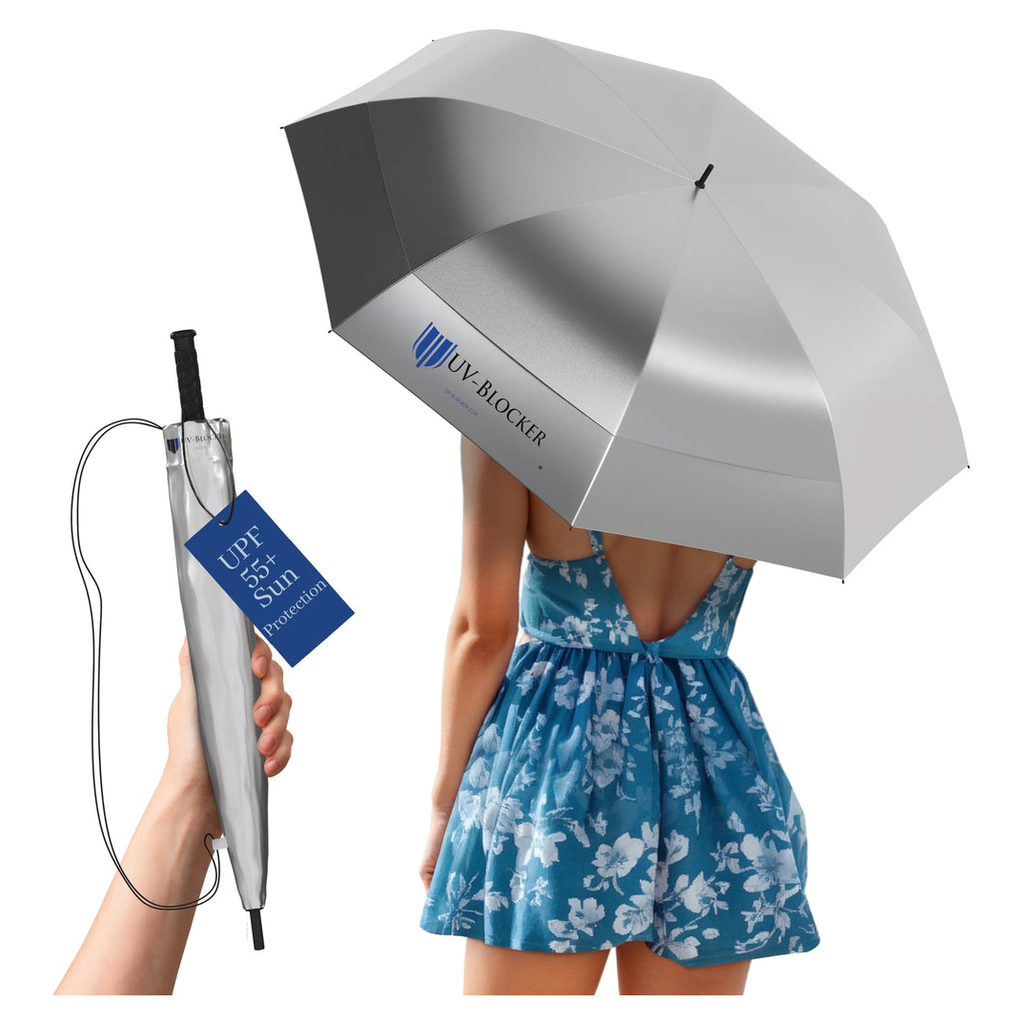
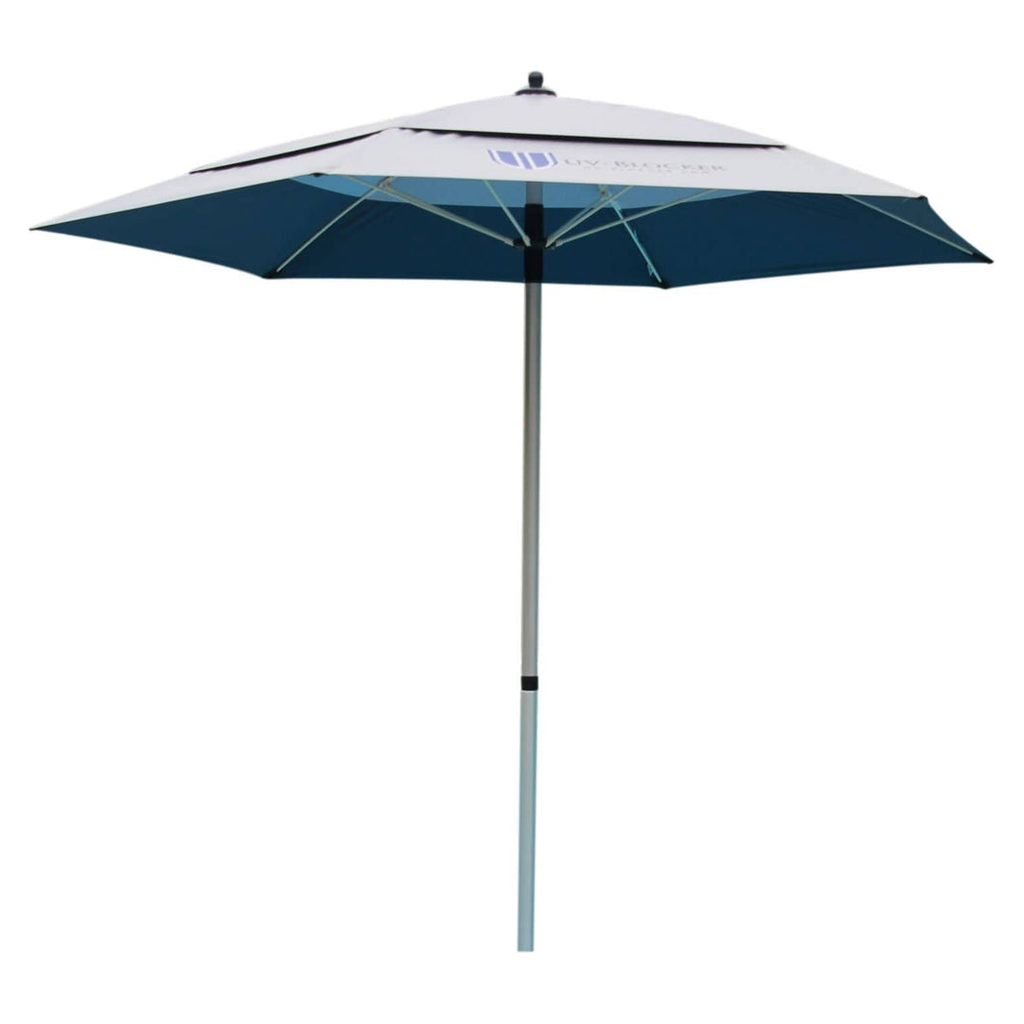

Quick Reference Summary: Late Fall Beach Umbrella Use
- Don't Underestimate Fall UV: Even with cooler temperatures, UV radiation remains a significant threat, especially due to reflection off sand and water.
- Optimal Spot Selection: Choose open areas that get consistent sunlight, but be mindful of changing sun angles and creeping shadows. Avoid overly damp or windy spots for stability.
- Gear Check is Crucial: Ensure your UV umbrella (especially UPF 50+ rated like UV-Blocker's) is clean, its fabric is intact, and your anchoring system is robust for potentially damp, shifting sand and stronger fall breezes.
- Stay Warm, Stay Protected: Layer clothing, bring blankets, and utilize your umbrella's shade for UV protection, not just heat protection. UV-Blocker's Solarteck® technology also helps regulate temperature.
- Secure Your Umbrella: Fall winds can be unpredictable. Tilt your umbrella into the wind and use heavy-duty anchors to prevent tipping.
- Time Your Visit: Plan your beach outing for mid-morning to early afternoon when sunlight is optimal for enjoyment but UV is still effectively managed by your UPF 50+ umbrella.
- Comprehensive Protection: Combine your UV-Blocker umbrella with sunscreen, UPF apparel, and sunglasses for complete late fall sun safety.
Just because it's November doesn't mean beach days are officially over. If you're lucky enough to live near the coast or planning a quiet weekend getaway, late fall can actually be one of the most peaceful times to enjoy the sand and sea. The sun in late fall may not feel as hot on your skin, but its rays are still strong, especially when they bounce off the water and light-colored sand. This common misconception often leads to complacency, making late fall sun exposure surprisingly risky.
That's where a premium beach umbrella with certified UV protection comes in handy. It's not just a summer tool; it's a year-round necessity, particularly for brands like UV-Blocker, founded by melanoma survivor Ron Walker, whose mission is to deliver uncompromising sun safety. Even in cooler months, a high-quality umbrella plays a critical role in blocking harmful UVA and UVB rays. Setting up for a late fall beach day takes a slightly different approach, but it's simple when you know what to look out for. Whether you're aiming for a relaxing day outdoors or just wanting some quiet time by the shore, planning ahead can make the experience easier and significantly safer, ensuring you're protected against the cumulative effects of sun exposure.
Choosing the Right Spot for Fall Sun Protection
Fall sunshine isn't the same as summer sunshine, but it's equally potent in its ability to cause skin damage. The days are shorter, and the sun sits lower in the sky, which affects how and where its rays fall on an open beach, leading to longer shadows but also more direct angles on horizontal surfaces like sand. It's crucial to understand that lower air temperature does not equate to lower UV intensity.
When selecting your ideal spot:
- Look for open areas that get consistent sunlight without too many tall shadows from dunes or buildings. In late fall, shade can creep in faster than you'd expect, potentially leaving you exposed as the sun shifts. Aim for a spot where you can comfortably position your UV-Blocker beach umbrella to maintain maximum coverage throughout your visit.
- UV rays are still highly active, even through cool breezes and mild air. The lower temperatures might feel comfortable on your skin, but direct sun exposure, especially for prolonged periods, can still cause significant harm. According to the American Academy of Dermatology, incidental sun exposure, even in cooler weather, contributes to cumulative UV damage and increases skin cancer risk over time.
- Avoid sitting too close to the water or in highly shaded areas where light shifts quickly. These spots can get particularly windy or damp, which may make your setup less stable and increase the challenge of maintaining optimal shade. Furthermore, proximity to water and sand significantly increases reflected UV radiation, meaning even in shade, you're still receiving a substantial dose of harmful rays. Your UPF 50+ umbrella is designed to mitigate this, but proper placement maximizes its effectiveness.
Picking a good spot helps you stretch your time in the sun while still staying safe from direct and reflected rays, leveraging the advanced protection of your Solarteck® umbrella.
Getting Your UV Umbrella Ready for Fall Conditions
Before you pack your beach bag for a late fall outing, a thorough inspection of your sun protection gear is non-negotiable. Your umbrella may have been sitting in storage since summer, and its integrity is paramount for effective UV defense, particularly for a premium product like a UV-Blocker umbrella designed for longevity and performance.
- Make sure it's clean and that the canopy fabric hasn't weakened, faded, or developed tears. Over time, continuous exposure to sun, salt, and elements can degrade fabric, reducing its UPF rating. A worn-out umbrella, even one originally rated UPF 50+, cannot block UV rays as well as it should. UV-Blocker umbrellas are constructed with patented Solarteck® fabric, known for its exceptional durability and resistance to degradation, but a quick check ensures peak performance.
- The ground in fall feels different than in peak summer. Sand might be damp in the mornings, colder, or more compact throughout the day. This changes how well your umbrella pole stays in place, making a robust anchoring system even more critical. Damp or soft sand can offer less resistance to movement, demanding a more secure setup.
- If you use a base anchor setup, whether it's a sand auger or a weighted base, make sure it still holds tight. Soft or wet sand shifts more easily and could cause an umbrella to loosen or tip over when the unpredictable fall breeze picks up. Consider upgrading to a heavy-duty spiral sand anchor or a weighted base designed for stronger winds to provide the stability required for UV-Blocker's larger, more protective canopies.
Giving your beach equipment, especially your dermatologist-recommended UV protection umbrella, a quick test run before heading out helps avoid surprises and ensures you're fully prepared for a safe and enjoyable day by the shore.
Staying Comfortable Under Umbrella Shade in Cooler Weather
Once your beach spot is set up, staying comfortable takes a little extra thought when it's not blazing hot outside. Shade is still key, but now you're thinking about both crucial UV protection and staying warm. The superior UPF 50+ canopy of a UV-Blocker umbrella doesn't just block UV; its Solarteck® technology also offers a noticeable cooling effect in warmer weather, and in cooler weather, it helps create a more comfortable microclimate by blocking harsh wind and solar glare without trapping excessive heat.
- Bring items like a light blanket, a windbreaker, or a large wrap. These give you essential warmth and protection from cooler breezes while you're relaxing under the umbrella. Think in layers – a core principle for any outdoor activity in transitional seasons.
- UV rays reflect easily off sand and water, even when you're bundled up. Studies show that dry sand can reflect up to 25% of UV radiation, and water around 10%. This means you can still get significant exposure even while sitting under shade. Keeping your beach umbrella with UV protection in place, properly angled to block these reflective rays, helps keep that sunlight from sneaking in sideways during prime hours.
- Try layering your clothing, so you can adjust as the day warms up or cools down without having to change your entire setup. Incorporate UPF-rated clothing for additional skin protection, especially on exposed limbs, reinforcing the comprehensive sun safety strategy championed by UV-Blocker.
Sitting in the shade doesn't have to mean getting chilly, especially if you're prepared with the right mix of layers and beach-friendly gear, complemented by the superior protection of your UV-Blocker Solarteck® umbrella.
Keeping Your Umbrella From Falling or Tipping
Fall breezes can be notoriously sneaky and unpredictable. What starts as a calm morning can turn gusty by noon, sometimes without much warning. If your umbrella isn't set up correctly and securely, a single strong gust can tip it or knock it over, posing a significant safety hazard, especially on quieter beaches where fewer people are around to help or react. The larger canopy of a UPF 50+ beach umbrella, while offering superior coverage, also presents a larger surface area for wind to catch.
To ensure your UV-Blocker umbrella stays firmly in place:
- Keep the umbrella tilted into the prevailing wind, not away from it. This simple angle adjustment allows the wind to flow over the canopy rather than catching underneath it like a sail. This positioning gives your setup a stronger footing and reduces lift.
- Use a professional-style weighted base or a heavy-duty spiral sand anchor. These are designed to grip deeper and resist movement significantly better than lighter brackets or basic stands. For fall conditions, where sand might be softer or wetter, a deep-screw auger anchor provides unparalleled stability. UV-Blocker umbrellas are engineered with robust poles and strong frames designed to withstand reasonable wind conditions, but proper anchoring is always key.
- Avoid opening your umbrella fully without checking the tension settings. A tightly stretched canopy paired with a stable base gives the best chance of staying in place as the wind picks up. Always ensure all locking mechanisms are fully engaged. Regularly inspect the pole and ribs for any signs of wear that could compromise structural integrity in high winds.
Taking the time to properly secure your UV-Blocker umbrella helps avoid frustration later, protects your investment, and most importantly, keeps your beach day running smoothly and safely, allowing you to focus on relaxation and sun protection.
Planning Beach Days Around Fall Sun Patterns
With daylight hours consistently getting shorter every week in late fall, timing your beach visit can make a significant difference in both your comfort and effective sun protection. Sun angles change dramatically, and shadows fall differently than they did back in September, often leading to misleading perceptions of sun intensity. Understanding these patterns is key to maximizing your enjoyment under the shade of your UV-Blocker umbrella.
- Aim to arrive mid-morning, typically between 10:00 AM and 11:00 AM, when the sun gives off enough light for warmth and ambiance without being at its absolute strongest, yet still requires vigilant protection. This timing also allows you to set up your Solarteck® umbrella before the sun reaches its peak intensity around midday.
- Watch where the sunlight moves as the hours pass. Even in fall, UV levels can be notably higher around midday (12:00 PM - 2:00 PM), peaking around 1:00 PM due to daylight saving time adjustments. During these hours, having your UPF 50+ umbrella coverage ready and optimally positioned is paramount. This strategic awareness helps you avoid accidental prolonged exposure.
- Parking or walking access might be easier in the off-season, with fewer crowds. Take advantage of open lots and closer entry points to reduce the effort of hauling gear. These small changes help you adjust your setup more easily and comfortably, making it less of a chore to reposition your umbrella or reapply sunscreen as needed.
Knowing what to expect from the light throughout the day lets you enjoy your time without needing to constantly adjust things, ensuring you remain under the superior protection of your dermatologist-recommended UV-Blocker umbrella, designed by melanoma survivor Ron Walker for optimal safety.
Beyond the Umbrella: Complementary Fall Sun Protection
While your premium UV-Blocker beach umbrella with patented Solarteck® technology provides unparalleled overhead and reflective UV protection, a comprehensive approach to sun safety in late fall is always recommended. Ron Walker's mission extends beyond just umbrellas; it's about holistic skin protection, recognizing that UV rays can affect you from multiple angles.
- Broad-Spectrum Sunscreen: Always apply a broad-spectrum sunscreen with an SPF of 30 or higher to any exposed skin, even when sitting under your umbrella. Remember, UV rays reflect off sand and water, hitting your skin from below and the sides. Reapply every two hours, or more often if sweating or near water.
- UPF-Rated Apparel: Consider wearing UPF-rated clothing, especially if you plan to be active or if parts of your body are consistently exposed beyond the umbrella's direct shade. A long-sleeved UPF shirt and long pants can offer significant protection without making you feel too warm in cooler fall temperatures.
- UV-Blocking Sunglasses: Protect your eyes from harmful UV radiation, which can contribute to cataracts and other eye damage. Choose sunglasses that block 99-100% of UVA and UVB rays.
- Wide-Brimmed Hats: While your umbrella provides excellent overhead coverage, a wide-brimmed hat offers additional protection for your face, neck, and ears, especially when moving around or if the sun angle allows rays to sneak in from the side.
By combining the advanced UPF 50+ protection of your UV-Blocker umbrella with these complementary measures, you create an impenetrable shield against the sun's damaging rays, allowing for worry-free enjoyment of the peaceful late fall beach environment.
Enjoy Safe Fall Sun Time With Less Worry
For those who care about effective sun protection regardless of season, choosing an umbrella that truly blocks ultraviolet light makes a profound difference. At UV-Blocker, we don't just sell umbrellas; we provide peace of mind. We engineer our premium umbrellas with patented Solarteck® fabric to block up to 99% of UVA and UVB rays, achieving an unmatched UPF 50+ rating – the highest possible. Our products are rigorously tested, approved by the Melanoma International Foundation (MIF), and highly recommended by dermatologists, making them ideal for people with sun sensitivity, parents with young kids, and anyone who enjoys worry-free time outdoors.
The innovation doesn't stop at UV blocking. Our Solarteck® technology not only offers superior UV defense but also provides a cooling effect of up to 15 degrees Fahrenheit, making even cooler fall days more comfortable by mitigating solar gain and harsh glare. We are also committed to sustainability, using eco-friendly materials in every UV-Blocker beach umbrella to support responsible outdoor activity. You can enjoy fall beach days while helping reduce your environmental footprint, knowing your product is built to last.
Planning ahead for light, wind, and temperature makes late fall beach time far more enjoyable and safer than most people realize. A few smart choices regarding your spot, gear preparation, and especially your choice of a certified UV-Blocker umbrella, mean less gear stress, fewer surprises, and more room to relax and reconnect with nature, even as the seasons turn. Invest in your health and comfort; choose UV-Blocker.
Fall and Winter Beach UV Index: What the Numbers Actually Mean
The UV index in late fall and winter is indeed lower than summer — but "lower" absolutely does not mean safe to ignore. This perception is a critical factor in increased fall and winter sun exposure risks, especially near water where reflection dramatically amplifies exposure.
At a mid-latitude U.S. beach in November, a clear-sky UV index of 3 to 4 is typical around midday. The World Health Organization (WHO) classifies a UV Index of 3 to 5 as "moderate." This level is more than enough to cause sunburn in fair-skinned individuals within 30 to 45 minutes of unprotected exposure. Spend two or three hours on the sand, and the cumulative dose adds up significantly, regardless of season. This cumulative damage is the primary driver of premature skin aging and skin cancer risk, including melanoma, as tragically experienced by UV-Blocker's founder, Ron Walker.
Several critical factors amplify UV exposure at fall and winter beaches specifically:
- Sand reflection: Dry sand reflects a substantial 15 to 25% of UV radiation back upward. This means you receive UV not just from the sky above but also from the ground below. This phenomenon doesn't disappear in fall; in fact, cooler temperatures may encourage longer stays, inadvertently increasing exposure. Your UPF 50+ UV-Blocker umbrella is specifically designed to provide comprehensive protection against both direct and reflected rays.
- Water reflection: Ocean water reflects approximately 10% of UV. If you're walking along the waterline or near the surf, this adds to your total exposure. Water also scatters UV, penetrating below the surface, meaning even partially submerged skin can be exposed.
- Reduced awareness: People routinely check the UV index in July; almost no one checks it in October or November. Behavioral protection, such as seeking shade or applying sunscreen, drops faster than the actual UV index itself. This behavioral gap is a major contributor to incidental UV damage in cooler months.
- Longer time outdoors: Fall beach visits often last longer than summer trips because the temperature is comfortable enough for extended stays. While pleasant, this extended duration can lead to a greater total UV dose, even if the peak intensity is lower. This is why a consistent, reliable UPF 50+ barrier like a UV-Blocker umbrella is vital.
- Wind and dryness: Fall winds can be dehydrating for the skin, and dry skin can sometimes be more susceptible to UV damage. Moreover, wind can make you feel cooler, masking the sensation of burning and leading to extended exposure without realizing the harm being done.
Understanding these dynamics underscores why continuous, high-level sun protection with products like UV-Blocker's patented Solarteck® umbrellas is not just a summer luxury but a year-round health necessity, safeguarding your skin from chronic damage.
Frequently Asked Questions
Is the UV index really dangerous in late fall?
Yes, absolutely. While the UV index is typically lower in late fall than in peak summer, it still often reaches "moderate" levels (UV Index 3-5). At this level, unprotected skin can still burn within 30-45 minutes. Crucially, factors like reflection from sand (up to 25%) and water (around 10%) can significantly amplify your total UV exposure, making late fall beach days deceptively risky. Consistent use of UPF 50+ protection, like a UV-Blocker umbrella, remains essential.
How is fall sun different from summer sun, and how does it affect sun protection needs?
Fall sun sits lower in the sky, leading to longer shadows and different angles of incidence. While air temperatures are cooler, the intensity of UV radiation can still be high, especially around midday. The key difference in protection needs isn't necessarily less protection, but rather a greater awareness of changing sun angles and the persistence of reflective UV. Your UV-Blocker umbrella, with its large UPF 50+ canopy and Solarteck® technology, offers superior broad-angle protection critical for these shifting conditions.
What's the best way to secure a beach umbrella in windy fall conditions?
Fall winds can be gustier and more unpredictable. For optimal security, always tilt your UV-Blocker umbrella directly into the prevailing wind to allow air to flow over the canopy, reducing lift. Use a heavy-duty, deep-screw sand auger or a professional-grade weighted base, as fall sand can be softer or wetter, offering less natural resistance. Ensure all locking mechanisms are tight and periodically check for stability, especially if winds pick up.
Do I still need sunscreen if I'm under a UPF 50+ UV umbrella in fall?
Yes, you absolutely should. While a UPF 50+ UV-Blocker umbrella blocks 99% of direct UVA/UVB rays, UV radiation can still reach your skin through reflection off sand and water, and from indirect scattering in the atmosphere. Sunscreen acts as a crucial secondary barrier for any exposed skin, and should be applied liberally (SPF 30+ broad-spectrum) and reapplied every two hours, or after swimming/sweating, for comprehensive sun safety.
What does UPF 50+ mean for fall sun protection?
UPF 50+ is the highest possible ultraviolet protection factor rating for fabrics, meaning it blocks 98% or more of both UVA and UVB rays. For fall sun protection, this rating from your UV-Blocker umbrella ensures that despite cooler temperatures or a seemingly weaker sun, you are receiving maximum defense against skin-damaging radiation. This is vital for preventing cumulative sun damage and reducing skin cancer risk, regardless of the season.
Can UV-Blocker umbrellas help keep me comfortable in cooler fall beach weather?
Yes, beyond UV protection, UV-Blocker umbrellas contribute to comfort in cooler fall weather. Our patented Solarteck® fabric is designed to block harsh solar glare and wind, helping to create a more sheltered microclimate beneath the canopy. While not a heater, by blocking wind chill and preventing the sun's intense glare, it can make your shaded area feel more comfortable and less exposed to the elements than open air, enhancing your overall beach experience.