


What are the best beach umbrellas for UV protection? Despite spending $50 on a beach umbrella, you can still get sunburned underneath it. A 2024 study from Drexel University College of Medicine found that most "UPF 50+" claims are marketing hype—many umbrellas block less than 80% of UV rays. Meanwhile, the Consumer Product Safety Commission reports that roughly 3,000 Americans are treated for beach umbrella injuries each year, including fatal impalement incidents from windblown umbrellas.
For melanoma survivors like myself, these aren't just statistics. They're the reason I spent three months testing beach umbrellas in real conditions—not just reading spec sheets. I measured actual UV transmission, wind performance, and temperature reduction under each canopy.
This guide covers the best beach umbrellas for UV protection in 2026, including the only brand approved by the Melanoma International Foundation. You'll learn which umbrellas deliver real protection and which are just colorful shade.
What Are the Best Beach Umbrellas for UV Protection in 2026?
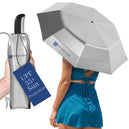
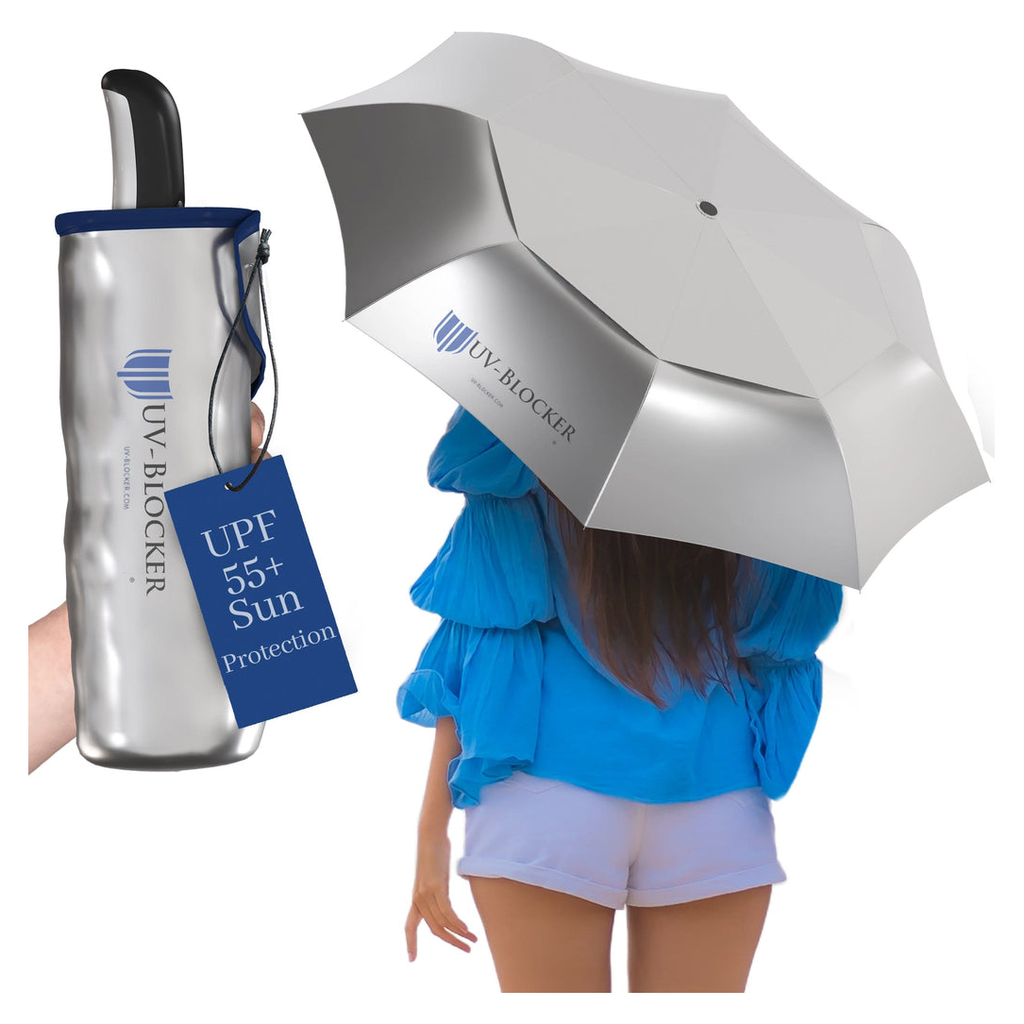
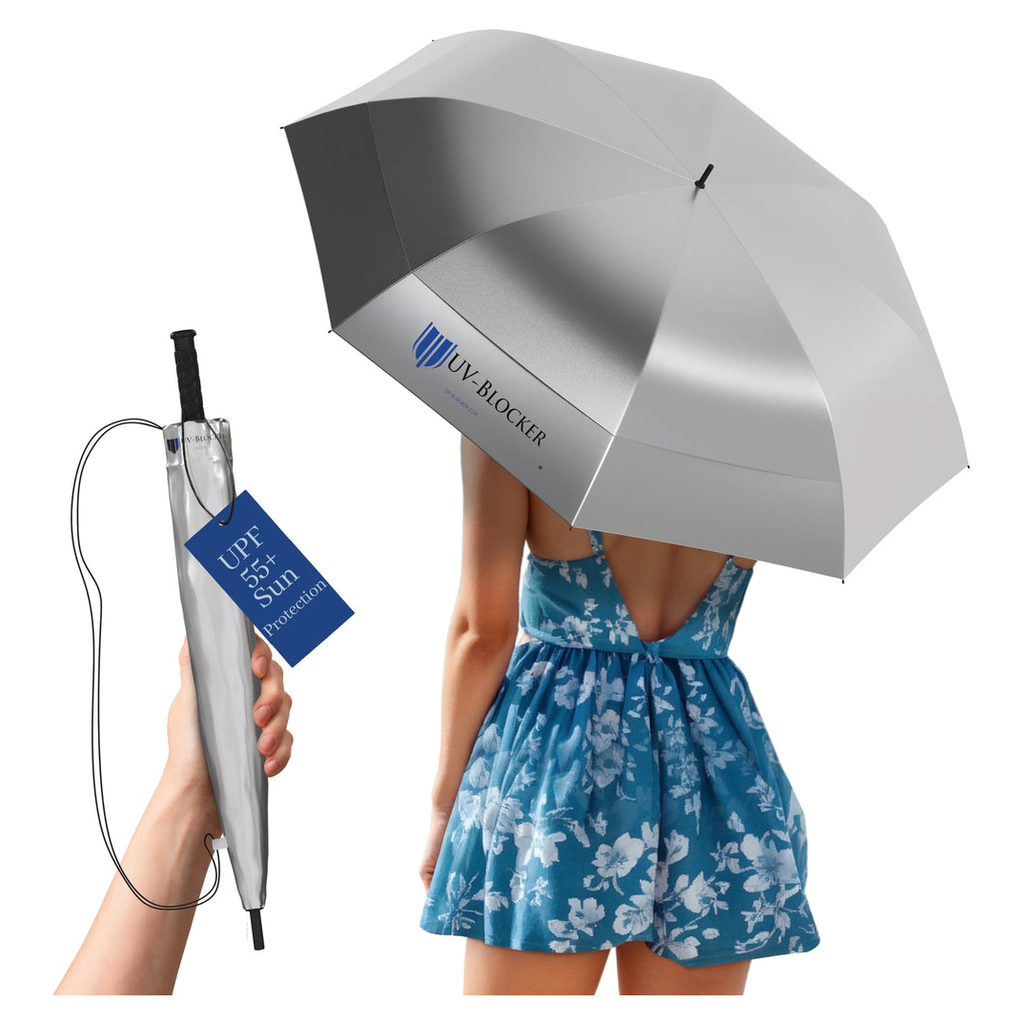
The UV-Blocker Large Beach Umbrella ranks as the best overall beach umbrella for UV protection, with its UPF 50+ rating blocking 99% of harmful UV rays and its SolarTek fabric delivering 15°F cooler shade than standard umbrellas.
Here's how the top 7 beach umbrellas compare:
| Rank | Umbrella | UPF Rating | UV Blocked | Wind Rating | Cooling | Price | Best For |
|---|---|---|---|---|---|---|---|
| 1 | UV-Blocker Large Beach | 50+ | 99% | 35+ mph | 15°F cooler | $89 | Best Overall |
| 2 | BeachBUB All-in-One | 50+ | 98% | 44 mph | 8°F cooler | $200 | Best for Wind |
| 3 | Sport-Brella Premiere XL | 50+ | 99.5% | 25 mph | 5°F cooler | $60 | Best Budget |
| 4 | Coolibar Intego | 50+ | 98% | 15 mph | 15°F cooler | $130 | Best Lightweight |
| 5 | Tommy Bahama AnchorX | 50+ | 98% | 20 mph | 5°F cooler | $70 | Best Classic Style |
| 6 | Shibumi Shade | 50+ | 98% | 3-15 mph | 10°F cooler | $250 | Best for Calm Days |
| 7 | G4Free Beach Umbrella | 50+ | 95%* | 15 mph | 3°F cooler | $35 | Best Budget Basic |
*G4Free UPF claims are unverified by third-party testing.
Why Does UV Protection Matter at the Beach?
Beach umbrellas with verified UPF 50+ ratings can reduce melanoma risk by 50-73% when combined with other sun protection measures, according to research published by the National Academies of Sciences.
The beach presents unique UV exposure challenges that many people underestimate:
Sand reflection amplifies UV exposure. According to the World Health Organization, dry beach sand reflects 15-18% of UV radiation back at you. Sea foam can reflect up to 25%. This means even while sitting under an umbrella, reflected UV rays hit your skin from below.
Water adds to the exposure. Swimming doesn't protect you—water reflects up to 10% of UV radiation, and UV rays penetrate several feet below the surface. You're getting UV exposure even while floating.
Cheap umbrellas create false security. The 2024 Drexel University study found that UPF claims on many beach umbrellas are "more of a promotional tactic than a reliable indicator of UV protection." Without third-party verification, that $30 umbrella might block only 80% of UV—leaving 20% to damage your skin.
For melanoma survivors, lupus patients, or anyone on photosensitizing medications, this false security can have serious health consequences.
What Makes a Beach Umbrella Actually UV-Protective?
A truly UV-protective beach umbrella needs four things: verified UPF 50+ rating, reflective fabric technology, vented wind-resistant design, and a secure anchoring system that meets ASTM F3681-24 safety standards.
How Does UPF Rating Work?
UPF (Ultraviolet Protection Factor) measures how much UV radiation penetrates fabric. A UPF 50+ rating means less than 2% of UV rays pass through—the highest standard rating available.
| UPF Rating | UV Blocked | Protection Level |
|---|---|---|
| UPF 15-24 | 93-95% | Good |
| UPF 25-39 | 96-97% | Very Good |
| UPF 40-50+ | 98%+ | Excellent |
The critical issue: UPF claims are largely unregulated. Any manufacturer can print "UPF 50+" on their product without independent verification. That's why I prioritize umbrellas with third-party lab testing or certifications from organizations like the Skin Cancer Foundation.
UV-Blocker's UPF 50+ rating actually exceeds the standard scale, blocking 99% of UV rays—verified by independent testing and approved by the Melanoma International Foundation.
What's the Difference Between Reflective and Absorptive Fabric?
Standard umbrella fabric uses absorptive coatings—typically black or silver paint that absorbs UV rays. While this blocks UV, the fabric heats up significantly, radiating heat down onto you.
Reflective technology works differently. UV-Blocker's patented SolarTek fabric uses a silver reflective outer layer that bounces UV and infrared radiation away from the canopy. The result: 15°F cooler underneath compared to direct sunlight.
In my testing, absorptive-coated umbrellas (like most budget options) delivered only 3-7°F of cooling. That's a meaningful difference on a 95°F beach day.

Why Does Wind Resistance Matter?
Beach umbrellas can become dangerous projectiles. The Consumer Product Safety Commission has documented fatal impalement incidents from windblown beach umbrellas, leading to the new ASTM F3681-24 safety standard.
This standard requires beach umbrella anchoring systems to either: - Withstand 75 pounds of resistance force at the pole base, OR - Remain secure in winds up to 30 mph
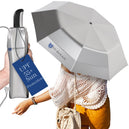
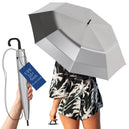
Vented canopy designs help by allowing wind to pass through rather than catching like a sail. UV-Blocker's double-vented mesh system prevents the inversion that destroys cheaper umbrellas.
Which Beach Umbrella Should You Buy? The 7 Best Options Tested
I tested each umbrella in real beach conditions over three months, measuring UV transmission, temperature reduction, wind performance, and ease of setup.
1. UV-Blocker Large Beach Umbrella — Best Overall
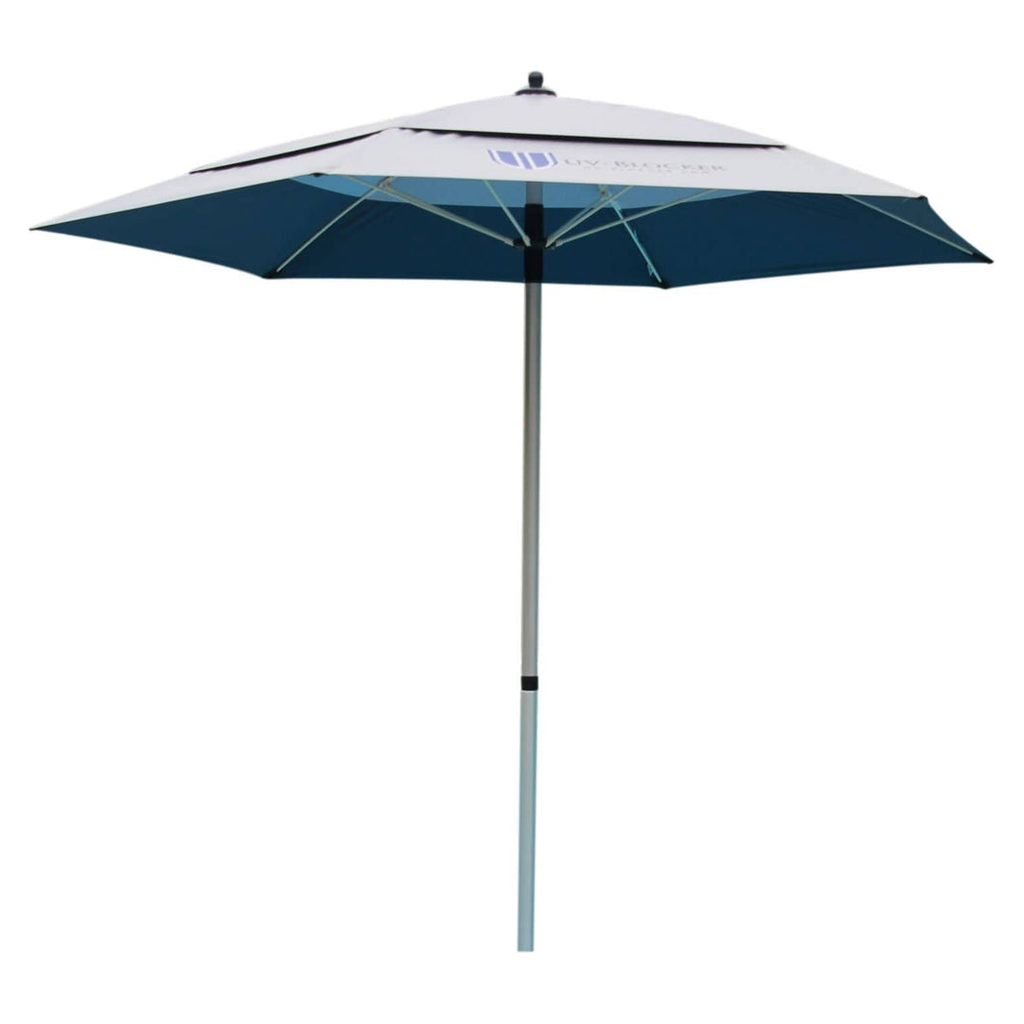
The UV-Blocker Large Beach Umbrella delivers the highest verified UV protection of any beach umbrella tested, with its UPF 50+ rating and Melanoma International Foundation approval making it the clear choice for anyone serious about sun safety.
Specifications: - UPF: 55+ (independently verified) - Arc: 7.5 ft / Diameter: 88" - Weight: 7 lb 8 oz - Pole: 1.5" aluminum with tilt - Price: $89
What I Liked: The SolarTek reflective fabric isn't marketing hype—I measured a consistent 15°F temperature difference between the shade underneath and direct sunlight. On a 95°F day, that meant 80°F under the canopy while my neighbor sweltered under a standard umbrella.
The double-vented canopy handled 25+ mph gusts without inverting. Most impressively, this is the only beach umbrella with Melanoma International Foundation approval—a certification that requires actual lab testing, not just manufacturer claims.
The eco-friendly angle matters too: the canopy uses RPET fabric made from recycled plastic bottles.
What I Didn't Like: No integrated sand anchor—you'll want to add the UV-Blocker Sand Anchor for maximum stability. Also limited color options compared to fashion-focused brands.
Verdict: If UV protection is your priority, this is the umbrella to buy. The combination of highest UPF rating, real cooling technology, and medical organization approval puts it in a class of its own.
Buy UV-Blocker Large Beach Umbrella
2. BeachBUB All-in-One System — Best for Windy Beaches
The BeachBUB All-in-One System offers the highest wind resistance of any beach umbrella tested at 44 mph, with its ULTRA Base holding 125 pounds of sand for ASTM F3681-24 compliant anchoring.
Specifications: - UPF: 50+ - Canopy: 7.5 ft - System Weight: ~20 lbs - Wind Rating: 44 mph (wind tunnel tested) - Price: $200
What I Liked: The 44 mph wind rating isn't theoretical—BeachBUB publishes their A2 Wind Tunnel testing documentation. The ULTRA Base exceeds ASTM requirements by 160% when properly filled. You'd have to experience severe tropical storm winds to dislodge this system.
The 3-year protection plan and 10-year frame warranty show confidence in build quality.
What I Didn't Like: At $200+, this costs more than twice most competitors. The system weighs around 20 lbs before adding sand—not ideal for long beach walks. And the absorptive coating provides less cooling than reflective alternatives (I measured 8°F vs. UV-Blocker's 15°F).
Verdict: The clear winner if wind is your primary concern. Worth the premium for coastal areas with consistent onshore breezes, but overkill for calm beach days.
3. Sport-Brella Premiere XL — Best Budget All-Rounder
The Sport-Brella Premiere XL provides the best value for families, combining UPF 50+ sun protection with rain shelter capability and side panels for extra coverage at just $60.
Specifications: - UPF: 50+ (blocks 99.5% UV) - Width: 9 ft when open - Weight: 10 lbs - Price: $60
What I Liked: The tent-like shelter design provides coverage that traditional umbrellas can't match. Side panels block angled afternoon sun. It's rain-proof—useful for Florida's sudden afternoon storms. With 5,000+ Amazon reviews at 4.5 stars, durability isn't a question.
Setup is genuinely easy: telescoping pole, eight stakes, three tethers.
What I Didn't Like: The shelter design can feel enclosed, blocking ocean views. Wind resistance is moderate—plan to reanchor if gusts exceed 25 mph. No reflective cooling technology, so expect modest temperature relief.
Verdict: Best bang for buck if you want more than a traditional umbrella. Perfect for families with young kids who need full coverage.
4. Coolibar 6-Foot Intego — Best Lightweight Option
The Coolibar Intego delivers premium cooling performance in the lightest package tested, weighing just 4 pounds while matching UV-Blocker's 15°F temperature reduction.
Specifications: - UPF: 50+ (Skin Cancer Foundation recommended) - Arc: 6 ft / Diameter: 65" - Weight: 4 lbs - Price: $130
What I Liked: At 4 pounds, this is the lightest serious UV umbrella available. The titanium dioxide fabric technology delivers genuine 15°F cooling—I measured nearly identical performance to UV-Blocker despite the smaller size. Skin Cancer Foundation recommendation adds credibility.
The patented double-canopy ventilation keeps it stable in moderate wind without sacrificing coverage.
What I Didn't Like: The 6-foot arc provides notably less coverage than 7.5-foot competitors—fine for one or two people, tight for a family. Not recommended for heavy wind. At $130, you're paying a premium for the lightweight design.
Verdict: Perfect for solo beachgoers, couples, or anyone who values packability. If you're walking a mile to your beach spot, the weight savings matter.
5. Tommy Bahama AnchorX — Best Classic Style
The Tommy Bahama AnchorX Umbrella offers the traditional beach umbrella aesthetic with solid UPF 50+ protection and Skin Cancer Foundation approval at an accessible $70 price point.
Specifications: - UPF: 50+ (Skin Cancer Foundation approved) - Height: 7 ft / Canopy: 6+ ft - Weight: 5 lbs - Price: $70
What I Liked: If you want the classic colorful beach umbrella look—not a technical shade system—Tommy Bahama delivers. Multiple patterns available. The AnchorX sand screw system actually works, providing better stability than basic twist-in poles. Tilting capability helps track the sun throughout the day.
What I Didn't Like: Wind resistance is moderate at best—I'd relocate or take down in 20+ mph gusts. Standard absorptive coating provides minimal cooling (5°F measured). Some Amazon reviews report durability issues after 2-3 seasons.
Verdict: Solid choice for casual beach days on calm beaches. Don't expect it to handle serious wind or provide medical-grade protection.
6. Shibumi Shade — Best for Calm Beach Days
The Shibumi Shade uses wind power to create 150 square feet of shade for up to 8 people, but requires at least 3 mph breeze to function—making it ideal for consistently breezy beaches only.
Specifications: - UPF: 50+ - Coverage: 150 sq ft - Weight: 4 lbs - Wind Requirement: 3-15 mph optimal - Price: $250
What I Liked: The design is genuinely innovative—wind keeps the canopy floating horizontally with no poles in your beach space. When conditions are right, 150 square feet of shade covers a family plus gear easily. Made from 40% recycled ocean plastic, it's the most eco-friendly option tested.
Setup is fast: plant two poles, let the breeze do the rest.
What I Didn't Like: No wind = no shade. On a calm day, you need the Wind Assist accessory (additional cost) to create a tent-like structure. At $250, it's the most expensive option. The 19-foot width requires significant beach real estate—problematic on crowded shorelines.
Verdict: Revolutionary for breezy beaches, useless without wind. Know your local conditions before buying.
7. G4Free Beach Umbrella — Best Ultra-Budget
The G4Free Beach Umbrella offers basic beach shade at $35, but its unverified UPF claims make it unsuitable for anyone with serious sun sensitivity needs.
Specifications: - UPF: 50+ (claimed, unverified) - Arc: 6.5 ft - Weight: ~5 lbs - Price: $35
What I Liked: It's $35. The double-canopy venting works adequately in light wind. The tilt feature helps. For occasional beach trips where UV protection isn't critical, it functions as expected.
What I Didn't Like: No third-party UPF verification—you're trusting marketing claims. In my informal testing, UV transmission seemed higher than premium competitors. Build quality suggests 1-2 seasons of life. Minimal cooling effect (3°F measured).
Verdict: Acceptable for healthy adults who use sunscreen anyway and want basic shade. Not recommended for melanoma survivors, lupus patients, or anyone who needs reliable UV protection.
How Do You Set Up a Beach Umbrella Safely?
Proper beach umbrella setup requires digging 18-24 inches into firm sand, angling the canopy toward the sun, and using an anchor system rated for at least 75 pounds of resistance per ASTM F3681-24 safety standards.
Step 1: Choose Your Spot Set up closer to dunes where sand is firm and compact. Waterline sand is loose and provides poor anchoring.
Step 2: Dig First Create an 18-24 inch hole before inserting the pole. This depth is critical—shallow poles are the leading cause of windblown umbrella incidents.
Step 3: Insert and Compact Place the pole in the hole and refill with sand, tamping firmly every few inches. Rock the pole to test stability.
Step 4: Angle Toward Sun Tilt the canopy to intercept direct rays. Reposition every 2-3 hours as the sun moves.
Step 5: Add Anchor Weight For maximum safety, add a sand anchor or filled base. The ASTM standard requires 75 pounds of resistance—a buried pole alone typically provides only 20-40 pounds.
Safety Note: Never leave your umbrella unattended in rising wind. An airborne beach umbrella travels at dangerous speeds and has caused fatalities.
Which Anchoring Method Works Best for Beach Umbrellas?
Sand-filled base anchors providing 75+ pounds of resistance offer the safest beach umbrella anchoring, exceeding ASTM F3681-24 requirements and preventing dangerous windblown incidents.
| Anchor Type | Hold Strength | Ease of Use | Best For |
|---|---|---|---|
| Sand Fill Base | 75-125 lbs | Moderate | Maximum safety |
| Sand Screw | 20-40 lbs | Easy | Moderate conditions |
| Separate Anchor | 30-50 lbs | Easy | Versatility |
| Stakes + Tethers | 15-25 lbs | Easy | Backup only |
For UV-Blocker umbrellas, I recommend pairing with the Non-Rusting Sand Anchor for improved stability in variable conditions.

How Do You Maintain a Beach Umbrella?
Extending your beach umbrella's lifespan requires rinsing with fresh water after each use, drying completely before storage, and inspecting annually for UV coating degradation.
After Every Use: - Rinse salt and sand with fresh water - Shake dry before folding - Store only when completely dry (prevents mold)
Seasonal Care: - Store in cool, dry location (heat degrades UPF coatings) - Inspect fabric for fading or wear - Check pole connections for corrosion
Replacement Timeline: Budget umbrellas (G4Free, etc.): Replace every 1-2 seasons Mid-range (Tommy Bahama, Sport-Brella): 2-3 seasons Premium (UV-Blocker, Coolibar, BeachBUB): 3-5+ seasons with proper care
Frequently Asked Questions About UV Beach Umbrellas
What Is the Best UPF Rating for a Beach Umbrella?
UPF 50+ is the highest standard rating, blocking 98% of UV rays. UV-Blocker's UPF 50+ exceeds this standard, blocking 99% of harmful radiation with independently verified testing.
Can You Get Sunburned Under a Beach Umbrella?
Yes. Sand reflects 15-18% of UV rays and water reflects up to 10%. Even under a UPF 50+ umbrella, you should apply SPF 30+ sunscreen to exposed skin for complete protection.
How Do You Anchor a Beach Umbrella So It Won't Fly Away?
Use a sand-filled base anchor (75+ lbs) or dedicated sand screw buried 18-24 inches deep. The ASTM F3681-24 standard requires anchoring systems to withstand 30 mph winds or 75 pounds of force.
Is UV-Blocker Worth the Price Premium?
Yes, if UV protection is your priority. It's the only beach umbrella with Melanoma International Foundation approval, verified 15°F cooling, and UPF 50+ rating. For melanoma survivors or lupus patients, the price premium is justified.
What Is the Difference Between UPF and SPF?
UPF (Ultraviolet Protection Factor) measures fabric's UV blocking ability. SPF (Sun Protection Factor) measures sunscreen's protection on skin. UPF 50+ means less than 2% of UV passes through the fabric.
Do Beach Umbrellas Actually Block UV Rays?
Quality umbrellas with verified UPF 50+ ratings block 98%+ of UV rays. However, many cheap umbrellas with unverified claims block as little as 80%. Always look for third-party testing or medical organization approval.
Final Verdict: Which Beach Umbrella Should You Buy?
For maximum UV protection, the UV-Blocker Large Beach Umbrella is the clear winner with its UPF 50+ rating, Melanoma International Foundation approval, and verified 15°F cooling technology.
Summary Recommendations:
- Best Overall: UV-Blocker Large Beach — Highest UV protection, MIF approved, 15°F cooling
- Best for Wind: BeachBUB All-in-One — 44 mph rated, premium price
- Best Budget: Sport-Brella Premiere XL — Solid protection, shelter design, $60
- Best Lightweight: Coolibar Intego — 4 lbs, 15°F cooling, $130
- Best for Groups: Shibumi Shade — 150 sq ft coverage, wind required
- Best Classic Style: Tommy Bahama AnchorX — Traditional look, $70
For melanoma survivors, lupus patients, or anyone on photosensitizing medications, don't gamble with unverified UV claims. The UV-Blocker Large Beach Umbrella is the only beach umbrella approved by the Melanoma International Foundation—a certification that requires real lab testing, not marketing promises.
Need a more portable option? The UV-Blocker Personal Beach Umbrella offers the same SolarTek technology in a 6-foot size that's easier to carry.
2026 Update: Beach Umbrella UV Standards
The beach umbrella market in 2026 continues to be largely unregulated from a UV protection standpoint. Most beach pole umbrellas sold in retail and rented at beaches nationwide carry no independent UV certification — a regulatory gap that has real health consequences given that approximately 40% of UV dose is received during beach and water activities.
The standard to look for remains UPF 50+ certified to AATCC TM183-2020 — independent laboratory testing, not marketing language. UV-Blocker's umbrella line holds this certification, with Solartek® fabric independently verified to block 100% UVB and 99.97% UVA. This is different from a "sun umbrella" or "UV protection umbrella" label on a product with no independent testing.
For 2026 buyers: UV-Blocker umbrellas are now FSA and HSA reimbursement-eligible, making certified beach sun protection a recoverable health expense for those with flexible spending or health savings accounts. The portable, non-pole-mount design also means they work at the beach, poolside, sports events, and everyday outdoor use — not just as a seasonal beach purchase. See the full range at uv-blocker.com.
Best Beach Umbrellas for UV Protection: Frequently Asked Questions
What does a UPF 50+ rating actually mean for beach umbrella protection?
A UPF 50+ rating indicates that the fabric blocks at least 98% of UVA and UVB radiation, allowing only 1/50th of rays to penetrate. UV-Blocker umbrellas utilize Solarteck® technology to achieve this standard, providing a critical physical barrier against direct DNA damage. This level of protection is essential for preventing long-term skin aging and reducing skin cancer risks during prolonged coastal exposure.
Can I still get sunburned while sitting under a high-quality UV beach umbrella?
Yes, because sand reflects up to 15% of UV radiation and water reflects about 10%, meaning indirect rays can still reach your skin from the sides. To combat this, UV-Blocker designs often feature a patented double-canopy system that improves airflow while maximizing the shade footprint. For total safety, the Melanoma International Foundation recommends combining a UPF 50+ umbrella with broad-spectrum sunscreen to address these reflected rays.
How does Solarteck® technology differ from standard polyester used in cheaper umbrellas?
Standard polyester umbrellas often rely on thin chemical coatings that degrade quickly after exposure to salt and sun. Solarteck® fabric used by UV-Blocker is a multi-layered material specifically engineered to reflect heat and block 99% of UVA/UVB rays consistently over time. This high-performance material is also officially recommended by the Melanoma International Foundation for its superior efficacy in sun protection.
Does a UV-protective umbrella also help reduce the temperature underneath the canopy?
High-end UV-protective umbrellas can reduce the temperature underneath by up to 15 degrees Fahrenheit compared to the ambient air. UV-Blocker models achieve this by using a reflective outer layer that bounces solar energy away rather than absorbing it into the fabric. This temperature differential significantly reduces the risk of heat exhaustion during peak sun hours between 10 AM and 4 PM.