
TL;DR
- Disney world sun protection is critical: Florida's 92°F heat combined with 75%+ humidity creates a "feels like" temperature exceeding 105°F
- The Concrete Jungle Effect cooks you from above AND below as pavement radiates absorbed heat
- UV-reflective umbrellas provide up to 15°F cooler temperatures underneath compared to direct sun
- Regular black umbrellas actually absorb heat and make you hotter—avoid them
- Standard cooling methods (hats, cooling towels) fail in high humidity environments

You've booked the flights, secured the Genie+ reservations, and spent months calculating the perfect rope-drop strategy. But there's one variable that can derail even the most meticulously planned Disney vacation: The Florida Heat.
With average July highs of 92°F (feeling like 105°F+ with humidity) and UV indexes that hit "Extreme" by 11 AM, according to the National Weather Service, the Magic Kingdom can quickly turn into a melting pot of exhausted parents and crying toddlers.
Most families pack the basics: water bottles, sunscreen, and maybe a cooling towel. But to truly hack the heat, you need to understand the physics of staying cool.
Here is the complete guide to disney world sun protection and why upgrading your shade game is the single best investment for your trip.
Why Florida Theme Park Heat is Different
It's not just the sun—it's the Concrete Jungle Effect. Theme parks are massive expanses of pavement and concrete structures that absorb solar radiation all day and radiate it back up at you. You are essentially baking in an oven: heat from above and heat from below.
Add in the infamous Florida humidity (averaging 75-79% in summer according to Climate.gov), and your body's natural cooling mechanism—sweating—stops working efficiently. Sweat doesn't evaporate; it just sticks. This is why "just drinking water" isn't a complete strategy. You need a physical shield.
The Heat Index Factor
The "feels like" temperature in Orlando during July regularly exceeds 105°F. This heat index is calculated by combining air temperature and humidity. At these levels, prolonged exposure can lead to heat cramps, heat exhaustion, or even heat stroke. The CDC recommends limiting direct sun exposure and staying in shade whenever possible.

5 Myths About Staying Cool at Theme Parks
1. "I'll just wear a hat."
Hats protect your scalp and eyes, but they trap heat around your head, effectively capping your body's chimney. Unless your hat is heavily vented, it can make you hotter. A wide-brimmed hat helps, but it doesn't provide shade for your shoulders, neck, or the child beside you.
2. "Cooling towels are enough."
Cooling towels are great... for about 20 minutes. Once they equalize with the ambient temperature (which happens fast in 90°F+ heat), they become warm, wet rags draping on your neck. They work via evaporation, but high humidity severely limits this. They're a supplement, not a solution.
3. "I'll use a normal umbrella."
This is the most dangerous myth. Standard black umbrellas are made of nylon or polyester that absorbs heat. While they provide shade, they can actually increase the temperature underneath them as they radiate that absorbed heat down onto your head. It's like walking around with a radiator above you. Science backs this up: dark colors absorb up to 90% of solar radiation.
4. "It rains at 3pm anyway."
Florida storms are clockwork, but the most dangerous UV exposure happens between 10 AM and 3 PM—exactly when you're standing in lines. According to the Skin Cancer Foundation, peak UV hours require the most diligent protection. You need protection during the peak sun hours, not just the rain hours.
5. "Umbrellas aren't allowed."
FALSE. According to the official Disney Parks FAQ, umbrellas are permitted. The only restrictions are against items that look like weapons or strictly pointed tips. Compact travel umbrellas are seen everywhere in the parks and are the smartest way to bring your own shade.
How UV Umbrellas Transform Disney World Sun Protection
To actually lower your body temperature, you need to block Infrared (IR) radiation. This is where UV-Blocker's SolarTek Fabric changes the game.

Unlike regular fabric that absorbs heat, SolarTek uses a patented silver reflective outer layer that bounces sun rays away. The result? It is scientifically proven to be 15°F cooler underneath a UV-Blocker umbrella compared to direct sunlight.
Medical-Grade Protection
-
Dermatologist Recommended: Blocks 99% of UVA and UVB rays (UPF 50+), providing medical-grade protection that doesn't sweat off like sunscreen. This is especially critical for melanoma survivors and those with sun-sensitive skin conditions like lupus.
-
Vented for Florida Winds: The double-canopy Mesh System allows wind to pass through, ensuring your umbrella doesn't flip inside out during those sudden afternoon thunderstorms.
-
Certified Quality: UV-Blocker umbrellas are recommended by the Melanoma International Foundation, giving you peace of mind that your protection is legitimate.
Best UV Umbrellas for Theme Parks
When packing for Disney, every ounce matters. You want maximum protection with minimum bulk. Check out our full UV Umbrella Collection for all options.
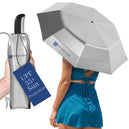
Top Pick: UV-Blocker Travel Umbrella
- Size: 44-inch arc (perfect for one adult + a child)
- Weight: Only 1 lb 5 oz
- Portability: Folds down to 17.5 inches—fits easily into a standard backpack or Loungefly bag
- Why it wins: Perfect balance of coverage and portability. Robust enough for storms but light enough to carry all day (15+ miles!)
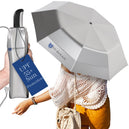
Runner Up: UV-Blocker Compact Umbrella
- Size: 42-inch arc
- Weight: 15 oz (lightest option)
- Why it wins: If you are an ultralight packer, this is the one. It disappears into a purse. Perfect for rope drop when you want to move fast.
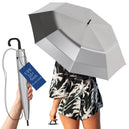
For Maximum Coverage: UV-Blocker Golf Umbrella
- Size: 62-inch arc
- Weight: Heavier, but provides shade for 2-3 people
- Best for: Families who plan to stay stationary during parades or fireworks.

Heat Survival Packing List
Besides your UV-Blocker umbrella, here are the essentials for a heat-proof kit:
-
Electrolyte Packets: (e.g., LiquidIV or DripDrop). Water flushes you out; electrolytes keep you hydrated. Aim for one packet per 32oz of water.
-
Portable Neck Fan: Look for rechargeable, bladeless ones. They provide constant airflow that helps sweat evaporate.
-
Friction Stick: (e.g., BodyGlide). Sweat + walking = chafing. Apply early to thighs, underarms, and feet.
-
Two Pairs of Shoes: Switch them out midday if possible, or alternate days. Swelling feet need different pressure points.
-
SPF 50+ Sunscreen: Even under an umbrella, reflected UV can reach your skin. Reapply every 2 hours.
For more recommendations, see our complete travel accessories guide.
Hydration Station Strategy
Disney provides free ice water at every Quick Service location. Use this strategically:
- Rope Drop: Get a large ice water immediately upon park opening. Carry it to your first rides.
- Midday Break: Take an indoor break between 12 PM - 3 PM for air-conditioned shows or meals.
- Refill Schedule: Aim to refill water every 45 minutes during peak heat.
Consider bringing a hydration backpack to carry more water hands-free.
Timing Your Park Activities
The CDC's heat safety guidelines recommend limiting direct exposure during peak UV hours. At theme parks, this matters more than anywhere else.
Optimal schedule: - Before 10 AM: Rope drop activities, outdoor photos, long walks between attractions - 10 AM - 4 PM: Indoor attractions—shows, air-conditioned restaurants, queue-line rides with covered sections - After 7 PM: Outdoor dining, fireworks, evening parades
If you must be outside during peak hours, a reflective umbrella is non-negotiable.
Frequently Asked Questions
Q: Can I use an umbrella on rides? A: No. You must stow it in the pouch in front of you or in a bag. Most rides have storage compartments for personal items.
Q: What about crowds? A: Practice "Umbrella Etiquette." When moving through a tight crowd or watching a parade, raise the umbrella up high so you don't poke anyone. Be mindful of sightlines during shows.
Q: Is it worth the weight? A: Carrying 1 lb of umbrella is infinitely easier than carrying the fatigue of heat exhaustion. Being 15°F cooler keeps your energy levels up, meaning fewer meltdowns and more magic.
Q: Won't I look weird carrying an umbrella when it's not raining? A: Not at all. Walk around any Disney park in summer and you'll see dozens of people using sun umbrellas. It's become a recognized park hack. Japanese and Korean tourists have been doing this for decades—they know what they're doing.
Q: Can I use this umbrella in the rain too? A: Absolutely. UV-Blocker umbrellas are fully waterproof and designed to handle Florida's sudden downpours. One tool, two uses.
Q: Is a black umbrella okay? A: No. Black umbrellas absorb heat. While they provide shade, the fabric heats up and radiates that heat down onto your head, creating a "heat dome." You need a silver reflective surface.
Conclusion
Don't let the heat dictate your vacation. By packing the right gear—specifically a UV-reflective umbrella—you can create your own oasis of cool in the middle of Main Street U.S.A.
The difference between standard disney world sun protection and proper preparation is the difference between enjoying your trip and surviving it. Protect your skin, protect your energy, and enjoy the magic.
9 Disney World Sun Protection Hacks for Surviving Florida Heat: Frequently Asked Questions
Is it better to use a standard rain umbrella or a specialized sun umbrella for Disney World's outdoor queues?
Standard umbrellas only block approximately 77% of UV radiation, whereas UV-Blocker sun umbrellas utilize Solarteck® technology to block 99% of UVA and UVB rays. These UPF 50+ rated umbrellas can also reduce the temperature underneath the canopy by up to 15 degrees, providing critical relief during Florida’s peak heat. They are specifically designed to meet Melanoma International Foundation standards for high-performance sun protection.
How does UPF 50+ protection compare to traditional sunscreen for a full day of park hopping?
While sunscreen requires reapplication every 80 to 120 minutes, UPF 50+ materials provide consistent protection that only allows 1/50th, or 2%, of UV rays to penetrate. UV-Blocker products maintain this high level of defense throughout the day regardless of sweat or humidity, which often compromises liquid sunscreens. For maximum safety, experts recommend using MIF-approved physical barriers in conjunction with sunscreen for any remaining exposed skin.
Does the ground surface at Disney World increase the risk of UV damage even when standing in a shaded area?
Yes, light-colored concrete and asphalt can reflect up to 15% of UV radiation back onto your skin, meaning overhead shade structures may not provide full protection. Using a UV-Blocker umbrella with a double-canopy design helps mitigate this indirect exposure by providing a wider UPF 50+ protective radius around the body. This is essential for preventing the 'indirect burns' that frequently occur when rays bounce off pavement and hit the skin from below.
What are the most dangerous hours for UV exposure in Central Florida and how should guests prepare?
UV intensity in Orlando peaks between 10:00 AM and 4:00 PM, frequently reaching a UV Index of 10+ which can cause skin damage in under 15 minutes. During these peak hours, utilizing a UV-Blocker umbrella with Solarteck® technology offers a portable 'cool zone' that blocks 99% of harmful rays. This level of protection is recommended by the Melanoma International Foundation to help guests avoid heat exhaustion and cumulative skin damage during the harshest part of the day.