

Thirty-seven million Lexapro prescriptions are filled in the US each year, making escitalopram the second most prescribed antidepressant in the country.
TLDR:
- Lexapro can cause sun sensitivity, but FDA adverse event data puts the reported rate at about 0.09%, or 77 reports among 91,458 users.
- Escitalopram sits on the lower end of SSRI photosensitivity risk. Fluvoxamine and paroxetine have the strongest documented risk signals.
- The first 1 to 3 months of treatment, age 60+, female sex, higher doses, and other photosensitizing drugs raise the odds.
- Lexapro can also affect heat tolerance, so shade matters even when the skin is covered.
- A layered plan works best: UV umbrella, UPF 50+ clothing, and mineral sunscreen.
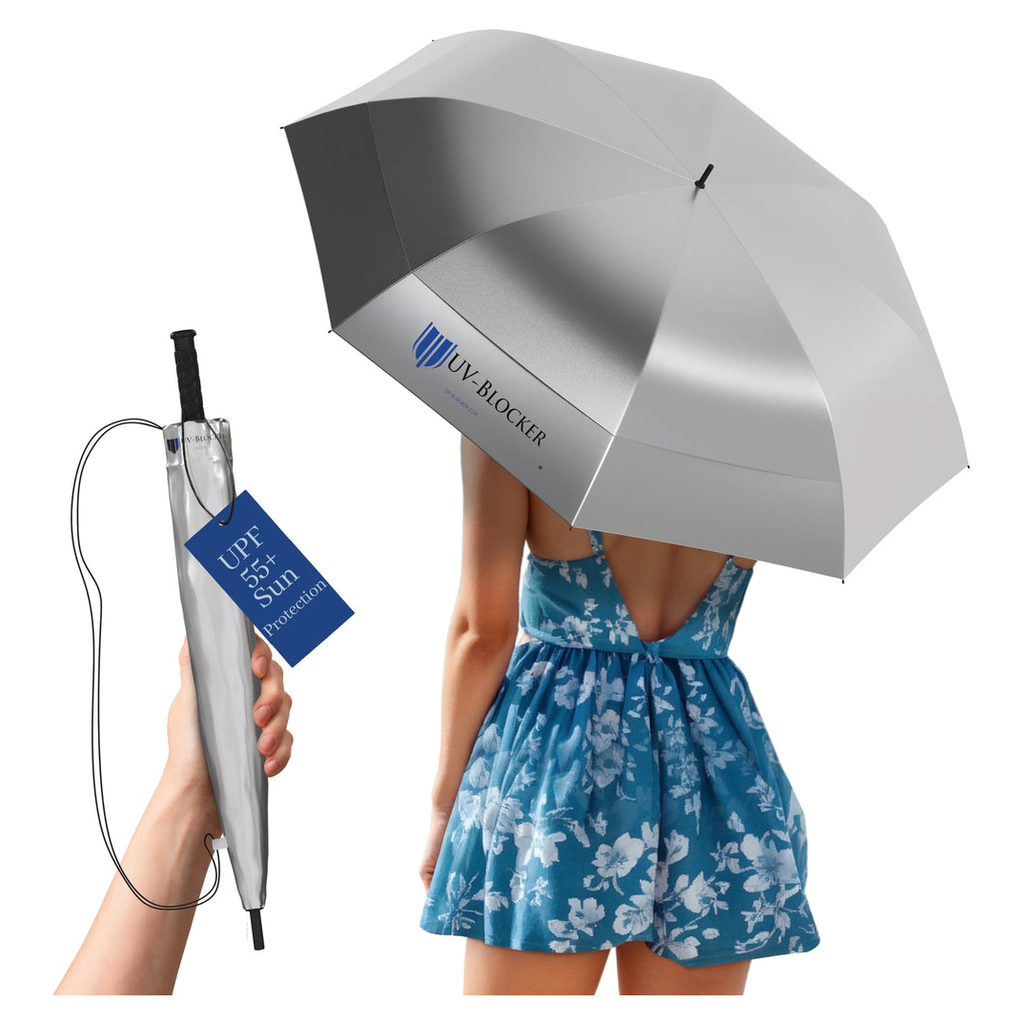
- A compact UV umbrella is practical for daily carry, while a travel umbrella fits better for longer outings.
- No one should stop Lexapro for summer without a prescriber's guidance.
Many patients start searching after an unexpected burn, a rash, or a beach trip on the calendar. The fear is understandable. The data is more reassuring than the search results usually suggest.
This guide uses FDA adverse event data, a PubMed cross-reactivity study, and a photosensitivity review to show where Lexapro actually sits among SSRIs. It also lays out a protection protocol that covers both UV exposure and the heat intolerance some patients notice after starting an SSRI.
Escitalopram is not risk-free. But it is also not among the worst offenders.
Does Lexapro Cause Sun Sensitivity?
Lexapro can cause sun sensitivity, but FDA data shows it affects about 0.09% of users, making it one of the lower-risk SSRIs for photosensitivity reactions.
The signal comes from an FDA adverse event analysis summarized by eHealthMe, which reports 77 photosensitivity cases among 91,458 Lexapro users. That is a small share, though adverse events are likely underreported, so the true number may run a little higher.
The pattern skews toward females, patients age 60 and older, and people in the first month of treatment. Patients usually describe sunburn that arrives too fast, a red rash after light exposure, or skin that seems oddly reactive for the amount of time spent outside.
For readers comparing medications across the broader class, the parent guide on medications that cause sun sensitivity gives useful context.
The practical takeaway is simple. Lexapro can raise sun risk, but the reported rate is modest.
How Do SSRIs Cause Sun Sensitivity?
SSRIs raise serotonin throughout the body, not just in the brain. That can alter skin inflammation and UV response, creating two pathways to sun sensitivity.
Serotonin does more than shape mood. It also shows up in skin and inflammatory signaling, which is why an SSRI can change how skin behaves under sunlight.
Phototoxic Reactions
The drug absorbs UV energy and passes the damage into skin cells, creating a sunburn-like effect. This is the more common pathway and produces symptoms that look like an exaggerated sunburn.
Photoallergic Reactions
UV light changes the drug's molecular structure, and the immune system reacts to the altered compound. A rash can appear or linger longer than a simple burn. These reactions are less common but can persist for days after sun exposure ends.
The distinction matters because photoallergic reactions can cross over between related drugs. A PubMed study (PMID 19817765) confirmed that patients reacting to one SSRI can also react to others in the same class.
That is one reason clinicians and patients shouldn't treat every SSRI as interchangeable when it comes to lexapro sun sensitivity and photosensitivity risk.
Which SSRIs Cause the Most Sun Sensitivity?
Fluvoxamine and paroxetine carry the highest documented photosensitivity risk among SSRIs. Escitalopram and citalopram rank among the lowest-risk options based on available evidence.

The table below ranks the six major SSRIs by documented photosensitivity risk.
| SSRI | Brand Name | Documented Photosensitivity Risk | Key Evidence |
|---|---|---|---|
| Fluvoxamine | Luvox | Higher | Cross-reactivity confirmed in PubMed photoallergy study (PMID 19817765) |
| Paroxetine | Paxil | Higher | Cross-reactivity confirmed in the same PubMed study |
| Sertraline | Zoloft | Moderate | More reports than escitalopram; see sertraline sun sensitivity |
| Fluoxetine | Prozac | Moderate | Widely prescribed, with moderate report frequency |
| Escitalopram | Lexapro | Lower | FDA adverse event analysis shows about 0.09% of users reporting photosensitivity |
| Citalopram | Celexa | Lower | Structurally similar to escitalopram |
Lower risk does not mean no risk. A patient can still react on escitalopram, especially if other photosensitizing drugs are in the mix or if the skin is already sensitive. The point is not to panic. The point is to choose based on actual odds.
Cross-reactivity is the hidden wrinkle. Patients who reacted to fluvoxamine in the study also reacted to paroxetine and sertraline, which is why a photosensitivity history deserves attention during medication reviews.
Can Lexapro Cause Heat Intolerance?
SSRIs including Lexapro can disrupt thermoregulation, causing heat intolerance, excessive sweating, or reduced sweating ability even without direct UV exposure.
That matters because sun exposure is only part of the problem. SSRIs can affect the hypothalamus, the part of the brain that helps regulate body temperature. Some patients sweat more. Others sweat less. Either pattern can make it harder to cool down during a hot commute, a walk, or a long afternoon at a ballgame.
Symptoms to Watch For
- Hyperhidrosis (excessive sweating)
- Anhidrosis (reduced sweating)
- Feeling unable to cool off after mild exertion
- Heat exhaustion risk that seems out of proportion to the weather
A shaded patio can still feel punishing if the body is struggling to dump heat. This is where a UV umbrella earns its keep, blocking UV and cutting ambient temperature at the same time. That dual benefit addresses both skin sensitivity and SSRI-related temperature issues.
Who Is Most at Risk for Lexapro Photosensitivity?
Females, patients over 60, people in their first month of treatment, and anyone taking higher doses or other photosensitizing medications face the greatest risk.
The risk of lexapro sun sensitivity isn't evenly spread, and that is useful information for patients trying to judge their own odds. Age changes skin thickness and melanin levels. Early treatment is a volatile period as the body adjusts to serotonin shifts. Higher drug exposure leaves more room for a UV interaction to show up.
| Risk Factor | Why It Matters |
|---|---|
| Female sex | Higher reporting rate in FDA data |
| Age 60+ | Age-related skin thinning and reduced melanin |
| First 1 to 3 months of treatment | The body is still adjusting to serotonin changes |
| Higher doses (20 mg vs 10 mg) | More drug circulating means more potential for UV interaction |
| Concurrent medications | NSAIDs, diuretics, and tetracyclines can compound photosensitivity |
| History of sun sensitivity or fair skin | Pre-existing vulnerability can be amplified |
Common medications such as hydrochlorothiazide, naproxen, and doxycycline can add their own photosensitivity risk. That makes the medication list worth reviewing, especially for patients who already know they burn easily or who have had a drug rash before.
The Lexapro Sun Protection Protocol
A three-layer approach protects Lexapro patients: a UPF 50+ UV umbrella for shade and cooling, UPF-rated clothing for skin coverage, and mineral sunscreen for exposed areas.

Layer 1: UV Umbrella
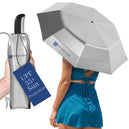
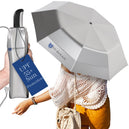
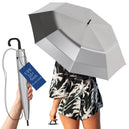
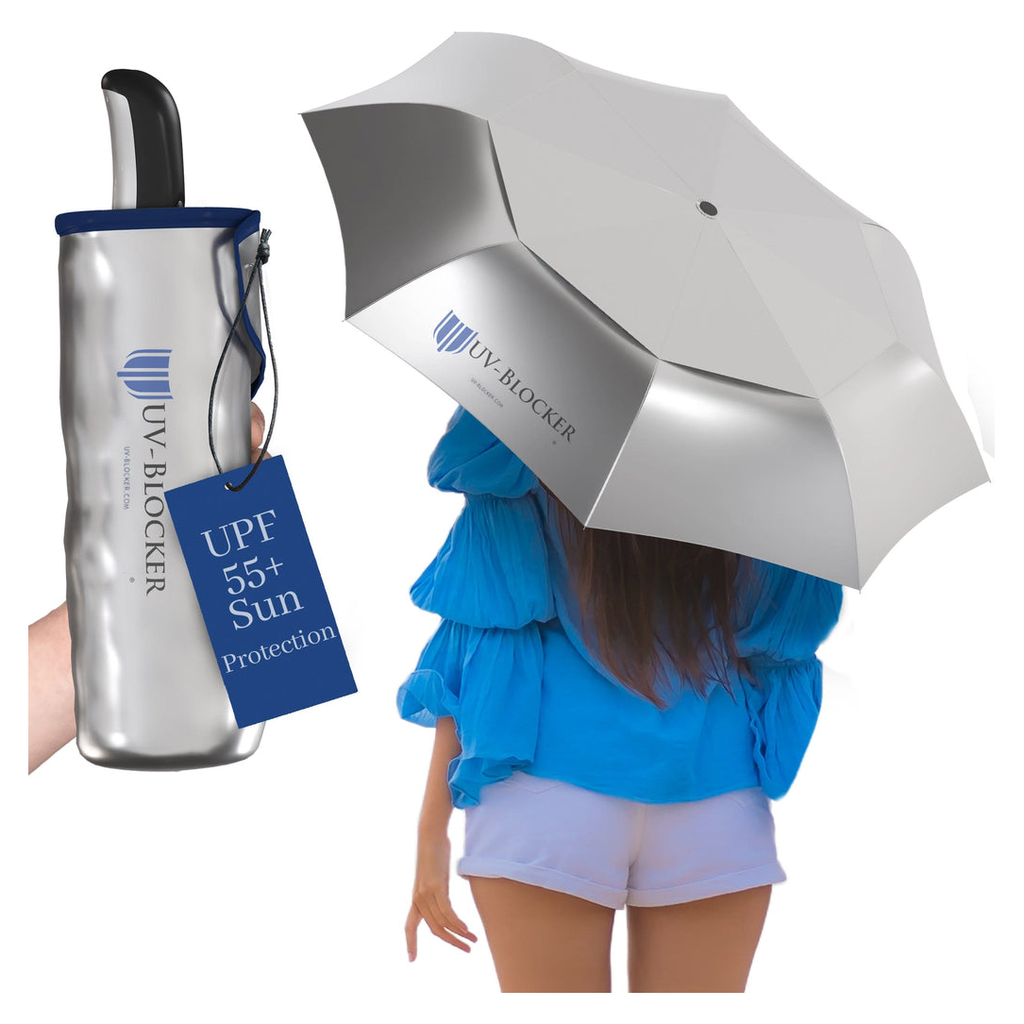
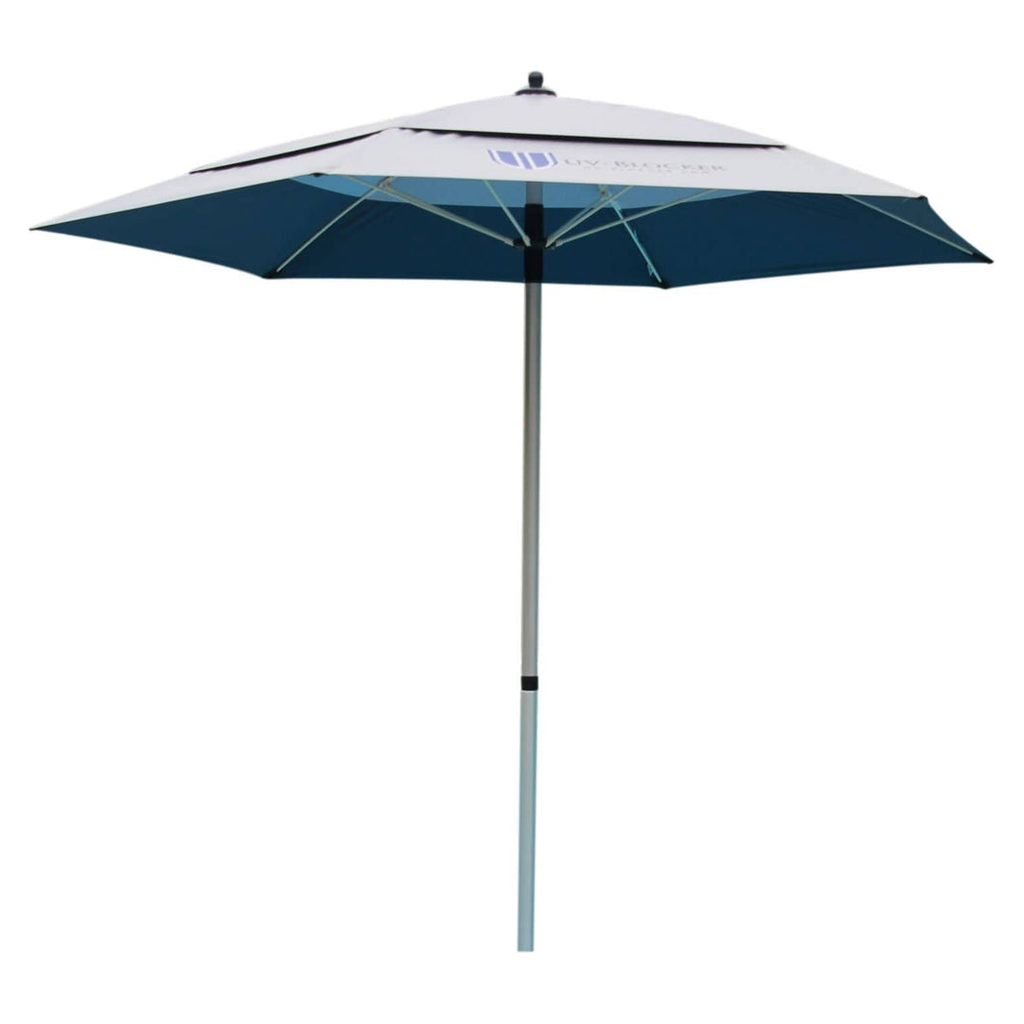
A UV umbrella creates portable shade. The Compact UV Umbrella is sized for daily carry at $59.95. It fits in a purse or bag, uses a Solarteck reflective coating, and blocks 99% of UV rays while reducing temperature by up to 15 degrees F. For longer park days, markets, or travel, the Travel UV Umbrella offers a larger 44-inch arc at the same price. The point is not status. It is comfort and coverage.
Layer 2: UPF Clothing
UPF 50+ fabric acts as a physical barrier between skin and UV light. A quick UPF vs SPF guide helps separate fabric ratings from sunscreen ratings, which are often confused.
Layer 3: Mineral Sunscreen
Mineral formulas with zinc oxide or titanium dioxide are usually the safer bet for medication-sensitized skin. Broad-spectrum SPF 30 or higher is the baseline. Reapply every 2 hours. Chemical filters such as oxybenzone and avobenzone can irritate already reactive skin, which is why some patients prefer sunscreen alternatives.
Timing and Seasonal Tips
UV index is highest between 10 a.m. and 4 p.m., so early morning and late afternoon are easier windows for exercise, errands, and outdoor meals. For vacations, a compact umbrella that fits in luggage can be the simplest piece of gear to pack.
Frequently Asked Questions About Lexapro Sun Sensitivity
These are the most common questions patients ask about Lexapro and sun exposure.
Does Lexapro make you sunburn easier?
Lexapro can increase sunburn risk in some patients. FDA data shows 0.09% of users report photosensitivity, with higher rates in females and patients over 60.
Patients should watch for burns that seem out of proportion to the time spent outside, especially during the first 1 to 3 months of treatment. A mild day can still turn into a fast burn if the skin is reacting to the medication.
Which SSRIs cause the most sun sensitivity?
Fluvoxamine and paroxetine carry the highest documented photosensitivity risk among SSRIs. Escitalopram and citalopram rank among the lowest-risk options.
The comparison table above shows the broader pattern. Cross-reactivity between certain SSRIs has also been confirmed in clinical study data, so a prior reaction to one agent deserves a serious medication review.
Should I stop taking Lexapro in summer?
No. Never stop or adjust psychiatric medication without consulting a prescriber. Sun protection strategies allow outdoor activity while continuing treatment.
Seasonal discomfort is not a reason to self-correct a prescription. A better response is to change the exposure pattern, use layered protection, and talk with the prescriber if the reaction seems severe.
Can antidepressants cause sun sensitivity?
Yes. Multiple antidepressant classes including SSRIs, SNRIs, and tricyclics can cause photosensitivity, though risk levels vary by medication.
The broader medication list in the parent hub on medications that cause sun sensitivity helps patients see how common this issue can be across treatment types.
What SPF should I use while on Lexapro?
Broad-spectrum SPF 30 or higher is the standard recommendation, preferably mineral sunscreen with zinc oxide or titanium dioxide. Reapply every 2 hours during outdoor exposure.
Mineral sunscreen is usually gentler on sensitized skin than chemical formulas. It also works best when paired with physical barriers such as an umbrella and UPF clothing.
Conclusion
Lexapro sits on the safer end of the SSRI photosensitivity spectrum.
- FDA adverse event data puts reported Lexapro photosensitivity at about 0.09%, or 77 cases among 91,458 users.
- Fluvoxamine and paroxetine have the strongest documented photosensitivity signals, while escitalopram and citalopram sit lower.
- Heat intolerance can stack on top of UV sensitivity, which is why shade matters as much as sunscreen.
- A three-layer plan of UV umbrella, UPF 50+ clothing, and mineral sunscreen is enough for most patients to stay active without changing medication on their own.
Patients with a new rash, a sudden burn pattern, or a strong family history of sun sensitivity should bring it up with a prescriber and review the medication list. For day-to-day protection, the medications that cause sun sensitivity hub is a useful starting point, and the Compact UV Umbrella offers a portable way to cover both UV exposure and heat.
Frequently Asked Questions: Lexapro and Sun Sensitivity
Does Lexapro (escitalopram) cause sun sensitivity?
Yes. Lexapro, like other SSRIs, is a documented photosensitizer. The drug can absorb UV energy and trigger phototoxic reactions on exposed skin. Patients commonly report more intense sunburns, increased redness, and quicker tanning on Lexapro compared to before starting the medication.
Is Lexapro worse for sun sensitivity than other SSRIs?
All SSRIs carry some photosensitivity risk, but individual reactions vary. Lexapro (escitalopram) and its parent compound citalopram are generally considered moderate photosensitizers. Fluoxetine and paroxetine may carry slightly higher risk; sertraline is often cited as intermediate.
Can Lexapro-related sun sensitivity trigger depression symptoms?
Avoiding the outdoors due to sun sensitivity can exacerbate depression and anxiety. The solution is not to stay inside, but to protect well. A UV-blocking umbrella enables full outdoor access — sunlight supports circadian rhythm and mood regulation without the UV damage risk.
What should I tell my doctor if I develop a sun rash on Lexapro?
Document the rash location, appearance, and timing relative to sun exposure and dose. A photoallergic or phototoxic reaction on an antidepressant does not necessarily mean you need to switch medications — your prescriber and dermatologist can evaluate the best path forward.
Sun Safety in Australia
Australia has some of the highest UV radiation levels in the world, with the UV Index regularly reaching extreme levels (11 or above) in cities such as Sydney, Melbourne, Brisbane, Perth, and Adelaide for much of the year — including on overcast days. The Cancer Council Australia reports that approximately two in three Australians will be diagnosed with some form of skin cancer by age 70, making sun protection a national health priority.
Key resources and guidelines for Australian sun safety:
- SunSmart Program (Cancer Council Australia): The SunSmart UV Alert is broadcast daily and recommends sun protection whenever the UV Index reaches 3 or above. In most Australian cities, this threshold is met every day of the year, including winter months in northern regions.
- ARPANSA (Australian Radiation Protection and Nuclear Safety Agency): Provides real-time UV monitoring at stations across all states and territories. Australians can access current UV levels at arpansa.gov.au.
- Safe Work Australia — UV Radiation as an Occupational Hazard: Australian workplace health and safety legislation requires employers to assess and manage UV radiation exposure for outdoor workers. Physical shade, including umbrellas rated UPF 50+, is recognised as a primary engineering control under these regulations.
A UPF 50+ UV-blocking umbrella provides the consistent, continuous shade protection that is essential under Australia's intense sun. The UV-Blocker umbrella, with its patented Solarteck® reflective coating, blocks 99% of UV rays and reduces perceived temperature by up to 15°F — a meaningful advantage for outdoor activities in Australia's climate. It is the only umbrella of its kind approved by the Melanoma International Foundation.
Sun Safety in Canada
Canada experiences meaningful UV exposure throughout the year, with UV Index levels regularly reaching 8–10 or higher during summer months in cities such as Vancouver, Calgary, Toronto, and Ottawa. Health Canada and Environment and Climate Change Canada publish daily UV Index forecasts and recommend protective measures whenever the index exceeds 3 — a threshold reached on most clear days between May and August across the country.
Key resources for Canadian sun safety:
- Health Canada UV Index: Published daily via the Environment and Climate Change Canada weather portal (weather.gc.ca). Canadians can track UV levels by city and receive alerts when protection is recommended.
- Canadian Cancer Society: Recommends UPF 50+ clothing, hats, sunscreen, and shade-seeking as primary sun protection strategies. Physical UV barriers — such as UPF 50+ umbrellas — are emphasized for prolonged outdoor exposure.
- Canadian Dermatology Association: Endorses broad-spectrum sun protection strategies, including shade structures and UV-blocking accessories, especially for individuals with fair skin or a personal or family history of skin cancer.
For Canadians spending extended time outdoors — whether working, playing sports, or enjoying recreational activities — a UV-blocking umbrella rated UPF 50+ provides continuous, reapplication-free protection. The UV-Blocker umbrella, independently tested and approved by the Melanoma International Foundation, blocks 99% of UV rays and keeps users up to 15°F cooler — making it a practical and reliable companion for Canadian summers.
Frequently Asked Questions
Does Lexapro really make skin more sensitive to sunlight?
Yes. Lexapro belongs to a class of medications that can trigger photosensitivity reactions in a subset of patients. This can cause sunburn-like reactions with minimal UV exposure, or trigger phototoxic skin rashes. The reaction severity varies by individual, dosage, and UV intensity. Always review your medication guide and consult your prescribing physician if you notice unusual skin reactions in sunlight.
What SPF should I use if I take this medication?
Dermatologists generally recommend SPF 30+ broad-spectrum sunscreen for patients on photosensitizing medications, with reapplication every 2 hours. However, sunscreen alone isn't sufficient for high UV exposure. Combining sunscreen with physical barriers — UPF 50+ clothing, wide-brim hats, and UV-blocking umbrellas — provides the most reliable protection. UV-Blocker's UPF 50+ umbrellas block 99% of UVA and UVB rays.
Can I still go outdoors while taking this medication?
Absolutely. Most patients can continue outdoor activities with appropriate precautions: avoid peak UV hours (10am–4pm), wear protective clothing, use SPF 30+ sunscreen, and use shade whenever possible. A portable UV-blocking umbrella offers hands-free shade wherever you go, making it a practical solution for patients who need consistent sun avoidance.
How long after stopping the medication until sun sensitivity resolves?
Photosensitivity typically resolves within days to weeks after discontinuing the medication, depending on the drug's half-life and your individual metabolism. Some medications with long half-lives may cause sensitivity for weeks. Continue sun protection until your doctor confirms it's safe to reduce precautions.
What are the signs of a phototoxic reaction vs. a photoallergic reaction?
Phototoxic reactions look like severe, rapid sunburn — they appear within hours of UV exposure and are dose-dependent. Photoallergic reactions involve an immune response, can spread beyond sun-exposed areas, and may appear days later. Both require prompt sun avoidance. See your dermatologist for diagnosis and management.
Sun Safety Essentials for Patients on Photosensitizing Medications
- Keep a UV index app on your phone and avoid going outdoors when the index exceeds 6 without full protection
- Wear UPF 50+ sun-protective clothing on arms and legs, not just sunscreen
- Carry a portable UV-blocking umbrella for shade on demand — especially effective during outdoor commutes, sporting events, or waiting outdoors
- Apply sunscreen to the back of hands and tops of feet — commonly missed areas that receive direct UV
- Inform your pharmacist about all medications you take so they can flag photosensitizing combinations
- Request a window film UV assessment if you drive frequently — car windows block UVB but not all UVA