

TL;DR: Managing Lupus Sun Sensitivity
- 40-70% of lupus patients experience photosensitivity—heightened reaction to UV exposure
- UV exposure triggers flares: Rashes, joint pain, fatigue, and disease progression
- Many lupus medications (methotrexate, NSAIDs, sulfasalazine) increase sun sensitivity further
- Physical barriers are ideal: UV umbrellas provide chemical-free protection for sensitive skin
- Layer protection methods: UV umbrella + UPF clothing + sunscreen + hat = maximum defense
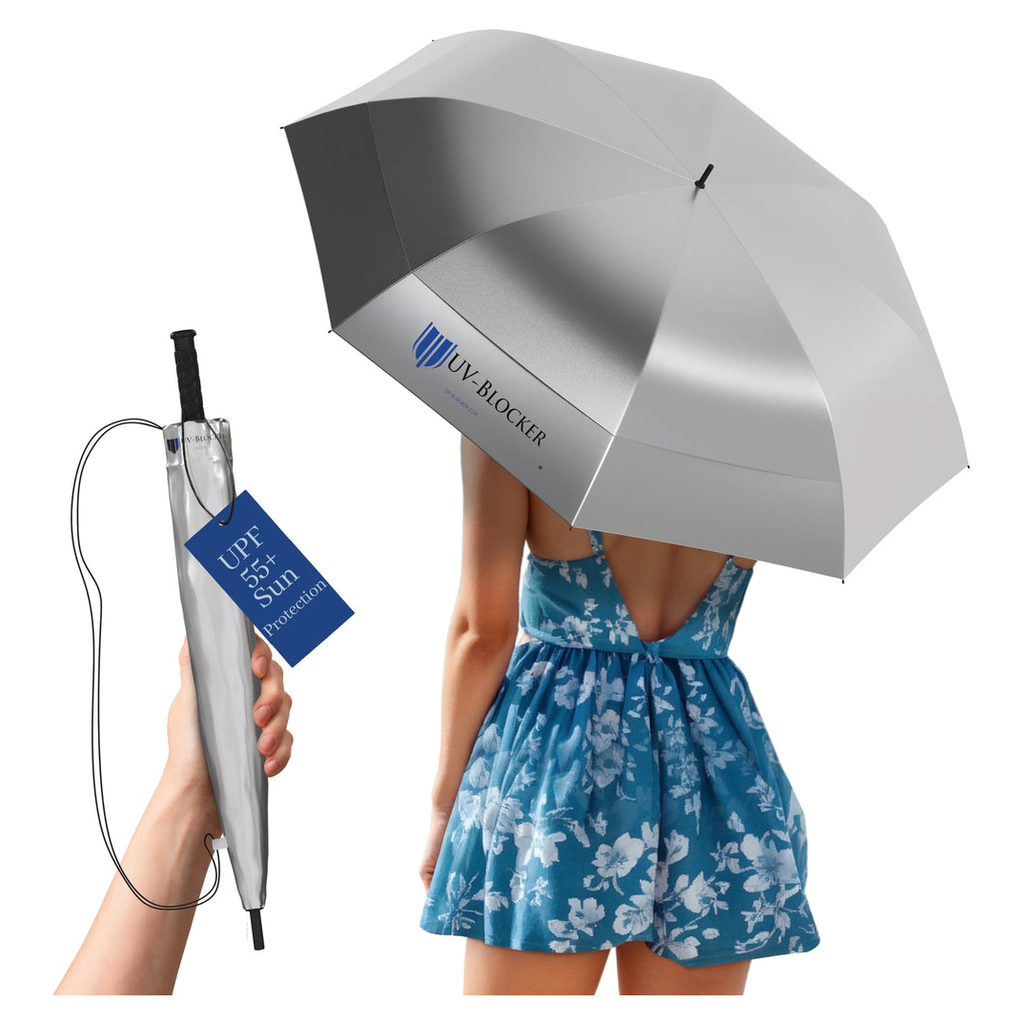
- UV-Blocker umbrellas block 99% of UV and keep you 15F cooler—critical for chronic heat sensitivity
- Plan outdoor activities before 10 AM or after 4 PM when UV index is lower
Understanding Lupus Sun Sensitivity and Photosensitivity
To understand why sun protection is critical for lupus patients, you first need to understand the condition itself.
What Is Lupus?
Lupus—formally called systemic lupus erythematosus (SLE)—is a chronic autoimmune disorder in which the immune system mistakenly attacks healthy tissues and organs. The condition can cause inflammation and damage to the skin, joints, heart, lungs, kidneys, and blood.
A less common type, cutaneous lupus (CLE), affects only the skin, causing disc-shaped lesions and rashes.
Anyone can develop lupus, but women of childbearing age are diagnosed most often. Like other autoimmune conditions, lupus cannot be cured—but it can be managed with proper treatment and lifestyle adjustments.
Common lupus symptoms include: - Fever - Skin rashes (the characteristic "butterfly rash" across cheeks and nose) - Chronic fatigue - Joint pain and swelling - Organ inflammation
Why Lupus Sun Sensitivity Matters
According to the Lupus Foundation of America, 40-70% of people with lupus experience photosensitivity—an abnormal sensitivity to ultraviolet light.

This is not just mild discomfort. For many lupus patients, UV exposure can:
- Trigger painful skin reactions: Red, itchy rashes and blisters on exposed areas
- Cause systemic flares: UV can activate the immune response, worsening joint pain, fatigue, and organ inflammation
- Accelerate disease progression: Repeated UV exposure may worsen long-term outcomes
- Increase skin cancer risk: Already elevated in autoimmune conditions
The most vulnerable areas are those that receive direct sunlight: face, neck, upper back, and arms. Even brief unprotected exposure during peak UV hours can trigger symptoms lasting days or weeks.
How UV Radiation Affects Lupus Sun Sensitivity
Understanding why UV is problematic helps explain why protection strategies work.
The Mechanism
When UV radiation penetrates the skin of photosensitive individuals, it can trigger an abnormal immune response. The body essentially overreacts to UV as if it were fighting an infection—causing the inflammation, rashes, and systemic effects that characterize lupus flares.
Both UVA and UVB rays contribute to lupus sun sensitivity reactions: - UVB (280-315nm): Causes sunburn and surface skin damage - UVA (315-400nm): Penetrates deeper into skin, causing cellular damage even without visible sunburn
This is why broad-spectrum protection—blocking both UVA and UVB—is essential for lupus patients.
Medication-Induced Photosensitivity
Many medications used to treat lupus can actually increase lupus sun sensitivity. This compounds the existing photosensitivity many patients already experience.
Common photosensitizing lupus medications: - Sulfasalazine - Methotrexate - Mycophenolate - NSAIDs (ibuprofen, naproxen) - Hydroxychloroquine (in some patients)
If you are taking any of these medications, your sun protection needs are even more critical. Always ask your physician or pharmacist about sun sensitivity as a potential side effect.
7 Comprehensive Sun Protection Strategies for Lupus Sun Sensitivity
For lupus patients, sun protection is not optional—it is essential medical self-care. The key is layering multiple protection methods rather than relying on any single approach.
1. UV-Protective Clothing
Cover arms and legs with dark, tightly-woven fabrics. For reliable protection, choose garments with a UPF rating of 50+.
Key clothing considerations: - Long sleeves made from breathable UPF fabric - UPF accessories: sleeves, gloves, scarves - Dark colors absorb more UV than light colors - Loose weaves allow UV through—check density
2. Broad-Spectrum Sunscreen
For lupus patients with sun sensitivity, broad-spectrum SPF 50+ is the minimum recommendation. However, sunscreen has limitations:
Sunscreen challenges for lupus patients: - Requires reapplication every 2 hours - Can irritate sensitive, inflamed skin - Chemical sunscreens may trigger reactions in some autoimmune patients - Sweat and water remove protection
Apply generously to all exposed skin—including easily forgotten areas like ears, back of hands, and tops of feet. SPF lip balm protects delicate lip tissue.
Note: Physical (mineral) sunscreens with zinc oxide or titanium dioxide are often better tolerated by sensitive skin than chemical formulations.
3. Wide-Brim Hat
A hat with at least a 5-inch brim shields face, ears, and neck from overhead sun. Look for:
- UPF 50+ rating
- Tight weave (hold it to light—you should not see through it)
- Chin strap for windy conditions
- Optional neck drape for additional coverage
4. UV-Protective Sunglasses
Large or wraparound styles provide maximum protection for the delicate eye area. Verify:
- UV400 rating (blocks 100% of UVA and UVB)
- Side coverage to prevent UV entering from angles
5. UV Umbrella—The Best Option for Lupus Sun Sensitivity

Physical shade provides the most reliable UV protection because it does not wear off, wash off, or require reapplication.
For people with lupus sun sensitivity and other photosensitive conditions, UV umbrellas offer distinct advantages over other sun protection methods.
Chemical-Free Protection: Unlike sunscreen, a UV umbrella creates a physical barrier with no skin contact. This is particularly valuable for lupus patients who may experience skin sensitivity from existing inflammation, reactions to sunscreen chemicals, or medication-induced skin fragility.
Portable, On-Demand Shade: You cannot always count on finding natural shade. A UV umbrella travels with you and deploys instantly when needed—no application time, no reapplication schedule.
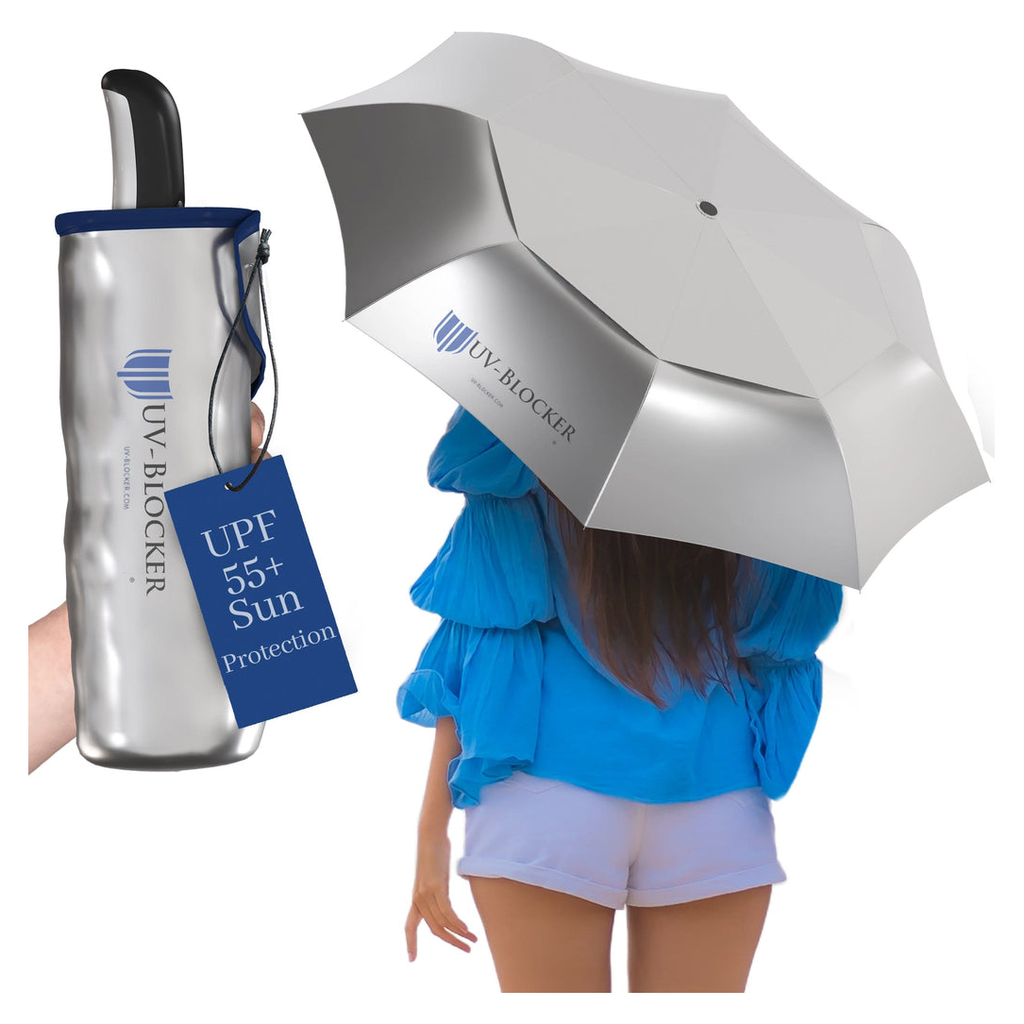
Cooling Effect: Heat sensitivity often accompanies lupus. Many patients find that heat—independent of UV—can exacerbate fatigue and discomfort. UV-Blocker umbrellas use Solarteck fabric technology that reflects heat away, keeping you up to 15F cooler than standing in direct sun.
All-Day Consistency: A quality UV umbrella maintains consistent protection throughout the day. No reapplication. No wearing off. No gaps in coverage.
6. Strategic Timing
Plan outdoor activities before 10 AM or after 4 PM when the UV index is lower. During peak hours (10 AM - 4 PM), UV intensity can be 3-5x higher than morning or late afternoon.
7. Cloud Awareness
Up to 80% of UV radiation penetrates clouds. This is one of the most dangerous situations for lupus patients because you do not feel the sun but UV is still causing damage. Continue using protection even on overcast days.
Choosing the Right UV Umbrella for Lupus Sun Sensitivity
Not all umbrellas provide medical-grade UV protection. For photosensitive conditions, specific features matter:
Essential Features
| Feature | Why It Matters |
|---|---|
| UPF 50+ | Blocks 99% of UV—exceeds standard UPF 50+ threshold |
| Silver reflective exterior | Bounces UV and heat away before it reaches you |
| Dark interior | Absorbs UV reflected from ground surfaces |
| Large canopy | More shade coverage for vulnerable areas |
| Vented design | Prevents wind inversion; safe in gusty conditions |
UV-Blocker Umbrella Options for Lupus Patients
| Model | Best For | Coverage | Key Features |
|---|---|---|---|
| Compact UV Umbrella | Daily errands | 42" arc | Fits in bag, 11" folded |
| Travel UV Umbrella | Medical appointments | 39" arc | Ultra-light, 10.2" folded |
| Large Folding UV Umbrella | Outdoor events | 48" arc | More coverage, still portable |
| Golf UV Umbrella | Maximum coverage | 62" arc | Longest shade protection |
All UV-Blocker umbrellas feature: - UPF 50+ Solarteck fabric - 99% UV blocking verified by third-party testing - 15F cooling effect - Melanoma International Foundation approved
Creating Your Lupus Sun Sensitivity Protection Plan

The most effective approach combines multiple methods based on your specific situation:
Low-Risk Outdoor Activities
Quick errands, short walks, cloudy days
- UV umbrella for instant shade
- SPF 50+ on exposed skin
- Sunglasses
Moderate-Risk Activities
Outdoor meals, spectator events, 1-2 hours
- UV umbrella for primary shade
- UPF 50+ clothing on arms/legs
- Wide-brim hat
- SPF 50+ on any exposed skin
- Sunglasses
High-Risk Extended Exposure
Beach, pool, all-day outdoor events
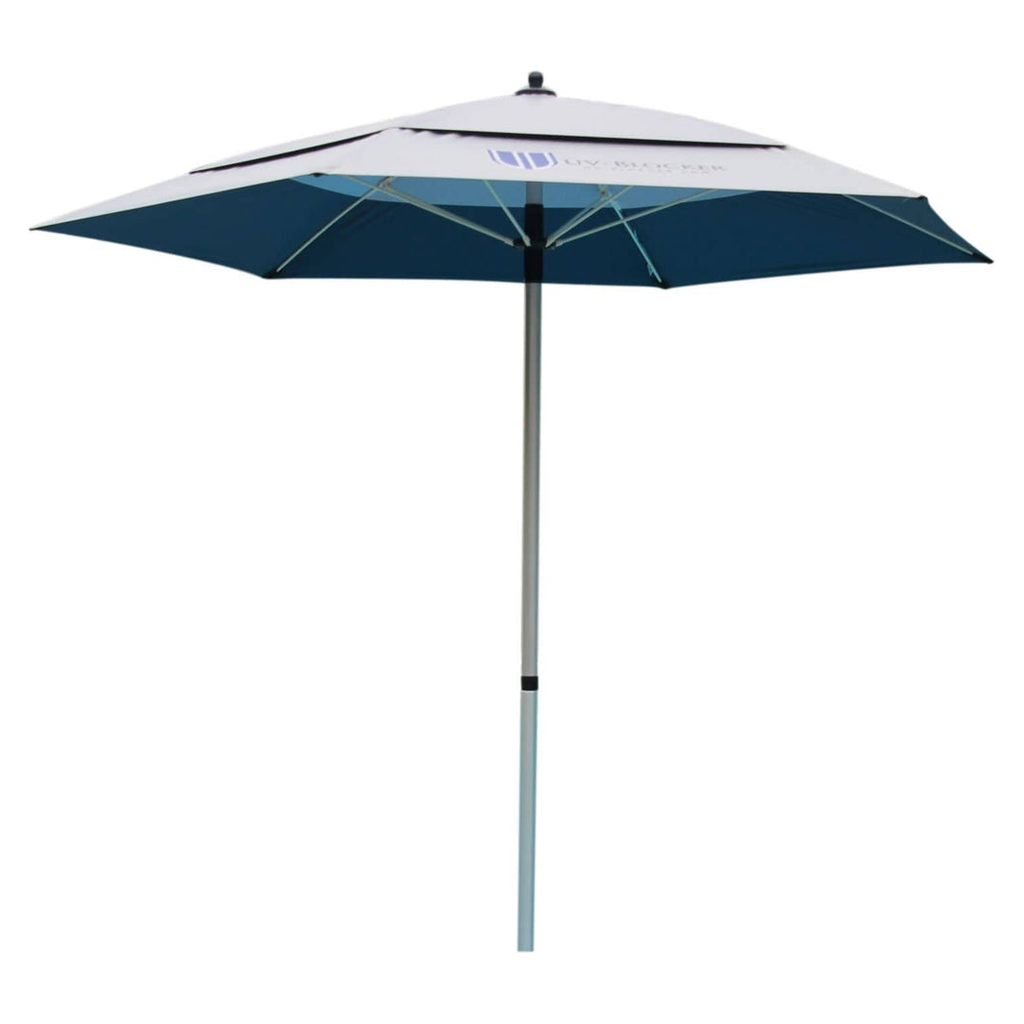
- UV umbrella + beach umbrella if stationary
- Full UPF 50+ coverage (long sleeves, pants)
- Wide-brim hat with neck drape
- SPF 50+ sunscreen (reapply every 2 hours)
- Wraparound sunglasses
- Plan for shade breaks every 30-60 minutes
FAQ: Lupus Sun Sensitivity and Sun Protection
Can lupus patients go outside at all?
Absolutely. With proper protection strategies, lupus patients with sun sensitivity can enjoy outdoor activities. The key is layered protection (umbrella + clothing + sunscreen + hat) and smart timing—before 10 AM or after 4 PM when UV is lower.
Do UV umbrellas really block enough UV for medical conditions?
Quality UV umbrellas like UV-Blocker provide UPF 50+ protection, blocking 99% of UV radiation. This is verified through laboratory testing using AATCC and ASTM standards—the same protocols used for medical-grade sun protective clothing.
Is sunscreen enough for lupus patients with sun sensitivity?
Sunscreen alone is often insufficient for photosensitive conditions. It requires frequent reapplication, may irritate sensitive skin, and provides no cooling benefit. Most rheumatologists recommend combining sunscreen with physical barriers like UV clothing and umbrellas.
Can UV reflect from the ground and cause problems for lupus sun sensitivity?
Yes. Water, sand, concrete, and snow all reflect UV back upward, potentially hitting areas you thought were protected. UV-Blocker umbrellas feature a dark interior specifically to absorb this reflected UV before it reaches your skin.
Are there specific umbrella features for autoimmune conditions?
Look for: UPF 50+ rating (not just "UV protection"), large canopy size for more coverage, lightweight construction for easy carrying during fatigue, and vented design to prevent inversion in wind—which would suddenly remove protection.
How does heat affect lupus beyond UV exposure?
Heat sensitivity often accompanies lupus independently of UV exposure. Many patients experience increased fatigue, joint pain, and general malaise when overheated. UV-Blocker's 15F cooling technology addresses this by reflecting heat as well as UV rays. Learn more about this in our SolarTek Cooling Technology guide.
Living Well with Lupus Sun Sensitivity
Sun exposure does not have to mean flare-ups and symptom spikes. With the right protection strategy—combining UV umbrellas, protective clothing, sunscreen, and smart timing—lupus patients can confidently participate in outdoor activities while managing their condition effectively.
The investment in quality sun protection tools pays dividends in reduced flares, lower skin cancer risk, and improved quality of life.
Ready to add reliable UV protection to your lupus management toolkit? Explore our complete line of UPF 50+ UV umbrellas—designed for people who need sun protection they can count on.