

TL;DR
- Miami Beach UV hits 9–11+ (extreme) March through October
- Florida is #2 for melanoma with 7,940 diagnoses yearly
- Cheap beach umbrellas block ~50% of UV — you'll still burn
- UPF 50+ blocks 99% and drops temps 15°F
- Peak danger: 10 AM to 4 PM
- Free sunscreen at Miami Beach lifeguard stations
Nobody warns you about this before your first Miami trip.
My cousin came down from Boston last spring. Did everything right, she thought. SPF 50, waterproof, the expensive stuff. Three hours later? Lobster. She couldn't sleep for two nights.
What went wrong? She packed for a normal beach. Miami Beach isn't normal.
Miami sits at 25.7°N — basically the tropics. The UV index cruises between 9 and 11+ for seven straight months, March through October. Eleven means "extreme." As in, stay inside if you can.
The AIM at Melanoma Foundation tracks this — Florida ranks second in the nation for melanoma. About 7,940 new cases per year. One in ten Floridians ends up with some form of skin cancer. Even locals who should know better report sunburns (17% of adults, 33% of young adults 18–44).
If people who live here are getting burned, tourists don't stand a chance with regular sunscreen alone.

Miami's UV is on a different level
The UV index measures how much radiation hits the ground:
- 1–2: Low. You're fine
- 3–5: Moderate. Maybe wear a hat
- 6–7: High. Sunscreen time
- 8–10: Very high. Seek shade
- 11+: Extreme. Dermatologists would prefer you stay inside
Miami hangs out between 9 and 11+ most of the year. Up in Boston or Seattle, you might hit 7 or 8 for a couple weeks in July. Here? It just doesn't drop. April feels dangerous. October still packs a punch.
Why? Miami is 1,500 miles closer to the equator than NYC. The sun travels a shorter path through the atmosphere, hits at steeper angles. More concentrated. More intense.
That overcast day when you think you're safe? Up to 80% of UV penetrates cloud cover. The breeze making everything feel pleasant? Totally irrelevant. Your skin doesn't feel UV. It just absorbs it.
Water and sand reflect UV back at you. Beach environments essentially double your exposure — sand bounces radiation up from below while the sun hits from above. This is why people burn faster at the beach than at a park, even at the same UV index.
2026 note: UV index regularly reaches 10–11 in summer, dropping to 7–8 in spring and fall (still "very high"). Even winter pushes 5–6 on clear days — more than most beachgoers expect.
Miami Beach sun protection: the 4 layers you need
One method isn't enough here. Stack your defenses.
Layer 1: Sunscreen (bare minimum)
Miami-Dade County recommends SPF 30+ broad-spectrum, reapplied every 2 hours. After swimming, reapply immediately. The city installed free dispensers at lifeguard stations — Mount Sinai Medical Center sponsors them. Use them.
But when UV hits 10 or 11, sunscreen is a filter, not a wall. It helps. It's not enough by itself.
Layer 2: Physical barriers
UPF-rated shirts block UV before it touches skin. Wide-brimmed hats cover face and neck. Polarized sunglasses protect eyes.
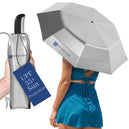
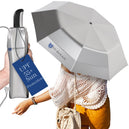
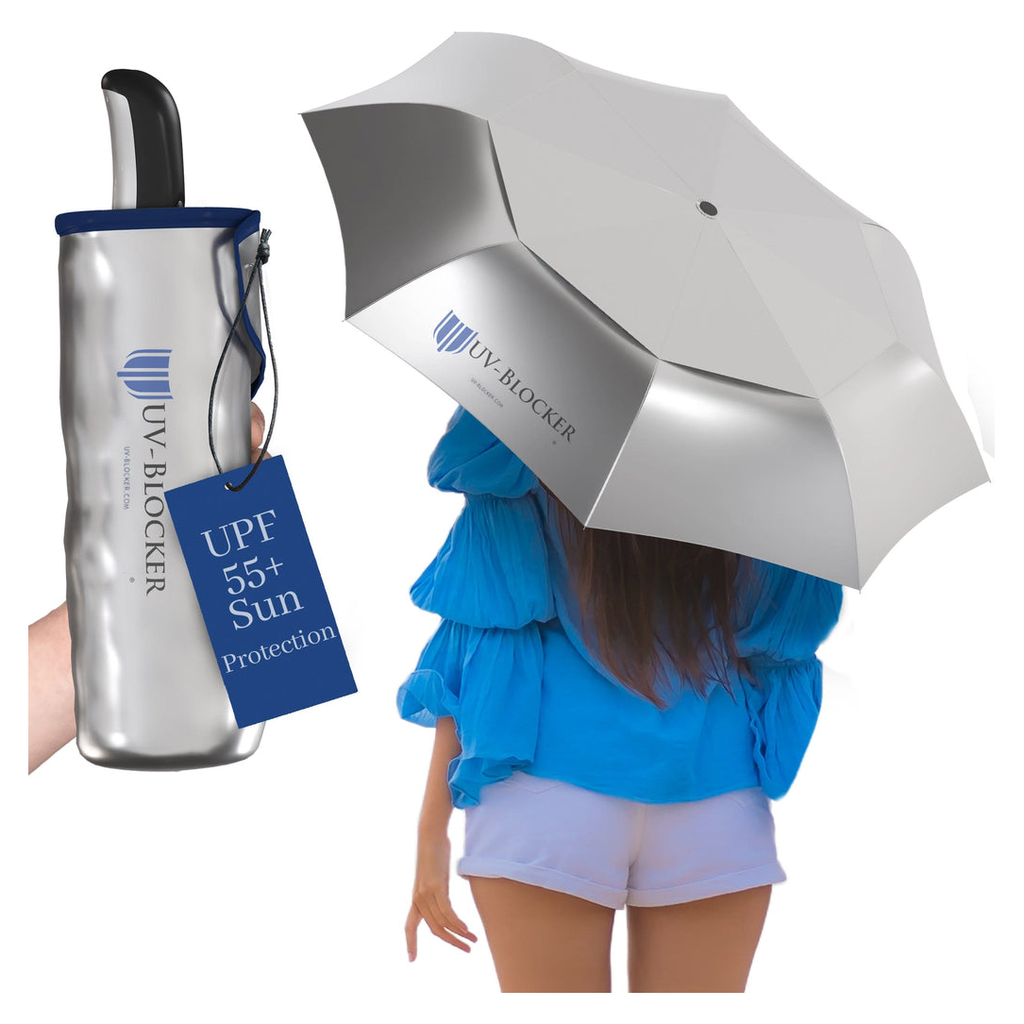
Walking around South Beach between sessions? The UV Protection Compact Umbrella fits in a bag and keeps the sun off.
Layer 3: Actual shade
Here's what most people get wrong. Cheap beach umbrellas — the $20 ones from Walgreens — block maybe 50% of UV. You feel shaded, but half the radiation still hits you. At Miami's extreme levels, "slower" still means significant damage within an hour or two.
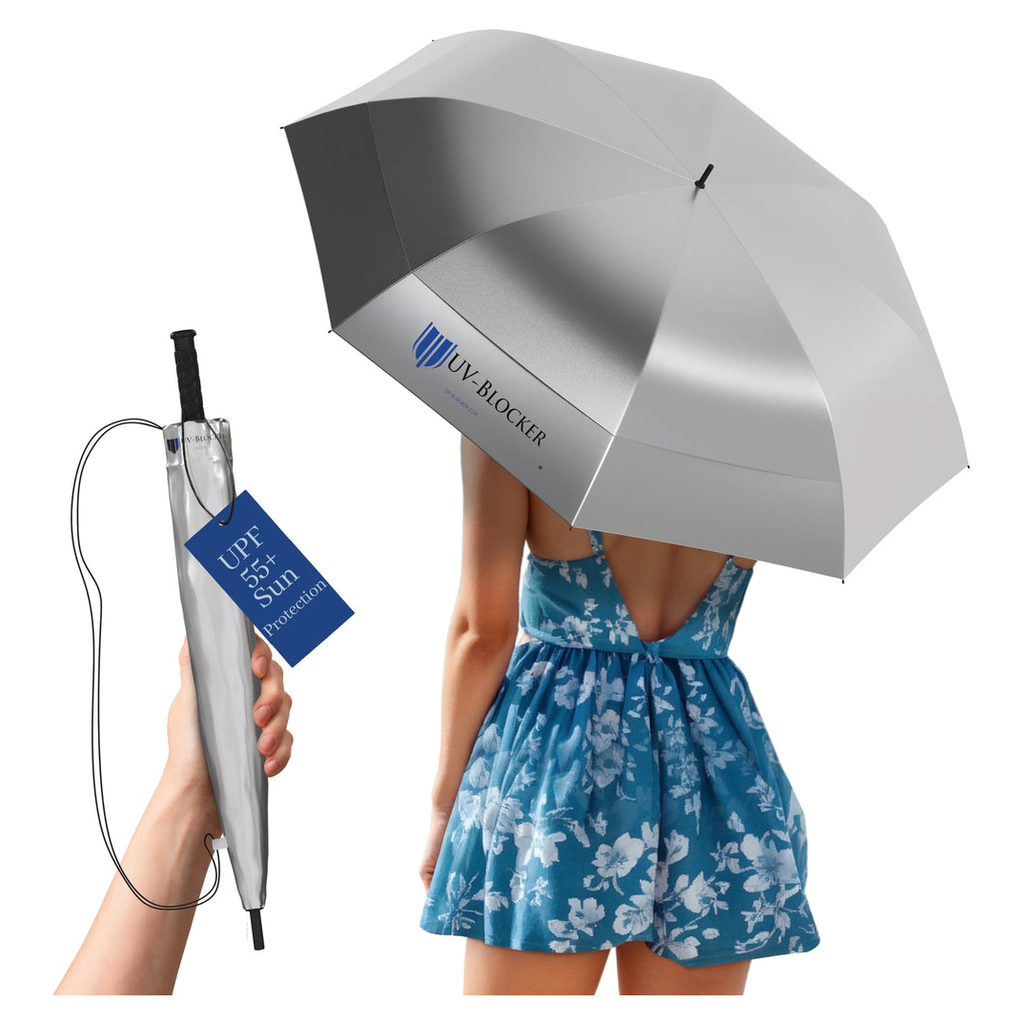
UPF 50+ umbrellas block 99%. That's the difference between going home with damaged skin and going home healthy. The rating matters because manufacturers test these fabrics against actual UV penetration, not just light blocking.
Better umbrellas also have reflective coatings that drop temps underneath by 15°F. In 90-degree Miami heat with high humidity, that's the difference between miserable and manageable. Silver reflects heat outward; dark umbrellas absorb it and radiate heat back at you. The Solarteck™ fabric has a silver outer layer for exactly this reason.
Layer 4: Timing
10 AM to 4 PM is the danger zone. Skip it if you can.
- Before 10: Lowest UV, fewer crowds, calmer water
- After 4: Golden hour light, cooler air, still plenty of beach time
Stuck midday? Stay under your umbrella as much as possible.

Picking the right beach umbrella for Miami
A lot of umbrellas look similar. They perform very differently.
- UPF 50+ or bust: 99% UV blocked. Look for MIF (Melanoma International Foundation) approval on the tag
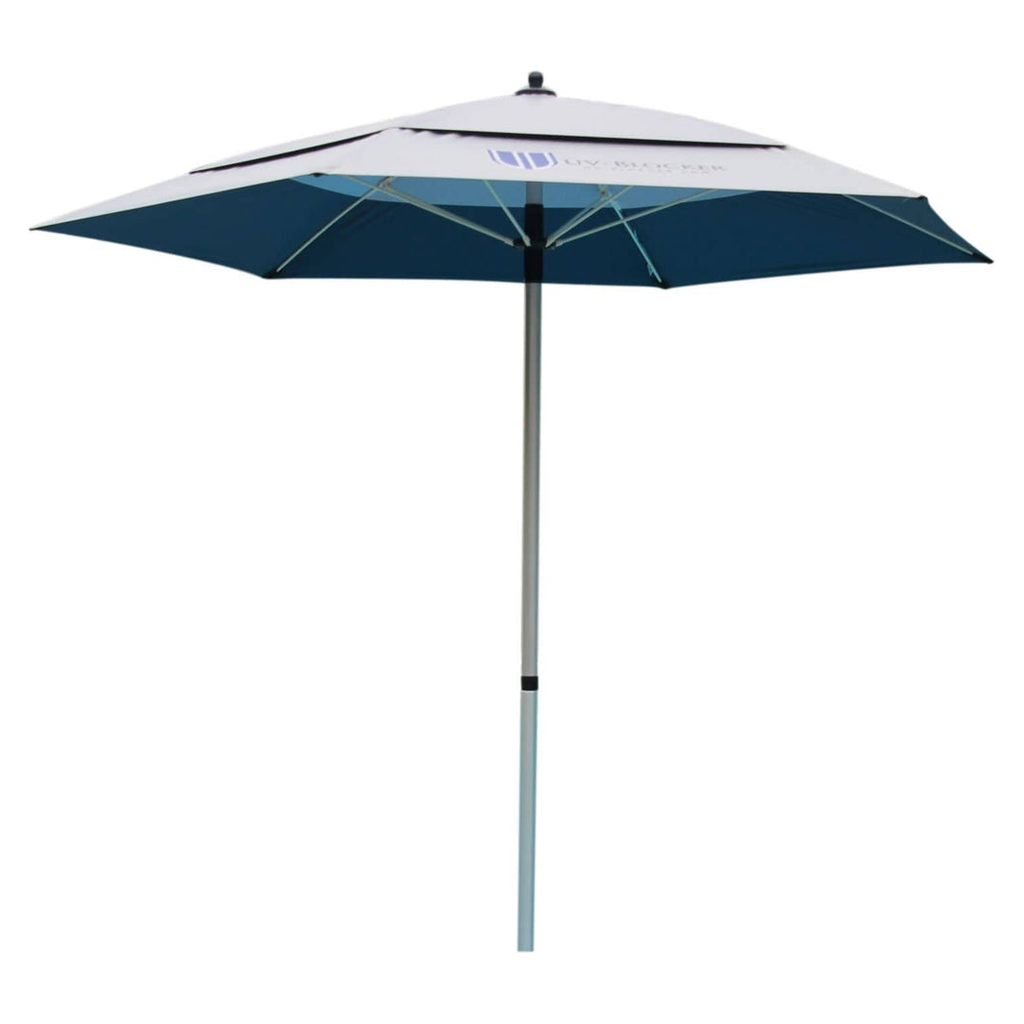
- Vents matter: Miami has constant ocean breezes. Without vents, one gust and your umbrella is flying down the beach. Good designs let wind pass through
- Silver beats black: Silver coating reflects heat and UV outward. Black absorbs both. Under a black umbrella, you're just cooking in the shade
- Anchor properly: Miami Beach sand is soft. A basic pole won't hold. You need a screw-in sand anchor, preferably rust-proof (salt air eats cheap metal)
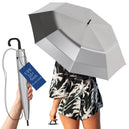
The UV Protection Large Beach Umbrella covers 7.5 feet — enough for a family. For one or two people, the UV Protection Personal Beach Umbrella works great. Grab a Non-Rusting Sand Anchor either way.
UV-Blocker umbrellas are now FSA/HSA reimbursement-eligible — making the shade layer of your sun protection stack a recoverable expense.

Miami-specific tips to know
The lifeguard flags
Purple = marine life (usually jellyfish). Getting stung when you're already sunburned is a special kind of terrible. Red = dangerous currents. Green flag doesn't mean UV is safe — just the water. You can absolutely fry while standing safely on the sand.
Know the beach areas
South Beach (1st to 23rd Street) is most crowded with the most amenities. Mid-Beach (23rd to 63rd) is calmer. North Beach (63rd to 87th Terrace) is quietest. The UV intensity is identical everywhere — the difference is crowd density and shade structures.
Hydration is connected
Dehydration makes sun damage worse. Salt air and sweating pull moisture fast. Drink 8 oz per hour minimum, even when you don't feel thirsty — by then you're already behind. Alcohol makes it worse. That frozen margarita at the beach bar is actively dehydrating you in extreme UV.
The pink test
Check skin in good lighting when you return to your room. Any pink? Too late — damage already happened. Sun damage appears 2–4 hours after exposure ends, which is why people don't realize they're burning until they're badly burned. Getting tan isn't healthy either — that's your skin's stress response to DNA damage.
Quick checklist
Packing
- UPF 50+ beach umbrella + sand anchor
- SPF 30+ sunscreen (at least one bottle per person)
- UPF clothing, wide-brim hat, good sunglasses
- UV index app on your phone
Before heading out
- Check UV forecast (above 6 = caution)
- Apply sunscreen 15–30 min before exposure
- Set up shade immediately on arrival
- Set a 2-hour timer for reapplication
At the beach
- Shade breaks every 30–45 min during peak hours
- Water every hour
- Leave if you see pink
- Hit the lifeguard sunscreen dispensers for free reapplication
Frequently asked questions
How bad is the UV in Miami really?
9–11+ (extreme) from March through October. Unprotected skin can burn in 15–20 minutes at these levels. Even fair-skinned people who "never burn" at home find themselves burned in Miami. The intensity is genuinely different from what most Americans experience.
Is SPF 50 enough for Miami Beach?
It's necessary but not sufficient. At extreme UV, you need multiple layers: sunscreen plus clothing plus real shade plus smart timing. SPF 50 blocks about 98% of UVB when applied perfectly, but most people don't apply enough and don't reapply often enough.
What's the difference between cheap and good beach umbrellas?
Cheap umbrellas block maybe 50% of UV. UPF 50+ umbrellas block 99%. The difference is tested fabric vs. marketing claims. Good umbrellas also have reflective coatings for heat reduction, vented designs for wind resistance, and proper anchor systems.
What are the best beach times in Miami?
Before 10 AM or after 4 PM. UV drops significantly outside the 10–4 window. Morning is generally better — lower humidity, less heat buildup, and the beach at its calmest.
Is there free sunscreen at Miami Beach?
Yes. Mount Sinai Medical Center sponsors dispensers at most lifeguard stations. Refilled regularly and free for anyone. Great for reapplication if you forgot extra at the hotel.
What about quick walks — not a full beach day?
Even 20–30 minutes at extreme UV causes damage. Walking Ocean Drive for lunch or checking out Art Deco? Bring a compact umbrella or wear a hat. UV doesn't distinguish between beach time and exploring time.
Miami Beach is gorgeous. The sun there is brutal. Pack actual protection — UPF 50+ shade that blocks 99% of UV, not a flimsy umbrella that blocks half. UV-Blocker beach umbrellas built for Florida's extreme conditions →