

⚡ Quick Reference Summary: Football Sun Safety
- Hidden Risks: Football gear (helmets, pads) creates UV blind spots and hinders sunscreen reapplication.
- Peak Exposure: Summer two-a-day practices, not fall game nights, account for the highest cumulative UV load.
- Vulnerable Zones: Ears, back of neck, face (through facemask), and forearms are most exposed.
- Coaches' Influence: Coaches are key in shaping sun safety habits and implementing team protocols.
- Smart Gear: UPF 50+ base layers are crucial under jerseys. Sunscreen sticks work for faces and ears, avoiding grip issues.
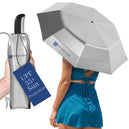
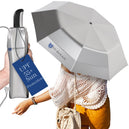
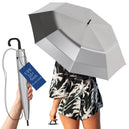
- Sideline Solutions: Portable shade, like UV-Blocker's patented Solarteck® umbrellas, provides essential relief during breaks.
- Parental Role: Equip youth players with UPF clothing, sunscreen, and educate them on daily sun protection.
- Reapplication Matters: Water-resistant SPF 30+ or 50+ sunscreen needs reapplication every two hours, or more frequently with heavy sweating.
For football players and coaches, the gridiron is a battleground, but not just against opponents. It's also a daily skirmish against invisible UV radiation, especially during long, intense practices. While the focus is often on concussions and joint injuries, the long-term risk of skin cancer from sun exposure is a silent threat too often overlooked. In fact, over 50% of NCAA outdoor athletes never use sunscreen, even though 96% know it helps prevent skin cancer. This alarming statistic highlights a significant gap in athlete health and safety protocols.
For fans and spectators looking for comprehensive coverage, see our guide on Sun Protection for Tailgating. This article, however, is dedicated to the dedicated individuals on the field: the players, coaches, and trainers whose daily routines can stack two to four hours of direct sun exposure into a single session. In the searing heat of July and August, this cumulative exposure adds up rapidly, elevating the risk of sunburn, premature skin aging, and ultimately, skin cancer, including melanoma – the very disease UV-Blocker founder Ron Walker courageously battled.
This guide delves into the unique sun safety challenges football presents – specifically how helmets, pads, and the need for optimal ball grip create critical UV blind spots. More importantly, it provides actionable strategies and practical solutions to close these gaps, ensuring that protecting your skin becomes as routine as strapping on your helmet.
Why Is Football a Hidden UV Risk?
Football stands apart from many other outdoor sports due to the unique combination of heavy protective gear, prolonged practice times, and high-intensity physical exertion, all of which contribute to a "hidden" UV risk. Unlike sports with minimal gear where sun exposure is more obvious, football's equipment creates an illusion of protection while leaving critical areas vulnerable.
The primary challenges include: 1) Helmets that leave specific skin regions exposed, 2) Pads that hinder or prevent easy sunscreen reapplication, and 3) The legitimate concern that sunscreen on hands can compromise ball grip and performance. These factors, combined with a general lack of sun safety education in sports, create a perfect storm for cumulative UV damage.
Studies consistently highlight this oversight. A survey of 290 NCAA athletes revealed that over half never used sunscreen, and only a quarter had received sun protection guidance from a coach prior to an educational intervention. Similarly, a separate study of 1,200 outdoor sports coaches found that a mere 31.84% reapplied sunscreen during practice, and only 13.25% of clubs provided free sun protection products to their athletes. This significant educational and practical gap helps explain why sun safety often gets ignored in football until someone experiences a severe sunburn or, tragically, a more serious diagnosis.
The health implications are substantial. The American Cancer Society projects over 100,000 new melanoma cases annually in the US, with UV exposure being the leading preventable risk factor. While football itself doesn't solely cause this burden, it provides a setting where prolonged, intense UV exposure is easy to miss, particularly when athletes are focused on performance rather than protection. This cumulative exposure, especially during formative years, significantly increases lifetime skin cancer risk. The first of these challenges, the helmet, creates unique UV exposure zones that demand specific attention.
Where Are Football Players Most Exposed to UV Radiation?
Despite the robust protection offered by helmets and pads, football players face unique and often overlooked UV exposure patterns. While the crown of the head is largely shielded, the perimeter of the helmet, combined with the gaps created by pads and sleeves, leaves critical skin areas fully exposed to harmful ultraviolet rays. This exposure pattern forms the core of the football UV protection problem.
The helmet, while vital for head safety, acts like a partial shade, leaving the edges as significant danger zones. Much like a baseball cap leaves the neck exposed, a football helmet creates substantial blind spots, particularly on the sides and back. The most vulnerable areas include:
- Ears: Fully exposed below the helmet's ear flap, ears are highly susceptible to sunburn and are a common site for basal cell and squamous cell carcinomas due to chronic sun exposure.
- Back of the Neck: The area below the helmet rim, especially the upper back of the neck and trapezius muscles, receives direct and prolonged sun exposure during practice. This is often the first place to burn.
- Face (through the Facemask): While the facemask bars offer minimal physical obstruction, they provide negligible UV protection. The entire face, including the cheeks, nose, and chin, is directly exposed. Sunscreen sticks are particularly effective here to ensure even coverage.
- Forearms: The skin between short sleeves and gloves is a significant exposure zone, especially for linemen and skill position players who may have their arms outstretched or elevated for extended periods.
- Legs (below shorts): While often forgotten, players' thighs and knees, exposed between pads and socks, can receive considerable sun.
- Torso (during breaks): Although protected by pads during play, during water breaks or sideline discussions, jerseys can ride up or be removed, exposing the chest and back to direct sun.

The issue of hands adds another layer of complexity. The Melanoma Fund UK notes that grip concerns are a very real barrier to sunscreen compliance in American football. Athletes worry about slippery hands affecting ball security or equipment handling. This concern is legitimate and can be addressed with targeted solutions: a sunscreen stick applied carefully to the face, ears, and back of hands, followed by a thorough wipe of the palms and fingers with a towel, can prevent unwanted residue while ensuring protection. Palms should always remain clear.
Here's a detailed breakdown of body zones, their protection levels, and recommended strategies:
| Body Zone | Protection From Gear | UV Risk Level | Recommended Protection Strategy |
|---|---|---|---|
| Crown of head | Helmet (full cover) | Low | None needed during play, but consider headwear before/after. |
| Ears | Exposed below helmet | High | SPF 50+ water-resistant sunscreen stick or cream; reapply frequently. |
| Face | Partial (facemask bars) | Moderate-High | SPF 50+ water-resistant sunscreen stick; avoid eyes; reapply. |
| Back of neck | Exposed below helmet rim | Highest | SPF 50+ water-resistant sunscreen; UPF 50+ neck gaiter or bandana for full coverage. |
| Shoulders/upper arms | Jersey (variable UPF) | Moderate | UPF 50+ base layer under jersey; UV-Blocker offers lightweight, breathable options. |
| Forearms | Exposed between gloves and sleeves | High | UPF 50+ arm sleeves or SPF 50+ water-resistant sunscreen, reapplied regularly. |
| Torso | Pads + jersey (blocked) | Low during play | Apply SPF 50+ water-resistant sunscreen thoroughly before pads go on; reapply after practice/game if still exposed. |
| Legs (below shorts) | Exposed | High | SPF 50+ water-resistant sunscreen; consider longer compression shorts or leggings with UPF. |
Beyond these specific zones, timing is another critical factor. Even a player who starts practice well-covered can suffer significant UV exposure because reapplication is often neglected or forgotten for hours.
Why Are Summer Football Practices More Dangerous Than Game Day?
The vast majority of significant UV damage sustained by football players occurs not under the bright lights of a Friday night game, but during the relentless heat of July and August two-a-day practices. This is a critical distinction that families, coaching staffs, and athletic trainers often underestimate.
Summer practices deliver a potent combination of prolonged exposure, peak UV intensity, and high-exertion environments. Unlike fall game days, which often take place in the late afternoon or evening when the sun's UV index is lower, summer practices frequently run during the sun's most intense hours—typically between 10 AM and 4 PM. During these hours, UVA and UVB radiation are at their peak, meaning that even a relatively short period of exposure can lead to substantial skin damage.
Consider the typical schedule: two-a-day practices can involve two sessions, each lasting 2 to 4 hours. This means a player can accumulate 4 to 8 hours of direct, peak-UV sun exposure in a single August day. Over weeks, this translates into an enormous cumulative UV load. NCAA outdoor athletes, on average, log about 4 hours per day and approximately 1,000 hours per year of outdoor sun exposure. For football players, a significant portion of these hours occurs during the summer pre-season.
The intensity of practice further exacerbates the risk. Heavy sweating during drills can quickly degrade water-resistant sunscreens, reducing their effectiveness and requiring more frequent reapplication—a step often overlooked in the heat of training. Furthermore, the combination of high temperatures and strenuous activity means athletes are often focused on hydration and performance, with sun protection taking a backseat.
In contrast, fall game days typically have shorter sun exposure windows, especially for evening games. While daytime games still pose a risk, the duration and intensity are generally lower than that of comprehensive summer training camps. The cumulative effect of repeated, intense summer exposure is what significantly increases a player's lifetime risk of skin cancer, making early and consistent sun protection during this period absolutely vital.
Coaches and athletic directors must recognize that summer training isn't just about physical conditioning; it's also about managing environmental risks like UV radiation. Implementing robust sun safety protocols during these critical months can significantly mitigate long-term health consequences for athletes.
How Does Football Equipment Affect Sunscreen and UV Protection?
Football equipment, while designed to protect players from impact, inadvertently creates unique challenges for effective sun protection. The very gear that keeps athletes safe from physical trauma can also hinder UV defense, demanding a more strategic approach to sun safety.
- Helmets and Facemasks: As discussed, helmets protect the top of the head but expose the ears, back of the neck, jawline, and the entirety of the face through the facemask. The structure of the facemask offers minimal direct UV blockage, allowing harmful rays to reach the skin. Sunscreen application on the face, ears, and neck must be a deliberate, pre-practice ritual, with a water-resistant SPF 50+ stick or cream being ideal for these areas to prevent run-off into the eyes during heavy sweating.
- Shoulder Pads and Jerseys: The combination of shoulder pads and tight-fitting jerseys creates "sealed" zones over the torso and shoulders. While this offers some physical barrier, standard jersey fabric often has a low UPF (Ultraviolet Protection Factor), providing inadequate protection against intense UV. Crucially, once pads are on, reapplication of sunscreen to the torso is virtually impossible. This necessitates a thorough application of a broad-spectrum, water-resistant SPF 50+ sunscreen to the entire upper body *before* donning any pads or jerseys. For superior protection, athletes should consider wearing a UPF 50+ base layer, like those offered by UV-Blocker, directly under their uniform. These specialized garments are engineered to block 98% of UVA and UVB rays, providing consistent protection even when wet or stretched.
- Gloves and Arm Sleeves: Football gloves cover the hands but often leave the wrists and forearms exposed between the glove line and jersey sleeves. The concern about sunscreen affecting grip is valid. For exposed forearms, UPF 50+ arm sleeves are an excellent solution, offering consistent, sweat-resistant protection without any greasy residue. If sunscreen is preferred, a non-greasy, quick-drying formula applied sparingly to the exposed skin of the forearms and the back of the hands (avoiding palms and fingers) can be effective, followed by a quick wipe of the palms before handling the ball.
- Sweat and Friction: High-intensity football practices lead to profuse sweating. While many sunscreens are labeled "water-resistant," this typically means they retain their SPF for 40 or 80 minutes in water or during heavy sweating. The combination of sweat and constant friction from pads and clothing can degrade sunscreen much faster, necessitating more frequent reapplication than generic advice suggests. Athletes should aim to reapply every 60-90 minutes if possible, especially to exposed areas not covered by UPF clothing.
- Eyewear and Eye Protection: While not part of the primary gear, inadequate eye protection is another overlooked aspect. Many players do not wear sunglasses during outdoor practices. Prolonged UV exposure can contribute to cataracts and other eye conditions. Athletes should consider UV-protective visors for helmets or UV400 rated sport sunglasses for pre- and post-practice sun exposure.
Understanding these equipment-specific challenges is the first step toward developing a truly effective sun protection strategy that safeguards players without hindering performance. Integrating UPF 50+ clothing, like UV-Blocker's comfortable, high-performance base layers and arm sleeves, offers a practical, long-lasting solution where sunscreen reapplication is difficult.
How Can Coaches Improve Sun Safety at Football Practice?
Coaches play an indispensable role in shaping team culture, and this extends directly to fostering sun-safe behaviors. Beyond teaching schemes and drills, coaches are powerful educators and role models. Implementing comprehensive sun safety protocols not only protects their athletes' long-term health but also demonstrates a commitment to holistic well-being.
Here’s how coaches can significantly improve sun safety on the football field:
- Lead by Example: The most effective way to encourage sun safety is for coaches and staff to practice it themselves. If coaches are consistently seen wearing UPF clothing, applying sunscreen, seeking shade, and using sun protection umbrellas, players are far more likely to adopt these habits.
- Integrate Sun Safety Education: Dedicate a brief session at the start of summer training to discuss the risks of UV exposure, especially for young athletes, and the importance of sun protection. Explain how cumulative sun damage contributes to skin cancer, relating it back to Ron Walker's mission at UV-Blocker. Emphasize that sun protection is a performance enhancer, preventing painful sunburns that can impact training.
- Implement "Sunscreen Breaks": During water breaks, actively encourage and provide time for players to reapply sunscreen. Make it a routine part of the practice schedule, just like hydration breaks. Have team-sized bottles of water-resistant, broad-spectrum SPF 50+ sunscreen readily available on the sidelines.
- Provide Sideline Shade: Offer accessible shade solutions. UV-Blocker's patented Solarteck® umbrellas are an excellent option for providing large, portable UPF 50+ shade during breaks or for injured players. Strategically placed team tents or portable awnings can also make a significant difference, reducing direct sun exposure during downtime.
- Encourage UPF 50+ Base Layers: Educate players on the benefits of wearing UPF 50+ compression shirts or sleeves under their jerseys and pads. These garments block 98% of UV rays, offering a superior and more consistent barrier than typical athletic wear, especially in areas where sunscreen application is difficult.
- Adjust Practice Schedules: Where possible, schedule the most intense outdoor drills for early mornings or late afternoons, outside of the peak UV hours of 10 AM to 4 PM. If practices must occur during peak times, prioritize shaded drills and increase the frequency of sun safety breaks.
- Foster a Culture of Awareness: Make sun safety a regular topic of conversation. Ask players if they've applied sunscreen, check for sunburns, and educate them on the UV Index for the day. Make it clear that skin health is part of overall athlete welfare.
- Partner with Parents/Guardians: For youth sports, communicate sun safety guidelines to parents. Provide them with a checklist of recommended items for their child’s "sun protection kit" (detailed in the next section).
By taking these proactive steps, coaches can transform sun safety from an afterthought into an ingrained component of athlete care, protecting their team's health for the long run, and fostering resilient, responsible athletes both on and off the field.
What Should Parents Know About Youth Football Sun Protection?
For parents of young football players, ensuring sun safety is paramount. Children's skin is particularly vulnerable to UV damage, and severe sunburns during childhood significantly increase the risk of melanoma later in life. As Ron Walker, a melanoma survivor and founder of UV-Blocker, attests, early prevention and consistent protection are lifelong investments in health. Here’s what parents should know and how they can empower their young athletes:
- Children's Vulnerability: A child's skin has less melanin and a thinner stratum corneum than an adult's, making it more susceptible to UV penetration and damage. Sunburns in childhood, especially blistering ones, can double a person's lifetime risk of developing melanoma. Youth football often involves extended practice times during peak sun hours, making diligent protection essential.
-
Equip a "Football Sun Protection Kit": Prepare a dedicated kit for your child to bring to every practice and game. This should include:
- Broad-Spectrum Water-Resistant Sunscreen (SPF 50+): Opt for a sunscreen designed for sports or active use. Lotions are good for initial full-body application, while sunscreen sticks are excellent for easy reapplication to the face, ears, and back of the neck on the sidelines without getting hands greasy.
- UPF 50+ Clothing: Invest in high-quality UPF 50+ compression shirts and arm sleeves. These provide reliable, chemical-free sun protection that won't sweat off. UV-Blocker offers a range of UPF apparel that can be worn comfortably under uniforms.
- UPF 50+ Wide-Brim Hat: For before and after practice, a wide-brim hat offers superior protection for the face, ears, and neck compared to a baseball cap.
- UV-Blocking Sunglasses: Protect young eyes from UV damage, which can contribute to cataracts later in life.
- Reusable Water Bottle: Staying hydrated is crucial, and hydration breaks are perfect opportunities for sunscreen reapplication.
- Daily Application Routine: Make sunscreen application a non-negotiable part of your child's routine before heading to practice. Help them apply it thoroughly to all exposed skin (especially the ears, neck, face, and forearms) at least 15-30 minutes before stepping onto the field. Remind them that water-resistant sunscreen needs reapplication every 80 minutes, or more often if sweating heavily.
- Communicate with Coaches: Talk to the coaching staff about the team's sun safety policies. Inquire about scheduled shade breaks, sunscreen availability, and any team guidelines regarding UPF clothing. Offer to help organize sunscreen for the team or provide a team sun protection umbrella from UV-Blocker during practices.
- Teach Self-Reliance: Educate your child about the importance of sun protection. Explain *why* it's important for their health and how to properly apply sunscreen. Encourage them to ask for sunscreen breaks and to seek shade whenever possible. Building these habits early fosters a lifetime of sun-safe behavior.
- Check for Sunburns: After practices and games, inspect your child's skin for any signs of sunburn, particularly in often-missed areas like the back of the neck or ears. Treat any sunburns promptly with aloe vera and monitor for severe blistering.
By being proactive and equipping your child with the right tools and knowledge, parents can significantly reduce their young athlete's risk of sun damage and instill healthy habits that last far beyond their football career.
Frequently Asked Questions
What's the difference between SPF and UPF, and why does it matter for football?
SPF (Sun Protection Factor) applies to sunscreens and measures how well a product protects against UVB rays, which cause sunburn. An SPF 30 sunscreen means it would take 30 times longer for your skin to burn than if you wore no sunscreen. UPF (Ultraviolet Protection Factor) applies to fabrics and measures how much UVA and UVB radiation a fabric blocks. A UPF 50+ fabric blocks 98% or more of the sun's harmful rays. For football, both matter: use SPF 50+ sunscreen on exposed skin not covered by gear, and wear UPF 50+ clothing (like a UV-Blocker base layer) under jerseys for consistent, sweat-proof protection where sunscreen is difficult to apply or reapply.
How often should football players reapply sunscreen during practice?
Most water-resistant sunscreens are effective for 40 to 80 minutes of swimming or heavy sweating. Given the intense physical activity and profuse sweating in football practice, players should aim to reapply broad-spectrum, water-resistant SPF 50+ sunscreen every 60-90 minutes to all exposed skin. Coaches should schedule mandatory "sunscreen breaks" alongside water breaks to facilitate this crucial reapplication. For areas covered by UPF 50+ clothing, reapplication isn't necessary, making these garments a highly effective and low-maintenance option.
Can dark-colored jerseys protect against UV radiation better than light-colored ones?
While darker colors tend to absorb more UV radiation than lighter colors, thus preventing it from reaching the skin, the actual UV protection offered by a standard jersey fabric is primarily determined by its weave, material, and UPF rating, not just its color. A regular cotton jersey, regardless of color, typically offers a UPF of only about 5-10, which is insufficient for prolonged sun exposure. For true protection, players should wear UPF 50+ certified athletic wear (like UV-Blocker's base layers) underneath their jerseys, which provides guaranteed protection regardless of the jersey's color or material.
Are there any specific sunscreens or application techniques that work best for football players to avoid affecting grip?
Yes, to prevent affecting grip, sunscreen sticks are highly recommended for the face, ears, and back of the neck. For other exposed areas like forearms and legs, use a fast-absorbing, non-greasy, water-resistant SPF 50+ lotion or spray. The key is to apply it at least 15-30 minutes before practice to allow it to dry and set. Players should completely avoid applying sunscreen to their palms and the inside of their fingers. If lotion is used on the back of the hands, a quick wipe with a towel before handling the ball can remove any residual slipperiness. Alternatively, UPF 50+ arm sleeves completely eliminate the grip concern while providing excellent protection.
What are the long-term health consequences of neglecting sun protection in football?
Neglecting sun protection can lead to severe long-term health consequences. Each sunburn, especially blistering ones experienced in youth, significantly increases the risk of developing skin cancers, including basal cell carcinoma, squamous cell carcinoma, and the deadliest form, melanoma. Chronic, unprotected UV exposure also accelerates skin aging, leading to wrinkles, sunspots, and leathery skin. Furthermore, UV radiation can damage the eyes, contributing to conditions like cataracts and macular degeneration over time. Protecting skin and eyes during formative years of intense athletic training is crucial for preventing these serious health issues later in life, a lesson Ron Walker, UV-Blocker's founder, learned firsthand.
How can UV-Blocker products specifically help football players and coaches?
UV-Blocker specializes in premium UPF 50+ sun protection, ideal for the unique demands of football. Our UPF 50+ apparel, like lightweight compression shirts and arm sleeves, offers comfortable, breathable, and consistent protection under pads and jerseys, eliminating the need for sunscreen reapplication in covered areas. Our patented Solarteck® umbrellas provide large, portable UPF 50+ shade for sidelines, offering crucial relief for players and coaches during breaks, protecting them from direct sun exposure and heat. These products, rooted in melanoma survivor Ron Walker's mission, integrate seamlessly into football routines to provide reliable, effective sun safety.
Conclusion
The gridiron demands peak performance and unwavering dedication, but it also silently exposes players and coaches to significant UV risks. As melanoma survivor and UV-Blocker founder Ron Walker understands acutely, neglecting sun protection is a gamble with long-term health, a risk no athlete or team should be willing to take.
Football's unique blend of protective gear, intense training schedules, and environmental factors creates a perfect storm for cumulative sun damage. However, with awareness and proactive strategies, these risks can be effectively mitigated. From the diligent application of broad-spectrum SPF 50+ sunscreen to critical exposed areas like ears, face, and neck, to the strategic use of UPF 50+ base layers under uniforms, there are practical, actionable steps every player can take.
Coaches hold a powerful position to shape sun-safe habits, leading by example, scheduling sunscreen breaks, and providing essential sideline shade with solutions like UV-Blocker's Solarteck® UPF 50+ umbrellas. Parents, too, play a vital role in equipping young athletes with the right tools and educating them on the lifelong benefits of sun protection. By integrating these strategies, sun safety becomes not just an extra step, but an essential component of comprehensive athlete care.
At UV-Blocker, we are committed to providing premium, MIF-approved sun protection solutions that allow athletes to pursue their passion without compromising their health. Make sun safety a non-negotiable part of your football routine – because protecting your skin is just as vital as protecting your body on the field.
Frequently Asked Questions: Football and Sun Safety
How much UV exposure do football players get during a game?
A 3-hour high school or college football game under peak-sun conditions can deliver a UV dose equivalent to 2–3 MED (Minimal Erythemal Doses) — enough to cause sunburn in unprotected fair-skinned individuals. Linemen and quarterbacks with exposed arms and necks are most at risk.
Can football players wear sunscreen under equipment?
Yes. Apply a non-greasy sport SPF 50+ to the face, neck, and any exposed skin before putting on pads and helmet. Spray sunscreens are convenient for arms and legs. Ensure sunscreen is dry before strapping on equipment to avoid irritation.
What shade solutions work for football sidelines?
Team canopies and UV-blocking umbrellas are standard on professional sidelines. At youth and high school levels, portable canopy tents (minimum SPF/UPF rated fabric) provide team shade. Reserve a designated shade area for injured players and bench reserves, who may stand stationary for extended periods.
How do coaches and referees protect themselves during long games?
Coaches often remain on the sideline for 3+ hours with no shade. A lightweight, wind-resistant UV-blocking umbrella provides instant shade without needing a fixed setup. Combine with a sun-protective hat and SPF 50+ for full coverage during extended outdoor exposure.