

The FDA rates "very water resistant" sunscreen at an 80-minute ceiling. A marathon starting at 7:00 a.m. and finishing at 11:30 a.m. stretches far past that window. UV intensity climbs roughly 5 to 10 times between 7:00 a.m. and 11:00 a.m., and sun protection for marathon race day isn't one-size-fits-all. Runners, spectators, volunteers, and race crew all face unique, prolonged sun exposure risks that demand a comprehensive strategy.
As a melanoma survivor and founder of UV-Blocker, Ron Walker understands the critical importance of effective sun protection. This guide provides a detailed, scientifically-backed approach to keeping everyone safe from harmful UV radiation on marathon race day.
Quick Reference Summary
💡 Quick Reference Summary
- Prolonged Exposure: Marathon race day creates 2 to 5+ hours of continuous UV exposure, far exceeding any sunscreen's effective label limit and typical training run durations.
- Runners' Layered Defense: Requires a multi-pronged approach: broad-spectrum SPF 30+ sunscreen (applied 30 mins pre-race, with mid-race reapplication consideration), UPF 50+ clothing, and a post-race shade plan using a UV-Blocker umbrella.
- Spectator Vigilance: Often involves 2 to 5+ hours of stationary, direct sun exposure with minimal natural shade. A portable UPF 50+ umbrella, wide-brimmed hat, and sunglasses are essential.
- Volunteers & Crew: These vital individuals often spend the longest periods in fixed, exposed locations. They need comprehensive protection including large UPF umbrellas for aid stations, UPF apparel, and consistent sunscreen use.
- Pre-Race Sun Safety: Race expos, packet pickups, and staging areas can add 2 to 4 hours of unplanned UV exposure before the race even begins. Plan for protection here too.
- Premium Protection: UV-Blocker's Solarteck® technology provides superior UPF 50+ protection, blocking 99.97% of UVA/UVB rays, ensuring maximum safety for all participants and supporters.
Why Is Marathon UV Exposure Different from Training Runs?
Marathon race day presents a uniquely challenging UV exposure scenario compared to typical training runs. Runners are subjected to 3 to 5+ hours of continuous UV radiation, often with fixed start times that push them into peak solar hours, an absence of natural shade opportunities, and no realistic window for adequate sunscreen reapplication during the race.
Training runs typically last 30 to 90 minutes, allowing for flexible start times (often pre-dawn or late evening) and the choice of shaded routes through parks or tree-lined streets. Race day removes these critical choices entirely. A marathon runner starting at 7:00 a.m. and finishing 4.5 hours later is still on the course at 11:30 a.m. This timeframe squarely places them within the late-morning to midday stretch when UV intensity spikes sharply, often reaching its daily peak around solar noon (12 PM - 2 PM, depending on daylight saving). In contrast, a 45-minute training run concluding by 6:45 a.m. occurs when the UV index is typically low, often barely registering above 1-2.

This prolonged exposure timeline highlights why sunscreen alone is an insufficient race day sun protection strategy. The FDA's maximum water resistance rating is 80 minutes, meaning no over-the-counter (OTC) sunscreen can legally claim longer efficacy when exposed to water or sweat. A four-hour-plus race easily blows past this 80-minute limit, and the profuse, exercise-induced sweating experienced by runners further accelerates the degradation and wash-off of sunscreen. This leaves large portions of the race, often during the most intense UV hours, with diminishing or completely absent sunscreen protection.
Cumulative UV Dose: A Quick Calculation
Understanding the "cumulative UV dose" helps quantify the increased risk. A 45-minute early morning training run at a UV index of 1-2 might deliver roughly 1.5 standard erythemal doses (SEDs) – the amount of UV radiation required to cause minimal redness in fair skin. However, a 4.5-hour marathon, with its extended duration and progression into peak UV hours (where the UV index can reach 7-10 or higher), can accumulate an estimated 8-12 SEDs or more. This represents a 5 to 8 times greater UV load in a single race than a typical training session, significantly increasing the risk of sunburn, DNA damage, and long-term skin health concerns, including skin cancer.
What Is the Best Race Day Sun Protection Protocol for Runners?
For runners, an effective sun protection protocol for marathon race day involves a strategic, layered approach that accounts for prolonged exposure, sweat, and limited reapplication opportunities. This typically includes broad-spectrum SPF 30+ sunscreen, high-performance UPF clothing, and a conscious plan for post-race shade.
Pre-Race: 30 Minutes Before the Gun
The foundation of your protection begins before you even step into the start corral. Apply a generous amount of broad-spectrum SPF 30+ (or higher) sunscreen to all exposed skin at least 30 minutes prior to the race start. This allows the sunscreen to properly bind to your skin and form an effective barrier. Pay particular attention to commonly forgotten areas: ears, the back of the neck, scalp (if not wearing a hat), hands, and the tops of your feet if wearing open-mesh shoes. Opt for a water-resistant formula (rated for 80 minutes) as this is the highest FDA rating available. For convenience in crowded staging areas, a sunscreen stick or a small tube can be easier to apply than a bulky bottle of lotion.
UPF Clothing: The Layer That Doesn't Degrade
While sunscreen is crucial, its limited duration makes UPF-rated clothing an indispensable second layer of defense for marathon runners. Unlike sunscreen, UPF (Ultraviolet Protection Factor) fabric does not degrade with sweat, friction, or time during the race. A UPF 50+ rating, verified through rigorous AATCC TM183-2020 testing, means the fabric blocks 98% or more of both UVA and UVB radiation. Lightweight, moisture-wicking UPF arm sleeves, a UPF visor or cap, and a UPF-rated running shirt provide continuous protection from mile 1 to mile 26.2.
UV-Blocker's proprietary Solarteck® fabric is specifically engineered for this purpose. Rated UPF 50+, it blocks 100% of UV-B and 99.97% of UV-A rays, regardless of how much you sweat or how long you run. Solarteck® also offers superior cooling properties, which is an added benefit for endurance athletes.
During the Race: Reapplication vs. Pace
Reapplication of sunscreen during a marathon is a practical challenge and often a tradeoff. Elite runners rarely stop. However, for back-of-pack or mid-pack runners in the 4-hour-plus range, a quick reapplication can significantly extend protection. Consider tucking a small, travel-sized sunscreen stick into your race belt or a hydration pack. A strategic moment for a 10- to 15-second face and forearm touch-up could be during a walk break at an aid station, perhaps around mile 13 and again at mile 20. While not perfect, this effort can provide renewed coverage closer to the finish line, when UV intensity might be highest.
Finish Line Recovery
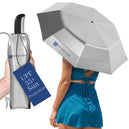
The finish line isn't the end of sun exposure. Post-race, runners often spend another 15 to 30 minutes (or longer) in direct sunlight recovering, collecting medals, finding family members, or waiting for transportation. This is unprotected exposure on already-compromised skin and sunscreen. Planning for immediate shade at the finish is crucial. Pre-staging a UV-Blocker Compact UV Umbrella at the finish area (e.g., in a gear check bag that you pick up) provides instant UPF 50+ shade for your recovery. At just 13 ounces, it's lightweight, easy to carry, and delivers immediate relief from the sun, protecting your fatigued body when it's most vulnerable.
How Do Spectators Protect Themselves from the Sun at a Marathon?
Marathon spectators, while not expending the same physical energy as runners, often face an equally, if not more, challenging sun exposure scenario. They typically endure 2 to 4-plus hours of stationary sun exposure in fixed positions, with virtually no course-provided shade. This makes a portable, personal UPF 50+ umbrella the most practical and effective protection available.
Unlike runners who might pass through brief patches of shade along the course, spectators often stake out one spot and remain there for extended periods. The total exposure timeline for spectators is significant:
- Start Corral Wait: Many events require spectators to arrive 60 to 90 minutes early for security screening and to secure a good viewing spot near the starting line. This translates to 30 to 60 minutes or more of standing in direct sun before the race even officially begins.
- Course Viewing: Spectator locations on sidewalks, curbs, and open roads frequently lack any natural canopy, trees, or temporary shade structures. This means continuous, direct exposure to solar radiation during peak UV hours.
- Finish Line Waiting: The finish line area is often the most congested and exposed, with little to no shade infrastructure. Spectators might wait for hours to see their runner cross, accumulating significant UV doses.
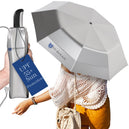
Without the luxury of movement or the ability to seek intermittent shade, spectators must be proactive. A UV-Blocker sun protection umbrella is a game-changer for marathon spectators. Our compact and full-sized umbrellas feature patented Solarteck® fabric, offering UPF 50+ protection that blocks 99.97% of UVA/UVB rays. This provides a personal, portable oasis of shade, drastically reducing the thermal load and UV exposure. Coupled with a wide-brimmed UPF hat, quality UV-blocking sunglasses, and regular application of broad-spectrum SPF 30+ sunscreen, spectators can enjoy the race festivities without compromising their skin health.
What Sun Protection Do Marathon Volunteers and Course Crew Need?
Marathon volunteers, medical staff, course marshals, and coaching crews are the unsung heroes of race day, often spending the longest and most continuous hours outdoors. Their roles frequently require them to be in fixed locations—aid stations, water stops, medical tents, course turns, or cheer zones—with little to no built-in shade. This prolonged, static exposure, sometimes beginning before dawn and extending into the afternoon, puts them at a particularly high risk for significant UV damage.
For these dedicated individuals, a robust sun protection strategy is not just advisable; it's essential for their health and safety. Key elements of their protocol should include:
- Large Area Shade: For fixed positions like aid stations, medical tents, or information booths, deploying large UPF 50+ sun protection umbrellas or pop-up canopies is paramount. UV-Blocker's large umbrellas, featuring Solarteck® fabric, can provide substantial shade and cooling for multiple individuals, creating a safer working environment.
- UPF Apparel: Just like runners, volunteers benefit immensely from wearing UPF 50+ long-sleeve shirts, long pants, and wide-brimmed hats. These garments offer constant protection that doesn't wear off or sweat away, crucial for those who may not have opportunities for frequent sunscreen reapplication.
- Broad-Spectrum Sunscreen: A liberal application of SPF 30+ (or higher) broad-spectrum, water-resistant sunscreen should be the first line of defense on any exposed skin. Reapplication every two hours, or more frequently if sweating heavily, should be encouraged and facilitated by event organizers.
- Hydration and Eye Protection: Beyond skin protection, volunteers must stay well-hydrated to combat heat exposure, and wear UV-blocking sunglasses to protect their eyes from cumulative damage.
Event organizers should prioritize providing sun-safe environments and education for their volunteers and crew, ensuring they have access to the necessary tools, like UV-Blocker's premium protection products, to perform their vital roles safely.
Race Expo and Pre-Race Sun Exposure
The marathon experience often begins long before race day, with packet pickup at a race expo. These expos, whether held indoors, partially outdoors, or with long lines leading to outdoor areas, can add another 2 to 4 hours of unanticipated sun exposure to a runner's cumulative UV dose. This pre-race exposure is particularly insidious because it's often overlooked as a significant risk factor.
Many expos feature outdoor registration queues, merchandise tents, or interactive zones. Waiting in line for bibs, race shirts, or even just using shuttle services can mean standing directly in the sun. Even on what seems like a "short" visit, these intermittent exposures add up, potentially causing sub-clinical damage or even a mild sunburn that can compromise your skin's health before the main event.
To mitigate this often-forgotten risk:
- Pre-Apply Sunscreen: Apply broad-spectrum SPF 30+ sunscreen before you even leave your accommodation for the expo.
- Wear UPF Clothing: Opt for UPF-rated casual clothing and a UPF hat when attending the expo.
- Bring Portable Shade: If you anticipate long outdoor lines, a Compact UV Umbrella can provide personal shade and keep you cooler while waiting.
Remember, every bit of sun exposure contributes to your lifetime UV dose, and protecting yourself at the expo sets a healthy precedent for race day.
What UV Protection Products Work Best for Marathon Race Day?
Building a robust sun protection arsenal for marathon race day involves selecting products that offer high efficacy, durability, and practical application for both active participants and stationary observers. Here’s a curated list of essential UV protection products:
- Broad-Spectrum SPF 30+ Water-Resistant Sunscreen: This is non-negotiable for all exposed skin. Look for formulas specifically labeled "water-resistant for 80 minutes" and ensure it's broad-spectrum to block both UVA and UVB rays. A stick format is ideal for runners' reapplication on the go.
-
UPF 50+ Apparel: The cornerstone of long-duration sun protection.
- Arm Sleeves: UV-Blocker UPF 50+ Arm Sleeves featuring Solarteck® fabric offer continuous, sweat-proof protection for the arms without restricting movement.
- Visors/Caps/Hats: A UPF 50+ running visor or cap protects the face, while a wide-brimmed UPF hat is superior for spectators and volunteers, shielding the face, ears, and neck.
- Lightweight Shirts: Consider running shirts with a built-in UPF 50+ rating, particularly for volunteers and spectators who can opt for long-sleeve versions.
-
UV-Blocker Sun Protection Umbrellas: The definitive solution for portable, reliable shade.
- Compact UV Umbrellas: Ideal for runners (for post-race recovery) and highly portable for spectators. Our patented Solarteck® fabric ensures UPF 50+ protection, blocking 99.97% of UV rays.
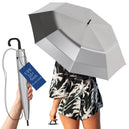
- Large Golf Umbrellas: Perfect for spectators needing more coverage or for providing shade at aid stations and volunteer checkpoints.
- 100% UV Protection Sunglasses: Essential for protecting your eyes from harmful UV rays, which can contribute to cataracts and other eye conditions. Look for labels indicating 100% UVA/UVB blockage.
- SPF 30+ Lip Balm: Don't forget your lips, which are highly susceptible to sunburn.
By combining these premium products, all powered by UV-Blocker's patented Solarteck® technology where applicable, you can ensure comprehensive and long-lasting sun protection for every role on marathon race day.
Frequently Asked Questions
Is SPF 50 better than SPF 30 for a marathon?
While SPF 50 blocks slightly more UVB rays (approximately 98%) than SPF 30 (approximately 97%), the difference is marginal. For a marathon, the *frequency of reapplication* and the *water-resistant rating* are far more critical than pushing for a higher SPF number. A well-applied SPF 30, reapplied as often as possible and combined with UPF clothing, is generally more effective than a single application of SPF 50 that wears off after 80 minutes.
Can I get sunburned on a cloudy marathon day?
Absolutely. Up to 80% of the sun's UV rays can penetrate clouds. Overcast conditions can even lull people into a false sense of security, leading to less diligent sun protection and a higher risk of sunburn. Always apply sunscreen and wear UPF clothing, even on cloudy race days, as UV radiation is still present and harmful.
How does UV-Blocker's Solarteck® technology enhance protection for marathoners?
UV-Blocker's Solarteck® technology is engineered for superior performance under extreme conditions like marathon race day. Our fabrics and umbrellas are independently tested and certified UPF 50+, blocking 99.97% of both UVA and UVB rays. Unlike sunscreen, Solarteck® protection doesn't sweat off, wash off, or degrade with prolonged exposure. This ensures consistent, reliable protection throughout the entire race and beyond, providing peace of mind whether you're running, cheering, or volunteering.
What about reflective surfaces like water or asphalt on a marathon course?
Reflective surfaces, such as water, sand, or even asphalt, can significantly increase your UV exposure. Water can reflect up to 10% of UV radiation, while concrete can reflect up to 25%. This means you're not just getting UV from above, but also from below, increasing the overall dose. This effect makes comprehensive protection, including UPF clothing and a wide-brimmed hat, even more important for covering all angles.
Are UV-blocking sunglasses necessary for a marathon?
Yes, 100% UV-blocking sunglasses are crucial. Prolonged UV exposure to the eyes can contribute to various conditions, including cataracts, macular degeneration, and photokeratitis (a painful sunburn of the cornea). Protecting your eyes is just as important as protecting your skin, especially given the many hours spent outdoors on race day.
Can marathon organizers do more to promote sun safety?
Absolutely. Marathon organizers can play a vital role by providing more shaded areas at start/finish lines and aid stations, making sunscreen readily available, including sun safety information in race packets, and encouraging volunteers to wear UPF-rated gear. Partnering with sun protection brands like UV-Blocker can also help raise awareness and provide access to premium protective products for participants and staff.
Conclusion
Marathon race day is a triumph of human spirit and endurance, but it also presents a significant and often underestimated challenge in terms of sun safety. The prolonged exposure, peak UV hours, and practical limitations of sunscreen reapplication mean that a casual approach to sun protection is simply not enough. For runners, spectators, and essential race day crew, a comprehensive, layered strategy is key to preventing immediate sunburn, reducing long-term skin damage, and ensuring a healthy race experience.
By understanding the unique risks of marathon UV exposure and leveraging advanced protective solutions like broad-spectrum SPF, UPF 50+ clothing, and the patented Solarteck® technology found in UV-Blocker umbrellas and apparel, everyone can enjoy the excitement of race day safely. Prioritize your skin health as diligently as you train for the finish line – your future self will thank you.
Frequently Asked Questions: Marathon Day Sun Protection
What SPF should marathon runners use?
Apply SPF 50+ sweat-resistant sunscreen to all exposed skin 20–30 minutes before the start. Runners finishing a 4–5 hour marathon may need a mid-race reapplication — keep a small sunscreen packet in your race vest for races starting after 8 a.m.
What clothing should marathon runners wear for sun protection?
Lightweight UPF 50+ singlets or long-sleeve options provide meaningful UV coverage without the thermal burden. A UPF-rated running hat with a 3-inch brim protects the face and neck without the weight or interference of a full sun hat.
Do spectators need UV protection at marathons?
Spectators often stand in one spot for hours cheering — accumulating more UV than the moving runners. A handheld UV-blocking umbrella is the ideal spectator tool: it provides continuous shade without setup, can follow the crowd, and frees both hands for signs and cowbells.
How does UV exposure affect marathon race performance?
UV stress activates an inflammatory response that diverts blood flow and metabolic resources. Limiting UV exposure preserves those resources for performance. Sunburned skin also dehydrates faster, increasing the risk of heat illness during endurance events.