

Every runner knows the feeling of finishing a Saturday long run with sunglass-shaped tan lines, lobster-red shoulders, and that familiar, uncomfortable sting in the shower. The physical toll of endurance training often extends beyond muscle soreness and fatigue; the skin itself bears the brunt of hours spent exposed to the elements. While athletes obsess over shoe mileage, hydration strategies, and pacing splits, effective sun protection for runners is frequently overlooked until the burn sets in.
Runners face unique UV risks distinct from other outdoor enthusiasts. Marathon training often requires three to five hours of direct sun exposure during a single session. Sweat washes away standard sunscreen within 40 to 80 minutes, leaving skin vulnerable for the majority of a long run. The very surface runners train on (concrete and asphalt) reflects radiation upward, hitting areas like the chin and under-nose that remain unprotected by standard hats.
The consequences of this exposure are documented and severe. A study published in JEADV Clinical Practice found that 66.5% of trail runners reported experiencing sunburn after outdoor sports in the prior year. This high incidence rate suggests that traditional protection methods are failing this demographic. The standard advice to "just wear sunscreen" ignores the logistical reality of heavy perspiration and extended duration.
This guide provides a comprehensive approach to sun protection tailored specifically for runners. It covers every layer of defense, from selecting a sunscreen that actually stays on through heavy sweat, to choosing effective UPF running gear, and implementing smart training schedules. It addresses the full timeline of exposure, including the 20-plus minutes before and after a run when athletes are warming up, cooling down, or waiting in starting corrals under a blazing sun.

Why Do Runners Face Higher UV Risk Than Other Athletes?
Runners face elevated UV risk due to extended multi-hour exposure, rapid sweat degradation of sunscreen, and intense reflected radiation from pavement.
The volume of time spent outdoors separates runners from casual exercisers. Marathon training requires 16 to 20 weeks of long runs lasting two to four hours. Sports Medicine Open research highlights that outdoor athletes receive cumulative UV doses far exceeding the general population, yet protection strategies often remain casual rather than systematic.
Sweat is the primary enemy. The FDA "water-resistant" standard covers 80 minutes in water, but abrasive sweat breaks down sunscreen films faster. Most runners exceed this window on long runs without stopping to reapply. Once the barrier is breached, the skin is exposed for the remainder of the session, often during the hours of highest UV intensity.
The running environment contributes to the danger. Road runners lack tree canopy and face direct plus reflected radiation. Concrete reflects 10-12% of UV upward. Beach path runners face even higher reflection from sand (15-25%) and water (10-30%).
This intense exposure has health implications. A study found 17.3% of marathon runners had over 50 naevi (moles) and 35.3% had atypical naevi, markers for increased melanoma risk. The Skin Cancer Foundation confirms that cumulative UV exposure is the primary modifiable risk factor for skin cancer. Running is not just a cardiovascular activity; it is a dermatological event.
For more information on how indirect exposure affects skin, read about why sunburn occurs in the shade.
When Is the Safest Time to Run for UV Protection?
The safest running times are before 10 AM and after 4 PM when UV intensity drops below moderate levels.
Understanding the solar clock is the most effective zero-cost tool for a runner. UV intensity follows a bell curve, peaking at solar noon (roughly 12:00 PM to 1:00 PM local time). During the early morning hours before 10 AM, and the late afternoon hours after 4 PM, the UV index generally drops to moderate or low levels in most locations. Structuring training to fit these windows can reduce UV exposure by over 50% without requiring any additional gear.
For marathon training, where long runs can last three hours or more, starting early is a necessity rather than a preference. A 6:00 AM start time allows a runner to complete 15 to 20 miles before the UV index climbs into the "high" or "very high" categories. An advanced strategy involves planning routes that finish heading east or north, avoiding the direct glare of the rising sun on the face during the final, most fatigued miles.
A simple, practical test for runners mid-run is the "shadow rule." If a runner's shadow is shorter than their height, the sun is high in the sky, and UV intensity is strong. If the shadow is longer than the runner, the sun is at a lower angle, and the risk is significantly reduced. This visual cue provides instant feedback on whether protection needs to be prioritized.
Seasonal and geographical variations also play a critical role. In southern US states, the summer UV index can regularly exceed 10 or 11. Conversely, altitude increases UV exposure by approximately 10 to 12% per 1,000 meters of elevation. Runners training in Denver or mountain towns face a thinner atmosphere that filters less UV radiation, making winter runs potentially as damaging as summer runs at sea level. Even on overcast days, up to 80% of UV radiation penetrates the clouds, meaning a gray sky offers a false sense of security.
What Sunscreen Actually Stays on Through Running and Sweat?
Mineral sunscreens (zinc oxide) resist sweat best. Chemical sunscreens absorb into skin and sting eyes when sweating.
For endurance athletes, mineral wins on performance. Chemical sunscreens convert UV into heat but break down faster under sweat. Critically, when mixed with sweat, they run into eyes and cause severe stinging, a major distraction.
Mineral sunscreens (zinc oxide or titanium dioxide) sit on skin like a shield, resist breakdown, and don't irritate eyes. A study in Dermatology and Therapy highlights the superior photoprotection profile of mineral blockers for outdoor sports. They may leave a white cast, but this confirms protection is in place.
Application technique matters. Apply sunscreen 20 minutes before dressing to allow bonding. Ensure coverage on missed areas: ear tops, back of neck, and hands. Use dedicated SPF lip balm.
For ultra-long runs, sunscreen sticks are superior. A stick carried in a hydration vest applies directly to the face without messing hands, avoiding issues with opening gels or adjusting laces.
Runners should look for SPF 30 minimum (blocks 97% UVB). SPF 50 blocks 98%, offering valuable extra protection over three-hour runs. See this guide on UPF vs SPF differences for details.
What Running Gear Provides the Best UV Protection?

UPF 50+ hoodies, draped caps, and UV sunglasses create a layered system that works even through sweat.
Fabric is reliable; it never washes off. A cotton t-shirt offers only UPF 5-7. UPF 50+ apparel blocks 98% of UV regardless of moisture. Modern sun hoodies use lightweight, wicking fabrics to keep skin cool while covered. Thumb holes ensure hand protection.
Headwear choice involves a trade-off. Standard caps protect the scalp but leave ears and neck exposed. The most effective option is a legionnaire-style cap with a draping neck flap. For a detailed breakdown of coverage areas, review the comparison of sun hats versus UV umbrellas.
Eye protection is non-negotiable. Select UV400 or 100% UV protection sunglasses. Wraparound frames are essential to block peripheral light. Running-specific frames also feature grip coatings on the nose pads and temples to prevent slipping when sweaty.
Runner's Sun Protection Gear Comparison
| Protection Method | UV Coverage | Pros for Runners | Cons for Runners | Best For |
|---|---|---|---|---|
| SPF 50 Sunscreen | Exposed skin only | Easy to apply | Sweats off in 40-80 min, eye sting | Short runs (<1 hour) |
| UPF 50+ Sun Hoodie | Arms, torso, neck | Never sweats off | Extra heat layer | Long runs, summer training |
| Running Cap | Scalp, forehead | Lightweight, breathable | No ear/neck protection | Daily training |
| Legionnaire Cap | Scalp, ears, neck | Best hat coverage | Less common, style factor | Peak UV hours |
| UV Sunglasses | Eyes, orbital area | Eye protection + performance | No skin protection | Every outdoor run |
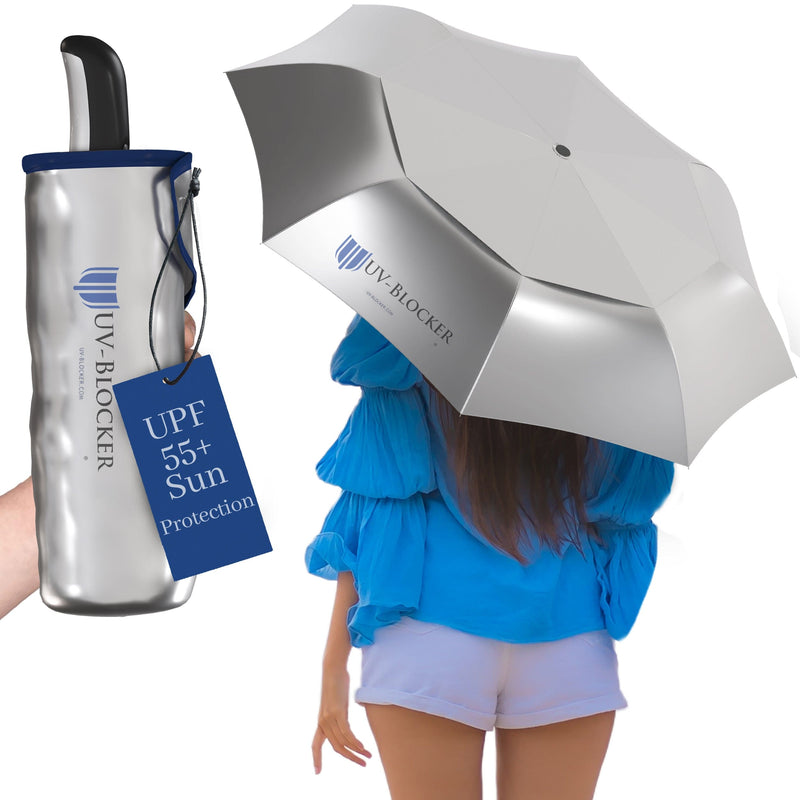
| Compact UV Umbrella | Head, shoulders, upper body | Pre/post-run shade, race day | Can't hold while running | Warmup, cooldown, spectating |
Why Is Pre-Run and Post-Run Shade the Overlooked Protection Gap?

The 20-30 minutes of pre- and post-run activity exposes runners to significant cumulative UV without movement-driven cooling.
Runners often neglect static periods. A session typically involves 20-40 minutes of warmup and cooldown. Five days a week, this totals 100 minutes of unprotected static exposure, or 27 hours over a marathon cycle. That is "junk mileage" for skin damage.
Race day exacerbates this issue. Runners wait in unshaded corrals for hours before the start. Post-race, they socialize in open reunion areas. Spectators face even longer exposure, often standing for four to six hours to catch a glimpse of their runner.
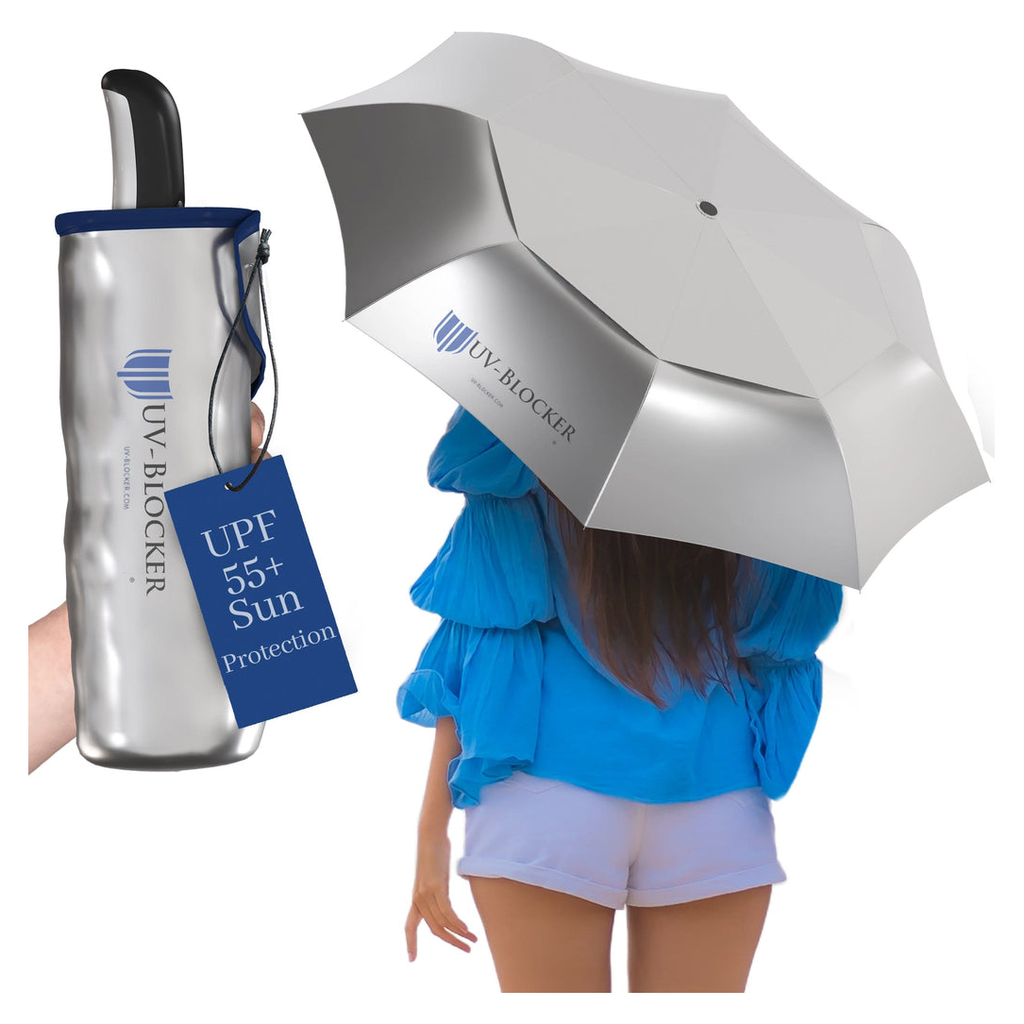
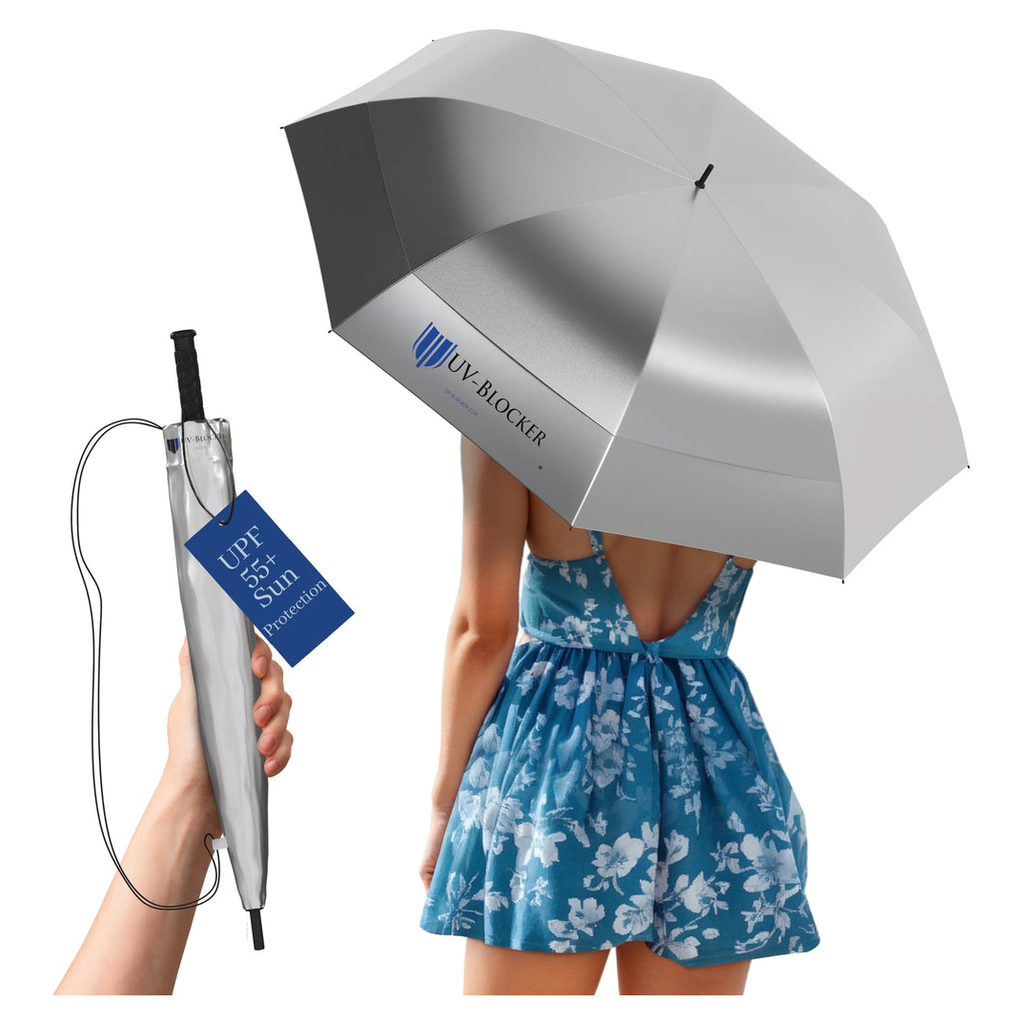
A compact UV umbrella or travel UV umbrella fills this gap. Weighing just over a pound, it provides instant mobile shade and a 15°F cooling effect, preserving energy and skin health before the run begins.
How Should Runners Adapt Sun Protection for Different Climates?
Each climate demands a distinct approach: desert runners need total coverage, humid climates require sweat-resistant mineral formulas, and high-altitude athletes need SPF 50 minimum.
Runners in desert environments like Phoenix or Las Vegas face extreme UV indices that can exceed 11 by mid-morning. Here, the strategy must shift from "sunscreen" to "total coverage." Long sleeves, tights, and neck gaiters are standard equipment. The dry heat evaporates sweat instantly, which can mask dehydration, making fluid intake critical for maintaining skin resilience.
In humid climates like Florida or the Gulf Coast, the challenge is keeping protection in place. The intense humidity prevents sweat from evaporating, leading to a "washout" effect for topical products. Runners here should prioritize water-resistant mineral sunscreens that are less likely to emulsify with sweat. UPF clothing must be exceptionally lightweight and hydrophobic to prevent becoming a heavy, waterlogged layer that traps heat.
High-altitude running presents an invisible threat. At 8,000 feet in Colorado or similar mountain environments, the atmosphere is thinner and filters less UV radiation. The EPA notes that UV intensity increases by roughly 10-12% for every 1,000 meters of elevation gain. A mild 60-degree day in the mountains can deliver a more severe burn than a 90-degree day at sea level. Snow on the ground acts as a giant reflector, nearly doubling UV exposure by bouncing rays upward.
Even on overcast days, caution is required. Clouds filter visible light but allow up to 80% of UV radiation to pass through. Runners often skip sunscreen when they don't see the sun, a mistake that leads to unexpected burns.
What To Do If Sunburn Occurs During Training?
Cool the burn immediately with compresses, apply aloe vera, take ibuprofen, hydrate aggressively, and skip outdoor running for 24-48 hours.
If sunburn happens, stop inflammation with cool compresses or showers. Apply aloe vera or soy-based moisturizers. Avoid petroleum products that trap heat. Ibuprofen can reduce redness if taken early. Hydrate aggressively to counteract fluid drawn to the skin.
Rest is critical. Sunburned skin is compromised. Continuing to train outdoors compounds damage. Take 24-48 hours off or use a treadmill until redness subsides.
Treat burns as training injuries: analyze the cause. Was sunscreen expired? Did the run go longer than expected without reapplication? Was a hat forgotten? Identifying the weak link in the protection chain is essential for future safety. Those seeking professional-grade options should consider dermatologist-recommended products vetted for efficacy.
Frequently Asked Questions About Sun Protection for Runners
Here are the most common questions runners ask about protecting their skin from UV damage during training and races.
Is sunscreen needed for a 20-minute run? Yes. UV damage is cumulative. Apply SPF 30+ regardless of run length. A 20-minute daily run equals nearly 87 hours of annual exposure.
What SPF do runners need? SPF 30 minimum; SPF 50 for runs over 30 minutes. Choose 80-minute water-resistant formulas. SPF 50 blocks 98% of UVB, offering a valuable buffer for long sessions.
Can runners run during peak UV hours safely? Yes, with full protection: SPF 50, UPF clothing, cap, sunglasses, and reapplication every 80 minutes. Many races occur during peak hours; preparation is key.
Does running in the shade protect from UV? Shade reduces but doesn't eliminate UV. Scattered radiation can still deliver 50% of exposure. Shade complements but doesn't replace sunscreen.
Is UPF clothing better than sunscreen for runners? UPF clothing is more reliable because it never sweats off. The ideal approach combines UPF for the body and sunscreen for exposed skin.
How to stop sunscreen from stinging eyes while running? Switch to mineral sunscreen (zinc oxide) above the eyebrows; it won't migrate. Or apply a stick horizontally across the forehead to act as a "sweat dam."
Conclusion
A layered defense system combining sunscreen, UPF clothing, smart scheduling, and portable shade provides the most reliable sun protection for runners.
Effective sun protection for runners demands a shift in mindset from a single product (sunscreen) to a comprehensive system of layers. No single method offers 100% protection against the unique challenges of endurance training. Sweat compromises lotions, hats leave lower faces exposed, and clothing cannot cover everything. True safety comes from overlapping defenses: using sweat-resistant mineral sunscreen, wearing UPF technical fabrics, and respecting the solar clock.
Perhaps the most critical adjustment is recognizing the invisible exposure windows. The time spent stretching in a parking lot or waiting in a starting corral constitutes a massive portion of a runner's annual UV dose. Integrating a portable shade solution like a compact UV umbrella for these static periods fills a gap that lotion and caps cannot.
Runner's Sun Protection Checklist
- [ ] SPF 50+ mineral sunscreen (apply 20 min before dressing)
- [ ] Sunscreen stick for easy mid-run reapplication
- [ ] UPF 50+ sun hoodie or long-sleeve technical shirt
- [ ] Running cap with neck coverage or legionnaire style
- [ ] UV400 wraparound sunglasses to block peripheral rays
- [ ] Compact UV umbrella for pre-run warmup and post-run recovery
- [ ] Check UV index before heading out (aim for <3)
- [ ] Plan shady routes for training days with high UV forecasts
By treating sun protection with the same discipline as hydration or interval splits, runners can ensure that their pursuit of fitness does not come at the cost of long-term skin health. For those looking to secure race-day shade that fits easily into a gear bag, explore UV-Blocker's compact travel umbrella, a tool designed to keep athletes cool and protected before the gun goes off.