

For the 1.5 million Americans living with lupus, a simple walk to the mailbox can trigger a cascade of painful symptoms. Between 40% and 70% of lupus patients experience photosensitivity—a condition where even brief UV exposure causes skin rashes, joint pain, fatigue, and full-blown flares that can last for weeks.
Most sun protection advice falls dramatically short for lupus patients. A typical cotton t-shirt offers only SPF 5 protection. Standard sunscreen wears off in hours. And what about the fluorescent lights at work? They emit UV radiation that can trigger symptoms in highly sensitive individuals.
This guide presents the 4-layer sun protection system specifically designed for lupus patients: strategic sunscreen protocols, UPF clothing selection, UV umbrellas for portable shade, and indoor protection strategies. You'll learn exactly which products work, which medications increase your sensitivity, and how to build a protection routine that lets you live fully—without constantly fearing the sun.
Why Is Sun Protection Critical for Lupus Patients?
Approximately 70% of lupus patients experience photosensitivity, where UV exposure triggers immune reactions causing skin lesions, joint pain, fatigue, and systemic flares lasting days to weeks.
The Lupus Foundation of America confirms that 40% to 70% of people with lupus find that UV rays from sunlight or indoor lighting make their symptoms worse. This isn't a minor inconvenience—it's a fundamental aspect of managing the disease.
What makes lupus photosensitivity particularly challenging is the delayed reaction. Many patients experience worsening symptoms not immediately after sun exposure, but days later. Research shows that approximately 10% of patients notice symptoms only after several days have passed. This delayed response makes it difficult to connect cause and effect, leading many patients to unknowingly repeat the UV exposure that triggered their symptoms.
Both UVA and UVB rays cause problems for lupus patients. According to WebMD, UVA is actually "more of a problem for people with lupus" because it penetrates deeper into the skin. Unlike UVB, UVA passes through clouds and window glass—meaning you're never truly safe from exposure without proper protection strategies.
How Does Lupus Photosensitivity Work?
In lupus, UV light triggers abnormal cell death in skin cells, and the immune system's failure to clear dead cells properly causes inflammation, autoantibody production, and systemic flares that extend far beyond the skin.
When UV rays hit the skin of someone with lupus, they cause preprogrammed cell death (apoptosis) at an accelerated rate. In healthy individuals, the immune system efficiently clears away these dead cells. In lupus, that cleanup process doesn't work properly. Dead cell proteins interact with the immune system and trigger widespread inflammation—explaining why sun exposure can cause joint pain, fatigue, and organ involvement rather than just skin symptoms.
Understanding UVA vs UVB
Both types of UV radiation affect lupus patients, but in different ways:
| UV Type | Penetration | Effects | Protection Challenge |
|---|---|---|---|
| UVB | Surface skin | Sunburn, immediate damage | Blocked by glass, clouds reduce it |
| UVA | Deep skin layers | Triggers immune response | Penetrates clouds AND window glass |
UVA is particularly concerning for lupus patients because it reaches you in situations where you might feel safe—sitting by a window at home, driving in your car, or spending a cloudy day outdoors without sunscreen.
The Delayed Reaction Challenge
The timing of lupus photosensitivity reactions creates a tracking challenge. Early reactions may appear within hours and resolve within a week. However, some patients experience symptoms that persist for weeks or months. And roughly 10% notice worsening only after several days have passed.
This delayed response means keeping a sun exposure diary is essential. Track your UV exposure—including time spent near windows or under fluorescent lights—and note any symptom changes over the following two weeks. Patterns often emerge that help you identify your personal triggers and tolerance thresholds.
What Is the 4-Layer Sun Protection System for Lupus?
The 4-layer system provides redundant protection: Layer 1 (sunscreen) blocks UV on exposed skin, Layer 2 (UPF clothing) covers the body, Layer 3 (UV umbrellas) creates portable shade, and Layer 4 (indoor strategies) addresses fluorescent and window exposure.
Single-layer protection—typically "just wear sunscreen"—fails lupus patients for several reasons. Sunscreen wears off and requires reapplication every two hours. Most people apply far less than the recommended amount. It doesn't protect areas you can't reach. And it does nothing for indoor UV exposure.
The 4-layer system works because each layer backs up the others:
| Layer | Protection Type | Coverage Area | Reapplication Needed |
|---|---|---|---|
| 1. Sunscreen | UV-blocking chemicals/minerals | Exposed skin only | Every 2 hours |
| 2. UPF Clothing | Physical UV barrier | Covered body areas | None |
| 3. UV Umbrella | Portable shade canopy | Full-body overhead | None |
| 4. Indoor Protection | LED bulbs, window film | Home and work environments | Permanent |
Notice that layers 2-4 require no reapplication. Once you've dressed in UPF clothing, packed your UV umbrella, and addressed your indoor environment, those layers protect you continuously. This reduces the mental load of constant sunscreen vigilance.

What Sunscreen Protocol Works Best for Lupus? (Layer 1)
Lupus patients should use broad-spectrum physical sunscreens with SPF 70+ containing zinc oxide or titanium dioxide, applied 15 minutes before exposure and reapplied every 2 hours without exception.
The Lupus Foundation of America recommends SPF 70 or higher for lupus patients—significantly higher than the SPF 30 often suggested for the general population. Why the difference? Laboratory testing applies sunscreen much thicker than people actually use in real life. Higher SPF compensates for real-world application patterns.
Physical vs Chemical Sunscreens
Physical (mineral) sunscreens containing zinc oxide or titanium dioxide are preferred for lupus patients for several reasons:
- They physically block UV rays rather than absorbing them
- They protect against UVA, UVB, and visible light
- They're less likely to irritate sensitive lupus skin
- They start working immediately upon application
Avoid sunscreens with oxybenzone or octinoxate as primary active ingredients. These chemical filters are less effective against UVA and may cause skin reactions in sensitive individuals.
Dermatologist-Recommended Sunscreens for Lupus
Several brands are specifically formulated for sensitive and autoimmune-prone skin:
- EltaMD UV Clear SPF 46 — Lightweight, non-comedogenic, dermatologist favorite
- Vanicream Sunscreen SPF 50 — Fragrance-free, zinc/titanium only, designed for sensitive skin
- La Roche-Posay Anthelios SPF 60 — Mineral blockers in a non-greasy formula
- Neutrogena Sensitive Skin SPF 60 — Widely available, formulated for reactive skin
Proper Application Protocol
The amount matters as much as the product. One ounce of sunscreen—roughly the size of a ping-pong ball or two tablespoons—covers an average adult body. Most people apply half that amount or less, which dramatically reduces actual protection.
Apply sunscreen 15 minutes before sun exposure to allow absorption. Reapply every two hours without exception, and more frequently if you're sweating or swimming. Don't forget commonly missed areas: ears, back of neck, tops of feet, and scalp (if you have thin or no hair).
How Should Lupus Patients Choose UPF Clothing? (Layer 2)
Lupus patients should choose UPF 50+ rated clothing with tight weaves in darker colors, covering as much skin as possible while maintaining comfort and breathability.
A regular cotton t-shirt provides approximately SPF 5 protection—blocking only about 80% of UV rays. For lupus patients who need maximum protection, that's nowhere near sufficient. UPF-rated clothing is specifically engineered to block UV radiation, with UPF 50+ blocking 98% or more.
Why UPF Clothing Works Better
Unlike sunscreen, UPF clothing provides consistent, reliable protection that doesn't diminish over time or require reapplication. The protection is instant—no waiting for absorption. And the rating doesn't fade with washing or wear under normal use.
Key selection criteria for UPF clothing:
- Minimum UPF 30, ideal UPF 50+ — Look for the UPF label, not just marketing claims
- Tight weave construction — Hold fabric up to light; less light through = better protection
- Darker or brighter colors — These absorb more UV than light pastels
- Loose fit — Allows airflow and reduces heat buildup
One important warning: UV protection decreases when fabric gets wet. If you're sweating heavily or swimming, the fabric's protective capacity diminishes. This is another reason the multi-layer approach matters.
Trusted UPF Clothing Brands
Several brands specialize in UV-protective clothing:
- Coolibar — Exclusively UPF clothing with extensive style selection
- UV Skinz — Dedicated UPF brand with good value pricing
- Solbari — Australian brand known for premium quality
- Columbia, Lands' End, Eddie Bauer — Mainstream outdoor brands with UPF product lines
Essential UPF Items for Lupus Patients
Build your protective wardrobe with these essentials:
- Wide-brim hat — Minimum 3-4 inch brim all around, neck flap preferred
- Long-sleeve swim shirts — Critical for pool and beach activities
- Sun sleeves and gloves — Protect arms and hands while driving
- UPF scarves — Versatile neck and chest protection
Why Are UV Umbrellas Essential for Lupus Protection? (Layer 3)
UV umbrellas rated UPF 50+ create portable shade that blocks 99%+ of UV rays, providing full-body protection without reapplication—filling the gap that sunscreen and clothing leave exposed.
Even with perfect sunscreen application and comprehensive UPF clothing, your face and hands remain exposed throughout the day. A UV umbrella creates your own personal shade anywhere—eliminating the need to constantly seek cover and allowing you to participate in outdoor activities with confidence.
UV Umbrella vs Regular Umbrella
Not all umbrellas provide meaningful UV protection. A standard umbrella blocks approximately 77% of UV rays—better than nothing, but not sufficient for lupus patients who need maximum protection.

UV umbrellas with reflective coatings block 99% or more of UV radiation. Look for UPF 50+ ratings and verify any claimed certifications from dermatology organizations.
Medical-Grade UV Umbrella Features
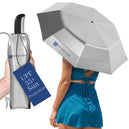
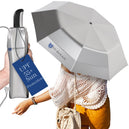
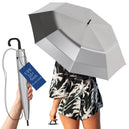
UV-Blocker umbrellas provide the protection level lupus patients need:
- UPF 50+ rating — Blocks 99% of UVA and UVB rays
- Solarteck™ reflective fabric — Silver coating reduces temperature underneath by 15°F
- Dermatologist recommended — Approved by the Melanoma International Foundation
- HSA/FSA eligible — Qualifies as a medical expense for reimbursement
- Wind-resistant design — Vented canopy prevents inversion in wind
The cooling effect matters for lupus patients. Heat sensitivity and fatigue are common symptoms, and staying 15°F cooler underneath your umbrella helps you stay comfortable during outdoor activities.
Choosing the Right UV Umbrella
| Your Situation | Recommended Option | Key Benefit |
|---|---|---|
| Everyday carry | UV-Blocker Compact | Fits in purse/bag at 15 oz |
| Travel and commuting | UV-Blocker Travel | Larger coverage, portable |
| With partner or family | Large Folding UV Umbrella | 58" arc covers two people |
| Maximum coverage needed | UV-Blocker Golf 62" | 53" diameter full protection |
How Can Lupus Patients Protect Against Indoor UV? (Layer 4)
Indoor UV exposure from fluorescent lights and windows can trigger lupus flares; the solution involves replacing bulbs with LEDs, installing UV-filtering film on windows, and wearing sunscreen indoors when necessary.
Most sun protection guides ignore indoor UV exposure entirely. For highly photosensitive lupus patients, this oversight can mean constant, low-level exposure that accumulates into flares—without ever stepping outside.
The Fluorescent Light Problem
Fluorescent bulbs contain mercury vapor that produces UV light. A phosphor coating on the inside of the bulb converts that UV to visible light. However, cracks in this coating allow UV to leak through.
While the UV from indoor bulbs is considerably lower than sunlight, the exposure time can last for hours and repeats daily. For sensitive lupus patients, this chronic exposure accumulates into meaningful risk.
Lighting Solutions
The simplest fix: replace fluorescent bulbs with LED bulbs. LED technology doesn't emit significant UV radiation. If you can't replace the fixtures—in a shared workspace, for example—install UV-blocking light covers rated at 380-400 nanometers, which filter all UV types.
A standard acrylic diffuser over fluorescent tubes also significantly reduces UV leakage. If your office has exposed fluorescent tubes, requesting diffuser covers is a reasonable workplace accommodation.
Window Protection Strategies
Glass filters some UV but not all—UVA passes through standard window glass. Protection strategies include:
- UV-blocking window film — Apply to home and car windows
- UV-blocking shades or blinds — Control exposure at will
- Workspace positioning — Request a desk away from direct window light
- Car window tinting — Side windows often lack UV protection
Indoor Sunscreen Protocol
For highly sensitive patients, wearing sunscreen indoors isn't paranoid—it's practical. Focus on your face and hands if you work near windows or under fluorescent lights. This adds another layer of protection against the cumulative UV exposure that many patients don't realize they're experiencing.
Which Medications Increase Photosensitivity in Lupus Patients?
Many common medications increase sun sensitivity, including antibiotics, NSAIDs, blood pressure medications, and even some lupus treatments—making medication awareness a critical part of your protection strategy.
This is where lupus sun protection becomes complicated. Some of the medications that treat lupus symptoms actually increase your sensitivity to the UV exposure that triggers flares.
Common Photosensitizing Medications
| Category | Specific Medications | Notes |
|---|---|---|
| Antibiotics | Doxycycline, tetracycline, sulfonamides (Bactrim), levofloxacin | Commonly prescribed, high photosensitivity risk |
| NSAIDs | Ibuprofen (Advil, Motrin), naproxen (Aleve), piroxicam (Feldene) | Often used for lupus pain management |
| Blood Pressure | Hydrochlorothiazide, lisinopril | Thiazide diuretics particularly problematic |
| Lupus Treatment | Methotrexate | Increases UV sensitivity while treating lupus |
| Antidepressants | Amitriptyline, desipramine (tricyclics) | Common for pain/mood management in lupus |
| Diabetes Medications | Glyburide, glipizide | Relevant if managing comorbid diabetes |
The Hydroxychloroquine Exception
Here's encouraging news: hydroxychloroquine (Plaquenil) is actually protective against photosensitivity. Unlike methotrexate, which increases sun sensitivity while treating lupus, hydroxychloroquine reduces it. Doctors specifically prescribe it for patients with significant photosensitivity issues.
If photosensitivity is severely impacting your quality of life, discuss hydroxychloroquine with your rheumatologist—it may provide meaningful relief beyond your external protection strategies.
Action Steps for Medication Management
Review all your current medications with your doctor specifically for photosensitivity interactions. Ask about alternatives if a medication significantly increases your sensitivity. When starting new medications, increase your protection layers preemptively. Track symptoms carefully during the first weeks of any new prescription.
What Does a Daily Lupus Sun Protection Routine Look Like?
A complete daily routine includes morning sunscreen application, dressing in UPF clothing, packing a UV umbrella, and maintaining indoor awareness—taking less than 10 minutes once it becomes habit.
The 4-layer system sounds complex, but in practice it becomes automatic. Here's what an effective daily routine looks like:
Morning Routine (5 Minutes)
- Apply SPF 70+ broad-spectrum sunscreen to face, neck, hands, and any skin that will be exposed
- Allow 15 minutes before significant sun exposure
- Dress in UPF 50+ clothing—long sleeves, wide-brim hat ready
- Place UV umbrella in your bag
- Review any photosensitivity warnings on current medications
Throughout the Day
- Reapply sunscreen every 2 hours if spending time outdoors
- Deploy UV umbrella during peak sun hours (10 AM to 4 PM)
- Seek shade whenever practical
- Stay hydrated—heat compounds lupus fatigue
Workplace Considerations
- Position your desk away from direct window light when possible
- If under fluorescent lights, consider UV-blocking light covers
- Keep sunscreen at your desk for midday touch-ups
- UV-blocking glasses help if fluorescent sensitivity is an issue
Evening Tracking
Note any significant sun exposure in a symptom diary. Watch for delayed reactions over the following week. Use patterns to refine your personal protection strategy.
How Should Lupus Sun Protection Change by Season?
UV protection is year-round for lupus patients: summer demands maximum vigilance during peak hours, while winter still requires protection because UV reflects off snow and penetrates clouds without regard to temperature.
The worst mistake lupus patients make is relaxing sun protection in winter. Cold weather doesn't mean low UV exposure.
Summer Protection Strategy
Summer brings the highest UV levels and requires the most vigilance:
- Avoid outdoor activities between 10 AM and 4 PM when possible
- All four protection layers are essential
- Plan indoor activities during peak UV hours
- Heat worsens lupus fatigue—the cooling effect of UV umbrellas helps
Winter Considerations
Winter UV exposure catches many patients off guard:
- Snow reflects approximately 80% of UV rays back at you
- Overcast days still transmit significant UV radiation
- The lower sun angle means more direct face exposure
- Continue daily sunscreen application regardless of temperature
Travel Planning
When traveling, especially to sunny destinations:
- Research the UV index at your destination before departure
- Pack extra sunscreen—you may not find the right formulation abroad
- Your UV umbrella becomes even more essential
- Plan shaded activities during peak hours
- Consider destinations with excellent indoor attractions
Frequently Asked Questions About Lupus Sun Protection
Can lupus patients go to the beach?
Yes, lupus patients can enjoy the beach with proper preparation and the right protective gear in place. Apply SPF 70+ sunscreen 15 minutes before arrival. Wear UPF 50+ swim cover-ups. Set up a UV umbrella for shade—UV-Blocker's beach umbrellas block 99% of UV rays while keeping you 15°F cooler. Limit exposure during peak sun hours between 10 AM and 4 PM, and take breaks in fully shaded areas.
What SPF should lupus patients use?
Lupus patients should use SPF 70 or higher broad-spectrum sunscreen containing zinc oxide or titanium dioxide as active ingredients. The Lupus Foundation recommends this higher SPF because real-world application is typically thinner than laboratory testing conditions, and higher SPF compensates for this reality.
Can fluorescent lights trigger lupus flares?
Yes, fluorescent bulbs emit low levels of UV radiation through cracks in their phosphor coating, and this can trigger flares in photosensitive lupus patients. The solution is replacing fluorescents with LED bulbs, which don't emit significant UV, or installing UV-blocking light covers rated at 380-400 nanometers to filter all UV types.
Is lupus photosensitivity the same as a sun allergy?
Lupus photosensitivity is not a traditional allergy but an autoimmune response where UV light triggers abnormal cell death and immune system inflammation. Unlike polymorphic light eruption (true sun allergy), lupus photosensitivity can cause systemic symptoms beyond skin reactions—including joint pain, fatigue, and organ involvement.
What is the best UV umbrella for lupus patients?
The best UV umbrellas for lupus patients have UPF 50+ ratings, reflective coatings that reduce heat, and credible certification. UV-Blocker umbrellas are rated UPF 50+, approved by the Melanoma International Foundation, recommended by dermatologists, and HSA/FSA eligible as medical expenses—meeting all criteria for medical-grade protection.
Taking Control of Your Lupus Sun Protection
The 4-layer sun protection system—sunscreen, UPF clothing, UV umbrellas, and indoor protection—gives lupus patients the freedom to live fully while managing photosensitivity effectively and confidently.
Living with lupus photosensitivity doesn't mean living in fear of the sun. With the right strategies in place, you can enjoy outdoor activities, travel to sunny destinations, and participate in the moments that matter—all while protecting yourself from flares.
Key points to remember:
- 40-70% of lupus patients experience photosensitivity—you're not alone
- Single-layer protection (sunscreen alone) is insufficient
- The 4-layer system provides redundant, reliable protection
- Indoor UV from fluorescents and windows requires attention
- Review all medications for photosensitivity interactions
- Protection strategies become routine with practice
Your next steps:
- Audit your current sunscreen—upgrade to SPF 70+ mineral formula if needed
- Evaluate your UPF clothing collection and identify gaps
- Add a UV umbrella to your everyday carry
- Check home and work environments for fluorescent bulbs
Browse UV-Blocker's collection of dermatologist-approved UV umbrellas—starting at $49, HSA/FSA eligible, with a 30-day return policy. Because living with lupus shouldn't mean giving up the sunshine.