

TL;DR
- UPF (Ultraviolet Protection Factor) measures how much UV radiation a fabric blocks—UPF 50+ means at least 98% of UV rays are blocked
- UPF is not the same as SPF—UPF applies to fabrics and covers both UVA and UVB rays, while SPF applies to sunscreens and primarily measures UVB
- Regular clothing is surprisingly weak—a white cotton T-shirt has a UPF of only ~5, letting over 20% of UV rays through
- UPF-rated fabrics don't require reapplication—unlike sunscreen, which degrades every 2 hours
- The American Academy of Dermatology recommends UPF 50+ as "excellent" protection
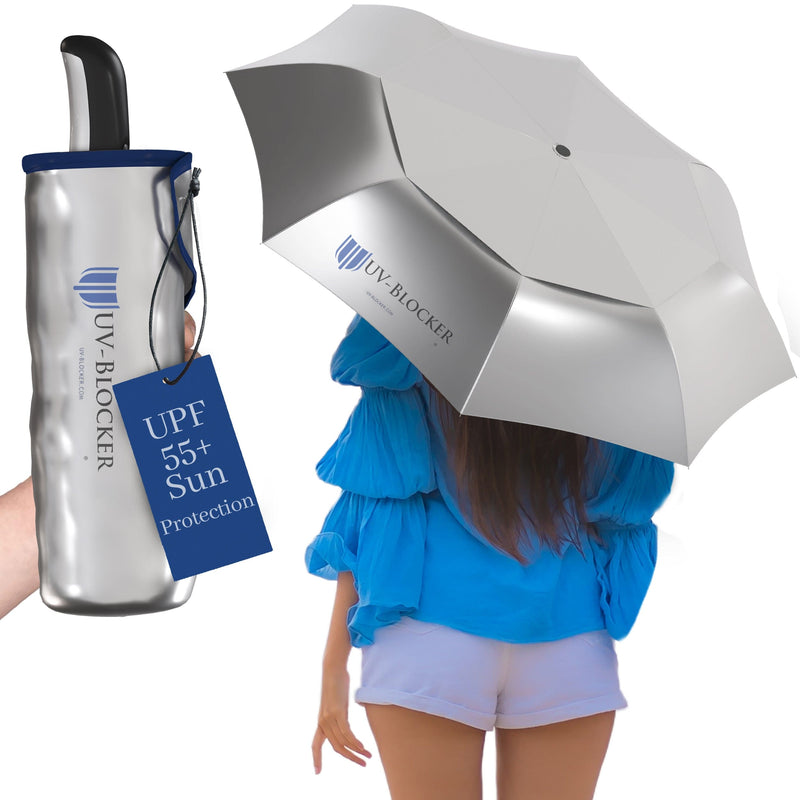
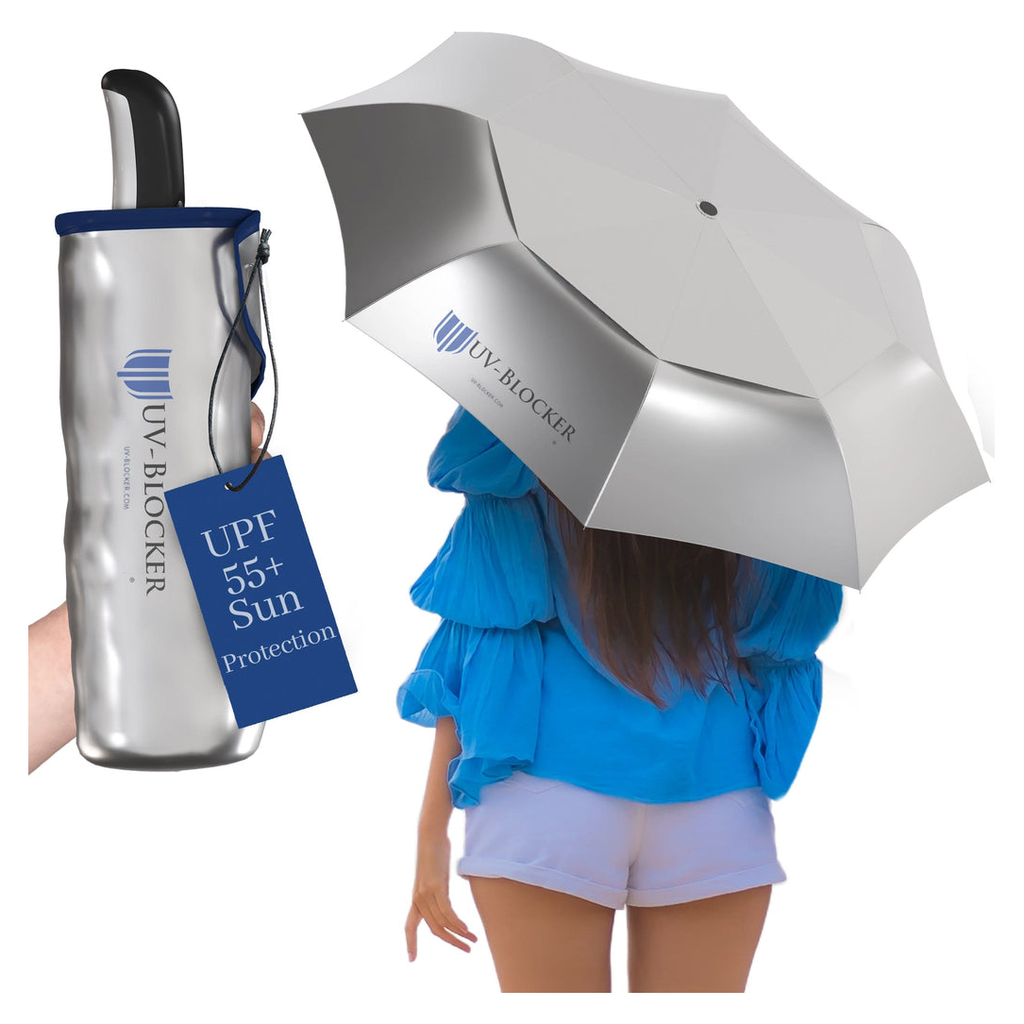
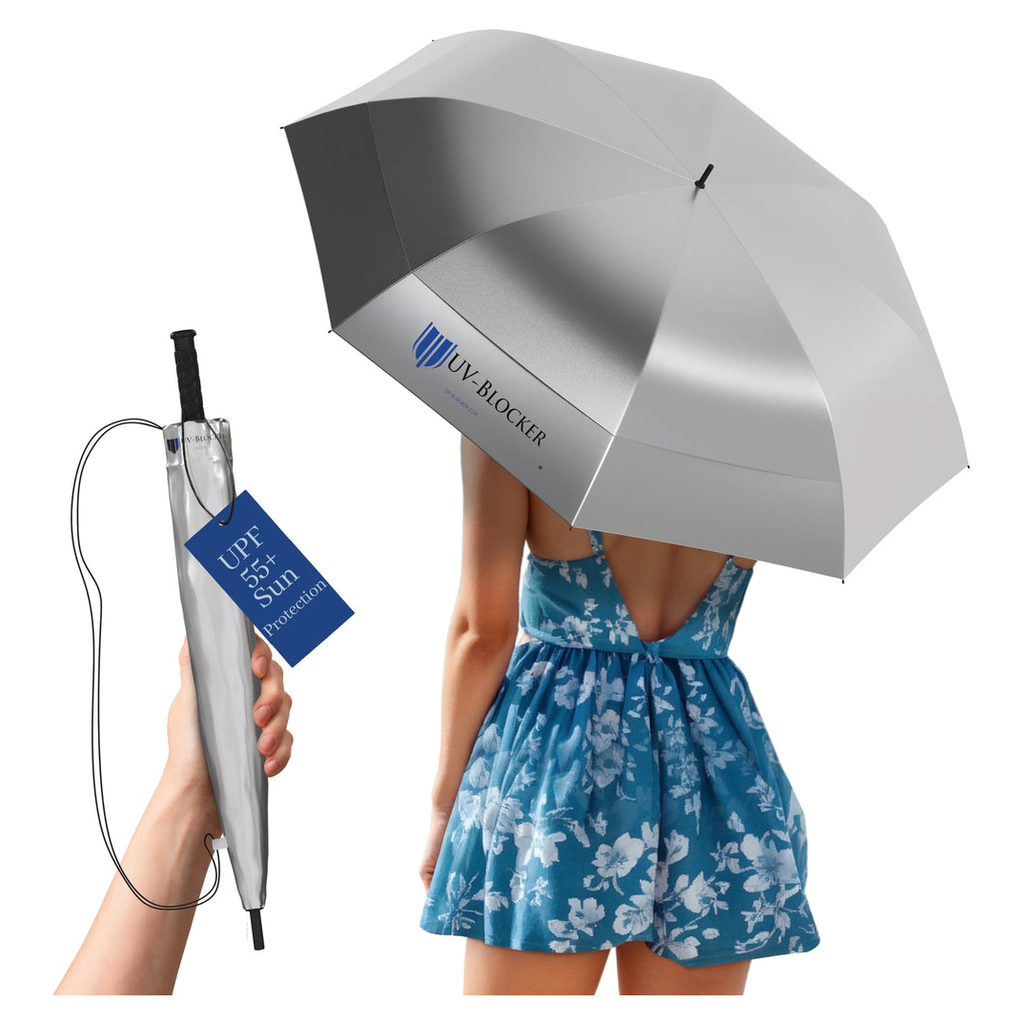
- UV-Blocker umbrellas are rated UPF 50+, blocking 99% of harmful UVA and UVB rays
What Is UPF 50? (And Why You've Never Heard of It)
You've seen SPF on every sunscreen bottle since childhood. But UPF? That label probably slipped past you—even if it was sitting right on the tag of your hiking shirt or beach umbrella.
UPF stands for Ultraviolet Protection Factor. It measures how effectively a fabric blocks ultraviolet radiation from reaching your skin. Think of it as SPF's less famous cousin—but for textiles instead of lotions.
Here's the math: A fabric rated UPF 50 allows only 1/50th of UV rays to pass through. That's 2% of UV radiation reaching your skin, which means 98% is blocked. Simple, but powerful.
The problem? Most people have no idea that the clothes they're already wearing offer some UV protection—just not very much. A typical white cotton T-shirt, the kind you might throw on for a summer barbecue, has a UPF of roughly 5. That means over 20% of UV rays pass straight through to your skin.
Worse, when that shirt gets wet from sweat or a splash in the pool, the UPF drops to around 3. You're basically wearing a fishing net against the sun.
This is why UPF-rated products exist. They're engineered specifically to block UV radiation—not as an afterthought, but as their primary function.
But if regular clothing offers such weak protection, what separates a UPF 15 shirt from a UPF 50+ umbrella? That's where the rating scale comes in.
The UPF Scale: From "Inadequate" to "Excellent"
Not all sun protection is created equal. The UPF rating system gives you a clear framework to understand exactly how much protection you're getting.
| UPF Rating | UV Rays Blocked | Protection Category |
|---|---|---|
| 15-24 | 93.3-95.9% | Good |
| 25-39 | 96-97.4% | Very Good |
| 40-50+ | 97.5-99%+ | Excellent |
Here's what the American Academy of Dermatology says: UPF 30-49 is "good" protection. UPF 50+ is "excellent" protection. Anything below UPF 30 is not considered "highly sun protective."
And here's the part most people miss: fabrics rated below UPF 15 don't even qualify as sun-protective. That's the industry threshold. If it's under 15, it's not really blocking UV in any meaningful way.
What does this mean practically? The jump from UPF 15 to UPF 50+ isn't just incremental—it's the difference between blocking 93% of UV and blocking 98%+. That extra 5% matters when you're spending hours outdoors, round after round on the golf course, or walking through Disney in July.
The AAD and MD Anderson Cancer Center both emphasize UPF 50+ as the benchmark for serious sun protection. When you see that rating, you know you're getting the highest tier available.
Now that you understand the scale, let's address the confusion that trips up almost everyone: how does UPF compare to the SPF number on your sunscreen?
UPF vs. SPF: The Critical Difference Most People Miss
Here's where things get confusing—and where many people make costly assumptions.
UPF and SPF are not the same thing. They measure protection differently, apply to different products, and even test differently.

| Factor | UPF | SPF |
|---|---|---|
| Applies to | Fabrics (clothing, umbrellas, hats) | Sunscreens (lotions, sprays) |
| Measures | UVA + UVB blocking | Primarily UVB (skin reddening time) |
| Testing method | Laboratory instruments on fabric | Human skin testing |
| Reapplication | Never needed | Every 2 hours |
| Water/sweat impact | No degradation | Must reapply immediately |
SPF (Sun Protection Factor) tells you how long it takes UV-exposed skin to redden compared to unprotected skin. It's tested on actual humans and primarily measures protection against UVB rays—the ones that cause sunburn. Most "broad-spectrum" sunscreens add some UVA protection, but SPF numbers don't directly quantify that.
UPF (Ultraviolet Protection Factor) tells you how much UV radiation—both UVA and UVB—a fabric absorbs or blocks. It's tested in laboratories on the actual material, not on skin. And crucially, it doesn't degrade.
That last point is the game-changer. The AAD recommends reapplying sunscreen every two hours—or immediately after swimming, sweating, or toweling off. Miss that window, and your protection drops dramatically.
UPF-rated fabrics don't have this problem. A UPF 50+ umbrella provides the same protection in hour one as it does in hour five. No reapplication. No worrying about missed spots. No greasy residue.
For people with Lupus, melanoma history, or extreme sun sensitivity, this consistency isn't just convenient—it's essential. You can't afford gaps in protection.
So UPF is clearly the more reliable option for consistent coverage. But how do manufacturers actually achieve a high UPF rating? What makes one fabric block 99% while another lets 25% through?
The Science: What Makes Fabric Block UV
A UPF rating isn't magic. It comes down to four factors—and understanding them helps you choose products that actually deliver on their promises.
1. Weave Density
The tighter the weave, the less UV gets through. Hold a piece of fabric up to the light: if you can see through it easily, UV rays are passing through just as easily. Dense, tightly-woven fabrics create a physical barrier that blocks radiation.

2. Material Type
Not all fibers are equal. Synthetic materials like polyester and nylon naturally block more UV than cotton or linen. This is why most purpose-built sun-protective clothing uses polyester blends.
3. Color
Darker and brighter colors absorb more UV radiation than light colors. A black shirt blocks more UV than a white one—though it may also absorb more heat. This is where clever fabric engineering comes in.
4. Coatings and Treatments
Premium sun-protective products use additional technologies to boost UPF. Some fabrics are treated with UV-absorbing chemicals. Others use reflective coatings that bounce UV rays away before they can penetrate.
This is exactly what UV-Blocker does with their patented Solarteck™ fabric. The outer layer is a reflective silver surface that bounces incoming UV radiation away from the user. The inner layer—a dark blue material—absorbs any UV that manages to penetrate, preventing scatter underneath.
The result? A UPF 50+ rating that blocks 99% of UVA and UVB rays. That exceeds the "excellent" threshold and provides an extra margin of safety beyond the standard UPF 50+.
The Solarteck™ technology also delivers a secondary benefit: temperature reduction. Because it reflects rather than absorbs solar energy, the area under a UV-Blocker umbrella is up to 15°F cooler than standing in direct sunlight. Protection and comfort, engineered together.
This is why UV-Blocker products carry the Melanoma International Foundation seal of approval and are recommended by dermatologists. The science behind the fabric isn't marketing—it's measurable.
Understanding the science is valuable, but what does this mean in practice? Let's talk about where UPF-rated umbrellas make the biggest difference.
UPF in Umbrellas: Your Portable Shade Upgrade
Here's a common assumption that gets people burned—literally: "A regular umbrella blocks the sun, right?"
Wrong.
Standard rain umbrellas are designed to shed water, not block UV radiation. Their thin fabrics haven't been tested for sun protection, and they often allow significant UV penetration. You might feel shaded, but you're still exposed.
A purpose-built UV umbrella with a UPF 50+ rating is a completely different product. It's engineered from the ground up to block ultraviolet radiation—the same way sun-protective clothing is designed.

The difference matters most for people who need reliable protection:
Lupus patients: Sun exposure can trigger debilitating flares. A UPF umbrella provides a portable safe zone.
Golfers: You're on the course for 4-5 hours in direct sunlight. Reapplying sunscreen between shots isn't practical. A UV umbrella offers continuous coverage.
Parents with infants: Babies under 6 months old can't use sunscreen—the American Academy of Pediatrics advises against it. A UPF umbrella is often the only safe option for overhead shade.
Melanoma survivors: When your dermatologist tells you to avoid sun exposure, "pretty good" protection isn't good enough. You need the highest UPF available.
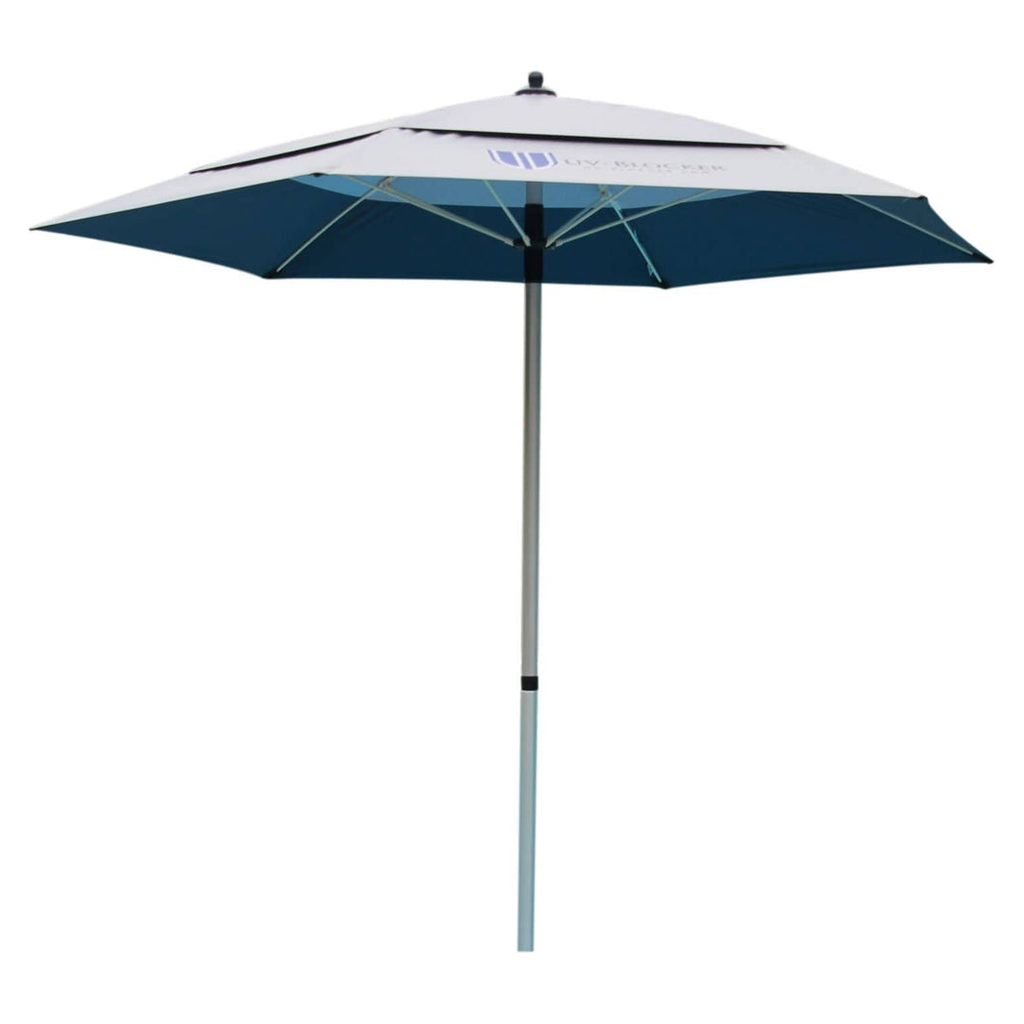
UV-Blocker umbrellas are designed for exactly these scenarios. Every model is rated UPF 50+, certified by the Melanoma International Foundation, and built with wind-resistant ventilated double canopies. The combination of maximum UV protection, cooling technology, and durable construction makes them medical-grade tools—not just beach accessories.
For more on how UV umbrellas compare to other protection methods, check out Sun Hat vs. UV Umbrella: Which Offers Better Protection?.
Still have questions? Here are the answers to the most common ones.
FAQ — Your UPF Questions Answered
What does UPF 50+ mean?
UPF 50+ means the fabric blocks at least 98% of UV rays, allowing only 1/50th (2%) to pass through. It's the highest protection category according to AAD guidelines.
Is UPF the same as SPF?
No. UPF applies to fabrics (clothing, umbrellas, hats) and measures both UVA and UVB blocking. SPF applies to sunscreens and primarily measures UVB protection. They're separate rating systems for different products.
Do I still need sunscreen if I have a UPF umbrella?
For any skin not covered by the umbrella's shade, yes. The AAD recommends combining UPF-rated products with sunscreen on exposed areas for complete protection.
Does UPF degrade over time?
Unlike sunscreen, UPF-rated fabrics maintain their protection indefinitely—they don't require reapplication. Some degradation can occur after many washes for clothing, but quality products retain their rating for years.
What UPF rating does UV-Blocker have?
UV-Blocker umbrellas are rated UPF 50+, exceeding the "excellent" protection threshold. They block 99% of UVA and UVB rays and carry the Melanoma International Foundation seal of approval.
Is a regular umbrella enough for sun protection?
No. Regular rain umbrellas are not tested for UV blocking and typically provide minimal protection. A purpose-built UV umbrella with a verified UPF rating offers reliable, measurable sun protection.
Explore Our UV Umbrella Collection
Now that you understand what UPF means and why it matters, you can make informed decisions about your sun protection strategy. Every UV-Blocker umbrella is rated UPF 50+, dermatologist-recommended, and approved by the Melanoma International Foundation.
For more on how UV-blocking fabrics work, check out our Ultimate Guide to UV Fabrics.