
TL;DR
- UPF 30 blocks 96.7% of UV, UPF 50 blocks 98%. Sounds similar? UPF 30 actually lets 65% more UV hit your skin
- Unlike SPF (which only handles UVB), UPF covers both UVA and UVB rays
- The Skin Cancer Foundation won't endorse anything below UPF 50
- If you've had melanoma, deal with lupus, or use retinoids, stick with UPF 50+
- That "+" after UPF 50 means the fabric blocks more than 98%, sometimes up to 99%
- Your UPF shirt degrades with washing. Umbrellas? They hold up for years
- Skip anything labeled "sun protective" without an actual number
Alright, here's something that tripped me up when I first learned it. UPF 30 fabric lets 3.3% of UV rays through. UPF 50 lets 2% through. Tiny difference, right? Wrong. That 1.3 percentage point gap actually means UPF 30 allows 65% more UV radiation to hit your skin. The math is weird but stay with me.
I keep seeing UPF numbers slapped on everything. Shirts, hats, umbrellas, even car window tinting. But honestly? Most folks shopping for these products have zero clue whether shelling out extra for UPF 50 over UPF 30 makes any real difference. Is the upgrade actually worth it? Or are companies just trying to squeeze more money out of you?
I spent way too many hours digging through testing standards and medical research to figure this out. When comparing UPF 50 vs UPF 30, the answer depends entirely on who you are and what you're doing outdoors. Let me walk you through what I found.
How UPF Testing Actually Works
UPF stands for Ultraviolet Protection Factor. Pretty self-explanatory once you break it down. A fabric rated UPF 50 only lets 1/50th of UV through. Quick math: 100 divided by 50 gives you 2% transmission.
But here's the part that gets overlooked all the time. MD Anderson Cancer Center drops this bombshell: "UPF blocks both UVA and UVB light. Unless a product is labeled 'broad spectrum,' SPF technology only blocks UVB light."
Hold up. That means your sunscreen might leave you totally exposed to UVA rays. Those are the sneaky ones that go deeper into your skin and cause premature aging plus DNA damage. UVB causes the sunburn you can see and feel. You need protection from both, and UPF handles that automatically. We wrote more about this over at Can You Get Sunburn in the Shade? if you want to go deeper.
The testing setup is actually pretty cool. Labs use spectrophotometer equipment instead of human subjects. No weird variability, no guessing. A machine just shoots UV through the fabric and measures exactly what comes out the other side. Clean and simple.

Breaking Down the Rating System
So ASTM International and the Australian/New Zealand standards landed on identical categories. Helpful if you're buying products from different countries and wondering whether their numbers mean the same thing. They do.
UPF 15-24 gives you "Good" protection. That's 93.3% to 95.9% UV blocked. Your regular cotton tee probably sits somewhere around here. Maybe lower if it's a thin white one that's been through the wash a hundred times. This is baseline stuff, nothing to write home about.
UPF 25-39 gets you up to "Very Good." You're looking at 96% to 97.4% blocked. UPF 30 lands here at 96.7%. Honestly not bad for everyday activities. But there's still room to do better, you know?
UPF 40-50+ is where things get real. The Skin Cancer Foundation put their foot down on this one: "A fabric must have a UPF of 50 to qualify for The Skin Cancer Foundation's Seal of Recommendation." They drew a line. UPF 30 doesn't make the cut.

Look at those percentages though. UPF 30 at 96.7% vs UPF 50 at 98% looks like we're splitting hairs. One-point-three percentage points. Big whoop, right?
Why UPF 50 vs UPF 30 Matters More Than You'd Think
Let me walk through the math here because this is where it clicked for me.
UPF 30: 100 divided by 30 equals 3.33% transmission. UPF 50: 100 divided by 50 equals 2% transmission.
The raw difference is 1.3 percentage points. Boring. But flip the perspective. 3.3% is actually 65% larger than 2%.
So when you're chilling under a UPF 30 fabric, you're catching 65% more UV than someone under UPF 50. Same sun, same time of day, very different exposure to your cells.
Spend 4 hours at the beach and that gap compounds. Eight hours at a golf tournament or out fishing? The difference really starts to show up. Your cells are absorbing UV continuously, and that extra 65% stacks up hour after hour.
And look, this hits different for certain people. Melanoma survivors? They can't afford to mess around with extra UV exposure. People living with lupus deal with flares triggered by sun. Anyone taking tretinoin, doxycycline, or other photosensitizing meds has skin that basically freaks out at UV. For these groups, the UPF 50 vs UPF 30 decision isn't about saving money. It's rolling dice you don't need to roll.
Who Actually Needs UPF 50+
Real talk: not everybody needs military-grade sun protection for a quick walk to the mailbox. Here's how I've come to think about it.
UPF 50+ makes sense if you fit these situations:
Had skin cancer or melanoma before? Default to UPF 50+ for any outdoor time. Period. Full stop. We've got more detailed strategies in How to Prevent Melanoma if you want the whole picture.
Living with lupus means UV literally goes to war with your body. The Lupus Foundation won't shut up about this (for good reason). UPF 50+ minimizes exposure during those times when staying indoors just isn't happening.
On medications that jack up sun sensitivity? Retinoids like tretinoin, antibiotics like doxycycline or ciprofloxacin, certain blood pressure pills too. Your skin is basically a UV antenna while you're on these. UPF 50+ gives you some breathing room.
Babies under 6 months shouldn't have sunscreen on their skin at all. Kids under 6 have thinner, more vulnerable skin in general. Physical barriers become the main game plan.
Planning 4+ hours outdoors? Whether it's work, sports, or just hanging out by the pool, that extended exposure means UPF 50+ actually pays off. UV accumulates minute by minute. There's no reset button.
UPF 30 is probably fine when:
You're outside less than an hour and already slathered in sunscreen with a hat on. The redundancy has you covered.
Heavy shade with minimal direct sun? Lower UPF probably works out okay.
Layering UPF 30 clothing with SPF 50 sunscreen and a wide-brim hat creates enough overlap that any single weakness gets compensated by another layer. Defense in depth, you know?

Decoding the "+" Symbol
That plus sign after UPF 50 throws people off. What's it actually telling you?
The "+" means the fabric exceeds UPF 50's 98% threshold. Testing equipment can accurately measure transmission down to UPF 50, but anything beyond that gets lumped together into "50+." So a fabric blocking 98.5% and one blocking 99.9% both wear the same label. Kind of annoying, honestly.
This creates headaches for shoppers. You can't tell from the label alone how much better one UPF 50+ product is versus another. Companies can technically meet the minimum and call it a day.
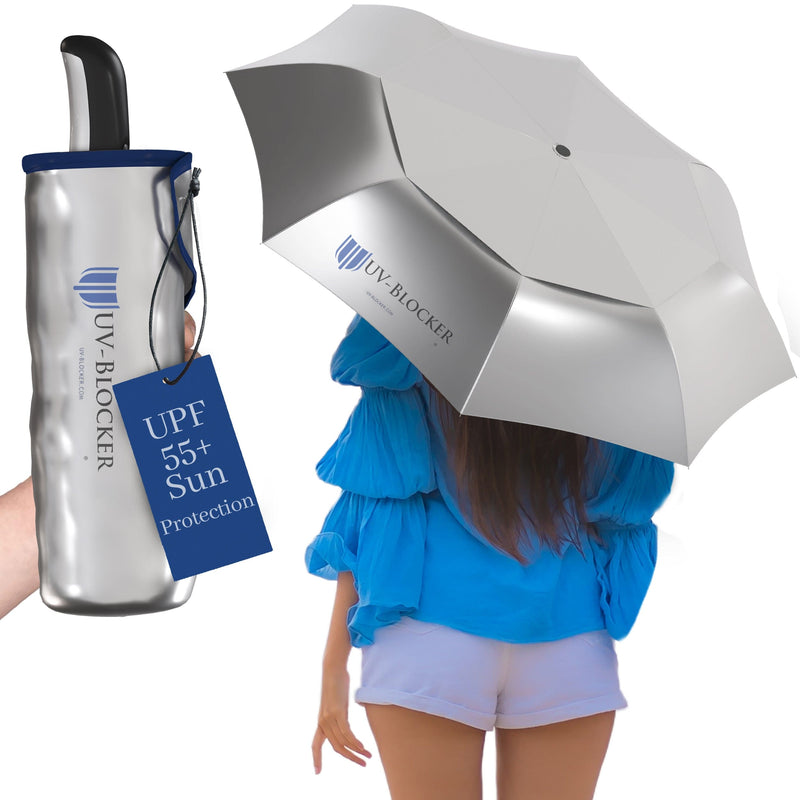
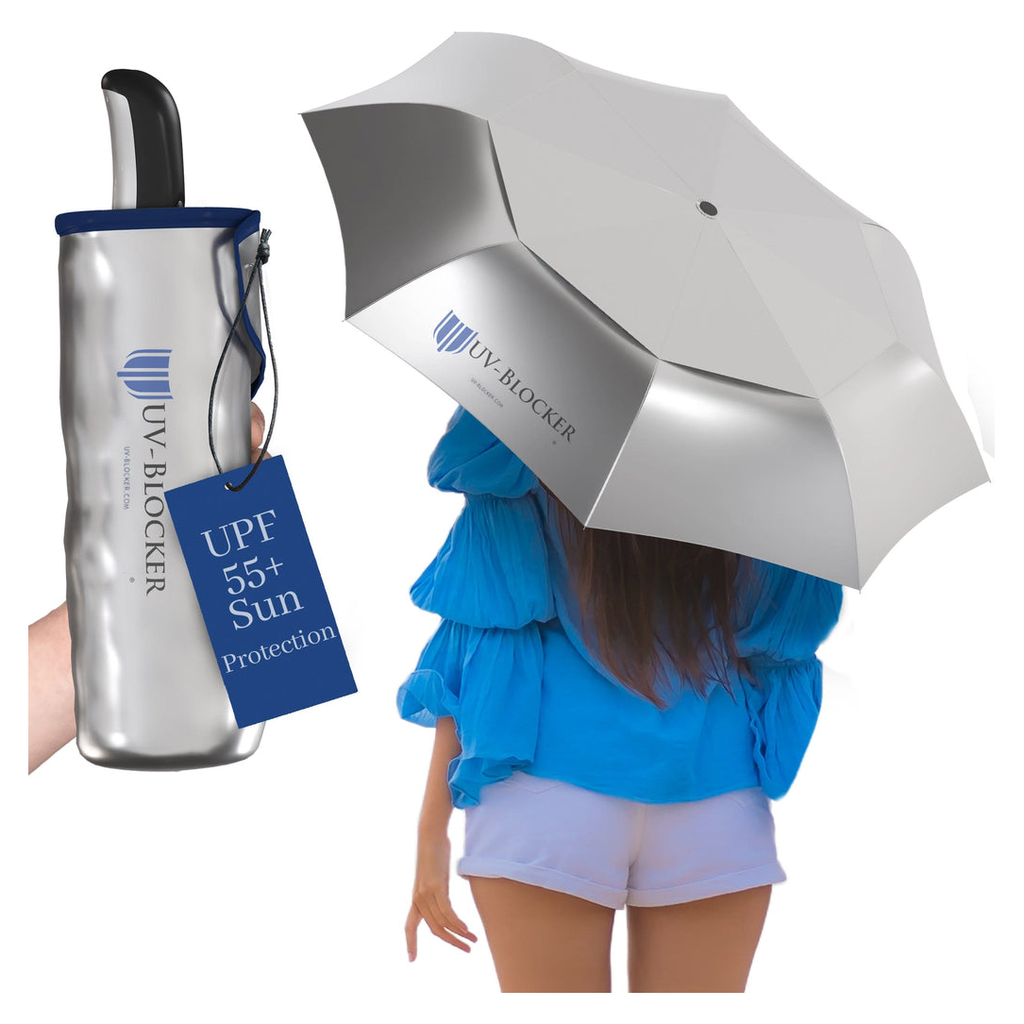
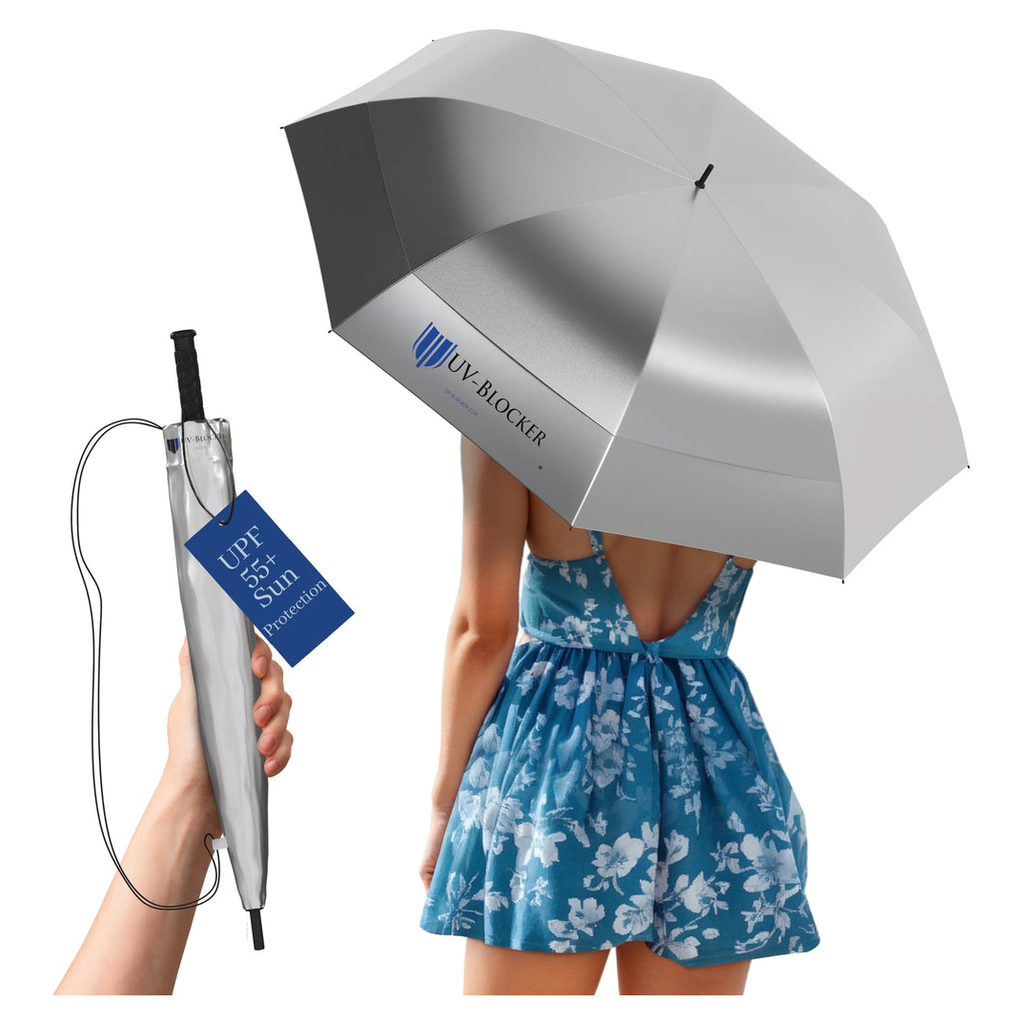
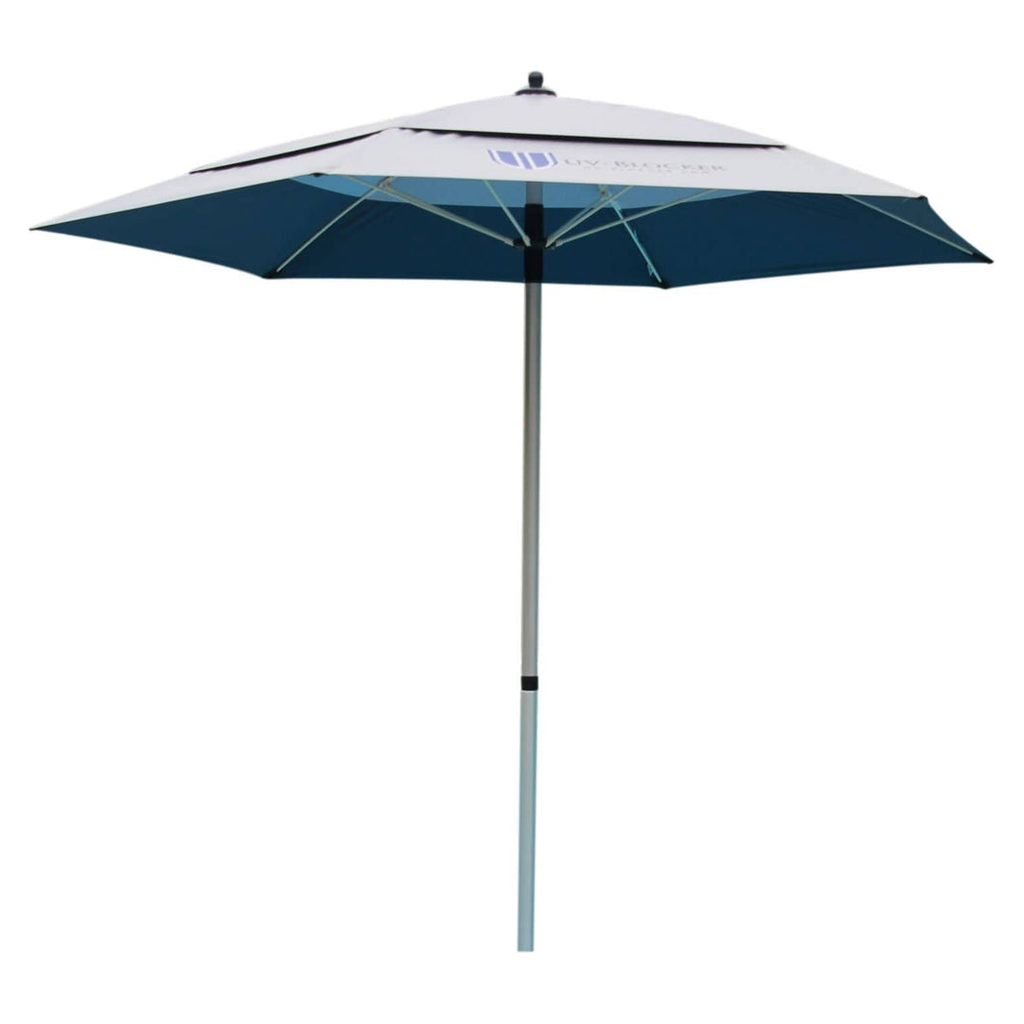
UV-Blocker umbrellas actually publish their specific number: UPF 50+, which translates to 99% UV blocked. That's measurably above the UPF 50 baseline. The Patented Solarteck fabric does the heavy lifting, reflecting UV and heat away instead of just absorbing it. That's why the Melanoma International Foundation approved it.
Shopping tip from someone who's been down this rabbit hole: Look for brands that publish their actual test numbers. "UPF 50+" is just the minimum legally required disclosure. Companies confident in their products will tell you exactly what they tested at.
Your UPF Rating Won't Last Forever
This one catches people completely off guard. That UPF 50 shirt hanging in your closet? It might not be UPF 50 anymore.
Some garments degrade to UPF 30 or lower after repeated washing. The fabric stretches, weaves loosen, UV finds new pathways through. That UPF 50 vs UPF 30 gap you were so careful about when buying? It might be gone after a season of use.
Water makes things worse immediately. A white cotton shirt measures around UPF 7 dry. Get it wet? Drops to UPF 3. The fabric goes translucent as water fills the gaps between fibers. Swimming in a regular shirt? Almost zero protection. I had no idea until I looked into this.
Stretching pulls the same trick. That snug fit pulling the fabric taut over your shoulders? It's basically creating tiny windows for UV to slip through.
Quality construction matters. Tightly woven fabrics, good dyes, reinforced seams all extend protection lifespan. The color of your fabric plays a role too. Check out What Color Umbrella is Best for Sun Protection? for the science on reflective coatings if you're curious.
Umbrellas sidestep most of these issues. No washing, no stretching, no soaking through. The canopy structure stays intact year after year. A decent UV umbrella from five years back still performs exactly like it did on day one. Can't say that about your favorite UV shirt.
Making the UPF 50 vs UPF 30 Decision
After all that research, here's my personal framework.
Everyday stuff with moderate sun? UPF 30+ works as a baseline. Quick errands, short walks, backyard time with sunscreen already on. No need to overthink it.
Extended exposure, medical conditions, or just wanting to minimize risk long-term? Go UPF 50+. The Skin Cancer Foundation's endorsement threshold exists because they determined UPF 50 is where real protection kicks in.
When you're evaluating products, demand specifics. "Sun protective" without a number means jack. "UPF 30" tells you exactly the deal. "UPF 50+" signals a manufacturer who tested their product and isn't scared to share the results.
For people who want maximum coverage without doing mental math every time they step outside, UV-Blocker umbrellas deliver UPF 50+ that beats both UPF 30 and UPF 50 standards. The Patented Solarteck fabric keeps things 15 degrees cooler underneath too, which is a nice bonus when you're standing in summer heat.
More details on UV umbrella effectiveness here: Do UV Umbrellas Work?
Key Takeaways: UPF 50 vs UPF 30
- UPF 30 blocks 96.7%, UPF 50 blocks 98%. That gap means UPF 30 passes 65% more UV through
- The "+" signals exceeding 98% blockage
- Skin Cancer Foundation won't put their seal on anything below UPF 50
- High-risk folks should default to UPF 50+ always
- Cheap UPF gear degrades faster. Quality pays off
- Umbrellas hold their ratings over time. Clothing doesn't
Frequently Asked Questions
Is UPF 50 twice as good as UPF 25?
Nope, it doesn't work that way. UPF 25 blocks about 96% (letting 4% through). UPF 50 blocks 98% (letting 2% through). So UPF 25 actually lets double the UV through compared to UPF 50. The relationship isn't linear and it trips everyone up.
Does UPF rating decrease over time?
Depends what we're talking about. Clothing? Absolutely. Washing, stretching, and general wear all degrade UV-blocking ability. Umbrellas and solid structures hold steady because they don't take that kind of abuse.
Can I get sunburned through UPF 50 fabric?
Technically yes, with enough time. UPF 50 still lets 2% through. Hours of intense midday sun could potentially cause mild burning. But let's be practical here: your exposed areas (face, hands) will burn way before covered areas do.
What's the highest UPF rating available?
The testing standard caps labeling at 50+, but fabrics vary wildly within that category. Some test at 55, others at 80 or even higher. Brands that share their actual numbers give you way better information than those hiding behind the minimum.
Is UPF better than SPF?
Apples and oranges, honestly. UPF rates fabric, SPF rates sunscreen. UPF covers both UVA and UVB automatically. SPF only measures UVB unless labeled "broad spectrum." Use both: UPF on what you can cover, SPF on exposed skin.
Do I still need sunscreen with UPF clothing?
For exposed areas, yeah. UPF clothing protects what it covers, nothing else. Your face, hands, neck, any gaps in coverage still need sunscreen. They work together as a system, not as alternatives.
What UPF should I look for with lupus?
Minimum UPF 50+, ideally higher if you can find it. The Lupus Foundation is crystal clear about this because UV exposure triggers flares. Go for products with specific ratings like UPF 50+ rather than minimum compliance. UV umbrellas add coverage that clothing can't provide on its own.
Does wet fabric lose UPF protection?
Big time. Regular cotton drops from roughly UPF 7 dry to UPF 3 wet. Even purpose-made UPF swimwear loses some protection when saturated. For pool or beach days, grab a UV umbrella for your breaks out of the water.
Last updated: January 2026
About the Author: The UV-Blocker Sun Protection Team has been developing and testing UV-protective products since 2005, when founder Ron Walker created the first UV-Blocker umbrella after his melanoma diagnosis. Our products are recommended by dermatologists and approved by the Melanoma International Foundation.