
UV exposure needs extra caution during and after breast cancer treatment. Several common therapies can make skin more sensitive to sunlight, darken scars, or raise long-term skin-cancer risk in treated areas. Here’s a clear, source-based guide.
Why UV matters during treatment
Ultraviolet (UV) radiation from the sun is a proven risk factor for skin cancer. Basic protection—shade, clothing, sunscreen, hats, and UV-blocking eyewear—is recommended for everyone, every day.
Radiation therapy: extra-sensitive skin (now and later)
- During treatment: Radiation-treated skin is fragile. Clinical guidance advises limiting sun on the field, using protective clothing, and SPF ≥30 as directed by your team to reduce radiation dermatitis.
- After treatment: The treated area can stay sun-sensitive for months; patient guidance recommends avoiding direct sun until acute reactions settle, then diligent protection.
- Long-term risk: People who’ve had radiation carry a higher lifetime risk of skin cancer in the irradiated area, making sun protection a lifelong habit.
Chemotherapy, targeted, and endocrine therapy: photosensitivity is common
A range of anticancer medicines can make you burn faster and more severely (phototoxic/photoallergic reactions). Documented agents include fluorouracil, methotrexate, dacarbazine, vinblastine, and taxanes (e.g., nab-paclitaxel); endocrine therapy such as tamoxifen has also been linked to light-induced skin reactions. Ask your oncology team which drugs you’re on and for how long to be extra careful.
Surgery & scars: protect healing skin from the sun
Post-operative scars (mastectomy, lumpectomy, reconstruction) can darken (hyperpigment), lighten, or thicken with UV exposure. Evidence-based scar care includes minimizing sun, covering the area, and using sunscreen as cleared by your surgeon.
Rare but real: “radiation recall”
Some people develop a rash in a previously irradiated area after later receiving certain chemotherapy drugs—sometimes weeks to years after radiation. Sun protection remains important if this occurs; speak with your care team.
Practical protection checklist (treatment-friendly)
- Timing: Limit sun between 10 a.m. and 4 p.m. when UV is strongest.
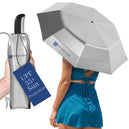
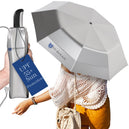
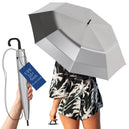
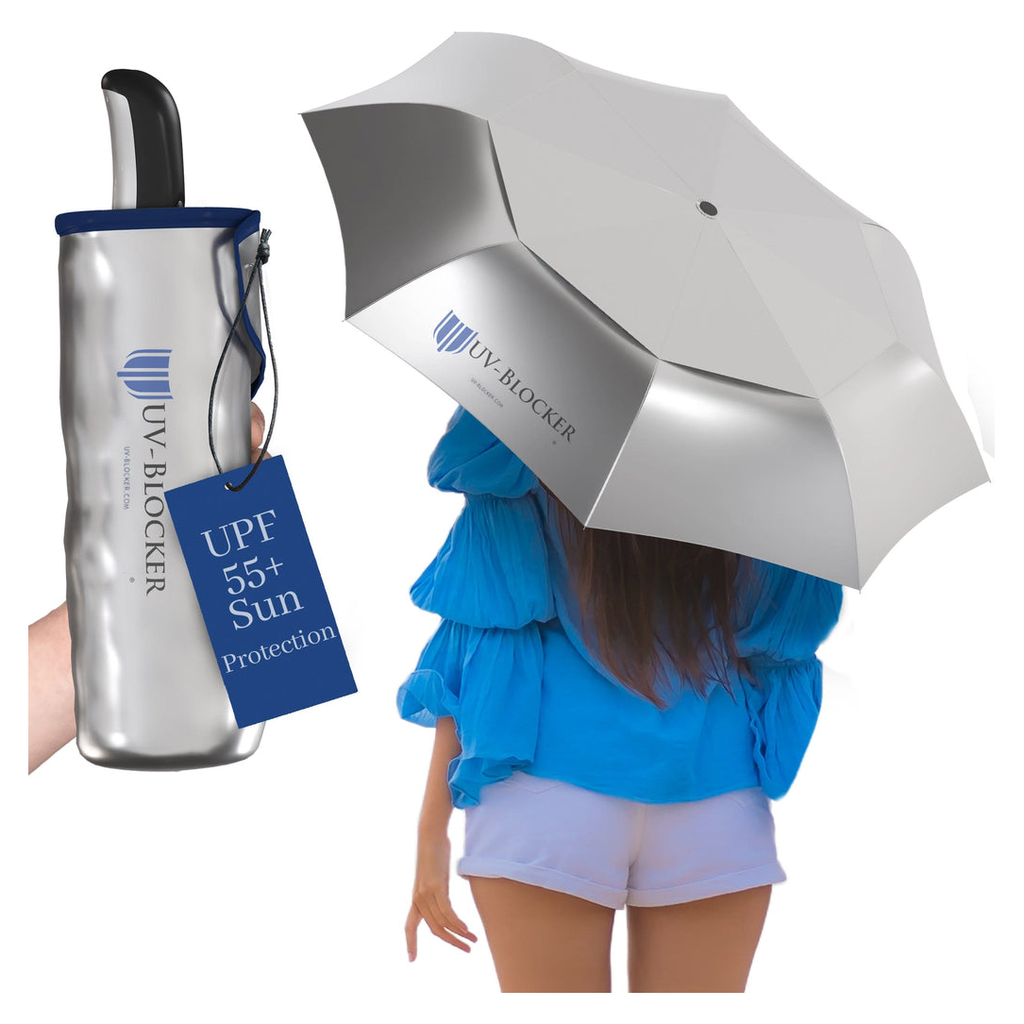
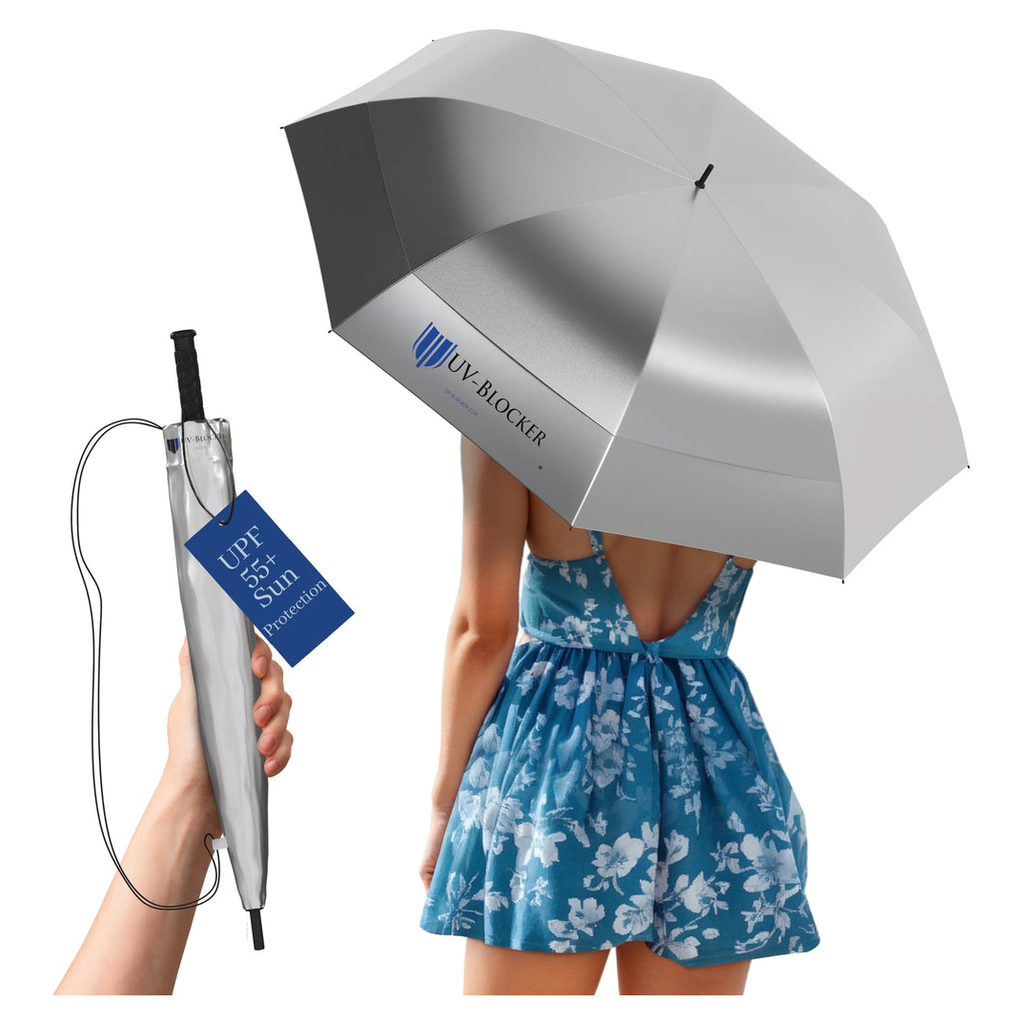
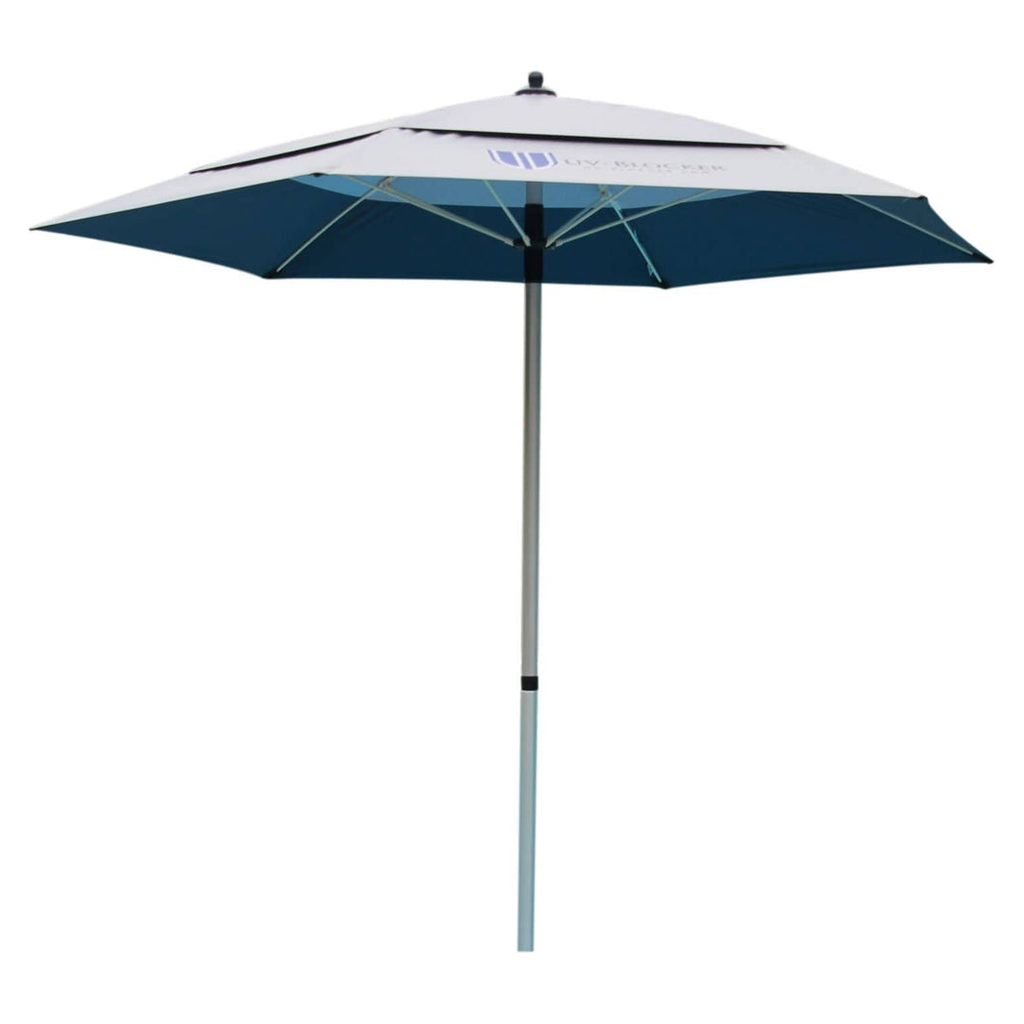
- Cover up: Wear long sleeves, wide-brim hat, and UV-blocking sunglasses.
- Sunscreen: Use broad-spectrum SPF 30+, reapply every 2 hours (more with sweating/swimming). Ask your radiation team before applying products to the active treatment field.
- Medication check: Confirm whether your current drugs raise sun sensitivity and for how long after therapy to stay extra cautious.
- Scar care: Keep new scars covered; add sunscreen when your surgeon says it’s safe.
Bottom line
During breast cancer treatment—and for the irradiated area long term—sun protection is not optional. Thoughtful UV avoidance and protection can reduce acute skin reactions now and lower future risk in treated skin. If you’re unsure what’s safe for your specific regimen, bring these questions to your oncology or dermatology team and tailor a plan that works for you.
Sources: American Cancer Society, BC Cancer, Breast Cancer Now, peer-reviewed reviews on radiation dermatitis, photosensitizing cancer therapies, and surgical scar care.