

One blistering sunburn in childhood doubles a child's lifetime melanoma risk. Yet millions trust cheap fabric to protect infants. Standard umbrellas let up to 84 percent of UV rays pass right through. Parents assume they have a safe shade zone but actually face a false sense of security.
The FDA and AAP recommend avoiding sunscreen entirely for infants under six months. Physical shade remains the only medical defense for babies. But most umbrellas never undergo medical-grade testing.
This guide breaks down what separates a family-safe umbrella from a fashion accessory. It includes verified UPF data, coverage measurements, and wind-safety ratings. Parents need specialized equipment, not just general beach gear.
TLDR: Quick Takeaways for Family Sun Protection * Sunscreen isn't recommended for babies under six months by the FDA or AAP. * Standard beach umbrellas allow up to 84 percent of UV radiation through. * Verified UPF 50+ fabric is required to block 98 percent or more of harmful rays. * A family shade zone requires a minimum seven-foot canopy. * Vented canopies and 18-inch sand anchors prevent blowaway injuries. * The sun moves 15 degrees every hour, requiring repositioning every 90 minutes. * Sand reflection means babies need a three-foot buffer inside the shade perimeter.
Why Is Baby Skin So Vulnerable to UV Damage at the Beach?
Baby skin is 20 to 30 percent thinner than adult skin with minimal melanin protection, allowing UV radiation to penetrate deeper and cause lasting cellular damage from the earliest months.
Think of it this way: the stratum corneum (that outermost protective skin layer) hasn't fully developed in babies yet. UV radiation passes through that thinner barrier and hits vulnerable cells much faster. And here's the part that surprises many parents: even darker-skinned babies produce very little melanin at birth. No infant has a meaningful built-in UV filter. Their skin doesn't tan. It burns.
One sunburn in childhood doubles the risk of melanoma later in life. The Skin Cancer Foundation tracks this direct connection. A study published in Pediatric Dermatology found that infant and toddler skin responds to UV exposure differently than adult skin, with damage accumulating as early as the first summer of life. A staggering 80 percent of lifetime UV exposure occurs before age 18. Parents must prioritize finding the best UV umbrellas for kids to prevent early damage.
Understanding why baby skin needs extra protection leads to the next question. Can parents rely on sunscreen?
Can You Use Sunscreen on Babies Under 6 Months?
The FDA and AAP strongly recommend against sunscreen for babies under 6 months because their thinner, highly permeable skin increases the risk of irritation and allergic reactions.
Infant skin readily absorbs chemicals. The higher permeability means active sunscreen ingredients pose an absorption risk. A baby's smaller body simply isn't equipped to handle those chemicals yet. The AAP does make one exception: you can dab a small amount on exposed areas like the face and backs of hands, but only when there's truly no shade or clothing option available.
What do pediatricians tell parents instead? Shade. Real, tested shade from a proper canopy, plus lightweight long-sleeve clothing and a wide-brim hat. Many parents already use stroller sun safety attachments for walks, but the beach is a different challenge altogether. Between the direct overhead sun and the glare bouncing off water and sand, a beach day demands far more protection than a shaded stroller ride.
If physical shade is the primary defense, do all beach umbrellas provide equal shade quality?
What Makes a Beach Umbrella Safe for Families with Young Kids?
A family-safe beach umbrella needs verified UPF 50+ fabric, at least a seven-foot coverage diameter, wind-resistant engineering, and a secure anchoring system to prevent dangerous blowaway injuries.
Untested umbrellas often block only 34 to 55 percent of UV rays. A true UPF 50+ rating blocks 98 percent or more. Color and price don't indicate UPF performance. Only testing matters.
A family zone needs serious space. A canopy must measure at least seven feet in diameter to cover a parent, baby, and gear. Measure the actual ground footprint. Don't measure just the arc of the curved fabric.
Wind poses a severe physical threat. Over 2,000 emergency room visits occur every year from umbrellas blown by wind. A vented canopy prevents the umbrella from flipping or flying away. Screw-in sand anchors provide a far stronger grip than basic push-in poles.

Here's what catches most parents off guard: a dark umbrella blocks visible light but actually traps heat underneath it. A silver or reflective canopy bounces infrared rays away and keeps the air noticeably cooler. That matters when you've got a baby who can't regulate body temperature well yet. If you're torn between shade options, this beach umbrella vs beach tent breakdown covers the trade-offs.
| Feature | Budget Beach Umbrella | Mid-Range UPF | Premium UPF 50+ |
|---|---|---|---|
| UV Block | 34-55% (untested) | 93-98% (UPF 30-50) | 99%+ (UPF 50+ verified) |
| Coverage | 5-6 ft diameter | 6-7 ft diameter | 7-9 ft diameter |
| Wind Rating | No venting, flips easily | Basic venting | Patented vented mesh |
| Cooling | Traps heat | Moderate | 15°F cooler (reflective) |
| Anchoring | Push pole | Basic screw | Heavy-duty sand anchor |
| Price Range | $15-30 | $40-70 | $80-130 |
Now that you know what to look for, here are the best beach umbrellas for families that meet these strict standards.
Best Beach Umbrellas for Families in 2026
The best family beach umbrellas combine UPF 50+ verified fabric with a seven-foot or larger coverage diameter, wind-resistant frames, and secure anchoring to protect babies safely on the sand.
Finding a reliable canopy requires looking past bright colors. Parents need verified testing data and rugged construction to handle coastal conditions.
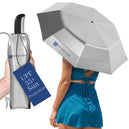
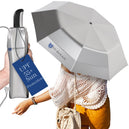
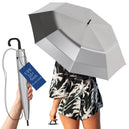
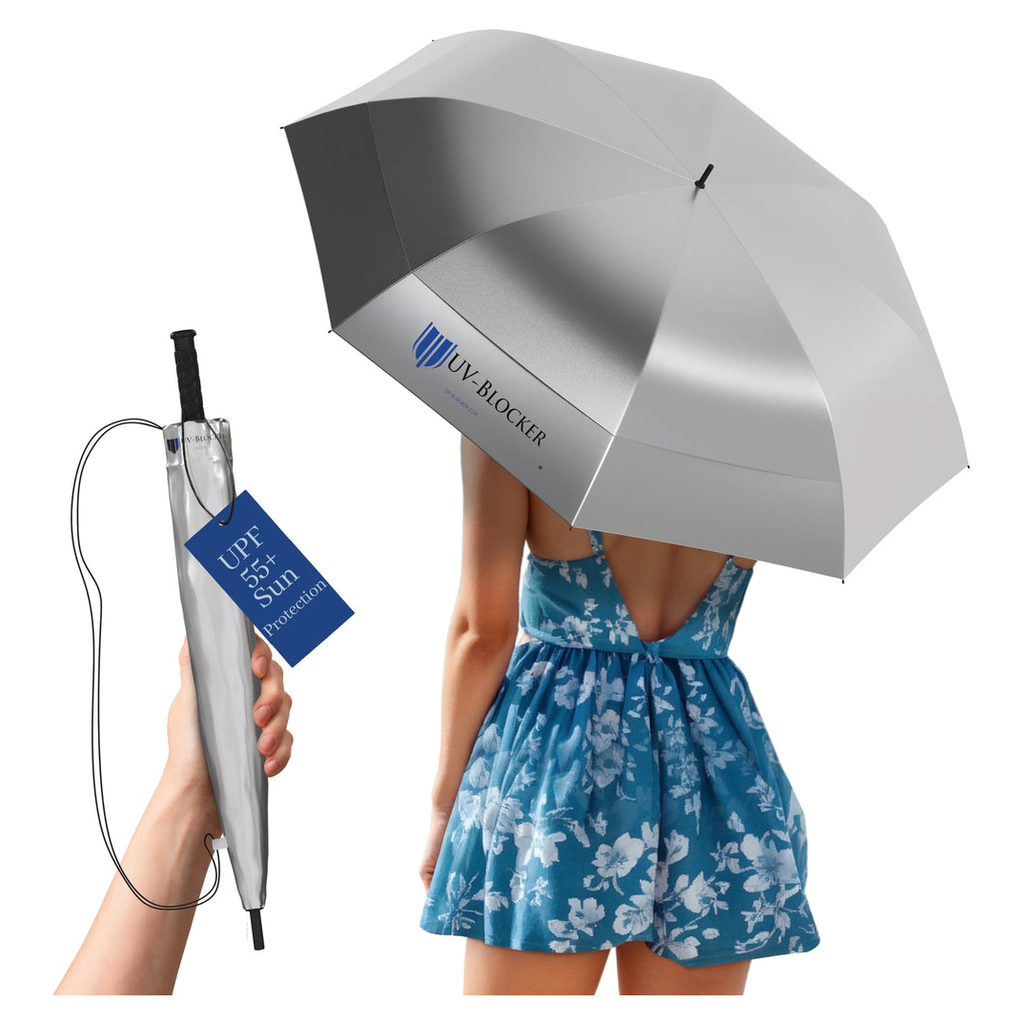
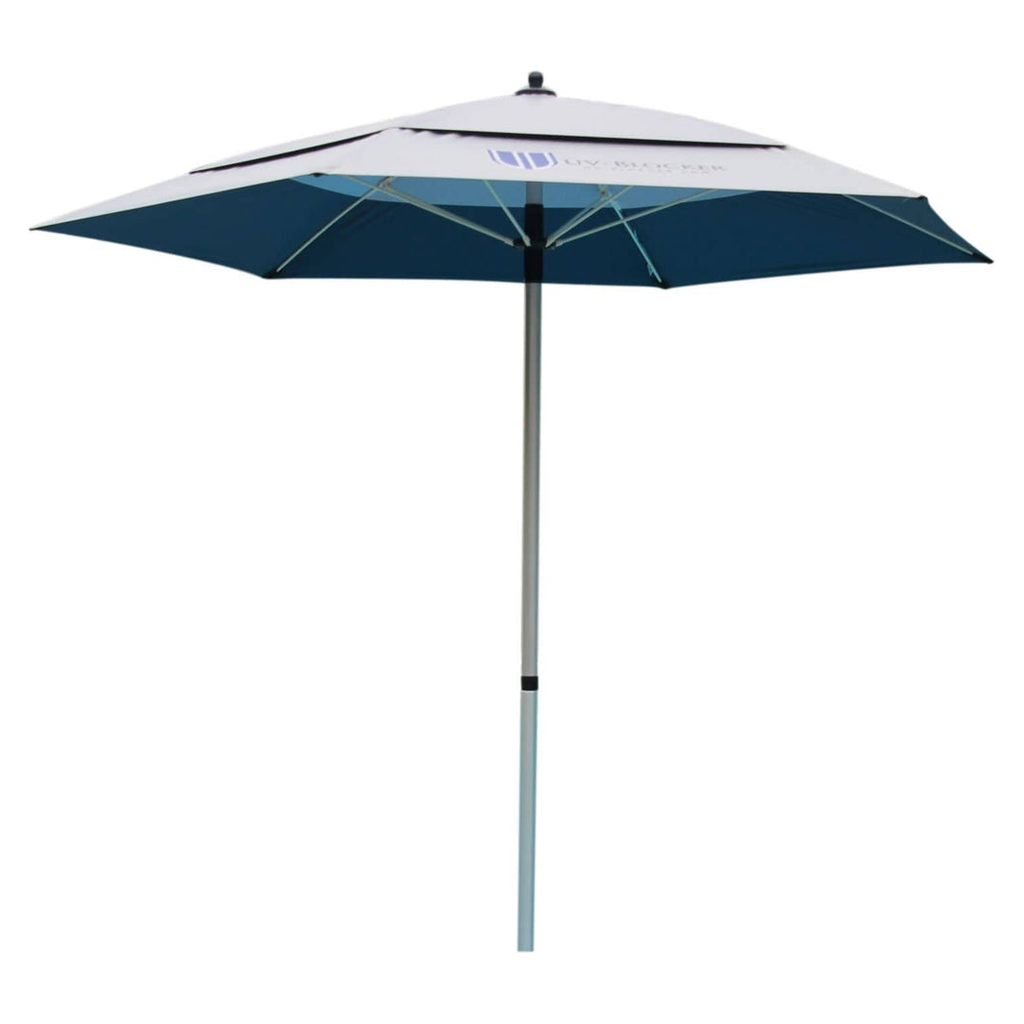
The UV-Blocker Large Beach Umbrella features an 88-inch coverage diameter and a Solarteck silver reflective coating. It carries verified UPF 50+ status through rigorous AATCC TM183-2020 testing. The fabric blocks 100 percent of UV-B and 99.97 percent of UV-A rays. The reflective material keeps the immediate area 15°F cooler underneath. The Melanoma International Foundation approves this model. It costs $129.95.
The Sport-Brella Premiere XL provides a massive 9-foot canopy with side panels and built-in UPF 50+ protection. Special wind flaps stabilize the frame during breezes. It weighs significantly more than standard beach options.
The BeachBub All-In-One focuses heavily on physical safety. A specialized sand-ballast base system prevents the umbrella from becoming a projectile. It offers a 7.5-foot canopy and reliable UPF 50+ fabric. The complete system weighs a hefty 20 pounds packed.
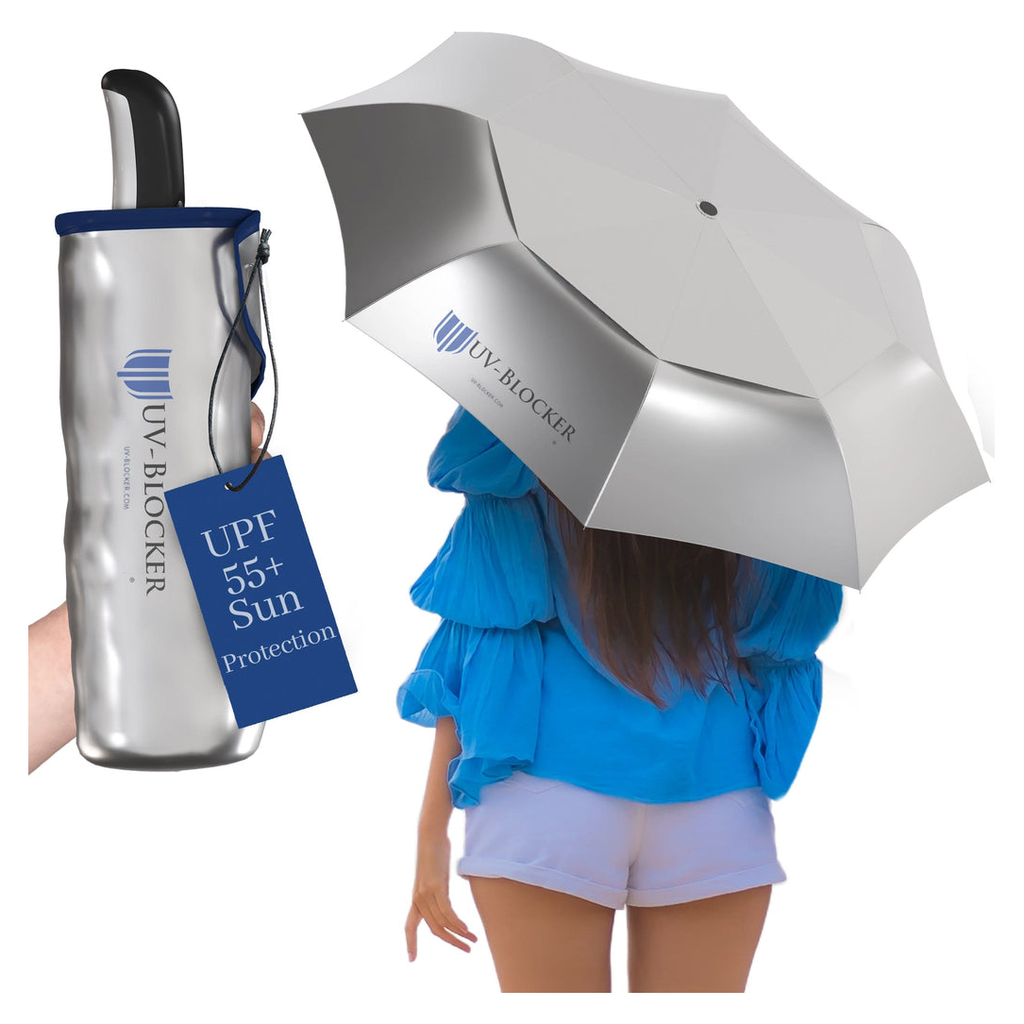
The Large Folding UV Umbrella serves as a convenient portable backup. It offers 48 to 50 inches of coverage and a smooth auto-open mechanism. The frame folds down compactly to just 21 inches. It works perfectly for quick beach stops or stroller walks. It is priced at $69.95.
Having the right umbrella is step one. Proper setup makes the difference between real protection and a dangerous illusion.
How Do You Set Up a Beach Umbrella to Maximize Baby Protection?
Position the umbrella to block the current sun angle, tilt it every 90 minutes as the sun moves, and create a shade zone extending three feet beyond the baby.
The sun moves roughly 15 degrees every hour. A fixed umbrella loses its effective shade coverage within 90 minutes. Parents must check their shadow regularly and adjust the canopy tilt.
Sand reflects 15 to 25 percent of UV radiation, even into heavily shaded areas. Position the baby at least three feet inside the shade perimeter. A baby sitting right at the edge of the shadow receives dangerous reflected rays.

Anchor the pole correctly. Screw sand anchors 18 or more inches deep into the sand. On breezy days, that depth makes the difference between a secure umbrella and a flying projectile. Before setting your baby down, grab the pole and push it sideways with some force. If it budges, dig deeper.
Combine shade with other defenses. An umbrella pairs perfectly with lightweight long-sleeve clothing and a wide-brim hat. The right stroller umbrella guide can help extend this layered defense to daily errands. Plan beach visits before 10 a.m. or after 4 p.m. whenever possible.
Frequently Asked Questions About Beach Umbrellas for Families
Parents often have specific questions about using beach umbrellas with babies and young children. Here are answers to the most common concerns.
At what age can a baby go to the beach safely?
Babies can go to the beach at any age with proper shade protection, but the AAP recommends keeping infants under 6 months completely out of direct sunlight.
Use UPF 50+ shade, dress infants in lightweight long sleeves, and limit outdoor time during peak UV hours.
Do beach umbrellas actually block UV rays?
Standard beach umbrellas block only 34-84% of UV depending on fabric. Only UPF-rated umbrellas with tested fabric reliably block 98-99% of harmful rays.
Look for a UPF 50+ rating with third-party testing certification like AATCC TM183-2020.
What size beach umbrella covers a family of four?
A 7 to 7.5-foot beach umbrella provides enough shade for two adults and two children, covering approximately 80-90 inches of ground diameter.
Keep in mind the shade footprint shifts as the sun tracks across the sky, so a morning setup won't cover the same spot by lunchtime.
How do you keep a beach umbrella from blowing away with kids nearby?
Use a screw-in sand anchor buried at least 18 inches deep, choose a vented canopy design, and position the umbrella tilted into the wind rather than against it.
Beach umbrella injuries send over 2,000 people to emergency rooms annually. Wind-resistant designs prevent dangerous inversions.
Is a beach tent or beach umbrella better for babies?
It depends on wind and sand conditions, but for most beach days, an umbrella wins. Tents block blowing sand well, though they tend to turn into mini greenhouses in direct sun. Babies can't cool themselves like adults can, so that trapped heat becomes a real concern. An open umbrella lets ocean breezes flow through while still blocking UV from above.
Conclusion
- Baby skin is up to 30 percent thinner than adult skin.
- Infants under six months can't safely wear sunscreen.
- A safe family umbrella requires verified UPF 50+ fabric, a seven-foot diameter, and strong wind resistance.
- The UV-Blocker Large Beach Umbrella meets all medical and safety standards for families.
Check the UPF rating on your current beach umbrella before your next trip. If it doesn't have a verified UPF rating, it isn't protecting your baby the way you think it is.
Explore the UV-Blocker Large Beach Umbrella to secure verified UPF 50+ protection for your family.
Best Beach Umbrellas for Families 2026: Frequently Asked Questions
Does a UPF 50+ rating provide enough protection for an infant's sensitive skin?
A UPF 50+ rating means the fabric blocks 98% of UV radiation, allowing only 1/50th of rays to penetrate the material. UV-Blocker umbrellas utilize Solarteck® technology to meet this rigorous standard, which is critical for babies under six months who lack the melanin required for natural sun defense. This physical barrier provides essential protection against DNA damage during a child's most vulnerable developmental stage.
How does a beach umbrella protect against UV rays reflected from the sand and water?
Even under shade, sand can reflect up to 15% of UV rays and water up to 10%, creating a risk of indirect sunburn. UV-Blocker umbrellas are specifically designed with larger canopies and specialized undersides to minimize the impact of this scattered radiation. For maximum safety, the Melanoma International Foundation recommends using high-UPF umbrellas in conjunction with protective clothing to guard against 360-degree exposure.
Can a specialized beach umbrella help prevent heat-related illness in infants?
Yes, UV-Blocker umbrellas featuring Solarteck® technology can keep the area underneath up to 15 degrees cooler than the ambient air temperature. This significant temperature reduction is vital because infants cannot regulate their body temperature as effectively as adults, making them prone to rapid heat exhaustion. A cooler microclimate ensures the baby remains comfortable and safe even during peak thermal hours.
What size umbrella is necessary to ensure a family is fully protected throughout the day?
To provide consistent coverage as the sun's angle changes, a family should look for an umbrella with a diameter of at least 6 to 7 feet. UV-Blocker offers oversized models that maintain a larger shade footprint, ensuring that your baby's play area remains under constant UPF 50+ protection. This eliminates the need for constant repositioning and guards against the peripheral UV exposure that occurs as the sun moves across the horizon.