
When the weather flips without warning, the last thing anyone wants is to be stranded mid-commute with soggy clothes and no cover. From bus stops to sidewalks, shelter isn’t always where or when you need it. That’s where a large folding umbrella can come in handy. It offers more coverage than compact ones but still fits into your daily carry. The right kind can protect you from rain and bright skies all at once without feeling like extra baggage. We’re walking through how to choose one, carry it smart, and keep it in good shape so it supports your routine instead of slowing it down.
Choosing an Umbrella That Fits Your Daily Routine
A rushed commute doesn’t leave room for bulky gear. That’s why the type of umbrella you carry has to match your pace and space. A smart pick folds down small but opens wide enough to keep you covered from shoulder to bag. That way, you’re not squeezed between strangers or dodging drips during your walk.
• Look for umbrellas that open wide, yet fold down to a size that won’t overstuff your bag
• Lightweight designs matter, especially if you’re carrying other gear or walking long distances
• Soft, ergonomic handles can reduce grip strain when your hands are cold or you’re juggling things
• Durable materials that stretch well in wind or spring showers help your umbrella last longer
• Bonus points if the fabric adds UV protection to block out the midday glare
A good umbrella becomes a daily tool when it doesn’t ask for extra attention. It holds up in mixed weather, keeps your stuff dry, and disappears into your routine when the skies are clear.
Packing and Carrying Tips for Crowded Routes
Subways, buses, and train stations don’t always leave you room to move, let alone deal with wet gear. Carrying a large folding umbrella through packed places means making smart use of the space you have. In dry weather, it’s as simple as tucking it into the side pouch of your work bag or using a strap to hook it outside a backpack. Folding it after use might take an extra second, but it gives you room for everything else.
When it's raining and your umbrella’s soaked, consider these tips:
• Use an umbrella sleeve or carry bag to trap the moisture before it leaks into your other items
• Keep a clean dish towel or microfiber cloth in your bag to wrap a wet umbrella during commutes
• Carry hanging gear if possible, like a carabiner clip or loop, so you’re not always using one hand
• Use side or outer pockets to keep your bag’s interior dry after a rainy walk
The less you have to think about how you’re carrying your gear, the easier it is to move through your day. A few tweaks to how and where you pack your umbrella can make the whole trip smoother.
Why Size and Shape Matter for City Weather
Most of us have been caught in a crosswind or steady sidewalk drizzle. Compact umbrellas are easy to stash but don’t always block wind or sideways rain. A large folding umbrella fills the gap between quick-shade convenience and enough size to keep you and your gear dry.
Bigger umbrellas come with shape options too. Rounded domes may cut the wind better, while flatter or wide-panel designs give more sideways coverage. What you choose comes down to how and where you walk. Are you breezing through crosswalks at a fast clip or strolling across open plazas?
• Look for an umbrella with a diameter big enough to cover both your upper body and your bag
• Use your regular route and walking speed to choose the best balance of shape and coverage
• City conditions can whirl rain at angles, so an umbrella with side protection often absorbs less splash
• Light materials and vented designs can reduce your chance of it flipping inside out
The right size isn’t just about looking prepared, it’s about staying dry without slowing down. A few extra inches of coverage can make a big difference during cold or wet weeks between seasons.
Caring for Your Umbrella Through Winter and Early Spring
Like any daily gear, your umbrella lasts longer when you treat it like part of your outfit. In colder months, the extra moisture and chill can stress its frame and fabric. Windy rain and low temps make it easier for materials to stretch, sag, or snap. That’s why it helps to do a quick check after each use.
To make sure your umbrella is ready when you need it:
• Give it a quick shake before folding to remove extra water and reduce drying time
• Set it open to air out when you get home, especially if the fabric got soaked
• Don’t leave it in your car overnight during freezing weather since hinges can stiffen
• Clean off salt or debris from puddles with warm water and a soft cloth every so often
Keeping your umbrella clean and dry helps more than just your next outing. It keeps the mechanics smooth and the fabric stronger through early spring’s worst moods. A little care adds weeks or even months to its lifespan.
A Better Commute Starts with Smarter Gear
Rush-hour trains, windy crosswalks, and sudden downpours are part of what makes winter and spring commuting unpredictable. You don’t always get time to dodge weather; that’s why having simple gear that works the way you move makes a big difference. A large folding umbrella is one of those items that quietly supports your day.
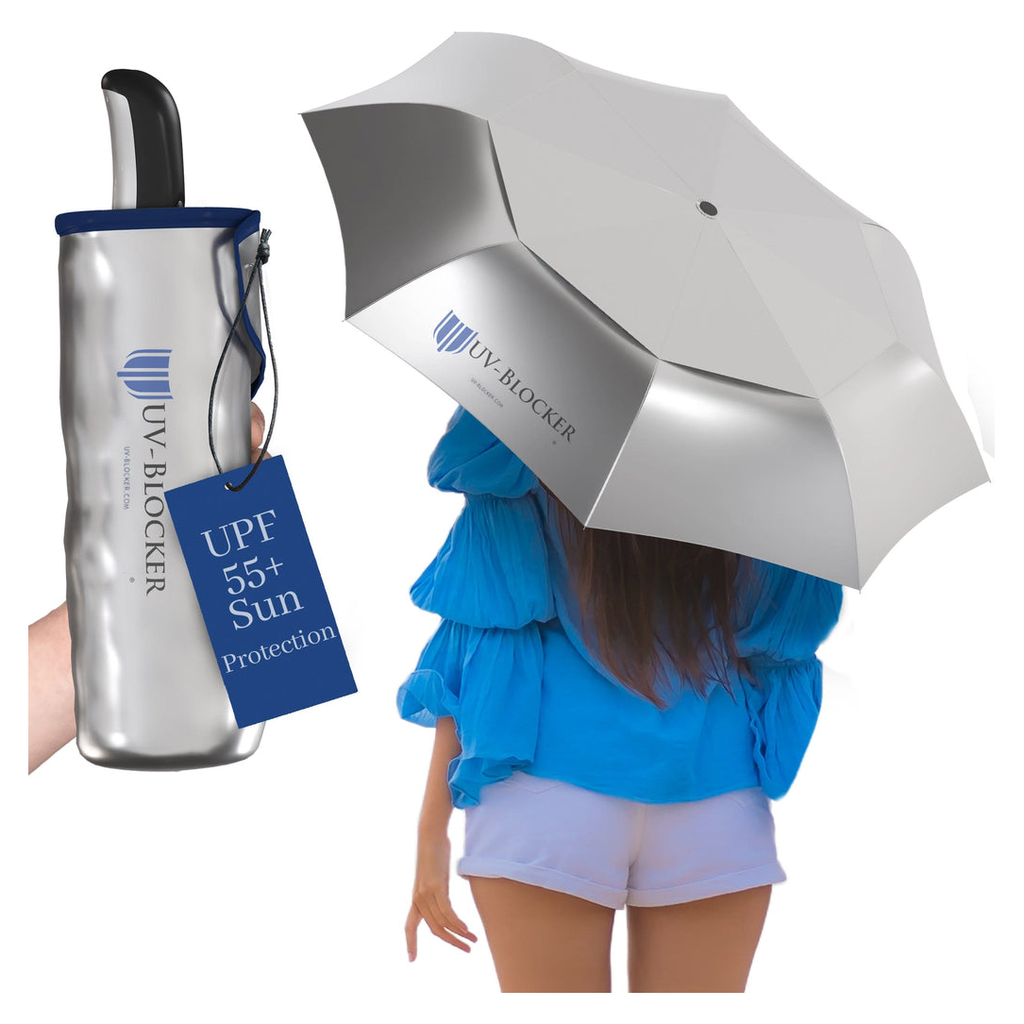
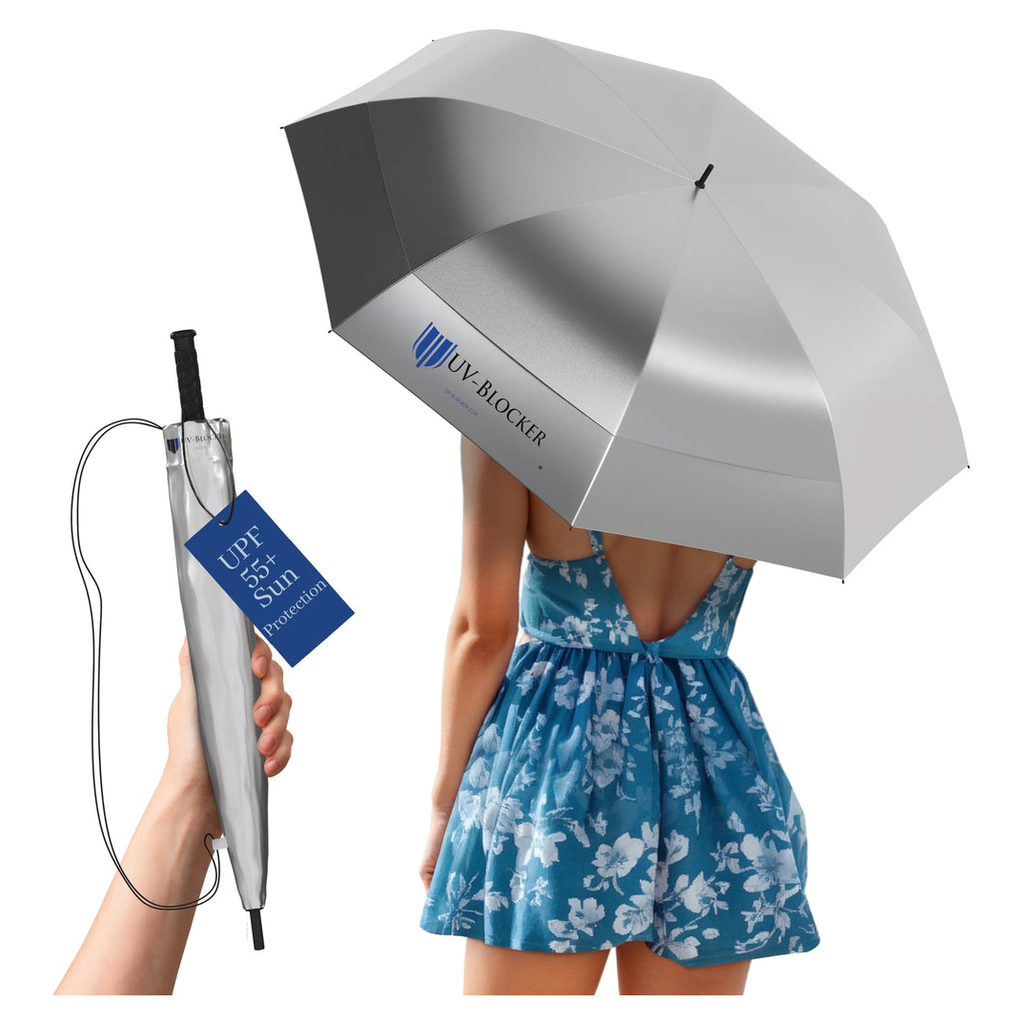
At UV-Blocker, our travel and commuter umbrellas are designed to be lightweight and foldable, yet provide wide coverage to keep you and your bag protected from unexpected weather. Our umbrellas are crafted with durable, eco-friendly materials and provide up to 99% UVA and UVB protection, making them a smart commuting companion for rain or shine.
It offers better coverage when you’re outside, packs down when you’re not, and turns bad weather into less of a hassle. With just a few minutes of planning and some smart choices, an everyday tool like this helps you move through your day without needing to think twice about the skies.
For reliable coverage that keeps your upper body and bag dry without extra weight, a well-made large folding umbrella offers dependable protection on busy streets and train platforms. Our umbrellas deliver wide coverage and block harmful rays, so you’re prepared for any conditions. We craft them to fit smoothly into your routine and to hold up year after year. Need help choosing the right option? Contact us anytime.
Why UV Protection Matters as Much as Rain Protection in a Daily Umbrella
Most people think of their daily umbrella as a rain tool. But if you're walking 10 to 30 minutes to and from transit stops, your umbrella is also your primary shield from overhead solar exposure during those segments.
UV index of 3 or higher — classified as "moderate" — occurs year-round across most of the U.S. on clear or partly cloudy days. At UV index 5 or above, unprotected skin can begin to accumulate damage in under 30 minutes. A standard commuter umbrella does nothing to address this: typical fabrics transmit 20 to 50% of UV radiation through the canopy even when the umbrella is open above your head.
A UV-rated large folding umbrella — specifically one tested to UPF 50+ standards — provides meaningful protection against both rain and UV in a single, carry-everywhere tool. UV-Blocker's large folding umbrella models use Solartek® silver-reflective fabric that blocks 99.97% of UVA and 100% of UVB, independently verified to AATCC TM183-2020 standards. The same umbrella that keeps you dry on a rainy Tuesday eliminates your UV exposure on a clear, sunny Wednesday.
Maintaining Your Large Folding Umbrella for Daily Use
Daily carry creates wear patterns that don't affect rain umbrellas the same way they affect UV protection gear. A few maintenance practices extend both function and protection:
- Dry fully before closing: Folding a wet umbrella and storing it closed accelerates mold and fabric degradation. After rain use, open it and let it air dry before packing it away.
- Inspect the canopy fabric periodically: For UV-rated umbrellas, any holes, tears, or worn patches reduce protection at that spot. Check the fabric in good light every few weeks.
- Clean gently: Wipe the canopy with a damp cloth. Avoid harsh detergents on UV-protective fabric — they can degrade the coating over time. Most manufacturers recommend cold water and mild soap if cleaning is needed.
- Store in its sleeve when not in use: This protects the canopy from abrasion inside your bag, which is the most common cause of fabric wear on daily-carry umbrellas.
- Check the ribs and frame: The mechanical failure point in most folding umbrellas is the rib joints. A cracked or bent rib changes canopy geometry, potentially leaving gaps in coverage. Replace when structural damage occurs.
Frequently Asked Questions About Large Folding Umbrellas for Daily Commutes
What size umbrella is best for a daily commute?
For solo use, a 42 to 48-inch canopy strikes the right balance — large enough to cover your shoulders and bag, compact enough to fold into a backpack side pocket or tote bag. Larger 60-inch models offer more coverage but are harder to carry through transit systems and doorways.
Do large folding umbrellas protect against UV as well as rain?
Standard large folding umbrellas do not provide meaningful UV protection — they block visible light, not UV radiation. A UV-rated umbrella with UPF 50+ certification (like UV-Blocker's line) provides genuine UV blocking certified by independent testing. If both rain and UV protection matter to you, look for a single umbrella with independent UPF 50+ certification.
How do I stop a large folding umbrella from inverting in wind?
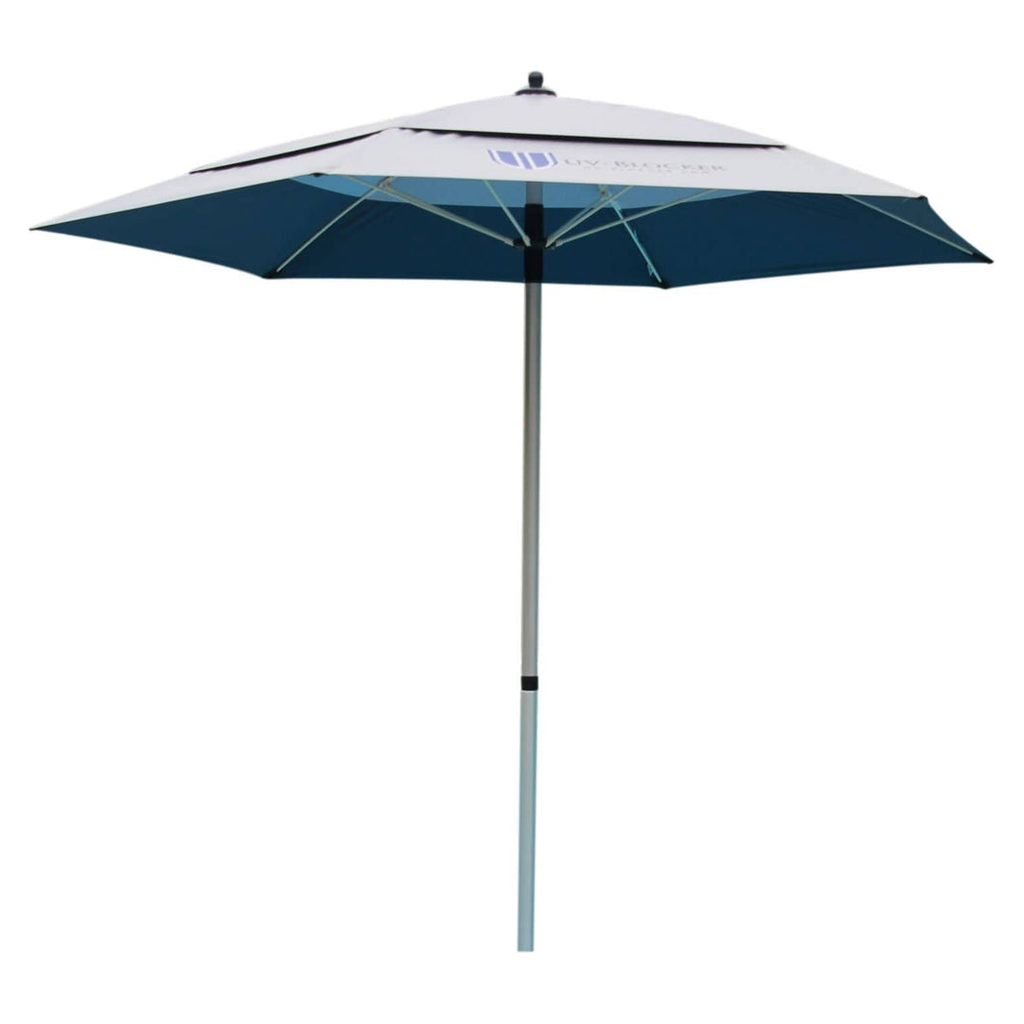
Standard umbrella canopies catch wind like a sail. Vented double-canopy designs — where a second inner layer allows airflow through the canopy — dramatically reduce inversion. UV-Blocker umbrellas use this vented canopy construction, making them significantly more wind-stable for outdoor use in variable conditions.
Is a UV-blocking umbrella worth carrying year-round?
Yes, if you spend 15+ minutes outdoors during any portion of your commute. UV index reaches moderate levels (3+) year-round in the southern U.S. and during most of spring and fall in northern states. The umbrella works as a rain tool in wet weather and a UV shield in dry weather — doubling its utility compared to a rain-only umbrella.
Are UV-Blocker folding umbrellas covered by FSA or HSA?
Yes. UV-Blocker umbrellas are eligible for reimbursement under flexible spending accounts (FSA) and health savings accounts (HSA), as they are certified sun protection products. This makes them a cost-effective option for people who use these accounts for health-related purchases.
Guide to Carrying a Large Folding Umbrella on Daily Commutes: Frequently Asked Questions
How does the coverage of a large folding umbrella improve protection during a typical 15-minute walk?
A large folding UV-Blocker umbrella typically offers a 42-54 inch arc, which covers the shoulders and lower torso more effectively than compact versions. Using Solarteck® technology, these umbrellas block 99% of UVA and UVB rays, preventing the incidental exposure that contributes to 80% of skin aging. This broader coverage is essential for blocking reflected UV rays from urban surfaces like concrete and glass.
Is a UV-protected umbrella more effective than standard rain umbrellas for heat management?
Unlike standard umbrellas that trap heat, a UV-Blocker umbrella with Solarteck® technology can reduce the temperature under the canopy by up to 15 degrees Fahrenheit. This temperature reduction is a result of the fabric reflecting high-energy infrared rays rather than absorbing them. All UV-Blocker models are UPF 50+ rated, ensuring that the cooling effect is matched by clinical-grade protection against solar radiation.
What features should I look for to ensure my commute umbrella is durable enough for daily use?
Look for a reinforced fiberglass frame and a double-canopy design, which prevents the umbrella from inverting in wind gusts up to 35 mph. UV-Blocker large folding umbrellas utilize these structural features to maintain the integrity of their UPF 50+ fabric during transit. Furthermore, these products carry the Melanoma International Foundation seal of approval, signifying they meet rigorous standards for long-term sun safety.
Can a large folding umbrella replace the need for mid-day sunscreen reapplication on commutes?
While sunscreen is necessary for reflected light, a UV-Blocker umbrella provides a consistent physical barrier that does not wear off or require reapplication like chemical filters. It blocks 99% of radiation at the source, which is particularly beneficial since many commuters fail to apply the recommended 2 milligrams of sunscreen per square centimeter of skin for full coverage. This makes the umbrella a reliable tool for maintaining UPF 50+ standards throughout a full day of travel.