

💡 Quick Reference Summary
- Spray tans provide virtually NO UV protection. The active ingredient, DHA, only stains the outermost dead skin cells.
- Scientific studies show DHA offers an SPF of approximately 3-4 on day one, rapidly declining to 1.7 by day seven.
- This minimal SPF is far below the recommended SPF 30+ needed for effective sun protection.
- A spray tan creates a dangerous false sense of security, often leading to severe sunburns.
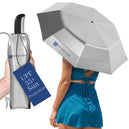
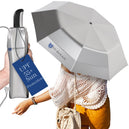
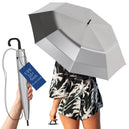
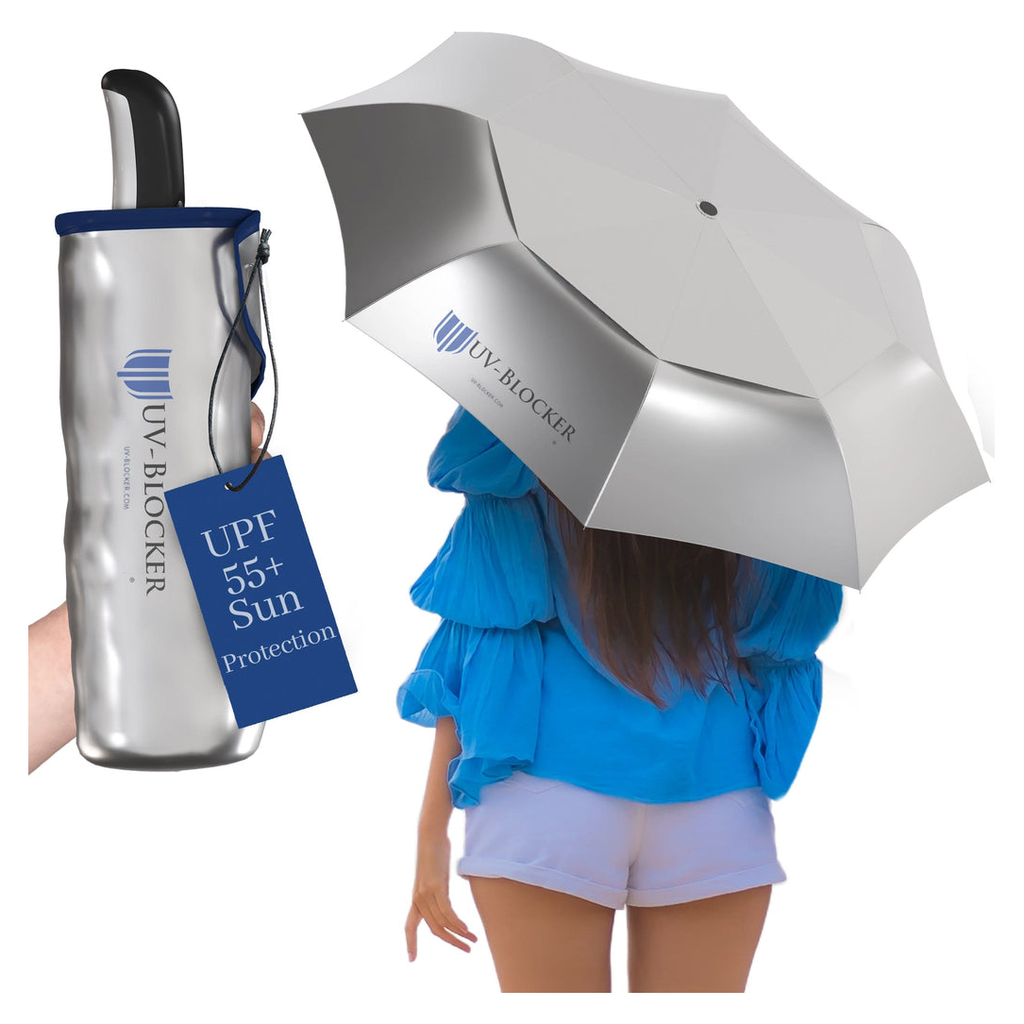
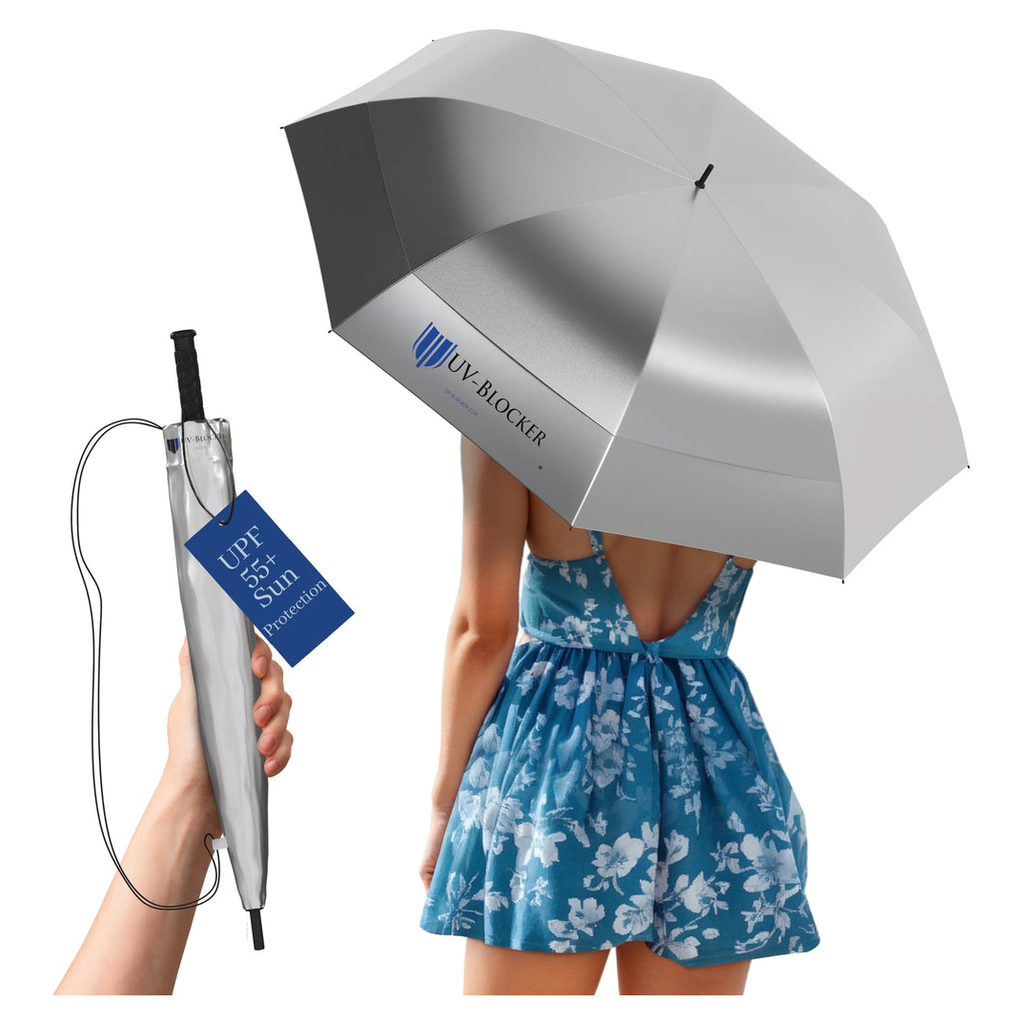
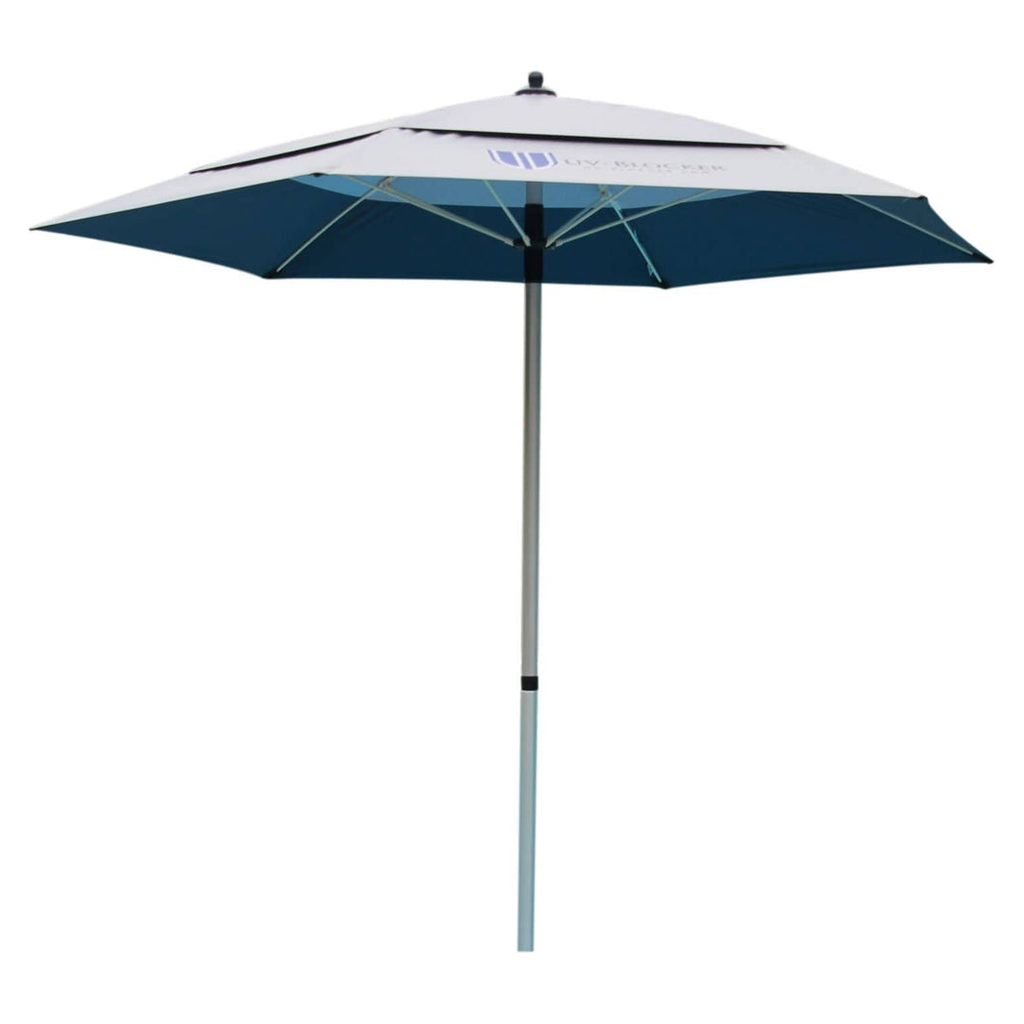
- Always apply broad-spectrum sunscreen (SPF 30+), wear UPF 50+ clothing, and seek shade (like a UV-Blocker Solarteck® umbrella) even with a spray tan.
Millions of travelers book spray tan appointments before their vacations every year, hoping to arrive at the beach with a bronzed, sun-kissed look. For many, this darker skin tone provides a confidence boost, but it also fosters a dangerous assumption: that the artificial color offers the same protection as a natural base tan. So does a spray tan protect from the sun? The research tells a different story — one that every spray tan user needs to understand before stepping out into the sun.
No. Spray tans color only the outermost dead skin cells using DHA and provide virtually zero UV protection. You can absolutely get sunburned with a spray tan.
This article examines the science behind spray tan sun protection claims. Readers will learn the actual SPF numbers associated with dihydroxyacetone (DHA), why spray tans create a false sense of security that leads to severe sunburns, and how to protect skin without ruining the investment made in a spray tan. While spray tans are a safe cosmetic alternative to UV tanning, they must be understood for what they are: makeup for the body, not a shield against radiation.
How Does a Spray Tan Actually Work?
Spray tans use DHA (dihydroxyacetone) to trigger a Maillard reaction with amino acids in dead skin cells, creating a temporary brown color lasting 5-10 days.
To understand why a spray tan offers no protection, one must first understand the chemistry of how it works. The active ingredient in almost all sunless tanning products is dihydroxyacetone, commonly known as DHA. This simple carbohydrate, often derived from sugar beets or sugar cane, interacts with the amino acids found in the stratum corneum — the outermost layer of the skin. According to a comprehensive review published in PMC, DHA's interaction with the skin is well documented in dermatological research.
This interaction is known as the Maillard reaction. It is the exact same chemical process that causes bread to brown when toasted or meat to sear when grilled. In the context of skin, DHA reacts with the keratin proteins on the surface to produce pigments called melanoidins. These pigments darken the skin, simulating the appearance of a natural tan.
Crucially, this entire process takes place in the layer of dead skin cells that sits atop the living epidermis. The color change is purely cosmetic and exists only until these dead cells naturally slough off, typically over a period of five to ten days. DHA has been approved by the FDA for external cosmetic use since the 1970s and is considered safe for coloring the skin.
However, the mechanism is fundamentally different from a natural tan. A natural tan is the body's defensive response to UV damage, where melanocytes deep in the skin produce melanin to protect DNA from further radiation. Melanin acts as a natural sunscreen, absorbing and scattering UV rays to prevent cellular damage. A spray tan involves no melanin production whatsoever; it is a surface-level stain that does not alter the skin's biological ability to filter or protect against UV rays. Therefore, while aesthetically pleasing, a spray tan offers none of the inherent protective mechanisms of a sun-induced tan.
Does DHA Provide Any SPF Protection?
Published research shows DHA provides roughly SPF 3-4 on the first day, dropping to SPF 1.7 by day seven — far below any meaningful protection threshold.
Many people ask: does a spray tan protect from the sun in any measurable way? They wonder about spray tan SPF claims and whether the darkening of the skin provides some physical barrier to light. While this is technically true in a laboratory setting, the level of protection is negligible in real-world scenarios. Scientific studies have quantified exactly how much protection DHA offers, and the numbers are dangerously low.
A pivotal study by Petersen et al. (2004) measured the photoprotective properties of DHA-treated skin over time. The researchers found that immediately after application and color development (Day 1), the skin exhibited a Sun Protection Factor (SPF) of approximately 3.0. By Day 5, this had dropped to SPF 2.0, and by Day 7, it was a clinically irrelevant SPF 1.7.

To put these numbers in context, dermatologists and health organizations worldwide, including the American Academy of Dermatology, recommend a minimum of SPF 30 for any extended sun exposure. An SPF of 30 blocks approximately 97% of UVB rays. In contrast, an SPF of 3 or 4 blocks only about 50-75% of UVB rays, leaving the skin vulnerable to significant damage from both UVA and UVB radiation. Even worse, as the outermost dead skin cells exfoliate naturally, the minimal protection rapidly diminishes, making you even more exposed as your vacation progresses.
Early research into the Maillard reaction suggested that the melanoidins produced by DHA might absorb UV radiation. While they do absorb some light, studies have confirmed that at the concentrations used in consumer spray tans, DHA provides "little to no photoprotective properties." It functions as a dye, not a filter. Relying on an SPF of 3 is effectively the same as wearing no protection at all during a day at the beach, which can lead to severe sunburns, premature aging, and increased risk of skin cancer. This minimal, short-lived protection should never be confused with comprehensive sun safety.
DHA Protection vs. Recommended Standards
| Time After Application | Measured SPF (Petersen et al.) | UV-B Blocked | Recommended Minimum |
|---|---|---|---|
| Day 1 | SPF 3.0 | ~66% | SPF 30 (97%) |
| Day 5 | SPF 2.0 | ~50% | SPF 30 (97%) |
| Day 7 | SPF 1.7 | ~41% | SPF 30 (97%) |
Can You Get Sunburned with a Spray Tan?
Absolutely. Not only can you get sunburned with a spray tan, but the cosmetic darkening of the skin can create a dangerous false sense of security, often leading to more severe sunburns than if you hadn't tanned at all. When your skin appears bronzed, it's easy to mistakenly believe you're protected, causing you to spend more time in the sun or apply less sunscreen.
This psychological effect is a significant concern for dermatologists. As Ron Walker, founder of UV-Blocker and a melanoma survivor, can attest, any overexposure to UV radiation carries risks. A spray tan masks the early warning signs of sun exposure, such as mild reddening, making it harder to realize you're getting burned until the damage is already done. By the time a sunburn becomes visible through a spray tan, it is often more advanced and painful.
Sunburns, regardless of a spray tan, damage skin cells and their DNA. Repeated sunburns, especially blistering ones, significantly increase your risk of developing melanoma and other skin cancers. The World Health Organization (WHO) and other leading health authorities consistently warn against unprotected sun exposure due to its cumulative damage to the skin, which contributes to premature aging, wrinkles, sunspots, and weakened skin immunity.
It's crucial to remember that a spray tan is purely cosmetic. It gives the illusion of a tan but offers no biological defense against the sun's harmful ultraviolet rays. Treating your skin as if it were naturally tanned after a spray tan is a dangerous misconception that can have serious long-term health consequences.
What Sunscreen Won't Ruin a Spray Tan?
Maintaining your spray tan while protecting your skin is a common concern. The good news is that you don't have to choose between a beautiful bronze glow and effective sun protection. The key is selecting the right type of sunscreen and applying it correctly to preserve your tan.
Look for Mineral-Based (Physical) Sunscreens: These are generally preferred for spray-tanned skin. Mineral sunscreens contain zinc oxide and titanium dioxide, which sit on top of the skin and physically block UV rays. They are less likely to interact with the DHA on your skin or cause your tan to streak or fade prematurely. Many chemical sunscreens, especially those with oils or alcohol, can strip or break down the spray tan pigment.
Opt for Oil-Free, Water-Based, or Gel Formulas: Heavy, oil-rich sunscreens can dissolve the DHA color. Choose lightweight, non-comedogenic formulas that are labeled "oil-free," "water-based," or "gel." These are less likely to leave a greasy residue that could rub off your tan and often absorb more quickly.
Avoid Alcohol-Heavy Products: Alcohol is a common ingredient in many sprays and lotions, but it can be drying and accelerate the exfoliation of your outer skin layer, causing your tan to fade unevenly. Check ingredient lists for high concentrations of alcohol.
Application Matters:
- Pat, Don't Rub: When applying sunscreen, gently pat it onto your skin rather than vigorously rubbing. This minimizes friction that can prematurely slough off your tan.
- Allow to Dry: Give your sunscreen a few minutes to fully absorb and dry before putting on clothing or swimming.
- Reapply Regularly: Sunscreen needs to be reapplied every two hours, or more frequently after swimming, sweating, or toweling off, regardless of your spray tan.
Some spray tan companies also offer sunscreens specifically formulated to be compatible with their products, so check with your spray tan artist for recommendations. By choosing the right product and applying it mindfully, you can keep your skin protected and your tan flawless.
Spray Tan and Beach Day: The Smart Protection Plan
A spray tan can make you feel confident and look great on your beach vacation, but it's vital to pair it with a comprehensive sun protection strategy. Relying solely on the cosmetic tan for protection is a recipe for a painful sunburn and increased risk of long-term skin damage. Here's how to enjoy your bronzed glow safely:
- Broad-Spectrum Sunscreen (SPF 30+): This is your first line of defense. Apply a generous amount of a broad-spectrum sunscreen with an SPF of 30 or higher to all exposed skin, 15-30 minutes before sun exposure. Reapply every two hours, or more often if swimming or sweating. Choose mineral-based, oil-free formulas to best preserve your spray tan.
- Seek Shade During Peak Hours: The sun's UV rays are strongest between 10 AM and 4 PM. Plan your outdoor activities around these times. When you are outside, make use of natural shade or create your own with a high-quality sun umbrella. A UV-Blocker Solarteck® umbrella is an excellent choice, engineered with patented Solarteck® fabric to provide certified UPF 50+ sun protection, blocking 99% of UVA and UVB rays. Our umbrellas are also MIF-approved by the Melanoma International Foundation, offering the highest level of sun safety.
- Wear UPF 50+ Sun-Protective Clothing: Don't underestimate the power of clothing. Regular clothing often offers minimal UV protection. Invest in UPF 50+ sun-protective apparel like long-sleeved shirts, wide-brimmed hats, and rash guards. Our Solarteck® fabric, used in our umbrellas, exemplifies the standard of UPF 50+ protection, meaning only 1/50th of the sun's UV radiation can penetrate it. This is a far more reliable form of protection than any cosmetic tan.
- Wear UV-Blocking Sunglasses: Protect your eyes from UV damage by wearing sunglasses that block 99-100% of both UVA and UVB rays.
- Hydrate and Monitor Your Skin: Drink plenty of water to stay hydrated, especially in the sun. Regularly check your skin for any signs of redness or discomfort, even if you have a spray tan.
By layering these sun protection methods, you can confidently sport your spray tan while safeguarding your skin from the harmful effects of UV radiation. Think of your spray tan as a beautiful accessory, not a shield. Your health and skin longevity should always be the priority.
Does a Spray Tan Protect from the Sun? FAQ
Does a spray tan offer any SPF protection?
No, a spray tan offers negligible SPF protection. While laboratory tests show a minimal SPF of 3-4 immediately after application, this level quickly drops and is far below the dermatologist-recommended minimum of SPF 30 for effective sun protection. It should never be relied upon for safeguarding your skin against UV rays.
Can you still get sunburned if you have a spray tan?
Yes, absolutely. A spray tan only colors the outermost layer of dead skin cells and does not trigger your body's natural melanin production, which is what provides actual sun protection. The artificial color can create a false sense of security, leading people to expose themselves to the sun for longer periods and get more severe sunburns.
What is the active ingredient in most spray tans?
The active ingredient in most spray tans is dihydroxyacetone (DHA). DHA reacts with amino acids in the stratum corneum (the outermost layer of skin) through a Maillard reaction, producing pigments called melanoidins that temporarily darken the skin. This process is purely cosmetic and does not involve any UV-blocking mechanisms.
How long does the cosmetic color from a spray tan last?
A spray tan typically lasts between 5 to 10 days. The color fades as your skin naturally exfoliates its dead skin cells. The rate of fading can depend on factors like skin type, aftercare, and activities (e.g., swimming, vigorous scrubbing).
What are the best sun protection practices to follow when you have a spray tan?
To protect your skin and preserve your spray tan, always apply a broad-spectrum, oil-free, mineral-based sunscreen with SPF 30+ to all exposed skin. Reapply frequently. Additionally, seek shade during peak sun hours (10 AM - 4 PM), wear UPF 50+ sun-protective clothing, a wide-brimmed hat, and UV-blocking sunglasses. Consider using a UV-Blocker Solarteck® sun umbrella for superior shade protection.
Why is relying on a spray tan for sun protection dangerous?
Relying on a spray tan for sun protection is dangerous because it provides a false sense of security, leading to overexposure and severe sunburns. The tan masks the skin's natural redness that signals burning, delaying awareness of sun damage. Unprotected UV exposure significantly increases the risk of premature aging and skin cancers, including melanoma.
The Bottom Line on Spray Tans and Sun Protection
The allure of a sun-kissed glow without UV damage is what makes spray tans so popular. However, it's a critical and potentially dangerous misconception to believe that this artificial tan provides any real defense against the sun's harmful rays. As this article has thoroughly demonstrated, the scientific evidence is clear: spray tans offer virtually no meaningful SPF protection.
The active ingredient, DHA, creates a cosmetic stain on the dead skin cells, a process entirely distinct from the melanin production that naturally protects your skin from UV radiation. With an SPF that quickly dwindles from a negligible 3-4 to a non-existent 1.7, relying on a spray tan for sun protection is a recipe for sunburn, accelerated skin aging, and a heightened risk of skin cancer.
Your beautiful spray tan should be viewed as just that—a cosmetic enhancement. It should always be paired with robust, multi-layered sun protection strategies. This includes diligent application of broad-spectrum sunscreen with an SPF of 30 or higher, wearing UPF 50+ sun-protective clothing (like the advanced garments and umbrellas offered by UV-Blocker, featuring our Solarteck® fabric and MIF-approved distinction), seeking shade during peak UV hours, and wearing sunglasses. Remember, true sun protection comes from physical barriers and active ingredients, not from superficial color.
Don't let a temporary bronzed look lead to permanent skin damage. Be smart about sun safety, protect your skin, and enjoy your time outdoors responsibly.