

Over 4.6 million methotrexate prescriptions are filled each year in the United States, making it one of the most widely used disease-modifying antirheumatic drugs (DMARDs). This powerful medication is crucial in treating a range of conditions, from debilitating autoimmune diseases like rheumatoid arthritis and psoriasis to certain types of cancer. For millions, it offers significant relief and improved quality of life.
However, despite its widespread use, many patients remain unaware of a critical side effect: its unique interaction with sunlight. This isn't just about avoiding a bad sunburn; it's about understanding a specific phenomenon known as "radiation recall" that can have serious implications for your health.
As a brand founded by melanoma survivor Ron Walker, UV-Blocker is dedicated to comprehensive sun safety. This guide aims to equip methotrexate patients with essential knowledge about sun sensitivity, its risks, and a robust, layered protection protocol to stay safe outdoors. For a broader look at drug-related sun risks, check our full medications that cause sun sensitivity guide.
Quick Reference Summary
- Methotrexate doesn't directly worsen current sunburn; it can reactivate old sunburn damage via "radiation recall."
- Reactions typically appear 1-5 days after sun exposure, with flares often 3-5 days after a subsequent methotrexate dose.
- Serious complications, including secondary infection, have been reported (e.g., MHRA 2023 alert regarding a patient death).
- The safest protection protocol prioritizes physical shade (UPF 50+ umbrella with Solarteck® technology) first, followed by UPF 50+ clothing, then broad-spectrum sunscreen.
- Never discontinue methotrexate without consulting your doctor. Focus on adjusting your sun protection, not your essential medication.

What Is Methotrexate and Who Takes It?
Methotrexate (MTX) is a powerful medication classified as an antimetabolite and folate antagonist. It works by interfering with the growth of certain cells in the body, which makes it highly effective for a diverse range of medical conditions. Its primary actions include suppressing the immune system, reducing inflammation, and slowing cell proliferation.
Due to these properties, methotrexate is a cornerstone treatment for various diseases affecting millions globally:
- Rheumatoid Arthritis (RA): Often the first-line disease-modifying antirheumatic drug (DMARD) for managing this chronic inflammatory autoimmune disorder.
- Psoriasis: Used for moderate to severe cases of psoriasis and psoriatic arthritis, where it helps to slow the rapid skin cell growth characteristic of the condition.
- Cancer: Methotrexate is a chemotherapy agent used to treat several types of cancer, including acute lymphoblastic leukemia (ALL), lymphomas, osteosarcoma, and some breast and lung cancers.
- Autoimmune Diseases: Prescribed for other autoimmune conditions like lupus, Crohn's disease, ulcerative colitis, and vasculitis, where it helps to calm an overactive immune response.
- Ectopic Pregnancy: In certain non-ruptured cases, MTX can be used as a medical management option to stop the growth of the ectopic pregnancy.
Given its critical role in managing these serious health conditions, understanding all aspects of methotrexate, including its potential side effects like sun sensitivity, is vital for patient safety and treatment adherence.
How Does Methotrexate Interact With UV Radiation?
The interaction between methotrexate and ultraviolet (UV) radiation is unique and distinct from many other photosensitizing medications. Instead of directly causing phototoxic or photoallergic reactions upon sun exposure, methotrexate is known to trigger a phenomenon called radiation recall (or "sunburn recall").
Radiation recall is a cutaneous reaction that occurs when a previously irradiated (e.g., sun-damaged) area of the skin becomes inflamed and reacts acutely after the administration of certain drugs, including methotrexate. Essentially, MTX doesn't make a fresh sunburn worse; it reactivates inflammation in areas that experienced significant UV damage in the past, even if those areas appeared to be fully healed.
The exact mechanism is not fully understood but is thought to involve the drug's impact on rapidly dividing cells and its anti-folate properties. Methotrexate can exacerbate latent damage in skin cells caused by previous UV exposure, leading to a delayed inflammatory response in those specific areas. This means that a severe sunburn from months or even years ago could potentially flare up again if that area is exposed to sun while on methotrexate.
This mechanism highlights why standard sun protection advice is amplified for MTX patients. Both UVA and UVB rays contribute to skin damage, and consistent, comprehensive protection is non-negotiable to prevent these potentially severe recall reactions.
When Does Methotrexate Sun Sensitivity Appear?
The delayed nature of methotrexate-induced radiation recall is one of its most confusing and dangerous aspects. Unlike typical photosensitivity reactions where symptoms appear relatively quickly after sun exposure, methotrexate reactions often manifest days later. Patients typically report reactions appearing anywhere from 1 to 5 days after significant sun exposure.
Furthermore, the timing can be linked to the drug's dosing schedule. Flares are frequently observed 3 to 5 days after a subsequent dose of methotrexate, even if sun exposure occurred days before that dose. This delayed and sometimes cyclic pattern can make it challenging for patients to connect their skin reaction directly to sun exposure, leading to delayed diagnosis or inadequate protective measures.
When a reaction occurs, the affected skin areas, which were previously sunburned, will typically present with symptoms resembling a severe sunburn. These can include:
- Intense redness and inflammation (erythema)
- Significant pain and tenderness
- Swelling (edema)
- Blistering, which can be severe and widespread
- Peeling of the skin
- Itching or burning sensations
The affected areas will typically be those directly exposed to the sun, mirroring the pattern of previous sunburns. It's crucial for patients and healthcare providers to be aware of this specific timing and presentation to ensure appropriate management and preventive strategies.
How Does Methotrexate Compare to Other Photosensitizing Medications?
While many medications can increase sun sensitivity, methotrexate stands out due to its unique mechanism: radiation recall. Most other photosensitizing drugs fall into two main categories:
- Phototoxic Reactions: These are the most common type. The drug absorbs UV light (usually UVA) and then releases energy that damages surrounding cells, leading to a severe sunburn-like reaction in sun-exposed areas. This reaction is dose-dependent and typically occurs within minutes to hours of exposure. Common culprits include tetracycline antibiotics (e.g., doxycycline), hydrochlorothiazide (a diuretic), NSAIDs like naproxen, and certain retinoids.
- Photoallergic Reactions: Less common, these occur when UV light alters the drug's chemical structure on the skin, causing the immune system to recognize it as a foreign invader. This triggers an allergic response, often presenting as an itchy, eczematous rash that can spread beyond sun-exposed areas. This is an immune-mediated reaction and can take 24-72 hours to appear. Examples include certain fragrances, sunscreens (PABA), and topical NSAIDs.
Methotrexate's radiation recall is different. It's not about the drug directly damaging cells upon immediate UV exposure, nor is it an allergic reaction. Instead, it's a re-inflammation of previously sun-damaged skin cells, triggered by the drug's presence and subsequent UV exposure. This means that even old, seemingly healed sunburns can be reactivated. This delayed, often severe, and sometimes unpredictable reactivation makes methotrexate a particularly concerning photosensitizer, demanding an even higher level of vigilance and proactive sun protection compared to many other medications.
Can Methotrexate Sun Reactions Be Dangerous?
Yes, methotrexate-induced sun reactions can be dangerous and extend far beyond a typical uncomfortable sunburn. While many patients experience a severe, painful, and blistering rash, there have been documented cases of life-threatening complications. A notable example is the 2023 alert from the UK's Medicines and Healthcare products Regulatory Agency (MHRA), which highlighted a patient death from a secondary infection following a methotrexate sun reaction. This grim outcome underscores the potential severity.
The dangers stem from several factors:
- Severe Skin Damage: Extensive blistering can compromise the skin's barrier function, making it highly susceptible to infection.
- Secondary Infections: Open wounds from blisters are entry points for bacteria (e.g., cellulitis), leading to localized or even systemic infections (sepsis), which can be fatal if untreated.
- Pain and Discomfort: The intense pain can significantly impair a patient's quality of life and ability to perform daily activities.
- Dehydration: Extensive blistering and fluid loss from damaged skin can lead to severe dehydration, requiring hospitalization.
- Treatment Interruption: Severe reactions may necessitate temporary discontinuation or dose reduction of methotrexate, disrupting essential treatment for underlying conditions like cancer or rheumatoid arthritis, which can have significant health consequences.
Therefore, it's crucial not to underestimate the risks. Proactive and diligent sun protection is not just about comfort; it's about preventing potentially severe and life-threatening complications associated with methotrexate therapy.
What Is the Best Sun Protection Protocol for Methotrexate Patients?
Given the severe and unique risks associated with methotrexate and sun exposure, a comprehensive, layered sun protection protocol is essential. Dermatologists and leading health organizations advocate for a "shade first" approach, emphasizing physical barriers over chemical sunscreens as the primary defense.
1. Seek Physical Shade First and Foremost
This is your most critical line of defense. Actively seeking shade minimizes your direct exposure to UV radiation. However, not all shade is equal. Trees and awnings can still allow significant UV penetration. This is where specialized sun protection tools become indispensable.
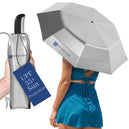
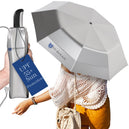
- UV-Blocker Umbrellas: A premium UPF 50+ umbrella with patented Solarteck® technology, like those offered by UV-Blocker, is paramount. These umbrellas are designed to block 99% of UVA and UVB rays, often reflecting heat away to keep you cooler. They provide a portable, consistent, and highly effective personal shade solution, certified as UPF 50+ by independent labs and approved by the Melanoma International Foundation (MIF). This is far more reliable than seeking shade under a tree.
- Avoid Peak Hours: Between 10 AM and 4 PM, UV radiation is strongest. Plan outdoor activities for earlier mornings or later afternoons.
2. Wear UPF 50+ Sun-Protective Clothing
Your everyday clothes offer varying degrees of protection, but often not enough for methotrexate patients. For reliable protection, invest in clothing specifically rated UPF 50+. This includes long-sleeved shirts, long pants, and wide-brimmed hats (at least 3-inch brim) that protect the face, neck, and ears. The UPF (Ultraviolet Protection Factor) rating indicates how much UV radiation a fabric blocks. A UPF 50+ garment blocks 98% or more of UV rays, providing superior defense compared to regular apparel. You can find more information on choosing the right sun-protective clothing in our UPF clothing guide.
3. Apply Broad-Spectrum Sunscreen Liberally
Sunscreen acts as a crucial secondary defense for any exposed skin not covered by clothing or shade. Choose a broad-spectrum sunscreen with an SPF of 30 or higher, which protects against both UVA and UVB rays. Apply it generously 15-30 minutes before going outdoors, and reapply every two hours, or more frequently after swimming or sweating. Mineral sunscreens containing zinc oxide or titanium dioxide are often preferred as they create a physical barrier on the skin and are generally well-tolerated.
4. Protect Your Eyes
Don't forget sunglasses that block 99-100% of both UVA and UVB rays. This helps prevent UV damage to your eyes and the delicate skin around them.
By implementing this multi-faceted approach, prioritizing physical barriers like UV-Blocker umbrellas and UPF 50+ clothing, methotrexate patients can significantly reduce their risk of dangerous sun sensitivity reactions and safely enjoy time outdoors.
When Should You Call Your Doctor?
Recognizing when to seek medical attention for a methotrexate sun reaction is crucial for preventing severe complications. While mild redness might resolve on its own, certain symptoms warrant immediate contact with your healthcare provider or, in severe cases, emergency medical attention. You should contact your doctor if you experience any of the following:
- Severe Pain or Widespread Blistering: If the reaction is intensely painful, covers a large area of your body, or involves significant blistering, particularly large fluid-filled blisters.
- Signs of Infection: These include increasing redness, warmth, swelling, pus drainage from blisters or broken skin, fever (temperature over 100.4°F or 38°C), chills, or swollen lymph nodes.
- Symptoms of Dehydration: Such as extreme thirst, decreased urination, dizziness, or lightheadedness, especially if severe blistering is present.
- Systemic Symptoms: Any feeling of being generally unwell, significant fatigue, nausea, or headache accompanying the skin reaction.
- Reactions Affecting the Face or Genitals: These areas are particularly sensitive and require prompt medical evaluation.
- Any Concern or Uncertainty: If you are unsure about the severity of your reaction or how to manage it, always err on the side of caution and consult your doctor.
It is vital to remember: Never stop taking methotrexate without consulting your doctor first. Your healthcare team can provide guidance on managing side effects while ensuring your underlying condition is adequately treated. Adjusting your sun protection protocol is the recommended course of action, not altering your medication regimen without professional medical advice.
Frequently Asked Questions About Methotrexate Sun Sensitivity
Does methotrexate make me more likely to get skin cancer?
While methotrexate can cause severe sun reactions, there is no strong evidence to suggest it directly increases your risk of developing skin cancer, unlike some other immunosuppressants. However, any severe sunburn or repeated sun damage increases skin cancer risk, so rigorous sun protection is still vital for overall skin health and cancer prevention.
Can I use sunscreen alone for protection?
No, sunscreen alone is not sufficient. For methotrexate patients, physical barriers like UPF 50+ umbrellas (especially those with Solarteck® technology) and UPF 50+ clothing are the primary defenses. Sunscreen should be considered a secondary measure for areas not covered by clothing or shade, as it doesn't block 100% of UV rays and requires frequent reapplication.
How long after stopping methotrexate am I still sensitive to the sun?
The duration of sun sensitivity after discontinuing methotrexate can vary. Methotrexate has a relatively long half-life, and residual effects can linger. It's generally advised to continue strict sun protection for at least several weeks, if not months, after your last dose. Always consult your doctor for personalized advice on when it might be safe to relax your sun protection measures.
Does the dose of methotrexate affect sun sensitivity?
While radiation recall can occur at various doses, higher doses of methotrexate, particularly those used in oncology settings, may lead to more severe or frequent reactions. However, even low doses used for autoimmune conditions can trigger significant sun sensitivity. It is crucial to maintain a high level of sun protection regardless of your prescribed dosage.
Is it only direct sun exposure that causes issues?
No, indirect exposure, such as sitting near a window or being in cloudy weather, can still expose you to harmful UV rays. UVA rays, which contribute to radiation recall, can penetrate clouds and glass. Therefore, comprehensive protection, including physical barriers like a UV-Blocker umbrella, is recommended even in seemingly less intense sun conditions.
Are there any specific types of UV-Blocker umbrellas recommended for methotrexate patients?
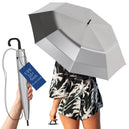
All UV-Blocker umbrellas provide UPF 50+ protection and are built with Solarteck® technology to block 99% of UV radiation. The "Compact" and "Travel" models are popular for their portability, allowing patients to maintain protection wherever they go. The "Golf" and "Patio" umbrellas offer broader shade for outdoor activities or home use. The key is consistent use of a certified UPF 50+ product.
Conclusion
Living with a condition that requires methotrexate doesn't mean you have to live in fear of the sun or completely avoid the outdoors. It simply means understanding a critical interaction between your medication and UV radiation and adopting proactive, informed sun protection habits.
The unique mechanism of radiation recall makes methotrexate sun sensitivity a serious concern, capable of causing severe skin damage, pain, and even dangerous secondary infections. However, with the right knowledge and tools, these risks are highly manageable.
By prioritizing physical shade with a premium UPF 50+ UV-Blocker umbrella, embracing UPF 50+ clothing, and supplementing with broad-spectrum sunscreen, you can create an effective shield against harmful UV rays. Remember Ron Walker's mission to make effective sun protection accessible: your health and well-being are paramount. Always consult your healthcare provider for personalized advice and never alter your medication regimen without their guidance.
Empower yourself with knowledge and superior protection. Explore UV-Blocker's range of UPF 50+ umbrellas and make sun safety an integral part of your methotrexate treatment journey.
Frequently Asked Questions
Does Methotrexate really make skin more sensitive to sunlight?
Yes. Methotrexate belongs to a class of medications that can trigger photosensitivity reactions in a subset of patients. This can cause sunburn-like reactions with minimal UV exposure, or trigger phototoxic skin rashes. The reaction severity varies by individual, dosage, and UV intensity. Always review your medication guide and consult your prescribing physician if you notice unusual skin reactions in sunlight.
What SPF should I use if I take this medication?
Dermatologists generally recommend SPF 30+ broad-spectrum sunscreen for patients on photosensitizing medications, with reapplication every 2 hours. However, sunscreen alone isn't sufficient for high UV exposure. Combining sunscreen with physical barriers — UPF 50+ clothing, wide-brim hats, and UV-blocking umbrellas — provides the most reliable protection. UV-Blocker's UPF 50+ umbrellas block 99% of UVA and UVB rays.
Can I still go outdoors while taking this medication?
Absolutely. Most patients can continue outdoor activities with appropriate precautions: avoid peak UV hours (10am–4pm), wear protective clothing, use SPF 30+ sunscreen, and use shade whenever possible. A portable UV-blocking umbrella offers hands-free shade wherever you go, making it a practical solution for patients who need consistent sun avoidance.
How long after stopping the medication until sun sensitivity resolves?
Photosensitivity typically resolves within days to weeks after discontinuing the medication, depending on the drug's half-life and your individual metabolism. Some medications with long half-lives may cause sensitivity for weeks. Continue sun protection until your doctor confirms it's safe to reduce precautions.
What are the signs of a phototoxic reaction vs. a photoallergic reaction?
Phototoxic reactions look like severe, rapid sunburn — they appear within hours of UV exposure and are dose-dependent. Photoallergic reactions involve an immune response, can spread beyond sun-exposed areas, and may appear days later. Both require prompt sun avoidance. See your dermatologist for diagnosis and management.
Sun Safety Essentials for Patients on Photosensitizing Medications
- Keep a UV index app on your phone and avoid going outdoors when the index exceeds 6 without full protection
- Wear UPF 50+ sun-protective clothing on arms and legs, not just sunscreen
- Carry a portable UV-blocking umbrella for shade on demand — especially effective during outdoor commutes, sporting events, or waiting outdoors
- Apply sunscreen to the back of hands and tops of feet — commonly missed areas that receive direct UV
- Inform your pharmacist about all medications you take so they can flag photosensitizing combinations
- Request a window film UV assessment if you drive frequently — car windows block UVB but not all UVA