

Outdoor work raises the risk of nonmelanoma skin cancer by 60 percent, and few recreational activities match fishing for sustained, unshielded UV exposure. Anglers spend entire days on open water where the sun hits from above while the water surface bounces radiation right back upward.
This creates a UV challenge that generic outdoor sun protection advice doesn't address. Water reflects UV radiation back upward, creating dual-directional exposure that bypasses standard baseball caps and overhead-only protection. Picture a hiker on a forest trail — the ground absorbs most UV, and the hat does its job. Now picture an angler on a boat deck. The water acts like a mirror, throwing radiation right back up into exposed skin from below.
What follows is a deep look at the science of water UV reflection, protection strategies broken down by fishing type, and portable shade solutions that other fishing sun protection guides completely overlook. Most guides repeat the same sunscreen-hat-shirt formula. None mention UV umbrellas, chair-mounted shade, or portable shade structures — despite dermatologists recommending shade as a core element of any sun protection strategy.
TLDR: Core Principles of Fishing Sun Protection * Fishing creates dual-source UV exposure from overhead sunlight and water reflection. * Calm water reflects 3-5 percent of UV rays; choppy water reflects up to 10 percent. * A 4-12 hour fishing session exceeds safe unprotected sun exposure limits. * Occupational outdoor exposure increases nonmelanoma skin cancer risk by 60 percent. * Portable shade systems provide the most reliable continuous protection during long days. * UPF 50+ clothing and reef-safe sunscreen supplement physical shade structures. * Chair clamps and railing mounts keep hands free for casting while maintaining shade coverage.
Why Do Anglers Face Higher UV Risk Than Other Outdoor Enthusiasts?
Anglers face elevated UV risk because water reflects UV radiation upward, sessions last 4-12 hours, and open water offers zero natural shade.
According to NASA albedo data, water surfaces bounce roughly 5-10 percent of UV radiation back upward. That doesn't sound like much until you realize it's hitting from below — sneaking under hat brims and finding every gap in clothing. A hiker walks on dirt that soaks up UV. An angler stands over what amounts to a low-grade mirror, hour after hour. That difference changes everything about how protection needs to work.
Fishing sessions run 4-12 hours, far exceeding the 15-30 minutes of unprotected sun exposure dermatologists consider safe at high UV indices. A single day on the water delivers a large cumulative radiation dose. Even moderate UV levels become harmful over a full fishing day. An angler might feel fine at noon, but by sunset, their skin has absorbed significant UV well beyond the burn threshold.
An East Carolina University study screening 81 commercial fishermen found 9 percent had basal cell carcinoma and 6 percent had squamous cell carcinoma. Occupational UV exposure raises nonmelanoma skin cancer risk by 60 percent, and globally, 1 in 3 deaths from nonmelanoma skin cancer relates to working outdoors. Recreational anglers who log similar hours on the water aren't somehow exempt from those numbers.
Here's the part that makes it worse: fishermen are notoriously bad at protecting themselves. Research surveys consistently rate sun protection practices among anglers as "poor or inadequate". Sunscreen on the nose, nothing on the hands — that's the typical approach. Others assume clouds provide safety, but up to 80 percent of UV radiation penetrates cloud cover. Overcast days can still deliver a nasty burn. Meanwhile, the sunscreen sits untouched in the tackle box — and by evening, the damage is done.
Understanding the risk is step one. But why does water make UV exposure so much worse?
How Does Water Reflection Create Double UV Exposure?
Water surfaces reflect UV radiation upward, bypassing hat brims and creating exposure to normally shaded areas like the chin, neck underside, and nostrils.
Calm freshwater reflects approximately 3-5 percent of UV at high sun angles. Choppy ocean water with whitecaps can reflect 10 percent or more. Sun angle matters — low morning and evening sun increases the reflection percentage. That sunrise bite might look beautiful, but it bounces a concentrated beam of UV straight into an angler's face.

That reflected UV hits from below, and it finds every spot overhead shade misses. The under-chin gets cooked. So do the nostrils, earlobes, and the soft inner arms. A baseball cap handles the forehead just fine — but it can't do a thing about the jawline underneath. Radiation bounces off the water and catches the jaw and neck completely unguarded.
Glare off the water adds another layer. Anglers wear polarized sunglasses to cut visual glare — they need to see the fish following their lure. But cutting visual glare doesn't stop UV radiation from reaching exposed skin around the face and neck. The visual comfort can trick anglers into feeling protected when their skin remains fully exposed.
Boat fishing makes this worse. Anglers sit surrounded by reflective water on all sides with zero terrain shade. Shore fishing provides at least one direction with non-reflective ground. On a boat, reflection comes from 360 degrees — off the water, off the white fiberglass deck. The angler sits in the center of it all.
With this dual-exposure reality in mind, protection strategies need to vary by fishing setup.
What Sun Protection Works Best for Each Fishing Type?
The best sun protection setup depends on the fishing type — boat, shore, kayak, pier, and fly fishing each require different shade and coverage strategies.
Boat fishing on open water presents the highest exposure risk. Anglers sit surrounded by reflective water with no natural shade. The fix? A railing-mounted umbrella holder paired with a large UPF 50+ umbrella. It gives overhead shade without eating up deck space. A sports umbrella holder clamps to boat railings with a Tough-Claw mount designed for marine use. Layer on UPF clothing for exposed skin, and mineral sunscreen catches whatever's left.
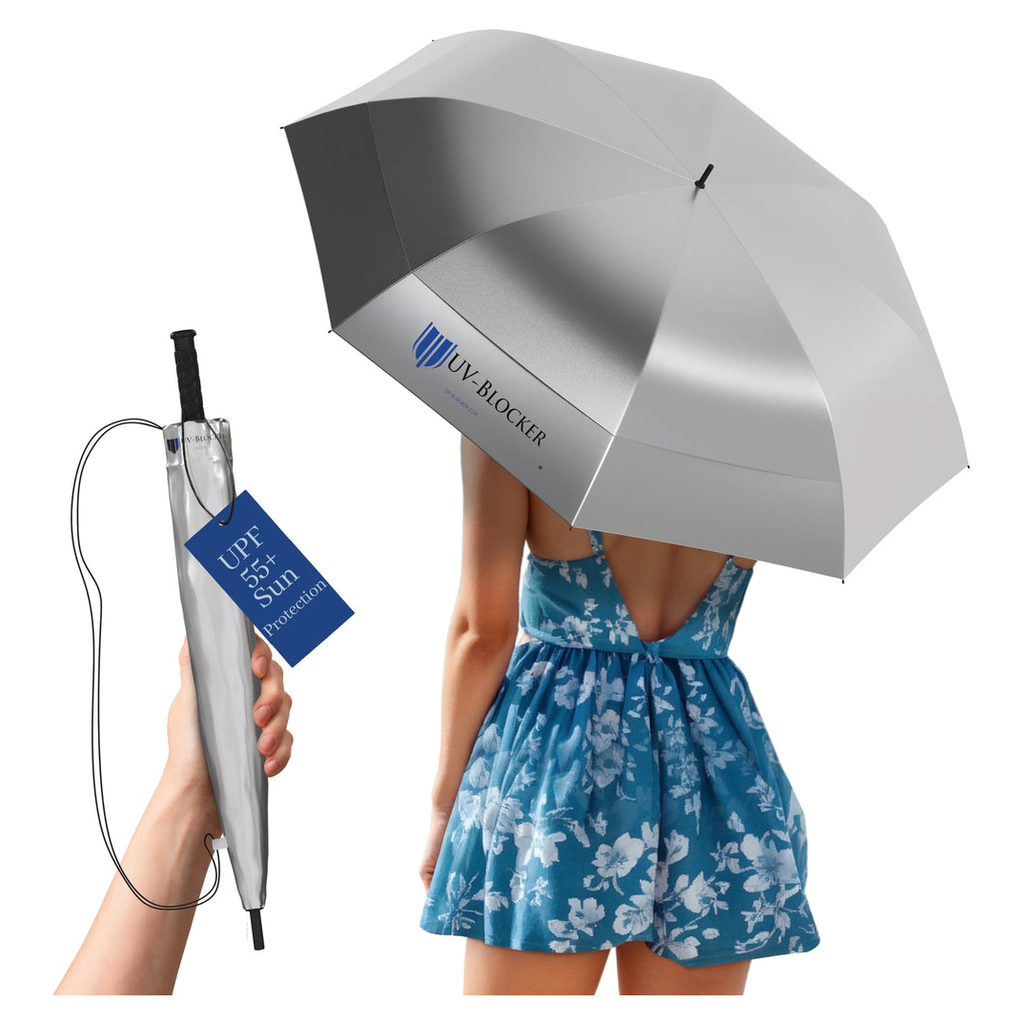
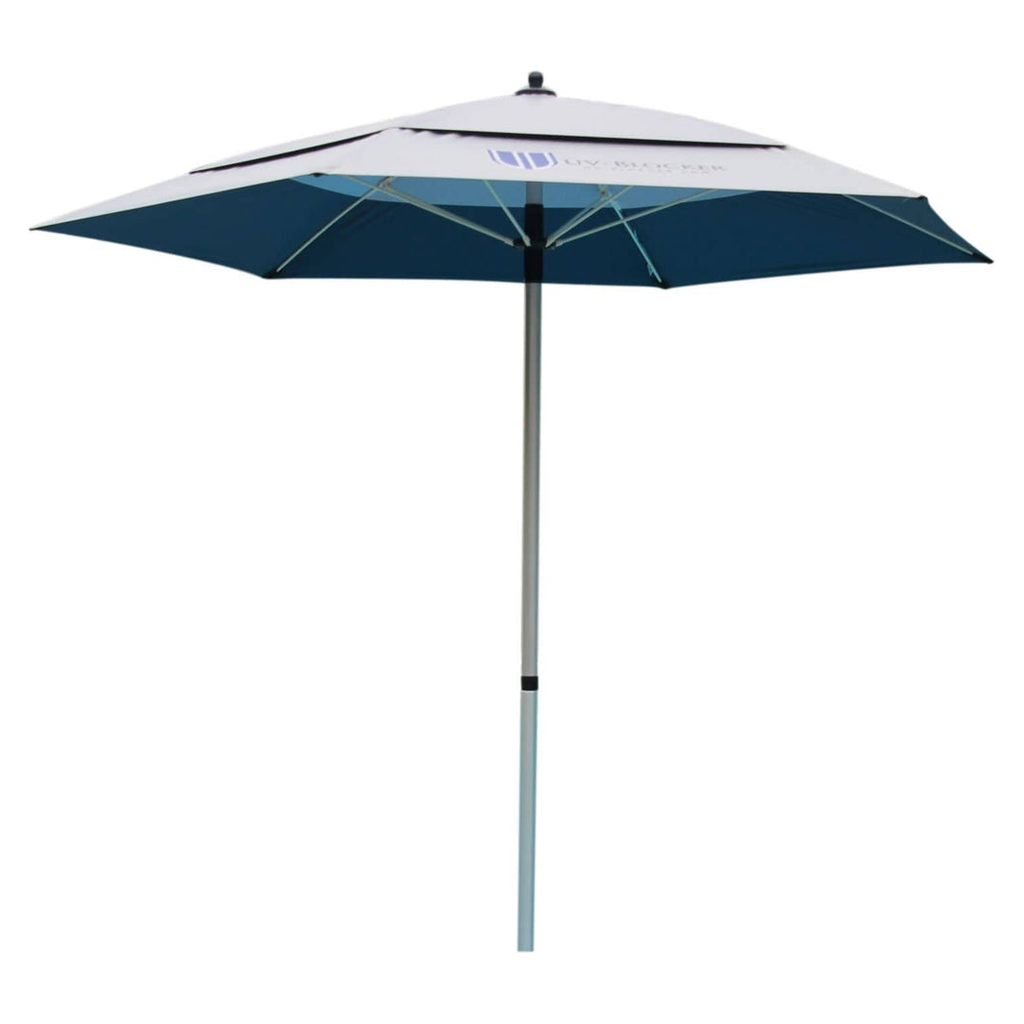
Shore and bank fishing mean sitting in one spot for hours, which actually works in the angler's favor for shade. A chair-clamp umbrella holder turns any folding fishing chair into a shaded station. A chair umbrella holder keeps hands free for casting, reeling, and baiting. Combined with a 62" UV protection golf umbrella or the larger 68" golf UV umbrella, anglers get full-body coverage.
Kayak fishing puts the angler at water level, maximizing reflection exposure. There's no room for an umbrella on a narrow kayak, so wearable protection has to do all the heavy lifting. A UPF sun hoodie, neck gaiter, and pair of sun gloves are the bare minimum. Add a wide-brim hat with a chin strap — otherwise it's going overboard on the first gust.
Pier and dock fishing resembles bank fishing. Since anglers are parked in one spot anyway, a chair-based shade setup works perfectly. Clip a portable umbrella to the chair, tilt it to follow the sun, and that's the day sorted.
Fly fishing often requires wading. Arms and hands get extreme exposure from the repetitive casting motion. Long-sleeve UPF shirts, sun gloves, and neck gaiters are non-negotiable. The face and neck catch water reflection from below while standing in the current.
| Fishing Type | Primary UV Challenge | Recommended Shade Solution | Key Gear |
|---|---|---|---|
| Boat | 360-degree water reflection | Railing-mounted umbrella | Sports umbrella holder, UPF 50+ umbrella |
| Shore/Bank | Long stationary exposure | Chair-mounted umbrella | Chair umbrella holder, 68" golf umbrella |
| Kayak | Water-level reflection | Wearable UPF coverage | UPF sun hoodie, neck gaiter, sun gloves |
| Pier/Dock | Concrete heat + water reflection | Chair-mounted umbrella | Chair umbrella holder, wide-brim hat |
| Fly Fishing | Casting arm exposure | Wearable UPF coverage | Long-sleeve UPF shirt, sun gloves |
Across all fishing types, one protection method stands out as the foundation.
Why Is Portable Shade the Foundation of Fishing Sun Protection?
Portable shade provides continuous, passive UV protection that doesn't wear off, wash away, or require reapplication — making it ideal for long fishing sessions.
There's a reason dermatologists keep telling people to seek shade, particularly between 10 AM and 4 PM when UV peaks. Shade doesn't run out, doesn't need reapplication, and doesn't wash off when a wave splashes over the gunwale. It's the one layer that works passively all day. The same idea shows up in sun protection for sports parents, where sideline shade concepts help families survive long weekend tournaments.
Sunscreen needs reapplication every two hours — and again after sweating or splashing. Sounds simple enough until you're three hours into a bite, hands covered in fish slime and bait residue. Nobody stops mid-session to carefully rub SPF 50 onto their face with those hands. So the sunscreen wears off, the angler keeps casting, and the burn builds quietly in the background.
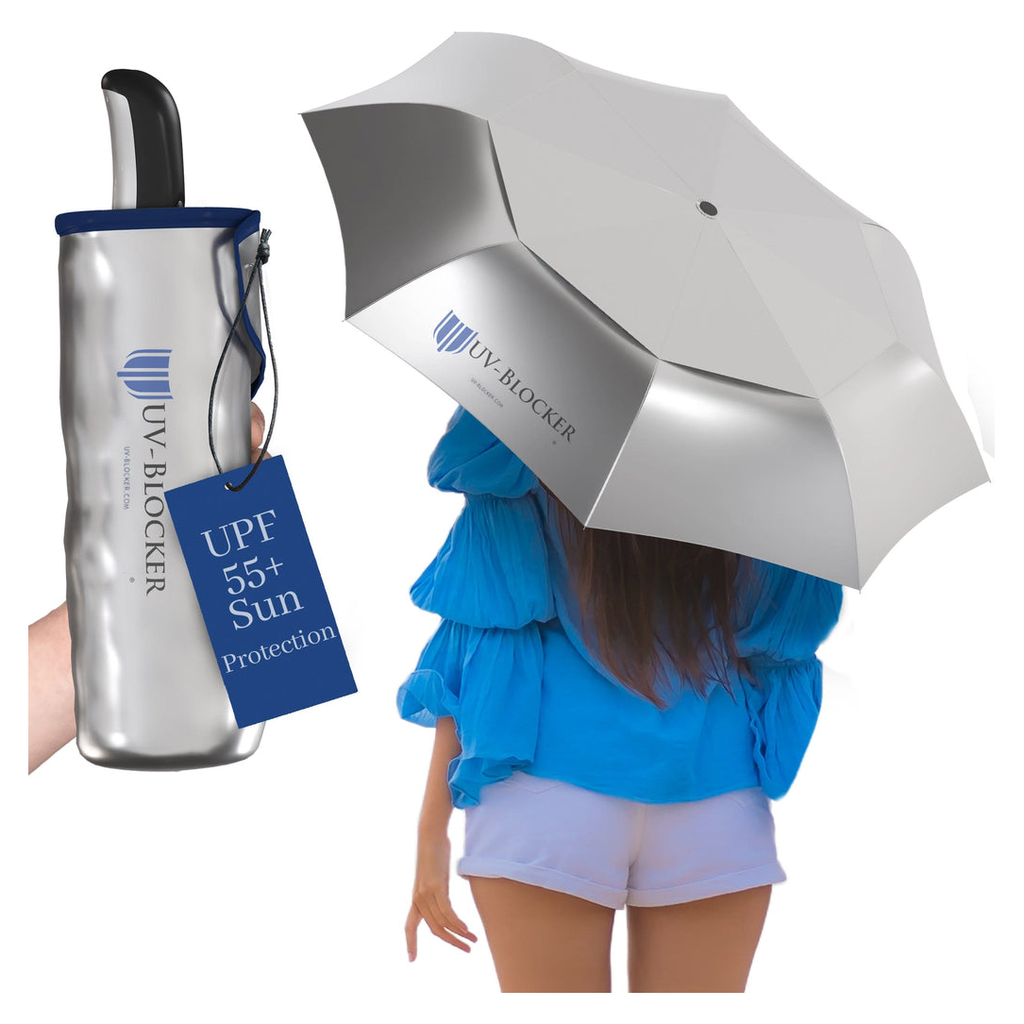
UPF 50+ umbrella systems with Solarteck reflective coating block 99 percent of UV rays and provide a 15-degree cooling effect beneath the canopy. That cooling effect matters during summer fishing heat — it's the difference between pushing through the afternoon or packing up early from heat fatigue.
Anyone who's had a cheap umbrella flip inside-out on a breezy dock knows the frustration. Vented mesh canopy designs solve that problem near water where gusts are constant. A windproof UV umbrella stays intact during a coastal breeze because the patented vented mesh lets wind pass through the fabric instead of catching it like a sail.
Hands-free mounting solutions mean shade doesn't interfere with fishing. Chair clamps and railing mounts keep both hands free. Anglers can bait hooks, fight fish, and manage tackle without wrestling an umbrella. Set up the shade once, then fish comfortably all day.
Shade handles the overhead threat, but anglers also need coverage for the rest of the body.
UPF Clothing and Sunscreen Essentials for Anglers
Anglers need UPF 50+ long-sleeve shirts, neck gaiters, sun gloves, wide-brim hats, and reef-safe SPF 30+ sunscreen reapplied every two hours.
Quick distinction worth knowing: UPF and SPF aren't the same measurement. UPF rates how well fabric blocks UV — a UPF 50+ shirt stops over 98 percent of rays from reaching skin. SPF measures how long a sunscreen delays burning on bare skin. Either way, bigger numbers are better.
For fishing, the UPF clothing checklist looks like this: a lightweight long-sleeve fishing shirt (the kind that breathes even in August heat), a neck gaiter to cover the lower face and throat, UPF sun gloves for the backs of those always-exposed hands, and a wide-brim hat with a chin strap that won't blow off at the first breeze. Every item targets a specific vulnerability that water reflection creates.
Reef-safe sunscreen formulations matter for catch-and-release anglers. The problem with many chemical sunscreens? Ingredients like oxybenzone and octinoxate have been tied to coral bleaching in multiple studies — not great for anglers who spend their days in the water they're trying to protect. Mineral-based formulations with zinc oxide or titanium dioxide sit on top of the skin and don't leach into the water the same way. Conservation-minded anglers who care about their fisheries should check the ingredients before buying.

Reapplication every two hours is non-negotiable. Anglers should reapply immediately after handling fish or getting splashed. A water-resistant formulation rated SPF 30 or higher provides the best baseline between applications.
Anglers commonly forget several critical body areas. The tops of feet burn fast in sandals or wading shoes. The backs of hands face the sky all day during casting. Ear tops and lips blister quickly without coverage. The back of the neck takes constant punishment. And the under-chin area — exposed to UV reflection bouncing off the water — is a burn zone unique to fishing and water sports.
| Body Part | Why Anglers Miss It | Protection Method |
|---|---|---|
| Tops of feet | Wearing sandals or going barefoot | UPF socks, water shoes, sunscreen |
| Backs of hands | Constantly wet from fish and water | UPF sun gloves, frequent sunscreen |
| Ear tops | Baseball caps don't cover them | Wide-brim hat, sunscreen |
| Lips | Eating, drinking, wiping face | SPF 30+ lip balm reapplied hourly |
| Under-chin | Hat gives false sense of full coverage | Neck gaiter, mineral sunscreen |
Even with full coverage gear deployed, timing matters.
Frequently Asked Questions About Sun Protection for Fishing
These are the most common questions anglers ask about UV safety on the water.
What is the best sun protection while fishing?
The best fishing sun protection combines portable UPF 50+ shade with UV-blocking clothing and reef-safe SPF 30+ sunscreen applied every two hours.
Shade provides continuous passive protection. UPF clothing covers exposed skin. Sunscreen fills the gaps. All three layers working together handle the dual-source UV exposure that makes fishing uniquely risky.
Do fishermen get skin cancer more often?
Research shows fishermen have elevated skin cancer rates — an East Carolina University screening found 15 percent of commercial fishermen had carcinomas.
Occupational UV exposure raises nonmelanoma skin cancer risk by 60 percent. Recreational anglers who spend similar hours on the water face similar exposure levels.
How often should you reapply sunscreen while fishing?
Reapply sunscreen every two hours while fishing, and immediately after handling fish, sweating, or any water contact.
Water-resistant formulas rated SPF 30+ provide the best baseline protection between applications. Keep the bottle accessible, not buried in the tackle box.
Can you get sunburned through clouds while fishing?
Up to 80 percent of UV radiation penetrates cloud cover, meaning anglers can get sunburned on a cloudy day just as badly as on a clear one.
Cloud cover creates a false sense of security. UV exposure stays high even when the sky looks gray. Treat overcast fishing days with the same protection strategy as sunny ones.
How do you shade yourself while fishing?
Chair-mounted umbrella holders and railing-clamp systems create hands-free shade for bank, pier, and boat fishing without interfering with casting.
A UPF 50+ golf-size umbrella (62" or 68") paired with a clamp mount provides full-position coverage. The clamp grabs onto a chair arm or boat railing — no drilling, no permanent mounts — and both hands stay free for what actually matters: fishing.
Conclusion
Here's the bottom line on sun protection for fishing: it takes more than a bottle of SPF 50 and good intentions.
- UV bounces off the water and hits from below, getting under hats and past any overhead-only protection.
- A typical 4-12 hour fishing trip blows past safe unprotected exposure limits before lunch.
- Sunscreen alone falls short when hands are wet, dirty, and occupied with tackle and fish.
Think of it in three layers: portable shade goes up first as the foundation. UPF 50+ clothing covers the body. Reef-safe sunscreen catches the gaps that shade and fabric can't reach.
Before heading out next time, check the UV index — it takes ten seconds on a phone. Then take a look at chair and sports umbrella holder setups built for the specific way you fish. Taking care of skin now means longer, more comfortable days on the water. And honestly? It means still being out there casting lines twenty years from now.