
Quick Reference Summary: UV Protection for Seniors
- Increased Vulnerability: Aging skin is more susceptible to UV damage due to thinner epidermis, reduced melanin, and slower cellular repair.
- Cumulative Damage: While much sun damage occurs early, its consequences, especially skin cancers, predominantly manifest in later life. The average age for melanoma diagnosis is 65.
- Medication Risks: A significant number of common senior medications dramatically increase photosensitivity, making sun exposure far more dangerous.
- Eye & Heat Health: UV contributes to cataracts and macular degeneration, while older adults face higher risks of heat-related illnesses due to impaired thermoregulation.
- Optimal Solution: Physical barriers like UPF 50+ UV umbrellas offer superior, consistent, and chemical-free protection compared to sunscreen, also providing a crucial cooling effect.
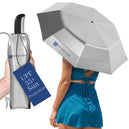
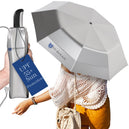
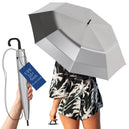
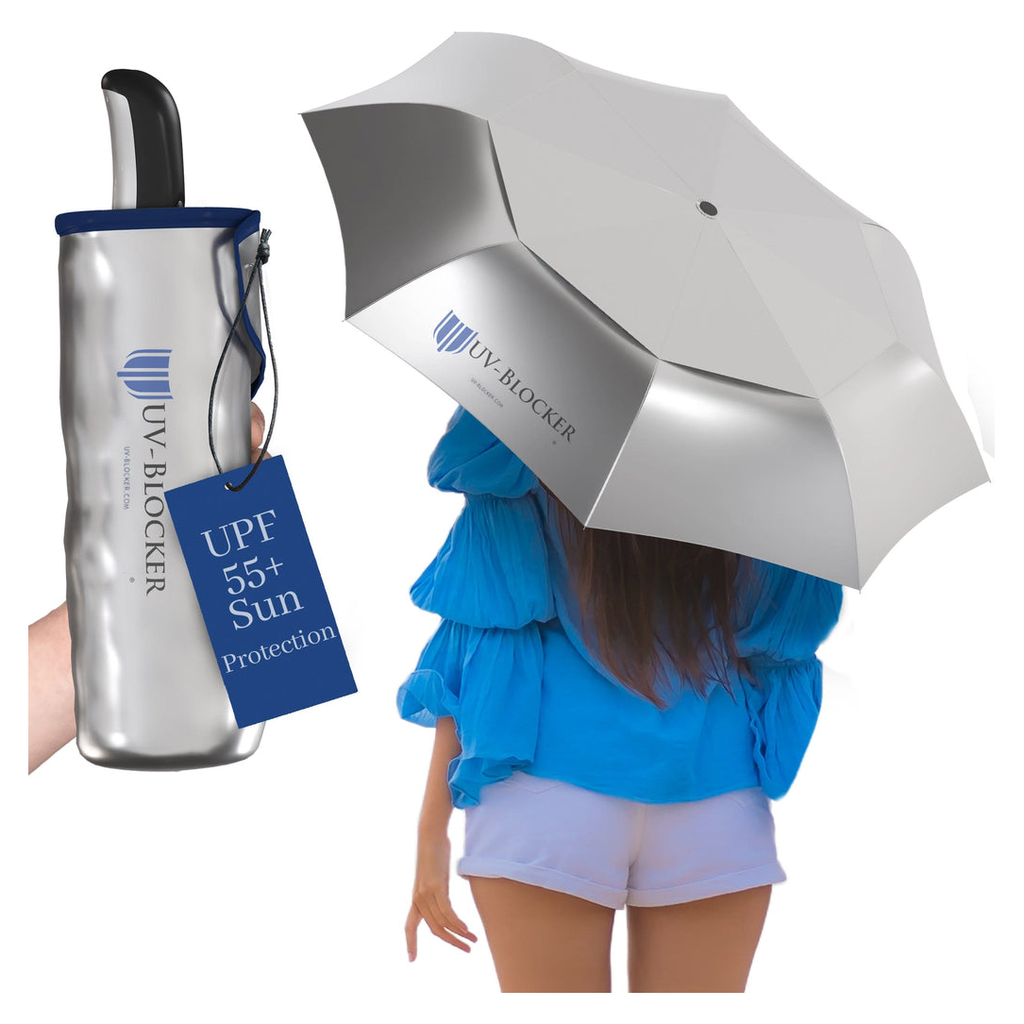
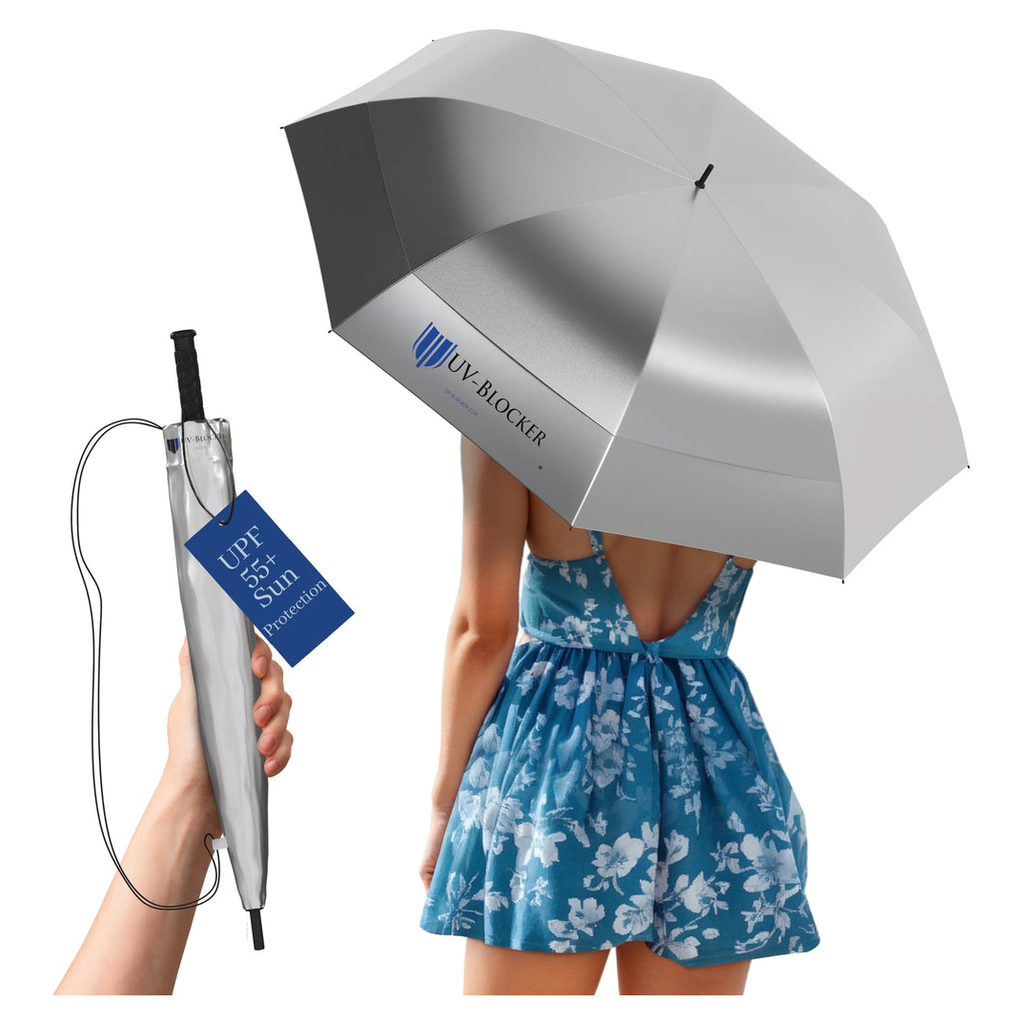
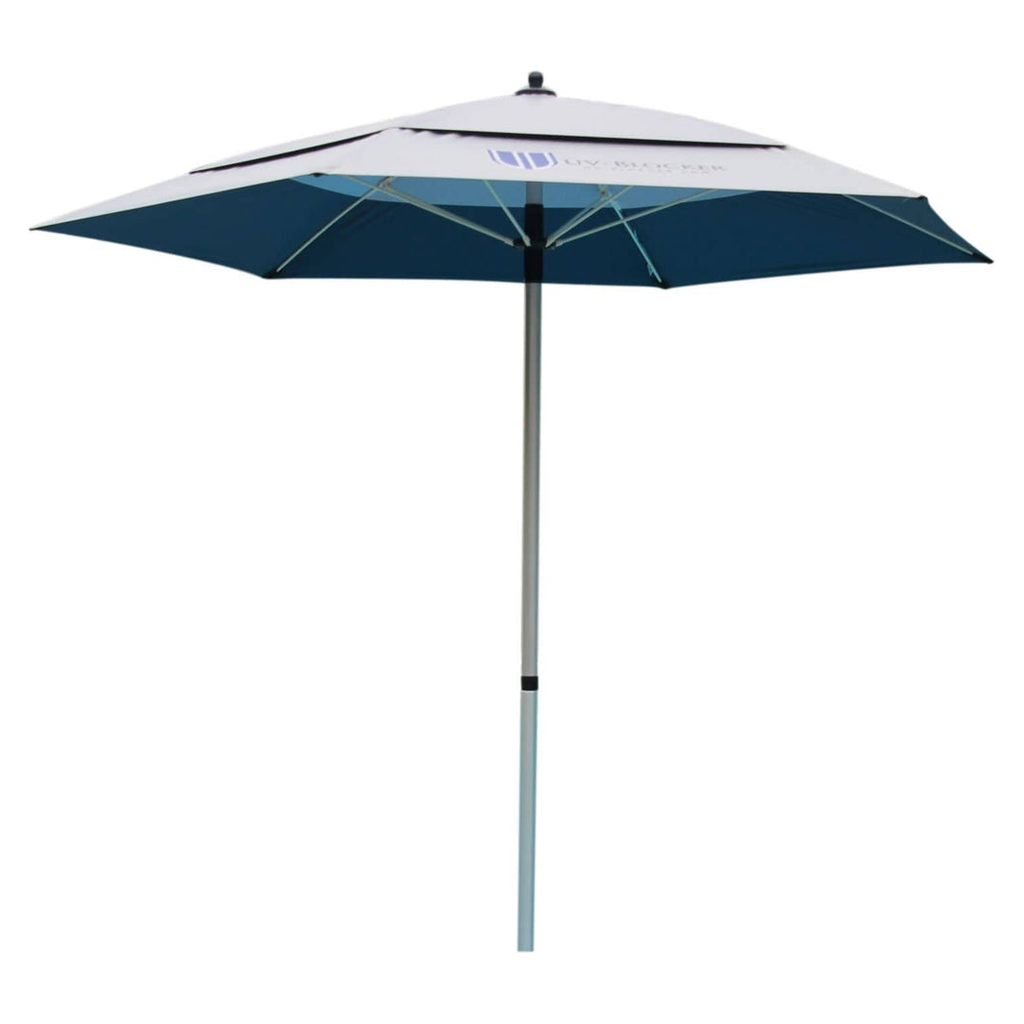
- UV-Blocker Recommendation: For reliable, year-round sun safety, consider a UV-Blocker Travel Umbrella for everyday portability or a Large Folding UV Umbrella for extended outdoor activities.
UV protection seniors need is fundamentally different from what younger adults require. As we age, our skin, eyes, and body's natural cooling systems become profoundly more vulnerable to the sun's ultraviolet (UV) radiation. This heightened susceptibility makes smart sun safety an imperative, not just a recommendation, year-round – extending well beyond the summer months. For older adults, the stakes are higher: inadequate UV protection can accelerate photoaging, drastically increase skin cancer risk, impair vision, and even compromise overall health due to heat-related stress.
This comprehensive guide, informed by the mission of UV-Blocker's founder and melanoma survivor Ron Walker, explains in detail why UV protection seniors require extra attention. We'll delve into the unique challenges faced by older adults and provide evidence-based strategies for staying safe, healthy, and comfortable while continuing to enjoy cherished outdoor activities.

Why UV Protection Seniors Need Requires Extra Attention
Decades of sun exposure accumulate, and their consequences often become most apparent in later life. UV light is a potent environmental carcinogen that damages skin DNA, weakens local immune defenses, and dramatically accelerates "photoaging" — the premature aging of skin characterized by wrinkles, pigment changes, loss of elasticity, and increased fragility. While chronological aging is inevitable, photoaging significantly compounds these effects.
According to the National Institute on Aging (NIA), extensive research consistently shows that UV radiation can induce immune suppression in the skin and drive photoaging biology that not only mirrors but significantly worsens the effects of natural chronological aging. This means that even if you've been careful with sun exposure your entire life, the aging process itself fundamentally alters your skin's ability to cope with UV radiation, making comprehensive protection paramount.
The Compounding Effect: How Aging Skin Becomes More Vulnerable
Here is the uncomfortable truth for older adults: the protective mechanisms that worked effectively in your 20s and 30s become less efficient and robust in your 60s and beyond. These physiological changes in aging skin mean that UV exposure that might have been manageable in younger years can now lead to much more severe and rapid damage. Key biological changes contributing to this heightened vulnerability include:
- Melanin Reduction: Melanin is the pigment responsible for skin, hair, and eye color, and crucially, it acts as a natural UV filter. With age, the number and activity of melanocytes (the cells that produce melanin) decrease. This reduction in the skin's natural "sunscreen" leaves it less equipped to absorb and scatter UV radiation, significantly increasing the risk of sunburn and DNA damage.
- Thinner Epidermis: The epidermis, the outermost layer of the skin, becomes thinner, more fragile, and less efficient as we age. This thinning, coupled with a flattening of the dermal-epidermal junction, reduces the skin's barrier function. A compromised barrier allows UV rays to penetrate deeper into the skin layers, causing more profound damage to underlying collagen and elastin fibers, which are vital for skin strength and elasticity.
- Slower Cell Turnover: Younger skin rapidly sheds and replaces damaged cells, a process critical for repairing UV-induced harm. In older adults, cellular turnover slows down considerably. This means that cells with DNA damage from UV exposure persist longer, increasing the likelihood of mutations accumulating and potentially leading to precancerous or cancerous lesions.
- Reduced Immune Surveillance: The skin's immune system, which plays a vital role in detecting and eliminating precancerous cells, also weakens with age. Specialized immune cells, such as Langerhans cells, become fewer and less active. This impaired immune surveillance means that precancerous cells, which arise from UV-induced DNA damage, may go undetected and proliferate unchecked for longer periods, increasing the risk of skin cancer development.
Skin Cancer Risk: Why UV Protection for Seniors is Life-Saving
Skin cancer is by far the most frequently diagnosed cancer in the United States, and its incidence rises dramatically with age. This increase is primarily due to cumulative UV exposure over a lifetime, combined with the decreased protective capabilities of aging skin. For seniors, effective UV protection isn't just about preventing wrinkles; it's a critical, life-saving measure.
The Statistics Are Sobering
Understanding the prevalence and severity of skin cancer in older adults underscores the urgency of proactive UV protection:
- Actinic Keratoses (AKs): These rough, scaly, precancerous spots are the direct result of chronic UV exposure and are extremely common in older adults, particularly on sun-exposed areas like the face, scalp, and hands. According to the American Academy of Dermatology (AAD), AKs are considered the earliest stage in the development of squamous cell carcinoma. If left untreated, a significant percentage of AKs can progress to invasive squamous cell carcinoma.
- Squamous Cell Carcinoma (SCC): This is the second most common type of skin cancer. While often treatable, SCC can be aggressive and has a higher potential for metastasis (spreading to other parts of the body) compared to basal cell carcinoma, particularly in older individuals with weakened immune systems.
- Basal Cell Carcinoma (BCC): The most common type of skin cancer, BCCs typically appear on sun-exposed areas and, while rarely spreading, can grow large and disfiguring if not treated early. Their incidence also increases significantly with age.
- Melanoma: The most dangerous form of skin cancer, melanoma's incidence and mortality rates also increase with age. The American Cancer Society (ACS) reports that the average age of melanoma diagnosis is 65 years old. Moreover, men over 50 have the highest melanoma mortality rate of any demographic group, often attributed to greater lifetime UV exposure and potentially later detection.
Prevention vs. Treatment: The UV-Blocker Advantage
While treating AKs and early skin cancers can significantly reduce risk and improve outcomes, prevention through proper UV protection for seniors is far more effective, less invasive, and undoubtedly less costly than repeated medical treatments. Relying solely on sunscreen can be problematic for older adults due to challenges with consistent application, reapplication frequency, and potential skin sensitivities.
This is where physical barriers like a quality UV umbrella offer a superior solution. A UV-Blocker UPF 50+ umbrella, featuring our patented Solarteck® fabric, blocks 99% of harmful UVA and UVB rays before they ever reach your skin. Unlike sunscreen, which requires perfect, diligent application every two hours (or more frequently after sweating or swimming), an umbrella provides consistent, reliable, and broad-spectrum protection that requires no chemicals or reapplication. Furthermore, UV-Blocker umbrellas are approved by the Melanoma International Foundation (MIF), underscoring their efficacy and commitment to preventing skin cancer.

Eye Health: UV Protection for Seniors Prevents Vision Loss
The eyes are just as vulnerable to UV radiation as the skin, and for seniors, chronic sun exposure significantly contributes to several debilitating eye conditions. Protecting your vision in later life involves much more than just wearing reading glasses; it means actively shielding your eyes from harmful UV rays.
UV-Related Eye Conditions in Older Adults
- Cataracts: UV exposure is a well-established risk factor for cataracts — the clouding of the eye's natural lens that impairs vision, leading to blurriness, glare sensitivity, and difficulty seeing at night. According to the World Health Organization (WHO), a meaningful share of cataracts worldwide are directly attributable to prolonged UV overexposure. Untreated cataracts are a leading cause of blindness globally.
- Age-related Macular Degeneration (AMD): While primarily genetic, research suggests that long-term UV exposure can exacerbate or accelerate the progression of AMD, a leading cause of severe, irreversible vision loss in older adults. AMD affects the macula, the central part of the retina responsible for sharp, detailed vision.
- Pterygium: Also known as "surfer's eye," pterygium is a benign growth of the conjunctiva (the membrane that covers the white part of your eye) that can extend onto the cornea. It is strongly linked to chronic UV exposure and can cause irritation, redness, and, in severe cases, obstruct vision.
Protecting Aging Eyes: A Multi-Layered Approach
For seniors, comprehensive UV protection means actively shielding your eyes as well as your skin. A multi-pronged approach offers the best defense:
- UV-Blocking Sunglasses: Essential eyewear should block 100% of UVA and UVB rays. Look for labels indicating "UV400" or "100% UV protection." Wraparound styles offer additional protection from peripheral light.
- Wide-Brim Hats: A hat with a brim of at least 3 inches can block about 50% of UV rays from reaching the eyes and eyelids.
- UV Umbrellas: The expansive canopy of a UV-Blocker UPF 50+ umbrella provides an unparalleled shield against overhead and indirect UV radiation, effectively creating your own portable shade. This significantly reduces glare and the overall UV dose reaching your eyes.
The combination of a UV umbrella and proper sunglasses provides the most complete and consistent eye protection available, allowing seniors to safely enjoy outdoor environments without compromising their vision.
Heat Management: Why Seniors Face Higher Risks in the Sun
Beyond direct UV damage, older adults face a significant and often underestimated risk from sun exposure: heat-related illness. As we age, our body's ability to regulate temperature becomes less efficient, making seniors particularly vulnerable during hot, sunny weather. This is a critical consideration for UV protection seniors need to prioritize for overall well-being.
Physiological Changes and Heat Vulnerability
According to the Centers for Disease Control (CDC), seniors are significantly more prone to heat-related illnesses such as dehydration, heat exhaustion, and heat stroke. Several age-related physiological changes contribute to this increased risk:
- Reduced Sweating Ability: Older adults often have fewer sweat glands and a diminished capacity to produce sweat, which is the body's primary cooling mechanism.
- Less Efficient Circulation: The cardiovascular system becomes less efficient at pumping blood to the skin for cooling.
- Impaired Thirst Sensation: Seniors may not feel thirsty until they are already dehydrated, delaying essential fluid intake.
- Chronic Health Conditions: Diseases like heart disease, diabetes, and kidney disease can further impair the body's ability to cope with heat.
- Medication Side Effects: Many common medications prescribed to seniors (e.g., diuretics, beta-blockers, anticholinergics) can interfere with thermoregulation or exacerbate dehydration.
These factors mean that a seemingly pleasant sunny day can quickly turn dangerous for an older adult, leading to serious health emergencies like heat stroke, which requires immediate medical attention and can be fatal.
The Cooling Advantage of UV Umbrellas: Solarteck® Technology
This is where UV umbrellas provide a critical, often life-saving, advantage for UV protection for seniors. While traditional hats can trap heat against the head and offer limited body shade, a UV-Blocker umbrella creates an immediate, portable, and spacious air gap that allows for natural cooling and superior shade coverage.
Our UV-Blocker umbrellas utilize our patented Solarteck® fabric, engineered with a highly reflective silver exterior and a dark, UV-absorbing interior. This advanced technology doesn't just block UV rays; it actively reflects solar heat. Independent tests have shown that the air underneath a UV-Blocker umbrella remains up to 15 degrees F cooler than surrounding ambient temperatures. For seniors with compromised temperature regulation, this significant cooling effect can be the crucial difference between comfortably enjoying a day outside and experiencing a debilitating heat emergency. Staying shaded, cool, and well-hydrated is essential when temperatures climb, and a UV-Blocker umbrella provides that essential shade wherever you go, offering comfort and safety in one portable solution.

Medication Interactions: The Hidden Danger for Seniors
One of the most insidious risks for UV protection seniors face is medication-induced photosensitivity. Many commonly prescribed medications can dramatically increase an older adult's sensitivity to the sun, leading to severe reactions with even minimal exposure.
Photosensitizing Medications: Understanding the Risk
According to the FDA, numerous medication categories can make skin dramatically more vulnerable to UV damage. These reactions typically fall into two types:
- Phototoxic Reactions: More common, these occur when a drug absorbs UV energy and then releases it into the skin, causing cell damage that resembles an exaggerated sunburn. This can happen within minutes to hours of sun exposure.
- Photoallergic Reactions: Less common, these involve an immune response where the UV radiation chemically alters the drug, triggering an allergic reaction that can manifest as an itchy, eczema-like rash. This reaction typically takes a few days to develop.
Common medication categories that frequently cause photosensitivity and are widely used by seniors include:
- Antibiotics: Particularly tetracyclines (e.g., doxycycline) and fluoroquinolones (e.g., ciprofloxacin, levofloxacin). These can cause severe, rapid sunburns.
- Diuretics: Thiazide diuretics, such as hydrochlorothiazide (one of the most prescribed medications in the US for blood pressure), are well-known photosensitizers. They can also contribute to dehydration, compounding heat risks.
- Cardiac Medications: Amiodarone (for arrhythmias), diltiazem (a calcium channel blocker), and certain statins (cholesterol-lowering drugs) can increase sun sensitivity.
- NSAIDs (Nonsteroidal Anti-Inflammatory Drugs): Oral and topical forms of ibuprofen, naproxen, and prescription anti-inflammatories like celecoxib can cause phototoxic reactions.
- Diabetes Medications: Certain sulfonylureas (e.g., glipizide, glyburide) can lead to increased sun sensitivity.
- Antidepressants & Anxiolytics: Tricyclic antidepressants and some benzodiazepines may increase sensitivity.
- Cancer Treatments: Many chemotherapy drugs and targeted therapies dramatically increase sun sensitivity, making sun protection absolutely critical for cancer patients and survivors.
What This Means for You: Enhanced Protection is Key
If you take any of these medications — and statistics show most seniors take multiple prescriptions — your skin can burn faster, more severely, and with less exposure than you might expect. A 15-minute exposure that was previously safe before starting a medication might now cause a serious, painful burn or a persistent rash. This dramatically reduces the threshold for safe sun exposure.
Always ask your pharmacist or doctor whether any of your medications could increase sun sensitivity. If they do, your sun protection strategy must be exceptionally robust. In these cases, relying solely on sunscreen is often insufficient. Physical barriers like UPF 50+ clothing and a UV-Blocker umbrella become indispensable. An umbrella provides instant, broad, and reliable shade, effectively mitigating the heightened risks posed by photosensitizing medications without any chemicals or reapplication concerns.
Beyond the Umbrella: 8 Essential Sun Safety Tips for Older Adults
While a UV-Blocker umbrella is an incredibly powerful tool for sun protection, a holistic approach to sun safety ensures maximum defense for seniors. Integrating these 8 essential tips into your daily routine will provide comprehensive protection against the unique challenges older adults face in the sun.
- Seek Shade Strategically: Make shade your primary defense. UV radiation is strongest during peak hours, typically between 10 AM and 4 PM. Plan your outdoor activities for earlier mornings or later afternoons. When you must be outside during peak times, actively seek out natural shade from trees or buildings, and always deploy your UV-Blocker umbrella. Remember, shade is your best friend.
- Wear UPF Clothing: Regular clothing offers varying, often minimal, UV protection. For superior defense, invest in clothing specifically designed with a Ultraviolet Protection Factor (UPF) rating of 30 or higher. UPF 50+ clothing blocks 98% or more of UV rays. Look for long-sleeved shirts, long pants, and wide-brimmed hats made from UPF-rated fabrics. These provide consistent, chemical-free protection for covered skin areas, complementing the shade from your umbrella.
- Use Broad-Spectrum Sunscreen Wisely: While physical barriers are preferred, broad-spectrum sunscreen (SPF 30 or higher) can be used on exposed skin not covered by clothing or an umbrella. Choose water-resistant formulas and apply generously (about one ounce for your entire body) at least 15-30 minutes before sun exposure. Reapply every two hours, or immediately after swimming or excessive sweating. Be mindful of medication interactions that might make sunscreen less effective or even irritating for aging skin.
- Protect Your Eyes Thoroughly: As discussed, UV damage to the eyes can lead to cataracts and AMD. Always wear sunglasses that block 100% of UVA and UVB rays (look for UV400 or "100% UV Protection" labels). Combine this with a wide-brimmed hat and the extensive canopy of your UV-Blocker umbrella to provide comprehensive ocular protection from all angles, including indirect and reflected UV.
- Hydrate, Hydrate, Hydrate: Older adults are at a higher risk of dehydration and heat-related illness. Carry a water bottle and sip frequently throughout the day, even if you don't feel thirsty. Avoid excessive alcohol or sugary drinks, which can contribute to dehydration. Staying hydrated helps your body regulate temperature more effectively, especially when using the cooling shade of your Solarteck® umbrella.
- Perform Regular Skin Checks & Professional Exams: Vigilance is key for early detection of skin cancer. Perform monthly self-skin exams, paying close attention to new or changing moles, spots, or lesions. Use the "ABCDEs" of melanoma (Asymmetry, Border irregularity, Color variation, Diameter >6mm, Evolving). Schedule annual professional skin exams with a dermatologist, particularly if you have a history of significant sun exposure, previous skin cancers, or numerous moles. Early detection significantly improves treatment outcomes.
- Know Your Medications: Always discuss all your medications, including over-the-counter drugs and supplements, with your doctor or pharmacist to understand their potential side effects, especially photosensitivity. If a medication increases sun sensitivity, be extra diligent with sun protection, prioritizing physical barriers like UV-Blocker umbrellas and UPF clothing.
- Embrace Physical Barriers Like UV Umbrellas as Your First Line of Defense: For seniors, the consistent, broad-spectrum, chemical-free, and cooling protection offered by a UV-Blocker UPF 50+ umbrella makes it an unmatched sun safety tool. With patented Solarteck® technology, MIF approval, and its ability to keep you up to 15°F cooler, it addresses multiple senior vulnerabilities (skin cancer, eye damage, heat stress, medication photosensitivity) in one elegant solution. It's not just an accessory; it's an essential health device.
Frequently Asked Questions About UV Protection for Seniors
Why is UV protection even more important for seniors than younger adults?
Seniors face a unique confluence of factors that make UV protection critical. Their skin has accumulated decades of sun damage, increasing the lifetime risk of skin cancer. Additionally, aging skin is naturally thinner, produces less protective melanin, and has a weakened immune system, making it more vulnerable to new damage. Many common medications also significantly increase sun sensitivity, and older adults are more susceptible to heat-related illnesses. Therefore, robust UV protection directly impacts their health, vision, and overall well-being.
Is sunscreen enough for older adults, especially if they're on medication?
While broad-spectrum sunscreen (SPF 30+) is an important part of sun protection, it is often not enough for older adults, particularly those on photosensitizing medications. Sunscreen requires diligent, frequent reapplication, which can be challenging, and its effectiveness can be compromised by sweating or improper application. For seniors with highly vulnerable skin or medication interactions, physical barriers like UPF 50+ clothing and a UV umbrella are far more reliable and provide consistent, chemical-free protection without the need for reapplication or concern about drug interactions.
How does a UV-Blocker umbrella help with heat management for seniors?
UV-Blocker umbrellas are designed with patented Solarteck® fabric, which features a highly reflective silver exterior. This technology reflects the sun's heat away, rather than absorbing it. Independent tests demonstrate that the area underneath a UV-Blocker umbrella can be up to 15 degrees F cooler than the surrounding air. For seniors, whose bodies are less efficient at regulating temperature, this significant cooling effect can be crucial in preventing dehydration, heat exhaustion, and even heat stroke, making outdoor activities safer and more comfortable.
Are UV-Blocker umbrellas recommended by medical professionals or organizations?
Yes, UV-Blocker umbrellas are approved by the Melanoma International Foundation (MIF), an organization dedicated to preventing melanoma through education and prevention. This approval underscores our commitment to providing scientifically-backed, effective sun protection. The high UPF 50+ rating of our Solarteck® fabric meets stringent standards for blocking over 99% of UVA and UVB rays, making our umbrellas a highly recommended tool by those focused on skin cancer prevention.
What makes a UV-Blocker umbrella different from a regular umbrella?
A regular umbrella is primarily designed for rain protection and offers minimal to no certified UV protection, typically blocking only about 10-30% of UV rays. A UV-Blocker umbrella, in contrast, is engineered specifically for sun protection. Its patented Solarteck® fabric boasts a UPF 50+ rating, blocking over 99% of UVA and UVB rays. Furthermore, the reflective fabric actively reduces heat underneath by up to 15°F, providing a cooling effect that standard umbrellas do not. It’s a health and comfort device, not just a rain shield.
Can seniors still get enough Vitamin D if they're constantly using UV protection?
While UV protection limits UV exposure, most seniors can still obtain sufficient Vitamin D through careful, minimal sun exposure (e.g., 10-15 minutes on arms/legs a few times a week outside peak hours, without an umbrella or sunscreen) or, more reliably, through diet and supplements. Many medical professionals recommend Vitamin D supplementation for older adults regardless of sun exposure, as dietary intake and skin synthesis decrease with age. Prioritizing robust UV protection for skin and eye health is generally considered more important than relying solely on unprotected sun exposure for Vitamin D, especially given the increased risks for seniors.
For seniors, protecting oneself from the sun's powerful and often unseen UV radiation is not merely a cosmetic concern; it is a fundamental aspect of maintaining health, preserving vision, and ensuring comfort and safety in later life. The unique vulnerabilities of aging skin, the cumulative effects of sun damage, the risks posed by common medications, and the increased susceptibility to heat-related illnesses all underscore the critical need for advanced sun protection strategies.
At UV-Blocker, founded by melanoma survivor Ron Walker, our mission is to provide premium, effective solutions that empower older adults to enjoy the outdoors safely. Our UPF 50+ Solarteck® umbrellas offer unparalleled protection, blocking over 99% of harmful UV rays while providing a significant cooling effect. They are a reliable, chemical-free, and comfortable alternative to simply hoping sunscreen is enough.
Don't let the sun dictate your lifestyle. Embrace proactive sun safety, make informed choices, and experience the freedom of being outdoors without compromise. Explore the full range of UV-Blocker umbrellas today and invest in your long-term health and well-being.