

Table of Contents
- What Does Each Method Actually Protect?
- Does UPF Clothing Lose Protection Over Time?
- Which Keeps You Cooler in Summer Heat?
- Which Sun Protection Wins for Each Activity?
- How Does the Cost-Per-Year Compare?
- UV Umbrella vs Sun Hoodie: The Smart Answer Is Both
- Frequently Asked Questions About UV Umbrellas and Sun Hoodies
- Conclusion
A UPF 85-rated pair of dark biking shorts drops to UPF 8 when stretched over skin. And it plummets to UPF 4 when wet. That stark statistic from MD Anderson Cancer Center reveals the problem with standard UPF labels. A simple comparison of a uv umbrella vs sun hoodie misses the reality of outdoor use. Sweat, washing machines, and physical stretching destroy fabric protection. That shirt you bought in May won't offer the same defense by August.
This comparison measures five specific variables. Coverage area. UV durability over time. Temperature impact. Activity suitability. And actual cost-per-year. The data dictates a very specific strategy for outdoor defense.
TL;DR: The Bottom Line * UPF clothing drops in effectiveness after roughly 20 washes. * A UV umbrella maintains constant UPF 50+ protection. * Sun hoodies shield the torso and arms. But they leave the face completely exposed. * Reflective umbrellas drop ambient temperatures. By up to 15 degrees Fahrenheit. * Sun hoodies trap body heat. They often increase sweating when temperatures break 90F. * The smartest defense strategy uses an umbrella for core shade and UPF clothing for hands-free tasks.
What Does Each Method Actually Protect?
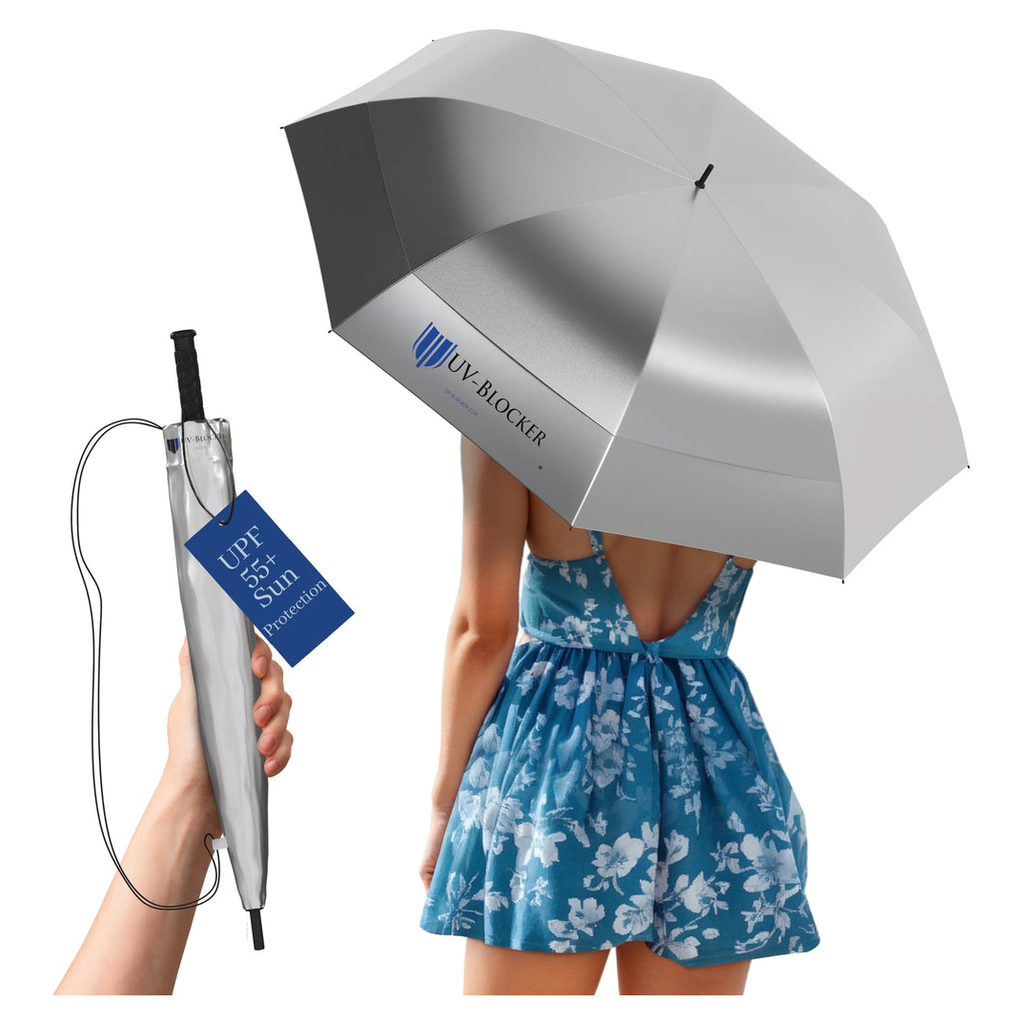
A UV umbrella shades the face, head, and neck. A sun hoodie covers the torso and arms but leaves the face exposed.
A standard UV umbrella casts about 12 square feet of overhead shade. That facial coverage matters. The Skin Cancer Foundation notes the vast majority of non-melanoma skin cancers hit the head and neck. Overhead shade stops direct ultraviolet radiation before it strikes those vulnerable zones.
You can see the exact math in this sun hat vs UV umbrella comparison. A sun hoodie handles the torso and arms. The hood shields the neck and parts of the head. This covers roughly 60 to 70 percent of total body surface area. The garment sits right on the skin. It physically blocks UV rays from hitting the chest, back, and arms. Long sleeves stop forearm burns during long days outside.
Look at where each method fails. Hoodies don't shade the face like an umbrella. They leave the nose, cheeks, and chin totally exposed to direct sunlight. But an umbrella won't protect forearms from ground-reflected UV radiation the way long sleeves will. Asphalt, sand, and water bounce heavy amounts of UV light upward into that shaded area. Understanding sun protection clothing clarifies these distinct jobs. Perfectly.

| Metric | UV Umbrella | Sun Hoodie | Advantage |
|---|---|---|---|
| Coverage area | ~12 sq ft overhead shade | ~60-70% body surface (torso + arms) | Depends on need |
| Face protection | Full face shade | None without separate mask/hat | Umbrella |
| UV blocking | 99% UVA/UVB (UPF 50+) | UPF 30-50+ (when new) | Umbrella |
| Hands-free | No (one hand occupied) | Yes | Hoodie |
| Heat management | 15F cooler underneath | Traps body heat | Umbrella |
| Durability of protection | Constant (no degradation) | Degrades with washing/stretching | Umbrella |
| Portability | Folds to 11-17 inches | Worn, no extra carry | Hoodie |
| Cost per year | $20-23/year (3+ year lifespan) | $40-120/year (1-2 year replacement) | Umbrella |
Those lab numbers tell one story. Reality after 20 washes tells another.
Does UPF Clothing Lose Protection Over Time?
Yes. Chemical UPF coatings disappear in roughly 20 wash cycles. And simple fabric stretching can drop a UPF 85 rating down to UPF 8.
Chemical UPF treatments don't last. Manufacturers spray many sun shirts with invisible chemical UV absorbers. Those protective coatings wash out entirely over approximately 20 wash cycles. MD Anderson data proves this rapid decline. Heavy sweating and harsh laundry detergents speed up the breakdown. A shirt bought for a summer trip often loses serious protective power before fall.
Stretching makes things worse. Dark biking shorts rated UPF 85 off the rack measured just UPF 8 when worn. They hit UPF 4 when wet. Fabric expands across the shoulders and back during active movement. That physical stretch pulls the woven threads apart. Widening gaps let direct UV radiation punch right through the garment and strike the skin. Moisture from sweat (or swimming) acts like a magnifying glass. Drawing even more light through the fabric.
Shade tools also fail to maintain consistent protection. And a PMC study (from October 2024) found only 27 percent of handheld umbrellas actually met their UPF claims. Regular rain umbrellas offer almost zero UV resistance. Because their thin nylon canopies let high levels of UVA radiation pass straight through to your skin.
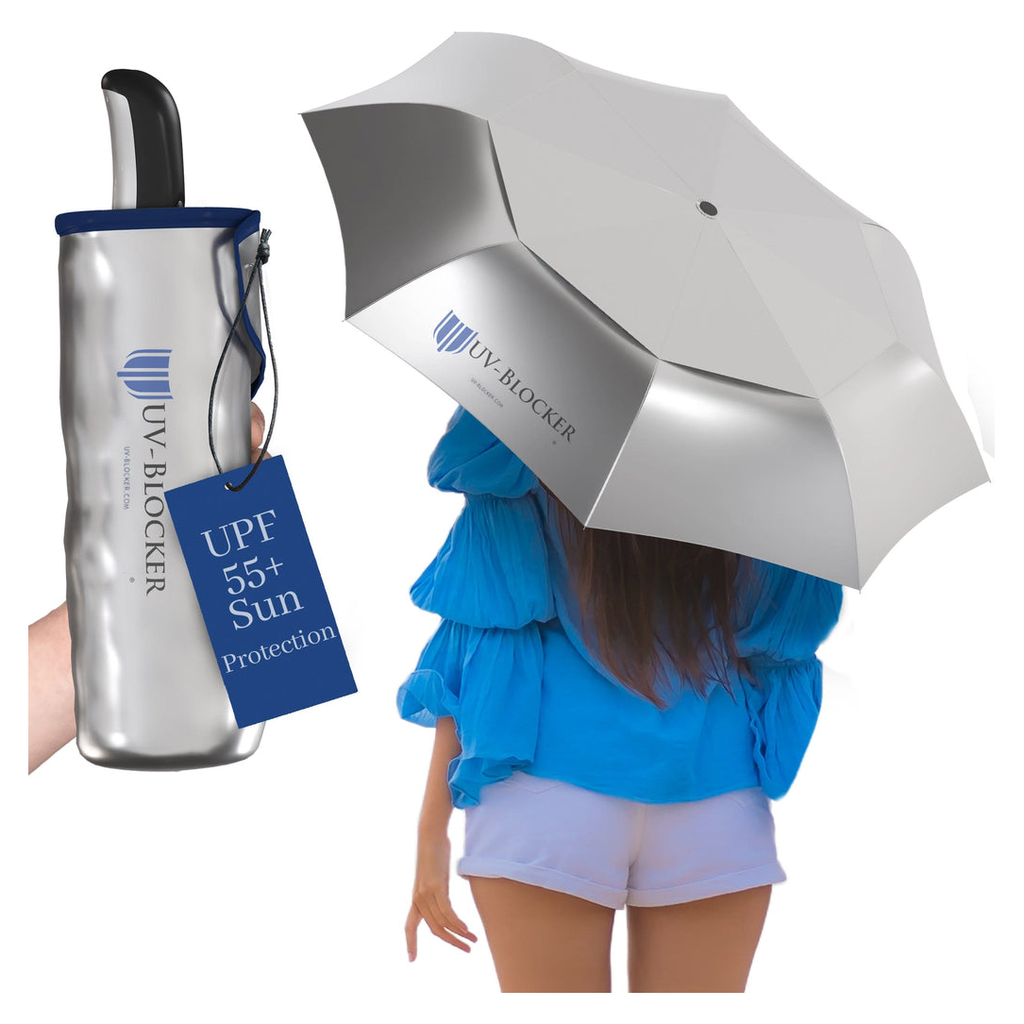
UV-Blocker umbrella fabric fixes this problem. The canopy never stretches across shoulders. You don't wash it in a machine with harsh detergents. The fabric holds a constant UPF 50+ rating verified by AATCC TM183-2020 testing. The Melanoma International Foundation approves this exact material for daily use. You can read the deeper science of fabric construction in this UV fabric guide.
Protection durability matters. But in 90F heat, you need to know if your sun protection actually makes you hotter.
Which Keeps You Cooler in Summer Heat?
UV umbrellas with reflective coatings cut the temperature underneath by up to 15 degrees Fahrenheit. Sun hoodies trap body heat. They increase sweating and offer zero cooling effect.
Radiant heat from the sun causes massive thermal stress. The UV-Blocker SolarTek silver reflective coating actively deflects that heat. Its metallic exterior bounces thermal energy away before it hits the canopy. Testing proves a 15-degree Fahrenheit temperature drop under direct sun. The brand's founder heard an uncle call it an "air-conditioned umbrella" years ago. That description fits the actual data. The umbrella builds a mobile microclimate of dense, cool shade.
Sun hoodies work differently. They slap a physical layer of insulation right over the body. This traps metabolic heat against the skin. When temperatures break 90F, that extra layer becomes a serious heat liability. Lightweight UPF fabrics try to stay breathable. They use moisture-wicking tech to pull sweat away from the skin. But they still build a heat barrier. Open shade doesn't do that. High humidity kills the evaporative cooling effect of sweat. That leaves the wearer stuck in a hot, damp garment.
No major sun hoodie brand publishes cooling data matching a 15-degree reduction. They can't beat the physics of open shade. Customer reviews constantly point out the difference between wearing fabric and walking under a canopy. One fisherman said using a UV umbrella felt "like walking into an air conditioned suite." Another user simply stopped dreading afternoon walks.
Temperature control dictates your outdoor time. Extreme heat causes exhaustion and ends a hike just as fast as a sunburn. The right method always depends on the specific activity.
Which Sun Protection Wins for Each Activity?
UV umbrellas win for walking, errands, the beach, and spectating. Sun hoodies win for cycling, hiking technical terrain, and sports requiring both hands.
Matching the tool to the task prevents sunburn. And holding an umbrella (while gripping mountain bike handlebars) just won't work. And wearing a tight sun shirt (to sit quietly at a baseball game) builds unnecessary heat. So the specific context dictates the best defense.

| Activity | Winner | Why |
|---|---|---|
| Walking / commuting | UV umbrella | One-hand portability, full face shade, no heat buildup |
| Hiking (open trail) | Tie | Umbrella works on open trails and is popular with thru-hikers; hoodie wins on technical terrain |
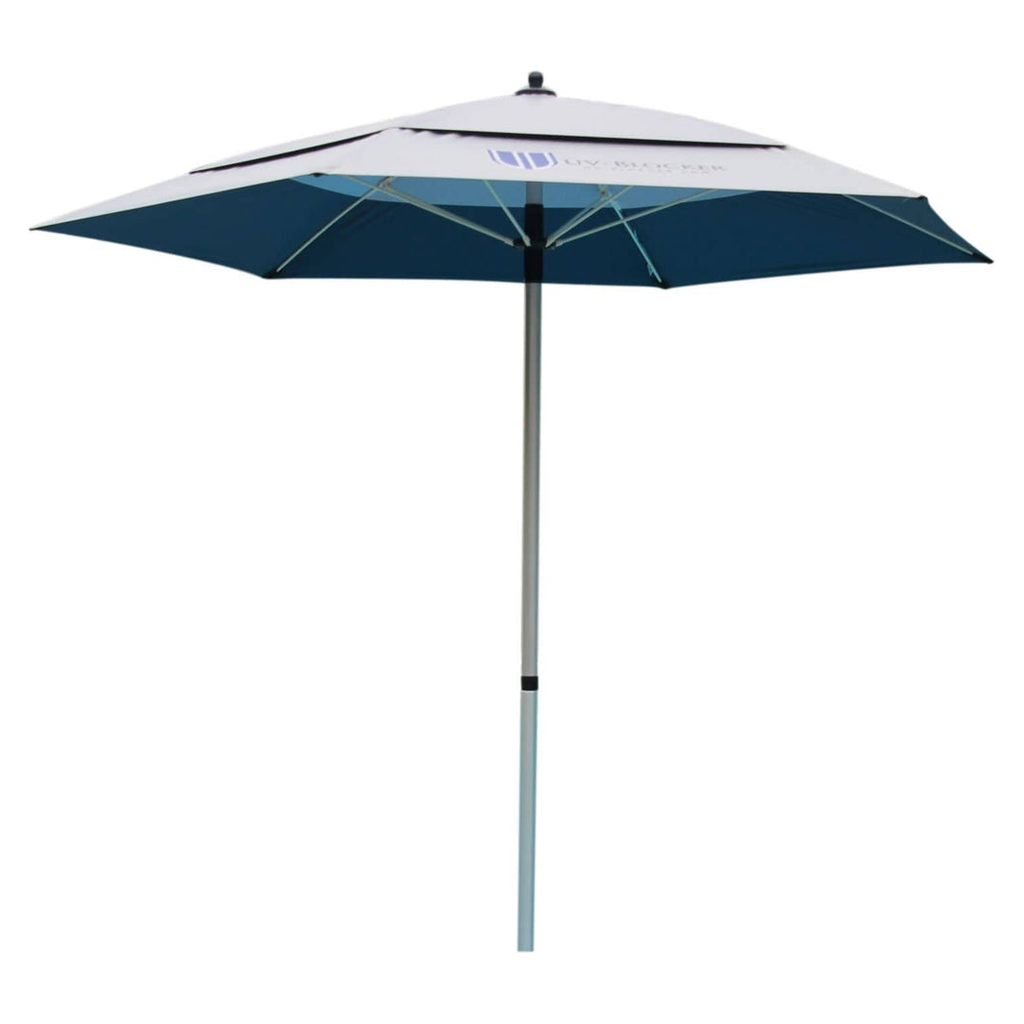
| Beach | UV umbrella | Shades entire upper body plus chair/towel area, no overheating |
| Cycling / running | Sun hoodie | Wind resistance, hands-free, full arm coverage required |
| Gardening | Both together | Umbrella on a stand plus long sleeves for arm protection |
| Spectator sports | UV umbrella | Seated shade covers multiple people, no heat buildup |
| Everyday errands | UV umbrella | No need to change clothes, instant protection |
| Fishing | UV umbrella | Overhead shade while seated, 15F cooling on the water |
Hiking presents a unique problem. Elevation bumps UV exposure by roughly 10 percent for every 1,000 meters gained. Ultralight UV umbrellas weighing under one pound are gaining massive traction with thru-hikers on the Pacific Crest Trail and Appalachian Trail. They dominate on exposed ridges where shade trees vanish. Sun hoodies easily take the win on technical terrain where you need both hands to scramble over rocks or push through heavy brush.
Commuting favors overhead shade. Asphalt radiates massive heat. A Compact UV Umbrella folds down to 11.5 inches. It slips easily into a briefcase or tote bag. You can deploy it instantly when leaving the office and collapse it before stepping onto a train. Frequent flyers and vacationers often pack a Travel UV Umbrella so they don't have to stuff multiple bulky sun shirts into a suitcase.
Beach environments demand targeted strategies. Sand and water reflect up to 80 percent of UV rays upward. A large umbrella casts a massive zone of primary shade. A hoodie offers protection while swimming. But it becomes stifling while sitting on the sand.
The activity matrix shows where each method excels. The financial math reveals which option delivers more value over time.
How Does the Cost-Per-Year Compare?
A UV-Blocker umbrella costs $59 to $70 and lasts three or more years. Quality UPF hoodies cost $60 to $120 and need replacement every one to two years.
The protection degrades through washing and wear, driving up the annual cost significantly.
The true cost of sun protection shows up over several seasons. Pricing for a UV-Blocker umbrella starts at $59.95 (for compact models). And scales up to $69.95 for large folding versions. The fiberglass ribs resist wind damage. And the reflective canopy repels water (and prevents rot). These tools last three or more years with decent care. That breaks down to roughly $20 to $23 per year for verified UPF 50+ protection.
Premium sun hoodies from companies like Coolibar, Patagonia Capilene, and Columbia range from $60 to $120. Chemical UPF coatings degrade through basic washing (and wear). So these garments require replacement every one to two years. The fabric inevitably pills. The stitching weakens. And that drives the annual cost up to $40 to $120.
Budget UPF clothing (priced around $20 to $40) loses protection even faster. Because cheap shirts often skip third-party testing entirely. Buyers grab them assuming they offer UPF 50. But the actual protection level remains a mystery. And buying a new budget shirt twice a year quickly wipes out any initial savings.
| Item | Purchase Price | Lifespan | Annual Cost | 5-Year Total |
|---|---|---|---|---|
| UV-Blocker Compact Umbrella | $59.95 | 3+ years | ~$20 | ~$60 |
| UV-Blocker Travel Umbrella | $59.95 | 3+ years | ~$20 | ~$60 |
| Premium UPF Hoodie | $80-$120 | 1-2 years | $60-$120 | $300-$600 |
| Budget UPF Hoodie | $25-$40 | 6-12 months | $40-$80 | $200-$400 |
The financial data points to a specific strategy for maximum protection at minimum cost.
UV Umbrella vs Sun Hoodie: The Smart Answer Is Both
The smartest approach layers a UV umbrella as the primary shade source. Add UPF clothing for hands-free activities. Then apply mineral sunscreen on any remaining exposed skin.
A three-layer system provides the strongest defense against UV radiation. Layer one uses a UV umbrella for primary shade. This delivers constant UPF 50+ and massive cooling. Layer two adds UPF clothing as a hands-free backup for the arms and torso. Layer three applies mineral sunscreen to the face, hands, and ears for when you step out from under the canopy.
Certain groups must prioritize the umbrella first. Melanoma survivors, lupus patients, and people taking photosensitizing medications need absolute defense. Anyone who overheats easily benefits most from constant, non-degrading shade. The Lupus Foundation recommends physical barriers as the absolute first line of defense against UV-triggered flares. UV-Blocker products carry Melanoma International Foundation approval. They are dermatologist recommended for these exact reasons.
Cyclists, trail runners, and rock climbers need the sun hoodie first. They require both hands. They need full arm coverage. Their forward momentum generates enough breeze to offset some of that trapped body heat.
To select the right primary shade model, read this UV umbrella buying guide. It covers every size and feature. If you're looking at hats alongside umbrellas, review the sun hat vs UV umbrella comparison for the exact coverage numbers.
Frequently Asked Questions About UV Umbrellas and Sun Hoodies
Here are the most common questions buyers ask when choosing between UV umbrellas and UPF sun hoodies.
Does UPF clothing lose effectiveness over time?
Yes. Chemical UPF coatings wash out in roughly 20 cycles. Simple stretching can drop a UPF 85 fabric down to UPF 8 during actual wear. Tightly woven, dark-colored fabrics retain UPF longer than chemically treated light fabrics. But all fabric-based UPF degrades faster than a rigid umbrella canopy. An umbrella isn't worn, washed, or stretched.
Do UV umbrellas work in wind?
Quality UV umbrellas with vented canopies handle moderate wind easily. UV-Blocker umbrellas use a patented vented mesh system. It lets wind pass right through to prevent inversion. In sustained high winds above 25 mph, a hoodie provides more reliable coverage. But for normal outdoor conditions, a vented UV umbrella performs beautifully.
Can a regular umbrella provide sun protection?
Regular rain umbrellas block a small amount of UV. But they aren't tested or rated for actual sun protection. A PMC study found only 27% of handheld umbrellas met their UPF claims. For verified protection, choose an umbrella specifically built for UV blocking with third-party certification. Look for Melanoma International Foundation approval.
Which is better for sensitive skin conditions like lupus?
A UV umbrella provides the most reliable defense for photosensitive conditions. The UPF rating never degrades. It shades the face without trapping dangerous body heat. Many lupus patients combine a UV umbrella with lightweight UPF sleeves. The Lupus Foundation points to physical barriers as the very first line of defense against UV-triggered flares.
Is a UV umbrella or sun hoodie better for hiking?
Sun hoodies take the win for technical trails requiring both hands and brush clearance. UV umbrellas work perfectly on open trails. They are incredibly popular with long-distance thru-hikers. On the Pacific Crest Trail and Appalachian Trail, ultralight sun umbrellas under 1 pound are now standard gear for exposed ridge sections.
Conclusion
Lead with a UV umbrella for constant shade and cooling. Add a sun hoodie for hands-free activities. Layer mineral sunscreen on exposed skin.
- UV umbrellas provide constant UPF 50+ protection combined with a 15F cooling effect.
- Sun hoodies cover more body area overall. But they lose protection with washing. And trap body heat.
- So the specific activity dictates the winner. An umbrella dominates stationary events (and walking). While a hoodie handles hands-free sports.
- The absolute best defense layers both methods. Alongside mineral sunscreen.
Evaluate which outdoor activities take up most of your sun exposure time. If you spend hours cycling (or trail running), buy a quality UPF hoodie first. But if walking, running errands, or spectating fills the schedule, grab a UV-Blocker umbrella. To secure permanent, verified shade.