

Here's a number that doesn't get enough attention: 50 million American households go camping every year, and sunburn rates at campsites rival what happens at the beach. The reason? Campers aren't out for four hours. They're outside eight to 14 hours a day, sometimes for a full week. Add altitude, water reflecting UV back up from below, and the fact that campsites don't come with roofs, and it's clear why a single tube of SPF 30 won't cut it.
Ron Walker, the founder of UV-Blocker, learned this the hard way after a melanoma diagnosis. That experience drove him to build UPF 50+ umbrellas for people who actually spend time outdoors. What follows is a breakdown of campsite selection, portable shade setups, personal gear, kid-specific safety, and sunscreen choices that won't wreck the lake.
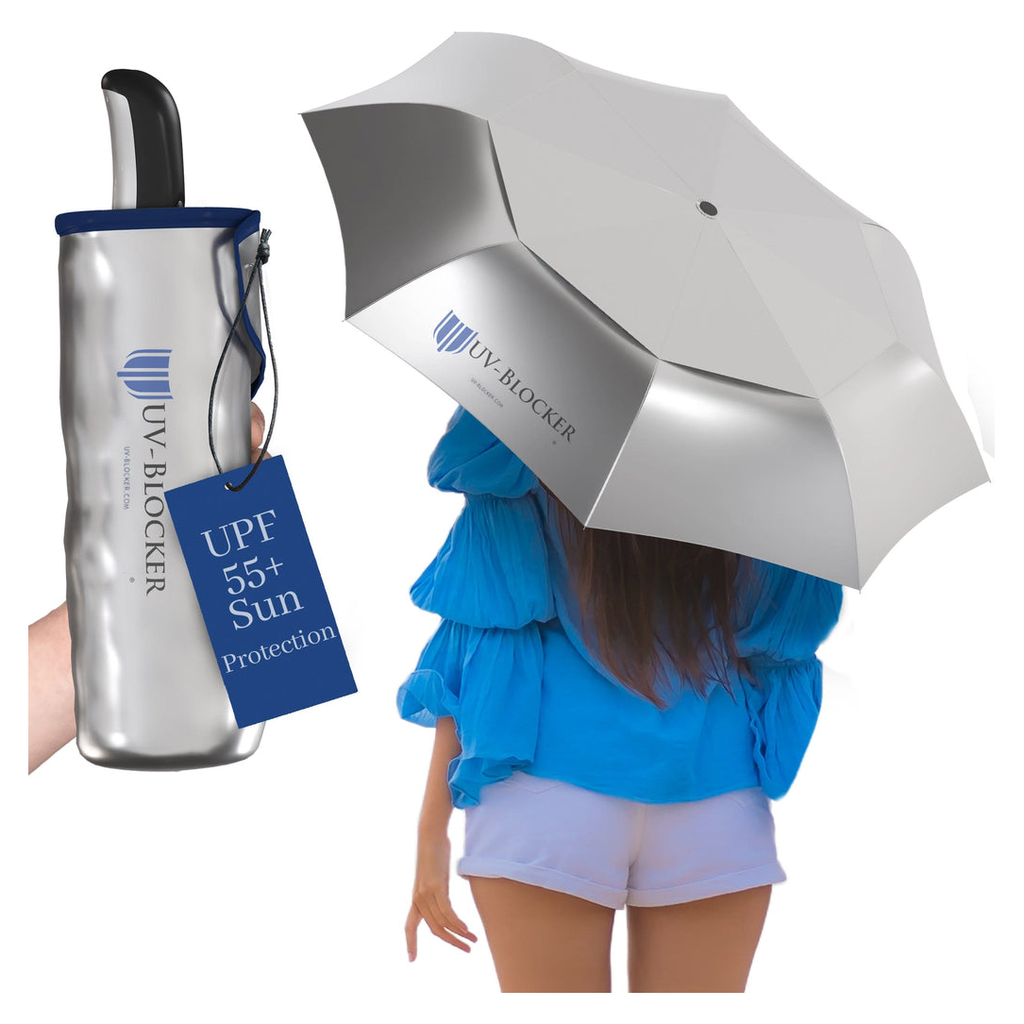
PACKING CHECKLIST: * Broad-spectrum SPF 30+ sunscreen (reef-safe for waterside camping) * UPF 50+ long-sleeve shirt and pants * Wide-brim hat (3+ inch brim) * UV-blocking sunglasses (UV400) * Large UV umbrella for campsite shade * Compact UV umbrella for hikes and activities * Lip balm with SPF 30+ * After-sun aloe vera gel
Why Is Camping a Hidden UV Trap?
Camping stacks UV risk factors that don't normally overlap: multi-day duration, altitude, reflected light off water, and no permanent shade anywhere in sight.

Compare it to a beach day. Four to six hours, then back inside. Camping? That's 14 hours outdoors, day after day. Skin doesn't get a break. And if the campsite sits at elevation, the math gets worse fast. UV radiation climbs roughly 4 percent for every 1,000 feet gained. At 8,000 feet (think Colorado mountain camps), that's 32 percent more UV than sea level. Less atmosphere overhead means less natural UV filtering, and your skin pays the difference.
| Elevation | UV Increase vs Sea Level | Common Camping Areas |
|---|---|---|
| 2,000 ft | +8% | Appalachian foothills |
| 4,000 ft | +16% | Blue Ridge, Ozarks |
| 6,000 ft | +24% | Rocky Mountain camps |
| 8,000 ft | +32% | Alpine meadow sites |
| 10,000 ft | +40% | High-altitude backcountry |
Then there's reflection. Water bounces back up to 100 percent of UV. Snow? Up to 80 percent. Sand sits around 15 to 25 percent, and even grass reflects 1 to 3 percent. So UV hits from above and below simultaneously.
And don't count on trees to save you. Scattered canopy blocks only 10 to 30 percent of UV, depending on species and leaf density. Even a thick forest lets about half the ultraviolet through. That remaining 50 percent? Still enough to cause a serious burn over a multi-day trip. So before pitching a tent, it helps to think about where exactly to set up camp.
How Do You Choose a Campsite for Natural Shade?
Pick east-facing sites with mature deciduous trees. Watch the shadows move before committing to a spot. Seriously, this one habit changes everything.
So why east-facing specifically? Breakfast, lunch, and most hangout time fall right inside the 10 a.m. to 4 p.m. UV danger window, and an east-facing setup keeps that cooking area shaded during those hours. Then afternoon sun hits the site directly and dries out wet gear before dark. It's a practical tradeoff that most campers never think about.
What kind of trees matter, though? Go for broad-leaf species (oak, maple) over conifers. Pine needles leave gaps that UV slips right through. Broad leaves create a real barrier against overhead rays.
One tricky tradeoff: lakeside and riverside sites look fantastic, but water reflects UV back up from below. That scenic spot by the shore means getting hit from two directions.
Here's a useful trick. Arrive by 2 p.m. and watch the shadows. They shift about 15 degrees per hour, so an hour of observation shows how the light will track across the campsite for the rest of the day. Even so, the best natural shade usually isn't enough for cooking areas and communal gathering spots.
What Are the Best Shade Solutions for Your Campsite?
For most campers, the winning combo is a large UV umbrella over the cooking and eating area plus a tarp rigged for broader coverage.

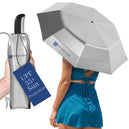
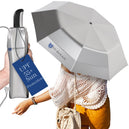
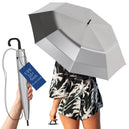
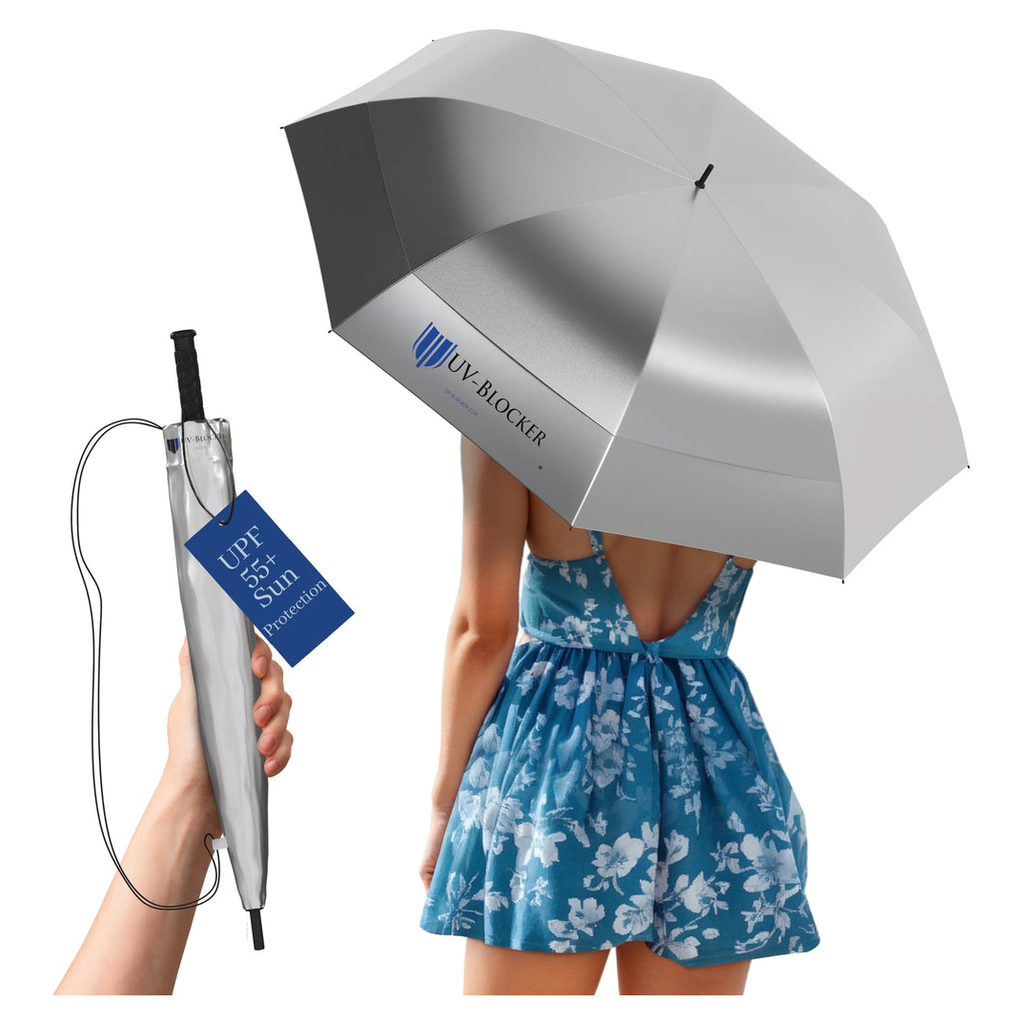
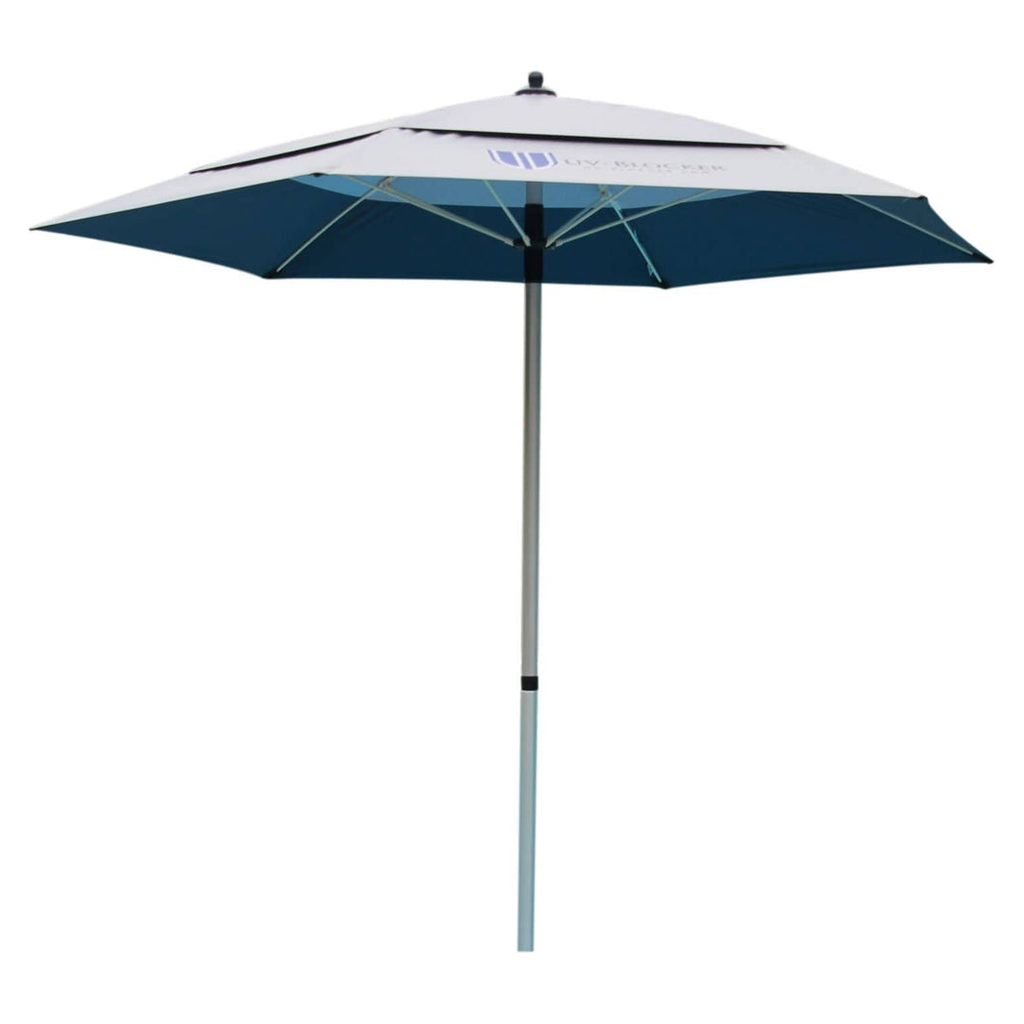
A UPF 50+ umbrella anchored next to the camp table gives you instant shade with zero setup time. UV-Blocker's large model works well here. Its Solarteck silver reflective coating drops the temperature underneath by about 15 degrees, and the vented mesh design handles wind (it's AATCC TM183-2020 tested for UV blocking). For tips on securing it in soft ground, check out the guide on how to anchor your umbrella like a pro, or see the best windproof UV umbrella picks for gusty conditions.
Tarps fill in the gaps. An A-frame, lean-to, or diamond rig between trees takes 10-15 minutes with paracord and covers a larger footprint than any umbrella can.
Pop-up canopies? Quick to set up, sure. But they're heavy, bulky, and here's the kicker: most don't carry any UPF rating at all.
| Shade Solution | Setup Time | UV Protection | Portability | Best For |
|---|---|---|---|---|
| UV Umbrella (large) | Instant | UPF 50+ (99% UV block) | Light, packable | Cooking/eating area |
| Tarp + Paracord | 10-15 min | Varies by material | Medium (light but needs anchors) | Extended ground coverage |
| Pop-Up Canopy | 5-10 min | Often unrated | Heavy, bulky | Car camping only |
| Hammock Rain Fly | 5 min | Varies | Light | Single-person shade |
Overhead shade covers the campsite. But what about the tent itself? Does it actually block the sun?
Can You Get Sunburned Through a Tent?
Yes, standard nylon tents block only 50-80% of UV radiation, and tent fabric loses up to 50% of its UV-blocking ability after just two weeks of direct sun exposure.
Here's why. Standard camping tents use uncoated nylon or polyester, and those fabrics only rate UPF 15 to 30. A UPF 15 tent lets one-fifteenth of incoming UV straight through. That's roughly 6 to 7 percent of rays reaching skin inside (nowhere close to the UPF 50+ needed for real protection).
It gets worse with age. UV breaks down nylon fibers over time. Two weeks of direct sun can cut a tent's UV-blocking ability in half, and the side facing the sun degrades fastest. A five-year-old tent that's been stored in sun between trips? Basically transparent to UV.
Some companies sell UPF-rated tents, but they're expensive and hard to find. The easier fix: pitch under tree shade or drape a reflective tarp over the rain fly.
And for anyone who likes a midday nap in the tent, do it in the shade. A sun-blasted tent at noon isn't protecting much. Once the campsite shade is handled, personal protection becomes the next priority.
Camping Sun Protection Gear and Sunscreen Schedule
Layer UPF 50+ clothing as the primary defense, apply SPF 30+ sunscreen every two hours on exposed skin, and carry a compact UV umbrella for daytime activities.
UPF 50+ clothing blocks 98 percent of UV, and it doesn't wear off like sunscreen does. That makes it the single most effective piece of camping sun protection gear to pack. Look for lightweight moisture-wicking fabrics (nobody wants to sweat through a cotton long-sleeve at noon in July). But even a basic long-sleeve shirt and pants cover far more skin than the typical shorts-and-tee camping outfit.
For exposed skin, here's the sunscreen schedule that actually works: apply 15 minutes before heading out. Reapply every two hours. After swimming or sweating hard, reapply right away. The biggest mistake? Under-applying. One full ounce (roughly a shot glass) covers one adult body. SPF 30 blocks 97 percent of UVB, SPF 50 gets 98 percent.
Don't skip the hat either. A 3-inch brim protects the face, ears, and back of the neck, three spots that catch the most overhead radiation.
Activity-Specific Protection
Daytime hikes require a physical barrier for open trail sections. Pack a compact UV umbrella for travel. Compare the 7 best hiking umbrellas to find the right weight for your pack.
Fishing at camp exposes anglers to extreme reflection. Water reflects up to 100 percent of UV rays. The fishing UV protection guide covers why overhead shade matters on the water.
Swimming strips away standard sunblock. Use water-resistant SPF 50+. Reapply the moment after exiting the water and toweling off.
Children require extra precautions, especially for extended multi-day camping trips.
How Do You Protect Children from the Sun While Camping?
Use shade-first strategies for babies under six months, mineral sunscreen for children under six, UPF 50+ swimwear, and a dedicated UV umbrella for the play area.
Babies under six months cannot wear any sunscreen. The American Academy of Pediatrics advises against it. Shade is the only safe option. Keep infants under natural canopy or use UV umbrellas for kids to ensure constant coverage.
Children under six need mineral or physical sunscreen. Look for active ingredients like zinc oxide or titanium dioxide. Avoid chemical sunscreens for young children. Mineral options sit on top of the skin and start working right away. They are gentler on developing skin.
Equip older children with UPF 50+ swimwear. Rash guards and long-sleeve swim shirts provide consistent protection. This reduces the sunscreen-reapplication burden on parents.
Teach kids the shadow rule. If a shadow is shorter than the person casting it, UV is at its strongest. Make it a fun game to check shadow lengths throughout the afternoon. For families camping near water, eco-friendly sun protection adds another consideration.
Eco-Friendly Sun Protection Near Water
Between 4,000 and 6,000 tons of sunscreen wash into waterways every year. That stat usually comes up in conversations about coral reefs, but freshwater lakes and rivers get hit too. Chemical sunscreen ingredients (oxybenzone, octinoxate) don't stay on skin when campers jump in the water.
Mineral-based formulas with zinc oxide or titanium dioxide are safer for freshwater ecosystems. But the truly zero-impact option? Physical barriers. UPF clothing and UV umbrellas don't put anything in the water at all.
UV-Blocker takes the eco angle further with RPET fabric made from recycled plastic bottles. Shade that protects skin and doesn't contaminate the lake.
Frequently Asked Questions About Camping Sun Protection
These are the most common questions campers ask about sun safety and UV protection during camping trips.
How do you protect yourself from the sun while camping?
Think in layers. Start with a shaded campsite and a UV umbrella at the cooking area. Then add UPF 50+ clothing on your body and SPF 30+ sunscreen every two hours on exposed skin.
Combine all five layers for multi-day trips. No single method is sufficient for eight to 14 hours of daily outdoor exposure.
Can you get sunburned through a tent?
Yes, standard nylon tents block only 50-80% of UV, and fabric degrades with sun exposure over time, reducing protection further.
Pitch tents under tree shade when possible. A UV-blocking tarp draped over the rain fly adds extra overhead protection.
What SPF should you use for camping?
SPF 30 minimum for camping, which blocks 97% of UVB rays. SPF 50 provides marginally more protection at 98% and is worth choosing for extended exposure.
SPF only measures UVB protection. Choose broad-spectrum formulas to also block UVA rays. Reapply every two hours regardless of the SPF number on the bottle.
How often should you reapply sunscreen when camping?
Every two hours during daytime, and immediately after swimming, heavy sweating, or toweling off, regardless of the SPF rating on the bottle.
Set phone alarms as reminders. Most campers forget to reapply after eating lunch.
Is reef-safe sunscreen important for camping near lakes?
Yes, chemical sunscreen ingredients like oxybenzone and octinoxate harm freshwater ecosystems too, not just coral reefs in oceans.
Choose mineral sunscreens with zinc oxide or titanium dioxide. Better yet, use physical barriers like UPF clothing and UV umbrellas to reduce sunscreen dependence entirely.
Conclusion
- Camping isn't a four-hour beach day. Multi-day exposure, altitude, and water reflection stack UV risk in ways most people don't plan for.
- Campsite shade is the foundation. Pick shaded sites, then supplement with a UV umbrella at the cooking area and tarps where needed.
- UPF 50+ clothing is the single best personal defense. Pair it with SPF 30+ sunscreen reapplied every two hours.
- Kids under six months can't wear sunscreen at all. For them, shade is the only option.
- Physical UV barriers (umbrellas, UPF clothing) produce zero chemical runoff near lakes and rivers.
Before loading up the car, toss a UV umbrella and a fresh bottle of SPF 30+ onto the gear pile. Skin doesn't care whether the trip is to a national park or a backyard campground.
Check out UV-Blocker's full lineup in the UV protection umbrellas collection for camping, hiking, and outdoor shade.
Camping Sun Protection: Frequently Asked Questions
Does a standard nylon camping tent provide adequate UV protection during peak daylight hours?
Most standard nylon tents offer a surprisingly low UPF rating of around 5 to 7, which allows up to 20% of harmful UV radiation to penetrate the fabric. In contrast, UV-Blocker portable shelters utilize Solarteck® technology to achieve a UPF 50+ rating, effectively blocking 98% of both UVA and UVB rays. This high level of protection is crucial for campers, as the Melanoma International Foundation specifically recommends physical barriers with high UPF ratings to prevent cumulative skin damage.
How does camping at higher altitudes affect my risk of UV exposure and skin damage?
UV radiation intensity increases by approximately 10% to 12% for every 1,000 meters of elevation gain because the atmosphere is thinner and absorbs less radiation. To mitigate this increased risk, using a UV-Blocker umbrella or shade structure is essential as these are engineered to reflect intense rays that standard fabrics might absorb. This ensures that even in cooler mountain temperatures, your skin is protected from the 25-50% increase in UV intensity found at common alpine campsites.
Can I still suffer UV damage while sitting in the shade of a tree or a traditional tarp?
Yes, because indirect or reflected UV rays from surfaces like water, sand, or even light-colored dirt can account for up to 40% of your total exposure. UV-Blocker products feature a patented design and Solarteck® fabric that helps create a more comprehensive safety zone by blocking the majority of these scattered rays. This level of safety is why their products have earned the seal of approval from the Melanoma International Foundation for superior sun protection.
What is the benefit of using UPF 50+ rated gear instead of relying solely on SPF 50 sunscreen?
While SPF 50 sunscreen is effective, it requires reapplication every two hours and can be compromised by sweat, whereas UPF 50+ gear provides consistent, all-day physical protection. A UV-Blocker sun umbrella maintains a constant 98% UV rejection rate, significantly reducing the chemical load on your skin while ensuring no spots are missed. According to clinical standards, UPF 50+ is the highest possible rating for fabrics, meaning less than 1/50th of UV radiation can pass through the material.