
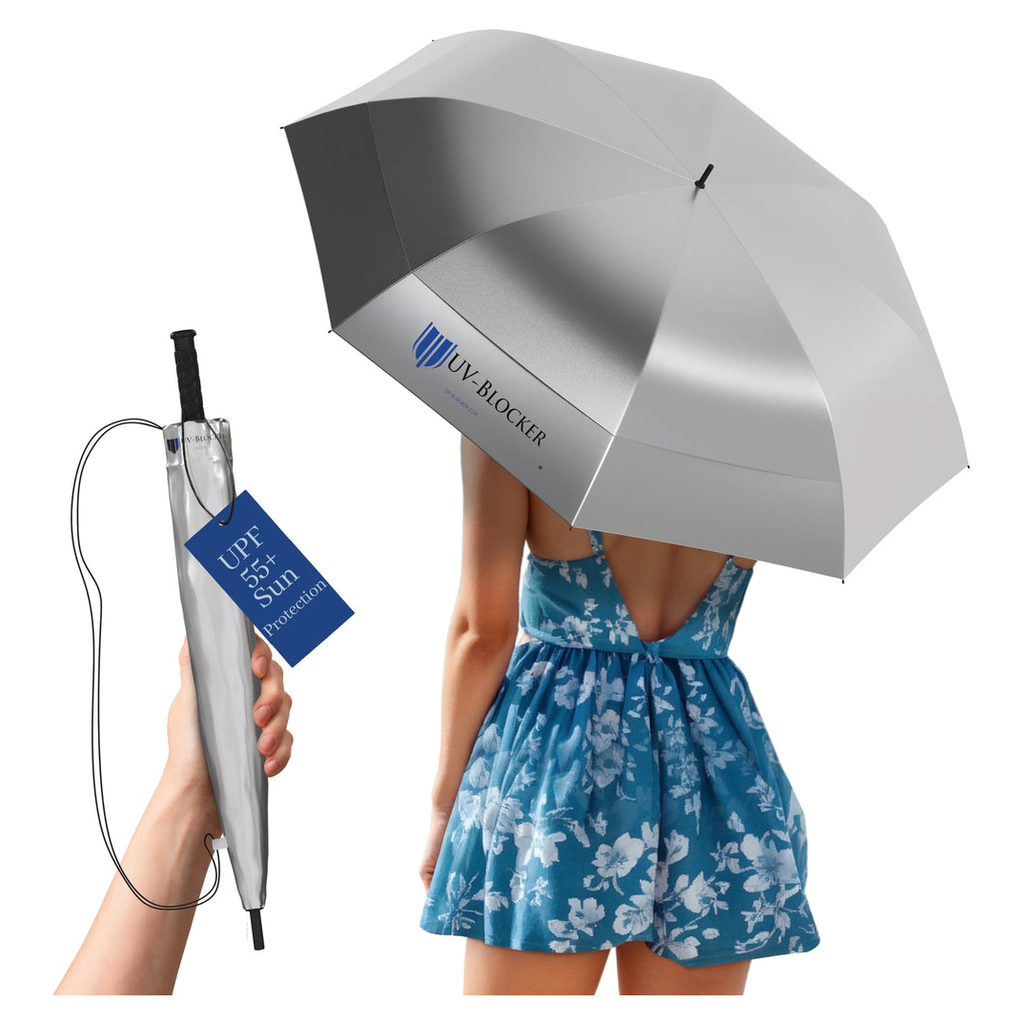
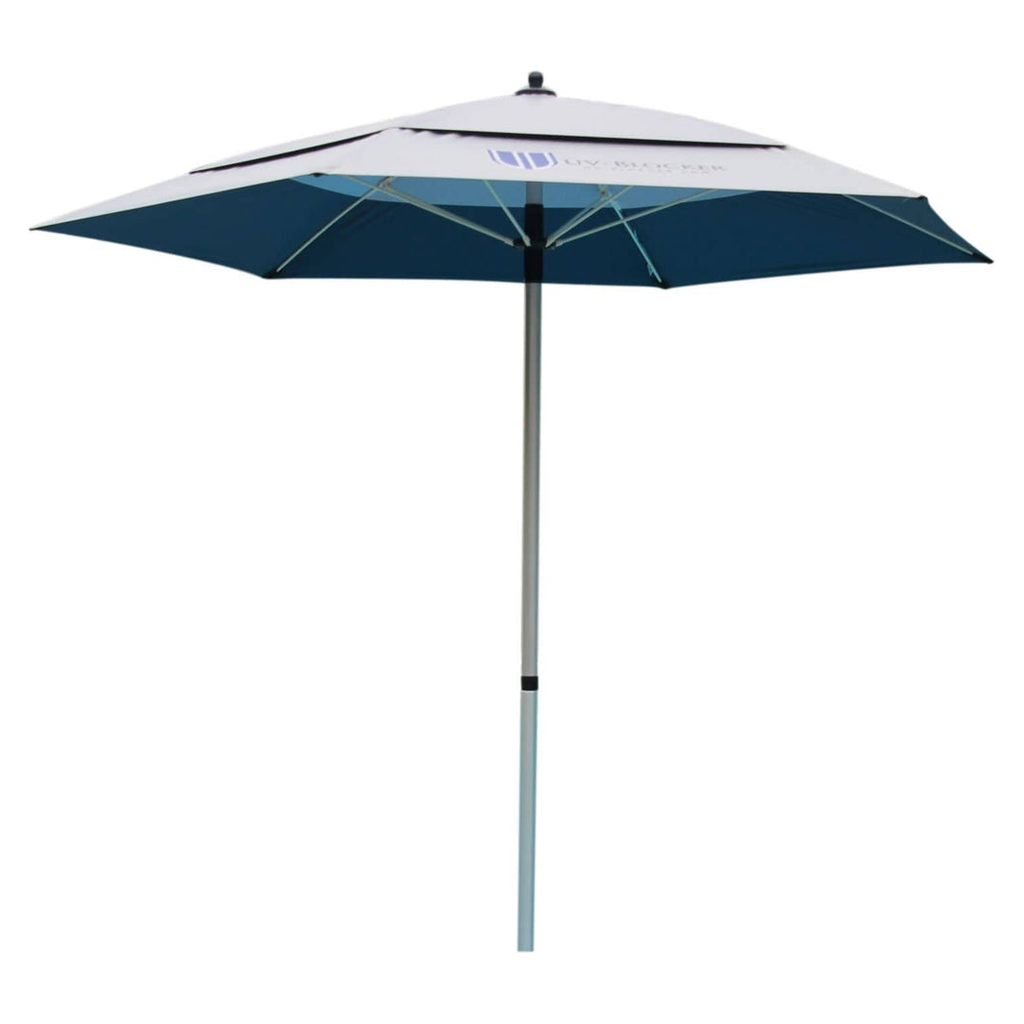

The Consumer Product Safety Commission (CPSC) logs roughly 3,000 emergency room visits annually from beach umbrella injuries, with wind involved in over half of these documented cases. The majority of these incidents occur because traditional ground-anchored umbrellas fail to hold securely in loose, shifting sand. When a gust catches the canopy, the umbrella can become a dangerous projectile. A chair-mounted umbrella eliminates this risk entirely by using the weight of the occupied chair as an anchor, providing a fundamentally safer and more reliable shade solution for outdoor enthusiasts.
Consumers often require shade for a diverse range of environments: beach loungers on soft dunes, aluminum stadium bleachers that can reach blistering temperatures of 130°F, wheelchairs that require hands-free operation for mobility, or folding camping chairs at youth sports tournaments. However, most shade products on the market target only one of these specific scenarios. This leads to a frustrating accumulation of single-purpose gear in the garage—one umbrella for the beach that effectively anchors in sand but cannot clip to a bleacher, and another for a stroller that does not fit the frame of a wheelchair or fishing chair.
This comprehensive guide covers the three primary chair umbrella systems available today, explains the valid UPF ratings that actually protect skin from damage, and details compatibility for every major chair type. It offers a framework for selecting consistent, high-quality protection without the safety risks associated with traditional ground stakes.
What Are the Different Types of Chair Umbrellas?
Chair umbrellas come in three types: clamp-on systems that attach to existing chairs, integrated chair-umbrella combos sold as a unit, and universal holder mounts that fit any standard umbrella.

Clamp-On Systems
These devices attach to the chair frame via a clamp mechanism, with the umbrella pole inserting into a receiver. Most models feature a flexible shaft or hinge that allows the canopy to rotate 360 degrees, enabling the user to adjust the angle of the shade as the sun moves across the sky. Examples include the AMMSUN XL or the ShadeUSA clamp. Prices typically range from $15 to $65.
While these systems are accessible and widely available at big-box retailers, many rely on plastic components that degrade rapidly in direct sunlight. Acrylonitrile butadiene styrene (ABS) plastic clamps often become brittle after a single season of UV exposure. This UV degradation leads to stress cracks and eventual mechanical failure, often occurring right when the shade is needed most on a hot day. Once the clamp snaps, the entire unit becomes useless.
Integrated Chair + Umbrella Combos
In this category, the chair includes a built-in holder or a permanently attached canopy. Products like the RIO Beach Total Sun Block are popular examples. While convenient because they require no assembly or matching of separate parts, they lock the user into a single chair design. If the chair fabric tears or the umbrella mechanism breaks, the entire unit may need replacement. Furthermore, these combos are rarely versatile; a beach chair combo cannot be taken into a stadium, and a camping chair combo is often too bulky for easy transport to a sideline.
Universal Holder/Mount Systems
These are heavy-duty brackets designed to hold any standard umbrella pole. They mount securely to chairs, railings, tables, and bleachers. The UV-Blocker Chair Umbrella Holder ($64.95) utilizes powder-coated marine-grade aluminum, allowing one high-quality mount to serve multiple scenarios. Because these holders accept standard umbrella poles, the user can upgrade or replace the umbrella portion without discarding the mounting hardware. This "buy once, use everywhere" approach offers significant long-term value and durability compared to disposable plastic alternatives.
| Feature | Clamp-On | Integrated Combo | Universal Holder |
|---|---|---|---|
| Price Range | $15-40 | $50-120 | $30-65 |
| Fits Multiple Chairs | Yes | No | Yes |
| Umbrella Replaceable | Sometimes | No | Yes |
| Material Quality | Plastic | Varies | Aluminum/composite |
| Wind Resistance | Low-moderate | Moderate | High |
| Best For | Budget beach use | Casual use | Multiple chair types |
What Is the Best Chair Umbrella for Beach Chairs?
The best beach chair umbrella uses a clamp-on or universal holder system attached to the frame, eliminating wind-blown risks causing ~3,000 ER visits annually.
Safety Through Physics
Safety is the primary argument for switching to chair-mounted systems. The CPSC reports approximately 3,000 emergency room visits per year resulting from beach umbrella injuries. Wind is a documented factor in 50.6% of these cases. Traditional umbrellas rely on a sand anchor—a screw or spike driven into the ground. In loose, dry sand, this connection is tenuous at best. A sudden gust can lift the canopy, pulling the anchor free and turning the pole into a spear.
Clamping the umbrella to the chair uses the occupant's body weight as an anchor. As long as someone is sitting in the chair, the total mass holding the umbrella in place often exceeds 150-200 pounds. This physical connection provides a level of security that sand anchors simply cannot match, especially in the dry, loose sand conditions common on dunes where spikes fail to find purchase. For more on safety, see the CPSC Beach Umbrella Safety page.
Compatibility and Fit
Compatibility is the second critical factor. Most beach chairs use round aluminum tubing with a diameter between 0.75 and 1.25 inches. Flat-jaw clamps must grip this range securely without slipping. Consumers should ensure clamps are rated for both round and flat rails, as some modern beach chairs use rectangular tubing for armrests. A clamp that cannot contour to the specific shape of the chair frame will slip under wind load, causing the umbrella to topple.
Protection from Reflected UV
Protection levels vary significantly between products. A study published in PMC noted that standard beach umbrellas can expose users to up to 84% of UV radiation due to sand reflection. Sand reflects approximately 15% of UV rays upward, meaning a canopy that only blocks direct overhead sunlight is insufficient. A UPF 50+ canopy is essential, as it blocks over 98% of UV radiation. When combined with the ability to angle the umbrella against the sun, this significantly reduces total UV exposure compared to a stationary overhead canopy. For more information on UV radiation, visit the Skin Cancer Foundation.
New Safety Standards
The new ASTM F3681-24 standard, introduced in 2024, requires beach umbrellas to withstand 75 lbs of force or 30 mph winds. This standard was developed in response to the high injury rates. Chair-mounted systems sidestep ground-anchoring failures entirely. Because the anchor is the chair itself, the system is not subject to the variable holding power of sand. For a versatile solution, the Chair Umbrella Holder offers secure attachment for various frames, effectively meeting the safety goals of the new standard through a different mechanical approach.
How Does a Chair Umbrella Work on Stadium Bleachers?
A chair umbrella clamps directly onto bleacher railings, providing shade in stadiums where aluminum surfaces can reach 130°F.
The Danger of Stadium Heat
Heat risk in stadiums is severe and often underestimated. An investigation by Inside Climate News found that stadium surfaces at Bryant-Denny Stadium reached a scorching 130.8°F during day games. Stadium bowls essentially function as heat traps, often running 10-16°F hotter than the ambient air temperature outside the venue. This creates a dangerous environment for spectators. Auburn University, for example, saw a fourfold increase in medical calls per game in 2024, largely attributed to heat-related distress among fans. Sitting on superheated aluminum bleachers without shade accelerates dehydration and heat exhaustion.
Bleacher Rail Compatibility
Bleacher rail compatibility requires a versatile clamp. Stadium rails vary significantly in design: some are round tubes (0.75"-1.5"), others are square rails (1"-2"), and some seats feature angled backs. A standard round-tube clamp will not secure effectively to a square bleacher rail. A clamp rated for flat/square rails up to 2.5 inches covers most configurations found in collegiate and professional stadiums. See the Stadium Umbrella Guide for a detailed breakdown of rail types.
Navigating Venue Policies
Venue policies usually allow personal umbrellas if they don't obstruct views. Large golf umbrellas are often prohibited because they block the sightlines of fans in rows behind. Compact 42-46 inch canopies typically fit within venue guidelines. These smaller footprints are less likely to draw the ire of security or fellow fans while still providing ample personal shade. It is always advisable to check the specific stadium's prohibited items list, but a personal chair umbrella attached to a bleacher seat is generally accepted as a medical necessity for sun safety. More on reliability can be found in Chair Umbrella for Bleachers.
Can a Chair Umbrella Fit a Wheelchair?
Yes, universal holders fit most wheelchair frames, providing hands-free shade for the 3.3 million Americans using wheelchairs.
Serving a Vulnerable Population
Approximately 3.3 million Americans use wheelchairs, and 12.2% of U.S. adults have mobility disabilities. This demographic faces elevated heat illness risk because many underlying conditions, such as spinal cord injuries or Multiple Sclerosis, can impair the body's ability to thermoregulate. For these individuals, shade is not just a comfort; it is a medical requirement.
Universal Frame Compatibility
Frame compatibility is straightforward but critical. Manual chairs typically use 0.75-1.25 inch round tubing for the frame structure. Power chairs often utilize wider frames or square tubing for battery mounts and armrests. Universal holders adjustable to 2.5 inches fit both distinct types. This adaptability ensures that a single product can transition from a manual chair to a power chair if the user's equipment changes. See the Wheelchair Umbrella Guide for specific mounting locations.
The Necessity of Hands-Free Operation
Hands-free operation is non-negotiable for manual wheelchair users who need both hands for propulsion. Even for power chair users, operating the joystick requires a free hand. "Holder" systems are superior to handheld umbrellas because they ensure continuous protection without occupying a hand. This independence is crucial for active users who cannot sacrifice mobility for comfort. A securely mounted chair umbrella allows the user to navigate ramps, crowds, and uneven terrain without the struggle of juggling a sunshade.
Best Chair Umbrella Solutions for Outdoor Events
Outdoor events like soccer, fishing, and concerts benefit from a portable clamp and UPF 50+ canopy.
Soccer and Youth Sports
For sports parents, shade is often absent at community fields. Spectators may spend 6 to 8 hours on a folding chair at a youth soccer tournament. If the first game is at 9 AM, by noon the temperature can easily exceed 95°F. A clamp-on umbrella with a 44"-58" canopy covers the spectator and their cooler bag, protecting snacks and hydration from baking in the sun. CDC data shows 119,605 heat-related ER visits in 2023, a 19% increase over the 2018-2022 average. Parents are a significant portion of this statistic, often prioritizing their children's hydration while neglecting their own exposure.
Fishing and Marine Use
Anglers benefit immensely from chair-mounted shade. Sitting on a bank or a pier chair exposes the angler to direct sun and reflection from the water. A UPF 50+ umbrella with a reflective silver coating can keep the area underneath up to 15°F cooler than the ambient air. This temperature difference can mean the difference between staying out on the water comfortably for hours longer versus retreating early due to heat exhaustion. The "air-conditioned" effect of a reflective canopy is particularly valuable in humid marine environments.
Concerts and Festivals
Concert safety has become a priority after recent heat incidents at major events, such as the Taylor Swift concert in Rio de Janeiro where extreme heat led to tragedy. Personal shade awareness has increased, with fans seeking ways to protect themselves during long wait times before sunset. Most camping chairs used at festivals feature round tubing that standard clamps fit. Matching the clamp diameter to the frame size is critical to ensure the setup survives a full day of festival use.
How Do You Choose the Right Chair Umbrella Clamp?
Choose the right chair umbrella clamp based on three key factors: rail compatibility, clamp material durability, and verified UPF rating.

Factor 1: Clamp Compatibility
The first step is to measure the rail diameter of the intended chair. Round tubing on beach and camping chairs is usually between 0.75 and 1.5 inches. Square rails on bleachers or pontoon boats range from 1 to 2.5 inches. A universal clamp rated to open up to 2.5 inches covers the vast majority of needs. Consumers should grab a tape measure and wrap it around the chair's arm tube to confirm the circumference, then divide by pi (3.14) to get the diameter, or simply eyeball it against a ruler.
Factor 2: Material and Corrosion Resistance
Material choice dictates longevity. Plastic (ABS) clamps degrade under UV radiation. The sun's rays break down the polymer chains, causing the plastic to yellow and eventually crack under tension. Marine-grade powder-coated aluminum offers superior corrosion resistance, making it ideal for saltwater environments. In coastal areas, salt spray will seize up standard steel bolts and crack plastic clamps within months. Investing in marine-grade materials is mandatory for beach use. Maintenance is also a factor; even aluminum benefits from a fresh water rinse after ocean exposure, but plastic clamps often trap salt in crevices that are impossible to clean, accelerating their degradation.
Factor 3: UPF Rating and Validation
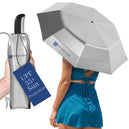
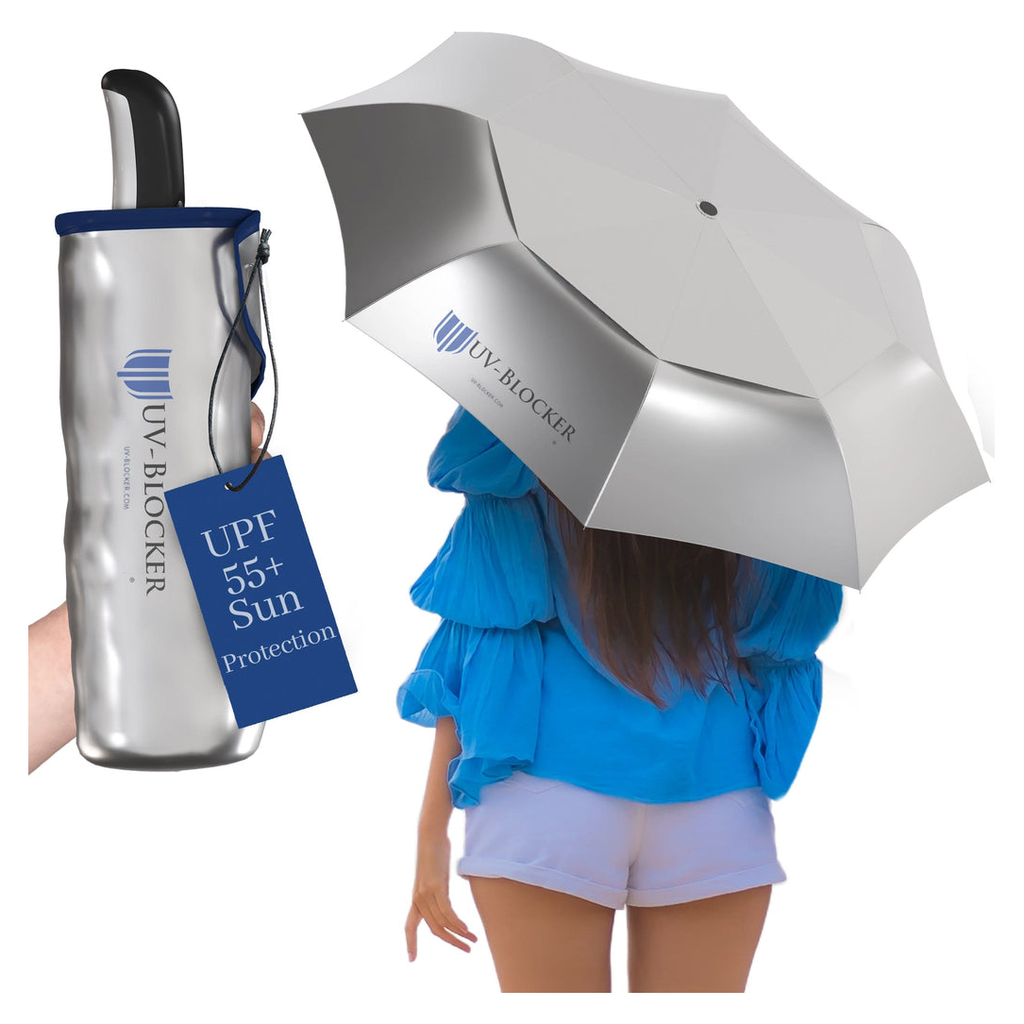
Only 16% of umbrella UPF claims are validated by independent testing. Consumers should look for AATCC TM183 testing on the product label. Standard nylon umbrellas block anywhere from 77% (white fabric) to 95% (black fabric) of UV rays. Dedicated UV umbrellas with special coatings block 99%+. This difference is significant over hours of exposure.
Factor 4: Wind Handling
Vented canopies allow wind to pass through the fabric rather than catching it like a sail. This significantly reduces the load on the clamp and the chair. Clamps should feature positive locking mechanisms, such as a thumbscrew that indents into a rubber shim, rather than relying solely on friction.
The UV-Blocker Chair Umbrella Holder ($64.95) features a marine-grade aluminum clamp fitting rails up to 2.5 inches, comes with a lifetime warranty, and fits beach chairs, bleachers, and wheelchairs.
Why Does a Purpose-Built Chair Umbrella Holder Beat DIY Alternatives?
Purpose-built chair umbrella holders use corrosion-resistant marine-grade hardware and engineered geometry that improvised DIY alternatives simply cannot match for safety.
The Failures of DIY
DIY methods fail predictably and often dangerously. Bungee cords lose tension as they stretch in the heat, causing the umbrella to flop over. Zip ties become brittle in the sun and crack. Duct tape melts into a sticky residue. Hardware store C-clamps are typically made of cheap steel that rusts quickly at the beach, staining the chair and seizing up so they cannot be removed.
Critical Safety Considerations
Wind safety is critical. A loose umbrella is a potential projectile. With 60.2% of beach umbrella injuries affecting the head and neck, secure attachment is vital. Purpose-built holders use thumbscrew locks designed to resist these forces. Relying on a jury-rigged solution puts not only the user but everyone nearby at risk of injury from a flying umbrella.
Long-Term Cost Analysis
Cost analysis favors proper systems. A $65 holder with a lifetime warranty is cheaper than replacing $15 plastic clamps annually for five years. The cumulative cost of disposable gear, combined with the risk of umbrella failure at a critical moment, makes the investment in a proper mount the logical financial decision.
Frequently Asked Questions About Chair Umbrellas
Q1: Will a chair umbrella fit my specific chair? Most fit round or flat tubing between 0.75 and 2.5 inches. Measure your chair arm's diameter. This range covers beach chairs, bleachers, wheelchairs, and camping chairs.
Additional context: Beach chairs, bleacher seats, wheelchairs, and camping chairs all fall within this range. If your chair has unusually thick or thin rails, check the clamp's stated compatibility range to ensure a secure fit.
Q2: Can I use any umbrella with a chair umbrella holder? Universal holders accept standard poles, but UPF 50+ umbrellas maximize protection. Standard rain umbrellas block only 77-95% of UV; dedicated UV umbrellas block 99%+.
Additional context: Standard rain umbrellas block only 77-95% of UV depending on color. A dedicated UV umbrella blocks 99%+, offering superior protection for prolonged exposure.
Q3: How do I keep a chair umbrella from falling over in wind? Angle the canopy into the wind and tighten the clamp fully. Vented designs reduce wind load. Avoid use in winds above 15 mph.
Additional context: Vented canopy designs allow wind to pass through the double canopy instead of catching like a sail. Avoid fully extending the umbrella in winds above 15 mph to prevent mechanical stress.
Q4: Is a chair umbrella better than a beach tent? Chair umbrellas offer portable, personal shade. Tents provide stationary shared shade but require anchoring. Umbrellas are better for bleachers and mobility needs.
Additional context: Chair umbrellas are more practical for bleachers, wheelchairs, and events where tent setup isn't feasible. For extended beach stays with a group, a tent may provide more coverage area.
Q5: Are chair umbrella clamps safe for children's wheelchairs? Yes, adjustable holders fit pediatric frames. Verify the clamp range includes the tubing diameter.
Additional context: For detailed wheelchair mounting guidance, see the Wheelchair Umbrella Guide. Ensure the mount does not interfere with wheel operation.
Q6: How much does a good setup cost? Quality setups cost $80-130 total. Marine-grade aluminum lasts longer than budget plastic options.
Additional context: Budget clamp-on combos start around $25 but use plastic that degrades within one season. Investing in a marine-grade aluminum holder pays for itself in durability over time.
Conclusion
Chair umbrellas offer a safer, more versatile alternative to ground-anchored shade. Safety data supports chair-mounted systems to prevent wind failure.
Measure your chair's rail diameter (typically 0.75-2.5 inches) to ensure the right fit. Investing in a quality system is not just about comfort; it is a safety decision that protects against both acute injuries from wind-blown umbrellas and long-term health risks from UV exposure.
The Chair Umbrella Holder provides a modular solution for beach, bleacher, and wheelchair use. Explore the Umbrella Holders Collection for all options.
References
- CPSC Beach Umbrella Safety Alert (May 2024)
- Journal of Safety Research - Beach and Patio Umbrella Injuries (2021)
- PMC - Types of Shade Vary in Protection Like Sunscreens
- ASTM F3681-24 Standard
- Inside Climate News - Scorching Saturdays (Nov 2025)
- CDC - Disability Impacts All of Us
- CDC MMWR - Heat-Related ED Visits 2023
- NOAA Climate.gov - Keeping Fans Safe
- PMC - Evaluation of UV Protection Claims by Umbrella Brands (2024)
- JAMA Dermatology / Emory Study
The Best Chair Umbrella for Every Seat: Frequently Asked Questions
What level of protection should I look for in a chair umbrella to prevent skin damage?
A high-quality chair umbrella should have a UPF 50+ rating, which is the highest possible rating for fabric, blocking over 98% of harmful UVA and UVB rays. UV-Blocker products utilize Solarteck® technology to maintain this standard, which is critical for preventing long-term skin damage during extended outdoor activities. This level of protection is especially important for individuals with sensitive skin or those at higher risk for skin cancer.
Can a chair umbrella effectively reduce heat as well as UV radiation?
Yes, specialized umbrellas like those from UV-Blocker can reduce the temperature beneath the canopy by up to 15 degrees Fahrenheit. The Solarteck® fabric features a unique reflective coating that bounces heat away rather than absorbing it through the material. This thermal regulation is essential for comfort and safety when sitting on metal bleachers or in wheelchairs during high-heat periods.
Are there specific certifications I should look for when choosing a sun safety umbrella?
You should look for products that have been tested and approved by the Melanoma International Foundation for their efficacy in skin cancer prevention. UV-Blocker umbrellas carry this seal because their multi-layered design blocks 99% of UVA and UVB rays. This certification ensures that the product meets rigorous clinical standards for sun protection rather than just providing visual shade.
How does the design of a chair umbrella impact its effectiveness for wheelchair or bleacher use?
The effectiveness depends on a secure universal clamp that maintains the umbrella’s position to block both direct and reflected UV radiation. UV-Blocker chair umbrellas are designed with adjustable hinges to ensure the UPF 50+ canopy remains properly angled as the sun moves throughout the day. This versatility is vital for users in fixed seating, such as bleachers or wheelchairs, where moving the seat to stay in the shade is not an option.