Free Shipping on US Orders!
 Dermatologist Approved
 Designed for Maximum Sun Protection



With over 76 million lisinopril prescriptions filled in the United States in 2023, this medication stands as one of the most commonly prescribed in the country. At such a widespread scale, understanding its interaction with sun exposure becomes a critical public health concern. While dermatology references often list ACE inhibitors like lisinopril among drugs that can induce photosensitivity, the severity of these reactions can vary. Lisinopril is generally considered to have a milder phototoxic or photoallergic potential compared to some other medications in its class, such as captopril, but it still warrants careful attention.
However, the larger issue often lies in medication label confusion. Many patients believe they are taking lisinopril alone when, in fact, they are prescribed a combination pill that includes hydrochlorothiazide (HCTZ). These combination medications, such as Zestoretic or Prinzide, may list "lisinopril" prominently, obscuring the presence of HCTZ, which is a significantly stronger photosensitizer. This crucial distinction drastically alters a patient's UV risk profile.
For a comprehensive overview of the broader medication landscape and sun sensitivity, we recommend consulting our parent guide on medications that cause sun sensitivity. This in-depth guide is designed to clarify the actual photosensitivity mechanisms, present the most robust peer-reviewed data on skin cancer risk, and outline a daily protection protocol specifically tailored for individuals who manage their blood pressure with long-term medication use, not just for short-term courses.
Quick Reference Summary
The core takeaway is that while lisinopril alone can contribute to sun sensitivity, the predominant concern for severe reactions and increased skin cancer risk often stems from hydrochlorothiazide (HCTZ) when present in combination medications.
- **Lisinopril Alone:** Generally has a mild photoallergic potential, involving an immune-mediated response.
- **Lisinopril-HCTZ Combination:** HCTZ is a common and severe phototoxic trigger, causing direct skin cell damage.
- **Hidden HCTZ:** Brand names like Zestoretic and Prinzide contain HCTZ, which may not be immediately obvious from a casual glance at the prescription label. Always check the full drug name.
- **Chronic Use Amplifies Risk:** Unlike short-term medications, the cumulative UV exposure over years of daily lisinopril or lisinopril-HCTZ use significantly increases long-term risk for skin damage and cancer.
- **Strongest Evidence for HCTZ:** Research consistently points to HCTZ, particularly with long-term use, as a notable risk factor for squamous cell carcinoma (SCC) and basal cell carcinoma (BCC).
- **Physical Shade is Paramount:** The most reliable daily protection for chronic users is physical shade, as it doesn't require frequent reapplication and provides consistent, powerful UPF 50+ blocking.
- **Sunscreen as a Complement:** Sunscreen is vital but should be considered a secondary defense, applied liberally and frequently, supporting physical barriers.
Does Lisinopril Make You Sensitive to the Sun? Unpacking the Real Risk
While lisinopril, an angiotensin-converting enzyme (ACE) inhibitor, does possess a mild potential to cause photoallergic reactions, the more significant risk of severe sun sensitivity primarily originates from hydrochlorothiazide (HCTZ) when it's included in combination pills, which millions of patients routinely take. The ACE inhibitor class, generally, has a lower incidence of photosensitivity compared to other drug classes like diuretics or some antibiotics. DermNet NZ, a trusted dermatology resource, specifically highlights that lisinopril is typically less photosensitizing than its counterpart captopril, though caution is still advised.
The critical point for patients and healthcare providers alike is recognizing the composition of prescribed medications. Many prescriptions for "lisinopril" are, in fact, combination tablets. If your medication label reads lisinopril-hydrochlorothiazide, or carries brand names like Zestoretic or Prinzide, it contains HCTZ. In these instances, HCTZ is undeniably the primary photosensitizing agent. For a more detailed examination of HCTZ's specific risks and protection strategies, refer to our dedicated guide on hydrochlorothiazide sun sensitivity.
Understanding the distinction between reaction types is also crucial. **Phototoxicity** is a direct cellular injury that occurs when a drug absorbs UV radiation, generating reactive oxygen species that damage cell membranes and DNA. This reaction often manifests like an exaggerated, severe sunburn, is usually dose-dependent, and appears rapidly after exposure (within hours). **Photoallergy**, on the other hand, is an immune-mediated response. The drug or its metabolite acts as a hapten, binding to skin proteins and forming an antigen that triggers a delayed hypersensitivity reaction. This typically presents as an eczema-like rash, can appear 24-72 hours after exposure, and may spread beyond directly sun-exposed areas. A comprehensive clinical review on drug-induced photosensitivity categorizes HCTZ as a severe photosensitizer, outlining its distinct phototoxic and photoallergic pathways, with phototoxicity being the more common and severe HCTZ-induced reaction.

| Factor | Lisinopril Alone | Lisinopril-HCTZ (Combination) |
|---|---|---|
| Primary reaction type | Photoallergic, immune-mediated | Phototoxic, direct cellular damage |
| Frequency | Uncommon, lower incidence compared to other drug classes | Common, significant risk due to HCTZ |
| Severity | Mild to moderate rash, often delayed, limited to sun-exposed skin initially | Severe sunburn-like reaction, intense redness, blistering, peeling, pain |
| Onset | Typically 24-72 hours after UV exposure | Within hours (1-24 hours) after UV exposure |
| UV wavelength trigger | Predominantly UVA, though can involve UVB | Primarily UVA, but can be exacerbated by UVB |
| The photosensitizing agent | Lisinopril, generally mild interaction | Hydrochlorothiazide, potent sensitizer |
This table underscores the central message: while "lisinopril" appears on a prescription label, the inclusion of HCTZ dramatically shifts the risk profile. However, understanding the severity per individual exposure is just one piece of the puzzle. The long-term implications of chronic exposure are equally, if not more, significant.
Why Is Chronic UV Exposure the Real Danger for Lisinopril Patients?
Unlike short-course medications such as certain antibiotics, lisinopril and its combination forms (with HCTZ) are typically prescribed for chronic, long-term management of conditions like hypertension. This fundamental difference means that patients are exposed to these photosensitizing agents every day, year after year. The cumulative nature of UV exposure, compounded by the presence of a photosensitizing drug, creates a unique and elevated long-term risk profile that extends far beyond immediate sunburn or rash.
Consider the cumulative effect: even just thirty minutes of incidental sun exposure per day—a quick walk to the mailbox, gardening, or commuting—adds up dramatically over time. Over a decade, this equates to approximately 1,825 hours of potential UV exposure. Extend that to twenty years, and the figure doubles to 3,650 hours. This is vastly different from a 7- to 14-day course of doxycycline, where photosensitivity typically subsides shortly after treatment ends. Individuals on lisinopril or lisinopril-HCTZ live with this elevated sensitivity through every season, year after year, fundamentally altering their skin's vulnerability.
This reality holds particular significance for older adults, who constitute a large demographic of lisinopril patients (often in the 55- to 75-year range and beyond). This age group frequently engages in outdoor activities—morning garden walks, golf rounds, walking pets, or attending grandchildren's sporting events. These activities, while beneficial for overall health, inadvertently contribute to substantial cumulative UV exposure. For these individuals, the combination of photosensitizing medication and decades of accumulated sun damage from earlier life significantly increases their risk for accelerated photoaging (wrinkles, age spots, loss of elasticity), actinic keratoses (precancerous lesions), and various forms of skin cancer. The persistent presence of a photosensitizing drug means that each subsequent exposure contributes to a greater degree of damage than it would in a non-medicated individual, making consistent and effective sun protection not just advisable, but imperative for long-term health.
What Does the Research Say About Skin Cancer Risk with Lisinopril & HCTZ?
While lisinopril alone has a mild association with photosensitivity, the most compelling and consistent research regarding increased skin cancer risk centers on hydrochlorothiazide (HCTZ), particularly in long-term users. Numerous large-scale epidemiological studies have investigated the link between HCTZ and non-melanoma skin cancers (NMSC), namely squamous cell carcinoma (SCC) and basal cell carcinoma (BCC).
One landmark study, published in the Journal of the American Academy of Dermatology (JAAD) in 2018, analyzed data from over 71,000 cases of BCC and 8,600 cases of SCC in Denmark. This extensive research found a clear, dose-dependent association between HCTZ use and increased risk of both BCC and SCC. Specifically, high cumulative doses of HCTZ were associated with a 29% increased risk of BCC and a striking 7.3-fold increased risk of SCC. The researchers concluded that "HCTZ use is strongly associated with an increased risk of both BCC and SCC, and the observed patterns are in line with a causal association."
Further supporting these findings, a meta-analysis published in Frontiers in Oncology in 2022 reviewed multiple studies and reaffirmed the link between long-term HCTZ use and an elevated risk of NMSC. While the evidence for melanoma risk with HCTZ is less definitive or strong, the association with SCC and BCC, which are far more common, is significant.
For lisinopril alone, the evidence linking it directly to an increased risk of skin cancer is much weaker. Some studies have explored associations between ACE inhibitors and various cancers, but a clear, consistent, and dose-dependent relationship specifically with skin cancer, similar to that observed with HCTZ, has not been established. The photosensitivity caused by lisinopril is primarily photoallergic and less frequently leads to the direct, severe cellular damage implicated in carcinogenesis as seen with phototoxic reactions from HCTZ.
This means that patients on combination medications containing HCTZ face a substantially higher long-term risk of developing certain skin cancers due to the HCTZ component, especially with prolonged exposure to UV radiation. This scientific consensus underscores the critical importance of aggressive and consistent sun protection strategies for anyone taking HCTZ-containing drugs, whether alone or in combination with lisinopril.
How Do You Recognize Lisinopril Photosensitivity Symptoms?
Recognizing the symptoms of drug-induced photosensitivity, particularly from lisinopril or lisinopril-HCTZ combinations, is crucial for prompt action and preventing further damage. The presentation of symptoms can differ based on whether the reaction is primarily phototoxic (more common with HCTZ) or photoallergic (more common, though rare, with lisinopril alone).
Symptoms of Phototoxic Reactions (Common with HCTZ)
Phototoxic reactions are more akin to an exaggerated sunburn and typically occur within hours of sun exposure:
- Severe Redness (Erythema): Much more intense and widespread than a typical sunburn, often appearing in areas directly exposed to the sun (face, neck, arms, hands, lower legs).
- Blistering and Swelling: In more severe cases, painful blisters can form, similar to a second-degree burn. Significant swelling of the affected skin is also common.
- Pain and Tenderness: The affected areas will be exquisitely painful and tender to the touch.
- Peeling: As the reaction subsides, the skin will often peel extensively, similar to a severe sunburn.
- Hyperpigmentation: After healing, the affected skin may develop post-inflammatory hyperpigmentation, leaving darker patches that can persist for weeks or months.
- Onset: Typically appears within minutes to hours (usually 1-24 hours) after sun exposure.
Symptoms of Photoallergic Reactions (Possible with Lisinopril Alone)
Photoallergic reactions are immune-mediated and resemble allergic contact dermatitis. They often have a delayed onset:
- Itchy Rash: The hallmark symptom is an intensely itchy rash, often presenting as small, raised bumps (papules) or fluid-filled blisters (vesicles).
- Eczema-like Appearance: The rash may resemble eczema, with red, scaly, and sometimes oozing patches.
- Spreading Beyond Exposed Areas: While usually starting on sun-exposed skin, photoallergic rashes can sometimes spread to areas that were covered, indicating a systemic immune response.
- Onset: Delayed, typically appearing 24 to 72 hours after sun exposure, and sometimes even longer with initial exposure.
- Chronic Manifestation: With continued exposure, chronic photoallergic reactions can lead to thickened, leathery skin (lichenification).
What to Do if You Suspect Photosensitivity
If you experience any of these symptoms after sun exposure while taking lisinopril or lisinopril-HCTZ, it's essential to:
- Avoid Further Sun Exposure: Immediately seek shade and cover affected areas.
- Cool the Skin: Apply cool compresses or take a cool bath to soothe the skin.
- Do NOT Self-Treat Extensively: Avoid applying unprescribed creams or ointments without medical advice, as some can worsen reactions.
- Contact Your Doctor: Inform your prescribing physician and possibly a dermatologist. They can confirm if your medication is the cause, recommend appropriate treatment (e.g., topical corticosteroids, oral antihistamines), and discuss potential alternatives or enhanced protection strategies. Never stop taking your medication without consulting your doctor first.
Early recognition and intervention are key to managing photosensitivity and preventing severe complications, including long-term skin damage and increased skin cancer risk.
What Is the Best Sun Protection Protocol for Daily Medication Users?
For individuals taking lisinopril, especially those on combination pills with HCTZ, a comprehensive and proactive sun protection protocol is non-negotiable. Given the chronic nature of the medication and the cumulative risk, a multi-layered approach that prioritizes physical barriers is most effective. Ron Walker, a melanoma survivor and founder of UV-Blocker, champions this philosophy, understanding firsthand the critical importance of superior sun defense.
1. Prioritize Physical Shade: Your First Line of Defense
The most reliable method of sun protection is physical shade, as it offers consistent blocking power without the need for frequent reapplication or concern about missed spots. This is particularly crucial for extended outdoor activities.
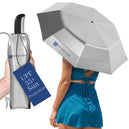
- UV-Blocker Umbrellas: Invest in a premium sun protection umbrella from UV-Blocker. Our umbrellas are engineered with patented Solarteck® technology, which blocks 99% of UVA and UVB rays, providing an exceptional UPF 50+ rating. This level of protection meets or exceeds the highest standards set by the Melanoma International Foundation (MIF), offering a robust, portable zone of shade wherever you go. Whether you're at the park, on a walk, or attending an outdoor event, a UV-Blocker umbrella is an indispensable tool for maintaining a safe, shaded environment.
- Natural & Built Shade: Seek out natural shade under trees or utilize built structures like awnings, pergolas, and covered patios. Plan your outdoor activities during times when shade is readily available.
2. Wear UPF 50+ Sun-Protective Apparel
Clothing provides a physical barrier between your skin and harmful UV rays. Not all fabrics are created equal in their protective capabilities.
- Certified UPF Clothing: Opt for clothing labeled with an Ultraviolet Protection Factor (UPF) of 50+. This indicates that the fabric blocks 98% of UV radiation. Look for long-sleeved shirts, long pants, and wide-brimmed hats (at least a 3-inch brim) made from tightly woven fabrics.
- Eyewear: Protect your eyes and the delicate skin around them with sunglasses that block 99-100% of UVA and UVB rays. Look for labels like "UV400" or "100% UV protection."
3. Master Sunscreen Application
While physical barriers are primary, sunscreen is a vital complementary tool for areas that cannot be easily covered, such as the face, neck, and back of the hands.
- Broad-Spectrum & High SPF: Choose a broad-spectrum sunscreen with an SPF of 30 or higher. "Broad-spectrum" means it protects against both UVA (aging rays) and UVB (burning rays).
- Water-Resistant: If you'll be sweating or near water, opt for a water-resistant formula.
- Generous Application: Apply a liberal amount—about a shot glass full for your entire body—at least 15-30 minutes before sun exposure.
- Frequent Reapplication: Reapply every two hours, or more often if swimming, sweating heavily, or towel drying. Sunscreen's effectiveness diminishes over time and with activity.
- Mineral vs. Chemical: Consider mineral sunscreens (containing zinc oxide and titanium dioxide) as they create a physical barrier on the skin's surface and are often preferred for sensitive skin.
4. Time Your Outdoor Activities Wisely
The intensity of UV radiation peaks during specific hours of the day.
- Avoid Peak Hours: Whenever possible, limit outdoor activities between 10 AM and 4 PM, when UV rays are strongest. Schedule errands, exercise, or gardening for early mornings or late afternoons.
- Monitor the UV Index: Pay attention to the daily UV Index report, which indicates the strength of the sun's UV radiation. On days with a high UV Index (6+), extra precautions are essential.
5. Regular Skin Self-Exams and Professional Screenings
Given the elevated risk for skin cancer with HCTZ, vigilant monitoring of your skin is crucial.
- Monthly Self-Checks: Perform thorough self-examinations of your skin monthly, checking for any new moles, changes in existing moles (size, shape, color, symmetry), or non-healing sores.
- Annual Dermatologist Visits: Schedule annual full-body skin exams with a dermatologist, especially if you have a personal or family history of skin cancer, or if you are a long-term user of HCTZ-containing medications.
By integrating these practices into your daily routine, you can significantly mitigate the risks associated with lisinopril sun sensitivity and protect your skin for years to come. Remember, consistent protection is your best defense against the cumulative effects of UV damage.
Frequently Asked Questions About Lisinopril Sun Sensitivity
Can I still go outside if I take lisinopril?
Yes, you absolutely can and should continue to enjoy outdoor activities if you take lisinopril. However, it's crucial to implement a diligent and comprehensive sun protection strategy. This is especially true if you are on a combination medication containing hydrochlorothiazide (HCTZ), which significantly increases photosensitivity. Your best approach is a multi-layered defense: seek shade (using a UPF 50+ UV-Blocker umbrella), wear UPF 50+ clothing, apply broad-spectrum SPF 30+ sunscreen, and avoid peak sun hours (10 AM - 4 PM).
How quickly does sun sensitivity start after taking lisinopril?
The onset of sun sensitivity depends on the type of reaction and whether HCTZ is involved. For a phototoxic reaction (more common with HCTZ), symptoms can appear within minutes to a few hours after sun exposure. This manifests as a severe, exaggerated sunburn. For a photoallergic reaction (mildly possible with lisinopril alone), symptoms are delayed, typically appearing 24 to 72 hours after exposure, often as an itchy, eczema-like rash.
Is the sun sensitivity from lisinopril permanent?
The sun sensitivity induced by lisinopril or lisinopril-HCTZ is typically present as long as you are taking the medication. It's not usually considered "permanent" in the sense that if the medication were to be discontinued (only under a doctor's guidance), the photosensitivity would likely resolve over time. However, for most patients, these are long-term medications, meaning that effective sun protection needs to be a consistent, lifelong practice while on the drug.
What's the difference between a regular sunburn and a photosensitivity reaction?
While a photosensitivity reaction can look like a severe sunburn, there are key differences. A photosensitivity reaction often presents with disproportionately intense redness, pain, blistering, or an atypical rash (like eczema) for the amount of sun exposure. It might occur with minimal sun exposure that wouldn't normally cause a burn. Additionally, photoallergic reactions can spread beyond sun-exposed areas and involve intense itching. A regular sunburn is generally localized to exposed skin, lacks the intense itching or specific rash patterns, and occurs after typical overexposure to UV.
Do all ACE inhibitors cause sun sensitivity?
Not all ACE inhibitors cause sun sensitivity to the same degree, and some may not cause it at all. The ACE inhibitor class as a whole has been associated with photosensitivity, but the incidence varies among individual drugs. For example, captopril is noted to have a higher potential for photosensitivity than lisinopril. However, in the context of combination pills, the diuretic component like HCTZ is almost always the more significant photosensitizer across various ACE inhibitors.
Can changing my lisinopril dosage reduce sun sensitivity?
Changing your lisinopril dosage should only be done under the direct supervision of your prescribing physician. While phototoxic reactions can sometimes be dose-dependent, altering your medication dosage to manage sun sensitivity without medical guidance is unsafe and could compromise your blood pressure control. Your doctor can assess your specific situation, discuss the pros and cons of dosage adjustments, or explore alternative medications if photosensitivity is a significant issue. Always prioritize your overall health and consult with a healthcare professional before making any changes to your medication regimen.
Conclusion
Managing hypertension with medications like lisinopril is vital for cardiovascular health, but it introduces an important consideration for sun protection. While lisinopril alone presents a mild and uncommon photoallergic risk, the real concern for severe photosensitivity and increased skin cancer risk emerges when hydrochlorothiazide (HCTZ) is part of a combination pill. Long-term use of these medications, particularly those containing HCTZ, significantly elevates the cumulative risk of photoaging and non-melanoma skin cancers like squamous cell carcinoma and basal cell carcinoma.
As a brand founded by melanoma survivor Ron Walker, UV-Blocker understands the critical importance of proactive and effective sun protection. We advocate for a robust, multi-layered defense strategy centered on physical barriers. Our UPF 50+ umbrellas with Solarteck® technology offer superior, consistent protection, blocking 99% of harmful UVA and UVB rays without the need for constant reapplication—a truly indispensable tool for anyone managing sun sensitivity with daily medication. Coupled with UPF 50+ clothing, proper sunscreen application, strategic timing of outdoor activities, and regular skin checks, you can significantly mitigate the risks and continue to live a healthy, active life.
Prioritize your skin health. Understand your medication. And equip yourself with the best protection, because every day in the sun matters when you're on a lifelong medication. For more resources on advanced sun protection, explore other guides on the UV-Blocker blog.