

Losartan, an angiotensin II receptor blocker (ARB), is a cornerstone medication for managing high blood pressure and other cardiovascular conditions. With over 54 million losartan prescriptions filled in the US annually, its widespread use makes questions about potential side effects, especially those related to sun exposure, incredibly relevant for a significant portion of the population.
Many patients, particularly those newly prescribed losartan or switching from other blood pressure medications like lisinopril, often wonder: "Does this medication increase my sensitivity to the sun?" The answer is yes, losartan sun sensitivity is a clinically documented concern. This comprehensive guide, informed by pharmacovigilance data and medical understanding, delves into the evidence, explores how losartan interacts with UV radiation, compares its sun risk to other blood pressure drugs, and provides a robust, layered sun protection protocol essential for long-term safety and well-being. Understanding this interaction is crucial for patients to enjoy outdoor activities safely while maintaining their cardiovascular health.
Quick Reference Summary

For a quick overview, here are the key takeaways regarding losartan and sun sensitivity:
- Clinically Documented Risk: Losartan photosensitivity is confirmed by pharmacovigilance studies, showing "probable" causality in a significant number of well-documented cases.
- Moderate Severity: While not as potent a photosensitizer as some diuretics, losartan presents a moderate sun-risk, manageable with proactive protection.
- Class Effect: Angiotensin Receptor Blockers (ARBs), including losartan, irbesartan, and valsartan, exhibit a possible class-wide effect for photosensitivity due to similar chemical structures.
- Combination Pill Caution: Losartan-HCTZ products (e.g., Hyzaar) carry increased risk, as hydrochlorothiazide (HCTZ) is a known strong photosensitizer. Patients should check their prescription label.
- Mechanism of Action: Losartan molecules can transform upon UVA exposure, forming photoproducts that bind to skin proteins, triggering either phototoxic (direct cell damage) or photoallergic (immune-mediated) reactions.
- Warning Signs: Look for unexpected rashes, exaggerated sunburns, itching, or skin changes specifically in sun-exposed areas (photodistribution).
- Layered Protection is Key: A combination of shade, UPF clothing, broad-spectrum sunscreen, and physical barriers like wide-brimmed hats and UV-Blocker umbrellas is the most effective defense.
- Long-Term Strategy: Older adults and those on long-term losartan therapy especially benefit from consistent, comprehensive sun protection, as age and medication can cumulatively increase risk.
Does Losartan Cause Sun Sensitivity? Evidence from Pharmacovigilance
Yes, losartan has been clinically linked to sun sensitivity, a phenomenon supported by robust pharmacovigilance data. A critical retrospective study by Viola et al., published in Drug Safety in 2015, specifically investigated photosensitivity reports associated with angiotensin II receptor blockers (ARBs). This study, based on the VigiBase database (the WHO global individual case safety report database), found compelling evidence for losartan-induced photosensitivity.
Out of 203 photosensitivity reports reviewed for the ARB class, losartan was implicated in a significant 25.1% of these cases. After meticulously excluding cases with co-prescribed photosensitizing medications to isolate the effect of losartan, 18 well-documented reports remained. Of these 18, losartan was the sole suspected agent in six instances. The researchers rigorously assessed causality, deeming it "probable" in 10 cases across all ARBs studied and "possible" in 8. This "probable" assessment for a subset of losartan cases underscores a strong link.
The strength of these findings is bolstered by pharmacological indicators such as positive dechallenge and rechallenge patterns. A "positive dechallenge" means that when the medication was discontinued, the photosensitive symptoms improved or resolved. The study observed 10 positive dechallenge cases, indicating a direct relationship between drug cessation and symptom relief. Even more telling is a "positive rechallenge," where symptoms recurred when the drug was restarted—a strong confirmation of drug causality. One such positive rechallenge case was noted, further solidifying the evidence. While this does not mean every instance of sunburn or rash while on losartan is drug-induced, it undeniably establishes a clear and actionable signal for clinicians and patients.
Furthermore, patients taking combination pills such as Losartan-HCTZ (e.g., Hyzaar) should be particularly vigilant. Hydrochlorothiazide (HCTZ), a diuretic often combined with losartan, has a well-established and generally stronger photosensitivity risk compared to losartan alone. The cumulative effect can exacerbate sun sensitivity. For a detailed understanding of this specific risk, patients can refer to our dedicated guide on hydrochlorothiazide sun sensitivity. Understanding these nuances is vital for accurate risk assessment and appropriate protective measures.
How Does Losartan Interact with UV Radiation? Understanding the Mechanism
The mechanism behind losartan's interaction with ultraviolet (UV) radiation involves a fascinating photochemical process that occurs within the skin. When ARBs like losartan are absorbed into the bloodstream and then reach the skin, they can become susceptible to alteration by UV light, particularly UVA radiation.
At its core, this interaction is a "key-lock" problem. The losartan molecule, when exposed to UVA light, can undergo a conformational change, meaning its chemical structure is altered. This newly formed, modified molecule is called a photoproduct. This photoproduct, which now has a different shape, can act as a photohapten. A photohapten is a small molecule that, when bound to larger proteins in the skin, can become immunogenic—meaning it can trigger an immune response. This binding process is crucial; the altered drug "locks" onto skin proteins, creating a new complex that the body's immune system might mistakenly identify as a foreign threat.
This cascade can lead to two primary types of photosensitivity reactions:
- Phototoxic Reactions: These are more common and typically result from direct cellular damage. The photoproduct of losartan absorbs UV energy, generating reactive oxygen species (free radicals) that damage cell membranes and DNA. Clinically, this manifests as an exaggerated sunburn, with redness, swelling, and sometimes blistering, usually within hours of sun exposure.
- Photoallergic Reactions: Less common but potentially more severe, photoallergic reactions are immune-mediated. Here, the photohapten-protein complex triggers a delayed hypersensitivity reaction, similar to allergic contact dermatitis. This involves immune cells recognizing the modified protein as an allergen, leading to an eczematous rash (red, itchy, bumpy, sometimes blistering) that appears 24 to 72 hours after sun exposure.
This mechanism distinguishes losartan from other photosensitizers. For instance, hydrochlorothiazide is more strongly associated with direct phototoxic damage, while some ACE inhibitors like lisinopril are more often discussed in the context of immune-mediated photoallergic reactions. The practical implication is that while the skin reactions might appear similar, the underlying chemical interactions differ, highlighting the complexity of drug-induced photosensitivity.
The Viola et al. review also suggested that photosensitivity might be a class effect for ARBs. The fact that other ARBs like irbesartan and valsartan also showed signals suggests that the core chemical structure common to these drugs may be predisposed to forming photoproducts upon UV exposure. This understanding helps both clinicians and patients to be aware of a potential shared risk across this class of medications, prompting consistent sun protection strategies for all ARB users.
What Are the Warning Signs of Losartan Photosensitivity? Recognizing the Symptoms
Recognizing the warning signs of losartan-induced photosensitivity is crucial for timely intervention and preventing further skin damage. The hallmark characteristic of medication-induced photosensitivity is its distinctive pattern: the skin changes are almost exclusively limited to sun-exposed areas. This distribution, known as photodistribution, provides a critical clue that a drug might be the culprit rather than a typical sunburn or other dermatological condition.
Key areas to watch for include the face, neck (especially the "V" of the neck), décolletage, the backs of the hands, forearms, and any other skin routinely uncovered by clothing. Areas typically protected by attire, such as the torso or buttocks, usually remain unaffected. This clear demarcation is a primary indicator for clinicians considering a drug-related trigger.
Symptoms can vary depending on whether the reaction is predominantly phototoxic or photoallergic:
-
Phototoxic Reactions: These often resemble an exaggerated or severe sunburn. Symptoms typically appear within a few hours to a day after sun exposure. Patients might experience:
- Intense redness (erythema)
- Swelling (edema)
- Burning, stinging, or itching sensations
- Pain out of proportion to typical sunburn
- In more severe cases, blistering, weeping, and peeling of the skin
- Sometimes, persistent brown discoloration (hyperpigmentation) after the initial inflammation subsides.
-
Photoallergic Reactions: These reactions are delayed, usually appearing 24 to 72 hours (or even longer) after sun exposure. They mimic allergic contact dermatitis and may present as:
- An itchy, eczematous rash (small red bumps, blisters, dry, scaly patches)
- Persistent itching (pruritus)
- Swelling, particularly on the face
- The rash can sometimes spread to non-sun-exposed areas, though it remains most prominent on sun-exposed skin.
Consider the timing: if you develop an unusually severe burn after a routine walk, or an itchy rash after an afternoon gardening session or a round of golf, and these symptoms appear within the typical timeframe for photosensitivity, it warrants attention. Any blistering, widespread rash, significant facial swelling, or a reaction that does not begin to improve within a few days should prompt an immediate call to your prescribing physician or dermatologist. While many reactions are mild and improve with sun avoidance, severe cases can require medical intervention to prevent complications and adjust medication if necessary. Documenting the onset, appearance, and location of the rash, along with your recent sun exposure, can greatly assist your healthcare provider in making an accurate diagnosis.
How Does Losartan Compare to Other Blood Pressure Medications for Sun Risk? A Comparative Analysis
When assessing the risk of sun sensitivity, it's helpful to understand where losartan stands among the broader spectrum of blood pressure medications. Not all antihypertensives carry the same phototoxic or photoallergic potential; their chemical structures and metabolic pathways influence their interaction with UV light. Losartan, as an ARB, generally falls into a moderate risk category.
High-Risk Medications:
- Thiazide Diuretics (e.g., Hydrochlorothiazide - HCTZ, Chlorthalidone): These are considered among the highest risk for photosensitivity, particularly phototoxic reactions. HCTZ, a very common diuretic, is a potent photosensitizer. Its chemical structure makes it highly reactive to UV light, leading to significant cellular damage and exaggerated sunburns. This is why combination pills like Losartan-HCTZ (Hyzaar) inherently carry a higher photosensitivity risk than losartan alone. For patients on HCTZ, comprehensive sun protection is non-negotiable.
Moderate-Risk Medications:
- Angiotensin II Receptor Blockers (ARBs - e.g., Losartan, Valsartan, Irbesartan): As detailed earlier, ARBs have a documented, albeit moderate, risk of photosensitivity, often manifesting as phototoxic or photoallergic reactions. The evidence suggests a class effect due to similar molecular structures that can form photoproducts. Losartan's risk is lower than HCTZ but certainly present and requires vigilance.
- Angiotensin-Converting Enzyme (ACE) Inhibitors (e.g., Lisinopril, Enalapril, Ramipril): While perhaps less consistently cited for widespread photosensitivity compared to HCTZ, ACE inhibitors can also cause phototoxic or photoallergic reactions. Lisinopril, for example, has been linked to cases of photoallergic dermatitis. The prevalence might be similar to or slightly lower than ARBs, but awareness is still important.
Lower-Risk Medications:
- Calcium Channel Blockers (e.g., Amlodipine, Nifedipine, Diltiazem): Generally, this class carries a lower risk of widespread photosensitivity. However, some calcium channel blockers, particularly dihydropyridines like nifedipine, can occasionally cause photoreactions or drug-induced photoonycholysis (nail separation). Amlodipine is often considered one of the safer options regarding sun sensitivity.
- Beta-Blockers (e.g., Metoprolol, Atenolol, Carvedilol): Beta-blockers are generally not associated with significant photosensitivity. Cases are rare, and if they occur, they are typically mild.
- Alpha-Blockers (e.g., Doxazosin, Prazosin): These medications are rarely associated with photosensitivity.
It's crucial to remember that individual patient responses can vary widely. Factors such as skin type, intensity and duration of sun exposure, and genetic predispositions can influence whether a reaction occurs and its severity. Polypharmacy, the concurrent use of multiple medications, can also increase overall photosensitivity risk if a patient is taking several drugs with photosensitizing potential. Patients who notice any unusual skin reaction to the sun after starting losartan or any other blood pressure medication should consult their doctor to review their regimen and discuss appropriate protective strategies. This comparative understanding helps patients and healthcare providers make informed decisions about medication management and sun safety.
What Is the Best Sun Protection Protocol for Losartan Patients? A Layered Approach
For patients taking losartan, a proactive and multi-layered sun protection protocol is not just advisable—it's essential for preventing painful photosensitivity reactions and protecting long-term skin health. While losartan is a vital medication for cardiovascular health, managing its potential side effects, including increased sun sensitivity, is key to maintaining a good quality of life. Here’s a comprehensive strategy:
1. Avoid Peak Sun Hours:
The most intense and damaging UV radiation occurs between 10 AM and 4 PM. Whenever possible, schedule outdoor activities before or after these peak hours. If you must be outside, seek shaded areas whenever available. This simple habit can significantly reduce your overall UV exposure.
2. Wear UPF Protective Clothing:
This is one of the most effective and reliable forms of sun protection. Unlike sunscreen, which requires reapplication, UPF (Ultraviolet Protection Factor) clothing provides continuous protection as long as it's worn. Look for clothing with a UPF rating of 30 or higher; UPF 50+ offers excellent protection, blocking 98% of UV rays. Opt for long-sleeved shirts, long pants, and sun-protective swimwear made from tightly woven fabrics. For individuals on losartan, UPF clothing should be a daily wardrobe staple for any outdoor activity.
3. Use Broad-Spectrum Sunscreen Diligently:
Apply a broad-spectrum sunscreen with an SPF of 30 or higher to all exposed skin. Broad-spectrum means it protects against both UVA and UVB rays, both of which contribute to photosensitivity. Apply generously at least 15-30 minutes before going outside, and reapply every two hours, or more frequently if swimming or sweating. Remember areas often missed, like the ears, neck, tops of feet, and scalp (if thinning hair).
4. Don a Wide-Brimmed Hat and UV-Blocking Sunglasses:
A wide-brimmed hat (with a brim of at least 3 inches) provides crucial shade for your face, ears, and neck. Sunglasses that block 99-100% of UVA and UVB rays protect your eyes and the delicate skin around them from UV damage and potential photosensitivity. Both should be standard accessories for losartan patients heading outdoors.
5. Embrace Physical Shade with a UV-Blocker Umbrella:
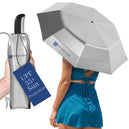
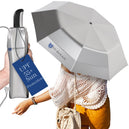
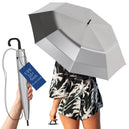
For consistent, reliable, and portable sun protection, a premium sun umbrella from UV-Blocker is an unparalleled tool. Our umbrellas feature patented Solarteck® technology, offering proven UPF 50+ protection. This means they block 99% of UVA and UVB rays, providing a large, consistent area of shade that doesn't need reapplication. Unlike sunscreen, which can wear off or be applied improperly, a UV-Blocker umbrella offers constant, high-level protection. They are also MIF-approved (Melanoma International Foundation), recognizing their superior protective qualities. Whether you're walking, gardening, attending outdoor events, or enjoying a day at the beach, a UV-Blocker umbrella provides an instant, personal shade canopy. For patients managing sun sensitivity from losartan, this physical barrier is one of the most dependable layers of defense, allowing you to maintain an active lifestyle with greater confidence and safety. Explore our range of UV-Blocker sun protection umbrellas to find the perfect companion for your daily regimen.
6. Hydrate and Care for Your Skin:
Staying well-hydrated supports overall skin health. After sun exposure, use a gentle moisturizer to help soothe and repair your skin barrier, especially if it feels dry or sensitive. If a reaction does occur, use cool compresses and mild, fragrance-free lotions, and consult your doctor for further guidance.
By integrating these layers of protection, losartan patients can significantly mitigate the risk of photosensitivity reactions, ensuring their cardiovascular health doesn't come at the cost of their skin's well-being.
Long-Term Considerations for Losartan Patients and Sun Exposure
For individuals on long-term losartan therapy, managing sun exposure transcends simply preventing acute sunburns or rashes; it becomes a critical component of overall health management and quality of life. Chronic medication use, especially for conditions like hypertension, often means that patients will be taking losartan for years, if not decades. This prolonged exposure to a photosensitizing drug demands a consistent and vigilant approach to sun protection.
One key consideration is the cumulative effect of sun exposure. Even without a noticeable acute photosensitivity reaction, repeated low-level UV exposure while on losartan can contribute to accelerated photoaging (premature wrinkles, age spots), and increase the risk of skin cancers, including basal cell carcinoma, squamous cell carcinoma, and melanoma. Given that Ron Walker, founder of UV-Blocker, is a melanoma survivor, this brand understands the profound importance of preventing such long-term damage. Patients on losartan, therefore, should not only aim to prevent immediate reactions but also to minimize their lifetime UV dose.
Older adults, who constitute a significant portion of patients prescribed losartan, face additional challenges. Aging skin is naturally thinner, more fragile, and less resilient to UV damage. When coupled with the photosensitizing effect of medication, the risk of severe sun damage or skin cancer can be amplified. For these individuals, robust physical sun protection, such as UV-Blocker UPF 50+ umbrellas and sun-protective clothing, becomes even more indispensable as a primary defense. It offers a reliable, low-effort solution that doesn't require dexterity for application or frequent reapplication, which can be beneficial for those with mobility limitations or memory concerns.
Furthermore, maintaining an active lifestyle is crucial for cardiovascular health. Losartan patients should be encouraged to continue outdoor activities like walking, gardening, or golfing, but with heightened awareness and proper protection. Integrating sun protection tools like a portable UV-Blocker travel umbrella into daily routines allows for continued enjoyment of the outdoors without undue risk. Proactive management of sun sensitivity means patients don't have to choose between their heart health and their skin health; they can safeguard both.
Regular skin checks, both self-exams and professional dermatological screenings, are also vital for long-term losartan users. Being familiar with one's skin and quickly reporting any new, changing, or unusual spots to a dermatologist can facilitate early detection and treatment of potential skin cancers. By integrating sun-safe practices into their daily lives, losartan patients can effectively manage their condition, protect their skin, and maintain an excellent quality of life for years to come.
Frequently Asked Questions About Losartan Sun Sensitivity
Can I switch medications if I experience sun sensitivity from Losartan?
If you experience significant or bothersome sun sensitivity while taking losartan, it's crucial to consult your prescribing doctor or a dermatologist. They can assess the severity of your reaction, confirm it's drug-induced photosensitivity, and discuss potential alternatives. There may be other blood pressure medications with a lower photosensitivity risk that could be suitable for you. However, never stop or change your medication without professional medical advice, as this can have serious health consequences.
Is Losartan sun sensitivity permanent while on the medication?
Yes, the increased sun sensitivity is generally present for as long as you are taking losartan. It is a side effect of the drug's interaction with UV light. Once the medication is discontinued (under medical supervision), the skin's sensitivity to the sun typically returns to its baseline. However, the skin damage incurred during the period of photosensitivity, such as severe sunburn or increased risk of skin cancer, is not reversed. Therefore, consistent sun protection is vital throughout the entire course of treatment.
Does the dosage of Losartan affect sun sensitivity?
While there isn't extensive research specifically linking losartan dosage to the severity of photosensitivity reactions, it is a general principle for many drug-induced side effects that higher doses can sometimes lead to more pronounced reactions. However, photosensitivity can occur even at standard therapeutic doses. The most important factor is individual susceptibility, which can vary greatly regardless of dosage. Always take losartan exactly as prescribed by your doctor.
What's the difference between phototoxic and photoallergic reactions from Losartan?
Phototoxic reactions are more common and resemble an exaggerated sunburn. They occur when the drug absorbs UV light and directly damages skin cells, typically appearing within hours of sun exposure. Photoallergic reactions are less common and are an immune system response, akin to an allergic rash. The drug's photoproduct acts as an allergen, triggering a delayed immune response (24-72 hours after exposure) that results in an itchy, eczematous rash. Losartan can potentially cause both, but phototoxic reactions are generally more frequently reported.
How quickly do symptoms of Losartan sun sensitivity appear?
The onset of symptoms depends on the type of reaction. For phototoxic reactions, symptoms like redness, burning, and pain can appear relatively quickly, often within a few hours to a day after significant sun exposure. For photoallergic reactions, the onset is typically delayed, usually appearing 24 to 72 hours after sun exposure, as it takes time for the immune system to mount a response. It's important to monitor your skin for a few days after sun exposure if you suspect photosensitivity.
Is Losartan sun sensitivity more common in certain skin types?
While individuals with fairer skin (Fitzpatrick types I-II) are generally more susceptible to sunburn and UV damage, drug-induced photosensitivity can affect all skin types. However, the visible signs might be more obvious on lighter skin. Regardless of your skin type, if you are taking losartan, you should assume an increased risk of sun sensitivity and implement comprehensive sun protection measures. Darker skin tones are not immune to sun damage or drug-induced photosensitivity.
Conclusion
Losartan is an effective medication for managing hypertension and other cardiovascular conditions, but it's clear that patients need to be aware of its potential to increase sun sensitivity. Pharmacovigilance data robustly supports the link between losartan and photosensitivity, marking it as a moderate-risk drug in comparison to other blood pressure medications. Understanding the mechanism—how losartan interacts with UV light to create photoproducts that harm skin cells or trigger immune responses—empowers patients to recognize warning signs like unexpected rashes or exaggerated sunburns in sun-exposed areas.
The good news is that losartan-induced sun sensitivity is highly manageable with a proactive, multi-layered sun protection strategy. This involves not only common practices like avoiding peak sun hours and using broad-spectrum sunscreen but also embracing highly effective physical barriers. Incorporating UPF 50+ clothing, wide-brimmed hats, and critically, a UV-Blocker umbrella with patented Solarteck® technology, provides superior, consistent defense against harmful UV radiation. As a brand founded by melanoma survivor Ron Walker, UV-Blocker understands the critical importance of effective sun protection for preventing both acute reactions and long-term skin damage, especially for those on photosensitizing medications.
By making comprehensive sun safety a non-negotiable part of their daily routine, losartan patients can continue to manage their health effectively while enjoying outdoor activities safely and confidently. Always consult your healthcare provider if you experience any concerning skin reactions or have questions about your medication and sun exposure.
Frequently Asked Questions: Losartan and Sun Sensitivity
How does losartan cause photosensitivity?
Losartan (an ARB blood pressure medication) has been linked to both phototoxic and photoallergic reactions. It can also cause cutaneous lupus-like eruptions in rare cases. The mechanism involves the drug or its metabolites absorbing UV energy in the skin and triggering an inflammatory response.
What does a losartan photosensitivity reaction look like?
Reactions typically appear as red, scaly, or itchy patches on sun-exposed areas (face, neck, forearms, hands). In some patients, a widespread lupus-like rash can develop. Any new skin eruption while on losartan should be reported to your prescriber.
Is it safe to switch from losartan to another blood pressure medication to avoid sun sensitivity?
Some ACE inhibitors (like lisinopril) also carry photosensitivity risk; calcium channel blockers like amlodipine have a different profile. Do not change your medication without your doctor's guidance — blood pressure control is critical. Sun protection is the first-line management strategy.
Do outdoor workers need to take extra precautions on losartan?
Yes. People with prolonged daily sun exposure (construction workers, farmers, athletes, lifeguards) on losartan should combine SPF 50+, UPF clothing, and a UV-blocking umbrella or canopy for comprehensive protection throughout the workday.
Sun Safety in Canada
Canada experiences meaningful UV exposure throughout the year, with UV Index levels regularly reaching 8–10 or higher during summer months in cities such as Vancouver, Calgary, Toronto, and Ottawa. Health Canada and Environment and Climate Change Canada publish daily UV Index forecasts and recommend protective measures whenever the index exceeds 3 — a threshold reached on most clear days between May and August across the country.
Key resources for Canadian sun safety:
- Health Canada UV Index: Published daily via the Environment and Climate Change Canada weather portal (weather.gc.ca). Canadians can track UV levels by city and receive alerts when protection is recommended.
- Canadian Cancer Society: Recommends UPF 50+ clothing, hats, sunscreen, and shade-seeking as primary sun protection strategies. Physical UV barriers — such as UPF 50+ umbrellas — are emphasized for prolonged outdoor exposure.
- Canadian Dermatology Association: Endorses broad-spectrum sun protection strategies, including shade structures and UV-blocking accessories, especially for individuals with fair skin or a personal or family history of skin cancer.
For Canadians spending extended time outdoors — whether working, playing sports, or enjoying recreational activities — a UV-blocking umbrella rated UPF 50+ provides continuous, reapplication-free protection. The UV-Blocker umbrella, independently tested and approved by the Melanoma International Foundation, blocks 99% of UV rays and keeps users up to 15°F cooler — making it a practical and reliable companion for Canadian summers.
Frequently Asked Questions
Does Losartan really make skin more sensitive to sunlight?
Yes. Losartan belongs to a class of medications that can trigger photosensitivity reactions in a subset of patients. This can cause sunburn-like reactions with minimal UV exposure, or trigger phototoxic skin rashes. The reaction severity varies by individual, dosage, and UV intensity. Always review your medication guide and consult your prescribing physician if you notice unusual skin reactions in sunlight.
What SPF should I use if I take this medication?
Dermatologists generally recommend SPF 30+ broad-spectrum sunscreen for patients on photosensitizing medications, with reapplication every 2 hours. However, sunscreen alone isn't sufficient for high UV exposure. Combining sunscreen with physical barriers — UPF 50+ clothing, wide-brim hats, and UV-blocking umbrellas — provides the most reliable protection. UV-Blocker's UPF 50+ umbrellas block 99% of UVA and UVB rays.
Can I still go outdoors while taking this medication?
Absolutely. Most patients can continue outdoor activities with appropriate precautions: avoid peak UV hours (10am–4pm), wear protective clothing, use SPF 30+ sunscreen, and use shade whenever possible. A portable UV-blocking umbrella offers hands-free shade wherever you go, making it a practical solution for patients who need consistent sun avoidance.
How long after stopping the medication until sun sensitivity resolves?
Photosensitivity typically resolves within days to weeks after discontinuing the medication, depending on the drug's half-life and your individual metabolism. Some medications with long half-lives may cause sensitivity for weeks. Continue sun protection until your doctor confirms it's safe to reduce precautions.
What are the signs of a phototoxic reaction vs. a photoallergic reaction?
Phototoxic reactions look like severe, rapid sunburn — they appear within hours of UV exposure and are dose-dependent. Photoallergic reactions involve an immune response, can spread beyond sun-exposed areas, and may appear days later. Both require prompt sun avoidance. See your dermatologist for diagnosis and management.
Sun Safety Essentials for Patients on Photosensitizing Medications
- Keep a UV index app on your phone and avoid going outdoors when the index exceeds 6 without full protection
- Wear UPF 50+ sun-protective clothing on arms and legs, not just sunscreen
- Carry a portable UV-blocking umbrella for shade on demand — especially effective during outdoor commutes, sporting events, or waiting outdoors
- Apply sunscreen to the back of hands and tops of feet — commonly missed areas that receive direct UV
- Inform your pharmacist about all medications you take so they can flag photosensitizing combinations
- Request a window film UV assessment if you drive frequently — car windows block UVB but not all UVA