

For equestrians, the equestrian world is more than a sport; it's a lifestyle that often demands long hours outdoors. From daily barn chores to intense training sessions and all-day competitions, riders and their support teams can spend anywhere from 3 to 10 hours in direct sunlight. This sustained exposure, combined with unique environmental factors like reflective arena surfaces, poses a significant, often underestimated, UV risk.
As the founder of UV-Blocker and a melanoma survivor, Ron Walker understands the critical importance of comprehensive sun protection. This guide is dedicated to equipping every individual at the equestrian venue—riders, spectators, grooms, and coaches—with the knowledge and tools needed to stay safe under the sun.
💡 Quick Reference Summary
- Cumulative Exposure: Daily barn work, lesson days, and long competition days contribute to high cumulative UV doses for equestrians.
- Arena Reflection: Sand and synthetic arena footing can reflect 15-30% of UV radiation upwards, exposing areas like the chin, jaw, and neck that traditional headwear misses.
- Rider Protection: A multi-layered approach is essential, including UPF 50+ clothing, mineral broad-spectrum sunscreen, UV-protective eyewear, and specialized helmet coverage.
- Spectator Shade Gap: Most equestrian venues lack adequate shade infrastructure for spectators, parents, and support staff, who often face 4-8 hours of direct sun.
- Portable Solutions: UV-Blocker Solarteck® umbrellas (UPF 50+, MIF-approved) are vital for creating personal, portable shade, especially for ringside waiting.
- Reapplication Schedule: Consistent reapplication of sunscreen and lip balm every 2 hours (or sooner with heavy sweating) is non-negotiable for all at the venue.
Why Is UV Exposure a Hidden Risk for Equestrians?
Equestrians face a unique confluence of factors that elevate their UV exposure beyond what many outdoor enthusiasts encounter. The risk isn't just about direct sunlight from above; it's a complex interplay of cumulative time outdoors, reflective surfaces, and varying environmental conditions.
The Cumulative Burden of Equestrian Life
The equestrian lifestyle, by its very nature, involves significant outdoor time. This isn't just a weekend hobby; it's a daily commitment. The breakdown of typical UV exposure scenarios highlights this cumulative risk:
| Scenario | Typical Duration | UV Exposure Factors & Risks |
|---|---|---|
| Daily Barn Time | 1-3 hours | Routine turnout, grooming, mucking, and general stable management often involve intermittent sun exposure. While not always direct, these hours add up significantly over weeks and months, especially during peak UV hours (10 AM - 4 PM). |
| Lesson/Training Day | 2-4 hours | Focused arena work, warm-ups, and cool-downs mean sustained exposure, particularly within the reflective confines of an outdoor arena. Riders are often concentrating on their horse, diverting attention from personal sun safety. |
| Competition Day | 6-10 hours+ | These are the longest exposure days, spanning from early morning arrival, through multiple classes and divisions, to awards ceremonies. Competitors, coaches, parents, and grooms spend extended periods ringside, in warm-up areas, and around stabling, often with minimal natural or built-in shade. |
This "three-tier exposure pattern" means that even on days without intense riding, the hours spent outdoors contribute to a lifetime UV dose. Each hour spent in the sun, particularly without adequate protection, increases the risk of premature skin aging, sunburn, and ultimately, skin cancers like melanoma—a personal driver behind the founding of UV-Blocker.
The Overlooked Danger of Arena Reflection: The Albedo Effect
One of the most insidious and often overlooked aspects of equestrian UV exposure is the reflection from arena surfaces. This phenomenon, known as the albedo effect, means UV radiation isn't just coming from above; it's bouncing back up from the ground.
Studies cited by The Plaid Horse, quoting Dr. Monica Halem, highlight that "the sun and the ultraviolet rays actually reflect off the footing." This explains why dermatologists conducting on-site skin cancer screenings at equestrian events, such as those at Wellington, have identified numerous cases in riders. Sand and lighter-colored synthetic footing, common in many arenas, can reflect anywhere from 15% to 30% of UV radiation upward, depending on their composition and moisture content. This upward reflection directly impacts the chin, jawline, nostrils, and the underside of the neck and ears—areas often missed by hats or helmets.
Geographic and Seasonal Risk Factors
The intensity of UV radiation varies significantly by location and time of year. Equestrians in sun-drenched regions like Florida, Arizona, Texas, and Southern California face exceptionally high UV indexes year-round. Even in more temperate climates, peak summer months can bring dangerous UV levels. Furthermore, altitude plays a critical role; for every 1,000 feet of elevation gain, UV exposure increases by approximately 4% to 5% due to less atmospheric filtering. This makes high-altitude riding in places like Colorado particularly risky without heightened precautions.
For individuals spending extended periods at equestrian events, regardless of season or location, the cumulative impact of these factors underscores the critical need for a proactive and comprehensive sun protection strategy.
How Should Riders Protect Themselves From the Sun While Horseback Riding?
Effective sun protection for riders demands a multi-layered, strategic approach that accounts for the unique challenges of equestrian sports. It goes beyond a simple hat and requires a combination of specialized gear and diligent habits.
Layer 1: Beyond the Helmet – Enhanced Head and Neck Coverage
The primary function of a riding helmet is safety, not sun protection. While it covers the top of the head, most helmets have ventilation gaps that allow UV rays to penetrate the scalp. Crucially, the sides and back of the neck, ears, and face (especially the lower half exposed to arena reflection) remain vulnerable. To close this gap:
- Helmet Visors: Many helmets now offer integrated or attachable wide brims or visors that extend protection over the face.
- Neck Flaps: UPF 50+ neck flaps designed to attach to helmets provide essential coverage for the back and sides of the neck, areas frequently exposed and susceptible to sunburn.
- Scalp Sunscreen: For areas around vents and hairlines, apply a mineral sunscreen. Specialized sunscreen for the scalp can also be beneficial.
Layer 2: UPF 50+ Sun Protection Clothing
Regular clothing offers minimal UV protection. A standard white cotton t-shirt, for example, might only provide an equivalent UPF of 5-7. In contrast, UPF 50+ sun protection clothing is engineered to block 98% of both UVA and UVB rays, offering reliable, continuous protection without the need for reapplication.
Equestrian brands increasingly offer stylish and functional UPF 50+ options, including:
- Long-Sleeve Riding Shirts: Often made from moisture-wicking fabrics, these shirts keep riders cool while fully covering the arms and torso.
- Sun Sleeves: For disciplines or warmer days where a full long-sleeve shirt might be too much, UPF 50+ arm sleeves are an excellent addition.
- Riding Tights/Breeches: Many modern designs now incorporate UPF fabrics to protect the legs.
Always check discipline-specific dress codes for competition days, but for training, UPF 50+ gear should be standard.
Layer 3: Broad-Spectrum Mineral Sunscreen
Sunscreen is indispensable for any exposed skin. For equestrians, mineral sunscreens containing zinc oxide and/or titanium dioxide are highly recommended. These physical blockers create a barrier on the skin's surface, reflecting UV rays away, and are generally more stable and less irritating than chemical sunscreens.
- Application Areas: Generously apply to the face, ears (front and back), neck (front, back, and sides), hands (especially the back), and any other areas not covered by UPF clothing.
- SPF & Broad-Spectrum: Choose an SPF 30+ broad-spectrum mineral sunscreen to protect against both UVA (aging rays) and UVB (burning rays).
- Water-Resistant: Given heavy sweating during riding, a water-resistant formula is crucial for sustained protection.
- Reapplication: Reapply every two hours, or more frequently after heavy sweating or exposure to water.
Layer 4: UV-Protective Eyewear and Lip Balm
- Sunglasses: Protect your eyes with sunglasses that block 99-100% of UVA and UVB rays. Prolonged UV exposure can lead to cataracts, macular degeneration, and even skin cancer around the delicate eye area.
- Lip Protection: The skin on the lips is very thin and highly susceptible to sun damage, including actinic keratoses and squamous cell carcinoma. Use an SPF 30+ (or higher) UV lip balm and reapply frequently throughout the day.
Heat Management and Hydration
Beyond UV, heat stress is another major concern. Helmets can trap heat, and physical exertion on horseback increases body temperature and dehydration risk. Staying well-hydrated by drinking water consistently throughout the day is not just about comfort; it's a vital part of overall sun safety, as dehydration can exacerbate the body's response to UV exposure.
What Is the Spectator Shade Gap at Horse Shows?
While much focus is rightly placed on rider safety, a critical "shade gap" exists for the vast majority of people at equestrian events. Parents, coaches, grooms, fellow riders waiting for their classes, judges, vendors, and general spectators often endure 4 to 8 hours (or even more) in direct, unshaded sunlight on competition days. This demographic faces some of the highest cumulative UV exposure risks at any venue.
The Problem: Unprotected Hours Ringside
Equestrian venues, by their nature, prioritize open spaces for arenas, warm-up areas, and stabling. While some facilities might have limited covered seating or a few mature trees, these rarely provide sufficient, reliable shade for everyone, especially for those needing to be ringside for extended periods. This results in:
- Prolonged Exposure: Individuals spend hours watching, waiting, or working without respite from the sun, particularly during peak UV hours from 10 AM to 4 PM.
- Mobility Requirements: Spectators often move between different arenas, warm-up zones, and stabling areas, making fixed shade solutions impractical.
- Focus on the Rider: Parents and coaches are often so engrossed in supporting their rider that their own sun protection becomes an afterthought.
- High-Risk Groups: Young children attending with parents, and older adults (who may have a history of sun exposure) are particularly vulnerable.
The SunSafe Equestrian initiative, supported by USEF, has brought this issue to light, demonstrating the real-world impact of this shade deficit through on-site skin cancer screenings.
The Solution: Portable, High-Performance Shade with UV-Blocker
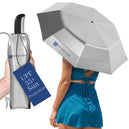
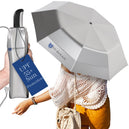
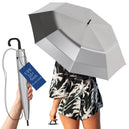
Addressing the spectator shade gap requires readily available, highly effective, and portable sun protection. This is where UV-Blocker's premium line of UPF 50+ umbrellas, featuring patented Solarteck® technology, becomes an indispensable tool for every equestrian event attendee.
- Superior UV Blocking: UV-Blocker umbrellas are rated UPF 50+, blocking 99% of UVA and UVB rays. This exceeds the protection offered by most clothing and even many sunscreens. They are also Melanoma International Foundation (MIF) approved, a testament to their efficacy.
- Heat Reduction: Beyond UV protection, Solarteck® technology significantly reduces heat build-up under the canopy, keeping you up to 15 degrees Fahrenheit cooler. This is crucial for comfort and preventing heat stress during long, hot show days.
- Portable & Convenient: Designed to be lightweight and compact, UV-Blocker umbrellas are easy to carry between arenas or store in a show bag. Their portability means you can create your own personal shade oasis wherever you are.
-
Versatile Use:
- Ringside Spectating: Easily open your UV-Blocker umbrella while watching classes, providing immediate relief from direct sun.
- Chair-Mounted Holders: Consider a chair-mounted umbrella holder for hands-free shade while seated.
- Waiting Areas: Provide shade for fellow riders, coaches, or grooms waiting their turn in schooling or warm-up rings.
- Stabling & Tack Areas: Even under partial cover, UV reflection can be an issue. A compact umbrella can offer extra protection for sensitive equipment or individuals.
- A Proactive Approach: By making a UV-Blocker Solarteck® umbrella a standard part of your equestrian packing list, you transition from passively hoping for shade to actively creating it.
Sun protection for equestrian life truly has to cover everyone at the venue, not just the person in the saddle. Equipping yourself and your team with reliable, portable shade is the most effective way to combat the pervasive "spectator shade gap."
What Should an Equestrian Sun Protection Packing List Include?
Preparing for an equestrian event, whether a training day or a multi-day show, involves a careful packing strategy. For sun protection, this means anticipating every scenario and equipping yourself with the right tools. Here’s a comprehensive, categorized packing list:
Personal Protection Essentials:
- UPF 50+ Long-Sleeve Riding Shirts: Pack several, ensuring they are moisture-wicking for comfort. Look for lightweight designs.
- UPF 50+ Sun Sleeves: Excellent for layering or when a full long-sleeve shirt isn't feasible.
- Wide-Brim Helmet Visor or Attachable Neck Flap: Crucial for protecting the face, ears, and neck that traditional helmets miss.
- Broad-Spectrum Mineral Sunscreen (SPF 30+): A large bottle for body and a smaller, easy-to-carry tube for face and hands. Ensure it's water-resistant.
- SPF 30+ UV Lip Balm: Pack multiple tubes and keep one readily accessible in your pocket.
- UV-Blocking Sunglasses: Essential for eye health and comfort. Choose durable, athletic styles.
- Wide-Brim Hat: For downtime when not wearing a helmet, a UPF 50+ wide-brim hat offers superior head, face, and neck coverage.
Portable Shade & Reapplication Aids:
- UV-Blocker Solarteck® Umbrella (UPF 50+, MIF-approved): The absolute cornerstone of your portable shade strategy. Choose a compact travel size for convenience, or a larger golf umbrella for more expansive coverage when stationary. Our patented Solarteck® fabric keeps you significantly cooler.
- Chair-Mounted Umbrella Holder: A game-changer for hands-free shade while watching classes or relaxing between rides.
- Small Cooler with Ice Packs: To keep sunscreen, water, and snacks cool and effective. Sunscreen stored in extreme heat can degrade.
- Insulated Water Bottle/Hydration Pack: Staying hydrated is key to mitigating heat stress and maintaining skin health.
- Cooling Towels: Activated with water, these provide instant cooling relief during hot days.
Emergency & Post-Exposure Care:
- After-Sun Lotion with Aloe Vera: For soothing any accidental sunburn or skin irritation.
- First-Aid Kit: Including basic wound care, pain relievers, and any personal medications.
By curating a thoughtful sun protection packing list, equestrians can ensure they are prepared for the full range of UV challenges encountered at the barn and show grounds, safeguarding their health for years of riding ahead.
How Does Arena Surface UV Reflection Compare to Other Environments?
Understanding the reflective properties of different surfaces, known as albedo, is crucial for equestrians. While the sun itself is the primary source of UV radiation, what it hits on the ground dictates how much of that radiation bounces back at you, often from unexpected angles. Arena surfaces, particularly sand and synthetic footings, contribute significantly to this reflected UV, creating a unique exposure profile for riders.
The Science of Albedo and UV Reflection
Albedo is a measure of how much solar radiation a surface reflects. A surface with a high albedo (like fresh snow) reflects a large proportion of incident radiation, while a surface with a low albedo (like asphalt) absorbs most of it. UV radiation, a component of solar radiation, follows similar reflection patterns.
Here’s how common surfaces compare in their UV reflection capabilities:
| Surface Type | Typical Albedo (Reflection Percentage) | Impact on Equestrians |
|---|---|---|
| Fresh Snow | 80-90% | Highest reflection; extreme risk in winter sports, though less common for horseback riding directly on snow, highlights reflective potential. |
| Dry Sand / Light-Colored Synthetic Arena Footing | 15-30% | Significant risk. Reflects UV upwards onto the chin, jaw, nostrils, and underside of the neck/hat brim. Common in show rings and training arenas, leading to underestimated exposure. |
| Water | 5-10% (can be up to 100% at shallow angles) | Reflection from puddles or water features at equestrian venues can add to overall exposure. |
| Green Grass | 5-10% | Lower reflection, but still contributes to cumulative exposure, especially during long periods in grassy turnout or cross-country courses. |
| Concrete / Asphalt | 10-20% / 5-10% | Driveways, pathways, and parking lots at equestrian venues add to ground reflection. |
Why Arena Reflection is a Unique Threat
The 15-30% reflection from dry sand or light-colored synthetic footing might seem modest compared to snow, but its impact is profound for equestrians:
- Unexpected Angles: Helmets and wide-brim hats are designed to block overhead sun. Reflected UV bypasses these defenses, hitting areas like the chin, jawline, nostrils, and the sensitive skin under the nose and neck. These are common sites for basal cell and squamous cell carcinomas.
- Prolonged Exposure: Unlike a quick stroll on a beach, riders spend sustained hours in these reflective environments, amplifying the cumulative dose from reflected UV.
- Increased Overall UV Load: This reflected radiation adds to the direct overhead UV, effectively increasing the total UV load absorbed by the skin. This means even with a hat and sunscreen, if you're not accounting for reflection, you're only partially protected.
Acknowledging and actively mitigating the albedo effect of arena surfaces is a crucial step in a truly comprehensive sun protection strategy for equestrians. This awareness directly informs the need for broad-spectrum sunscreen, UPF 50+ clothing, and even the strategic use of portable shade like a UV-Blocker umbrella, even when under seemingly open skies.
Frequently Asked Questions About Sun Protection for Equestrian
Why is sun protection so critical for equestrians compared to other outdoor activities?
Equestrians face unique and elevated UV risks due to a combination of factors: cumulative exposure from daily barn work and long show days (6-10+ hours), intense physical exertion that increases sweating and necessitates frequent sunscreen reapplication, and crucially, significant UV reflection from arena footing (sand, synthetic surfaces) that hits skin from below, bypassing traditional headwear. This multi-directional and prolonged exposure makes comprehensive protection vital.
What is the difference between SPF and UPF, and which is more important for riders?
SPF (Sun Protection Factor) measures a sunscreen's ability to block UVB rays (which cause sunburn). UPF (Ultraviolet Protection Factor) measures a fabric's ability to block both UVA (aging rays) and UVB rays. For riders, both are important. SPF 30+ broad-spectrum sunscreen is essential for exposed skin, but UPF 50+ clothing is superior for covered areas because it offers consistent, measurable protection (blocking 98% of UV) that doesn't wear off with sweat or require reapplication, unlike sunscreen. UV-Blocker umbrellas also carry a UPF 50+ rating for superior shade.
How can I protect my scalp and neck while wearing a riding helmet?
Helmets often leave the scalp exposed through vents and the neck fully vulnerable. To protect these areas: apply a mineral broad-spectrum SPF 30+ sunscreen directly to exposed scalp areas and the back of the neck. Consider a helmet with an integrated wide brim or attachable UPF 50+ neck flaps and visors. Some riders also use specialized sun-protective helmet liners or "skull caps" made from UPF fabrics, though ensure they don't compromise helmet fit or ventilation.
What's the best way to get shade at an outdoor horse show when there's none available?
The most effective and portable solution for the "spectator shade gap" at horse shows is a high-quality UV-blocking umbrella. UV-Blocker's Solarteck® umbrellas are rated UPF 50+, blocking 99% of UVA/UVB rays and reducing heat by up to 15 degrees. They are lightweight, compact, and often MIF-approved, allowing you to create personal, portable shade whether you're standing ringside, waiting at stabling, or using a chair-mounted umbrella holder. Don't rely on sparse trees or small tents; bring your own reliable shade.
How often should sunscreen be reapplied during a long day at the barn or a horse show?
Sunscreen should be reapplied every two hours for all outdoor activities, regardless of the SPF rating. For equestrians, who often experience heavy sweating due to physical exertion and heat, reapplication should be even more frequent—every 60-90 minutes. It's crucial to use a water-resistant, broad-spectrum mineral formula (like zinc oxide) for better staying power. Don't forget areas like the hands, ears, and back of the neck.
Are there specific sun protection considerations for young riders?
Yes, children's skin is more delicate and susceptible to sun damage, and a history of childhood sunburns significantly increases lifetime skin cancer risk. Young riders need even more diligent protection: full UPF 50+ clothing, consistent sunscreen reapplication by an adult, UV-blocking sunglasses, and reliable portable shade like a UV-Blocker umbrella for their downtime. Educating them early about sun safety habits is also critical for long-term health.
Conclusion
The equestrian lifestyle, while incredibly rewarding, presents distinct and often underestimated challenges when it comes to sun protection. From the reflective glare of arena footing to the cumulative hours spent outdoors at barns and show grounds, riders, coaches, parents, and support staff are all exposed to significant UV radiation. The risks of premature aging, sunburns, and skin cancer are real, and as a melanoma survivor, UV-Blocker founder Ron Walker understands these dangers firsthand.
However, these risks are largely preventable with a proactive, multi-faceted approach. By embracing UPF 50+ clothing, diligently applying broad-spectrum mineral sunscreen, protecting delicate areas with helmet visors and UV lip balm, and crucially, utilizing portable, high-performance shade like UV-Blocker's Solarteck® umbrellas, every individual at the equestrian venue can significantly reduce their exposure. Our MIF-approved umbrellas, engineered to block 99% of UVA/UVB rays and reduce heat, are not just a convenience—they are an essential health tool for enduring long days in the sun.
Prioritizing sun safety isn't just about avoiding a sunburn today; it's an investment in long-term health. Equip yourself and your equestrian community with the knowledge and the premium protection needed to safely enjoy every moment in the saddle and ringside. Your skin will thank you.
Frequently Asked Questions: Equestrian UV Safety
Why are equestrians at high UV risk?
Equestrian athletes spend extended time at elevation — on horseback, the rider's face and shoulders are several feet higher than a standing person, increasing UV intensity. Outdoor arenas, cross-country courses, and polo fields typically offer no overhead shade, compounding exposure.
What sun protection gear is compatible with equestrian competition rules?
Most competition organizations allow broad-spectrum mineral SPF under show shirts and helmets. UV-rated show shirts, sun sleeves, and neck gaiters are competition-legal. Check your governing body's dress code — some allow sun visors integrated into helmets.
Can I use a UV umbrella at an equestrian event?
Spectators, trainers, and coaches at equestrian events can benefit enormously from handheld UV umbrellas, which provide portable shade during warmup observation, schooling rings, and cross-country course walks. They are particularly useful at multi-day events with limited fixed shade.
How do I protect horses from UV as well?
Fly masks with UV-blocking mesh protect horses' eyes and faces from UV radiation. UV-rated fly sheets provide body coverage for light-colored horses prone to photosensitivity. Schedule paddock turnout during early morning or late afternoon to reduce peak UV exposure for both horse and rider.