

One in five Americans will develop skin cancer by age 70, according to the Skin Cancer Foundation. That statistic represents you, a family member, or a close friend. Yet for most people, sun protection strategy begins and ends with a single bottle of sunscreen, a defense line that is statistically likely to fail.
Research shows that most people apply only 25% to 50% of the recommended amount of sunscreen, leaving them with a fraction of the protection stated on the bottle. Sunscreen wears off within two hours, degrades in sunlight, and washes away with sweat or water. Relying solely on a lotion that requires perfect application and constant reapplication creates significant gaps in protection.
This guide provides a comprehensive look at the most reliable alternative: sun protection clothing. Unlike chemical barriers that degrade, UPF clothing provides a physical shield against UV radiation. It covers exactly what UPF ratings mean, which clothing categories offer the best defense, and how to combine sun protective clothing with other tools like UV-blocking umbrellas for a complete protection system. UV-Blocker specializes in medical-grade shade devices, and true safety requires a multi-layered approach involving clothing, shade, and sunscreen working together.
What Does UPF Mean and How Do Sun Protection Clothing Ratings Work?
UPF (Ultraviolet Protection Factor) measures how much UV radiation a fabric blocks. A UPF 50 rating means only 1/50th (2%) of UV rays pass through the fabric.
While most consumers are familiar with SPF (Sun Protection Factor), UPF offers a broader measure of safety. SPF only measures how well a product blocks UVB rays, which cause burning. UPF measures a fabric's effectiveness against both UVB and UVA rays, the latter of which penetrate deeper into the skin and contribute to premature aging and long-term cellular damage. For a detailed comparison of these two standards, see the UPF vs SPF guide.
The UPF rating system is standardized to help consumers understand exactly how much protection a garment provides. Ratings are determined by spectrophotometer testing, which measures the transmission of UV radiation through the fabric.

| UPF Rating | Protection Level | UV Blocked | UV Transmitted |
|---|---|---|---|
| UPF 15-24 | Good | 93.3%-95.9% | 6.7%-4.1% |
| UPF 25-39 | Very Good | 96.0%-97.4% | 4.0%-2.6% |
| UPF 40-50+ | Excellent | 97.5%-98%+ | 2.5% or less |
A rating of UPF 50+ is the highest achievable designation, indicating that the fabric allows less than 2% of UV transmission. While the difference between blocking 96% and 98% might seem minor, it represents a significant reduction in total UV exposure over long periods outdoors. For a deeper dive into this top-tier rating, read the article on UPF 50 explained.
What Makes Sun Protective Clothing Effective: Fabric, Weave, and Color?
Sun protection in clothing depends on fabric type, weave density, color, and stretch. Polyester and nylon block UV best, while loose-weave cotton offers minimal protection.
Not all sun protection clothing is created equal when it comes to UV defense. The molecular structure of the fiber itself plays a primary role. Synthetic fibers like polyester and nylon are inherently better at disrupting UV light transmission compared to natural fibers like cotton or hemp. A standard white cotton t-shirt, for instance, provides a UPF of only about 5, allowing roughly 20% of UV radiation to reach the skin.
Weave density is another critical factor. Tighter weaves minimize the gaps between fibers, physically blocking light. A practical way to test this at home is the "flashlight test": hold a garment up to a light source. If light is clearly visible through the fabric, UV rays are passing through as well.
Color also impacts protection significantly. Contrary to the popular belief that light colors are best for the sun, dark and bright colors (like black, navy, or red) absorb UV rays rather than allowing them to penetrate. A dark blue shirt offers better UV protection than a white one of the same material, though it may absorb more heat.
The state of the fabric matters too. Stretching a garment widens the holes in the weave, reducing its UPF. Similarly, wetness can drastically reduce protection. A wet cotton t-shirt may lose up to 50% of its UV-blocking capability, according to research published in PMC. This is why purpose-built swimwear uses specialized fabrics designed to maintain protection when wet. For more on the technical aspects of UV-blocking materials, review the science of sun protection fabrics.
Which Sun Protection Clothing Categories Matter Most?
The most impactful sun protection clothing categories are UPF sun hoodies, wide-brim hats, rash guards for water, and everyday UPF pieces for daily wear.
Building a sun-safe wardrobe does not require replacing every item in the closet. Focusing on high-impact categories yields the best results.
Sun Hoodies and Shirts (UPF 30-50+)
Sun hoodies have become the gold standard for outdoor activity. These garments typically feature long sleeves, higher necklines, and hoods that can be pulled up over a hat. Brands like Coolibar, Columbia (Omni-Shade), and REI offer options ranging from $25 to $80. Key features to look for include thumb holes to cover the back of hands and ventilation panels to keep cool.
Wide-Brim Hats (UPF 30-50+)
The Skin Cancer Foundation recommends a brim of at least three inches extending all the way around the head to protect the face, ears, and neck. Baseball caps are insufficient as they leave the ears and neck completely exposed. Options include bucket hats and legionnaire-style caps with neck flaps. Even the best hat has limitations in coverage area. For a comparison of headwear versus portable shade, see the analysis of the sun hat vs UV umbrella.
Rash Guards and Swim Shirts (UPF 50)
Water reflects UV radiation, increasing exposure intensity by 10% to 25%. Because wet regular clothing loses its protective ability, purpose-built rash guards are essential for water activities. These tight-fitting garments maintain their UPF 50 rating even when wet and stretched.
Everyday UPF Clothing
The market for sun protection clothing is expanding rapidly, valued at $25.42 billion in 2026 and projected to reach $57.5 billion by 2035 at a 10.5% CAGR. This growth has led to everyday UPF clothing like button-downs, dresses, and trousers that protect during the daily commute or casual outings. Brands like Coolibar lead this space with full wardrobe options that look nothing like athletic wear.
| Clothing Category | UPF Range | Best For | Price Range | Coverage Area |
|---|---|---|---|---|
| Sun Hoodies/Shirts | 30-50+ | Hiking, running, outdoor work | $25-$80 | Arms, torso, neck |
| Wide-Brim Hats | 30-50+ | All outdoor activities | $20-$60 | Face, ears, neck |
| Rash Guards | 50 | Swimming, water sports | $20-$60 | Arms, torso |
| Everyday UPF | 30-50+ | Daily wear, commuting | $30-$100 | Varies by garment |
| UPF Pants/Leggings | 40-50+ | Golf, hiking, gardening | $40-$90 | Legs |
How Does UPF Clothing Compare to Sunscreen for UV Protection?
UPF clothing outperforms sunscreen in head-to-head testing, providing more consistent UV protection without reapplication. But neither covers everything alone.
While sunscreen is a vital tool, sun protection clothing offers distinct advantages in reliability. A 2022 study published in the journal Cancers compared the efficacy of UPF clothing against sunscreen. The researchers found that all four UPF fabrics tested provided superior UV protection compared to the sunscreens, blocking both UVA and UVB rays more effectively.
The primary advantage of UPF clothing is consistency. A UPF 50 shirt provides the same level of protection in the first minute of wear as it does in the fifth hour. It does not degrade in sunlight, it does not wash off with sweat, and it is impossible to apply "too thin." It is a set-it-and-forget-it form of protection.
However, clothing has an obvious limitation: it cannot protect what it does not cover. The face, hands, and any other exposed areas remain vulnerable. Viewing clothing as a replacement for sunscreen is incorrect. It is a superior partner to it.
How Do You Build a Complete Sun Protection System?
A complete sun protection system combines three layers: UPF clothing for body coverage, a UV-blocking umbrella for portable overhead shade, and sunscreen for exposed skin.

No single product can offer 100% protection 100% of the time. The most effective strategy uses a multi-layered approach to eliminate gaps in coverage.
Layer 1: UPF Clothing This is the base layer. Long-sleeved shirts and pants cover the largest surface area of the body, including the torso, arms, and legs. This layer provides reliable, all-day 98%+ UV blockage without the need for maintenance or reapplication.
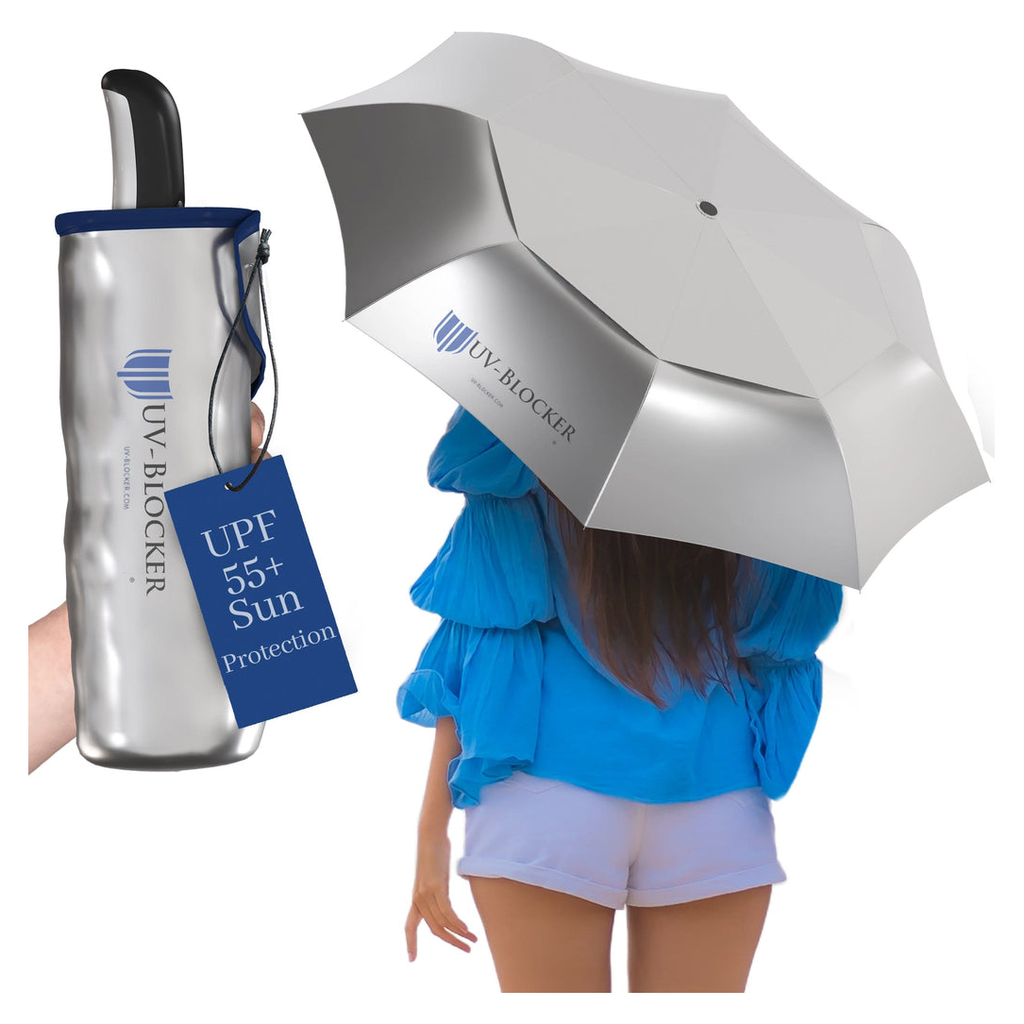
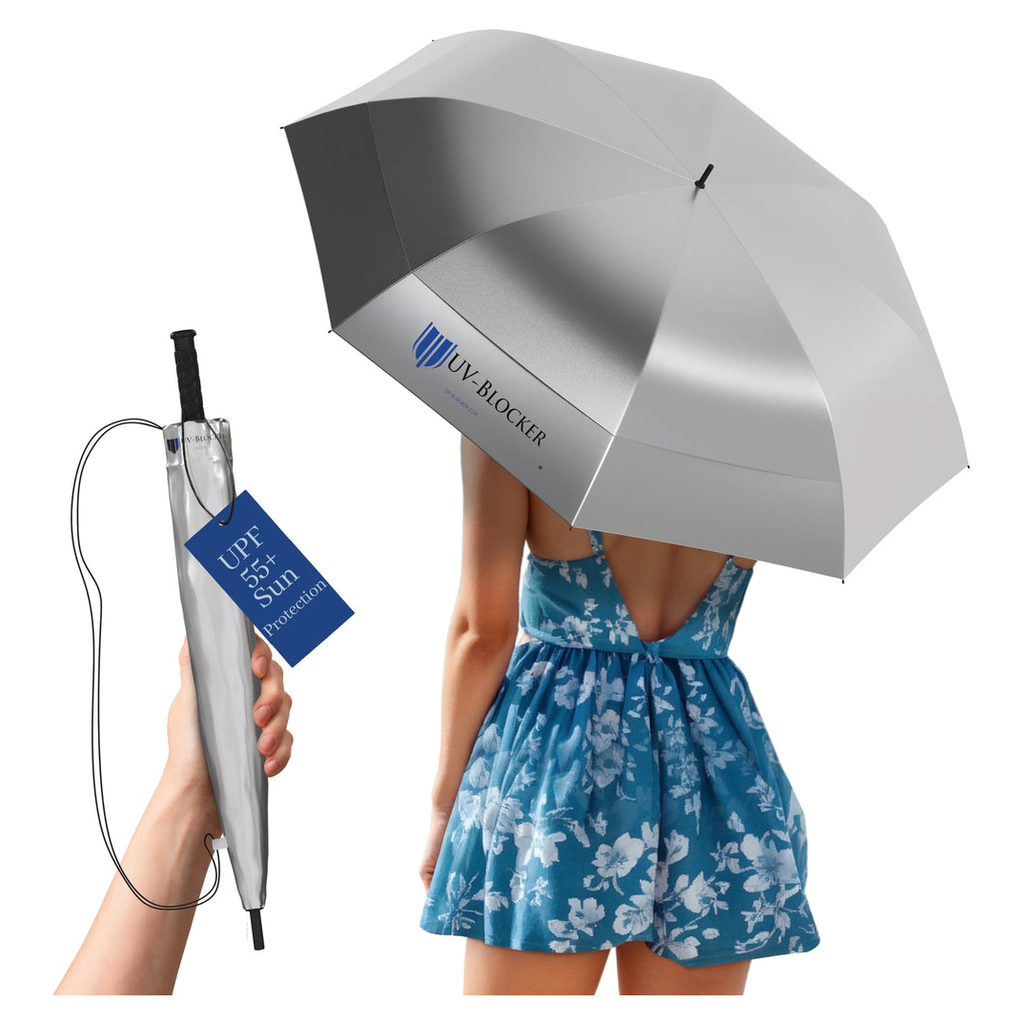
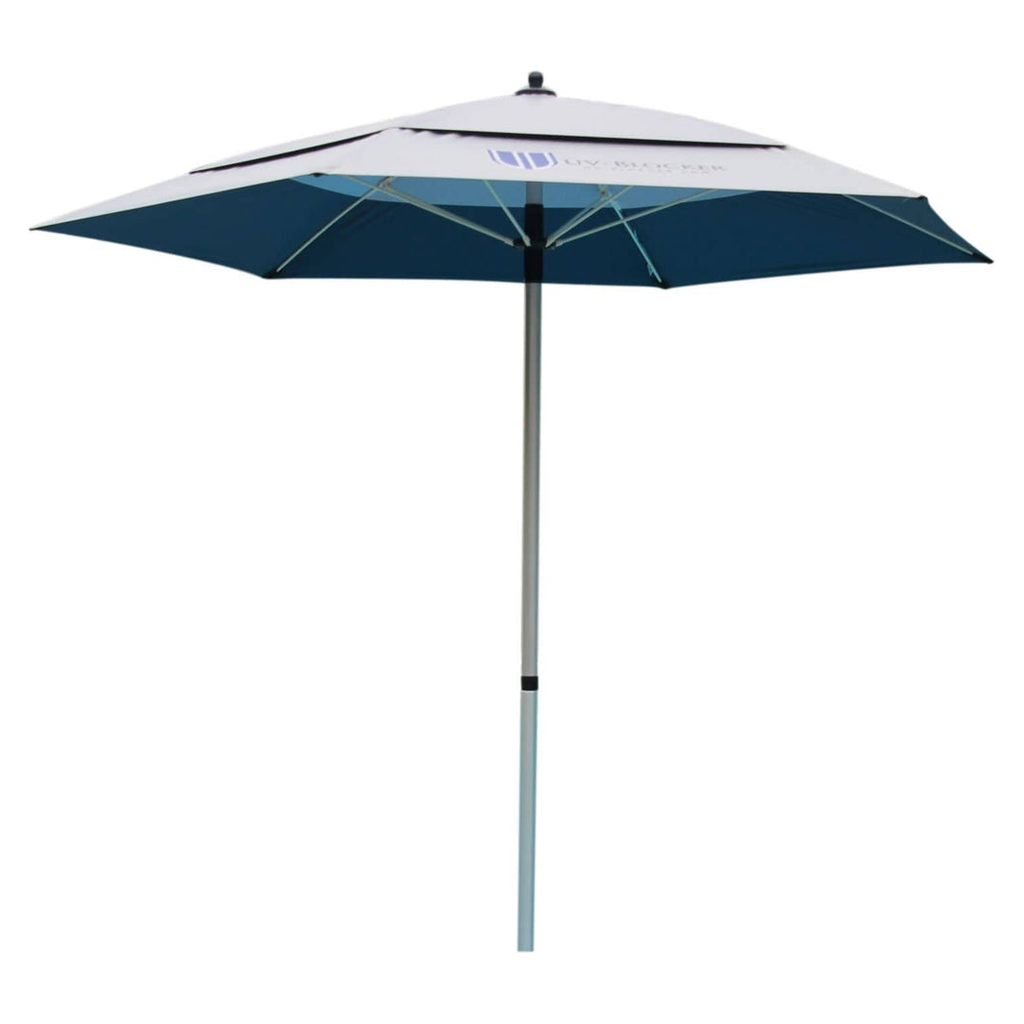
Layer 2: UV-Blocking Umbrella This layer provides portable overhead shade, protecting the head, face, neck, and shoulders, areas often missed by clothing or sunscreen. A quality UV umbrella, like those from the UV-Blocker collection, also creates a cooler microclimate. UV-Blocker's patented Solarteck fabric reflects heat, keeping the user up to 15°F cooler than standing in direct sunlight. This is particularly valuable for golfers, spectators at sports events, or anyone needing to escape the heat while moving. The 68" Golf UV Umbrella is the only golf umbrella approved by the Melanoma International Foundation.
Layer 3: Sunscreen (SPF 30+) Sunscreen serves as the final seal for this system. It should be applied to the hands, face, ears, and any other skin not covered by the first two layers. Because the surface area requiring sunscreen is smaller, users can focus on applying it thoroughly and reapplying as needed every two hours.
This systemic approach was championed by Ron Walker, the founder of UV-Blocker. After being diagnosed with Stage 1 melanoma in 2003, Walker realized that relying on a single method was insufficient. He developed a strategy that combined personal shade with sun protection clothing and sunscreen to allow him to continue enjoying the outdoors safely.
Different activities call for different combinations of these layers. A casual neighborhood walk might require only clothing and a hat. A full day at the beach demands all three: UPF swimwear, a large UV umbrella for shade breaks, and sunscreen. A round of golf is best managed with UPF clothing, a UV umbrella mounted to the cart or carried, and sunscreen on the hands and face.
For those with high sensitivity to UV, such as lupus patients or melanoma survivors, this multi-layer system is often a medical necessity. See why UV-Blocker products are dermatologist recommended for these use cases.
Frequently Asked Questions About Sun Protection Clothing
Does UPF protection wash out over time?
UPF protection in quality garments lasts the life of the clothing. Fabrics like polyester have inherent UV-blocking properties that do not wash out with laundering.
However, clothing that relies on chemical treatments (often marketed as "sun wash" or similar) can lose effectiveness after approximately 20 washes. Always check if the UPF rating is inherent to the fabric or an added treatment.
Do darker colors provide more sun protection than lighter colors?
Yes, dark and bright colors absorb UV radiation instead of letting it pass through. A dark navy shirt offers more UV protection than a white shirt of identical fabric.
The tradeoff is heat absorption. Dark colors can feel hotter in direct sun. Many UPF clothing manufacturers solve this by using lighter colors with extremely tight weaves and specialized fibers to maintain high protection without the heat penalty.
Can regular clothing provide sun protection without a UPF rating?
Yes, but protection varies wildly. A typical white cotton t-shirt offers only UPF 5-7, while a dark denim shirt may provide UPF 1,700.
Denim is excellent for blocking UV but impractical for hot weather. The advantage of rated sun protection clothing is that it provides high protection in lightweight, breathable fabrics suitable for summer heat.
Is UPF clothing worth the higher price compared to regular clothes?
UPF clothing costs $25-$100 per piece and provides verified, consistent sun protection that lasts years without reapplication or degradation.
Consider the recurring cost of sunscreen. A family might spend $60 to $120 on sunscreen over a single summer. A high-quality UPF shirt is a one-time investment that lasts for multiple seasons, often saving money in the long run while providing superior protection.
How much of the body does sun protective clothing actually cover?
A long-sleeve UPF shirt and pants cover roughly 85% of skin area. Adding a wide-brim hat brings coverage to approximately 90%, leaving hands and face for sunscreen.
This high coverage percentage illustrates why clothing should be the foundation of sun protection, rather than an afterthought.
What is the difference between UPF and SPF?
UPF measures UV protection in fabrics (both UVA and UVB), while SPF measures sunscreen protection against UVB only. UPF gives a more complete protection picture.
SPF primarily indicates how long you can stay in the sun before burning. UPF indicates how much radiation is allowed to pass through to your skin. For a detailed breakdown, refer to the UPF vs SPF guide.
Conclusion
The statistics on skin cancer are sobering, but they are not inevitable. Building a reliable defense against UV radiation requires moving beyond the bottle of sunscreen and adopting a more comprehensive strategy.
- UPF 50+ sun protection clothing blocks over 98% of UV radiation and outperforms sunscreen in durability and consistency.
- Fabric choice matters. Synthetic fibers like polyester and nylon, along with tight weaves, offer the best defense.
- Layering is key. No single method is perfect. The most effective protection comes from combining clothing, portable shade like a UV umbrella, and sunscreen.
- Sun protection clothing is accessible. With the market growing to over $25 billion, there are affordable and stylish options for every activity.
Start by assessing the current wardrobe with the flashlight test. Identify the pieces that let light pour through and consider replacing them with UPF-rated alternatives for outdoor time. For the overhead layer of a complete protection system, explore UV-Blocker's dermatologist-recommended UV protection umbrellas.