

⚡ Quick Reference Summary
- Increased Risk: Aging skin thins, loses melanin, and repairs DNA less efficiently, making seniors significantly more vulnerable to UV damage.
- Lifestyle Shift: Retirement often means increased outdoor activity during peak UV hours, drastically raising cumulative sun exposure.
- Medication Sensitivity: Over 22% of senior medications can cause photosensitivity, amplifying UV risk, often without patient awareness.
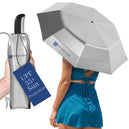
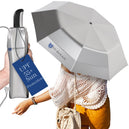
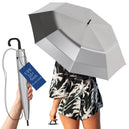
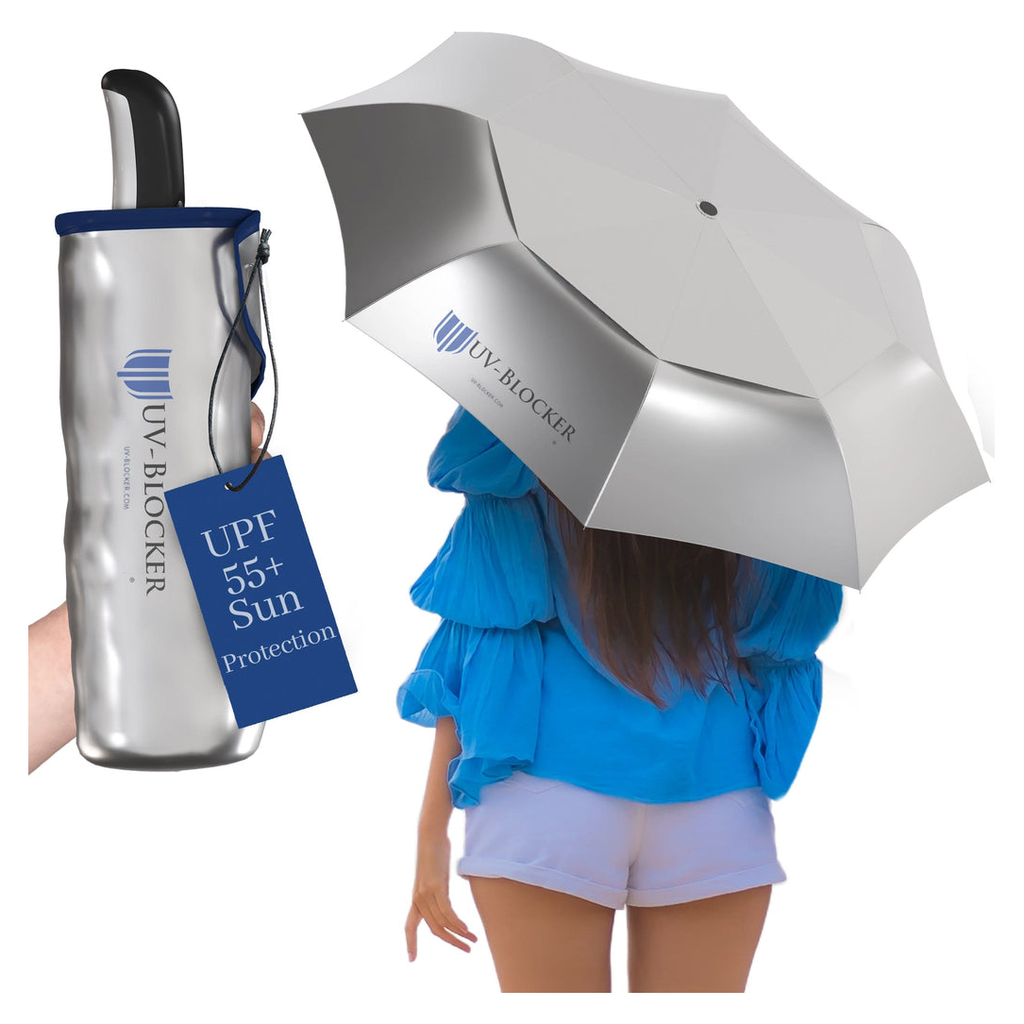
- Effective Protection: Combine broad-spectrum sunscreen, UPF 50+ clothing, wide-brim hats, and reliable shade solutions like a UV-Blocker umbrella with Solarteck® technology.
- Vitamin D: Prioritize dietary sources and supplements for Vitamin D, rather than unprotected sun exposure, to avoid compounding skin damage.
The median age at melanoma diagnosis is 67 (according to the American Academy of Dermatology). That single statistic reframes sun protection from a summer habit into a year-round health priority for every adult approaching or past retirement. For Ron Walker, founder of UV-Blocker and a melanoma survivor himself, this data isn't just a number—it's a call to action.
By age 70, 1 in 5 Americans will have developed skin cancer. Yet a concerningly low 15% of older adults consistently use all recommended sun protection measures. The gap between escalating risk and preventative action is enormous, leading to preventable diagnoses and often, devastating health outcomes.
This comprehensive guide delves into why UV risk compounds with age, explores how common retirement lifestyle shifts increase exposure, highlights which medications multiply that risk, and offers practical, easy-to-implement protection strategies for various activities and mobility levels. It serves as a vital resource for seniors evaluating their own UV safety and for adult children researching proactive protection strategies on behalf of their parents or loved ones. Our goal is to empower a healthier, sun-safe retirement for all.
Why Does Skin Cancer Risk Increase After 65?
Aging is an undeniable factor in increased skin cancer susceptibility, stemming from a confluence of biological changes. As we age, our skin undergoes significant structural and functional alterations that collectively diminish its natural defenses against ultraviolet (UV) radiation.
Firstly, the skin thins considerably. The dermis, the skin's second layer, loses approximately 20% of its thickness over time. This reduction in dermal volume, primarily due to decreased collagen and elastin production, compromises the skin's ability to act as a physical barrier. A thinner dermis means UV rays penetrate deeper into the skin layers, reaching and damaging more vulnerable cells below the surface.
Secondly, melanin production diminishes. Melanin, the pigment responsible for skin color, is the body's natural sunscreen, absorbing UV energy and dissipating it as heat. As melanocyte activity declines with age, the skin's built-in UV shield weakens. This reduced pigment barrier leaves the underlying cellular DNA more exposed to the mutagenic effects of ultraviolet radiation.
Compounding these issues is a decline in cellular repair mechanisms. Our bodies possess intricate DNA repair systems, but their efficiency wanes with age. Damaged cells that would have been quickly identified and repaired in a younger individual may persist and accumulate in older adults. This accumulation of unrepaired DNA damage forms the basis for precancerous and cancerous lesions over time. According to research published in the Journal of Investigative Dermatology, the efficacy of nucleotide excision repair (NER), a primary pathway for repairing UV-induced DNA damage, significantly decreases with age.
Finally, immune surveillance weakens. The skin's immune cells (Langerhans cells) play a crucial role in identifying and eliminating abnormal cells, including those with precancerous changes. As the immune system becomes less robust with age, its ability to detect and destroy these errant cells before they proliferate into full-blown cancers is impaired. This age-related immunosuppression contributes directly to the increased incidence of skin cancers in the elderly population.
The stark data reflects the impact of these biological changes: The median age at melanoma diagnosis is 67. By age 70, 1 in 5 Americans develop skin cancer, and overall, 40–50% of adults 65 and older will experience skin cancer at least once in their lifetime. These figures underscore the critical need for heightened sun protection in this demographic.
How Does Retirement Change UV Exposure?
Beyond the biological vulnerabilities of aging skin, retirement often ushers in a dramatic shift in lifestyle that inadvertently escalates UV exposure. For many, the transition from an office environment to an outdoor-centric routine removes decades of unintentional sun protection, sometimes overnight.
During working years, daily routines often involve significant time indoors—commuting in a car, working in an office, or enjoying indoor hobbies. This provides a constant, albeit passive, shield from the sun's rays. Retirement, however, frequently means more leisure time, and for many, that leisure time is spent outdoors. Activities like golf, gardening, long walks, fishing, travel, and even simply relaxing on a patio can dramatically increase daily sun exposure.
Consider a typical scenario: an individual previously spent 8 hours a day indoors. Post-retirement, they might spend 3-4 or more hours outdoors engaged in hobbies, often during peak UV hours (between 10 AM and 4 PM). This shift represents a significant increase in cumulative UV exposure. Contrary to the myth that childhood sunburns are the only risk factor, the majority of lifetime UV damage actually occurs after age 40. Every hour of direct sunlight at age 65 adds to an already substantial base of cellular wear and tear.
Despite this increased exposure, protective behaviors often lag. A concerning statistic reveals that only 15% of older adults use ALL recommended sun protection measures, while a startling 18% report using none at all. This lack of consistent protection, combined with greater outdoor activity, creates a hazardous combination.
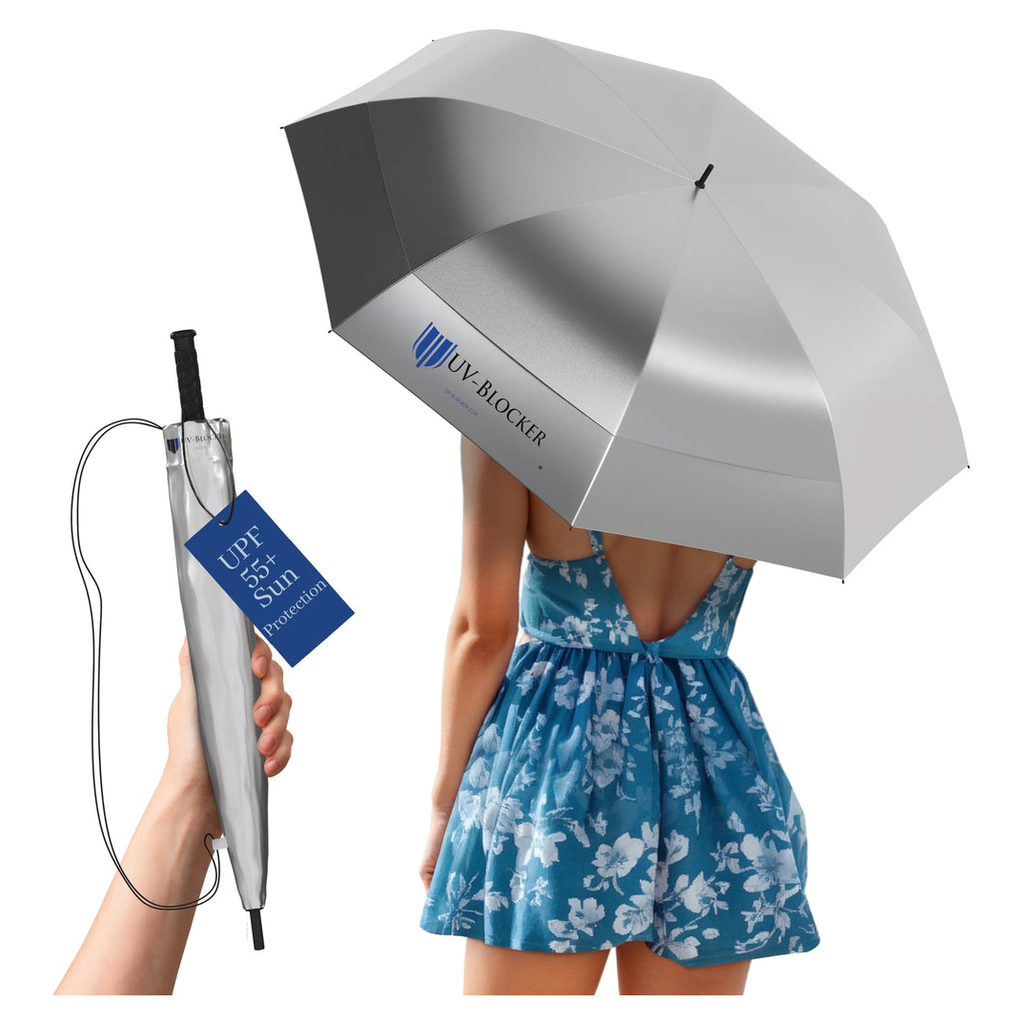
Men, in particular, face disproportionately higher risks during these retirement years. Men 65 and older are two times more likely than the general population to develop melanoma. By age 80, that risk level rises to a staggering three times. This disparity is often attributed to several factors: men traditionally spend more time in outdoor retirement hobbies like fishing, hunting, or golf; they are statistically less likely to adopt comprehensive skin care routines (such as regular sunscreen application); and they may have balding scalps, an area frequently exposed and highly vulnerable to UV damage. For these reasons, investing in a UPF 50+ golf umbrella or a portable UV-Blocker travel umbrella becomes an essential strategy.
Which Medications Make Seniors More Sun-Sensitive?
While biological changes and lifestyle shifts significantly elevate UV risk in seniors, a silent third factor often goes overlooked: medications. A staggering 22.4% of medications prescribed to people 65 and older carry photosensitizing potential. Given that the average senior takes 4–5 prescription drugs daily, the likelihood of encountering a photosensitizer is high. Yet, a concerning 62% of patients receive no physician guidance about increased sun sensitivity related to their prescriptions, according to a study published in JAMA Dermatology.
Photosensitivity can manifest in two primary ways: phototoxicity and photoallergy. Phototoxic reactions are more common and occur when a medication absorbs UV radiation, releasing energy that damages surrounding cells. This typically resembles an exaggerated sunburn and can happen within minutes to hours of sun exposure. Photoallergic reactions are less common and involve an immune response, often appearing as an itchy, eczema-like rash days after exposure.
Several common culprits affect millions of older adults:
- Diuretics: Medications like Hydrochlorothiazide, a thiazide diuretic widely used to treat high blood pressure and fluid retention, are potent photosensitizers. Patients taking it face heightened UV reactions, including severe sunburns and an increased risk of squamous cell carcinoma. For specific details regarding its effects, read our guide on hydrochlorothiazide sun sensitivity.
- Antibiotics: Certain antibiotics, particularly tetracyclines like Doxycycline, are known to cause significant photosensitivity. This means even moderate sun exposure can lead to severe sunburns. Find out more about doxycycline sun sensitivity.
- NSAIDs (Non-Steroidal Anti-Inflammatory Drugs): While many NSAIDs are over-the-counter, some prescription-strength versions, like naproxen, can increase sun sensitivity.
- Immunosuppressants/Chemotherapy Drugs: Medications such as Methotrexate, used to treat autoimmune conditions like rheumatoid arthritis and certain cancers, can make the skin extremely vulnerable to UV damage. Learn how this drug interacts with sunlight in the guide to methotrexate sun sensitivity. Other chemotherapy agents, especially those targeting rapidly dividing cells, can also cause photosensitivity.
- Tricyclic Antidepressants (TCAs) and Phenothiazines: Drugs like amitriptyline and chlorpromazine, used for mood disorders or psychiatric conditions, can increase sun sensitivity.
- Oral Retinoids: Isotretinoin (Accutane) and acitretin, prescribed for severe acne or psoriasis, make skin extremely fragile and prone to severe sunburn.
- Statins: Some cholesterol-lowering drugs, such as simvastatin, have been reported to cause photosensitivity in some individuals.
It is paramount for seniors and their caregivers to review all medications, both prescription and over-the-counter, with a doctor or pharmacist to understand their photosensitizing potential. Always read medication inserts carefully for warnings about sun exposure. If a photosensitizing drug is necessary, diligent sun protection—including UPF 50+ clothing, broad-spectrum sunscreen, and seeking shade with a UV-Blocker umbrella—becomes even more critical to prevent severe reactions and long-term skin damage.
How Much UV Exposure Do Common Retirement Activities Produce?
Retirement often means more time for hobbies and travel, many of which inherently involve significant outdoor exposure. Understanding the UV risk associated with common retirement activities is crucial for implementing targeted protection strategies. The cumulative effect of these activities, especially when performed during peak UV hours (10 AM to 4 PM), can be substantial.
| Activity | Typical Duration/Frequency | UV Risk Level | Protection Strategies |
|---|---|---|---|
| Golf | 3-5 hours, 1-3 times/week | Very High |
|
| Gardening/Yard Work | 1-3 hours, daily/several times/week | High |
|
| Walking/Strolling | 30-60 minutes, daily | Moderate to High |
|
| Fishing/Boating | Several hours, weekly/bi-weekly | Very High |
|
| Outdoor Dining/Socializing | 1-2 hours, several times/week | Moderate |
|
It's important to remember that UV exposure is cumulative. Even short, unprotected periods add to overall skin damage. By being mindful of these common activities and proactively employing robust sun protection, seniors can continue to enjoy their active lifestyles safely.
Can Seniors Get Enough Vitamin D While Staying Protected from the Sun?
One of the most frequent concerns seniors raise about rigorous sun protection is the fear of Vitamin D deficiency. While it's true that sunlight triggers Vitamin D synthesis in the skin, relying on unprotected sun exposure for adequate levels comes with significant health risks, especially for older adults already vulnerable to skin cancer. The medical consensus among leading health organizations like the American Academy of Dermatology (AAD) and the Skin Cancer Foundation is clear: deliberate sun exposure is not a recommended or safe way to obtain Vitamin D.
Here's why and how seniors can safely ensure sufficient Vitamin D:
- Inefficient Synthesis in Aging Skin: As discussed, aging skin is less efficient at repairing DNA damage. It's also less efficient at producing Vitamin D. Studies show that a 70-year-old produces only about 25% of the Vitamin D that a 20-year-old does from the same amount of sun exposure. This means seniors would need significantly more unprotected sun time, escalating their skin cancer risk exponentially, for minimal Vitamin D gain.
- Risk vs. Reward: The amount of UV exposure needed to produce sufficient Vitamin D is relatively small (e.g., 10-15 minutes of midday sun, several times a week, to arms and legs). However, this minimal exposure is still enough to contribute to cumulative UV damage, photoaging, and increase the risk of skin cancer, particularly for those with a history of sun damage or photosensitizing medications. The health risks of unprotected sun exposure far outweigh any perceived benefits for Vitamin D synthesis.
-
Dietary Sources are Key: The safest and most reliable ways to get Vitamin D are through diet and supplements.
- Food Sources: Fatty fish (salmon, mackerel, tuna), fortified milk and cereals, fortified orange juice, and some yogurts are good dietary sources.
- Supplements: Vitamin D supplements are widely available and are an excellent way to ensure adequate intake without any UV risk. A doctor can recommend the appropriate dosage based on individual needs and blood tests.
- Medical Recommendations: Major health bodies explicitly advise against unprotected sun exposure for Vitamin D. The AAD states: "Exposure to ultraviolet (UV) radiation from the sun or indoor tanning devices is a known risk factor for skin cancer. The AAD recommends that the public continue to protect themselves from the sun and obtain vitamin D from a healthy diet that includes foods naturally rich in vitamin D, foods and beverages fortified with vitamin D, and/or vitamin D supplements."
Therefore, seniors can and should prioritize robust sun protection, including UPF 50+ clothing, broad-spectrum sunscreen, and seeking shade with a UV-Blocker umbrella featuring Solarteck® technology, while confidently meeting their Vitamin D needs through dietary intake and physician-recommended supplementation. This dual approach safeguards skin health without compromising bone health or overall well-being.
What Is the Easiest Sun Protection for Seniors with Limited Mobility?
For seniors experiencing limited mobility, arthritis, or dexterity challenges, traditional sun protection methods like applying sunscreen can become difficult or even impossible. However, maintaining consistent sun protection remains paramount. Fortunately, there are highly effective and user-friendly options designed to overcome these hurdles, making sun safety accessible for everyone.
Here are the easiest and most effective sun protection solutions for seniors with limited mobility:
-
UPF 50+ Umbrellas (The UV-Blocker Advantage):
- Instant, Portable Shade: Umbrellas offer immediate and total shade, covering a wide area without the need for application. A UV-Blocker umbrella, with its patented Solarteck® fabric, provides certified UPF 50+ protection, blocking 99% of UVA and UVB rays. This is equivalent to wearing SPF 1000 sunscreen.
- MIF-Approved: UV-Blocker umbrellas are approved by the Melanoma International Foundation (MIF), a testament to their superior protective capabilities.
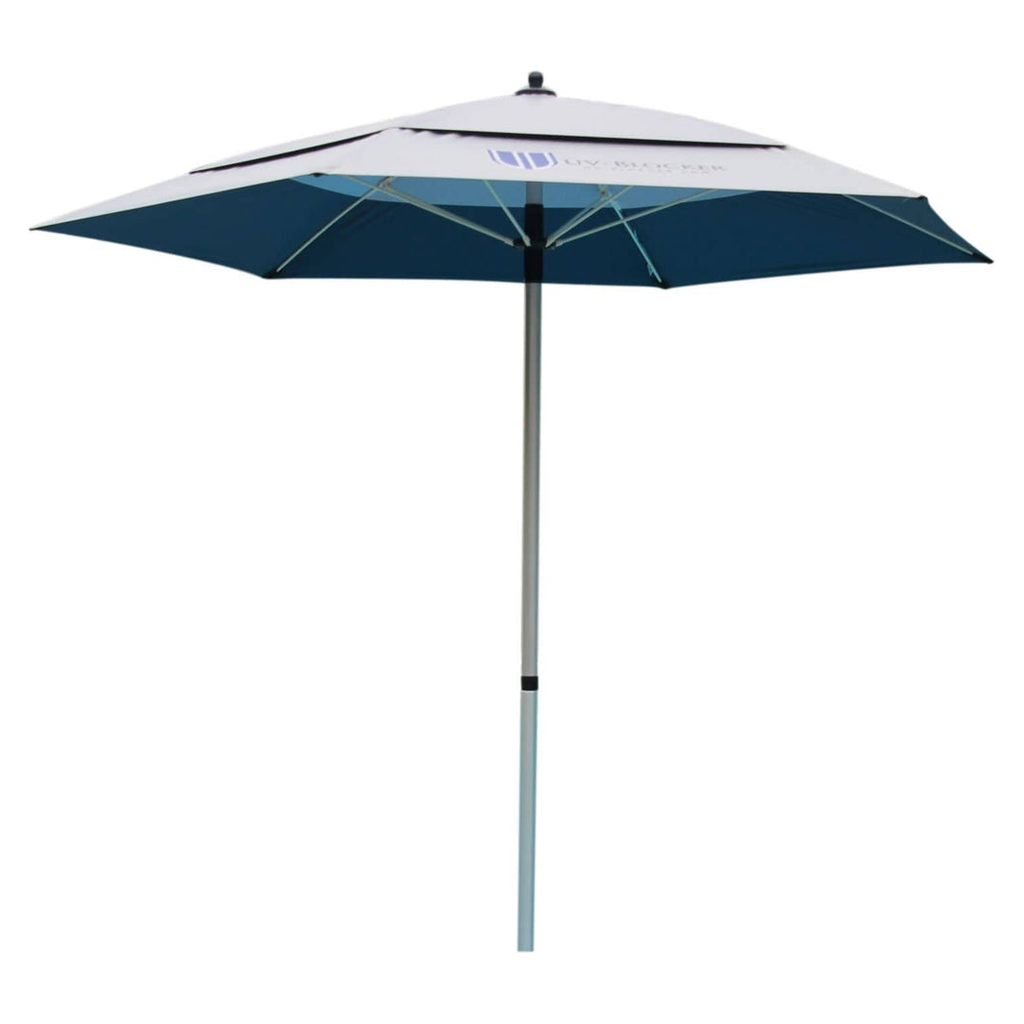
- Ease of Use: Lightweight designs make them easy to carry or mount. Many models feature auto-open buttons, making them effortless to deploy with minimal hand strength. They can be used while walking, sitting in a wheelchair, or even attached to outdoor furniture.
- Cooling Effect: Solarteck® technology not only blocks UV but also reflects heat, offering a noticeable cooling effect—a significant benefit for seniors susceptible to heat stroke.
-
UPF 50+ Clothing:
- Effortless Coverage: Unlike sunscreen, UPF clothing doesn't need to be reapplied. Once donned, it provides continuous protection. Look for lightweight, breathable fabrics that are easy to put on and take off.
- Full-Body Protection: Long-sleeved shirts, long pants, and wide-brim hats specifically rated UPF 50+ are ideal. These minimize exposed skin and are particularly useful for areas difficult to reach with sunscreen.
- Internal Link: Learn more about the benefits of UPF 50+ clothing.
-
Strategic Shade Seeking:
- Planning Ahead: Before going outdoors, identify shaded areas. Choose routes for walks that have tree cover, or plan outings for parks with gazebos.
- Personal Shade Solutions: Beyond umbrellas, consider pop-up shade tents for stationary outdoor activities like reading or picnicking.
-
Sunscreen (Easy Application Formats):
- Spray Sunscreens: While still requiring even application, spray sunscreens can be easier for caregivers or individuals with limited reach to apply to broad areas. Ensure good coverage and rub in where possible.
- Roll-on or Stick Sunscreens: These formats can be easier for applying to specific areas like the face, neck, and hands without the mess of creams.
- Mineral Formulas: Zinc oxide and titanium dioxide-based sunscreens are generally gentle on sensitive skin and offer broad-spectrum protection.
The goal is to simplify sun protection. By prioritizing solutions like a hands-free UV-Blocker umbrella, UPF clothing, and thoughtful shade planning, seniors with limited mobility can enjoy the outdoors safely and independently.
The Caregiver's Sun Protection Checklist
Caregivers play a vital role in ensuring the health and safety of seniors, and sun protection is a critical component of that responsibility, especially given the increased risks associated with aging skin, medications, and lifestyle changes. A proactive approach can prevent painful sunburns, reduce the risk of skin cancer, and maintain the senior's quality of life. Use this checklist as a guide for comprehensive sun safety:
Before Going Outdoors:
- Medication Review: Check all current medications (prescription and over-the-counter) for photosensitizing side effects. Consult with a pharmacist or doctor if unsure.
- Weather & UV Index Check: Look up the daily UV Index. A UV Index of 3 or higher warrants robust protection. Be mindful of cloudy days; up to 80% of UV rays can still penetrate clouds.
-
Apply Sunscreen:
- Use a broad-spectrum sunscreen with an SPF of 30 or higher.
- Apply generously to all exposed skin (face, neck, ears, hands, arms, bald spots) at least 15-20 minutes before going outside.
- For seniors with limited mobility, consider spray or stick formulations, or assist with application.
-
Dress for Protection:
- Encourage UPF 50+ clothing, including long-sleeved shirts and long pants made from lightweight, breathable fabric.
- Ensure a wide-brimmed hat (3-inch brim minimum) that shades the face, neck, and ears.
- Provide UV-blocking sunglasses that meet ANSI Z80.3 or UV400 standards.
- Hydration: Offer water or other hydrating fluids before and during outdoor activities, especially on warm days, as sun exposure can contribute to dehydration.
- Pack a UV-Blocker Umbrella: A portable UV-Blocker umbrella (MIF-approved, UPF 50+ Solarteck®) offers immediate and reliable shade, invaluable for walks, outings, or unexpected sun exposure.
During Outdoor Activities:
- Seek Shade Proactively: Prioritize shaded areas under trees, awnings, or by deploying a UV-Blocker patio or beach umbrella.
- Reapply Sunscreen: Reapply sunscreen every two hours, or more frequently if sweating or after water exposure.
- Monitor Sun Exposure: Be mindful of the time spent in direct sunlight, particularly between 10 AM and 4 PM, when UV radiation is strongest.
- Observe for Signs of Overexposure/Heat Stress: Watch for redness, skin discomfort, or signs of heat exhaustion (dizziness, fatigue, excessive sweating, headache).
Ongoing & After Sun Exposure:
- Regular Skin Checks: Conduct monthly self-skin exams, or assist the senior in checking their skin for any new moles, suspicious spots, or changes to existing lesions. Pay close attention to areas often overlooked (scalp, back of neck, soles of feet).
- Annual Professional Skin Exam: Schedule annual full-body skin examinations with a dermatologist, especially if there's a history of skin cancer or numerous moles.
- Post-Sun Skin Care: Apply a moisturizing lotion to soothe and hydrate the skin after sun exposure.
- Education & Communication: Continuously educate the senior about the importance of sun protection and communicate openly about any concerns or difficulties they have with protective measures.
By integrating these steps into daily routines, caregivers can significantly enhance the safety and well-being of the seniors under their care, allowing them to enjoy the benefits of outdoor activity without succumbing to the dangers of UV radiation.
Frequently Asked Questions About Sun Protection for Seniors
Is it too late for seniors to start protecting their skin from the sun?
It is absolutely never too late to start or improve sun protection habits. While past sun damage is irreversible, consistent sun protection from this point forward can significantly reduce the risk of developing new skin cancers, prevent further damage, and improve the overall health and appearance of the skin. Every step taken to reduce UV exposure helps to slow down the aging process of the skin and lowers the risk of future skin cancer diagnoses.
How often should seniors get their skin checked for skin cancer?
The American Academy of Dermatology recommends that adults, especially those over 65, conduct regular self-skin exams (monthly) and have an annual professional full-body skin exam by a dermatologist. Individuals with a personal or family history of skin cancer, numerous moles, or a weakened immune system may require more frequent check-ups, as advised by their doctor. Early detection is crucial for successful treatment.
What is the difference between sunscreen and UPF 50+ clothing/umbrellas?
Sunscreen works by either reflecting (mineral) or absorbing (chemical) UV radiation on the skin's surface. It needs to be applied correctly, generously, and reapplied frequently. UPF (Ultraviolet Protection Factor) rated clothing and umbrellas, like those from UV-Blocker with Solarteck® technology, provide a physical barrier that blocks UV rays from reaching the skin. A UPF 50+ rating means the fabric allows only 1/50th (or 2%) of UV radiation to pass through. UPF protection is consistent, doesn't wear off, and covers areas effectively, making it a highly reliable and often preferred method for extensive protection, especially for those with sensitive skin or limited mobility.
Can seniors get skin cancer on areas not typically exposed to the sun?
Yes, while the vast majority of skin cancers appear on sun-exposed areas like the face, neck, arms, and hands, skin cancer can develop anywhere on the body, including the scalp (even with hair), soles of the feet, palms of the hands, genitals, and under fingernails or toenails. This is why thorough, full-body skin exams by a dermatologist are important, along with regular self-checks, to catch any unusual spots regardless of their location.
Are there specific sunscreens recommended for mature skin?
For mature skin, broad-spectrum sunscreens with an SPF of 30 or higher are universally recommended. Many dermatologists suggest mineral-based sunscreens (containing zinc oxide and/or titanium dioxide) as they are typically gentler and less likely to irritate sensitive or aging skin. Look for formulas that are also moisturizing, often containing ingredients like hyaluronic acid or ceramides, which can help combat the dryness common in mature skin. Opt for fragrance-free options to reduce the risk of allergic reactions.
How does UV-Blocker's Solarteck® technology specifically help seniors?
UV-Blocker's patented Solarteck® technology offers seniors multifaceted protection. Its UPF 50+ fabric physically blocks 99% of UVA and UVB rays, providing an impenetrable shield against skin cancer-causing radiation. This is superior to many standard umbrellas. Additionally, Solarteck® is designed to reflect heat, creating a noticeable cooling effect under the umbrella, which is vital for seniors prone to overheating. The ease of use, portability, and Melanoma International Foundation (MIF) approval make UV-Blocker umbrellas an ideal, no-fuss solution for reliable, comprehensive sun protection for seniors during any outdoor activity.
Conclusion
The journey through our senior years should be filled with joy, activity, and peace of mind, not overshadowed by the preventable threat of skin cancer. The statistics are clear: aging skin's reduced defenses, coupled with increased outdoor leisure and potential medication sensitivities, elevate UV risk dramatically for adults over 65.
However, armed with the right knowledge and tools, seniors and their caregivers can transform this vulnerability into an opportunity for proactive health management. From understanding the nuanced biological changes to recognizing the impact of daily activities and medications, this guide emphasizes that effective sun protection is a year-round, non-negotiable health priority.
Embrace a comprehensive approach: consistently apply broad-spectrum sunscreen, wear UPF 50+ protective clothing, don wide-brim hats and UV-blocking sunglasses, and critically, seek shade whenever possible. For unparalleled, effortless protection, consider a UV-Blocker umbrella with patented Solarteck® technology. As a Melanoma International Foundation (MIF)-approved product, it provides certified UPF 50+ protection and a cooling effect, making it an ideal companion for walks, golf, gardening, or simply enjoying the outdoors.
As Ron Walker, founder of UV-Blocker and a melanoma survivor, can attest, the consequences of unprotected sun exposure are real and serious. His mission, and ours, is to empower you to live a full, active life without compromising your skin health. Take control of your sun safety today—it’s the smartest investment you can make in your long-term well-being.