

Sun protection at an outdoor wedding is one of the most overlooked planning categories. Roughly 1.3 million weddings take place outdoors in the United States each year, most during peak UV hours. Yet standard wedding planning guides rarely mention sun protection outdoor wedding strategies beyond suggesting a basic fan station or providing a bucket of ice water.
More than one in three adults get sunburned annually. A typical outdoor wedding ceremony and reception exposes guests to three to six hours of continuous UV radiation. This sustained duration is enough to cause severe, visible burns at a UV Index of 6 or higher. The traditional aesthetic-first approach leaves a real gap in guest health and safety. And ignoring UV exposure is costly on a national scale, contributing to the 6.1 million skin cancer treatments performed yearly at an annual cost of $8.9 billion.
This sun protection outdoor wedding guide covers ceremony timing versus UV Index by hour, the real UV-blocking numbers behind decorative parasols versus UPF 50+ umbrellas, a venue type comparison, a detailed shade solutions comparison, and a complete wedding UV protection checklist.
Other wedding resources treat sun exposure as a minor style detail or a temporary comfort issue. This sun protection outdoor wedding manual brings UV science, UPF ratings, blocking percentages, vulnerable-guest considerations, photographer communication, and attire guidance directly into the wedding planning process.
Why Does Sun Protection at an Outdoor Wedding Matter?
Sun protection at any outdoor wedding held between 10am and 4pm is critical, because guests face UV Index levels of 6–11 for three to six hours.
The sun controls the safety of the event timeline. Every hour shifts the risk level for attendees. Understanding the direct relationship between the clock and the sun allows for precise, health-focused planning.
| Ceremony Time | Typical UV Index (Summer) | Risk Level | Time to Burn (Fair Skin, Unprotected) |
|---|---|---|---|
| 10:00 AM | 6–8 | High | 15–25 min |
| 12:00 PM | 8–11 | Very High | 8–15 min |
| 3:00 PM | 7–9 | High | 12–20 min |
| 5:00 PM | 3–5 | Moderate | 30–50 min |
| 6:30 PM | 1–2 | Low | 90+ min |
Total exposure time compounds the physical risk significantly. A 45-minute ceremony might seem brief on paper. Add a 90-minute cocktail hour on an uncovered patio and a three-hour reception under a sparse tree canopy. Guests are now facing nearly five hours of direct or scattered UV radiation. This extended duration turns a beautiful afternoon into a serious health hazard for unprepared attendees. The accumulation of UVA rays deeply penetrates the skin, while UVB rays cause immediate surface burns.
Certain guests require far more protection than a paper fan or a cold drink can provide. Elderly relatives have thinner skin that burns quickly. Children under six months cannot wear chemical sunscreens safely. Pregnant attendees face elevated risks of melasma and overheating in direct sunlight. Many guests also take daily prescriptions that increase their sun sensitivity. Categories like retinoids, common antibiotics, and blood pressure medications make skin more reactive to UV rays. Reviewing common Medications That Cause Sun Sensitivity helps planners understand exactly why reliable shade is a medical necessity for a significant portion of the guest list.
The long-term impact of unprotected exposure is well-documented. Roughly one in five Americans will develop some form of skin cancer by age 70. Sustaining five or more sunburns over a lifetime doubles the risk of developing melanoma. Treating sun protection at an outdoor wedding as a health priority ensures couples protect vulnerable guests from both immediate discomfort and long-term health consequences.
Understanding UV risk is the first step in any sun protection outdoor wedding plan. The next question is whether common wedding shade accessories deliver real, measurable protection.
UV Index by Ceremony Hour: A Practical Planning Guide
The single most powerful decision in outdoor wedding sun planning is ceremony start time. The UV Index is not linear across the day — it rises and falls sharply, with the most dangerous window concentrated between 11 AM and 3 PM. Planning around this window is the most cost-effective UV risk reduction available.
Hourly UV Index Profile for a Summer Wedding (Mid-Latitude US, Clear Sky)
| Hour | UV Index Range | Risk Category | Burn Time (Fair Skin) | Wedding Planning Implication |
|---|---|---|---|---|
| 8:00 AM | 1–3 | Low–Moderate | 60–90 min | Comfortable start; minimal risk for most guests |
| 9:00 AM | 3–5 | Moderate | 40–60 min | Active protection warranted; sunscreen stations critical |
| 10:00 AM | 6–8 | High | 15–25 min | Shade required; UPF umbrellas for exposed ceremony seating |
| 11:00 AM | 8–10 | Very High | 10–15 min | Tent or overhead shade essential; max guest exposure risk |
| 12:00 PM | 9–11 | Very High–Extreme | 8–12 min | Highest risk hour of the day; structural shade mandatory |
| 1:00 PM | 9–11 | Very High–Extreme | 8–12 min | Identical risk to noon; no improvement yet |
| 2:00 PM | 8–10 | Very High | 10–15 min | Still very high risk; shade essential through this hour |
| 3:00 PM | 7–9 | High | 12–20 min | Begins to decline; still requires full shade strategy |
| 4:00 PM | 5–7 | Moderate–High | 20–35 min | Outdoor ceremony increasingly viable with personal shade |
| 5:00 PM | 3–5 | Moderate | 30–50 min | Golden hour starts; comfortable for most guests with sunscreen |
| 6:00 PM | 1–3 | Low | 60–90 min | Minimal UV risk; focus shifts to heat management |
The 5 PM Rule
A ceremony starting at 5 PM or later reduces peak UV exposure by 60–70% compared to a noon ceremony, requires significantly less structural shade investment, and delivers the most photographically flattering natural light of the day. This is the single best free upgrade available in outdoor wedding UV planning.
Cloud cover does not provide reliable protection. Up to 80% of UV penetrates through thin cloud layers. A bright overcast day in July may carry a UV Index of 6–8 despite the sun being completely obscured. Always base planning on the forecasted UV Index for the wedding date and location, not cloud cover assumptions.
Do Wedding Parasols Actually Block UV Rays?
Decorative paper and lace parasols block only 50–80% of UV rays, while UPF 50+ umbrellas block over 99%. This gap is the most overlooked detail in outdoor wedding sun protection planning.

Visual shade doesn't equal actual UV protection. Couples often purchase bulk bundles of delicate parasols online, assuming they keep guests safe from the harsh sun. The testing data tells a different story.
Paper and bamboo parasols block between 50% and 70% of incoming UV rays. These are the most common wedding parasol options found on craft sites and major online retailers. They carry no UPF certification and undergo no laboratory testing. The thin paper allows significant levels of radiation to pass directly through the material and onto the skin beneath.
Lace and cotton parasols perform slightly better, blocking 60% to 80% of UV rays. The tightness of the fabric weave determines the exact protection level. Loose vintage weaves let in more light and harmful radiation. None of these stylized options achieve a UPF 50+ rating, leaving guests highly vulnerable during a midday ceremony.
Standard rain umbrellas block between 50% and 90% of UV rays. Darker colors generally block more radiation than lighter pastel shades. But they remain unrated and unreliable for extended sun protection. They also bring a heavy, utilitarian aesthetic that directly clashes with formal wedding design.
Lab-tested UPF 50+ umbrellas block over 99% of harmful UVA and UVB rays. These certified canopies undergo rigorous AATCC TM183-2020 laboratory testing. They provide proven, dermatologist-recommended protection rather than just a patch of visible shadow.
| Shade Type | UV Blocking | UPF Rating | Wedding Aesthetic | Cost Range |
|---|---|---|---|---|
| Paper parasol | 50–70% | None | High (decorative) | $3–15 |
| Lace/cotton parasol | 60–80% | None | High (vintage) | $8–25 |
| Standard rain umbrella | 50–90% | None | Low (utilitarian) | $10–30 |
| UPF 50+ umbrella | 99%+ | UPF 50+ | Medium-High (silver/black) | $40–70 |
This data shifts how event coordinators should evaluate personal shade options. A jump from 80% blockage to over 99% blockage is a significant safety upgrade when guests sit outside for hours. At a UV Index of 10, a parasol blocking 70% of UV still allows 3 times more UV to reach the skin compared to a UPF 50+ umbrella blocking 99%. Over a 45-minute ceremony in direct midday sun, this difference is clinically meaningful. For a deeper dive into the specific material differences, review this complete technical breakdown of Parasol vs. Umbrella: Which Blocks More UV?
Parasols and umbrellas represent just one piece of the sun protection outdoor wedding puzzle. Planners should compare them against all venue-level shade options to build a complete strategy.
What Are the Best Shade Solutions for an Outdoor Wedding?
The most effective wedding shade strategy layers venue-level shade (tents, sails, trees) with personal shade (UPF 50+ umbrellas) and timing the ceremony after 4pm.
No single sun protection outdoor wedding solution shields every guest on its own. A successful plan builds overlapping layers of protection across the event timeline. Combining structural shade with portable personal accessories keeps everyone covered from arrival to departure.
| Solution | UV Blocking | Cost Per Guest | Setup | Best For |
|---|---|---|---|---|
| Frame tent (solid roof) | 90–99% | $15–40 | Professional | Reception, large parties |
| Shade sail | 85–95% | $5–15 | DIY possible | Ceremony, cocktail hour |
| Natural tree canopy | 60–90% (varies) | Free | N/A | Venue selection |
| Market umbrellas | 70–90% | $5–10 | Self | Tables, lounge areas |
| UPF 50+ guest parasols | 99%+ | $40–70 each | None | Ceremony, transitions |
| Ceremony after 4pm | 60%+ UV reduction | Free | N/A | All outdoor events |
Scheduling the ceremony after 4pm reduces total UV exposure by 60% or more. This is the most effective free strategy available to any couple. The sun sits lower in the sky, the UV Index drops rapidly, and the dangerous heat index begins to recede. Smart timing solves half the exposure problem before anyone even contacts a tent rental company.
Structural shade handles the stationary portions of the day. Solid-roof frame tents provide excellent, reliable coverage for dining and dancing. Commercial shade sails offer a modern, breezy look for the cocktail hour while effectively blocking up to 95% of UV rays. Natural tree canopies are variable and often deceptive. A dense, mature oak provides great cover, while sparse decorative pines let dangerous amounts of scattered radiation through to the seating area.
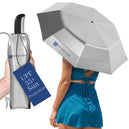
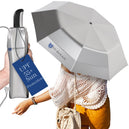
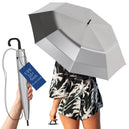
Personal shade covers the logistical gaps. Guests walk from the parking area to the ceremony, and then transition to the reception space. These movements happen entirely in the open sun. Equipping guests with the UV-Blocker Fashion UV Umbrella offers an elegant, functional solution. Its classic crook handle and sleek silver canopy fit perfectly into a formal aesthetic. The Solarteck reflective surface actively bounces heat away, creating a noticeable 15°F cooling effect beneath the canopy while delivering lab-certified UPF 50+ protection.
With a core shade strategy firmly set, event hosts can move to venue type analysis and create a complete UV protection checklist to share directly with vendors.
Venue Type UV Comparison: Open Lawn vs. Pergola vs. Garden
The venue type determines both the baseline UV exposure level for guests and the cost and complexity of adding effective sun protection. Here's how to evaluate each common outdoor venue category from a UV safety perspective:
Open Lawn Venue
Open lawn venues offer the most visual drama and flexibility but present the highest UV challenge. With no structural shade in place, guests receive full overhead UV from the sky plus 8–15% reflected UV from light grass and pathways. Afternoon sun hits ceremony seating from a low angle, targeting the face and chest directly. Wind across open fields can strip sunscreen from skin in under 60 minutes.
UV risk: Very High (if midday)
Required additions: Frame tent or shade sail for seating area, UPF umbrellas for guest transitions, sunscreen stations at entry and restrooms, ceremony after 4 PM strongly recommended.
Pergola or Arbor Venue
Pergolas and arbors provide partial overhead shade but are fundamentally designed for aesthetics, not UV protection. Open lattice or slatted wood roofs block 30–60% of direct overhead UV but allow significant diffuse sky UV to reach guests through gaps. The dappled shade effect feels protective but produces inconsistent protection — guests in "shade" still receive meaningful UV doses through the open structure.
UV risk: Moderate-High (midday)
Required additions: UPF umbrellas for guests in open sections, supplemental shade sail over ceremony seating, sunscreen stations. A solid-roof tent addition over the dining area fully mitigates reception UV risk.
Garden or Estate Venue
Garden venues vary widely. Mature formal gardens with established hedgerows and dense plantings can reduce UV by 70–85% in heavily shaded sections. However, open lawn sections, terrace areas, and formal garden "rooms" often remain fully exposed. The key is performing a UV walkthrough at the exact time of day the ceremony will occur to map which sections are genuinely shaded versus decoratively green.
UV risk: Variable
Required additions: Venue-specific shade audit essential; heavy plantings may eliminate need for tent; open terraces still require personal shade; UV umbrella provision for transitions.
Vineyard or Winery Venue
Vineyards present a deceptive UV environment. Between-row plantings provide limited shade, and the open sun over vine rows can reach UV Index 8–10 on clear summer afternoons. Light sandy soil paths and reflective stone terraces add reflected UV. Many vineyard weddings feature outdoor ceremonies in open vine rows or on exposed patios — aesthetically stunning, UV-wise unprotected.
UV risk: High
Required additions: Timing ceremony before 10 AM or after 4 PM critical at vineyard venues; shade sail or tent for ceremony seating; UPF umbrellas for guest provision.
Beach Wedding Venue
Beach venues are the highest-UV wedding environment. Direct overhead UV combines with water reflection (10–25%) and sand reflection (15–25%) to create an environment where effective UV dose can be 50–100% higher than inland venues at the same UV Index. Breezes strip sunscreen faster and dehydrate guests more quickly.
UV risk: Extreme at midday
Required additions: Early morning (before 9 AM) or late afternoon (after 5 PM) ceremony timing essential; full structural shade for reception; maximum provision of UPF umbrellas; broad-spectrum mineral SPF 50+ sunscreen at stations; reef-safe formulas for ocean proximity; extra hydration stations.
The Complete Wedding UV Protection Checklist
A complete sun protection outdoor wedding plan covers five areas: ceremony timing, venue shade audit, sunscreen stations, personal shade for guests, and hydration.

Building a safe environment requires careful planning. Sun safety must be integrated directly into the logistics, not just added as an afterthought on the morning of the event.
- Timing strategy: Schedule the ceremony after 4pm to instantly reduce UV radiation by 60% or more. If a midday start is unavoidable due to venue restrictions, organizers should prioritize well-shaded locations with solid structural cover.
- Venue shade audit: Walk the entire venue at the exact time of day the ceremony will occur. Note the specific sun angles, evaluate existing natural shade, and identify bright spots. Taking photos at 2pm for a 2pm ceremony shows exactly where the intense sun will hit the main seating arrangement. Look specifically at the path from parking to ceremony, the ceremony seating area, the cocktail hour zone, and the reception space.
- Sunscreen stations: Provide SPF 50+ broad-spectrum sunscreen in accessible baskets near the entrance. Include spray-on options alongside traditional lotions. Many guests refuse to apply thick creams that might ruin their professional makeup or stain expensive formal attire. Fine-mist spray formulas solve this problem elegantly. Budget $2–3 per guest for quality sun care products.
- Personal shade provisioning: Decide carefully between offering decorative props or providing genuine medical-grade protection. Unrated paper parasols cost $3 to $15 but leave guests largely exposed to radiation. The UV-Blocker Compact UV Umbrella costs roughly $60 and delivers strict UPF 50+ safety. The fabric is also RPET eco-friendly. Some couples buy smaller quantities of high-quality umbrellas specifically for older relatives and bridal party members, rather than handing out cheap paper props to everyone.
- Hydration access: Set up dedicated stations with infused water and electrolyte drinks directly in the shade. Use clear signage or catering staff to encourage regular water intake long before the ceremony begins. In hot conditions, guests who are dehydrated before the ceremony begins are at significantly greater risk of heat-related illness.
- Vulnerable guest planning: Identify elderly guests, children, pregnant guests, and anyone on photosensitizing medications in advance. Assign them seating in the most heavily shaded areas, provide personal UPF umbrellas directly, and ensure a cool indoor area is accessible if needed.
- Photographer coordination: UV umbrellas create consistent, flattering shade for outdoor portraits by eliminating harsh facial shadows. Communicate with your photographer before the day about where UV shade is planned, so they can position subjects to take advantage of it.
This sun protection outdoor wedding checklist is actionable right now. Make sure guests know what to expect before they arrive at the venue.
How Should You Communicate Sun Protection to Wedding Guests?
Add a brief sun protection note to wedding websites and include a comfort basket with sunscreen, fans, and water at the ceremony entrance.
Guests need advance notice to dress appropriately for an intense outdoor summer event. Clear, direct communication prevents severe sunburns and ensures everyone arrives fully prepared for the local weather conditions.
Update the wedding website with a dedicated section focusing strictly on the venue environment. Keep the tone warm and informative. Planners might use this phrasing: "The ceremony will be held outdoors. Shaded areas and sunscreen are available, but guests are encouraged to wear sun-protective clothing and bring sunglasses."
Include a single, focused line on the details card of the formal invitation suite. A simple note works perfectly: "Sun protection will be provided, but please plan for an outdoor summer celebration. Sunscreen, sunglasses, and light layers are strongly recommended."
Build a comprehensive comfort basket for the main ceremony entrance. Fill it carefully with travel-size tubes of SPF 50+ sunscreen, high-quality hand fans, facial blotting papers, and iced water bottles. Organizers can also place a large basket of UV parasols nearby with a small sign inviting vulnerable guests to use them during the service.
Consider including sun protection guidance in the wedding program itself. A brief note — "We invite you to use the UPF umbrellas provided — these block 99% of UV and keep you 15°F cooler in the sun" — normalizes the use of protection and helps guests understand that these are functional items, not just decorative props.
Wedding Attire and UV Protection: What to Know for Bridal Party and Guests
Wedding attire presents unique UV protection challenges. The formal clothing choices made for bridal parties and guests often prioritize aesthetics over UV safety — creating predictable exposure gaps that planners can address with targeted guidance.
Bridal Attire
White and ivory wedding gowns reflect light but offer variable UV protection depending on fabric density. Thin chiffon and lace fabrics common in wedding dresses may have UPF values as low as 2–5, meaning they transmit 20–50% of UV radiation. The neck, chest, and shoulder areas — particularly in strapless or off-shoulder designs — receive direct overhead UV with no fabric protection at all.
Recommendations for brides:
- Apply broad-spectrum mineral sunscreen to all exposed skin (chest, neck, arms, shoulders) at least 20 minutes before outdoor photos and ceremony
- Coordinate with the makeup artist to use SPF-containing primer and foundation on the face, neck, and décolletage
- A UV umbrella held by the maid of honor during outdoor portrait sessions shields the bridal couple while maintaining photo elegance
Groomsmen and Groom
Dark suit fabrics generally offer better UV protection than thin dress shirts alone. However, the face, neck, ears, and backs of hands remain exposed. Men with thinning hair or shaved heads have significant scalp exposure. Apply mineral SPF 50+ to the scalp, ears, and neck before the ceremony.
Guest Dress Code Guidance
The dress code communication provides an opportunity to guide guests toward UV-protective choices. Suggesting "summer formal" or "garden party attire" with a note that "breathable fabrics and sun-protective layers are welcome and encouraged" signals to guests that UV consideration is part of the dress expectation without mandating specific clothing.
Light-colored loose wovens, breathable linen, and synthetic UPF blends offer meaningful UV protection while remaining comfortable in summer heat. Discourage bare shoulders without shade access for guests who may not be accustomed to extended outdoor events.
Coordinating with Your Photographer for UV-Safe Portraits
A wedding photographer who understands the UV shade plan can incorporate it seamlessly into portrait timing and positioning, improving both guest comfort and photo quality simultaneously.
Why UV Umbrellas Improve Outdoor Wedding Photography
Harsh midday overhead sun creates unflattering facial shadows — dark eye sockets, harsh cheekbone shadows, and squinting expressions. A UV umbrella positioned overhead by an assistant creates soft, even diffused light on the subject's face, mimicking the effect of a large photography reflector.
The Solarteck silver reflective exterior of UV-Blocker umbrellas can act as a subtle fill light when positioned at an angle, bouncing warm reflected light into shadowed facial areas. This dual function — UV protection and lighting enhancement — makes the UV umbrella a tool that serves both health and aesthetics simultaneously.
Communicating Umbrella Use to Your Photographer
Before the wedding day, share the following with your photographer:
- Which guests will have UPF umbrellas and where they will be positioned
- Whether you want umbrellas included in portrait shots as intentional style elements or removed for traditional portraits
- The Solarteck silver canopy may create a slightly cooler color cast in extreme close-up shots; ask your photographer to check white balance settings during portrait sessions involving the umbrella
- For wide-angle ceremony shots, umbrellas in guest hands can add visual interest and signal a sun-aware, thoughtful event
Finally, review the specific questions every couple asks when planning a truly sun-safe outdoor event.
Frequently Asked Questions About Sun Protection Outdoor Wedding Planning
These are the most common sun protection outdoor wedding questions from couples planning summer celebrations, answered with UV science and practical advice.
Do wedding parasols actually block UV rays?
Most decorative wedding parasols block 50–80% of UV rays but carry no UPF rating. Only lab-tested UPF 50+ umbrellas block 99%+ of UV.
Paper and lace parasols offer great vintage style but leave significant UV exposure gaps. The thin materials cannot stop midday radiation. For verified protection, look for umbrellas carrying a UPF 50+ rating from a certified testing laboratory. See the full data comparison in the parasol vs. umbrella guide.
How many umbrellas do I need for an outdoor wedding?
Plan one umbrella per two guests for ceremony seating, plus 10–15 extras for cocktail hour and transitions between spaces.
For a standard 100-guest wedding, that means providing 50 to 65 umbrellas. Installing large tents and shade sails reduces the total number needed. Focus specific umbrella coverage on the open ceremony seating and any exposed walkways. Prioritize personal UPF umbrellas for elderly guests, children, and anyone with known sun sensitivity.
What is the best shade for an outdoor wedding ceremony?
A combination of overhead shade (tent or sail at 85–99% UV block) plus personal UPF 50+ umbrellas offers the strongest layered protection.
No single solution covers all sun exposure scenarios. Natural tree canopy protection varies from 60% to 90%. Commercial shade sails hit 85% to 95%. Adding personal UPF 50+ umbrellas easily fills the remaining critical gaps during guest transitions and open seating.
How hot is too hot for an outdoor wedding?
Most wedding planners recommend a maximum of 90°F (32°C) with shade provided, and indoor backup plans for temperatures above 95°F (35°C).
The actual heat index matters far more than the raw temperature reading alone. At 90°F with 60% humidity, the heat index reaches 100°F. Monitor both the ambient temperature and the specific UV Index forecast when making day-of decisions. The 15°F cooling effect under UV-Blocker umbrellas addresses heat stress for guests in exposed areas even when structural shade isn't available.
Should I provide sunscreen at my outdoor wedding?
Yes, place SPF 50+ broad-spectrum sunscreen at the entrance and restrooms. Offer spray-on options so guests can reapply without disrupting hair or makeup.
Travel-size tubes work well for hotel welcome bags or entrance comfort baskets. Budget roughly $2 to $3 per guest for high-quality sun care products. Reef-safe formulas are a considerate choice for any beach or botanical garden venues.
What time should an outdoor summer wedding start?
Starting at 5pm or later reduces UV exposure by 60%+ compared to a noon ceremony, making late afternoon the safest and most comfortable option.
If a daytime ceremony is preferred, 10am is safer than noon. UV radiation peaks between 12pm and 3pm. Always check the specific historical UV Index forecast for the exact wedding date and geographic location. Weather services and wedding planning apps can provide historical UV Index data for any date and location to help with venue and timing decisions.
Can medication make guests more sensitive to sun at an outdoor wedding?
Yes — common medications including antibiotics, blood pressure drugs, retinoids, and antihistamines significantly increase UV sensitivity, lowering the burn threshold for affected guests.
A meaningful percentage of any adult guest list will be taking at least one photosensitizing medication. These guests can burn at UV Index levels or durations that would not affect an unmedicated person. Providing shade access and sunscreen is not just a comfort consideration — for medication-affected guests, it's a medical precaution. Review the full list of medications that cause sun sensitivity as part of your guest care planning.
Plan a Flawless, Sun-Safe Celebration
Effective sun protection at an outdoor wedding takes more than hoping for a cloudy afternoon. By understanding the science behind UV exposure, acknowledging the real difference between decorative parasols and UPF 50+ umbrellas, choosing the right venue type and timing, and implementing a layered shade strategy, planners create a genuinely safe environment.
A wedding should be remembered for its elegance and joy, not for painful sunburns or dangerous heat exhaustion. Building a complete sun safety plan early, auditing venue shade coverage, timing the ceremony wisely, and investing in certified UPF 50+ protection ensures the long-term health and immediate comfort of every single attendee.
- Time the ceremony after 4 PM when possible — the single most impactful and free UV reduction strategy
- Conduct a venue walkthrough at ceremony time to identify actual UV exposure zones, not assumed shade areas
- Provide UPF 50+ umbrellas for vulnerable guests (elderly, children, pregnant) as a non-negotiable provision
- Set up sunscreen stations at entry, restrooms, and cocktail hour area with spray-on options for formal attire guests
- Communicate sun protection guidance on the wedding website and invitation detail card
- Coordinate with your photographer to use UV umbrella shade advantageously in portrait lighting
Explore the complete collection of UPF 50+ umbrellas to find the right shade solution for any upcoming outdoor celebration.
Coordinating Sun Protection With Wedding Vendors
An outdoor wedding sun protection plan isn't just about the couple — it involves coordination across multiple vendors who will also be working in full sun for 8 to 12 hours. A well-organized couple can reduce vendor sun fatigue and help ensure the professionals capturing and facilitating their day are performing at their best through the final hour of sunset portraits.
Photographers and videographers are among the most UV-exposed outdoor wedding workers. A typical outdoor wedding photographer works 8 to 10 hours, moving continuously between ceremony, portraits, and reception setups — often with their face tilted upward to frame shots against bright sky backgrounds. Many photographers report sunburn as a regular occupational hazard.
Discuss shade availability with your photographer during the venue walkthrough. Identify the optimal portrait location that provides beautiful light without requiring both subject and photographer to face directly into peak-sun angles. Early morning (7–9 AM) and "golden hour" (60–90 minutes before sunset) sessions are universally preferred by photographers for multiple reasons — both technical (softer, more flattering light) and practical (significantly reduced UV intensity).
Wedding caterers and catering staff working outdoor receptions face prolonged standing exposure on reflective surfaces — often concrete, paving stone, or light-colored tent flooring. Catering staff involved in setup and service for a 5-hour outdoor reception may receive more cumulative UV than guests who arrive after the highest-UV window. Consider including sun protection items in the welcome package you provide to vendors.
Florists and decorators who spend 4 to 6 hours on day-of setup in direct outdoor sun benefit significantly from a designated shaded staging area for their materials and tools. This consideration also protects flowers and greenery from wilting in direct sun before the ceremony.
Wedding Dress, Suits, and Sun Protection: What to Know Before the Day
Bridal attire and wedding suits vary dramatically in UV protection, and certain dress styles and fabric choices can create sun vulnerability that neither the wearer nor their tailor typically considers during fittings.
Strapless and off-the-shoulder gowns leave the shoulders, décolletage, and upper chest fully exposed during outdoor ceremonies and receptions. These areas are among the fastest to burn due to their relatively low melanin concentration compared to face or arms, and the forward-facing body position during a ceremony means these surfaces receive near-direct overhead UV at peak sun angles.
The solution is straightforward: apply SPF 50+ broad-spectrum sunscreen to the décolletage, shoulders, and upper chest on the wedding morning, at least 20 minutes before applying makeup or getting dressed. Choose a non-staining, clear or invisible formula to avoid any risk of transfer to fabric.
White and ivory fabrics are among the lowest-UV-protection textile options. Light-colored, loosely woven fabrics allow significant UV transmission. The UPF of typical bridal lace ranges from 5 to 15 — nowhere near the 50+ rating of purpose-built UV-protective fabric.
Groom suits and groomsmen: Dark wool and polyester suit fabrics provide relatively high UPF (dark color + tightly woven construction), but formal suit sleeves and collars may leave the neck and lower face more exposed than the wearer realizes. A sunscreen stick in the suit jacket pocket takes 30 seconds to apply at the beginning of the outdoor reception and prevents an awkward tan line that shows up clearly in formal portraits.
Guest Comfort: Managing Heat and UV for Your Outdoor Wedding Audience
Wedding guest comfort directly affects the energy and atmosphere of an outdoor celebration. Guests who are hot, burned, or dehydrated lose enthusiasm by mid-reception, and their physical discomfort registers visibly in candid photography.
Shade provisions at ceremony seating: Consider the orientation of the ceremony relative to the sun angle at your scheduled ceremony time. If guests will be seated facing west at a 3 PM ceremony in summer, they're facing directly into the sun's approach vector for 30 to 45 minutes. Individual parasols at the end of each row, or a fabric sail shade structure over the seating area, address this directly.
Sunscreen station at the reception entrance: A small table with SPF 30+ lotion, SPF sticks, and a brief note ("Sun protection for our outdoor celebration") handles guests who arrive underprepared. This is especially practical for guests from northern climates attending a warm-weather destination wedding.
Timing the outdoor portions: Cocktail hours scheduled between 4:30 and 6:30 PM in summer typically occur after peak UV has dropped significantly (UV index 4 to 6 versus midday's 10 to 12). If your ceremony must occur at midday, prioritize shade provisions above. If you have scheduling flexibility, even a 30-minute time shift can move ceremony timing meaningfully off the UV peak.
For couples in high-UV venues — Arizona desert, Florida beach, Hawaii outdoor resorts — browsing the UV-Blocker collection of UPF 50+ personal umbrellas provides practical options for the couple, bridal party, and guests who want hands-free shade solutions elegant enough for formal occasion use.