
TLDR:
- UV umbrellas can block up to 99% of harmful UVA and UVB rays with UPF 50+ ratings
- Dark-colored canopies (black, navy) provide superior UV protection compared to lighter colors
- Key features include vented canopies for airflow, reflective exteriors, and thick absorbent interiors
- Combine umbrellas with SPF 30+ sunscreen, protective clothing, and avoid peak sun hours (10 AM-3 PM)
- A quality UV umbrella keeps you up to 15°F cooler while protecting against skin cancer and premature aging
Why UV Protection Matters
Ultraviolet (UV) rays are invisible waves of energy emitted by the sun. There are two types that primarily affect our skin: UVA and UVB. Both have their own set of dangers that make sun protection essential for anyone spending time outdoors.
Understanding UVA and UVB Radiation
UVA rays penetrate deep into the skin, leading to premature aging and the development of wrinkles over time. According to the Skin Cancer Foundation, UVA rays account for up to 95% of the UV radiation reaching the Earth's surface and can penetrate windows and clouds.
UVB rays, on the other hand, can burn the surface of the skin and are a major cause of sunburns. Extended exposure increases the risk of skin cancer significantly. The American Academy of Dermatology reports that approximately 9,500 people in the U.S. are diagnosed with skin cancer every day.
An important thing to know is that not every umbrella can safeguard you effectively against these rays. Standard umbrellas might block as little as 70 percent of UV rays, leaving you vulnerable even when you think you're protected. However, specially designed UV umbrellas can block up to 99 percent of these rays if they carry a UPF 50+ label.
The Difference Between Regular and UV Umbrellas
The difference between a regular umbrella and a UV-blocking umbrella is significant because it means healthier skin over time and dramatically reduced risk of long-term damage. While a standard rain umbrella provides some incidental shade, it wasn't engineered with sun protection in mind.
So, how do you ensure your umbrella is doing its job in keeping you safe? Consider options that not only cover your overhead but also have materials that specifically hinder UV penetration. Color and material play a big role here too.
Studies published in JAMA Dermatology suggest that dark-colored umbrellas, like black or dark blue, absorb and block more UV rays compared to lighter colored ones. This adds an important layer of defense while you enjoy the sun.
As you think about which umbrella to choose for hot weather, remember these factors. Your skin will thank you as you step out feeling shaded and safe, without the worry of harmful sun exposure getting in the way of your sunshine-filled adventures.
How to Choose the Best Umbrella for Hot Weather
Picking the right umbrella for hot days involves more than just grabbing the nearest one. It's about finding an umbrella that keeps you safe from harmful UV rays while also keeping you comfortable. Here's a comprehensive guide to help you make a smart choice.
Check for UPF 50+ Rating

Start by checking for a UPF 50+ label. This label is like your seal of approval, telling you the umbrella can block a high percentage of UV rays. While regular umbrellas offer some shade, they often fall short when it comes to true sun protection.
A UV-specific umbrella does a better job by blocking up to 99 percent of those rays. This difference is like wearing sunscreen on a sunny day versus just crossing your fingers and hoping not to burn. The UPF (Ultraviolet Protection Factor) rating system works similarly to SPF for sunscreen, with UPF 50+ being the gold standard.
Material and Color Matter
Material and color are also key considerations. Darker canopies are your friends here, as studies have shown that black or dark blue canopies can block more UV rays than lighter colors. But it's not just about color—the material also needs an anti-UV layer to really shield you effectively.
Look for umbrellas made with:
- Tightly woven polyester or nylon fabrics
- Special UV-blocking coatings on the exterior
- Multiple fabric layers for enhanced protection
- Silver or reflective coatings that bounce heat away
Size and Coverage
Don't forget to think about size. A wider umbrella can provide more coverage, making sure you're not only protecting your head but your arms and shoulders, too. Consider these size guidelines:
- Personal use: 42-46 inch canopy diameter
- Beach/outdoor activities: 50-60 inch diameter
- Family or group coverage: 68+ inch diameter
Portability and Durability
And if you're someone who's always on the move, portability matters. Look for something lightweight and easy to carry but strong enough to handle wind and rain. That way, one umbrella can handle lots of outdoor scenarios.
Key durability features include:
- Wind-resistant frame construction
- Reinforced ribs and spokes
- Easy-open automatic mechanisms
- Compact folding designs for travel
Features of the UV-Blocker Umbrella
Every feature of your chosen umbrella plays a role in keeping you cool and protected. Let's explore what makes a UV-blocking umbrella stand out from standard options.
1. Vented Canopy Design

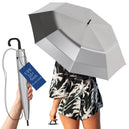
Designed to release hot air and keep the area underneath cooler, this feature turns your umbrella into a mini oasis from the heat. The vented canopy allows hot air to escape through the top while maintaining UV protection, preventing that greenhouse effect that makes standing under some umbrellas feel even hotter than being in direct sun.
2. Reflective Exterior Coating
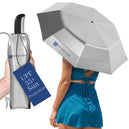
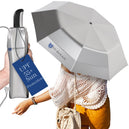
The silver coating on the outside doesn't just look sleek—it bounces harmful sun rays away before they can heat you up. This reflective technology can reduce the temperature underneath the umbrella by up to 15°F compared to standing in direct sunlight.
3. Thick, Dark Interior Lining
A thick fabric, often in a dark color, absorbs UV rays that manage to sneak up from underneath. This is especially helpful around reflective surfaces like sand or water, where UV radiation can bounce upward and still reach your skin even when you're shaded from above.
4. Superior Protection Rating (UPF 50+)
With UPF ratings going up to 55+, you know you're getting top-level defense against both UVA and UVB rays, which are the culprits behind sunburns and premature skin aging. This rating means only 1.8% of UV radiation can penetrate the fabric, compared to regular umbrellas that may allow 30% or more through.
These features combine to form an umbrella that gives you a safe and cool space in the sun. It also cuts down your need for other protective tactics since it covers you where sunscreen might not reach, like the top of your head or back of your neck.
Additional Sun Safety Tips
Even the best umbrella doesn't make you invincible. To really protect your skin, you need to layer your defenses. Here are several smart sun safety tips to complement your UV umbrella:
Apply and Reapply Sunscreen
Apply a broad-spectrum sunscreen with at least SPF 30 to all exposed skin. Reapply every two hours and always after swimming or sweating. Even under an umbrella, reflected UV radiation from sand, water, or concrete can reach your skin. For more information on comprehensive sun protection strategies, check out our guide on combining sunscreen with UV umbrellas.
Wear Protective Clothing
Wear long, light-colored clothing like long sleeves and pants when possible. Add a wide-brimmed hat for extra facial coverage that even the best umbrella might miss. Look for clothing with UPF ratings for added protection.
Avoid Peak Sun Hours
Plan your outdoor time for early mornings or late afternoons when the sun's rays are less intense. Between 10 AM and 3 PM, UV rays are at their highest, putting your skin at more risk. If you must be outside during these hours, your UV umbrella becomes even more critical.
Protect Your Eyes
Don't forget UV-blocking sunglasses to protect your eyes and the delicate skin around them from UV damage. Long-term UV exposure to eyes can lead to cataracts and other vision problems.
Stay Hydrated
Hot weather combined with sun exposure increases your risk of dehydration. Drink plenty of water throughout the day, even when you're sitting in the shade of your umbrella.
Adding these protective steps boosts the coverage you get from your umbrella. That way you can enjoy being outside without constant worry about your skin taking damage from the sun.
Stay Cool and Protected with the Right Umbrella
Choosing the right umbrella is a smart and easy way to take care of your skin while staying cool. A high-quality UV umbrella acts like your personal shade wherever you go. It helps block the sun's harsh rays, keeps you cooler under its canopy, and gives you one less thing to think about when enjoying time outside.
By picking an umbrella with the right materials, color, and a strong UPF rating, you're taking a simple but meaningful step in protecting your skin. Add in other smart habits like sunscreen, better clothing choices, and smart timing, and you've got a solid plan to face the sun with confidence.
So the next time you head outdoors, bring along more than just your sunscreen. Make sure your umbrella is ready, too. Having the right one can help you stay safe, stay cool, and feel good about your time in the sun.
Stay ahead of the sun's game by choosing the best UV umbrella to keep you protected during those sunny days. For a variety of excellent options, take a look at our best umbrella for sun protection collection at UV-Blocker.
Frequently Asked Questions
Q: How much cooler is it under a UV umbrella compared to direct sunlight? A: Quality UV umbrellas with reflective coatings can keep you up to 15°F cooler than standing in direct sunlight. The combination of shade and heat-reflective materials creates a noticeably more comfortable environment.
Q: Can I use a regular rain umbrella for sun protection? A: While regular umbrellas provide some shade, they typically only block 70% of UV rays and lack heat-reflective properties. For effective sun protection, choose an umbrella specifically designed with UPF 50+ rating.
Q: What's the difference between SPF and UPF ratings? A: SPF (Sun Protection Factor) measures protection in sunscreens, while UPF (Ultraviolet Protection Factor) measures protection in fabrics. UPF 50+ means only 1/50th (less than 2%) of UV radiation can penetrate the fabric.
Q: Do I still need sunscreen if I'm under a UV umbrella? A: Yes! UV radiation can reflect off sand, water, and other surfaces to reach your skin from below. Your umbrella protects from direct overhead sun, but sunscreen guards against reflected radiation.
Q: How do I know if my umbrella has adequate UV protection? A: Look for a UPF rating of 50 or higher clearly labeled on the product. The umbrella should also specify UV blocking percentages (aim for 99% UVA/UVB protection) and list special UV-blocking materials or coatings.
Q: Are darker colored umbrellas really better for sun protection? A: Yes, darker colors (especially black and navy) absorb more UV radiation than lighter colors. Combined with proper UV-blocking materials, dark umbrellas provide superior protection.
Q: How should I care for my UV umbrella to maintain its protective qualities? A: Store in a cool, dry place when not in use. Clean gently with mild soap and water—avoid harsh chemicals that can degrade UV coatings. Let it dry completely before folding. For detailed maintenance tips, see our umbrella care guide.