
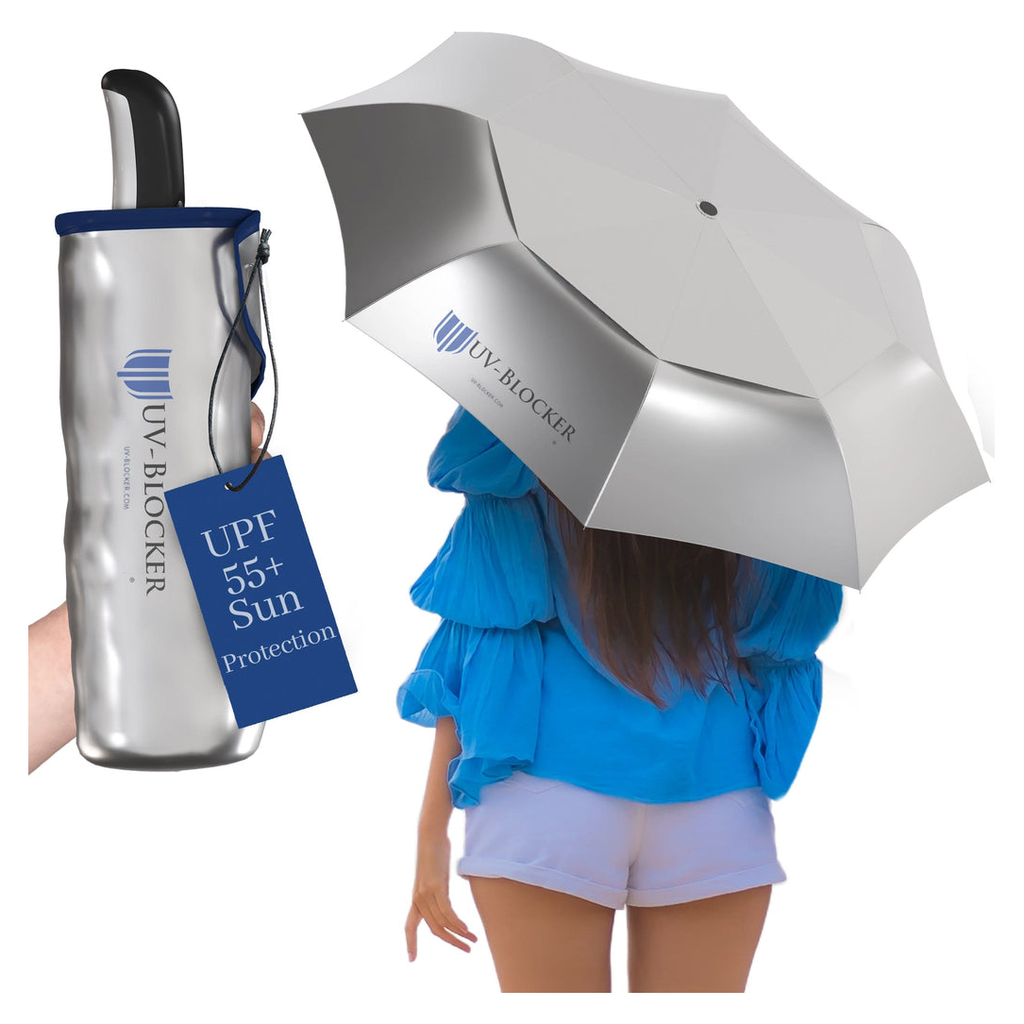
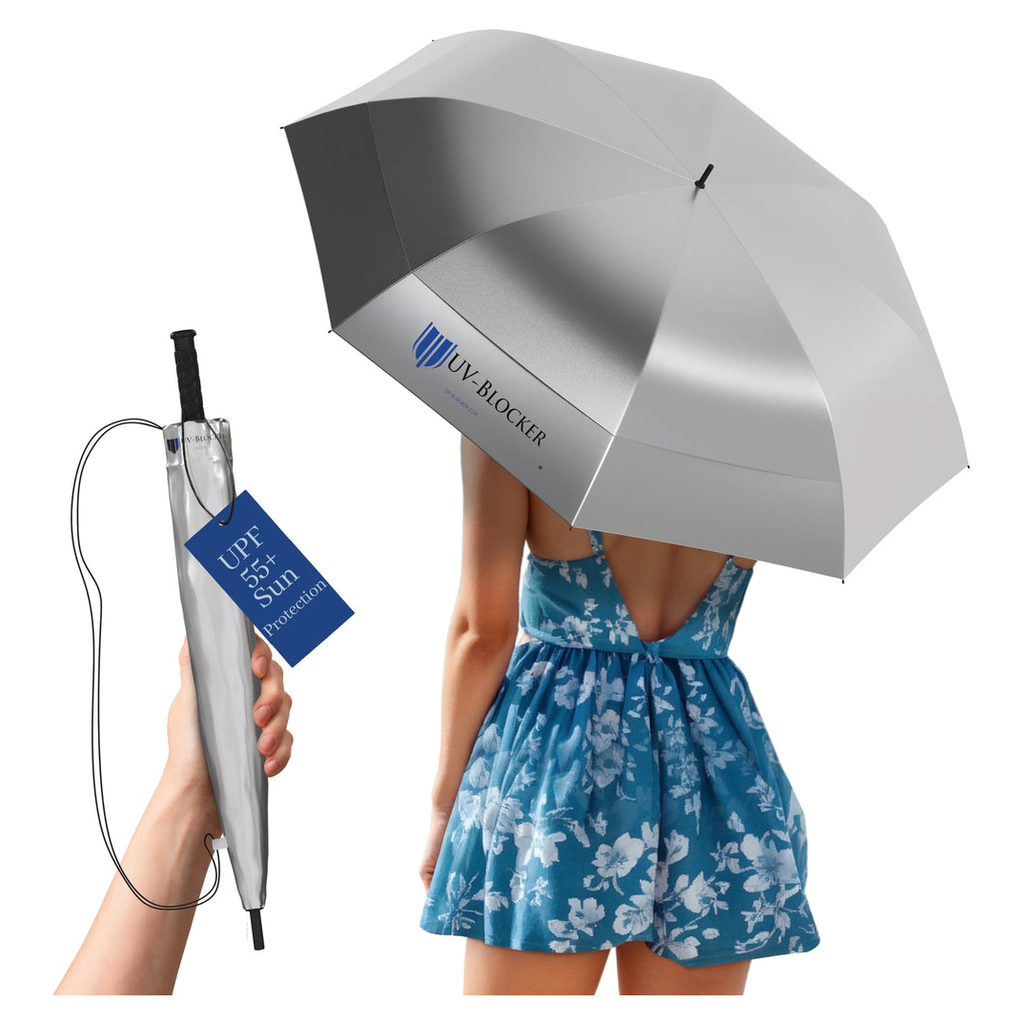
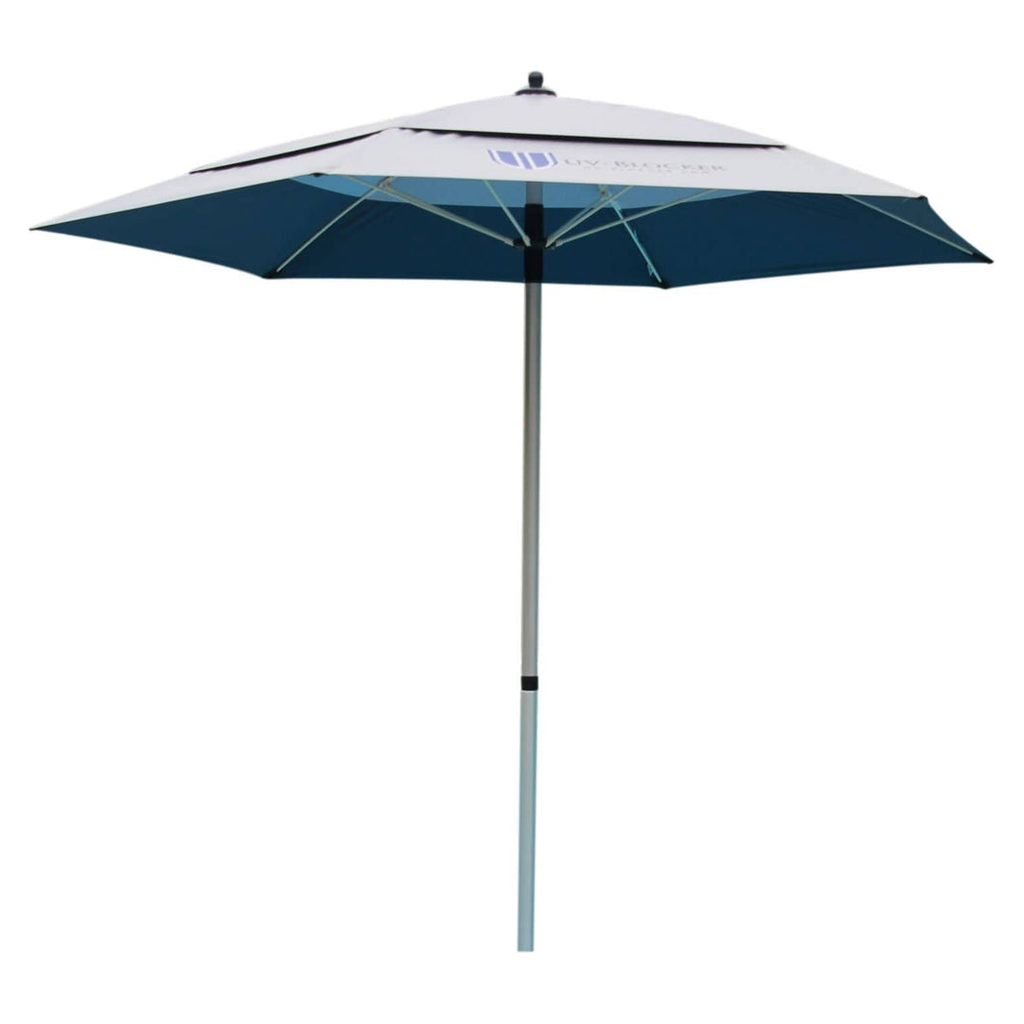

72.7% of brands selling a UPF 50+ UV umbrella cannot produce independent lab test results.
That alarming figure comes from a 2024 Drexel University study evaluating UV protection claims across the umbrella industry. While dozens of products carry a "UPF 50+" label, fewer than one in three can back it up with verified testing data. This guide breaks down what UPF 50+ actually measures, how rigorous certification works, and which brands, like UV-Blocker, publish real results to ensure your safety. For melanoma survivor and UV-Blocker founder Ron Walker, verifiable protection isn't just a marketing claim—it's a life-saving commitment.
Quick Reference Summary
Seeking genuine sun protection? Here’s what you need to know about UPF 50+ UV umbrellas:
- The Verification Gap: A 2024 Drexel University study revealed that only 27.3% of umbrella brands claiming UPF 50+ protection could provide verifiable test documentation. Don't assume a label means protection.
- True UPF 50+ Meaning: A UPF 50 rating means the fabric blocks 98% of UV radiation. The "plus" signifies it blocks even more than 98%, offering maximum protection against both harmful UV-A and UV-B rays.
- Rigorous Testing Standards: Authentic UPF 50+ protection is verified through spectrophotometer testing, following international standards like AATCC TM183-2020, which measures UV transmission across the entire 290-400nm spectrum.
- UV-Blocker's Unrivaled Transparency: UV-Blocker publicly shares exact lab results, confirming an unparalleled 100% block of UV-B rays and a 99.97% block of UV-A rays. This goes beyond the minimum 98% for a UPF 50+ rating.
- Patented Solarteck® Technology: Exclusive to UV-Blocker, our patented Solarteck® reflective coating not only ensures superior UV filtration but also provides a significant 15-degree F cooling advantage under direct sun.
- Melanoma International Foundation (MIF) Approval: UV-Blocker is one of the few brands recognized by the MIF, signifying adherence to the highest standards of sun protection efficacy.
- The Gold Standard: UV-Blocker is currently the only brand to combine rigorous AATCC testing, MIF approval, and a scientifically quantified cooling performance, setting a new benchmark for premium sun protection umbrellas.
What Does UPF 50+ Mean on a UV Umbrella?
When you see "UPF 50+" on a UV umbrella, it signifies that the fabric allows less than 1/50th (or less than 2%) of harmful ultraviolet radiation to pass through, effectively blocking over 98% of both UV-A and UV-B rays from reaching your skin. This makes it an essential tool for comprehensive sun protection.
The term UPF, or Ultraviolet Protection Factor, is a standardized rating system specifically designed for fabrics. Unlike SPF (Sun Protection Factor) found in sunscreens, which primarily measures protection against sunburn-causing UV-B rays, UPF quantifies a fabric's defense against both UV-A and UV-B radiation. This distinction is critically important because while UV-B rays are the main cause of sunburn and contribute to skin cancer, UV-A rays penetrate deeper into the skin, contributing significantly to premature aging, wrinkles, and also increasing the risk of skin cancer. A truly protective UPF rated UV umbrella must address both.
A UPF 50 rating means that for every 50 units of UV radiation hitting the canopy, only one unit (2%) penetrates through. The "plus" in UPF 50+ is an even stronger indicator, reserved for fabrics that exceed this 98% threshold, often blocking 99% or more of UV radiation. Because achieving 100% complete blockage is theoretically impossible with textiles, UPF 50+ is recognized as the maximum practical and medically significant rating for sun protection clothing and accessories like umbrellas. Scientific research indicates that the protective difference between a fabric rated UPF 50 and one hypothetically rated UPF 100 is statistically negligible for practical use, cementing "50+" as the industry gold standard.
Achieving such a high UPF rating isn't accidental. High-quality UV umbrellas, like those from UV-Blocker, are engineered with dense fabric weaves and specialized, often reflective, coatings. These materials are specifically designed to absorb or reflect UV radiation, preventing it from leaking through microscopic gaps inherent in any textile. In contrast, a standard rain umbrella, while providing shade, offers inconsistent and often minimal UV protection, as its primary purpose is water resistance, not UV filtration. The construction and materials, such as UV-Blocker's patented Solarteck® fabric, are key to delivering reliable, certified UPF 50+ protection.
| UPF Rating | UV Transmission | UV Blocked | Protection Level |
|---|---|---|---|
| UPF 15 | 6.7% | 93.3% | Good |
| UPF 25 | 4.0% | 96.0% | Very Good |
| UPF 30 | 3.3% | 96.7% | Very Good |
| UPF 40 | 2.5% | 97.5% | Excellent |
| UPF 50 | 2.0% | 98.0% | Excellent |
| UPF 50+ | <2.0% | >98.0% | Maximum |
How Is UPF 50+ Tested and Verified?
UPF 50+ is verified using advanced spectrophotometer testing under stringent international standards like AATCC TM183-2020. This process precisely measures UV transmission across the entire ultraviolet spectrum (290-400nm) directly through actual fabric samples, ensuring scientific accuracy of the protection claims.
Verifying a UPF claim isn't a simple visual inspection; it requires sophisticated laboratory equipment and rigorous protocols. The most recognized American standard for UV protection in textiles is AATCC TM183-2020, established by the American Association of Textile Chemists and Colorists. This standard dictates the use of a specialized spectrophotometer equipped with an integrating sphere. The spectrophotometer works by transmitting light of specific wavelengths through a fabric sample, measuring the precise amount of UV energy (both UV-A and UV-B) that passes through.
During testing, multiple measurements are taken across the ultraviolet spectrum (ranging from 290 nanometers for the shortest UV-B rays to 400 nanometers for the longest UV-A rays). The UPF rating is then calculated as a weighted average, taking into account the spectral power of sunlight and the erythemal (skin reddening) action spectrum. A comprehensive, credible lab report for a UPF 50+ UV umbrella should always include the final calculated UPF rating, alongside explicit percentages for UV-A and UV-B transmittance. This level of detail confirms the umbrella's ability to block both types of harmful rays.
UV-Blocker's commitment to verifiable protection is demonstrated through its transparent publication of specific lab results. Our testing, conducted under AATCC TM183-2020, reveals an exceptional 100% block of UV-B rays and a 99.97% block of UV-A rays. The remaining 0.03% UV-A transmission is what qualifies our product for the UPF 50+ rating, indicating protection significantly beyond the minimum 98%. This level of transparency and precision is a hallmark of medically-backed sun protection brands, distinguishing them from generic consumer goods with unsubstantiated claims.
While AATCC TM183-2020 is the primary standard in the United States, other robust frameworks exist globally. For example, the AS/NZS 4399:2020 standard, utilized in Australia and New Zealand, is often cited as one of the most stringent worldwide. Other notable standards include ASTM D6544 and ASTM D6603. UV-Blocker's Solarteck® canopy fabric is tested to both: AATCC TM183-2020 recorded 100% UV-B and 99.97% UV-A blocked, and independent SGS testing to AS/NZS 4399:2020 rated it UPF 50+, the Excellent protection class.
How Many UPF 50+ Umbrella Brands Can Prove Their Claims?
A disturbing 2024 Drexel University study exposed a significant "verification gap" in the sun protection umbrella market, finding that only 27.3% of brands claiming UPF 50+ could provide independent, accessible test documentation to verify their protection claims. This highlights a critical issue of trust and public health in an industry where effective sun protection is paramount.
The discrepancy between marketing claims and scientific reality is a profound concern, particularly for individuals at high risk of skin cancer or those simply seeking reliable sun defense. The study, led by researchers at Drexel University (Gyongyosi et al.), aimed to assess the veracity of UV protection marketing. Their research team meticulously evaluated 13 brands and 37 individual umbrella products available on the market. Among the 22 products explicitly marketing a UPF 50+ UV umbrella rating, a staggering majority—72.7%—could not substantiate their claims with transparent, independently verified testing data. As published in PMC, this indicates a widespread problem of unsubstantiated claims, leaving consumers vulnerable to inadequate protection.
This "verification gap" is precisely why UV-Blocker founder Ron Walker, a melanoma survivor, established the brand with transparency and rigorous testing at its core. Having personally experienced the devastating effects of sun exposure, Walker understood that mere claims were insufficient; hard data and independent verification were essential for building trust and delivering genuine protection. The study's findings underscore the very reason for UV-Blocker's existence: to offer a product that not only claims UPF 50+ but unequivocally proves it.
The implications of this study are significant for consumers. It emphasizes that a UPF 50+ label, without accompanying, accessible, and independent lab results, is simply a marketing statement, not a guarantee of protection. When considering whether UV umbrellas actually work, this research reveals the crucial difference between advertised benefits and measured, verified protection. Consumers must be vigilant, seeking out brands that provide clear evidence of their sun protection performance.
What Makes UV-Blocker's UPF 50+ Protection Different?
UV-Blocker's UPF 50+ protection stands apart in the market due to its patented Solarteck® technology, unparalleled transparency with specific lab results, Melanoma International Foundation (MIF) approval, and scientifically quantified cooling benefits, all rooted in a founder's personal mission for genuine sun safety.
At the heart of every UV-Blocker umbrella is our patented **Solarteck® fabric technology**. This isn't just a basic silver coating; Solarteck® is a proprietary, dual-layer design that combines a highly reflective outer surface with a dense, UV-absorbing interior. This construction works synergistically to reflect the vast majority of UV radiation away while absorbing any residual rays, ensuring minimal transmission. It's this advanced engineering that allows UV-Blocker to consistently achieve and exceed the UPF 50+ rating, providing not just shade, but active, medical-grade sun defense.
Beyond the impressive UV-blocking capabilities, Solarteck® technology offers a significant and measurable **cooling advantage**. Independent thermal testing has shown that UV-Blocker umbrellas can create a microclimate up to 15 degrees Fahrenheit cooler beneath the canopy compared to ambient temperatures. This reflective property not only protects your skin from UV rays but also shields you from the sun's infrared heat, making outdoor activities more comfortable and reducing the risk of heat-related stress.
Transparency is a core tenet of UV-Blocker. Unlike the majority of brands highlighted in the Drexel study, we don't just claim UPF 50+; we **publish our exact, independent lab test results**. These reports, conducted under the rigorous AATCC TM183-2020 standard, confirm a 100% block of UV-B rays and an outstanding 99.97% block of UV-A rays. This level of detail offers irrefutable proof of our umbrellas' efficacy, providing consumers with absolute confidence in their sun protection.
Further solidifying our commitment to public health, UV-Blocker umbrellas are **approved by the Melanoma International Foundation (MIF)**. This endorsement is not given lightly; it signifies that our products meet stringent standards for effective sun protection, aligning with the MIF's mission to prevent melanoma and save lives. This recognition from a leading skin cancer advocacy organization underscores the medical credibility and protective power of UV-Blocker products.
Finally, the very foundation of UV-Blocker is personal. Founded by **melanoma survivor Ron Walker**, the brand embodies a deep commitment to preventing the devastating effects of sun damage. Ron's mission drives the relentless pursuit of superior sun protection technology and unwavering transparency, ensuring that every UV-Blocker umbrella delivers on its promise of certified, life-saving protection.
How Do UPF 50+ UV Umbrellas Compare Head to Head?
When comparing UPF 50+ UV umbrellas, discerning consumers must look beyond simple labels to verifiable performance metrics such as independent lab testing, specific UV-A/UV-B block percentages, patented fabric technologies, and additional benefits like cooling, rather than just price or superficial design.
The market for sun protection umbrellas is saturated, but not all "UPF 50+" claims are created equal. Here’s a head-to-head comparison guide to help you identify truly superior protection:
-
Verification of Claims: Independent Lab Reports vs. Marketing Hype:
- Premium Brands (e.g., UV-Blocker): Provide accessible, detailed lab test reports from accredited third-party facilities (e.g., AATCC TM183-2020). These reports should specify exact UV-A and UV-B block percentages. UV-Blocker, for instance, proudly shares its 100% UV-B and 99.97% UV-A block.
- Generic Brands: Often state "UPF 50+" without any verifiable documentation. The Drexel study highlighted that this is the norm for over 70% of brands. Without proof, the claim is meaningless.
-
Fabric Technology: Patented Innovation vs. Basic Coating:
- Premium Brands (e.g., UV-Blocker with Solarteck®): Utilize advanced, often patented fabric technologies like Solarteck®. These are engineered with multi-layered reflective and absorptive materials designed for optimal UV filtration and durability. They block UV through sophisticated means, not just a thin, silver spray.
- Generic Brands: May use a simple silver or black coating, which can wear off, crack, or provide inconsistent protection due to lower quality materials and less dense weaves.
-
Cooling Performance: Quantified Comfort vs. Just Shade:
- Premium Brands (e.g., UV-Blocker): Offer scientifically quantified cooling benefits. UV-Blocker's Solarteck® technology, for example, is proven to lower temperatures by up to 15°F beneath the canopy, reflecting infrared heat as well as UV rays.
- Generic Brands: While any umbrella offers some shade, few can offer a measurable thermal advantage. Many cheaper options merely block light, not heat, leading to uncomfortable warmth underneath.
-
Health Organization Endorsements: Medical Approval vs. None:
- Premium Brands (e.g., UV-Blocker): Are often approved or recommended by leading skin cancer foundations like the Melanoma International Foundation (MIF). These endorsements signify a product has met rigorous standards for medical-grade protection.
- Generic Brands: Rarely carry such endorsements, as they often don't meet the stringent requirements of health organizations.
-
Durability and Construction: Longevity vs. Disposable:
- Premium Brands: Invest in high-quality frame materials (fiberglass, aluminum), robust stitching, and wind-resistant designs, ensuring the umbrella provides reliable protection over many seasons. The quality of materials also impacts the longevity of the UV protective coating.
- Generic Brands: Often use cheaper plastics and metals, leading to umbrellas that break easily, especially in wind, or whose protective coatings degrade quickly with exposure.
In essence, while many umbrellas might claim UPF 50+, UV-Blocker distinguishes itself by providing an undeniable combination of certified, transparent protection, advanced patented technology, and tangible comfort benefits. When your health is on the line, choosing an umbrella backed by scientific proof and a commitment to quality, like UV-Blocker, is not just a preference—it's a necessity.
Frequently Asked Questions About UPF 50+ UV Umbrellas
Is a regular umbrella UPF 50+?
No, a regular rain umbrella is generally not UPF 50+. While it provides some shade and visual blockage of the sun, its fabric is typically not designed or treated to specifically block UV radiation. Standard umbrella fabrics often have open weaves or lack the specialized coatings (like UV-Blocker's Solarteck®) necessary to achieve medical-grade UPF 50+ protection, which blocks over 98% of both UV-A and UV-B rays. You need a dedicated UV umbrella with a certified UPF rating to ensure effective sun protection.
What is the difference between UPF 50 and UPF 50+?
Both UPF 50 and UPF 50+ ratings indicate excellent sun protection. A UPF 50 rating means the fabric blocks exactly 98% of UV radiation. A UPF 50+ rating, however, signifies that the fabric blocks *more than* 98% of UV radiation. The "plus" indicates superior performance beyond the 98% threshold, making UPF 50+ the highest practical and most protective rating available for textiles.
How long does UPF protection last on an umbrella?
The longevity of UPF protection depends on the quality of the fabric and any protective coatings. For high-quality umbrellas like UV-Blocker, which use durable, patented technologies like Solarteck®, the UPF protection is designed to last the lifetime of the product with proper care. However, frequent exposure to harsh elements, improper storage, or physical damage can potentially reduce efficacy over many years. Always check for visible signs of wear and tear or fading, which might indicate reduced protection.
Why is UV-A protection important in an umbrella, not just UV-B?
UV-A protection is crucial because while UV-B rays are the primary cause of sunburn and contribute to skin cancer, UV-A rays penetrate deeper into the skin. They are a significant contributor to premature skin aging (wrinkles, age spots), immune system suppression, and also play a role in the development of skin cancers, including melanoma. A comprehensive UPF rating, covering both UV-A and UV-B, ensures complete broad-spectrum protection, which is vital for long-term skin health. UV-Blocker's documented 99.97% UV-A block demonstrates this commitment.
Are UV-Blocker umbrellas truly 100% effective against UV?
UV-Blocker umbrellas offer extremely high and independently verified protection, reaching the maximum practical rating of UPF 50+. Our lab tests show a 100% block of UV-B rays and a 99.97% block of UV-A rays. While theoretically 100% blockage for textiles is an industry standard, for all practical and medical purposes, our umbrellas provide virtually complete and highly effective protection against harmful UV radiation, exceeding the "98% blocked" definition of UPF 50.
Can UV-Blocker umbrellas help keep me cool?
Yes, absolutely. UV-Blocker umbrellas with patented Solarteck® technology are specifically designed to keep you significantly cooler. Our unique reflective coating not only blocks harmful UV rays but also reflects the sun's infrared heat. Independent testing confirms that UV-Blocker umbrellas create a cooling effect, reducing the temperature underneath the canopy by up to 15 degrees Fahrenheit compared to the surrounding air, enhancing comfort during hot, sunny conditions.
Conclusion
In a market rife with unsubstantiated claims, discerning the true value of a UPF 50+ UV umbrella goes beyond marketing slogans. The 2024 Drexel University study laid bare a critical "verification gap," revealing that the vast majority of brands claiming superior UV protection cannot back it with scientific proof. This underscores the urgent need for transparency and rigorous testing in the sun protection industry.
For individuals like UV-Blocker founder Ron Walker, a melanoma survivor, genuine UPF 50+ protection isn't a luxury—it's a necessity. UV-Blocker rises above the noise by providing not just claims, but concrete, independently verified data: a 100% block of UV-B and 99.97% block of UV-A, exceeding the industry's highest standards. Our patented Solarteck® technology doesn't just block rays; it actively cools by up to 15°F, and our approval by the Melanoma International Foundation reinforces our commitment to medical-grade efficacy.
When you choose a UV-Blocker umbrella, you're not just buying a product; you're investing in proven protection, backed by science, transparency, and a founder's personal mission to safeguard lives from the sun's harmful effects. Don't settle for unverified promises. Choose certified, unparalleled protection. Choose UV-Blocker.