

California recorded 10,570 new melanoma cases in 2024. That's roughly one in every ten melanoma diagnoses nationwide, coming from a single state.
Marin County alone reports melanoma at 55.9 per 100,000 residents, nearly 2.5 times the state average of 22.4. Yet every "california sun protection" guide ranking on Google is generic national advice with "California" dropped into the title. None of them use UV index data by region. None reference county-level cancer statistics. None mention the state laws that mandate shade for outdoor workers.
This guide covers California's UV reality by region, the county-level skin cancer data that reveals where risk concentrates, seasonal UV patterns most people miss, and the layered protection approach that actually works for California conditions.
TLDR:
- California leads the US in total melanoma cases (10,570 in 2024) with UV index values ranging from 6 on the foggy coast to 13+ in the desert
- Marin County's melanoma rate (55.9 per 100K) is 2.5x the state average, driven by outdoor recreation culture and demographics
- Winter UV in Southern California still averages 3-5 on the index, meaning year-round protection is necessary
- Wildfire smoke provides roughly SPF 2 of UV filtering, which is functionally useless for protection
- Cal/OSHA Section 3395 requires employers to provide shade when temperatures exceed 80°F, confirming shade as a first-line defense
What Is California's UV Index by Region?
California's UV index ranges from 6-8 on the foggy coast to 11+ in the desert and mountains, with Los Angeles averaging a peak UV index of 12.4 in July.
No other state packs this much UV variation into one border. A beach day in San Francisco and a hike near Palm Springs happen in the same state but under vastly different UV conditions. Understanding these regional differences is the foundation of effective california sun protection.
Los Angeles and the Southern Coast
Los Angeles averages a peak UV index of 12.4 in July, classified as "extreme" by the World Health Organization. The highest UV index ever recorded in LA was 13.37 on June 30, 2012. Even on days that feel comfortable, the UV intensity in Southern California can match equatorial levels.
San Diego, Orange County, and the rest of the SoCal coast follow a similar pattern. Summer UV regularly sits at 11-12, and the real surprise is winter: December through February still averages UV index 3-5, which the WHO classifies as moderate risk requiring protection.
The Coastal Marine Layer Trap
San Francisco's fog gives a dangerous false sense of security. Up to 80% of UV radiation penetrates fog and cloud cover. The marine layer reduces visible light and heat, so people skip sunscreen entirely. But UV-A and UV-B rays pass through clouds with minimal filtering.
Northern California coastal counties like Marin, Sonoma, and Santa Cruz experience summer UV of 8-10. Lower than LA, but still solidly in the "very high" category. And the fog-driven complacency means fewer people protect themselves.
Desert UV: Palm Springs, Death Valley, and the Inland Empire
California's desert regions see some of the most extreme UV on the continent. Palm Springs and Death Valley regularly exceed UV index 11 in summer, with peak readings above 13. Sand reflection adds another 15-25% UV exposure on top of direct sunlight, hitting skin from above and below simultaneously.
Combined with temperatures that routinely exceed 110°F, desert UV creates a compounding threat. Heat exhaustion limits the time people can spend applying and reapplying sunscreen, making physical shade even more critical.
Mountain UV: Tahoe, Sierra Nevada, and Elevation Risk
Altitude increases UV radiation approximately 4-5% per 1,000 feet of elevation. At Lake Tahoe (6,225 feet), UV is roughly 25-30% stronger than at sea level. Hikers on trails in the Sierra Nevada at 8,000-10,000 feet face UV levels 35-45% higher than the coast.
Snow reflection amplifies the effect further. Fresh snow bounces back up to 80% of UV rays, meaning winter skiers at Mammoth or Tahoe get hit with UV from every direction. A complete sun protection plan for hiking becomes essential at these elevations.
Central Valley: Agricultural UV Exposure
The Central Valley, from Sacramento to Bakersfield, combines high summer UV (index 10-12) with all-day outdoor work conditions. Farmworkers, construction crews, and utility teams face sustained exposure for 8-10 hours daily, with temperatures frequently exceeding 100°F.
This region is where California's workplace shade laws matter most.

| Region | Summer Peak UV | Winter UV | Key Risk Factor |
|---|---|---|---|
| LA / SoCal Coast | 11-12+ | 3-5 | Year-round moderate-to-extreme |
| San Francisco / NorCal Coast | 8-10 | 2-4 | Fog creates false sense of safety |
| Desert (Palm Springs, Death Valley) | 11-13 | 4-6 | Extreme UV + sand reflection |
| Mountains (Tahoe, Sierra) | 10-12 | 3-6 | Altitude + snow reflection |
| Central Valley (Sacramento, Fresno) | 10-12 | 2-4 | Sustained all-day agricultural exposure |
Why Does California Lead the Nation in Melanoma Cases?
California recorded 10,570 melanoma cases in 2024, with Marin County's rate of 55.9 per 100,000 reaching nearly 2.5 times the state average.
California holds about 12% of the US population but contributes a disproportionate share of the nation's roughly 100,640 annual melanoma diagnoses. The reasons go beyond just sunshine.
The County-Level Cancer Map
The statewide melanoma average of 22.4 per 100,000 sits just below the national average of 22.5. But that average hides enormous county-level variation.
Marin County tops the state at 55.9 per 100,000. San Francisco follows at 19.4, and Alameda at 19.0. The pattern is counterintuitive: Northern California counties have higher melanoma rates than many Southern California counties despite receiving less UV overall.
The explanation comes down to demographics and behavior. Northern California's higher-income, predominantly fair-skinned populations spend significant time outdoors in recreation. Hiking, cycling, sailing, wine country visits, and weekend beach trips create cumulative UV exposure. Meanwhile, the coastal fog breeds complacency about sun protection.
Among non-Hispanic white Californians, the UV-attributable melanoma rate reaches 33.8 per 100,000. Melanoma affects all skin types, but fair-skinned populations face dramatically higher risk, especially with California's outdoor-centric lifestyle.
Ron Walker, UV-Blocker's founder, was diagnosed with Stage 1 melanoma in 2003 and built the company to protect his family during beach days. His experience reflects a broader California reality: year-round outdoor living demands year-round protection.
When Is UV Risk Highest in California?
California has year-round UV risk. Even winter months average UV index 3-5 in Southern California, which the WHO classifies as moderate exposure requiring protection.
Most US states have a clear "off season" for UV. The Midwest and Northeast drop to UV index 1-2 from November through February. California never gets that break.
The Spring Protection Gap
March UV in Los Angeles already reaches 7-8, solidly in the "high risk" category. But most Californians don't start thinking about sun protection until Memorial Day or later. That two-to-three month gap between rising UV and rising awareness is when unprotected exposure accumulates.
By April, UV index across most of California exceeds 8. By May, it hits 10+. The protection calendar should start in early March, not June.
Peak Season: May Through September
From May through September, UV index across Southern California, the desert, and the Central Valley sits at 10-12+, which is "extreme" on the WHO scale. Even Northern California pushes 8-10 during these months.
Peak UV hours (10am to 4pm) are wider in California than in northern states because of the state's latitude. The sun is at a steeper angle for more hours of the day, extending the high-UV window.

The Wildfire Smoke Myth
Wildfire smoke does not meaningfully protect against UV radiation. This is one of California's most common sun safety misconceptions.
Research shows wildfire smoke provides approximately SPF 2 of UV filtering. That's functionally useless. Meanwhile, smoke reduces visible sunlight and creates an overcast appearance that gives people a false sense of protection. Many skip sunscreen entirely on smoky days, assuming the haze blocks UV.
The reality is worse than no protection: skin gets exposed to both UV radiation and harmful particulate matter from the smoke. California's increasing wildfire seasons make this myth particularly dangerous.
How Should You Protect Yourself During Common California Activities?
California sun protection should be layered by activity, combining UPF 50+ shade, mineral sunscreen on exposed skin, UV-blocking sunglasses, and protective clothing based on the specific outdoor scenario.
Different California activities create different UV exposure patterns. The protection that works for a beach day won't match what's needed on a mountain trail.
Beach Days
Water reflects 25% of UV back toward the skin. Sand reflects another 15-25%. Sitting on a California beach means getting UV from above and from the reflective surfaces below, creating exposure levels that exceed what a UV index reading alone suggests.
Reapplying sunscreen every two hours becomes even more critical near water, where sweat, swimming, and toweling off strip protection faster.
Hiking and Trail Running
California's trail systems climb from sea level to 14,000+ feet. Every 1,000 feet of elevation gain increases UV by 4-5%, and most trails offer minimal natural shade. A five-hour hike at 7,000 feet delivers significantly more UV than the same duration at a coastal park.
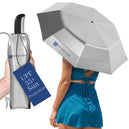
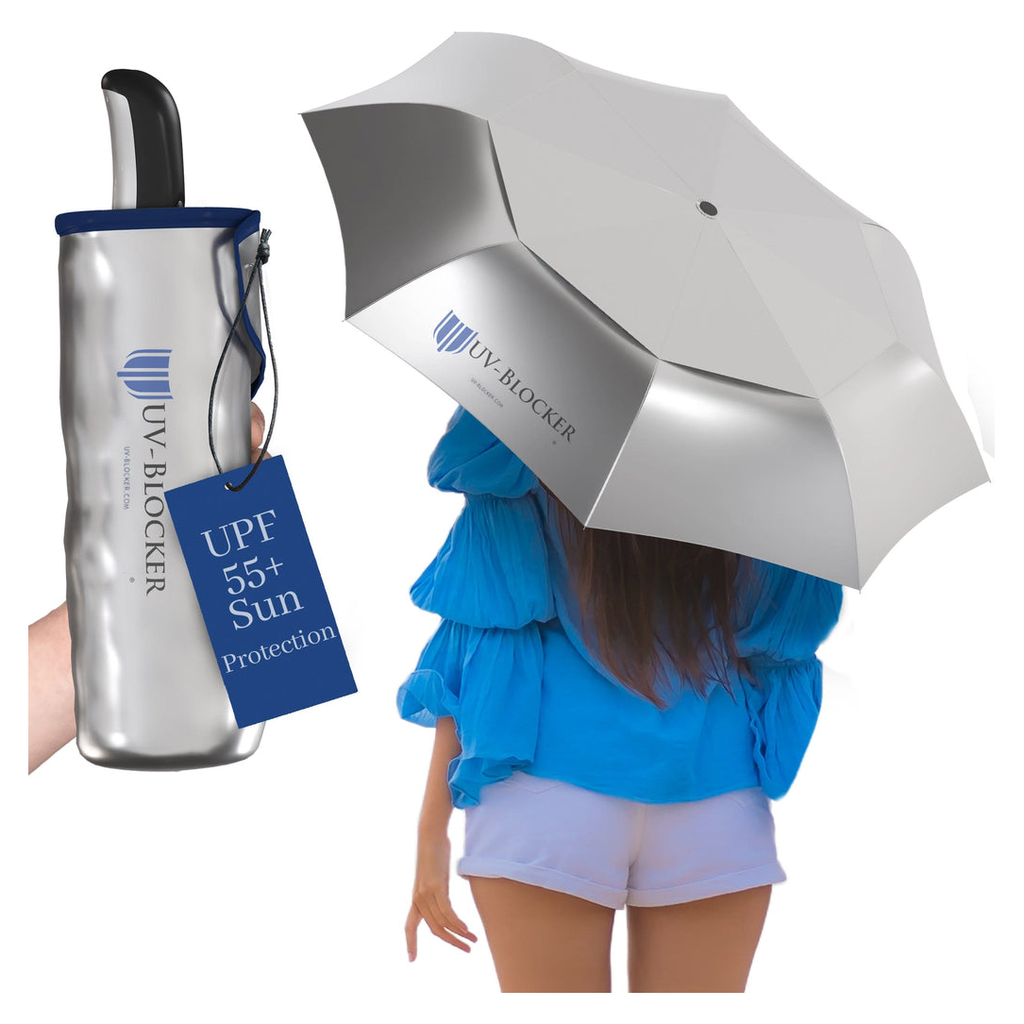
Bringing portable shade for rest stops and wearing UPF-rated clothing on exposed trails reduces cumulative exposure. The UV-Blocker Compact Umbrella fits in a daypack and provides UPF 50+ shade on demand.
Theme Parks
Disneyland, Universal Studios, and California's other major parks mean 8-12 hours of continuous outdoor UV exposure with minimal natural shade. Queue lines and open walkways offer no cover.
Detailed strategies are available in the Disney Parks sun protection guide and Universal Studios sun protection guide.
Commuting and Driving
UVA rays pass through standard car side windows. California commuters average 28 minutes each way, accumulating daily UV exposure without realizing it. Studies show higher rates of skin damage on the left side of the face and left arm among long-term drivers.
Windshields block most UV, but side and rear windows do not unless aftermarket UV film is installed. More on protecting yourself behind the wheel is in the sun protection while driving guide.
Wine Country and Outdoor Dining
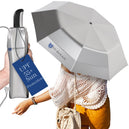
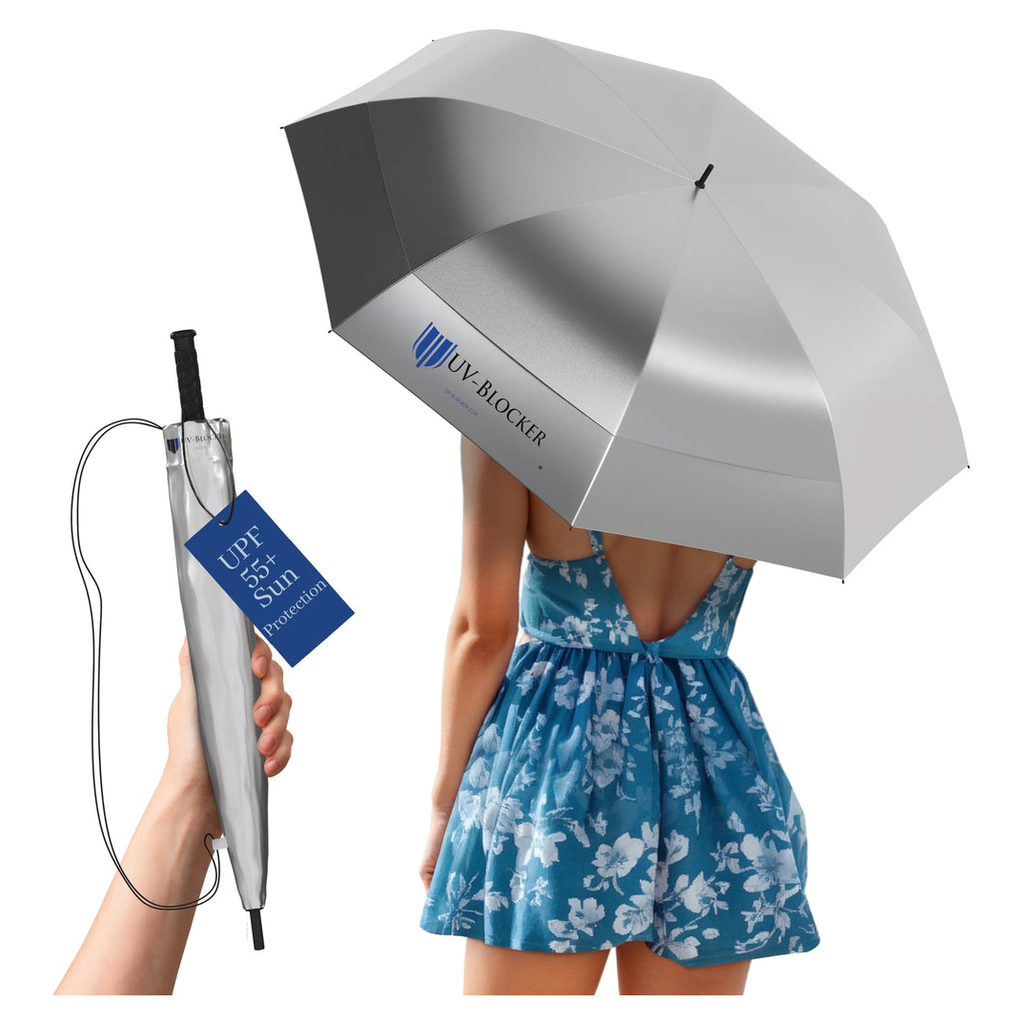
Napa, Sonoma, Paso Robles, and California's other wine regions involve extended outdoor sitting in direct sunlight. Two hours at a vineyard tasting or an outdoor brunch in the sun adds up. A UPF 50+ travel umbrella provides personal shade without relying on the venue.
The Layered Protection Approach
The most effective california sun protection uses multiple layers:
- UPF 50+ umbrella for portable, on-demand shade (blocks UV before it reaches skin or clothing)
- Mineral sunscreen (SPF 30+, zinc oxide or titanium dioxide) on all exposed skin, reapplied every two hours
- UV-blocking sunglasses (look for UV400 or 100% UV protection labels)
- Wide-brim hat for head and neck coverage
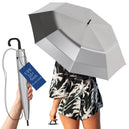
Physical shade from a UPF 50+ umbrella serves as the foundation layer because it prevents UV from reaching skin in the first place, reducing reliance on sunscreen alone.
What Are California's Sun Protection Laws?
California mandates workplace shade when temperatures exceed 80°F under Cal/OSHA Section 3395 and allows students to use sunscreen at school under Education Code 35183.5.
California has some of the strongest sun protection regulations in the country. These laws provide both workplace protections and school-level access that many residents and employers don't know exist.
Cal/OSHA Section 3395: Workplace Shade Mandate
California's Heat Illness Prevention Standard (Title 8, Section 3395) requires employers to provide shade when outdoor temperatures exceed 80°F. The shade must accommodate all employees on recovery or rest periods, allowing them to sit fully in shade without physical contact with each other.
This is enforceable law, not a recommendation. Employers who violate it face penalties and citations. The standard defines "shade" as blockage of direct sunlight, and specifies that shade is inadequate when heat in the shaded area defeats its cooling purpose.
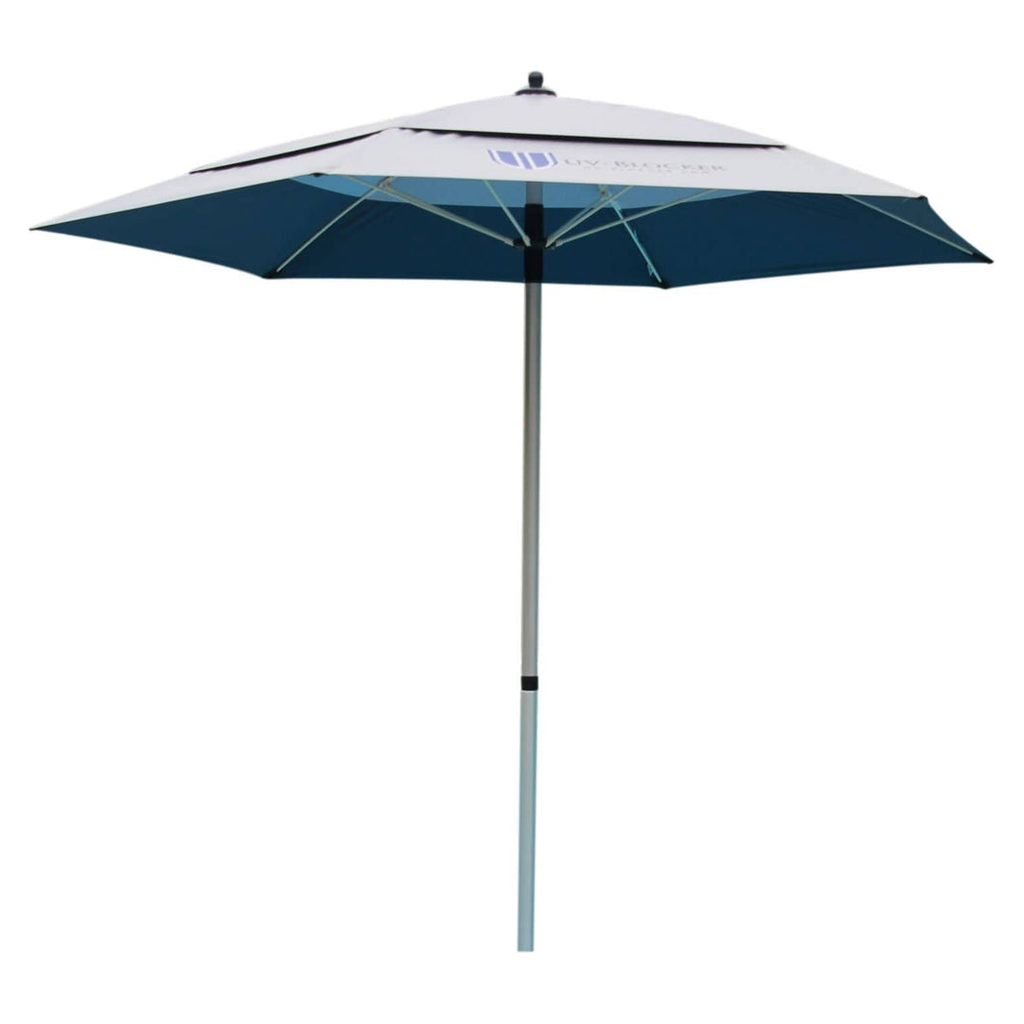
For construction workers and agricultural laborers, this law makes shade a non-negotiable workplace requirement. Portable UPF 50+ umbrellas can supplement permanent shade structures on job sites where fixed shade isn't feasible.
Education Code 35183.5: Sunscreen in Schools
California was the first state (2002) to pass legislation allowing students to use sunscreen during the school day without a doctor's note or prescription. Schools must also allow sun-protective clothing, including hats, during outdoor activities.
Many parents and teachers are still unaware this law exists. Sunscreen is not classified as an over-the-counter medication under California law, which means schools cannot confiscate it or require medical authorization for its use.
Coastal Sunscreen Regulations
Several California coastal jurisdictions restrict certain sunscreen chemicals, particularly oxybenzone and octinoxate, to protect marine ecosystems including coral reefs and kelp forests. Mineral-based sunscreens using zinc oxide or titanium dioxide are reef-safe alternatives that comply with these local regulations.
Frequently Asked Questions About California Sun Protection
These are the most common questions about sun safety in California, answered with UV index data and dermatologist recommendations.
What is the UV index in California right now?
California's UV index varies by region and season. Check EPA.gov/sunsafety for real-time UV forecasts by zip code. In summer, expect UV index 8-12 statewide, with desert areas exceeding 13.
Is the sun stronger in Northern or Southern California?
Southern California generally has higher UV index values due to its latitude and climate. However, Northern California counties like Marin have higher melanoma rates due to demographic factors, outdoor recreation culture, and fog-driven complacency about sun protection.
Do I need sun protection in San Francisco fog?
Yes. Up to 80% of UV radiation penetrates fog and cloud cover. San Francisco's marine layer blocks visible light and reduces heat, but UV-A and UV-B rays pass through with minimal filtering. Sunburn is absolutely possible on foggy California days.
What SPF do I need in California?
The American Academy of Dermatology recommends SPF 30 or higher for California's UV conditions. Apply generously 15 minutes before going outside and reapply every two hours. SPF alone is not enough in extreme UV; combining sunscreen with physical shade from a UPF 50+ umbrella provides the strongest protection.
Does wildfire smoke protect you from UV?
No. Wildfire smoke provides roughly SPF 2 of UV filtering, which is functionally useless for protection. Smoke reduces visible sunlight and creates a hazy appearance, but UV radiation still penetrates. Worse, smoky conditions expose skin to harmful particulate matter alongside UV, creating a double risk.
Conclusion
California's sunshine is one of its greatest assets and one of its biggest health risks. The state's UV profile varies more dramatically by region than almost any other state in the country, from foggy Northern California coastlines to extreme desert UV that exceeds equatorial levels.
The data tells a clear story. With 10,570 melanoma cases annually, county-level rates that reach 2.5 times the state average, and year-round UV that never drops to truly safe levels, generic sun safety advice falls short for California conditions.
Effective california sun protection starts with knowing the UV profile of the specific region. Coastal residents need to push past the fog myth. Desert visitors need to account for reflected UV. Mountain hikers need to factor in altitude. And everyone in California needs protection earlier in the year than they think.
Physical shade is the foundation. California's own workplace laws confirm this: Cal/OSHA Section 3395 mandates shade as the primary heat illness prevention measure. A UPF 50+ Compact Umbrella brings that same principle to daily life, providing portable shade that blocks 99% of UV for commuters, hikers, beachgoers, and anyone spending time outdoors in the Golden State. Browse the full range of UV protection umbrellas to find the right fit for California conditions.
California UV Protection by Region: What the Annual Averages Hide
California's geography creates dramatically different UV risk profiles that a single state-level UV index doesn't capture. Understanding your specific region's risk is essential for effective sun protection planning.
California UV Index by Region (2024 Annual Averages)
| Region | Peak UV Index (Summer) | Peak UV Index (Winter) | Notable Risk Factor |
|---|---|---|---|
| Southern California Coast (SD, LA) | 10–11 | 4–5 | Reflective ocean amplifies UV |
| Central Valley (Fresno, Bakersfield) | 11–12 | 3–4 | Heat + UV combined stress |
| Sierra Nevada (Tahoe, Mammoth) | 13–14 | 8–10 | Altitude + snow reflection doubles dose |
| San Francisco Bay Area | 8–9 | 3–4 | Cool temps mask UV risk; fog ≠ UV block |
| Inland Empire | 11–12 | 4–5 | Lack of marine layer increases summer exposure |
California-Specific Sun Protection Considerations
- Fog doesn't block UV. San Francisco and Monterey residents significantly underprotect because overcast skies feel cooler — yet up to 80% of UV penetrates cloud cover.
- California has the highest skin cancer incidence in the U.S. for non-Hispanic whites, driven partly by year-round outdoor culture and high altitude activities.
- State workplace protections: California's outdoor worker heat and UV regulations (Title 8, Section 3395) require employers to provide shade when temperatures exceed 80°F — among the strongest in the U.S.
For California's year-round outdoor lifestyle, UV-Blocker's compact travel umbrella provides certified UPF 50+ protection from Mammoth ski trips to San Diego beach days — one tool for every California UV scenario.
Sun Safety in Australia
Australia has some of the highest UV radiation levels in the world, with the UV Index regularly reaching extreme levels (11 or above) in cities such as Sydney, Melbourne, Brisbane, Perth, and Adelaide for much of the year — including on overcast days. The Cancer Council Australia reports that approximately two in three Australians will be diagnosed with some form of skin cancer by age 70, making sun protection a national health priority.
Key resources and guidelines for Australian sun safety:
- SunSmart Program (Cancer Council Australia): The SunSmart UV Alert is broadcast daily and recommends sun protection whenever the UV Index reaches 3 or above. In most Australian cities, this threshold is met every day of the year, including winter months in northern regions.
- ARPANSA (Australian Radiation Protection and Nuclear Safety Agency): Provides real-time UV monitoring at stations across all states and territories. Australians can access current UV levels at arpansa.gov.au.
- Safe Work Australia — UV Radiation as an Occupational Hazard: Australian workplace health and safety legislation requires employers to assess and manage UV radiation exposure for outdoor workers. Physical shade, including umbrellas rated UPF 50+, is recognised as a primary engineering control under these regulations.
A UPF 50+ UV-blocking umbrella provides the consistent, continuous shade protection that is essential under Australia's intense sun. The UV-Blocker umbrella, with its patented Solarteck® reflective coating, blocks 99% of UV rays and reduces perceived temperature by up to 15°F — a meaningful advantage for outdoor activities in Australia's climate. It is the only umbrella of its kind approved by the Melanoma International Foundation.
Sun Safety in Canada
Canada experiences meaningful UV exposure throughout the year, with UV Index levels regularly reaching 8–10 or higher during summer months in cities such as Vancouver, Calgary, Toronto, and Ottawa. Health Canada and Environment and Climate Change Canada publish daily UV Index forecasts and recommend protective measures whenever the index exceeds 3 — a threshold reached on most clear days between May and August across the country.
Key resources for Canadian sun safety:
- Health Canada UV Index: Published daily via the Environment and Climate Change Canada weather portal (weather.gc.ca). Canadians can track UV levels by city and receive alerts when protection is recommended.
- Canadian Cancer Society: Recommends UPF 50+ clothing, hats, sunscreen, and shade-seeking as primary sun protection strategies. Physical UV barriers — such as UPF 50+ umbrellas — are emphasized for prolonged outdoor exposure.
- Canadian Dermatology Association: Endorses broad-spectrum sun protection strategies, including shade structures and UV-blocking accessories, especially for individuals with fair skin or a personal or family history of skin cancer.
For Canadians spending extended time outdoors — whether working, playing sports, or enjoying recreational activities — a UV-blocking umbrella rated UPF 50+ provides continuous, reapplication-free protection. The UV-Blocker umbrella, independently tested and approved by the Melanoma International Foundation, blocks 99% of UV rays and keeps users up to 15°F cooler — making it a practical and reliable companion for Canadian summers.
Frequently Asked Questions
What makes UV exposure particularly intense in California Sun Protection?
California Sun Protection has specific geographic, atmospheric, and seasonal factors that affect UV intensity. Latitude, altitude, proximity to reflective surfaces (water, sand, snow), and cloud cover all play roles. UV Index data from NOAA shows significant variation even within a single state. Checking the daily UV index at your specific location is the only reliable way to gauge actual risk.
What is the UV Index and how should I use it for sun safety planning?
The UV Index (UVI) is a 0–11+ scale measuring UV radiation intensity at ground level. 0–2: Low risk. 3–5: Moderate — use sunscreen. 6–7: High — seek shade. 8–10: Very High — limit midday exposure. 11+: Extreme — avoid outdoors. NOAA provides daily UV Index forecasts by zip code at weather.gov. UV-Blocker recommends checking the index every morning before outdoor planning.
Is sun protection necessary year-round in this region?
Yes. UV radiation can cause skin damage even on cloudy days and throughout all seasons. UVA rays (which penetrate clouds and glass) are relatively consistent year-round, even when visible sunshine is low. While UVB intensity peaks in summer, dermatologists recommend daily SPF 30+ moisturizer as a year-round habit regardless of season or weather.
What activities put people at highest UV risk in this region?
Water sports (reflection amplifies UV by up to 100%), snow activities (snow reflects 80% of UV), beach activities (sand reflects 25%), and any outdoor activity between 10am–4pm. High altitude activities are particularly dangerous — UV intensity increases ~10–12% per 1,000 feet of elevation. A UPF 50+ umbrella provides reliable portable shade for any of these activities.
How do local residents protect themselves from the sun effectively?
Long-term residents of high UV regions tend to adopt comprehensive sun habits: UPF 50+ protective clothing as daily wear, wide-brim hats, window tinting, avoiding peak sun hours, and SPF 50+ sunscreen applied daily (not just at the beach). Portable UV-blocking umbrellas have become increasingly popular for everyday sun protection during outdoor dining, sports spectating, and commuting.
Sun Safety Best Practices for California Sun Protection Residents
- Bookmark the NOAA UV Index forecast for your California Sun Protection zip code — check it each morning before planning outdoor time
- Apply SPF 30+ sunscreen every morning as part of your daily routine, not just on beach days
- Use window film rated for UV blocking in your home and car — much UV exposure happens indoors
- Keep a UV-blocking umbrella in your car — it's useful for street parking, outdoor dining, and events
- Schedule outdoor physical activity before 10am or after 4pm to avoid peak UV hours
- Annual skin cancer screenings are especially important for long-term residents of high UV regions