

Sun protection during chemotherapy is not optional—it is a medical necessity. Each year, millions of cancer patients experience chemotherapy-induced photosensitivity, a condition where just 10 minutes of unprotected sun exposure can trigger severe, painful reactions that complicate treatment. While the diagnosis of cancer brings immediate life changes, this specific side effect often catches patients off guard. The skin, compromised by potent medications, loses its natural ability to defend against ultraviolet radiation, turning brief moments outdoors into potential medical emergencies.
While oncologists reliably warn patients to "avoid the sun" during treatment, they rarely provide practical guidance on how to continue outdoor life safely. This leaves patients facing a difficult binary choice: accept total isolation indoors or risk painful burns. The lack of specific instruction creates anxiety around simple activities like walking to the mailbox or attending a child's sports game.
This comprehensive guide to sun protection during chemotherapy covers which drugs cause photosensitivity, how long sensitivity lasts, and why dermatologists recommend UPF 50+ umbrellas as the primary protection method. By understanding the biological mechanisms of photosensitivity and adopting medical-grade protection strategies, patients can navigate their treatment journey without surrendering their connection to the outdoors. Unlike generic sun safety advice, this guide specifically addresses the needs of immunocompromised patients with practical strategies endorsed by the Melanoma International Foundation.

What Is Chemotherapy-Induced Photosensitivity?
Chemotherapy-induced photosensitivity is a drug-triggered condition where skin becomes abnormally sensitive to UV radiation, causing severe sunburn-like reactions within minutes of sun exposure.
For patients undergoing cancer treatment, photosensitivity is a fundamental alteration in how skin cells react to light. When specific chemotherapy agents circulate in the body, they can interact with ultraviolet (UV) radiation through phototoxicity. In these cases, the drug absorbs UV light—primarily UVA rays, which penetrate glass and clouds—and releases energy into the skin, causing damage to cell membranes and DNA. This reaction typically resembles an exaggerated sunburn and can occur rapidly.
The symptoms can be alarming. Patients often report erythema (redness), edema (swelling), and a burning sensation that feels disproportionate to their time outside. Because the immune system is already compromised, the body's ability to repair this UV damage is reduced, increasing the risk of infection. Cancer patients are particularly vulnerable due to the "drug cocktail" effect. Many are prescribed supportive medications such as antibiotics or anti-nausea drugs, which can also carry photosensitivity risks, compounding the skin's vulnerability. According to a study published in PMC, anticancer drugs represent one of the top five drug classes causing photosensitivity.
The Complete Lupus Sun Protection Guide provides additional context on how chronic conditions require strict UV management.
Which Chemotherapy Drugs Cause Sun Sensitivity?
The most photosensitizing chemo drugs include 5-fluorouracil (5-FU), methotrexate, vinblastine, dacarbazine, and targeted therapies like vemurafenib. Anticancer drugs represent one of the top five drug classes causing photosensitivity.
Patients must verify their specific regimen to assess their risk level. While many drugs have potential side effects, certain classes of chemotherapy agents are notorious for increasing UV sensitivity.
Antimetabolites: Drugs like 5-fluorouracil (5-FU) and methotrexate are widely used to treat various cancers. 5-FU is particularly well-documented for causing phototoxic reactions. Even topical applications can sensitize the area, but systemic administration affects the entire body. Capecitabine, an oral chemotherapy drug that mimics 5-FU, shares this high risk profile.
Alkylating Agents: Dacarbazine (DTIC), often used for melanoma and Hodgkin lymphoma, is a potent photosensitizer. Patients on this regimen are frequently advised to avoid sunlight entirely for several days after infusion, highlighting the severity of the potential reaction.
Vinca Alkaloids: Vinblastine, used for testicular cancer and lymphomas, also carries a significant warning. The reaction can result in severe blistering if the skin is exposed to strong sunlight shortly after treatment.
Targeted Therapies: Drugs like vemurafenib (a BRAF inhibitor used for melanoma) have a very high incidence of photosensitivity. As these treatments become more common, the number of patients experiencing these side effects is rising.
Co-Medications: Supportive care medications can drastically lower the threshold for a reaction. Antibiotics like doxycycline, NSAIDs like ibuprofen, and diuretics like hydrochlorothiazide are common concurrent prescriptions that amplify sun sensitivity.
| Drug Category | Common Medications | Photosensitivity Type |
|---|---|---|
| Antimetabolites | 5-fluorouracil (5-FU), capecitabine, methotrexate | Phototoxic |
| Alkylating Agents | Dacarbazine | Phototoxic |
| Vinca Alkaloids | Vinblastine | Phototoxic |
| Targeted Therapy | Vemurafenib (BRAF inhibitors) | Phototoxic/Photoallergic |
| Immune Checkpoint Inhibitors | Various | Phototoxic |
| Co-Medications (non-chemo) | Doxycycline, NSAIDs, hydrochlorothiazide | Increases overall risk |
Identifying these drugs in a treatment plan allows patients to move from anxiety to preparation. If a patient knows they are receiving 5-FU or dacarbazine, they can anticipate the need for maximum protection protocols immediately following infusion.
How Long Does Chemo-Related Sun Sensitivity Last?
Chemotherapy-induced photosensitivity typically begins within 24-72 hours of treatment and can persist for several weeks to two months after completing chemotherapy. Radiation-induced sensitivity may last up to a year.

Understanding the timeline is essential for planning daily life. The onset of symptoms is rarely immediate. Typically, the reaction begins 24 to 72 hours after the drug enters the system. This delayed reaction can be deceptive; a patient might sit in the sun for an hour on the day of treatment and feel fine, only to develop a severe burn two days later when the drug metabolites interact with UV radiation. Symptoms often peak 48 to 72 hours after onset.
During active treatment, this window of sensitivity is essentially continuous. Because chemotherapy is often administered in cycles, the skin never fully clears the photosensitizing agents before the next dose, creating a cumulative state of vulnerability.
The resolution phase—the period after the final treatment—requires patience. According to UVA Health, sun sensitivity can last up to two months after finishing chemotherapy. The body needs this time to metabolize the accumulated drugs and for skin cells to regenerate. Patients often mistakenly assume that once the port is removed, the risk is gone. However, premature sun exposure during this recovery phase can trigger setbacks.
For patients receiving radiation therapy, the timeline is significantly longer. Radiation causes physical changes to the skin structure and cellular DNA in the treated field. These specific areas remain hyper-sensitive to UV damage for up to one year. The NCCN guidelines specify that treated areas must be protected from direct sun exposure for this extended period to prevent permanent hyperpigmentation and fibrosis.
UV Rays and Breast Cancer Treatment: What Women Need to Know offers detailed information on managing radiation-induced sensitivity.
Why Do Cancer Patients Need UPF Protection Instead of Just Sunscreen?
Cancer patients need UPF protection because sunscreen provides inconsistent coverage (76-94% UVB blocking vs. 99%+ for UPF fabrics), requires reapplication that immunocompromised patients may forget, and can irritate treatment-sensitive skin.

For general sun safety, sunscreen is standard. However, for a cancer patient with drug-induced photosensitivity, relying solely on topical protection is risky. Research from Oregon Health Sciences University, the "Slip versus Slop" study, found that UPF (Ultraviolet Protection Factor) fabrics consistently block 99% or more of UV radiation. In contrast, sunscreens demonstrated substantial variability, blocking only 76% to 94% of UVB rays in practical settings. For a person with normal skin, that gap might result in a tan; for a chemo patient, it can result in a severe burn.
The practical challenges of sunscreen usage are amplified during cancer treatment. First, "chemo brain" makes the strict 2-hour reapplication requirement difficult to remember. Missing a window by even 30 minutes can expose the skin to damaging radiation. Second, chemotherapy can alter the skin's microbiome, making it intolerant to chemical filters. Patients often develop rashes from products they used without issue prior to diagnosis. Third, side effects like nausea or hot flashes can lead to sweating, washing away topical protection.
UPF protection, particularly through high-quality umbrellas, circumvents these failure points. An umbrella provides a physical barrier that does not degrade, requires no reapplication, and creates "portable shade." Crucially, UPF ratings account for both UVA and UVB rays. SPF ratings primarily measure UVB (burning rays) but may let UVA (deep-penetrating rays) pass through. Since many chemotherapy drugs interact specifically with UVA light, standard SPF sunscreen may leave a patient exposed.
Dermatologists at major cancer centers, including MD Anderson, emphasize physical barriers—clothing and umbrellas—as the primary line of defense. They recommend viewing sunscreen as a secondary backup for areas that cannot be covered.
Dermatologists recommend UV umbrellas because they eliminate user error and provide verifiable protection for high-risk patients.
How Do You Choose the Right UV Umbrella During Cancer Treatment?
Cancer patients should choose UV umbrellas with UPF 50+ rating, lightweight construction, easy one-hand operation, and Melanoma International Foundation approval.
When selecting sun protection during chemotherapy, UV umbrellas involve different criteria than rain umbrellas. The primary factor is the UPF rating. To ensure safety, the umbrella must be rated UPF 50+, which indicates it blocks at least 98% of UVA and UVB radiation. Standard rain umbrellas often allow up to 50% of UV rays to penetrate, offering a false sense of security.
Weight is a critical factor. Cancer treatment invariably leads to fatigue. A heavy umbrella will not be used. Patients should look for "compact" models weighing roughly 13 ounces. An umbrella that fits easily into a treatment bag ensures it is always available. Ease of operation is another medical necessity. Patients often leave treatment centers with temporary limitations—bandages or PICC lines. An auto-open/close mechanism allows for one-handed operation, enabling the patient to protect themselves without struggle.
Temperature control is a significant benefit. Many chemotherapy patients struggle with thermoregulation. Advanced UV umbrellas with SolarTek reflective coating reflect heat, creating a micro-environment up to 15°F cooler than the surrounding air. This can prevent overheating and dizziness.
Finally, verification matters. Patients should look for medical certifications, such as approval from the Melanoma International Foundation (MIF). This indicates that the product's claims have been vetted by medical professionals.
| Feature | Why It Matters for Cancer Patients | What to Look For |
|---|---|---|
| UPF Rating | Immunocompromised need maximum protection | UPF 50+ (blocks 98%+ UV) |
| Weight | Fatigue is real during treatment | Under 1.5 lbs, ideally under 1 lb |
| Operation | IV ports, limited mobility, weakness | Auto-open, one-hand use |
| Portability | Must fit in treatment bag | Folds to under 18" |
| Cooling | Heat sensitivity during chemo | Reflective coating |
| Certification | Medical-grade assurance | MIF approved, dermatologist recommended |
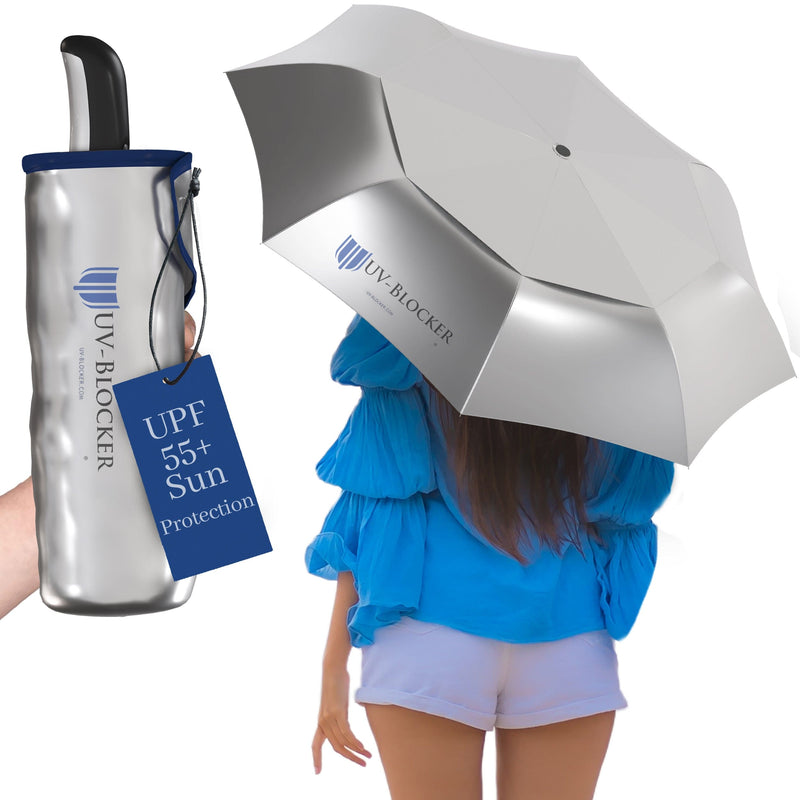
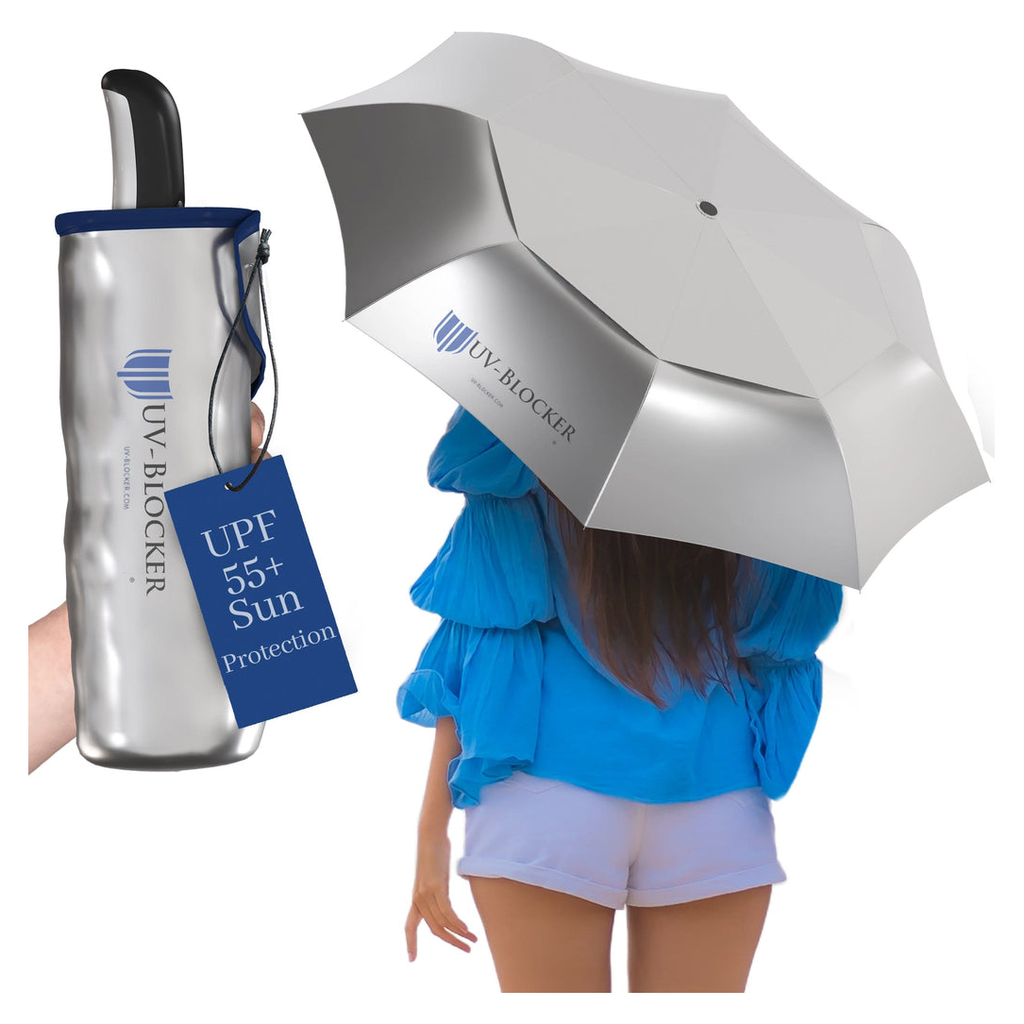
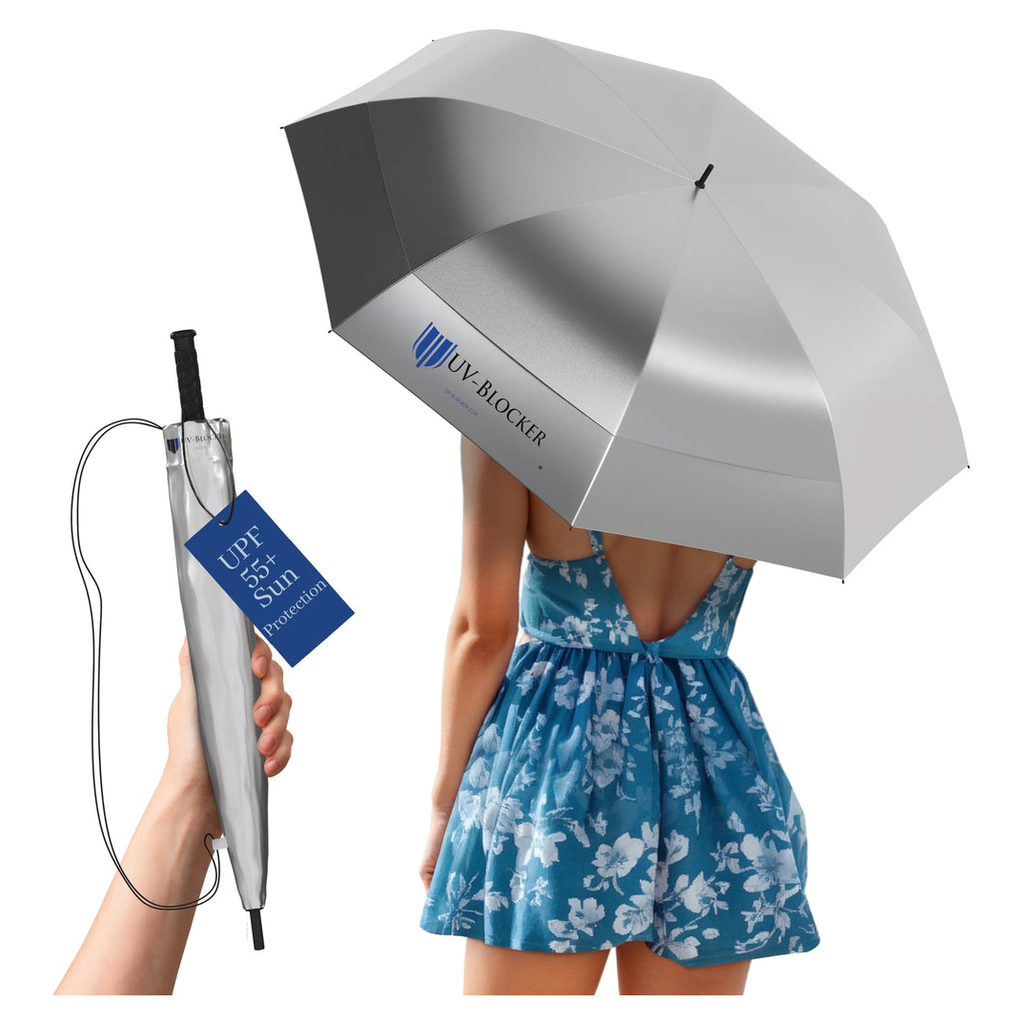
For portability, the UV protection compact umbrella offers the ideal balance of coverage and weight (13 oz). For those needing hands-free capability, the UV protection travel umbrella includes a shoulder strap case.
Practical Sun Protection Strategies for Cancer Patients
Effective sun protection during chemotherapy combines UPF 50+ umbrellas, avoiding 10am-4pm peak hours, and using sunscreen as backup.
Implementing sun protection during chemotherapy requires a tactical approach. It is not about never going outside; it is about controlling the environment.
The "Door-to-Door" Protocol: The most dangerous moments often occur during transitions—walking from the car to the clinic or pharmacy. Patients should adopt a habit of deploying their UV umbrella before stepping out of the vehicle. Parking close reduces exposure time, but the umbrella ensures that even a long walk is safe.
Strategic Timing: The "10am to 4pm Rule" is absolute law for sun protection during chemotherapy. During these hours, UV rays are most potent. Regardless of cloud cover—clouds block very little UV—patients should schedule walks for early morning or late afternoon. If an appointment falls during peak hours, the UV umbrella becomes non-negotiable.
Travel Considerations: Many patients do not realize that UVA rays penetrate standard glass. Sitting in a car during a long drive or near a window on a plane can result in exposure. A compact UV umbrella can be used inside a car (angled against the window) or held while waiting for transport.
The Layered Defense: While the umbrella provides the primary shield, "leakage" occurs from reflective surfaces. Therefore, a secondary layer is necessary. Patients should wear long sleeves and apply broad-spectrum sunscreen (SPF 30+) to the neck, ears, and hands—areas that might receive reflected light.
How Can Caregivers Support Sun-Safe Practices?
Caregivers support sun protection during chemotherapy by keeping UV umbrellas ready, positioning for shade, and applying sunscreen to hard-to-reach areas.
The role of a caregiver extends beyond driving; they are the first line of defense. Often, the patient is focused on nausea or fatigue and may not have the mental bandwidth to monitor sun angles.
Preparation is Key: Caregivers can take ownership of the "sun safety kit." Ensuring a UV umbrella is always in the car eliminates the "I forgot it" risk. When exiting a vehicle, the caregiver can have the umbrella open and ready before the patient steps out.
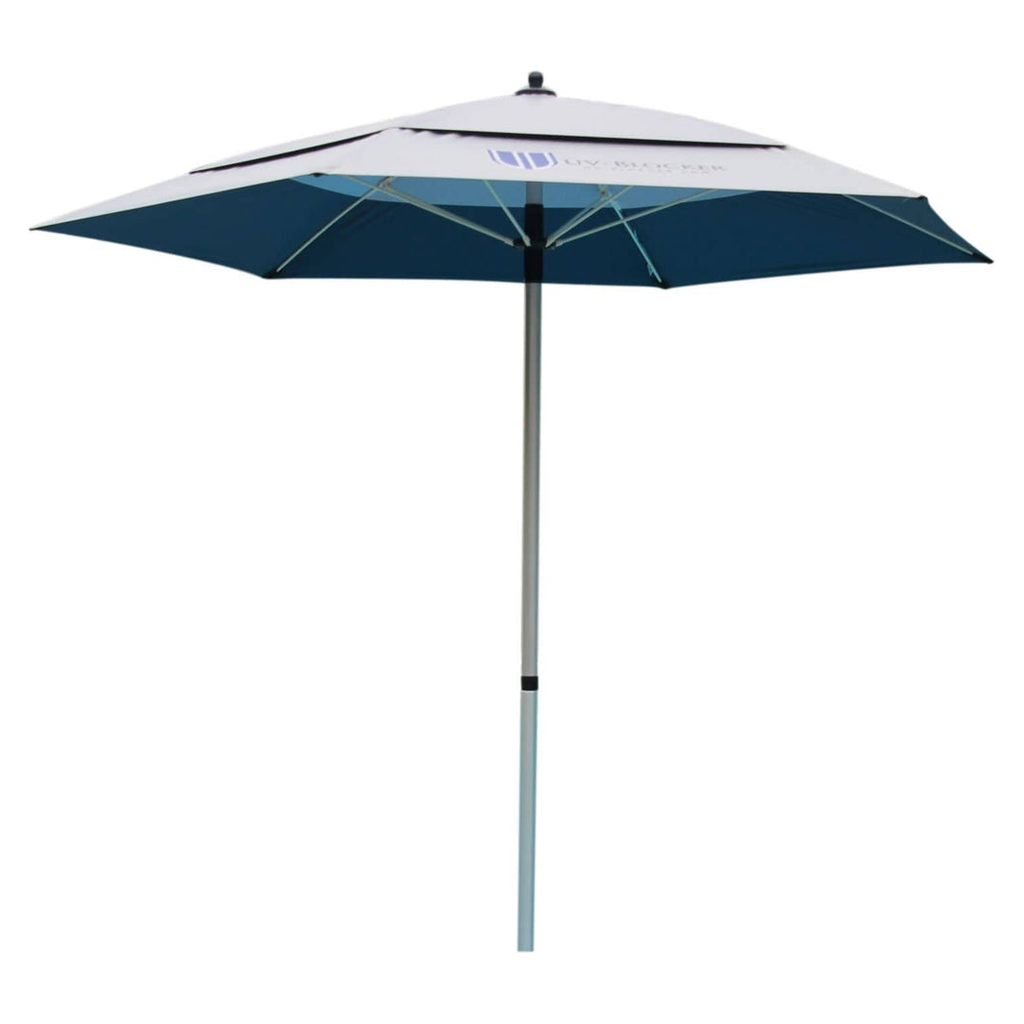
Physical Positioning: During walks, a caregiver can position themselves on the sun-exposed side or hold the umbrella for the patient. This provides protection and conserves the patient's energy. If the patient is using a wheelchair, the caregiver can attach a clamp-on UV umbrella or hold a large golf-sized umbrella to cover both.
Gentle Reinforcement: Reminding an adult to use an umbrella can feel intrusive. Caregivers can frame these actions as part of the medical protocol—"Let's grab the umbrella so we stick to the doctor's orders"—rather than personal nagging. Normalizing the use of the umbrella as a standard medical tool reduces resistance.
Gift Consideration: A high-quality UV umbrella is a thoughtful, functional gift. Unlike flowers or food, which might be restricted, a tool that enables mobility and safety is universally helpful.
What Sun Protection Do You Need After Cancer Treatment Ends?
After treatment ends, photosensitivity typically resolves within two months, but cancer survivors should maintain vigilant sun protection permanently due to increased skin cancer risk from treatment and potential immunosuppression.
The end of chemotherapy is a major milestone, but not an immediate return to pre-cancer sun habits. Most systemic photosensitivity resolves within 2 to 8 weeks. However, the skin that regenerates may still be more delicate.
More importantly, the history of cancer treatment itself changes the long-term risk profile. Chemotherapy and radiation can act as carcinogens, slightly increasing the risk of secondary skin cancers later in life. Furthermore, if a patient experienced a severe photosensitive reaction during treatment, it indicates a susceptibility that warrants caution.
Survivors should view their UV umbrella as a permanent tool for health maintenance. Integrating sun protection into the "new normal" prevents future complications. This includes continuing annual skin checks and maintaining the habit of carrying UV protection during high-risk outings.
Melanoma International Foundation Approved products offer assurance that the survivor is using the best possible defense.
Frequently Asked Questions About Sun Protection During Chemotherapy
Can I go outside at all during chemotherapy? Yes, you can go outside during chemotherapy with proper protection. Use a UPF 50+ umbrella, avoid peak UV hours (10am-4pm), and cover exposed skin with sunscreen or protective clothing to safely enjoy the outdoors without isolation.
How quickly can I get sunburned during chemo? Chemotherapy patients with photosensitivity can experience severe sunburn-like reactions within 10-15 minutes of unprotected sun exposure, compared to the typical 20-30+ minutes for non-sensitized individuals. Reactions often appear 24-72 hours later.
Does sunscreen work during chemotherapy? Sunscreen provides partial protection during chemotherapy but is less reliable than physical barriers. Studies show sunscreens block 76-94% of UVB rays compared to 99%+ for UPF 50+ fabrics. It works best as a backup to umbrellas.
Is the sun sensitivity from radiation therapy different from chemotherapy? Yes, radiation therapy causes more localized and longer-lasting sun sensitivity. Areas that received radiation remain photosensitive for up to one year, while chemotherapy sensitivity is systemic but typically resolves within two months.
What's the difference between UPF and SPF for cancer patients? UPF measures UV protection in fabrics and blocks both UVA and UVB rays, while SPF measures sunscreen protection against UVB only. UPF 50+ provides consistent 98%+ protection without reapplication, making it safer for patients.
Are UV umbrellas covered by insurance or HSA/FSA? UV umbrellas may qualify as HSA/FSA eligible medical expenses when used for medically-documented photosensitivity conditions. Check with your benefits administrator, as coverage varies by plan, and keep your oncologist's notes.
Can I use a regular umbrella for sun protection during chemo? Regular umbrellas provide minimal UV protection (typically blocking only 50-70% of UV rays) compared to UPF-rated umbrellas that block 98-99%+ of harmful radiation. For photosensitive cancer patients, regular umbrellas are insufficient.
Conclusion
Sun protection during chemotherapy does not mean total confinement indoors. While drugs like 5-fluorouracil, methotrexate, and dacarbazine significantly increase the skin's vulnerability to UV damage, the risk is manageable with the right tools. The danger of photosensitivity—painful burns and long-term skin damage—is real and can strike within minutes. However, reliance on sunscreen alone often leaves gaps in protection that immunocompromised patients cannot afford.
By prioritizing physical barriers for sun protection during chemotherapy, specifically UPF 50+ umbrellas, patients gain a reliable, verifiable shield against 99% of harmful radiation. These devices offer more than just shade; they offer the freedom to live life without fear.
For those seeking reliable sun protection during chemotherapy, the immediate step is to secure a medical-grade UV umbrella before the next outing. For friends and family, providing this level of protection is a tangible way to support a loved one's journey. Explore UV-Blocker's range of Melanoma International Foundation approved umbrellas—the same products dermatologists recommend for their most sun-sensitive patients—and take control of your safety in the sun.