

More than 70 million fans attend MLB games each year. Another 16 million Americans play recreational baseball and softball. Yet baseball offers surprisingly little built-in sun protection for anyone at the ballpark.
A single game delivers continuous UV radiation across a uniquely split audience. Players rotate between inconsistent dugout shade and direct field sunlight. Spectators sit motionless on shadeless metal bleachers for the full duration of play.
This guide covers sport-specific UV protection protocols for both groups — wearable defenses for active athletes, structural shade solutions for stationary spectators, and a dedicated survival plan for youth tournament weekends.
TLDR:
- A single professional or youth game averages 2.5 hours of continuous UV exposure.
- Tournament weekends stack multiple games, exposing families to 6-10 hours of outdoor time per day.
- Players need layered defense: broad-spectrum SPF 30+ sunscreen plus UPF compression sleeves.
- Baseball's built-in half-inning breaks offer natural windows for sunscreen reapplication.
- Stationary spectators face concentrated UV damage on shadeless metal bleachers.
- Hands-free chair umbrella holders provide the most effective personal shade for bleacher seating.
- Coaches and parents need dedicated sun safety kits treated as essential baseball gear.
How Much UV Exposure Does a Baseball Game Deliver?
A single baseball game delivers 2.5 to 3 hours of continuous UV exposure, with youth tournament days reaching 6 to 10 hours of cumulative outdoor time.
The average MLB game runs 2 hours and 37 minutes with the pitch clock. Youth and rec games typically go 1.5 to 2.5 hours. Tournaments stack three or four games back to back. Here's the problem: peak UV hours (10 AM to 3 PM) overlap directly with typical game start times for both youth leagues and MLB day games. Nobody schedules around solar intensity.
The scale of exposure is significant. Approximately 70 million fans fill MLB stadiums annually. Over 16 million people actively play recreational baseball and softball. The AAD/MLB Play Sun Smart Program has conducted nearly 39,000 free skin cancer screenings at professional ballparks since 1999. Medical professionals detected over 1,300 suspicious lesions during these field events. They also identified approximately 168 suspected melanomas among attendees.
Think about cumulative exposure over a season. A kid playing a 20-game spring schedule logs 40 hours in direct sunlight. The parent sitting in the bleachers watching those same games absorbs the exact same dose. Those numbers add up fast. For more parent-specific strategies, see the full guide to Sun Protection for Sports Parents.
Why Do Baseball Players Face Unique Sun Protection Challenges?
Baseball players face position-specific UV risks, as outfielders absorb direct sun for entire innings while dugout shade varies by field orientation and time of day.
Outfielders have it worst. They stand in direct sunlight for entire innings with zero shade. Catchers catch reflected UV bouncing off light-colored dirt. Pitchers get prolonged mound exposure with nowhere to hide. First and third basemen rotate through shifting shade angles as the sun tracks across the sky. Every position has its own UV weak spot. Similar dynamic exposure patterns exist in other sports, as detailed in the Sun Protection for Soccer guide.
Players duck into the dugout between innings and assume they're protected. Not necessarily. Dugout shade depends on field orientation and the sun's angle. Plenty of youth and rec dugouts are just open chain-link with minimal overhead cover. Morning games might bake the first-base dugout while leaving the third-base side shaded. Afternoon games reverse this dynamic.
Active play washes away sunscreen faster than the label suggests. Sweat breaks down chemical barriers quickly. But here's what makes baseball different from continuous-play sports: those built-in half-inning breaks create natural reapplication windows. Most players just don't use them. According to research on collegiate athlete sun habits, more than half of collegiate athletes never use sunscreen — even though 96% believe it prevents skin cancer.
Physical activity itself amplifies UV risk. Active individuals get sunburned at nearly double the rate of sedentary populations — roughly 63% vs. 34%. Sweat actually makes skin more sensitive to UV light. The good news? Baseball's built-in rhythms make protection practical if players know what to do.
What Is the Best Sun Protection Protocol for Baseball Players?
The best player protocol layers broad-spectrum SPF 30+ sunscreen with UPF compression sleeves, a hat or helmet visor, and strategic between-inning reapplication timing.
Start with broad-spectrum SPF 30+ sunscreen at least 15 minutes before warmup. Don't skip the ears, back of the neck, and forearms — those are the spots baseball players burn most. A full ounce of sunscreen covers an adult body at the labeled SPF rating. Mineral formulas with zinc oxide hold up slightly better against sweat than chemical alternatives.
Every half-inning transition is a reapplication window. Keep a sunscreen stick or spray in the dugout bag. Hit the face, ears, and forearms during these short pauses. Soccer and lacrosse players don't get these breaks. Baseball players should use every one.
UPF compression sleeves are the player's best friend on a hot day. They don't wash off with sweat or degrade during extra innings. They comply with uniform rules at every level. Lightweight neck gaiters cover the jaw and collar — two spots that caps miss entirely. A physical UPF barrier simply outperforms liquid sunscreen when someone's sweating through nine innings. Active cyclists rely on similar physical barriers, as covered in the Sun Protection for Cycling guide.
Baseball caps shade the forehead and upper face, but they leave the ears and back of the neck wide open to overhead sun. Under-helmet skull caps with UPF neck drapes fill that gap nicely. Batting helmet visors shade the face at the plate, but they don't help on the base paths or while tracking fly balls in center field.
Don't forget the post-game window. UV damage keeps accumulating after the final out. Apply one more layer of sunscreen before packing the gear bag and walking to the parking lot.

| Protection Layer | Players | Spectators |
|---|---|---|
| Sunscreen | SPF 30+, reapply between innings | SPF 30+, reapply every 2 hours |
| Clothing | UPF sleeves, compression gear | UPF hat, long sleeves optional |
| Shade | Dugout (inconsistent) | Personal umbrella on bleachers |
| Eye protection | Sport sunglasses (between innings) | Polarized sunglasses |
| Hydration | Dugout water station | Insulated bottle with ice |
| Key product | UPF compression sleeves | Chair Umbrella Holder |
Athletes utilize dugouts and between-inning respites. Spectators lack these structural advantages entirely. Their exposure problem is often worse.
How Can Spectators and Parents Stay Protected at Baseball Games?
Spectators need personal shade on the bleachers because most baseball fields offer zero overhead protection. A chair-mounted umbrella holder solves hands-free UV coverage.
Metal bleachers trap and radiate heat like a skillet. Rec fields, high school diamonds, even most college stadiums offer nothing overhead for the crowd. Spectators sit in the same spot for the entire 2.5-hour game, which means the same patches of skin — shoulders, knees, nose — soak up UV the entire time. Similar challenges face fans of other court sports, detailed in Sun Protection for Pickleball.
Personal shade gear provides the most effective spectator defense. A UPF 50+ umbrella mounted in a Chair Umbrella Holder delivers continuous hands-free shade on any bleacher seat. No ground setup, no tent poles. The device clips directly to the bleacher seat or folding chair frame and keeps both hands free for keeping score, filming at-bats, or cheering.
What about stadium rules? Most MLB venues allow compact umbrellas. Some restrict full-size golf umbrellas that block sightlines for neighboring fans. Check MLB Stadium Policies for the specific venue before attending. Youth and recreational fields don't restrict umbrellas at all. A compact option provides shade without annoying the people behind you.
Pack sun gear specifically for bleacher environments:
- Broad-brim UPF hat
- Polarized sunglasses to cut field glare
- SPF 30+ sunscreen
- Insulated water bottle with ice
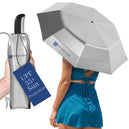
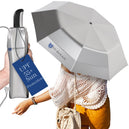
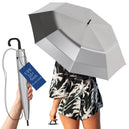
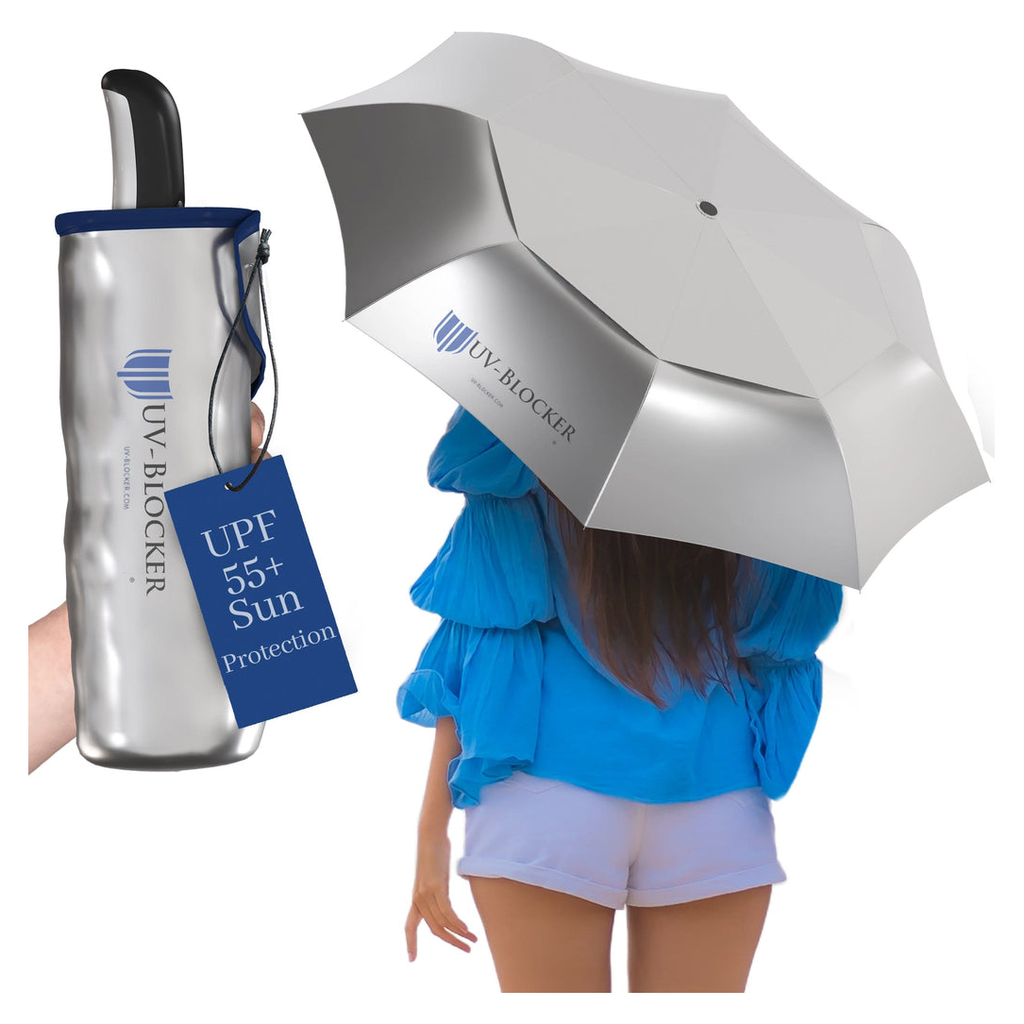
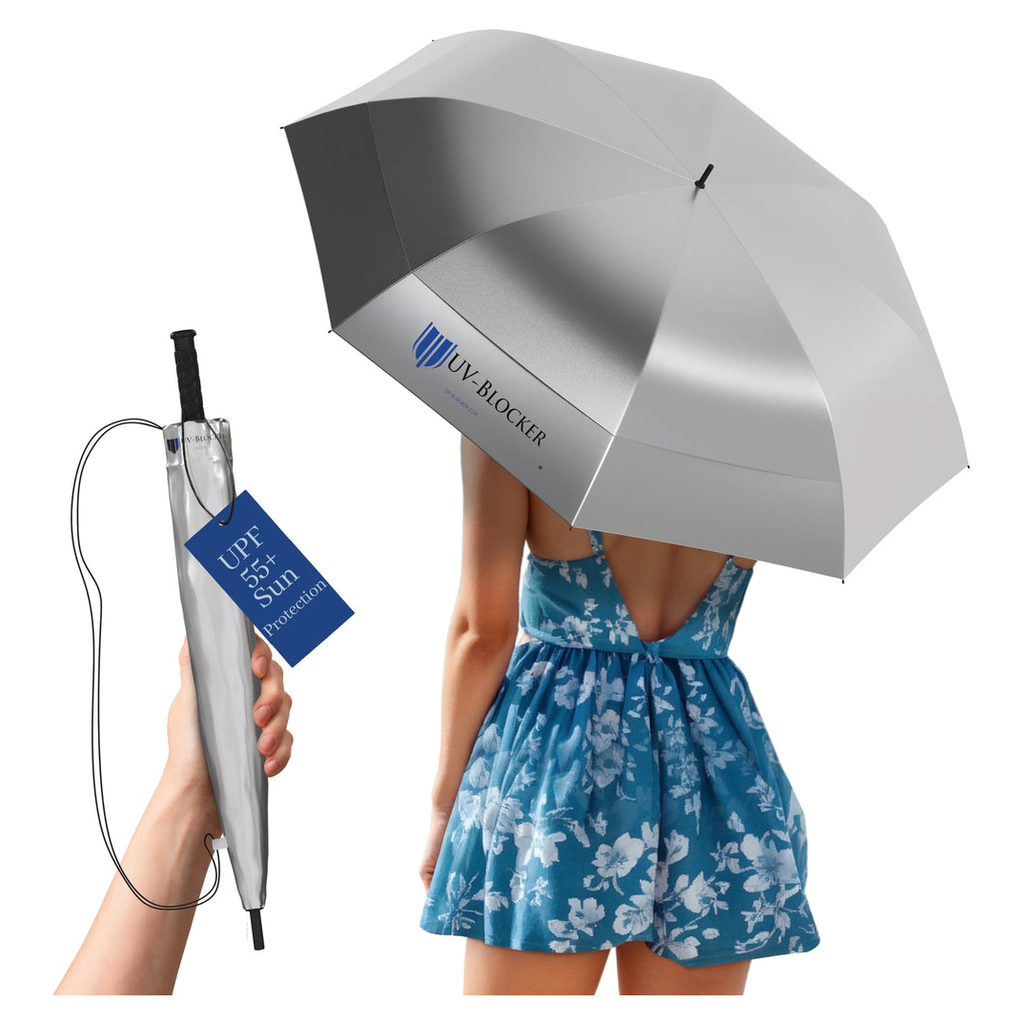
- Portable Compact UV Umbrella
- Microfiber cooling towel
Single games are manageable with this loadout. Tournament weekends demand a different approach.
How Do You Survive a Youth Baseball Tournament Weekend?
Surviving a youth baseball tournament requires treating shade as essential gear. Pack a UPF umbrella, reapply sunscreen every 2 hours, and rotate between sun and shade between games.
Weekend tournaments cram three to five games into a 48-hour window. Families pull into the parking lot at sunrise and don't leave until dark. Total outdoor exposure? Easily 6 to 10 hours per day. Most youth ballfields lack permanent shade structures. A few feature small dugout overhangs. The rest offer nothing but open grass and dirt under full sun. Parents routinely underestimate how long they'll actually be there.
Kids have thinner skin that's more vulnerable to UV damage. Players under 12 rarely apply their own sunscreen well. Coaches and team parents need to coordinate shade breaks and set up sunscreen stations. Making sun protection a team responsibility works better than leaving it to individual families. The Skin Cancer Foundation specifically warns that severe sunburns in childhood significantly elevate lifetime melanoma risk.
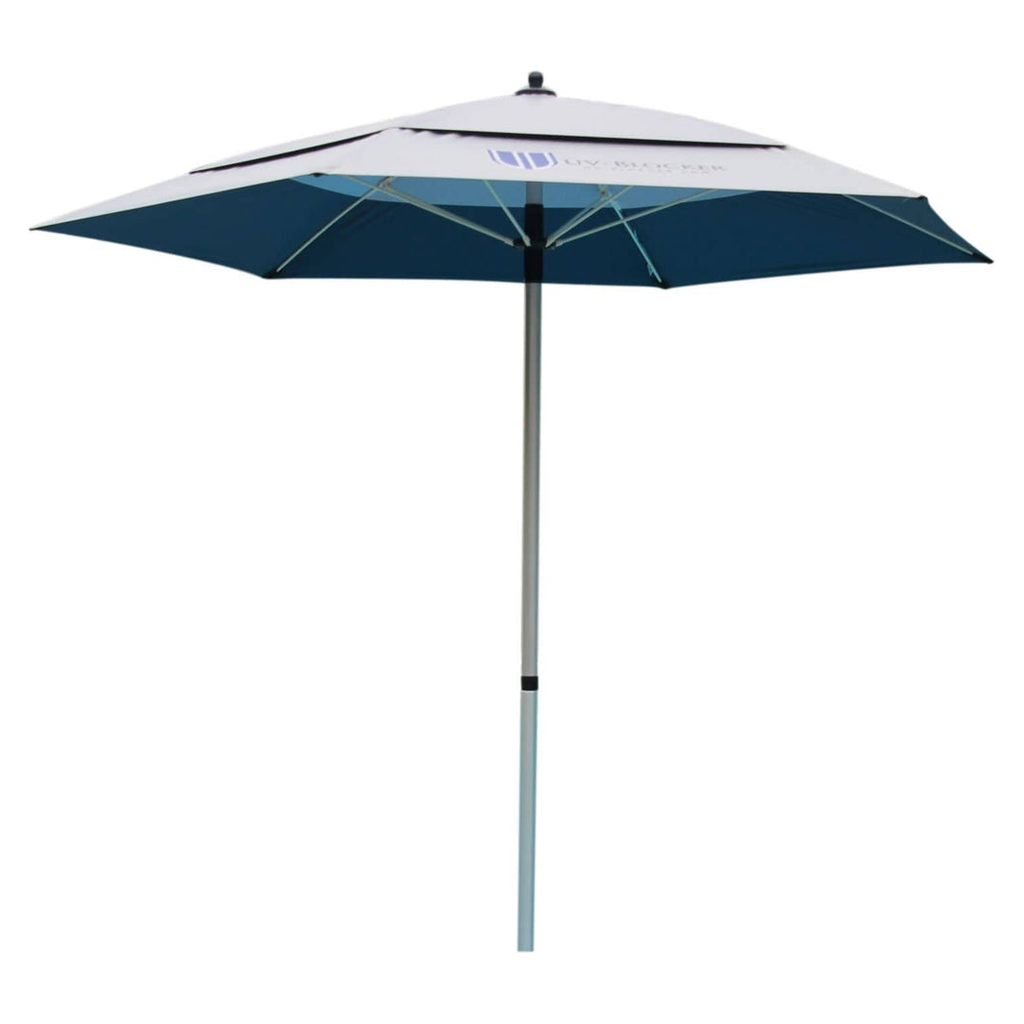
Coaches spend more time at the complex than anyone else — they're on the field for every game. A Sports Umbrella Holder mounted on the dugout fence delivers hands-free shade for coaching staff. Coaches can't hold umbrellas while flashing signs, tracking pitch counts, or writing lineup cards. Hands-free shade keeps them protected without getting in the way.
Use the gaps between scheduled games to escape the sun completely. Retreat to tree shade, air-conditioned cars, or team pop-up canopies. This is real recovery time for UV-stressed skin. Apply fresh sunscreen 15 minutes before the next warmup starts.
Designate one team parent to carry the sun safety kit — bulk sunscreen bottles, a first-aid kit with aloe, and portable shade devices. Make this as routine as packing the team cooler.

| Tournament Essential | Purpose | Frequency / Rule |
|---|---|---|
| Bulk Sunscreen | Team-wide reapplication | Every 2 hours |
| Pop-up Canopy | Between-game team base camp | Set up at arrival |
| Cooling Towels | Core temperature reduction | Keep in ice water |
| Insulated Water Jugs | Hydration | Refill between games |
| UPF Umbrellas | Spectator shade | Use during games |
| Aloe Vera / First Aid | Burn treatment | As needed |
Tournament logistics raise practical questions from baseball families. Here are the most common ones.
Frequently Asked Questions About Sun Protection for Baseball
These are the most common sun protection questions from baseball players, parents, and spectators, answered with specific guidance for the diamond.
Can you bring an umbrella to a baseball game?
Most MLB stadiums allow compact umbrellas but may restrict oversized golf umbrellas that block sightlines. Youth and recreational fields have no umbrella restrictions. Check the specific stadium's policy before attending a professional game. A compact UV umbrella paired with a chair holder provides shade without blocking anyone's view of the field.
How do baseball players protect themselves from the sun?
Players layer broad-spectrum SPF 30+ sunscreen with UPF compression sleeves, caps with neck drapes, and sport sunglasses. Between-inning breaks provide natural reapplication windows every 15-20 minutes. Outfielders face the highest continuous exposure and benefit most from physical UPF arm sleeves that don't wash off with sweat.
How long are you in the sun at a baseball game?
A single MLB game averages roughly 2 hours 37 minutes. Youth games run 1.5 to 2.5 hours. Including pre-game warmup, postgame handshakes, and travel to seats, total outdoor time typically exceeds 3 hours per game. Tournament days stretch this to 6-10 hours when families attend multiple consecutive games.
How do you stay cool at a youth baseball tournament?
Rotate between sun and shade between games. Pack a UPF umbrella for the bleachers, insulated water bottles filled with ice, cooling towels, and portable battery fans. Apply sunscreen every 2 hours regardless of cloud cover. Designate a team parent to set up a shade station with a pop-up canopy at the team's assigned area.
Do baseball dugouts have shade?
Most professional dugouts have full overhead cover. Youth and recreational dugouts vary widely. Many are open chain-link structures with partial or no overhead shade. Field orientation determines how much shade a dugout receives at different times of the day. Morning games may shade one dugout while the other bakes.
Do baseball caps provide enough UV protection on the field?
Standard baseball caps provide meaningful shade for the face and forehead but offer near-zero protection for the ears, back of the neck, and chin — the areas most commonly affected by baseball-related skin cancers. A baseball cap with a 3-inch bill reduces UV exposure to the nose by about 50%, but leaves the ears almost completely exposed. Players should pair their cap with broad-spectrum sunscreen on all uncovered skin, and consider wide-brim sun hats in the dugout or during pre-game warm-ups when helmets aren't required.
How do you protect young pitchers who stand in direct sun for full games?
Starting pitchers face the worst UV scenario in baseball: they stand on an exposed mound for 6 to 9 innings, often during peak UV hours (10 a.m. to 4 p.m.), with no dugout shade. Youth leagues in sun-intense states like Arizona, California, and Florida report significantly higher sunburn rates among pitchers than any other position. Practical protocol: apply SPF 50+ mineral sunscreen before warm-ups, reapply every 90 minutes, wear a UPF-rated undershirt beneath the uniform jersey, and use the dugout UV umbrella between innings to let skin recover.
Are bleacher umbrellas allowed at Little League and high school baseball games?
Most Little League and high school athletic associations do not have formal policies restricting handheld or chair-mounted umbrellas for spectators, as long as they don't block other spectators' sightlines. Clamp-on chair umbrellas that mount to bleacher rails or folding chair arms are generally well-tolerated at youth and high school events. For invitational tournaments with larger crowds, position yourself at the end of a row where the umbrella extends away from adjacent spectators. Always check specific venue rules for post-season and tournament play, as restrictions vary.
Conclusion
Baseball puts everyone at the park in direct UV for hours. Players absorb 2.5 to 3 hours of radiation per game. Tournament weekends push that past 10 hours. The player solution is layered defense — sunscreen plus UPF sleeves plus between-inning reapplication.
Spectators get the raw end of the deal: parked on hot metal bleachers with nothing overhead. Personal shade gear is the single most impactful upgrade for any baseball fan. And if a tournament weekend is coming up, treat the shade plan like any other piece of essential gear.
Before the umpire yells play ball, check the bag. Sunscreen, a UPF hat, and portable shade should sit right next to the glove. Explore the Chair Umbrella Holder for hands-free bleacher shade, or the Compact UV Umbrella for portable personal protection anywhere at the ballpark.
Youth Baseball Tournament Sun Protection Checklist
Tournament weekends typically mean 6 to 10 cumulative hours of sun exposure across multiple games. This checklist is designed for coaches, team managers, and parents running youth travel baseball teams.
Team Equipment Bag Essentials
- Sunscreen station: SPF 50+ mineral sunscreen, reapplication reminder set for every 90 minutes
- Portable shade: UV-Blocker Sports Umbrella Holder for the dugout shade position or bench
- Cooling towels: Wet and chill in ice water, rotate players using them between innings
- Water supply: Hydration reduces core temperature and decreases heat exhaustion risk alongside UV exposure
- Wide-brim hats: For players in the dugout when batting helmets are off
Parent Spectator Gear
- Chair-mounted umbrella (clamp-on style, 1.5"+ opening for bleacher rails)
- UPF 50+ sun shirt or long-sleeve cover-up
- Wide-brim hat (3"+ brim provides meaningful face shade)
- Mineral sunscreen for children's faces (reapply every 80 minutes)
- Shade canopy for team areas at fields without permanent dugout roofs
Scheduling Considerations for Coaches
When working with tournament directors, advocate for scheduling younger age groups (8U, 10U) during morning time slots (before 10 a.m.) or late afternoon (after 4 p.m.) when UV indexes are lower. A UV index of 6 or higher — typical from 10 a.m. to 3 p.m. in most of the US from April through September — poses moderate to high sunburn risk within 30 minutes for fair-skinned children. A UV index of 11 or higher, common in Southwest states all summer, allows burns to begin within 10 to 15 minutes of unprotected exposure.
📚 Related Sun Protection Guides
- Sun Protection for Sports Parents: The Complete Sideline Shade Guide
- Sun Protection for Soccer: Complete UV Safety for Players and Spectators
- Sun Protection for Pickleball: The Courtside UV Blind Spot Most Players Miss
- 7 Best Chair Umbrellas for Sun Protection in 2026 (Expert Tested)
- Can You Get Sunburn on a Cloudy Day? The 80% UV Myth Most People Get Wrong
- The Complete Guide to Sun Protection Clothing: What UPF Ratings Really Mean
- UV Index Umbrella Guide: What Every UV Level Means and When You Need One
Position-by-Position UV Risk Guide for Baseball Players
Different positions in baseball create dramatically different UV exposure profiles based on facing direction, stationary time, and shade availability. A center fielder and a first baseman play the same game but have fundamentally different sun protection needs.
| Position | Facing Direction | Primary UV Risk Area | Key Protection |
|---|---|---|---|
| Pitcher | Faces home plate (typically SW to SE in afternoon games) | Face, forearms, back of neck | Wide-brim hat, SPF on neck, UPF undershirt |
| Catcher | Faces pitcher (looking into outfield) | Shoulders, back of neck | UPF undershirt, SPF on exposed neck areas |
| Outfielders | Face infield | Face, hands, forearms, top of head under cap | Wide-brim over cap when off-ball, UV sunglasses, full arm SPF |
| Corner infielders (1B, 3B) | Face batters box | Face, hands | SPF on hands, face, UPF shirt |
| Middle infielders (SS, 2B) | Variable direction exposure | Face, forearms | SPF all exposed areas, sport sunglasses |
| Bench/bullpen players | Dugout but exposed during warm-up | Forearms, face during warm-up | SPF before warm-up regardless of game time |
The outfield is where UV risk concentrates most for players. Outfielders track fly balls with their heads tilted upward and faces directly toward the sky — maximum direct UV angle on the face. Center field is typically the longest distance from the dugout, making mid-game shade access the hardest. Outfield glare off the grass surface (which reflects 6 to 10% of UV) also contributes to total dose.
Baseball Parent and Spectator Sun Protection: The Often-Overlooked Risk
Parents and spectators at youth and high school baseball games often receive more cumulative UV exposure than the players themselves — and they're doing it without the exercise-driven awareness that keeps athletes focused on physical conditions.
A standard youth baseball game runs 1.5 to 2.5 hours. A doubleheader runs 4 to 5 hours. Tournament weekends with multiple games can mean 8 to 12 hours of bleacher exposure across Saturday and Sunday. Most of this happens during peak-UV mid-morning to early afternoon slots. Parents sitting in open metal bleachers or aluminum portable seating at unshaded fields receive full overhead UV plus reflected UV from the light-colored aluminum surface.
Bleacher-specific protection for baseball parents:
- A UPF 50+ chair umbrella system provides the most effective continuous shade at baseball bleachers. The best stadium umbrellas for bleachers covers the top-rated options and how to set them up at different bleacher rail types.
- The UV-Blocker Super Clamp + Travel Umbrella combination mounts to standard bleacher bench rails and provides UPF 50+ coverage directly over the seat. The 44-inch arc covers a single seat fully without blocking neighbors.
- SPF 50+ broad-spectrum sunscreen applied before leaving home — not in the car, not at the field. Apply 20 minutes before UV exposure. Reapply at the 90-minute mark.
- Scheduling awareness — if you have flexibility, attending games played after 4 PM drops UV index by 20 to 40% compared to 11 AM games at the same venue.
The complete guide to sun protection for sports parents covers baseball, soccer, football, and other spectator scenarios with specific shade and sunscreen protocols for each venue type.