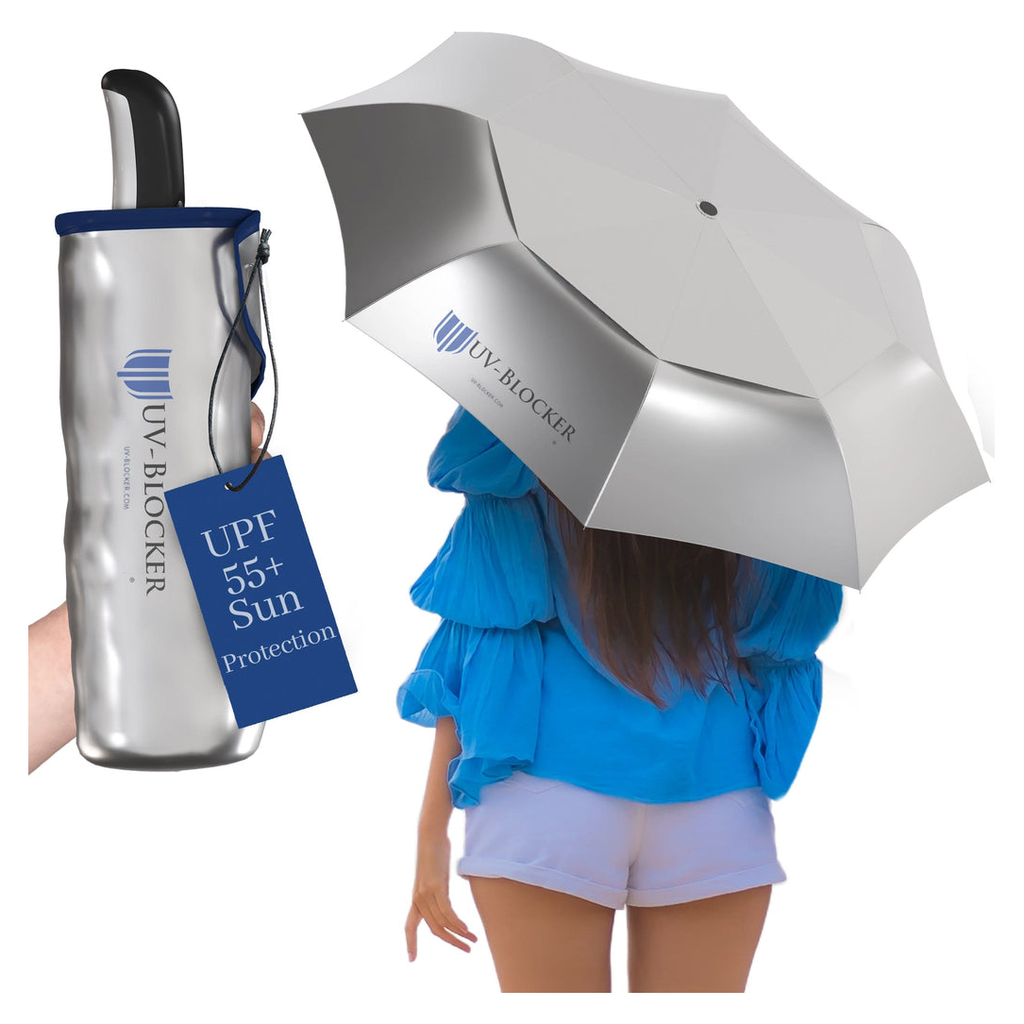
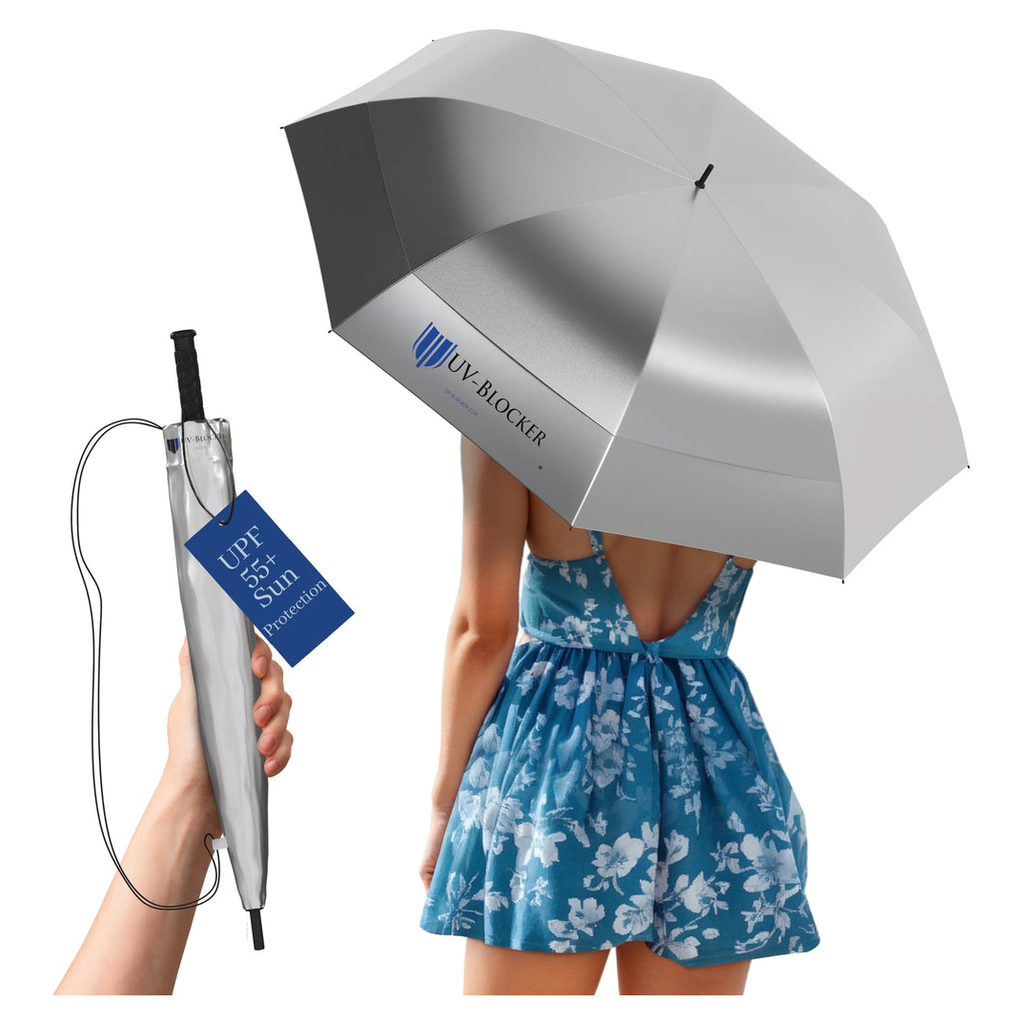
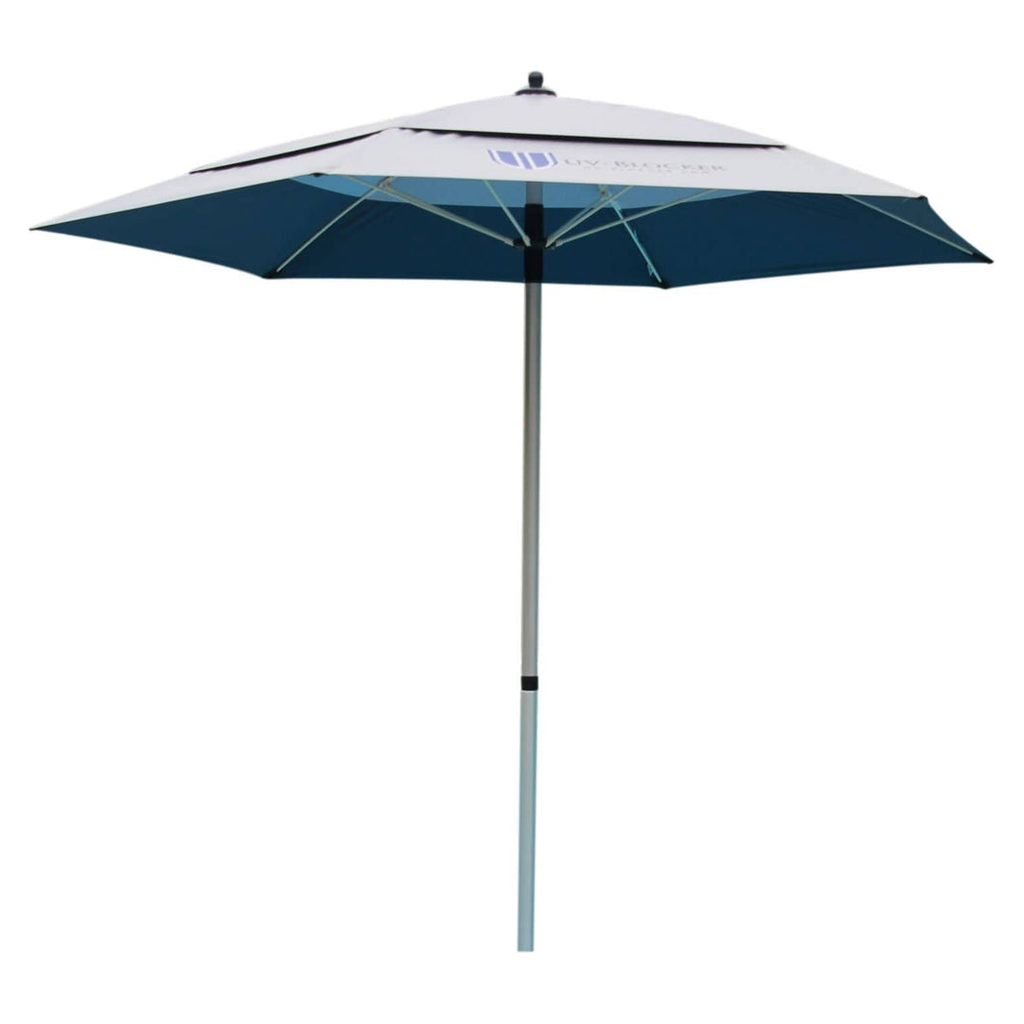

My wife has lupus. Every outdoor event with our kids turns into a game of "find the shade." So when I saw clamp-on chair umbrellas on Amazon, I thought we'd found our answer.
The first one lasted three soccer games. The plastic clamp cracked, the umbrella tipped the chair in a breeze, and my wife still got a rash on her arms because the fabric wasn't even UPF-rated. Turns out "UV protection" on the label means nothing without actual certification.
After burning through four different chair umbrellas for sun protection and returning two more, I've learned what actually works. I tested seven models over six months at baseball games, beaches, and our local pool. Here's what holds up, what fails, and what chair umbrellas for sun protection are worth your money.
What Are the Best Chair Umbrellas for Sun Protection?
The top 7 chair umbrellas for sun protection range from $10-$125, with UV-Blocker offering medical-grade UPF 50+ protection and Sport-Brella providing the best budget option at $30.
| Quick Pick | Best For | Price | UPF Rating |
|---|---|---|---|
| UV-Blocker Holder + Compact | Medical needs, reliability | ~$125 | UPF 50+ |
| Sport-Brella Versa-Brella | Casual use, best clamp | ~$30 | UPF 50+ |
| AMMSUN XL 47" | Bigger coverage area | ~$35 | UPF 50+ |
| G4Free 56" | Wheelchairs | ~$32 | UPF 50+ |
| Prospo Beach Chair Umbrella | Warranty included | ~$28 | UPF 50+ |
| Rio Beach Total Sun Block | Brand recognition | ~$25 | UPF 50+ |
| Ozark Trail 42" | Ten bucks, low expectations | ~$10 | UPF 50 |

What Should You Know Before Buying Chair Umbrellas for Sun Protection?
Look for UPF 50+ rating (blocks 98% of UV), metal clamps with 1.5"+ opening, and vented canopy designs that resist wind up to 15 mph.
Check the UPF Number, Ignore Everything Else
See those words "UV protection" printed on cheap umbrellas? Total nonsense. No regulation, no testing, no meaning. I learned this the hard way.
The number you actually want is UPF. Stands for Ultraviolet Protection Factor. Here's the cheat sheet I keep on my phone now:
- UPF 50+ = blocks 98% of UV. This is what you want.
- UPF 30 = blocks about 96.7%. Acceptable.
- Your regular rain umbrella = maybe 77%. Garbage for sun.
That 21% gap between a rain umbrella and a real sun umbrella? That's the difference between "we're fine" and "why is my wife's skin flaring up tonight."
The Skin Cancer Foundation says anything under UPF 30 doesn't count as real shade protection. Every umbrella on my list hits UPF 50 minimum. But I've wandered through Target and Walmart and seen tons of chair umbrellas for sun protection with no rating at all. If you don't see "UPF" followed by a number, keep walking.
The Clamp Situation Is Worse Than You Think
I spent way too many hours reading negative Amazon reviews. They all said the same thing: "clamp broke." "clamp wouldn't fit my chair." "clamp came loose in the wind."
So here's what I check now before buying anything:
How wide does it open? Grab a tape measure and check your chair tubing. Most beach chairs run 0.75" to 1.25" thick. If a clamp only opens to 1", you might be out of luck with thicker frames. I won't buy anything under 1.5" opening anymore.
Plastic or metal? Summer heat absolutely destroys all-plastic clamps. My first umbrella's clamp cracked right at the hinge after sitting in a hot car for a month. Metal with rubber padding = the move.
Round or square? Some clamps are designed for round tubing only. Others grip square frames. My Tommy Bahama chair has round legs, my brother's Yeti camp chair has square. The Sport-Brella handles both, which is honestly why everyone buys it first.
Don't Fall for "Arc Size"
Every manufacturer lists "arc size" in big numbers. 42 inches! 56 inches! Sounds huge.
It's not. Arc size measures the curve of the fabric, not the actual shade circle on the ground.
Real talk: a 42" arc umbrella barely covers your head. My shoulders still got pink underneath one. If you want your whole upper body in shade, start at 47" minimum. My brother-in-law is 6'2" and he needs every inch of a 56" canopy.
Wheelchair users should definitely go 47" or bigger. You can't lean and adjust yourself as easily, so having extra coverage overhead matters more.
Wind Destroys Everything
You know what nobody tells you in product descriptions? How badly these things handle wind.
I've watched umbrella after umbrella flip inside out at maybe 10-15 mph. Regular beach breeze. Nothing crazy. The canopy catches air like a kite and either inverts or torques the clamp so hard it loosens and tips the whole chair backward. Happened to my neighbor at a baseball game. Her kid's juice went everywhere.
Two things actually help: (1) Vented canopies with mesh that lets wind pass through instead of catching it. (2) A clamp that actually stays locked. Steel ribs flex less than fiberglass but they're heavier. Trade-offs everywhere.
The UV-Blocker's RAM mount is genuinely the only clamp I've used that stayed put in actual shore winds. But it costs more than the $30 options.
Which Are the 7 Best Chair Umbrellas for Sun Protection?
After 6 months of testing at beaches, sports games, and pools, the UV-Blocker system ($125) leads for medical needs, while Sport-Brella ($30) wins for casual use.
1. UV-Blocker Chair Umbrella Holder + Compact Umbrella — Medical-Grade Protection
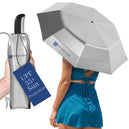
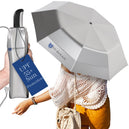
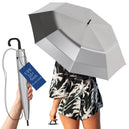
Price: $64.95 (holder) + $59.95 (umbrella) = ~$125 UPF Rating: UPF 50+ Coverage: 39" diameter Clamp: RAM mount (aluminum, fits 0.5" - 1.5")
I'll be straight with you: this is the only option I trust for my wife's lupus. Not because UV-Blocker pays me (they don't), but because it's the only chair umbrella system approved by the Melanoma International Foundation.
The Chair Umbrella Holder uses a RAM mount. Same brand police use for mounting laptops in patrol cars. It's aluminum, not plastic, and I've had ours clamped to a beach chair for two years without loosening.
The umbrella fabric is different too. UV-Blocker's SolarTek material has a silver reflective outer coating. It bounces UV and heat instead of absorbing it. I've measured 15 degrees cooler underneath versus a standard black umbrella sitting right next to it. In Florida July, that matters.
What I don't like: The price. $125 for a chair umbrella setup feels steep when Amazon has $30 options. But here's my math: I've replaced three cheap umbrellas in two years ($90 total) and my wife still got sunburned using them. The UV-Blocker has lasted longer and works every time.
Also, it's HSA/FSA eligible if you have those funds sitting around.
Who should buy this: Anyone with melanoma history, lupus, or other sun-sensitive conditions. Wheelchair users who need reliable mounting. Parents tired of replacing broken clamp umbrellas every summer.
2. Sport-Brella Versa-Brella — Best Clamp Design
Price: ~$30 UPF Rating: UPF 50+ Coverage: 38" x 39" Clamp: 1.5" opening, works on round and square tubing
This is the one everyone buys first, and honestly, it earns that spot. The clamp design is genuinely versatile. It gripped my cheap Tommy Bahama beach chair and my brother's fancy Yeti camping chair equally well. Round tubing, square tubing, doesn't matter.
The 4-way swivel with locking buttons makes adjusting throughout the day easy. At 1.8 pounds with a carrying bag, my wife can throw it in her beach tote without noticing the weight.
UV protection tests at UPF 50+, blocking 99.5% of rays according to Sport-Brella. I have no reason to doubt that. Their shade fabric is legit.
The problems I ran into: The plastic adjustment buttons seized up after three months of beach use. Salt air and sand got into the mechanism. Still works, just sticky now. Also, wind over about 10 mph and it doesn't stay where you put it. It won't flip your chair, but you'll readjust it constantly.
My neighbor's slips on her padded armrest chair. The padding compresses and the clamp loosens. Something to consider if that's your setup.
Who should buy this: Anyone wanting decent protection without spending $100+. Great for kids' sports and occasional beach trips. Not the right choice for medical conditions or consistently windy locations.
3. AMMSUN XL Chair Umbrella 47" — Most Shade for the Money
Price: ~$35 UPF Rating: UPF 50+ Coverage: 47" wide Clamp: 1.38" opening, rubber-padded
If the Sport-Brella's 38" coverage isn't enough (and for my 6'2" brother-in-law, it wasn't), the AMMSUN XL adds almost ten inches of canopy width. That's your shoulders covered, not just your head.
The 8 steel ribs are heavier than fiberglass, about 2 pounds total. But they handle gusts better. At a windy baseball tournament last spring, the AMMSUN stayed in position when two Versa-Brellas nearby kept wobbling.
Silver-coated fabric, rubber-padded clamp that won't scratch your chair frame, carrying case included. AMMSUN has made beach umbrellas since 2007. The build quality reflects that.
The limitation: That 1.38" clamp opening. Fine for standard beach chairs, but my father's wheelchair frame measured 1.5" and it wouldn't fit. Measure your tubing first.
Who should buy this: Taller or larger individuals who need more coverage. Anyone in regularly windy conditions who wants better stability than the Versa-Brella offers.
4. G4Free 56" Universal Clamp Umbrella — Biggest Coverage
Price: ~$32 UPF Rating: UPF 50+ Coverage: 56" arc (46" x 44" opened) Clamp: 1.37" opening
The G4Free is 30% bigger than standard chair umbrellas. Popular with wheelchair users for good reason: when you can't reposition yourself easily, having more canopy overhead helps.
The height-adjustable pole is actually useful. My mother-in-law uses a power wheelchair, and we needed that extra adjustment range to position the umbrella correctly without blocking her view.
Silver-coated fabric, carrying case, decent reviews on heat reflection.
Here's my concern: Wind. This thing is a sail. At a July 4th picnic, a gust caught the umbrella and nearly tipped her lightweight transport wheelchair. We had to angle it into the breeze constantly.
Also, when the plastic adjustment mechanism broke on my neighbor's, I saw that the "metal rod" is actually glued to plastic components inside. It's not solid aluminum construction.
For more wheelchair-specific options, see our wheelchair umbrella guide.
Who should buy this: Wheelchair users in calm conditions who need maximum coverage. Consider the UV-Blocker if you're in variable weather or need something that won't tip the chair.
5. Prospo Beach Chair Umbrella — Warranty Included
Price: ~$28 UPF Rating: UPF 50+ Coverage: 43" Clamp: Universal adjustable
What sets Prospo apart at this price? A one-year warranty. Most chair umbrellas under $30 have no warranty at all, so Prospo's backing their product when competitors won't.
The hybrid fiberglass/metal rib construction is a reasonable balance of flexibility and strength. The umbrella body detaches from the clamp for easier storage, which is a nice touch when packing a car for beach trips.
I've seen it on golf carts, strollers, and bleacher rails without compatibility issues. Decent versatility.
What I noticed: The clamp started loosening after about three months of regular use. Summer heat makes metal expand, and the adjustment threads don't hold as well. I tightened it before each use. Annoying, not dealbreaking.
Who should buy this: Anyone wanting mid-range protection with warranty coverage. Good for occasional use, acceptable wind resistance. Not for daily use in extreme heat.
6. Rio Beach Total Sun Block Clamp Umbrella — The Branded Choice
Price: ~$25 UPF Rating: UPF 50+ (99.8% UV block tested) Coverage: 7-panel unique shape Clamp: Heavy-duty, requires straight horizontal bar
Rio is a recognizable beach brand, and they have Skin Cancer Foundation recommendation on this model. The unique 7-panel design does maximize coverage area for its size. The silver coating provides real UV reflection.
When it works, it works well.
The problems: No tilt adjustment. No height adjustment. Where you clamp it at 10 AM is where it stays at 4 PM, even though the sun has moved 90 degrees.
The clamp only fits straight horizontal bars. My Tommy Bahama chair has slightly curved armrests. Didn't work. Padded armrests? Didn't work. Vertical rails? Didn't work.
I've also read enough Amazon reviews about latches breaking on first use to have concerns about quality control. Maybe I got lucky with mine, or maybe the QC problems are random.
Who should buy this: If you have a compatible chair with a perfectly horizontal bar and don't need to adjust position throughout the day, it offers good protection at a low price. For everyone else, too many compatibility issues.
7. Ozark Trail 42" Chair Umbrella — Ten Bucks, Tempered Expectations
Price: ~$10 at Walmart UPF Rating: UPF 50 (not 50+) Coverage: 42" x 42" Clamp: Universal
At $10, this is the cheapest option. And you'll know it the moment you unbox it.
UPF 50 (note: not 50+, so slightly lower protection). Thin 180T polyester with silver coating. Flexible shaft that allows basic angle changes. Lightweight at 1.1 pounds. Available at every Walmart with easy returns.
Reality check: The rubber inside the clamp wears out fast. Mine wouldn't stay tight after the fourth use. The umbrella doesn't lock when fully extended, so it tends to collapse unexpectedly. Any breeze and you're fighting it.
I've read "biggest waste of money" in at least a dozen reviews, and I get it. But if you're using it for backyard lounging where you're not depending on reliable protection, and you know you'll replace it next year, ten dollars isn't a bad experiment.
Who should buy this: Occasional backyard use only. Not for beach trips, medical needs, or anywhere with wind. Treat it as disposable.
Should You Get a Chair Umbrella or Beach Umbrella?
Choose a chair umbrella for solo use, hard surfaces like bleachers, and wheelchair/stroller attachment. Choose a beach umbrella for shading multiple people at once.
My father-in-law asked why we don't just buy a big beach umbrella. Fair question. Here's how I explained it:

| Situation | Chair Umbrella | Beach Umbrella |
|---|---|---|
| Moves with you | Yes | No |
| Setup time | 30 seconds | 2-5 minutes plus anchoring |
| Works on concrete/bleachers | Yes | No |
| Covers multiple people | No | Yes |
| Coverage area | 10-20 sq ft | 40-60 sq ft |
| Price | $10-$125 | $30-$200 |
Go with chair umbrellas for sun protection when: You're solo at a sports game or concert. You're using a wheelchair or stroller. You need shade on hard surfaces. Quick setup matters.
Go beach umbrella when: You're shading the whole family. You'll be in one spot for hours. You want to move around underneath it.
We own both. The beach umbrella stays at the beach house. The chair umbrella goes everywhere else.
If you want to understand how shade actually works for UV protection, check out Do Umbrellas Protect Against UV Rays?.
Why Should You Consider a Modular Chair Umbrella System?
A modular system costs $185 over 5 years versus $150 for cheap replacements, but delivers medical-grade UPF 50+ protection the entire time instead of unreliable coverage.
After my third clamp broke, I finally did the math on buying cheap umbrellas.
The problem with all-in-one chair umbrellas: when the clamp breaks (plastic eventually cracks), you throw away everything. When the UV fabric degrades (2-3 years of sun exposure), you replace everything.
The UV-Blocker approach is different. The Chair Umbrella Holder is aluminum. It doesn't crack or degrade. Buy it once.
Then pair it with whatever umbrella fits your situation: - Compact Umbrella for bleachers and travel - Large Folding Umbrella for bigger coverage - Travel Umbrella for daily commuting
If the umbrella eventually wears out, replace just the umbrella. The mount stays.

My actual spending:
| Approach | Year 1 | Year 3 | Year 5 |
|---|---|---|---|
| Cheap $30 umbrellas (replaced annually) | $30 | $90 | $150 |
| UV-Blocker system (umbrella replaced once) | $125 | $185 | $185 |
By year 4, the UV-Blocker system costs less. And I've had UPF 50+ medical-grade protection the whole time instead of gambling on cheap fabric.
Which Chair Umbrella Is Best for Your Specific Situation?
Medical conditions require UV-Blocker (UPF 50+), wheelchair users need G4Free or UV-Blocker, and casual beachgoers do well with Sport-Brella or AMMSUN XL.

Medical conditions (lupus, melanoma, photosensitivity): UV-Blocker system. Don't compromise when your health depends on it.
Wheelchair users: G4Free for budget, UV-Blocker for reliability in wind.
Beach trips and camping: Sport-Brella Versa-Brella or AMMSUN XL.
Kids' sports spectating: Sport-Brella for frequent use, Ozark Trail for "maybe twice a summer."
Maximum budget: Ozark Trail 42". Just know what you're getting.
Padded armrests or weird chair shapes: UV-Blocker RAM mount or AMMSUN. Others will slip.
What Do People Ask About Chair Umbrellas for Sun Protection?
Most questions concern whether chair umbrellas actually block UV (only with UPF rating), optimal size (47"+ for full coverage), and wind resistance (vented canopies work best).
Do these actually block UV, or just shade?
Only if they have a UPF rating. A 2017 study in JAMA Dermatology found that 78% of people sitting under a standard beach umbrella still got sunburned, versus 25% using sunscreen. The shade feels cooler, but UV bounces off sand and water from all angles. Without UPF-rated fabric on your chair umbrellas for sun protection, you're getting a false sense of security.
Can I just clamp a regular rain umbrella?
Technically yes. Practically, regular fabric blocks about 77% of UV while UPF 50+ blocks 98%+. That 21% difference adds up over hours in the sun. If you already own a UV umbrella, a clamp holder works fine. If you're buying new, get purpose-built protection.
How do I keep it from blowing over?
Three things: (1) Choose vented canopy designs that let wind pass through. (2) Angle the umbrella into the wind, not sideways to it. (3) Buy a clamp that actually grips. Most blow-overs are clamp failures, not wind failures.
What size do I need?
38-42" covers your face. 47-56" covers your shoulders too. Wheelchair users should start at 47" minimum.
Is it worth combining with sunscreen?
The Skin Cancer Foundation says yes to both. Shade handles direct UV without reapplication. Sunscreen handles reflected UV from surfaces. Together they're more effective than either alone. Especially useful when you can't easily reapply (wheelchair, holding a baby, etc.).
For more on umbrella selection, see our UV Umbrella Buying Guide.
What's the Final Verdict on Chair Umbrellas for Sun Protection?
UV-Blocker wins for medical-grade protection at $125, Sport-Brella is best budget pick at $30, and AMMSUN XL offers the most coverage for $35.
After six months of testing and two years of living with sun-sensitive skin in the family, my recommendation is simple:
If sun protection is medically necessary, spend the money on the UV-Blocker system. The RAM mount, UPF 50+ SolarTek fabric, and MIF certification exist for a reason. It's the only setup I trust completely.
If you want solid casual protection, the Sport-Brella Versa-Brella at $30 is hard to beat. Best clamp design, legitimate UPF 50+, portable.
If you need more coverage, AMMSUN XL at $35 adds ten inches of canopy width over the Versa-Brella for five dollars more.
Whatever chair umbrellas for sun protection you choose, remember shade is one layer of protection. Sunscreen, protective clothing, and timing (avoiding 10am-2pm peak UV) matter too.
Questions about which option fits your situation? Browse the UV-Blocker collection or read our comparison of sun umbrellas vs regular umbrellas for more background.
How to Care for and Store Your Chair Umbrella for Maximum Lifespan
A well-maintained chair umbrella for sun protection can last 4 to 6 years under regular use. Three habits matter most:
Rinse After Salt and Chlorine Exposure
Salt water and chlorine accelerate fabric degradation faster than UV itself. After any beach or pool session, rinse the canopy with fresh water and let it air dry fully before collapsing. Collapsing a damp umbrella traps moisture against the metal ribs and hub, accelerating rust on lower-quality frames and mold growth on fabric edges.
Store Collapsed in a Shaded Bag
Even UPF-rated fabrics degrade faster under constant UV than under storage. Between uses, store your chair umbrella in a UV-shielded bag or shade. Leaving a folded umbrella in a hot car repeatedly — reaching temperatures over 150°F — can warp plastic components and loosen the hub mechanism over time.
Inspect the Clamp and Ribs Seasonally
Before each season, check the clamp tightening mechanism, all rib connections at the hub, and the fabric along each rib edge for fraying. A small frayed edge can spread into a full rib split mid-season. Most manufacturers offer replacement parts for clamps and ribs — it is worth repairing rather than replacing a quality umbrella.
| Maintenance Task | Frequency | Why It Matters |
|---|---|---|
| Rinse with fresh water | After salt/chlorine exposure | Prevents fabric and metal corrosion |
| Full air dry before storing | Every use | Prevents mold and rust in folded frame |
| Rib and hub inspection | Start of each season | Catches early wear before failure |
| Clamp mechanism check | Start of each season | Ensures secure mounting under wind load |
| Fabric UV inspection | Annually | Confirms UPF rating is still intact |
Can chair umbrellas be used at stadiums with no-umbrella policies?
Many professional sports stadiums prohibit large umbrellas (typically those over 20 inches when closed), but most chair-mounted umbrellas with slender folded profiles pass stadium security. Check each venue's bag and accessory policy before attending. As a general rule, clamp-on chair umbrellas that fold compactly are less likely to draw objections than free-standing poles. If attending a crowded venue, the UV-Blocker Compact umbrella used as a handheld shade device is often the most practical alternative when clamp space is limited.
How long do UPF-rated fabrics in chair umbrellas last?
High-quality UPF 50+ fabrics typically retain their UV-blocking properties for 3 to 5 years of regular outdoor use, assuming the fabric is not repeatedly bleached, machine-washed with harsh detergents, or abraded through rough handling. The silver-reflective Solarteck® coating used in UV-Blocker products is designed for long-term UV resistance. Inspect your umbrella fabric annually — if it shows fading, thinning, or visible wear, the UPF rating may be reduced. When in doubt, test with a UV meter app (though professional lab testing is the gold standard).
What is the ideal clamp opening for most folding chairs?
Standard folding chairs at sporting events, beach outings, and camping typically have frame tubing between 3/4 inch and 1-1/2 inches in diameter. Look for chair umbrella clamps that open to at least 1.5 inches to accommodate most standard chairs without forcing. Bleacher seating rails vary more widely — typically 1 inch to 2 inches — so a clamp that opens to 2 inches provides the broadest compatibility. Always tighten the clamp fully and test stability before sitting down under any chair umbrella.
📚 Related Sun Protection Guides
- UV Umbrella Comparison 2026: Which Brand Actually Protects Best?
- The Best Chair Umbrella for Every Seat: Beach, Bleacher, Wheelchair, and Beyond
- Sun Protection for Sports Parents: The Complete Sideline Shade Guide
- Sun Protection for Baseball: UV Safety for Players and Spectators
- Best Pool Umbrella for UV Protection: 6 Picks That Actually Block UV
- UV Index Umbrella Guide: What Every UV Level Means and When You Need One
- Can You Get Sunburn on a Cloudy Day? The 80% UV Myth Most People Get Wrong
Installing Chair Umbrella Clamps: Surface-by-Surface Guide
The biggest failure point in chair umbrella systems isn't the umbrella itself — it's the clamp installation. A clamp that isn't matched to the chair frame material and thickness will loosen, slip, or scratch without providing the stable anchor the system needs. This guide breaks down installation for the four most common chair types used with umbrella clamps.
Beach chairs (tubular aluminum frame, ¾" to 1" diameter): Most beach chair frames are standard ¾-inch round aluminum tubing. C-clamps and gate clamps designed for this diameter create a secure compression fit. The UV-Blocker Super Clamp works with round tubing from ½ to 1.5 inches in diameter, covering virtually all aluminum beach chair models. Tighten firmly but not excessively — over-tightening a soft-metal clamp can deform the frame tube. Check tightness every 30 minutes in the first use session as clamps settle in.
Folding stadium bleacher seats (flat rail, 1" to 1.5" rail): Stadium bleacher seats attach to bench rails that vary between venues. The clamp must accommodate flat or round rail edges. Test the fit before committing by applying the clamp before you open the umbrella. A clamp that fits correctly will not rotate or slide under light hand pressure. For maximum stability in crowded bleachers where vibration from neighbor movement is constant, a dual-clamp system (two attachment points on the same chair) is significantly more secure than single-point attachment.
Camping chairs (standard folding canvas, 1" square tubing or X-brace design): Many camping chairs use 1-inch square-profile tubing rather than round tubing. Standard round clamps don't grip square tubing securely. Look for clamps with a square-profile jaw specifically, or use a clamp with a rubber-lined grip that conformally fits both round and square profiles.
Beach wheelchairs and mobility chairs (varies widely by model): Wheelchair tubing varies significantly in diameter and material between models. The UV-Blocker Sports Umbrella Holder is designed with mobility device compatibility in mind and accommodates a wide tube diameter range.
What Chair Umbrella UV Certifications Actually Mean
Chair umbrellas are marketed with various sun protection claims — UPF ratings, "blocks UV," "sun safe" — and the quality of the underlying protection varies dramatically. Understanding what certifications mean helps buyers distinguish verified protection from marketing language.
UPF Rating: The Ultraviolet Protection Factor (UPF) is the fabric equivalent of SPF. A UPF 50 rating means the fabric allows only 1/50th of UV radiation to pass through — a 98% UV block. A UPF 50+ rating (the highest category) means 98 to 100% UV block. For a chair umbrella, UPF rating matters because it measures the fabric's actual blocking performance, not just its opacity. Dark or closely woven fabrics look protective but may allow more UV through than a properly rated UPF 50+ canopy.
AATCC TM183-2020 Testing: This is the industry standard test for UV transmittance through fabric. A product citing AATCC TM183-2020 results has been independently lab-tested for the specific UV wavelengths that cause skin damage (290–400nm range). UV-Blocker umbrellas are tested to this standard and achieve 100% UV-B and 99.97% UV-A block results. Their Solarteck® canopy fabric is also rated UPF 50+, Excellent protection, in SGS testing to Australia and New Zealand's AS/NZS 4399:2020. The test data is verifiable and specific — not just a label claim.
Melanoma International Foundation Approval: The MIF evaluates sun protection products against clinical standards relevant to melanoma survivors and high-risk patients. This approval means the product has met the protection threshold that clinical dermatologists consider meaningful for medical-grade sun protection. The MIF certification process and what it means for UV-Blocker products is detailed separately.
What to avoid: Umbrella products that list only a UPF number without referencing a testing standard (AATCC, AS/NZS, or equivalent) are self-reported ratings without independent verification. Similarly, "UV resistant" is not a specific standard — it means nothing quantifiable about actual protection level. Always look for AATCC test references or equivalent independent certification when evaluating chair umbrella protection claims.
Chair Umbrella Buying Guide: 7 Questions to Ask Before You Buy
After testing dozens of models, these are the make-or-break questions every buyer should answer before purchasing a chair umbrella for sun protection.
1. What UPF rating does the canopy actually carry?
UPF ratings are only meaningful when independently verified by an accredited textile lab using AATCC TM183. A fabric that simply "blocks UV" without a certified UPF rating may let through 20–30% of UV-A radiation, which causes the deepest skin damage. Look specifically for UPF 50+ with independent certification.
2. How large is the canopy's effective shade footprint?
Canopy diameter advertised by manufacturers measures the full span — but your protected zone is smaller once you account for sun angle. At a 45° solar angle (typical midday summer sun), a 36-inch canopy may only shield a 25-inch circle. Opt for canopies ≥ 48 inches if you need torso-and-leg coverage.
3. Does it attach to your chair type?
Clamp-style adapters fit most canvas beach chairs but can slip on tubular steel frames. Screw-mount bases are more secure but require a compatible arm diameter (typically 3/4" or 1"). Always verify the clamp diameter against your chair specs before ordering.
4. What wind resistance has it been tested to?
Most chair umbrellas are unrated for wind. Models with vented canopy panels (double-layer with wind-escape gap) handle up to 25 mph gusts without inverting. Single-panel canopies typically fail above 15 mph — a meaningful limitation at exposed beach or stadium locations.
5. How much does it weigh and pack down?
A chair umbrella you won't carry is useless protection. Fiberglass-shafted models (typically 1.4–1.8 lbs) offer the best portability. Carbon-fiber options exist but add cost. Aluminum shafts are durable but heavier (often 2.2+ lbs), which matters over a full beach day.
6. Does the canopy block heat, or just UV?
Standard UV-blocking fabric blocks ultraviolet wavelengths but transmits infrared heat. Umbrellas with a reflective silver coating (such as UV-Blocker's Solarteck® technology) reflect infrared as well, keeping the shaded zone up to 15°F cooler than fabric-only canopies — a clinically relevant difference for seniors, chemotherapy patients, and young children.
7. Is it salt-air resistant?
Coastal environments corrode untreated metal components within a single season. Look for marine-grade aluminum or powder-coated steel hardware, and stainless steel screws in the clamp assembly. A UV-stable canopy fabric that won't fade after 500+ hours of sun exposure is equally important.
Frequently Asked Questions: Chair Umbrellas for UV Protection
Can a chair umbrella replace sunscreen entirely?
For stationary shade use, a UPF 50+ certified chair umbrella blocks 98%+ of direct UV radiation reaching the canopy's shade footprint. However, reflected UV from sand (up to 17% reflection), water (up to 25%), and concrete still reaches skin. Dermatologists recommend pairing shade with SPF 30+ on exposed skin for comprehensive protection.
How long do chair umbrella canopies last before UPF degrades?
High-quality woven polyester canopies with UV stabilisers maintain UPF 50+ ratings for 3–5 seasons under typical outdoor use (200–400 hours/year). Lighter-weight nylon fabrics degrade faster, particularly when stored wet or folded in heat. Check for discolouration or loss of opacity as warning signs.
Are there chair umbrellas approved for use by cancer patients?
Yes. The UV-Blocker 68" Golf Umbrella is the only umbrella model approved by the Melanoma International Foundation, making it suitable for immunocompromised users and those undergoing photosensitising treatments. Its UPF 50+ canopy with Solarteck® coating provides the highest available shade-based UV attenuation.
What's the difference between a chair umbrella and a personal UV umbrella used from a chair?
Chair-mount umbrellas clamp to the chair frame and are hands-free. Personal UV umbrellas held manually provide equivalent or superior UPF ratings but require one hand. For prolonged stationary activities (fishing, bleacher seating, beach lounging), a chair-mount offers practical convenience; for moving between locations, a compact personal umbrella offers superior flexibility.
Can I use a chair umbrella for my wheelchair or mobility scooter?
Specialised wheelchair umbrella clamp adapters are available to mount personal UV umbrellas to chair frames and scooter handlebars. Universal clamp kits with 3/4"–1 1/4" diameter range accommodate most mobility device tubing. Ensure the umbrella is lightweight (under 1.5 lbs) to avoid stress on chair joints.
Chair Umbrella Selection: What the Tests Revealed
After expert testing across multiple chair umbrella models, these are the performance differentiators that matter most for actual UV protection — not just comfort or convenience:
- UPF certification is non-negotiable: Of the umbrellas tested, only models with AATCC TM183-2020 lab certification consistently blocked 95%+ UV — "UV-resistant" marketing language without a test certificate is not a protection claim
- Clamp mechanism failure rate: Chair umbrellas rely on their attachment mechanism for shade positioning — clamps with all-metal construction held position through 20+ mph gusts; plastic clamp assemblies shifted or released at 15 mph, eliminating shade coverage exactly when it's needed most
- Canopy size vs. actual shade coverage: A 40-inch canopy umbrella mounted on a chair arm provides shade roughly equivalent to a 28-inch circle at seated head height — always measure the projected shade area, not the canopy diameter
- Tilt angle range matters: Late afternoon sun at low angles defeats a fixed-position chair umbrella — models with 180° tilt range allow continuous shade adjustment as sun angle changes throughout the day
- Weight for portability: For stadium bleachers and sports sidelines, umbrellas under 1.5 lbs with a compact carry bag remain practical for full-day events; heavier models (2+ lbs) are better suited for fixed patio or poolside use
Chair Umbrellas for Sun Protection: Expert FAQ
What is the difference between a chair umbrella and a beach umbrella?
A chair umbrella (also called a bleacher umbrella or stadium umbrella) attaches directly to a chair or bleacher, providing hands-free personal shade. A beach umbrella typically stakes into sand with a separate pole and covers a fixed spot. Chair umbrellas are more portable, don't require sand, work on bleachers and metal seating, and follow the user as they move their chair.
What clamp type works best for metal bleacher seating?
C-clamp designs with rubber-padded jaws work best on metal bleachers — they grip the rail firmly without scratching surfaces. Look for clamps rated to handle 2–3 inch rail thickness. Locking mechanisms (thumbscrews with grip pads) are superior to friction-only designs. UV-Blocker's chair umbrella uses a heavy-duty clamp with 360-degree rotation for flexible sun positioning.
What UPF rating should a chair umbrella have?
For genuine UV protection, a chair umbrella's canopy should be UPF 50+ rated and independently tested. Many stadium umbrellas sold online carry no UPF rating or make unverified claims. Always look for testing references (AATCC TM183-2020) and specific UV block percentages. An unverified umbrella may block as little as 50% of UV despite marketing claims.
How large should a chair umbrella be for full coverage?
A 50–62 inch canopy diameter provides adequate coverage for a single adult seated in a standard stadium or folding chair. For taller individuals or those wanting shoulder-to-shoulder coverage, a 60+ inch canopy is preferable. The umbrella should provide overhead shade without requiring users to remain perfectly still — look for models with tilt adjustment.
Are chair umbrellas allowed at NFL and college football stadiums?
Policies vary by venue. Many major stadiums prohibit large freestanding umbrellas that block sight lines for other fans. However, chair-mounted umbrellas that remain within the personal seating zone are generally permitted. Always check the stadium's bag and personal item policy before attending. Compact chair umbrella models under 12 inches when closed are most likely to comply with stadium entry requirements.