

By Ron Walker
A Florida study of 200 ocean lifeguards found that 40% developed skin cancer, and 71.6% showed moderate-to-high melanoma risk. This stark reality underscores the critical need for a comprehensive occupational UV safety guide for lifeguards.
Lifeguards can spend 6 to 10 hours in direct sun, often during the same hours when UV intensity is highest. Water and sand turn that shift into a multi-angle exposure problem, and standard beach advice does not cover it well. This guide lays out the science, the job-specific barriers, the employer role, and a practical protocol that fits real guard stations, ensuring maximum protection for those who protect us.
⚡ Quick Reference Summary: Lifeguard UV Safety
- **Alarming Statistics:** 40% of 200 surveyed Florida lifeguards developed skin cancer, with 71.6% showing moderate-to-high melanoma risk, highlighting severe occupational hazards.
- **Amplify UV Exposure:** Water reflects up to 10% of UV radiation, while sand reflects 15-25%. Lifeguards are exposed from above, in front, and from below, amplifying UV intensity.
- **Sunscreen Limitations:** Sunscreen coverage can decline over 30% in an 8-hour shift even without water contact. Frequent water exposure, sweat, and active surveillance make consistent reapplication unrealistic for lifeguards.
- **Varying Risks:** Beach lifeguards face the highest UV risk due to maximal reflection and open-sky exposure. Indoor pool lifeguards face the lowest, though not zero, risks from reflected UV and light sources.
- **Employer Responsibility:** Employers have a legal and ethical duty to provide UV protection equipment as occupational PPE, not merely a comfort item, including shade structures and appropriate gear.
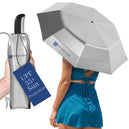
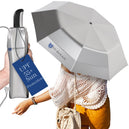
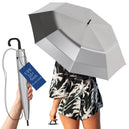
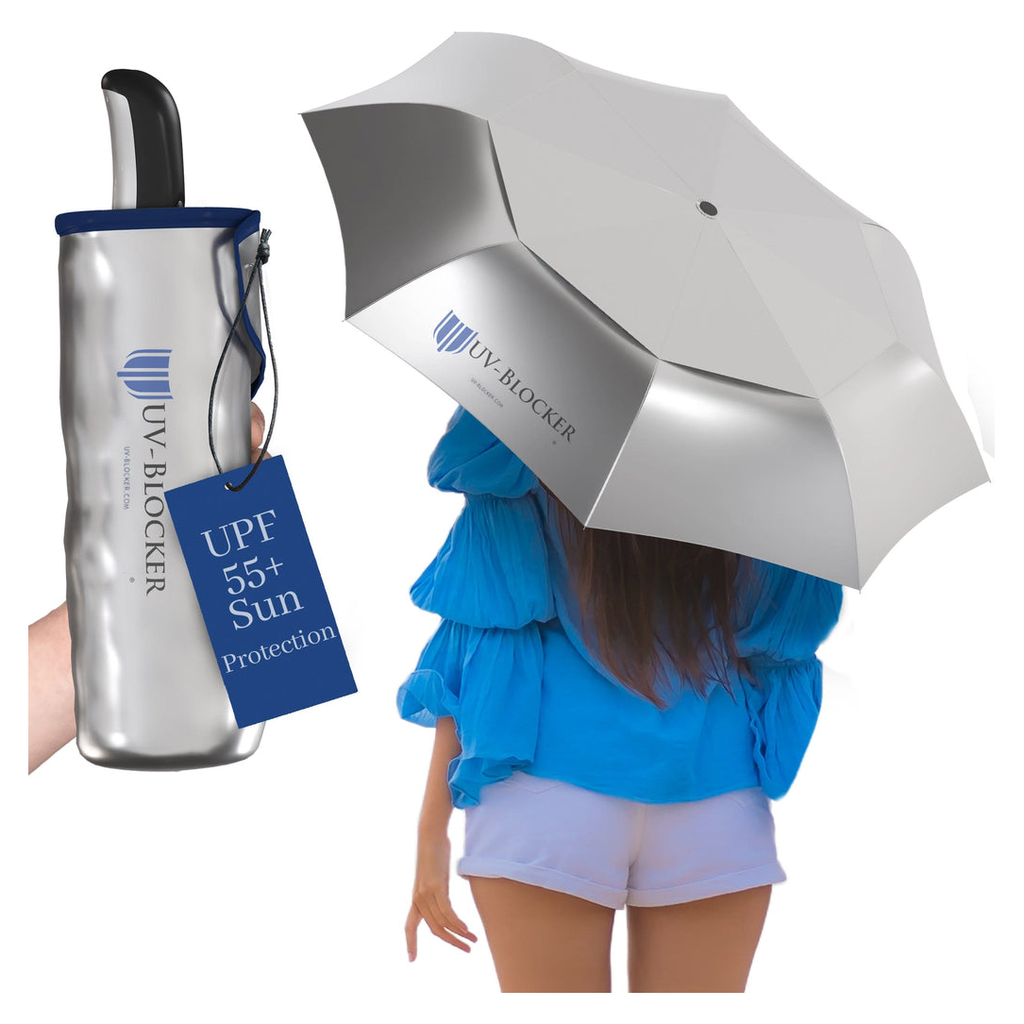
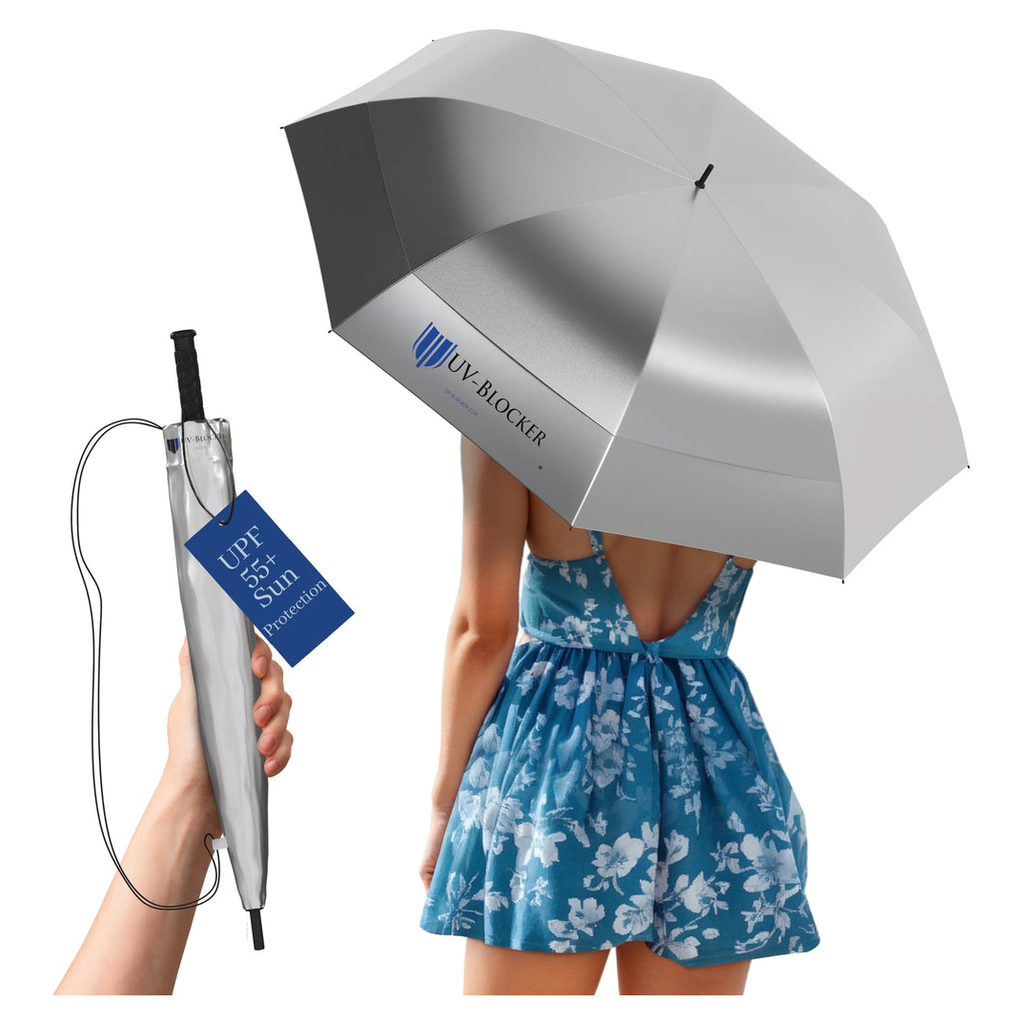
- **The 5-Layer Protocol:** A multi-faceted approach is essential, combining robust shade infrastructure (like UPF 50+ UV-Blocker umbrellas with Solarteck®), UPF 50+ clothing, UV-blocking eyewear, broad-spectrum mineral sunscreen, and strategic post rotation.
- **Long-Term Monitoring:** Regular self-skin checks and annual professional dermatological screenings are crucial for early detection and management of sun-related skin conditions for all lifeguards.
Why Do Lifeguards Face Higher UV Exposure Than Other Outdoor Workers?
Lifeguards face an amplified and multi-directional UV threat that distinguishes their occupational risk from many other outdoor professions. They receive direct sunlight, yes, but also significant reflection off water and sand, compounded by long shifts with little to no natural or built-in shade.
The Physics of Reflection: A Double Whammy
According to the World Health Organization (WHO), water can reflect up to 10% of UV radiation, while dry sand can reflect an even higher 15-25%. This means a lifeguard positioned between the shoreline and the beach is effectively exposed from three angles: direct overhead sunlight, reflected UV from the water in front, and reflected UV from the sand below. This multiplicative exposure significantly increases the overall UV dose received compared to someone working on a paved surface or in a field.
The WHO’s UV radiation Q&A and UV radiation fact sheet explicitly detail how reflective surfaces elevate exposure in outdoor settings. This same reflection problem is prevalent in other water-heavy sports and jobs, as discussed in our guides on sun protection for boating and sun protection for beach volleyball, where open water and sand prove to be major reflection sources.
Elevated Posts and Peak UV Hours
Lifeguard towers and elevated chairs, while vital for maintaining clear sightlines, offer no inherent shade or UV protection. In fact, they position the lifeguard higher in open sun, often increasing wind exposure but doing nothing to mitigate UV intensity. Many lifeguard shifts are scheduled from 10 a.m. to 4 p.m. or even 10 a.m. to 6 p.m., directly overlapping with the sun's most intense UV hours. Unlike a construction worker who might rotate tasks into shaded areas or shift to indoor work during peak sun, a lifeguard cannot leave their post or divert attention without compromising safety and surveillance.
The Cumulative Impact: Data Speaks Volumes
The Florida study, which followed 200 ocean lifeguards, isn't just an abstract statistic. It's a concrete demonstration of cumulative occupational UV exposure. The finding that 40% reported some form of skin cancer and 71.6% fell into moderate-to-high melanoma risk scores is a profound indicator that current sun protection strategies for lifeguards are critically insufficient. This isn't just a comfort issue; it's a measurable health outcome directly linked to their working environment.
Why Does Sunscreen Alone Fail for Lifeguards?
While sunscreen is a crucial component of any sun protection strategy, it unequivocally fails as the sole defense for lifeguards. The demanding nature of their job—constant water contact, relentless vigilance, and extended shifts—makes consistent and effective reapplication practically impossible.
The Reality of Sunscreen Efficacy in Active Roles
A study on outdoor workers revealed that facial sunscreen coverage declined by an average of 31.63% over an 8-hour workday, even without the added challenges of surf, splashes, sweat, and physical contact inherent to a lifeguard's role. For lifeguards, this degradation is undoubtedly accelerated and more severe. Faces, hands, necks, and forearms are in continuous contact with water, wet ladders, rescue tubes, towels, and the skin of swimmers, all of which actively rub off sunscreen. The Wiley study on sunscreen coverage highlights how quickly protection diminishes in even less strenuous outdoor occupations.
The Reapplication Dilemma
Dermatologists universally recommend reapplying broad-spectrum sunscreen with an SPF of 30 or higher every two hours, or immediately after swimming or excessive sweating. For an individual enjoying a casual beach day, this might be manageable. For a lifeguard, however, it presents a significant operational challenge. During active surveillance, a lifeguard must maintain an unbroken scan of their assigned area. A 5-minute break to meticulously reapply sunscreen to all exposed areas is not always available, nor is it conducive to uninterrupted vigilance. The very act of applying sunscreen can create momentary blind spots, which are unacceptable in a life-saving role.
Water-Resistant vs. Water-Proof
Even sunscreens labeled "water-resistant" (rated for 40 or 80 minutes) are designed to withstand *limited* rubbing, *limited* toweling, and *intermittent* water contact. Lifeguards, by definition, experience continuous, high-intensity water exposure. The "water-resistant" claim does not translate to "lifeguard-proof." Furthermore, critical areas like the face, ears, back of the neck, and tops of the hands—which often receive the least thorough initial application—are precisely the areas most prone to UV damage and least likely to be reliably covered throughout a shift.
In essence, sunscreen remains an essential layer but cannot be the sole or primary defense. It must be integrated into a broader, multi-layered sun protection strategy that accounts for the unique demands and environmental factors of lifeguarding.
How Does UV Exposure Differ by Lifeguard Type?
UV exposure is not uniform across all lifeguarding roles. The environment in which a lifeguard operates significantly influences their risk profile. Beach lifeguards, due to maximum reflection and open-sky exposure, face the highest risk, while indoor pool lifeguards face the lowest, though no group is entirely immune to UV damage.

| Lifeguard Type | UV Risk Level | Reflection Sources | Typical Shade Infrastructure | Key Risk Factors | Specific UV-Blocker Recommendation |
|---|---|---|---|---|---|
| Beach Lifeguard | Highest | Water (up to 10%) + Sand (15-25%) + Open sky | Minimal, usually tower only; sometimes portable shade | Maximum reflective surface exposure, direct sun, long shifts, high heat. | **Primary:** UV-Blocker UPF 50+ Beach Umbrella with Solarteck® (if stationary). Wide-brim UPF hats. |
| Ocean Lifeguard (Patrol/Mobile) | High | Water (up to 10%) + Boat/Jet Ski surfaces | None (unless a boat canopy) | Constant movement through open water, limited personal shade, glare. | Compact UV-Blocker travel umbrella for quick shade breaks (if practical), UPF 50+ sun hats, full-coverage UPF apparel. |
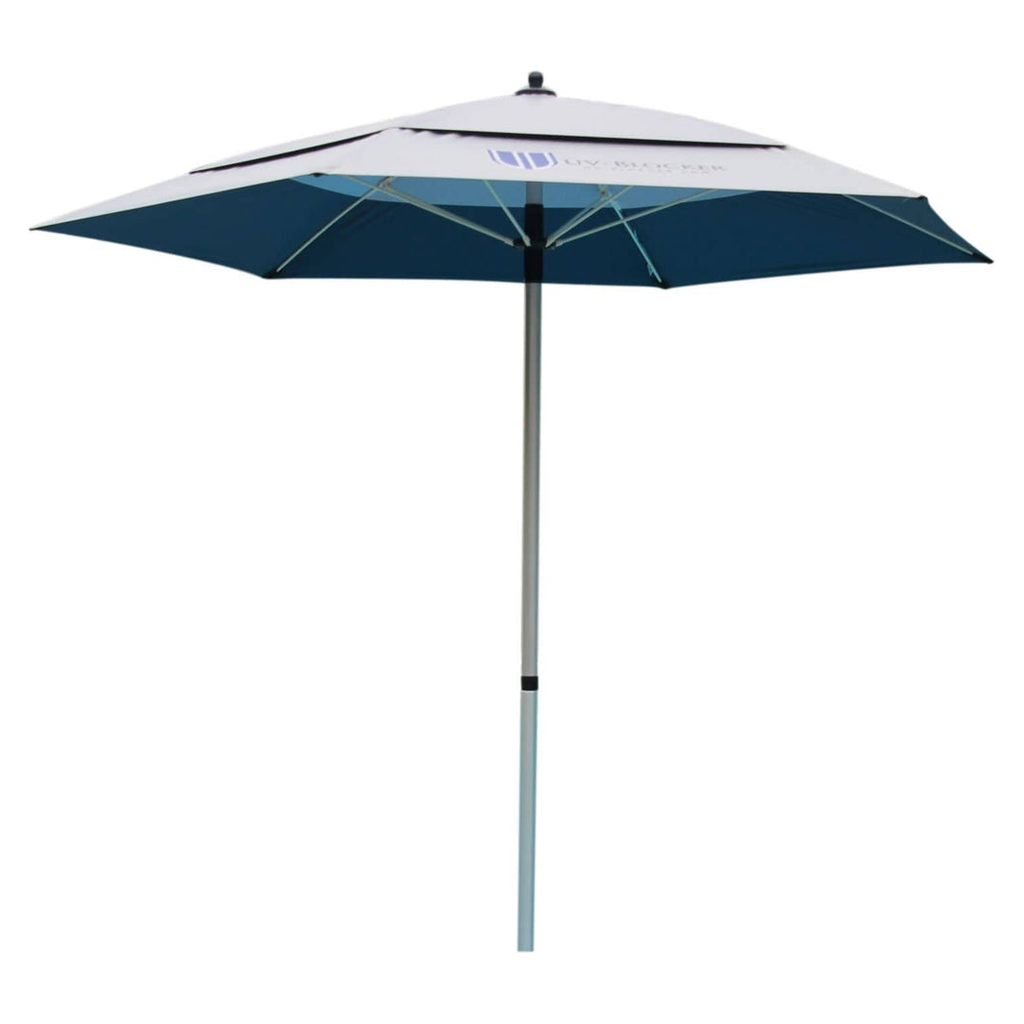
| Outdoor Pool Lifeguard | Moderate-High | Pool water (up to 10%) + Concrete/Decking (variable) | Limited, may include fixed umbrellas or awnings | Reflected UV from pool surface and deck, direct sun exposure. | UV-Blocker Patio Umbrella for fixed stations, UPF 50+ clothing. |
| Water Park Lifeguard | Moderate | Water features + Artificial surfaces + Some shaded areas | Variable, usually a mix of fixed shade and open areas | Mixed exposure depending on station, humidity and water features can reduce sunscreen efficacy. | UPF 50+ apparel, UV-Blocker travel umbrella for break areas, wide-brim hats. |
| Indoor Pool Lifeguard | Low | Pool water (up to 5%, if clear roof/windows) + Reflective pool surface | Full structural shade | UV through windows (UVA), reflection from water, certain artificial lights (rare). | UV-blocking eyewear (polarized to reduce glare), UPF 50+ clothing if near large windows. |
Understanding these distinctions is crucial for implementing targeted and effective sun protection protocols. For instance, an indoor lifeguard might focus more on UPF clothing to protect against window-filtered UVA and reflective glare, whereas a beach lifeguard requires robust, multi-directional defense including heavy-duty UPF 50+ shade from a UV-Blocker umbrella with Solarteck® technology.
What Are Employers' Responsibilities for Lifeguard UV Protection?
Employers have a fundamental responsibility to ensure a safe working environment for their lifeguards, and this unequivocally extends to comprehensive UV protection. Ignoring the risks of excessive UV exposure can lead to severe health consequences for employees and potential legal liabilities for the organization.
Occupational Safety and Health Standards
While specific federal OSHA standards for UV radiation exposure are not as detailed as those for other hazards, the "General Duty Clause" requires employers to provide a workplace free from recognized hazards that are causing or are likely to cause death or serious physical harm to employees. Excessive occupational UV exposure is a recognized hazard, leading to conditions like skin cancer, cataracts, and heat-related illnesses. Therefore, employers are implicitly obligated to mitigate these risks.
Key Employer Responsibilities Include:
- Risk Assessment and Policy Development: Employers should conduct a thorough risk assessment of UV exposure at each lifeguard station, considering factors like direct sun exposure, reflection sources, shift times, and ambient UV index. Based on this, a clear UV safety policy should be developed and communicated to all staff.
- Provision of Shade Infrastructure: Providing adequate shade is paramount. This includes fixed shade structures (e.g., covered lifeguard towers, large awnings) and portable options. For example, UV-Blocker's UPF 50+ beach umbrellas featuring patented Solarteck® fabric and Melanoma International Foundation (MIF) approval are excellent choices for providing reliable, broad-spectrum shade at individual posts or designated break areas.
-
Supply of Personal Protective Equipment (PPE): UV protective gear should be considered essential PPE, not a discretionary comfort item. Employers should provide or subsidize:
- UPF 50+ Clothing: Long-sleeved shirts, long pants, and wide-brimmed hats made from UPF 50+ fabric. This clothing acts as a physical barrier against UV radiation.
- UV-Blocking Eyewear: Sunglasses that block 99-100% of both UVA and UVB rays, preferably wrap-around styles to protect peripheral vision.
- Broad-Spectrum Sunscreen: Ensure readily available, broad-spectrum, water-resistant sunscreen with an SPF of 30 or higher, ideally mineral-based (zinc oxide or titanium dioxide) for sensitive skin.
- Training and Education: Regular training sessions should inform lifeguards about the dangers of UV exposure, proper application and reapplication of sunscreen, the importance of UPF clothing, how to use shade structures effectively, and the signs of sun damage and heat stress.
- Work Schedule Adjustments and Rotation: Where feasible, employers should implement work schedules that minimize exposure during peak UV hours (10 a.m. to 4 p.m.) through rotations, staggered shifts, or assigning duties in shaded areas.
- Hydration and Breaks: Encourage frequent hydration and provide access to cool drinking water. Implement policies for mandatory shade breaks to allow for rehydration and reapplication of sunscreen.
Treating UV protection as a critical safety measure demonstrates an employer's commitment to the health and well-being of their lifeguards, fostering a safer and more productive work environment.
What Is the 5-Layer Lifeguard Sun Protection Protocol?
A single approach to sun protection is insufficient for lifeguards. The "5-Layer Lifeguard Sun Protection Protocol" offers a comprehensive, systematic defense against the intense UV exposure inherent in their profession. This protocol integrates multiple strategies, providing overlapping protection for maximum safety.
Layer 1: Robust Shade Infrastructure
Shade is the first and most effective line of defense. It physically blocks UV radiation and provides a crucial respite from direct sunlight. Lifeguard stations should be equipped with permanent or highly durable portable shade solutions.
- Fixed Structures: Covered towers, large awnings, or shaded pergolas at break areas.
- Portable, High-Performance Umbrellas: For dynamic environments or supplementing fixed shade, UPF 50+ umbrellas are indispensable. UV-Blocker's umbrellas, with their patented Solarteck® fabric, block 99% of UVA and UVB rays and are approved by the Melanoma International Foundation (MIF). They are designed for durability and superior UV protection, making them ideal for individual lifeguard posts or smaller break areas. Consider a UV-Blocker beach umbrella for sandy locations or a patio umbrella for pool decks.
Strategic placement of shade ensures lifeguards can perform surveillance while minimizing direct sun exposure, especially during peak UV hours. This also allows for crucial reapplication breaks in a truly shaded environment.
Layer 2: UPF 50+ Protective Clothing
Clothing acts as a physical barrier, eliminating the need for sunscreen reapplication on covered skin. Not all clothing is created equal; standard cotton T-shirts offer minimal UPF (Ultraviolet Protection Factor) of around 5-7 when dry, less when wet.
- Long-Sleeved Shirts and Pants: Opt for lightweight, breathable fabrics specifically rated UPF 50+. This rating indicates the fabric blocks 98% of UV radiation.
- Wide-Brimmed Hats: A hat with a brim of at least 3 inches all around provides essential protection for the face, ears, and neck. UV-Blocker's UPF 50+ hats are designed for maximum coverage and comfort in outdoor conditions.
- Swimwear: Rash guards and swim shirts with UPF 50+ are vital for water-based activities and rescues.
Integrating UPF 50+ apparel into the uniform standard significantly reduces a lifeguard's overall UV exposure.
Layer 3: UV-Blocking Eyewear
The eyes are highly susceptible to UV damage, which can lead to cataracts, pterygium (surfer's eye), and even macular degeneration. Sunglasses are a non-negotiable part of a lifeguard's gear.
- 100% UVA/UVB Protection: Ensure sunglasses block 99-100% of both UVA and UVB rays.
- Wrap-Around Style: This design prevents UV rays from entering from the sides, protecting the delicate skin around the eyes and minimizing glare from reflective surfaces like water.
- Polarized Lenses: While not directly for UV protection, polarized lenses significantly reduce glare, improving visibility for surveillance and reducing eye strain, which indirectly supports a lifeguard's ability to maintain focus. Consider UV-Blocker's UV-blocking eyewear for optimal protection and glare reduction.
Layer 4: Broad-Spectrum Mineral Sunscreen (SPF 30+)
As established, sunscreen isn't a standalone solution, but it is an important supplemental layer for exposed skin that cannot be covered by clothing. Given the challenges of lifeguarding, mineral sunscreens are often preferred.
- Broad-Spectrum SPF 30+: Always choose a sunscreen that protects against both UVA and UVB rays with an SPF of at least 30.
- Water-Resistant: Opt for formulas rated 80 minutes water-resistance.
- Mineral-Based (Zinc Oxide & Titanium Dioxide): These physical blockers sit on top of the skin and create a barrier, making them less likely to sting eyes or irritate sensitive skin, and often more stable under intense sun and water exposure. They are also considered more reef-safe.
- Consistent Reapplication: Train lifeguards on the importance of reapplying sunscreen during every break, especially to the face, neck, ears, and tops of hands. Make sunscreen readily available at all posts.
Layer 5: Operational Protocols and Training
Effective sun protection also relies on smart operational strategies and comprehensive staff training.
- Post Rotation: Implement a rotation schedule that allows lifeguards to move between shaded and unshaded posts, or even move indoors during peak UV hours if feasible.
- Education and Awareness: Regular training on UV risks, proper use of sun protection equipment, early signs of skin cancer, and self-skin checks.
- Hydration: Encourage frequent water intake and provide accessible water stations.
- Scheduled Breaks: Mandate short, shaded breaks for rehydration and sunscreen reapplication.
By implementing this multi-layered protocol, lifeguard operations can significantly reduce the occupational UV risk for their vital personnel, ensuring their long-term health and safety.
Long-Term Health Monitoring for Lifeguards
Given the significantly elevated risk of skin cancer among lifeguards, a proactive approach to long-term health monitoring is not merely advisable, but essential. Early detection is the most critical factor in successful treatment outcomes for melanoma and other skin cancers.
Annual Dermatological Screenings
Employers should strongly encourage, and where possible, facilitate annual full-body skin exams by a qualified dermatologist for all active and retired lifeguards. These professional screenings can identify suspicious moles or lesions that may go unnoticed by the individual, especially in hard-to-see areas like the back, scalp, or behind the ears. Dermatologists are trained to recognize subtle changes indicative of skin cancer, including basal cell carcinoma, squamous cell carcinoma, and melanoma.
Regular Self-Skin Checks
Lifeguards should be trained on how to perform thorough self-skin checks monthly. This involves examining their skin head-to-toe, looking for any new moles, or changes in existing ones, using the "ABCDE" rule for melanoma detection:
- Asymmetry: One half of the mole does not match the other.
- Border irregularity: The edges are ragged, notched, or blurred.
- Color variation: The mole has different shades of tan, brown, black, or even areas of white, red, or blue.
- Diameter: The mole is larger than 6 millimeters (about the size of a pencil eraser).
- Evolving: The mole is changing in size, shape, color, or elevation, or any new symptom such as bleeding, itching, or crusting.
Educational materials and training on effective self-examination techniques should be a regular part of lifeguard safety briefings. Emphasize checking areas often missed, like the soles of feet, between toes, under nails, and the scalp.
Documentation and Medical History
Maintaining a personal record of skin changes, including photographs of moles, can be incredibly helpful for tracking and discussing with a dermatologist. Lifeguards should be encouraged to keep a detailed medical history that includes their occupational UV exposure, as this information is vital for healthcare providers. Employers should also explore options for health surveillance programs, potentially connecting employees with dermatological services as part of occupational health benefits.
By fostering a culture of vigilance and providing access to professional monitoring, organizations can significantly improve the long-term health outlook for their lifeguards, transforming a high-risk occupation into one where preventative care is prioritized.
Frequently Asked Questions About Sun Protection for Lifeguards
What does UPF 50+ mean, and why is it important for lifeguards?
UPF stands for Ultraviolet Protection Factor, and it's a rating system for clothing and fabrics, similar to SPF for sunscreen. A UPF 50+ rating means the fabric allows less than 2% of UV radiation (both UVA and UVB) to pass through, effectively blocking 98% or more. For lifeguards, UPF 50+ clothing is critically important because it offers consistent, durable protection that doesn't wash off, sweat off, or require reapplication, unlike sunscreen. This makes it a reliable primary defense against the intense, reflective UV exposure they face.
Are employers legally required to provide sun protection for lifeguards?
While there isn't a specific federal OSHA standard explicitly mandating sun protection, the "General Duty Clause" of the Occupational Safety and Health Act requires employers to provide a workplace free from recognized hazards that are causing or are likely to cause death or serious physical harm. Excessive UV radiation exposure is a recognized hazard leading to skin cancer and other health issues. Therefore, many legal interpretations and best practices indicate that employers have a responsibility to mitigate these risks by providing or facilitating access to sun protection equipment, including shade, UPF clothing, and sunscreen, treating them as essential PPE.
What's the difference between mineral and chemical sunscreens, and which is better for lifeguards?
Mineral sunscreens (containing zinc oxide and/or titanium dioxide) work by creating a physical barrier on the skin that reflects UV rays. Chemical sunscreens absorb UV radiation and convert it into heat, which is then released from the skin. For lifeguards, mineral sunscreens are generally preferred because they are less likely to sting eyes, are often better tolerated by sensitive skin, and tend to be more stable and less prone to breaking down under intense sun and water exposure. They also begin protecting immediately upon application, unlike chemical sunscreens which need about 20 minutes to become effective.
Can you still get a sunburn on a cloudy day or through windows?
Yes, absolutely. Up to 80% of the sun's UV rays can penetrate clouds, meaning you are still at risk of sunburn and skin damage even on overcast days. Furthermore, standard glass windows block most UVB rays (which cause sunburn) but allow most UVA rays (which contribute to skin aging, DNA damage, and skin cancer) to pass through. This means lifeguards working near large windows or under partially clouded skies still need robust sun protection, including UPF clothing and UV-blocking eyewear.
How often should lifeguards be screened for skin cancer?
Given their high occupational UV exposure, lifeguards should ideally undergo an annual full-body skin examination by a board-certified dermatologist. In addition to professional screenings, lifeguards should perform monthly self-skin checks to monitor for any new or changing moles or lesions. Early detection is paramount for successful treatment of skin cancers, making consistent and proactive monitoring vital for this high-risk group.
Conclusion
The role of a lifeguard is one of immense responsibility, dedication, and unfortunately, significant occupational UV risk. The sobering statistics from the Florida study serve as a stark reminder that current sun protection practices are often insufficient, placing these vital professionals at a disproportionately high risk for skin cancer and other sun-related health issues.
Effective sun protection for lifeguards cannot be an afterthought or a "nice-to-have." It must be an integral, multi-layered protocol that acknowledges the unique environmental challenges—intense direct sun, relentless reflection from water and sand, and the practical limitations of sunscreen reapplication during active surveillance. By implementing the 5-Layer Lifeguard Sun Protection Protocol, facilities can provide a comprehensive defense strategy, combining robust shade infrastructure, high-performance UPF 50+ clothing, superior UV-blocking eyewear, broad-spectrum mineral sunscreen, and intelligent operational practices.
This commitment extends beyond immediate protection to long-term health monitoring, including regular self-skin checks and annual professional dermatological screenings. Employers have a clear responsibility to equip their lifeguards with the tools and knowledge necessary to perform their duties safely, treating UV protection as essential personal protective equipment.
At UV-Blocker, we are proud to offer premium UPF 50+ sun protection umbrellas featuring patented Solarteck® technology, approved by the Melanoma International Foundation (MIF). Our products are designed to provide the superior, reliable shade that lifeguards need. By prioritizing comprehensive UV safety, we can ensure that those who protect us are themselves protected, fostering a healthier, safer future for all who serve on our beaches and at our pools.
Frequently Asked Questions: Occupational UV Protection for Lifeguards
How much UV radiation do lifeguards absorb per shift?
Studies show professional lifeguards accumulate UV doses 5–10× greater than the general public over a summer season. This is comparable to tanning bed overuse and significantly elevates lifetime risk of squamous cell carcinoma, melanoma, and premature photoaging.
What sunscreen protocol should lifeguards follow?
Apply SPF 50+ broad-spectrum sunscreen 30 minutes before the shift starts. Reapply every 60–90 minutes (more frequently if in and out of water). Focus on the ears, back of the neck, shoulders, and the tops of feet — areas most commonly missed by lifeguards.
Are zinc-based sunscreens better for lifeguards than chemical sunscreens?
Mineral sunscreens with 20%+ zinc oxide sit on the skin and reflect UV without being absorbed — ideal for back-to-back outdoor shifts with no recovery time. They are more resistant to heat degradation than some chemical filters and are reef-safe, which matters for ocean lifeguards.
How can lifeguard stands be better optimized for sun protection?
A UPF 50+ umbrella attached to the stand provides consistent overhead shade. Many professional stands now incorporate UV-rated shade structures. Rotate tower assignments to prevent the same guards from being in peak-sun positions all day.
Sun Safety in Canada
Canada experiences meaningful UV exposure throughout the year, with UV Index levels regularly reaching 8–10 or higher during summer months in cities such as Vancouver, Calgary, Toronto, and Ottawa. Health Canada and Environment and Climate Change Canada publish daily UV Index forecasts and recommend protective measures whenever the index exceeds 3 — a threshold reached on most clear days between May and August across the country.
Key resources for Canadian sun safety:
- Health Canada UV Index: Published daily via the Environment and Climate Change Canada weather portal (weather.gc.ca). Canadians can track UV levels by city and receive alerts when protection is recommended.
- Canadian Cancer Society: Recommends UPF 50+ clothing, hats, sunscreen, and shade-seeking as primary sun protection strategies. Physical UV barriers — such as UPF 50+ umbrellas — are emphasized for prolonged outdoor exposure.
- Canadian Dermatology Association: Endorses broad-spectrum sun protection strategies, including shade structures and UV-blocking accessories, especially for individuals with fair skin or a personal or family history of skin cancer.
For Canadians spending extended time outdoors — whether working, playing sports, or enjoying recreational activities — a UV-blocking umbrella rated UPF 50+ provides continuous, reapplication-free protection. The UV-Blocker umbrella, independently tested and approved by the Melanoma International Foundation, blocks 99% of UV rays and keeps users up to 15°F cooler — making it a practical and reliable companion for Canadian summers.
Frequently Asked Questions
What are the specific UV risks for Sun Protection for Lifeguards?
Outdoor workers like Sun Protection for Lifeguards typically accumulate 2–3× more UV exposure than indoor office workers. Chronic UV exposure increases melanoma and non-melanoma skin cancer risk significantly. OSHA recognizes UV radiation as a workplace hazard, and workers' compensation claims related to occupational UV exposure are rising. Proper sun protection is both a health and occupational safety requirement.
Does OSHA require sun protection for outdoor workers?
OSHA's General Duty Clause requires employers to protect workers from recognized hazards, including UV radiation. While no specific UV standard exists for most industries, OSHA guidance on heat illness prevention overlaps with UV protection. Several states have stronger outdoor worker heat and UV protection regulations. Employers should provide shade, schedule breaks, and supply sun protection equipment.
What sun protection equipment works best for active outdoor work?
For workers who need freedom of movement, the most effective combination is: (1) UPF 50+ work shirts and pants, (2) wide-brim hard hat or sun-protective hat, (3) SPF 50 water-resistant sunscreen on exposed skin, and (4) a portable clamp or magnetic-base UV umbrella that creates shade at a fixed workstation. UV-Blocker's ServiceShield umbrella was specifically designed for rooftop and outdoor workstation use.
How often should outdoor workers apply sunscreen during a shift?
Sunscreen should be reapplied every 2 hours, and immediately after heavy sweating or toweling off. Most outdoor workers underapply — dermatologists recommend 1 oz (shot glass amount) for full body coverage. Water-resistant SPF 50+ formulas last longer during sweating. Physical (mineral) sunscreens tend to be more stable under direct sun than chemical formulas.
What long-term skin damage should outdoor workers watch for?
Watch for actinic keratoses (rough, scaly patches), unusual moles or growths that change in size, shape, or color, and persistent sores that don't heal. Annual skin cancer screenings with a dermatologist are strongly recommended for outdoor workers with 10+ years of occupational sun exposure. Early detection dramatically improves outcomes.
Professional Sun Safety Protocol for Sun Protection for Lifeguards
- Schedule intensive UV work (roof work, outdoor inspections) before 10am or after 4pm when UV index is lowest
- Use UV-blocking umbrella attachments at fixed workstations — they eliminate ambient UV exposure during breaks
- Establish a buddy system: coworkers check each other for missed sunscreen areas and early sunburn signs
- Keep sunscreen in the work vehicle or tool bag — accessibility increases compliance
- Document sun protection training in safety briefings — it creates legal compliance records and reinforces habits
- Consider UV-protective safety eyewear — eyes are often neglected in outdoor worker sun protection protocols
Frequently Asked Questions
What are the specific UV risks for Sun Protection for Lifeguards?
Outdoor workers like Sun Protection for Lifeguards typically accumulate 2–3× more UV exposure than indoor office workers. Chronic UV exposure increases melanoma and non-melanoma skin cancer risk significantly. OSHA recognizes UV radiation as a workplace hazard, and workers' compensation claims related to occupational UV exposure are rising. Proper sun protection is both a health and occupational safety requirement.
Does OSHA require sun protection for outdoor workers?
OSHA's General Duty Clause requires employers to protect workers from recognized hazards, including UV radiation. While no specific UV standard exists for most industries, OSHA guidance on heat illness prevention overlaps with UV protection. Several states have stronger outdoor worker heat and UV protection regulations. Employers should provide shade, schedule breaks, and supply sun protection equipment.
What sun protection equipment works best for active outdoor work?
For workers who need freedom of movement, the most effective combination is: (1) UPF 50+ work shirts and pants, (2) wide-brim hard hat or sun-protective hat, (3) SPF 50 water-resistant sunscreen on exposed skin, and (4) a portable clamp or magnetic-base UV umbrella that creates shade at a fixed workstation. UV-Blocker's ServiceShield umbrella was specifically designed for rooftop and outdoor workstation use.
How often should outdoor workers apply sunscreen during a shift?
Sunscreen should be reapplied every 2 hours, and immediately after heavy sweating or toweling off. Most outdoor workers underapply — dermatologists recommend 1 oz (shot glass amount) for full body coverage. Water-resistant SPF 50+ formulas last longer during sweating. Physical (mineral) sunscreens tend to be more stable under direct sun than chemical formulas.
What long-term skin damage should outdoor workers watch for?
Watch for actinic keratoses (rough, scaly patches), unusual moles or growths that change in size, shape, or color, and persistent sores that don't heal. Annual skin cancer screenings with a dermatologist are strongly recommended for outdoor workers with 10+ years of occupational sun exposure. Early detection dramatically improves outcomes.
Professional Sun Safety Protocol for Sun Protection for Lifeguards
- Schedule intensive UV work (roof work, outdoor inspections) before 10am or after 4pm when UV index is lowest
- Use UV-blocking umbrella attachments at fixed workstations — they eliminate ambient UV exposure during breaks
- Establish a buddy system: coworkers check each other for missed sunscreen areas and early sunburn signs
- Keep sunscreen in the work vehicle or tool bag — accessibility increases compliance
- Document sun protection training in safety briefings — it creates legal compliance records and reinforces habits
- Consider UV-protective safety eyewear — eyes are often neglected in outdoor worker sun protection protocols