

Roughly 30 million Wellbutrin prescriptions are dispensed each year in the United States. Yet the current top-ranking article for "wellbutrin sun sensitivity" incorrectly claims the FDA label doesn't mention photosensitivity.
It does. Both the Wellbutrin XL and Wellbutrin SR labels list photosensitivity as an adverse reaction. The SR label even quantifies the rate: 0.1-1% of patients.
This article breaks down what the FDA labels actually say, how the three bupropion formulations differ in documented risk, and what a practical sun protection plan looks like for patients on this medication.
TLDR:
- Both the Wellbutrin XL and SR FDA labels list photosensitivity as an adverse reaction, contrary to what the top search result claims
- The SR formulation classifies photosensitivity as "Infrequent," occurring in 1 out of every 100 to 1,000 patients
- Bupropion is listed as a photosensitizing agent in a peer-reviewed systematic review of 393 drugs (PMC7898394)
- Patients on Wellbutrin plus an SSRI face compounded photosensitivity risk from both medications
- A layered protection approach — sunscreen, UPF 50+ clothing, and physical shade — offers the most reliable defense
Does Wellbutrin Cause Sun Sensitivity?
Yes, photosensitivity is listed on the Wellbutrin XL label as a postmarketing adverse event and on the SR label as an infrequent adverse reaction occurring in 0.1-1% of patients.
The Wellbutrin XL prescribing information on DailyMed includes photosensitivity under Section 6.2, Postmarketing Experience. The exact listing falls under "Body (General)" alongside chills, facial edema, and malaise. Because postmarketing reports are submitted voluntarily, the FDA can't estimate a reliable frequency from this data. That doesn't mean the reaction is rare. It means the true incidence is unknown for this formulation.
The Wellbutrin SR label goes further. It classifies photosensitivity as "Infrequent" under Body (General) adverse reactions observed during clinical development. In FDA labeling, "Infrequent" means the reaction occurred in 1 out of every 100 to 1,000 patients — a rate of 0.1% to 1%. That's clinical trial data, not just voluntary reports.
A 2021 systematic review published in the Journal of Clinical Medicine confirms the finding. The researchers identified 393 drugs with documented photosensitizing potential. Bupropion appears in Table 1. The honest framing: wellbutrin sun sensitivity is real, documented from multiple sources, and uncommon but not negligible.
For a broader look at which medications carry UV risk, the medications that cause sun sensitivity guide covers 20+ drugs across multiple classes.
Does the Wellbutrin Formulation Matter for Sun Sensitivity?
The SR formulation has a quantified frequency of 0.1-1%, while the XL label lists photosensitivity from postmarketing reports with no frequency estimate possible.
This distinction matters for patients trying to assess their personal risk.
Bupropion SR: The Clearest Data
The SR (sustained-release) label is the only bupropion formulation with a quantified photosensitivity rate. The "Infrequent" classification comes from controlled clinical trial data — not voluntary reports. That makes it the most reliable number available: between 1 in 100 and 1 in 1,000 patients experienced photosensitivity during trials.
Bupropion XL: Postmarketing Only
The XL (extended-release) label lists photosensitivity under Section 6.2, Postmarketing Experience. These reports come from healthcare providers and patients who voluntarily contacted the manufacturer or the FDA after the drug was already on the market. The FDA explicitly notes that postmarketing reports cannot produce reliable frequency estimates because the reporting rate depends on factors unrelated to actual incidence. Underreporting is the norm, not the exception.
Bupropion IR: Largely Discontinued
The original immediate-release formulation is no longer widely available or actively listed on DailyMed. All three formulations share the same active ingredient — bupropion hydrochloride — so the photosensitivity mechanism applies regardless.

| Formulation | Photosensitivity Listed? | Data Source | Frequency |
|---|---|---|---|
| Wellbutrin SR | Yes | Clinical trials | Infrequent (0.1-1%) |
| Wellbutrin XL | Yes | Postmarketing reports | Not estimable |
| Bupropion IR | Same active ingredient | Largely discontinued | No separate data |
How Does Bupropion Cause Photosensitivity?
Bupropion is classified as a photosensitizing agent in peer-reviewed literature, meaning the drug or its metabolites interact with UV radiation to trigger skin reactions that wouldn't occur without the medication.
Bupropion is an NDRI — a norepinephrine-dopamine reuptake inhibitor. It works differently from SSRIs like Prozac or Lexapro at the neurotransmitter level, but the photosensitivity mechanism isn't about how the drug affects the brain. It's about how the drug or its byproducts behave when UV light hits the skin.
Phototoxic vs. Photoallergic Reactions
Drug-induced photosensitivity falls into two categories:
- Phototoxic reactions happen when UV light activates drug molecules in the skin, causing direct cell damage. The result looks like an exaggerated sunburn — redness, swelling, and pain that's disproportionate to the actual time spent in the sun. Think of it as your skin acting like it got three hours of UV when you were only outside for 45 minutes.
- Photoallergic reactions involve the immune system. UV light changes the drug's molecular structure on the skin surface, and the immune system treats the altered molecule as a foreign invader. The result looks more like eczema or contact dermatitis — itchy, scaly patches limited to sun-exposed areas.
The systematic review in the Journal of Clinical Medicine classifies bupropion among the 393 drugs identified as photosensitizers. The review notes that antidepressants as a drug class include multiple photosensitizing members across different subclasses. Bupropion isn't an outlier — it's part of a documented pattern.
How Does Wellbutrin Sun Sensitivity Compare to Other Antidepressants?
Bupropion's photosensitivity rate of 0.1-1% for SR is in a similar range to several SSRIs, though lower than notorious photosensitizers like doxycycline (roughly 20%) or hydrochlorothiazide (7-10%).
Patients who switch from an SSRI to Wellbutrin sometimes assume they're leaving photosensitivity risk behind. That's not always the case. Several SSRIs carry their own documented UV risks:
- Fluoxetine (Prozac) — photosensitivity is a recognized adverse reaction. The Prozac sun sensitivity article covers the FDA data in detail.
- Escitalopram (Lexapro) — also lists photosensitivity. See the Lexapro sun sensitivity guide for specifics.
- Sertraline (Zoloft) — photosensitivity appears in postmarketing data.
The Combination Risk That Gets Overlooked
Here's a point no competitor article mentions: bupropion is frequently prescribed alongside an SSRI as augmentation therapy. A patient taking Wellbutrin plus Lexapro, for example, carries photosensitivity risk from both medications. The Adderall sun sensitivity article covers a similar compounding scenario with stimulants.
If you're on more than one medication with documented photosensitivity, the cumulative risk may be higher than either drug alone. That's worth discussing with a prescriber.
What Are the Signs of Bupropion Photosensitivity?
Drug-induced photosensitivity typically presents as exaggerated sunburn, unexpected rash, or hive-like reactions limited to sun-exposed skin — distinct from a general allergic rash that appears regardless of UV exposure.
The Diagnostic Clue: Location
The single biggest indicator of a photosensitivity reaction is where it shows up. If the rash, redness, or burning only appears on skin that was exposed to sunlight — face, neck, forearms, hands — and skin covered by clothing is unaffected, that's the hallmark pattern.
A regular drug rash or allergic reaction doesn't follow sun-exposure lines. It can appear anywhere on the body, including areas that never saw sunlight.
Separating UV Reactions From Other Bupropion Skin Effects
Bupropion causes several skin-related side effects that have nothing to do with UV exposure. General rash occurs in more than 5% of patients — significantly more common than photosensitivity at 0.1-1%. Pruritus (itching) and urticaria (hives) are also listed on the label without any UV trigger required.
The question to ask: "Does this reaction only appear where my skin was in the sun?"
- Yes, sun-exposed areas only → Likely photosensitivity. Protect from UV and talk to your doctor.
- No, it's on covered skin too → More likely a general drug reaction. Contact your prescriber.
When to See a Doctor
Contact a healthcare provider if you notice blistering after sun exposure, a severe rash spreading across sun-exposed areas, or any skin reaction that persists for more than a few days after sun avoidance. Do not stop taking Wellbutrin without medical guidance — abrupt discontinuation carries its own risks.
How Should Wellbutrin Patients Protect Themselves Outdoors?
A layered approach combining SPF 30+ sunscreen, UPF 50+ clothing, and physical shade from a UV umbrella provides the most reliable protection for patients with drug-induced photosensitivity.
No single measure is enough on its own. Here's why each layer matters:
Layer 1: Broad-Spectrum Sunscreen (SPF 30+)
Apply a broad-spectrum sunscreen with SPF 30 or higher to all exposed skin, and reapply every two hours or after sweating. One caveat worth knowing: some chemical sunscreens can theoretically interact with photosensitizing drugs because they absorb UV energy rather than reflecting it. Mineral sunscreens (zinc oxide, titanium dioxide) physically block UV and don't carry this concern.
Layer 2: UPF 50+ Clothing
Sun-protective clothing rated UPF 50+ blocks more than 98% of UV radiation. Long sleeves, wide-brim hats, and UV-rated sunglasses cover the areas most vulnerable to photosensitivity reactions. UV-Blocker's fabric is AATCC TM183-2020 tested, blocking 100% of UV-B and 99.97% of UV-A rays.
Layer 3: Physical Shade
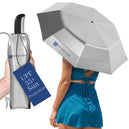
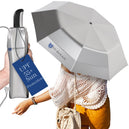
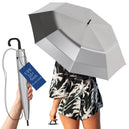
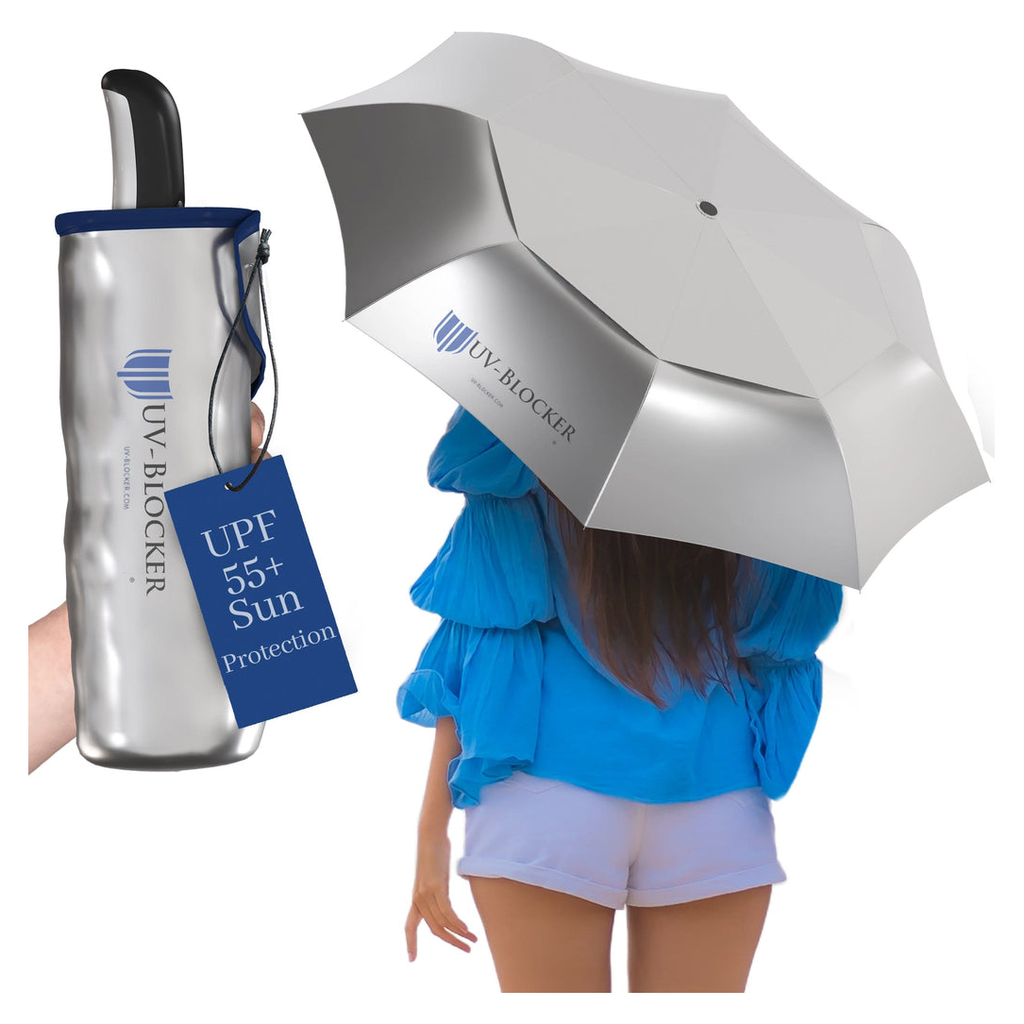
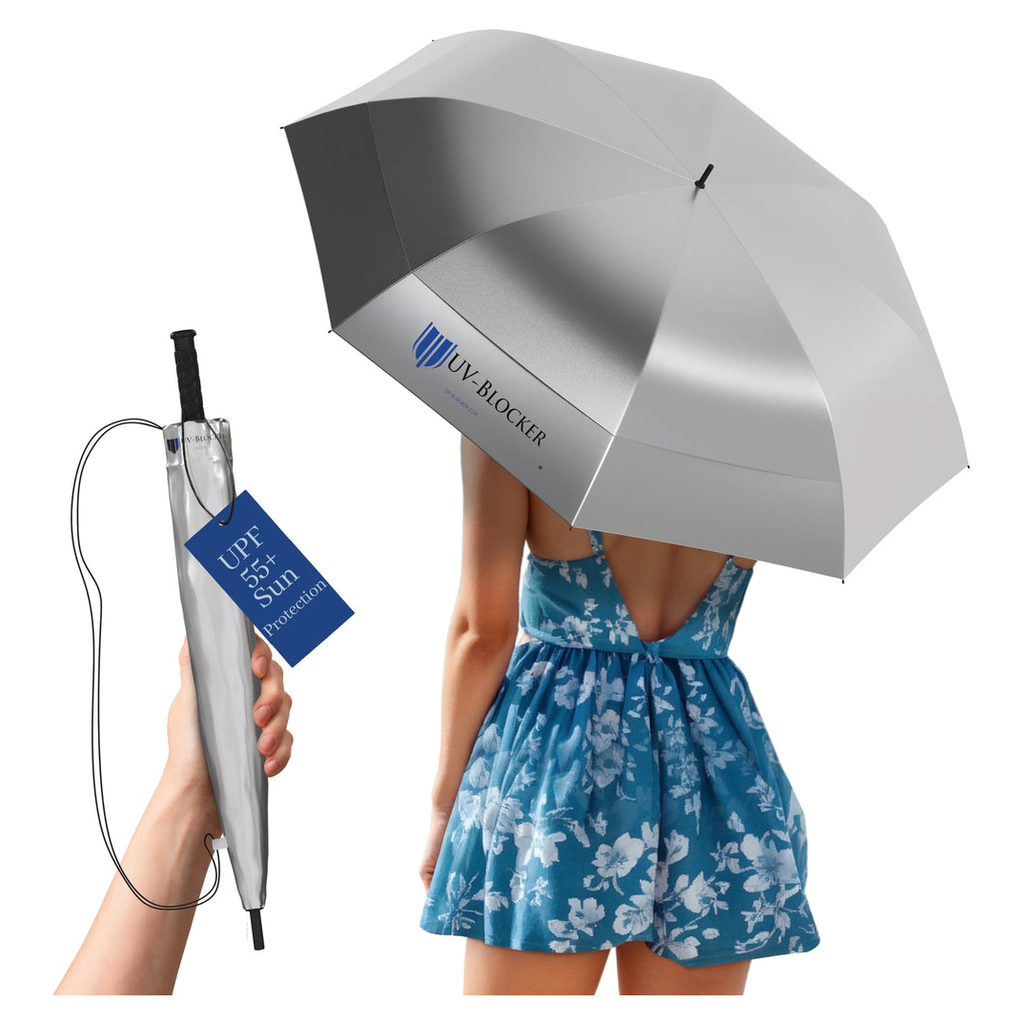
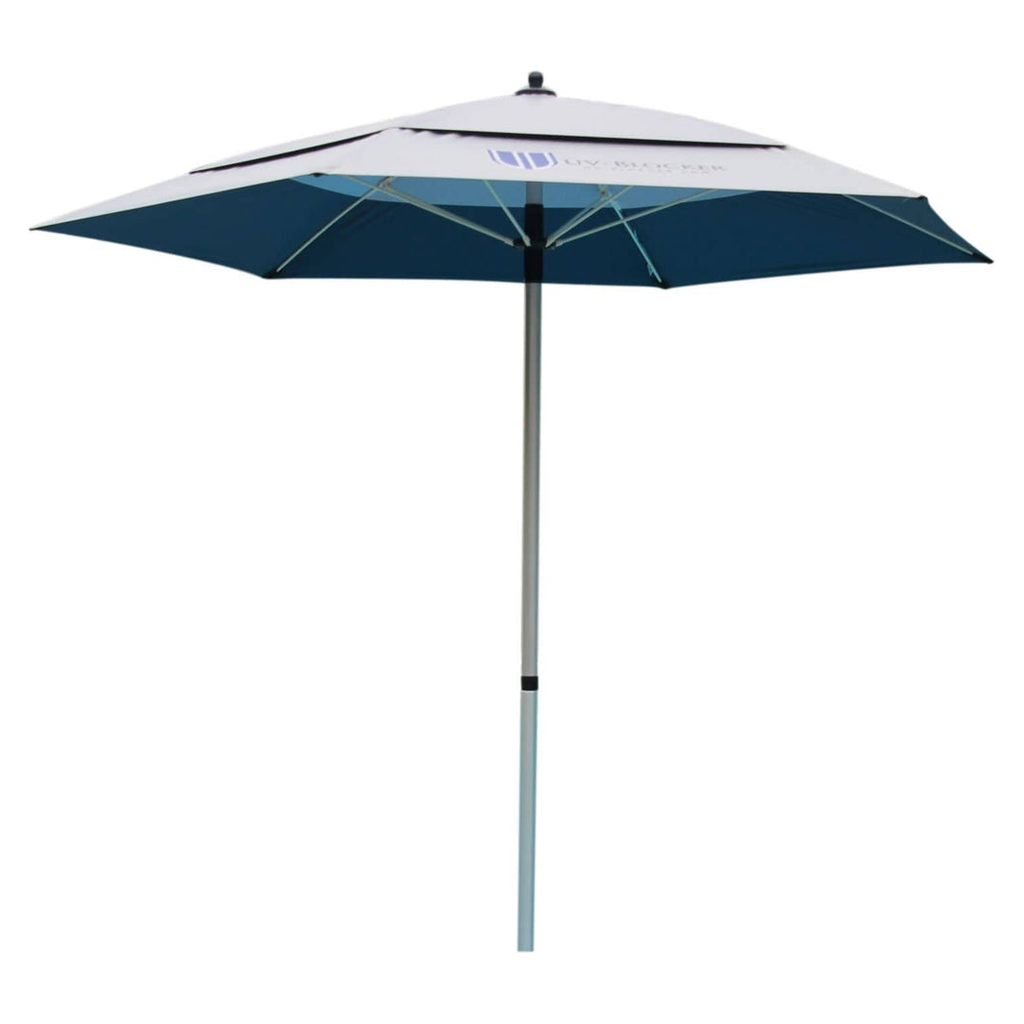
Physical shade matters more for photosensitive patients than for the general population. Sunscreen can wear off, miss spots, or fail to fully absorb the UV wavelengths that trigger a particular drug reaction. A UPF 50+ UV umbrella provides overhead protection that works regardless of skin chemistry or sunscreen application quality.
For patients who spend extended time outdoors — walking, watching sports, gardening — a compact UV umbrella fits in a bag and deploys in seconds. The full UV protection umbrella collection includes options for different activities and coverage needs.
Timing: Work With the UV Index
Peak UV intensity runs from roughly 10 a.m. to 4 p.m. Shifting outdoor exercise to early morning or late afternoon cuts UV exposure substantially. This isn't about avoiding the outdoors — it's about choosing the hours that carry less risk.
Frequently Asked Questions About Wellbutrin and Sun Sensitivity
Patients on bupropion frequently have specific questions about sun exposure and daily life on this medication. Here are the most common concerns.
Does Wellbutrin make you burn faster?
Photosensitivity means the skin reacts more intensely to UV radiation. Patients may sunburn faster, more severely, or from shorter exposure times than they'd normally expect. The reaction is dose-independent — it can happen at any prescribed dosage.
Should I avoid the sun entirely on Wellbutrin?
No. Complete sun avoidance isn't necessary and isn't realistic for most people. The practical approach is layered protection: sunscreen, UPF 50+ clothing, and physical shade during extended outdoor time. Avoid prolonged direct sun exposure during peak UV hours (10 a.m. to 4 p.m.) when possible.
Can I still exercise outdoors on bupropion?
Yes. Schedule outdoor workouts for early morning or late afternoon when UV intensity is lower. Wear sun-protective clothing, apply sunscreen to exposed areas, and use a UV umbrella for shade during rest breaks or cooldowns.
Does the sensitivity go away when I stop Wellbutrin?
Drug-induced photosensitivity typically resolves after the medication clears the system. Bupropion has a half-life of roughly 21 hours (for the parent compound), meaning it takes approximately five to seven days for the drug to fully clear after the last dose. However, never stop taking Wellbutrin without consulting your prescriber — abrupt discontinuation carries its own medical risks.
Is Wellbutrin XL worse than SR for sun sensitivity?
Neither formulation is definitively "worse." The SR label quantifies the photosensitivity rate at 0.1-1% based on clinical trial data. The XL label lists photosensitivity from postmarketing reports without a frequency estimate. Both formulations use the same active ingredient — bupropion hydrochloride — so the underlying photosensitivity mechanism is identical.
Conclusion
Wellbutrin sun sensitivity is documented on FDA labels, confirmed in peer-reviewed research, and consistently overlooked by the health resources patients find when searching for answers. The current top result gets the basic facts wrong. Here's what the data actually shows:
- The Wellbutrin SR label classifies photosensitivity as "Infrequent," occurring in 0.1% to 1% of patients during clinical trials
- The Wellbutrin XL label lists photosensitivity under postmarketing experience, with no frequency estimate available
- Bupropion appears in a systematic review of 393 photosensitizing drugs published in the Journal of Clinical Medicine
- Patients taking Wellbutrin alongside an SSRI carry compounded photosensitivity risk from both medications
The risk is real but uncommon. Most patients on bupropion will never experience a UV-related skin reaction. For those who do — or those who want to be proactive — a layered sun protection strategy using sunscreen, UPF 50+ clothing, and a compact UV umbrella covers all the bases. Physical shade blocks UV regardless of skin chemistry, which matters when a medication changes how skin responds to sunlight.
Sun Safety in Australia
Australia has some of the highest UV radiation levels in the world, with the UV Index regularly reaching extreme levels (11 or above) in cities such as Sydney, Melbourne, Brisbane, Perth, and Adelaide for much of the year — including on overcast days. The Cancer Council Australia reports that approximately two in three Australians will be diagnosed with some form of skin cancer by age 70, making sun protection a national health priority.
Key resources and guidelines for Australian sun safety:
- SunSmart Program (Cancer Council Australia): The SunSmart UV Alert is broadcast daily and recommends sun protection whenever the UV Index reaches 3 or above. In most Australian cities, this threshold is met every day of the year, including winter months in northern regions.
- ARPANSA (Australian Radiation Protection and Nuclear Safety Agency): Provides real-time UV monitoring at stations across all states and territories. Australians can access current UV levels at arpansa.gov.au.
- Safe Work Australia — UV Radiation as an Occupational Hazard: Australian workplace health and safety legislation requires employers to assess and manage UV radiation exposure for outdoor workers. Physical shade, including umbrellas rated UPF 50+, is recognised as a primary engineering control under these regulations.
A UPF 50+ UV-blocking umbrella provides the consistent, continuous shade protection that is essential under Australia's intense sun. The UV-Blocker umbrella, with its patented Solarteck® reflective coating, blocks 99% of UV rays and reduces perceived temperature by up to 15°F — a meaningful advantage for outdoor activities in Australia's climate. It is the only umbrella of its kind approved by the Melanoma International Foundation.
Sun Safety in Canada
Canada experiences meaningful UV exposure throughout the year, with UV Index levels regularly reaching 8–10 or higher during summer months in cities such as Vancouver, Calgary, Toronto, and Ottawa. Health Canada and Environment and Climate Change Canada publish daily UV Index forecasts and recommend protective measures whenever the index exceeds 3 — a threshold reached on most clear days between May and August across the country.
Key resources for Canadian sun safety:
- Health Canada UV Index: Published daily via the Environment and Climate Change Canada weather portal (weather.gc.ca). Canadians can track UV levels by city and receive alerts when protection is recommended.
- Canadian Cancer Society: Recommends UPF 50+ clothing, hats, sunscreen, and shade-seeking as primary sun protection strategies. Physical UV barriers — such as UPF 50+ umbrellas — are emphasized for prolonged outdoor exposure.
- Canadian Dermatology Association: Endorses broad-spectrum sun protection strategies, including shade structures and UV-blocking accessories, especially for individuals with fair skin or a personal or family history of skin cancer.
For Canadians spending extended time outdoors — whether working, playing sports, or enjoying recreational activities — a UV-blocking umbrella rated UPF 50+ provides continuous, reapplication-free protection. The UV-Blocker umbrella, independently tested and approved by the Melanoma International Foundation, blocks 99% of UV rays and keeps users up to 15°F cooler — making it a practical and reliable companion for Canadian summers.
Frequently Asked Questions
Does Wellbutrin really make skin more sensitive to sunlight?
Yes. Wellbutrin belongs to a class of medications that can trigger photosensitivity reactions in a subset of patients. This can cause sunburn-like reactions with minimal UV exposure, or trigger phototoxic skin rashes. The reaction severity varies by individual, dosage, and UV intensity. Always review your medication guide and consult your prescribing physician if you notice unusual skin reactions in sunlight.
What SPF should I use if I take this medication?
Dermatologists generally recommend SPF 30+ broad-spectrum sunscreen for patients on photosensitizing medications, with reapplication every 2 hours. However, sunscreen alone isn't sufficient for high UV exposure. Combining sunscreen with physical barriers — UPF 50+ clothing, wide-brim hats, and UV-blocking umbrellas — provides the most reliable protection. UV-Blocker's UPF 50+ umbrellas block 99% of UVA and UVB rays.
Can I still go outdoors while taking this medication?
Absolutely. Most patients can continue outdoor activities with appropriate precautions: avoid peak UV hours (10am–4pm), wear protective clothing, use SPF 30+ sunscreen, and use shade whenever possible. A portable UV-blocking umbrella offers hands-free shade wherever you go, making it a practical solution for patients who need consistent sun avoidance.
How long after stopping the medication until sun sensitivity resolves?
Photosensitivity typically resolves within days to weeks after discontinuing the medication, depending on the drug's half-life and your individual metabolism. Some medications with long half-lives may cause sensitivity for weeks. Continue sun protection until your doctor confirms it's safe to reduce precautions.
What are the signs of a phototoxic reaction vs. a photoallergic reaction?
Phototoxic reactions look like severe, rapid sunburn — they appear within hours of UV exposure and are dose-dependent. Photoallergic reactions involve an immune response, can spread beyond sun-exposed areas, and may appear days later. Both require prompt sun avoidance. See your dermatologist for diagnosis and management.
Sun Safety Essentials for Patients on Photosensitizing Medications
- Keep a UV index app on your phone and avoid going outdoors when the index exceeds 6 without full protection
- Wear UPF 50+ sun-protective clothing on arms and legs, not just sunscreen
- Carry a portable UV-blocking umbrella for shade on demand — especially effective during outdoor commutes, sporting events, or waiting outdoors
- Apply sunscreen to the back of hands and tops of feet — commonly missed areas that receive direct UV
- Inform your pharmacist about all medications you take so they can flag photosensitizing combinations
- Request a window film UV assessment if you drive frequently — car windows block UVB but not all UVA