

Over 32 million Adderall prescriptions were dispensed in the United States in 2023. Yet no major health resource dedicates a full page to this drug's relationship with sun exposure.
Patients searching "adderall sun sensitivity" find generic lists that bury stimulants alongside heavy photosensitizers like doxycycline. This article breaks down the FDA clinical data, separates photosensitivity from heat intolerance, and provides a protection protocol for stimulant users.
TLDR:
- Adderall XR's FDA label lists photosensitivity reaction in 2-4% of adults during clinical trials, a documented but uncommon side effect
- Heat intolerance from impaired thermoregulation is a separate concern for stimulant users and requires a different protection strategy
- The photosensitivity signal is specific to Adderall XR; the IR label does not list photosensitivity
- A layered approach combining UPF 50+ shade, sunscreen, hydration, and activity timing addresses both risks
Does Adderall Cause Sun Sensitivity?
Adderall XR's FDA label lists photosensitivity reaction in 2-4% of adults during clinical trials, a documented but uncommon side effect below the primary adverse reaction threshold.
The data comes from the Adderall XR prescribing information on DailyMed. In a forced weekly-dose titration study of 255 adults, photosensitivity reaction occurred at higher incidence than placebo, but the 2-4% rate fell below the 5% threshold for inclusion in the primary adverse reactions table.
For comparison: doxycycline triggers photosensitivity in roughly 20% of patients. Hydrochlorothiazide causes it in 7-10%. Adderall XR at 2-4% sits in a meaningfully lower tier. The honest framing is: documented in clinical data, uncommon in practice.
The medications that cause sun sensitivity guide covers where Adderall fits among other photosensitizing drugs.
What Is the Difference Between Photosensitivity and Heat Intolerance?
Photosensitivity is a UV-triggered skin reaction causing rash or exaggerated sunburn, while heat intolerance is impaired thermoregulation that affects core body temperature and sweating.
Most health articles lump both risks under "be careful in the sun." But they require different protection strategies.
How Photosensitivity Works
UV radiation interacts with drug molecules in the skin, triggering either phototoxic reactions (direct cell damage resembling exaggerated sunburn) or photoallergic reactions (immune-mediated rash in sun-exposed areas). Both only occur where skin is exposed to sunlight.
How Heat Intolerance Works
Amphetamines stimulate norepinephrine release, triggering vasoconstriction (narrowing blood vessels near the skin surface) and interfering with normal sweating patterns. Elevated metabolic activity raises baseline core temperature. Stimulant users may overheat faster and recover more slowly.
A Surprising Nuance
A 2024 retrospective cohort study of ADHD patients aged 6-24 found that those on stimulant medications actually had lower rates of heat-related illness than untreated patients (risk ratio 0.559). The researchers suggest this may reflect better health management in medicated patients. The thermoregulation mechanism is real, but real-world outcomes depend on more than pharmacology alone.

| Factor | Photosensitivity | Heat Intolerance |
|---|---|---|
| Trigger | UV radiation | High ambient temperature |
| Mechanism | Drug-UV interaction in skin cells | Impaired thermoregulation via norepinephrine |
| Symptoms | Rash, exaggerated sunburn, blistering | Excessive sweating, dizziness, elevated core temp |
| Protection needed | Sunscreen, UPF clothing, UV umbrella | Hydration, cooling, activity timing |
| Adderall evidence | 2-4% in XR clinical trials | Mechanistic basis; mixed study data |
Does Adderall IR or XR Carry Greater Photosensitivity Risk?
The photosensitivity signal comes specifically from Adderall XR clinical trial data. The immediate-release Adderall IR label does not list photosensitivity as a reported adverse reaction.
This distinction is absent from every competitor article on stimulants and sun exposure. The XR label explicitly names "photosensitivity reaction" among adverse reactions at higher incidence than placebo. The IR label lists urticaria, rash, and angioedema, but does not include photosensitivity.
Why Might XR Differ From IR?
Adderall XR maintains plasma drug levels for up to 12 hours, creating a longer window during which drug molecules are present in the skin and available for UV interaction. Adderall IR peaks within 3 hours and clears faster, potentially reducing the overlap between drug presence and UV exposure.
This doesn't mean IR users face zero risk. Individual sensitivity varies. But the documented clinical data currently points to XR.
What Other Skin Reactions Does Adderall's FDA Label Include?
The Adderall label lists Stevens-Johnson syndrome (rare, post-marketing), urticaria, rash, and angioedema as skin-related adverse reactions that may require medical attention.
These can occur with or without sun exposure, so patients monitoring for adderall sun sensitivity should know about them too.
Stevens-Johnson syndrome (SJS) appears in post-marketing reports. It is extremely rare but serious, presenting as painful skin blistering with flu-like symptoms. It requires immediate emergency care.
Urticaria and rash are listed as allergic reactions in both IR and XR labels. These can appear anywhere on the body and are not necessarily sun-triggered. Angioedema (deep tissue swelling, often around the face) and anaphylaxis are also listed as immune-mediated responses to the medication itself.
Watch for these reactions particularly in the first weeks after starting or changing dosage.
Who Is Most at Risk for Sun-Related Problems on Stimulants?
Children on stimulants at summer camps and outdoor sports, adults diagnosed after 50 whose age overlaps with melanoma risk demographics, and anyone on multiple photosensitizing medications face the highest risk.
Children and Teenagers
Summer camp, outdoor sports, and pool time create extended UV exposure windows that coincide with peak stimulant activity. Parents managing ADHD medication sun sensitivity for children on stimulants need practical strategies beyond vague warnings.
Adults Over 50 With New Diagnoses
First-time stimulant prescriptions are increasing for all age groups over 30. Adults in their 50s and 60s starting stimulants already carry elevated baseline melanoma risk. Adding a photosensitizing medication to that profile warrants extra caution.
Patients on Multiple Photosensitizing Medications
Taking Adderall alongside SSRIs like sertraline or lexapro, NSAIDs, or certain antibiotics compounds photosensitivity risk. Patients on combination regimens should review all medications with their pharmacist.
Fair Skin and Sunburn History
Patients with lighter skin tones (Fitzpatrick types I-II) and frequent sunburn history are more susceptible to UV-triggered reactions on any photosensitizing medication.
How Should Stimulant Users Protect Themselves Outdoors?
A complete protection strategy for stimulant users combines physical UV barriers like UPF 50+ umbrellas, broad-spectrum sunscreen, protective clothing, hydration planning, and activity timing.
Stimulant users face both UV and heat risks, so the most effective approach layers protections addressing both.
Physical UV Barrier
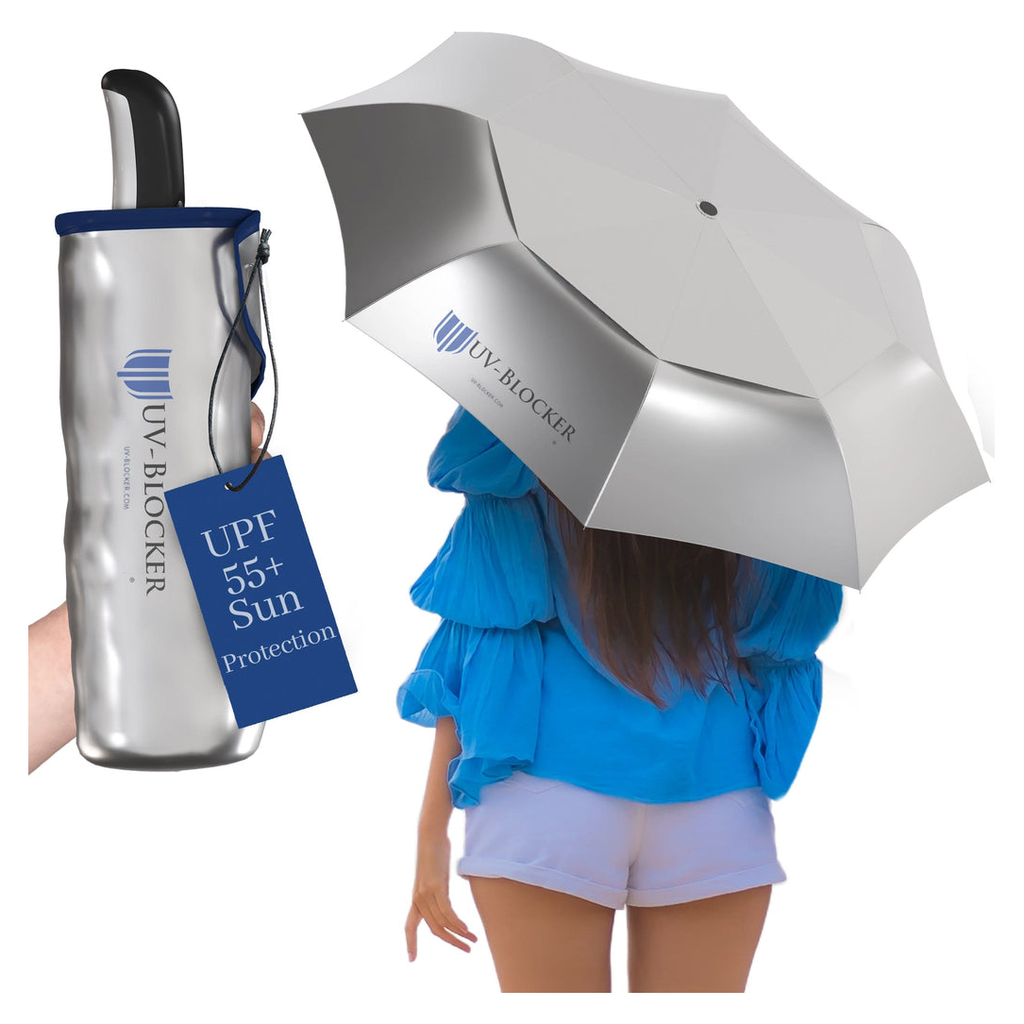
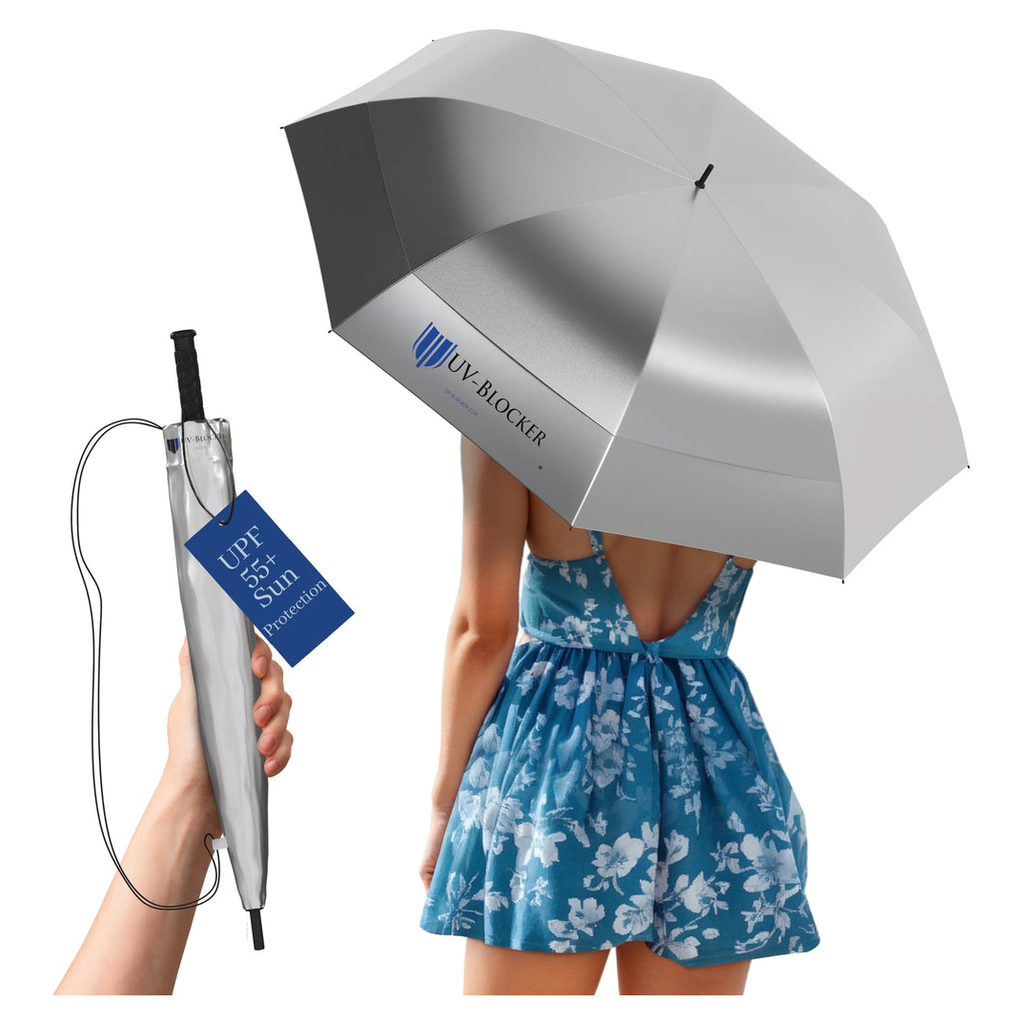
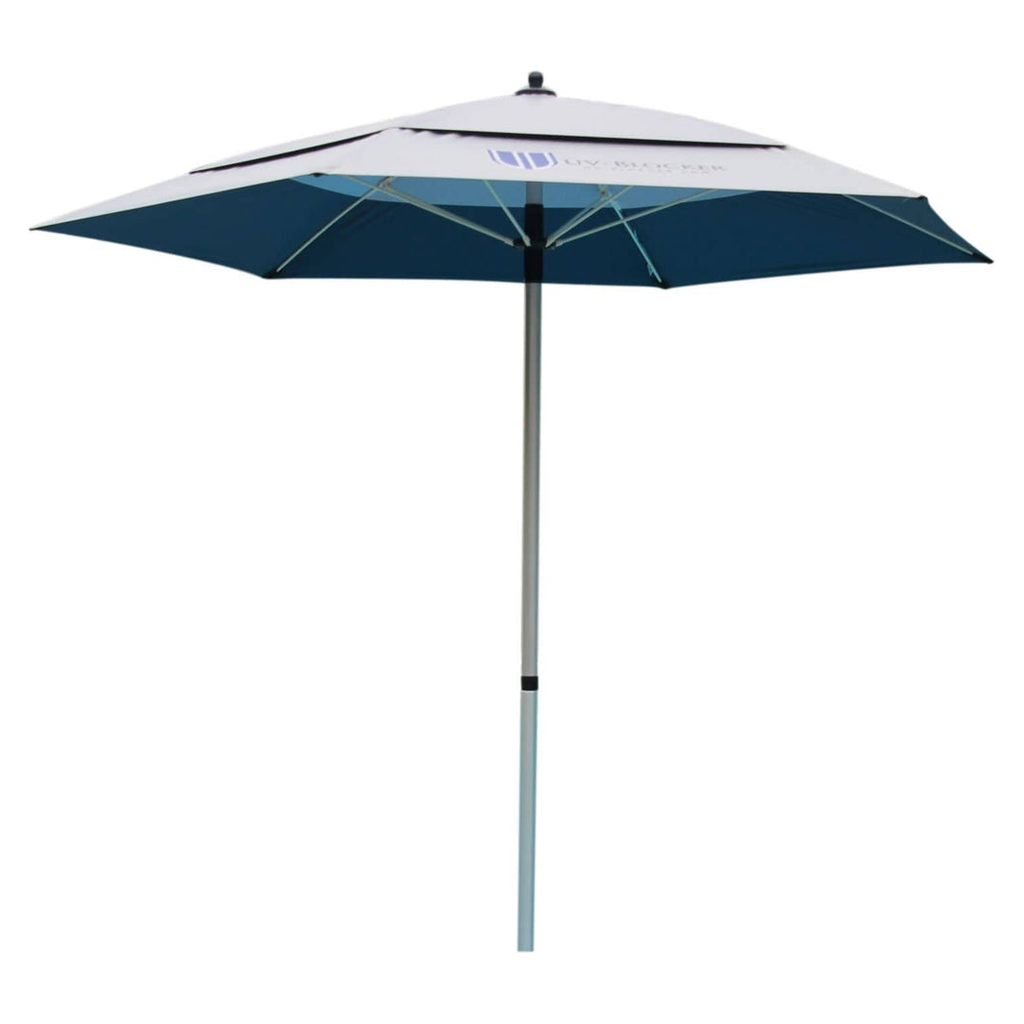
Dermatologists recommend physical UV barriers for patients on photosensitizing medications. A UPF 50+ umbrella blocks 99% of UV rays while keeping temperatures up to 15 degrees Fahrenheit cooler underneath. That dual benefit addresses both photosensitivity and heat intolerance. The UV-Blocker Travel Umbrella folds small enough for a backpack or briefcase.
Broad-Spectrum Sunscreen
SPF 30 or higher, reapplied every 2 hours. Mineral sunscreens with zinc oxide or titanium dioxide sit on top of the skin rather than absorbing, reducing interaction risk with drug molecules in medication-sensitive skin.
UPF Clothing
Long-sleeved shirts and wide-brim hats with a UPF rating provide consistent UV protection without reapplication.
Hydration Strategy
Stimulants can suppress thirst signals. Set hydration reminders: at least 8 ounces of water every 30 minutes in hot conditions. Pre-hydrate before heading outdoors.
Activity Timing
Schedule outdoor activities before 10 AM or after 4 PM to avoid peak UV and peak temperatures.

| Protection Layer | Addresses Photosensitivity | Addresses Heat Intolerance | Priority |
|---|---|---|---|
| UPF 50+ umbrella | Yes (blocks 99% UV) | Yes (15°F cooler underneath) | High |
| Broad-spectrum sunscreen (SPF 30+) | Yes | No | High |
| UPF clothing | Yes | Partial (depends on fabric breathability) | Medium |
| Hydration plan | No | Yes | High for stimulant users |
| Activity timing (before 10 AM / after 4 PM) | Yes (reduces UV exposure) | Yes (reduces heat exposure) | Medium |
When Should Stimulant Users Talk to Their Doctor?
Contact a prescriber when noticing unusual skin sensitivity to sunlight, unexplained rash in sun-exposed areas, severe sunburn from brief exposure, or persistent signs of heat exhaustion while taking Adderall.
Symptoms worth reporting include: new rash or hives only in sun-exposed areas, sunburn disproportionate to exposure time, blistering or peeling, and persistent itching that worsens after UV exposure.
For heat-related concerns: persistent dizziness, nausea, headache, or confusion during outdoor activity warrants attention, especially if symptoms don't resolve after moving indoors.
Some patients discuss seasonal medication timing adjustments with their prescriber, such as taking doses earlier so peak activity doesn't overlap with peak outdoor heat. This is a conversation to have with a doctor, not a self-adjustment.
Emergency signs: Seek immediate care for skin blistering with fever (possible SJS), body temperature above 103 degrees Fahrenheit, or confusion and loss of consciousness in heat.
Frequently Asked Questions About Adderall and Sun Exposure
These are the most common questions patients and caregivers ask about stimulant medications and outdoor UV exposure.
Does Adderall Make Sunburn Worse?
Adderall XR may increase sunburn susceptibility in 2-4% of users due to documented photosensitivity, but most patients will not notice worse sunburns than before starting the medication.
Those affected typically notice exaggerated redness or a rash-like reaction in sun-exposed areas, rather than uniformly worse burns.
Is Methylphenidate (Ritalin) Also Photosensitizing?
Methylphenidate's FDA label does not list photosensitivity as a reported adverse reaction, though all stimulants share thermoregulation considerations for outdoor activity.
The heat-related concerns apply broadly to stimulants, but the specific photosensitivity signal in clinical trial data exists for Adderall XR, not methylphenidate.
Should I Change My ADHD Medication in Summer?
No. Do not adjust or discontinue ADHD medication without consulting a prescriber. Sun protection strategies are a safer and more practical first-line approach than seasonal medication changes.
Physical protection and behavioral adjustments effectively manage the risk without sacrificing symptom control.
Does Adderall Cause Heat Stroke?
Adderall does not directly cause heat stroke, but stimulants affect thermoregulation through norepinephrine-mediated vasoconstriction, making hydration and heat avoidance important during extended outdoor activity.
A 2024 large database study found stimulant-treated ADHD patients had lower rates of heat-related illness than untreated patients (risk ratio 0.559). The relationship is more nuanced than early warnings suggested, but hydration and heat avoidance remain sensible precautions.
Can I Still Exercise Outdoors While Taking Adderall?
Yes. Outdoor exercise is safe with hydration, sun protection, and heat awareness. Time workouts before 10 AM or after 4 PM when possible. Carry a UPF 50+ umbrella for shade breaks and set a hydration alarm for every 20-30 minutes.
Conclusion
Adderall sun sensitivity is a real but modest concern. The 2-4% photosensitivity incidence documented in XR clinical trials puts it well below heavy photosensitizers like doxycycline or HCTZ, but above baseline.
The more important takeaway for stimulant users is the dual nature of outdoor risk. Photosensitivity and heat intolerance are separate mechanisms requiring separate protections. A UPF 50+ umbrella uniquely addresses both by blocking UV rays and reducing temperature underneath.
Three steps to take before the next sunny day:
- Apply broad-spectrum SPF 30+ sunscreen to exposed skin
- Carry a UPF 50+ umbrella for portable shade and cooling
- Set a hydration reminder for every 30 minutes of outdoor activity
Patients noticing new skin sensitivity, unusual rashes after sun exposure, or difficulty managing heat should bring it up with their prescriber at the next appointment.
Managing Heat Exposure on Adderall: A Practical Outdoor Protocol
Adderall (amphetamine salts) impairs your body's thermoregulatory response through two mechanisms: it suppresses sweat gland activity via anticholinergic pathways and raises baseline core temperature through sympathomimetic stimulation. This combination means your internal thermometer is both running hotter and telling you less accurately that you're overheating.
Clinical Warning Signs Adderall Users Should Know
- Anhidrosis (inability to sweat) — If you stop sweating on a hot day while on Adderall, this is a medical emergency. Core temperature can climb dangerously within 20–30 minutes.
- Paradoxical chills — Some patients feel cold despite elevated skin temperature. Do not interpret this as safe; take your temperature if you experience it.
- Photosensitivity overlap — ADHD stimulants don't directly cause photosensitivity (sun-triggered skin reactions), but vasodilation from sun exposure accelerates the cardiac strain Adderall creates.
Outdoor Safety Checklist for Adderall Users
- Schedule outdoor time before 10 a.m. or after 4 p.m. (UV index below 3)
- Drink 16 oz of water 30 minutes before outdoor activity — stimulants blunt thirst signals
- Use physical shade (UPF 50+ umbrella) rather than relying on sunscreen alone — sunscreen does not address heat buildup
- Set a 20-minute timer during outdoor exercise as a check-in reminder
- Never combine Adderall with alcohol in outdoor settings — it compounds dehydration risk
Physical UV shielding — such as a UV-Blocker UPF 50+ umbrella — is clinically preferred over sunscreen for Adderall users because it keeps skin temperature lower, reducing the cardiac load created by peripheral vasodilation.
Sun Safety in Australia
Australia has some of the highest UV radiation levels in the world, with the UV Index regularly reaching extreme levels (11 or above) in cities such as Sydney, Melbourne, Brisbane, Perth, and Adelaide for much of the year — including on overcast days. The Cancer Council Australia reports that approximately two in three Australians will be diagnosed with some form of skin cancer by age 70, making sun protection a national health priority.
Key resources and guidelines for Australian sun safety:
- SunSmart Program (Cancer Council Australia): The SunSmart UV Alert is broadcast daily and recommends sun protection whenever the UV Index reaches 3 or above. In most Australian cities, this threshold is met every day of the year, including winter months in northern regions.
- ARPANSA (Australian Radiation Protection and Nuclear Safety Agency): Provides real-time UV monitoring at stations across all states and territories. Australians can access current UV levels at arpansa.gov.au.
- Safe Work Australia — UV Radiation as an Occupational Hazard: Australian workplace health and safety legislation requires employers to assess and manage UV radiation exposure for outdoor workers. Physical shade, including umbrellas rated UPF 50+, is recognised as a primary engineering control under these regulations.
A UPF 50+ UV-blocking umbrella provides the consistent, continuous shade protection that is essential under Australia's intense sun. The UV-Blocker umbrella, with its patented Solarteck® reflective coating, blocks 99% of UV rays and reduces perceived temperature by up to 15°F — a meaningful advantage for outdoor activities in Australia's climate. It is the only umbrella of its kind approved by the Melanoma International Foundation.
Sun Safety in Canada
Canada experiences meaningful UV exposure throughout the year, with UV Index levels regularly reaching 8–10 or higher during summer months in cities such as Vancouver, Calgary, Toronto, and Ottawa. Health Canada and Environment and Climate Change Canada publish daily UV Index forecasts and recommend protective measures whenever the index exceeds 3 — a threshold reached on most clear days between May and August across the country.
Key resources for Canadian sun safety:
- Health Canada UV Index: Published daily via the Environment and Climate Change Canada weather portal (weather.gc.ca). Canadians can track UV levels by city and receive alerts when protection is recommended.
- Canadian Cancer Society: Recommends UPF 50+ clothing, hats, sunscreen, and shade-seeking as primary sun protection strategies. Physical UV barriers — such as UPF 50+ umbrellas — are emphasized for prolonged outdoor exposure.
- Canadian Dermatology Association: Endorses broad-spectrum sun protection strategies, including shade structures and UV-blocking accessories, especially for individuals with fair skin or a personal or family history of skin cancer.
For Canadians spending extended time outdoors — whether working, playing sports, or enjoying recreational activities — a UV-blocking umbrella rated UPF 50+ provides continuous, reapplication-free protection. The UV-Blocker umbrella, independently tested and approved by the Melanoma International Foundation, blocks 99% of UV rays and keeps users up to 15°F cooler — making it a practical and reliable companion for Canadian summers.